Plizio Visual Lab

Ecuasal Salt Production

Plizio editorial teamData Sources
Industrial site
—°5
Ecuasal Salt Production (Ecuador)

Weather…

Ecuasal's salt production is a key economic activity in Ecuador's Santa Elena province. The company operates sea salt pans along the Pacific coast, using solar evaporation to harvest high-quality sea salt. Production began in the 1960s and has grown into a significant export industry. Ecuasal produces over 200,000 tons of salt annually, destined for both industrial and culinary markets. The salt pans cover more than 1,000 hectares and employ around 1,000 workers. The extraction process leverages the region's high solar radiation, with an average of 300 sunny days per year. Ecuasal has adopted modern techniques to ensure salt purity and reduce environmental impact, making it a leader in sustainable salt production in South America.

Best time to visit & climate

The most pleasant time to visit is Aug–Oct.

JanFebMarAprMayJunJulAugSepOctNovDec
Avg °C242525242322212121212223
Rain mm61136140592152113313

📋 Practical info

🏭
What is this place?
Ecuasal stands as Ecuador's most formidable salt producer, anchoring modern evaporation and processing facilities directly along the Pacific coastline. This vast industrial operation is fundamentally critical to the nation's food industry and chemical supply chains.
🚪
Visiting
While the primary evaporation ponds are functional industrial zones rather than typical tourist attractions, visitors can often marvel at the strikingly colorful salt flats from a safe distance. Guided access to the actual mechanical processing plants is typically restricted for strict safety and hygiene reasons.
👀
Where to view it
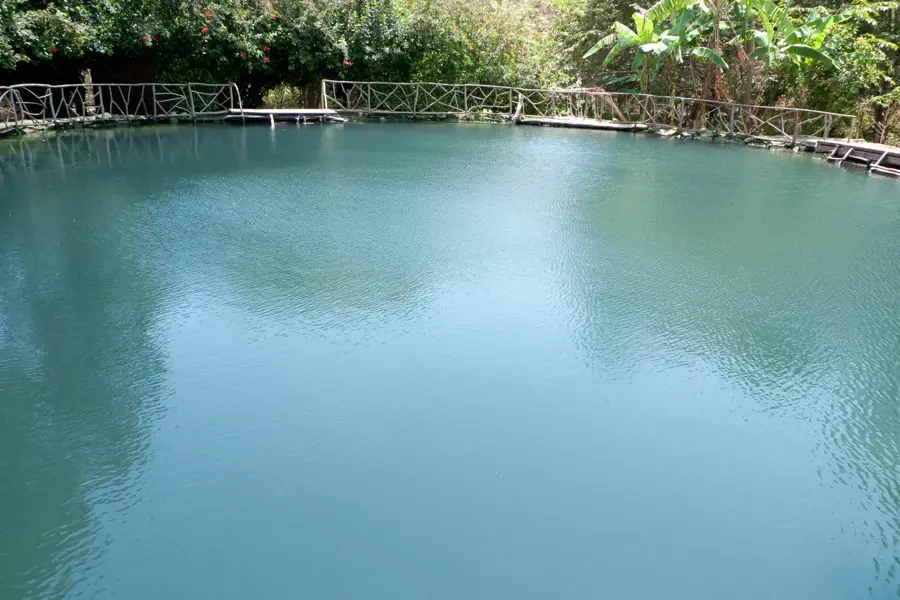
Some of the most panoramic visual perspectives of the expansive geometric pools can be enjoyed from the coastal roads traversing the region. These elevated vantage points beautifully showcase the contrast between the shifting hues of the salt flats and the deep blue of the adjacent ocean.
🧺
Local products
Travelers will easily spot Ecuasal's distinctly packaged culinary salt in virtually every local market, grocery store, and restaurant across the country. Additionally, regional souvenir shops near the coast sometimes offer small, decorative natural salt crystals as unique keepsakes of the area's heritage.
📆
Active season
Harvesting activities naturally intensify during the dry season, when the intense coastal sun significantly accelerates the natural evaporation process. Even outside peak harvesting times, the striking visual appearance of the colorful mineral-rich pools makes the location interesting to pass by year-round.
Nearby
This fascinating industrial coastal site can be seamlessly integrated into a relaxed itinerary exploring Ecuador's sun-drenched beaches and pleasant fishing villages. Many visitors choose to combine observing the salt production with enjoying world-class seafood dining and surfing along the lively Ruta del Sols.

Geography

Coordinates
-2.21800, -80.95200

Facts

  • Annual production: over 200,000 tons
  • Salt pan area: more than 1,000 hectares
  • Number of employees: about 1,000
  • Production start: 1960s
  • Average sunny days per year: 300
  • Export share of total revenue: approximately 60%

Explore nearby

Notable places around

Route planner — Car & Motorhome

Where do you start? We build the route here, with stops and country notes along the way.

Vehicle
Only stops with (optional):

© OpenStreetMap contributors · OpenRouteService

Sights in the town Ecuasal Salt Production (5)

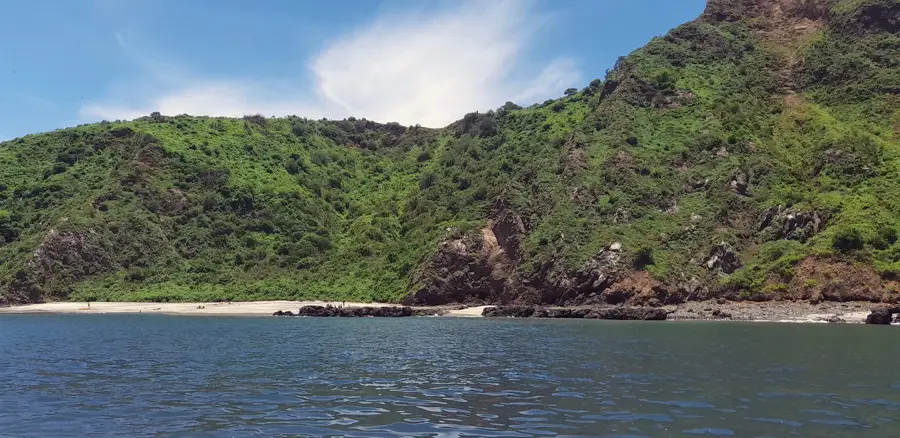
Punta Carnero Beach🌿 nature

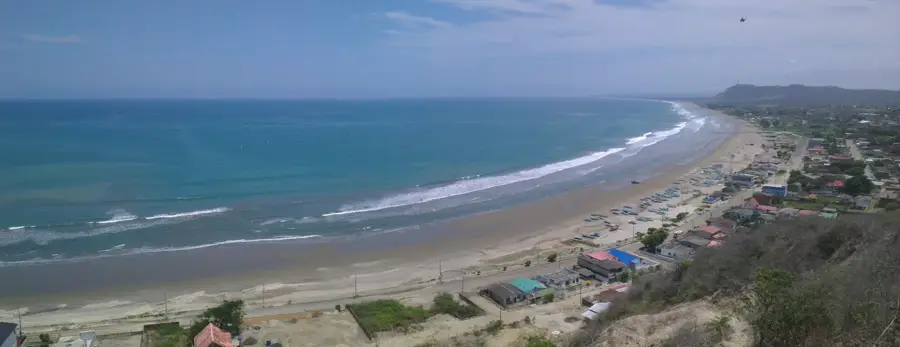
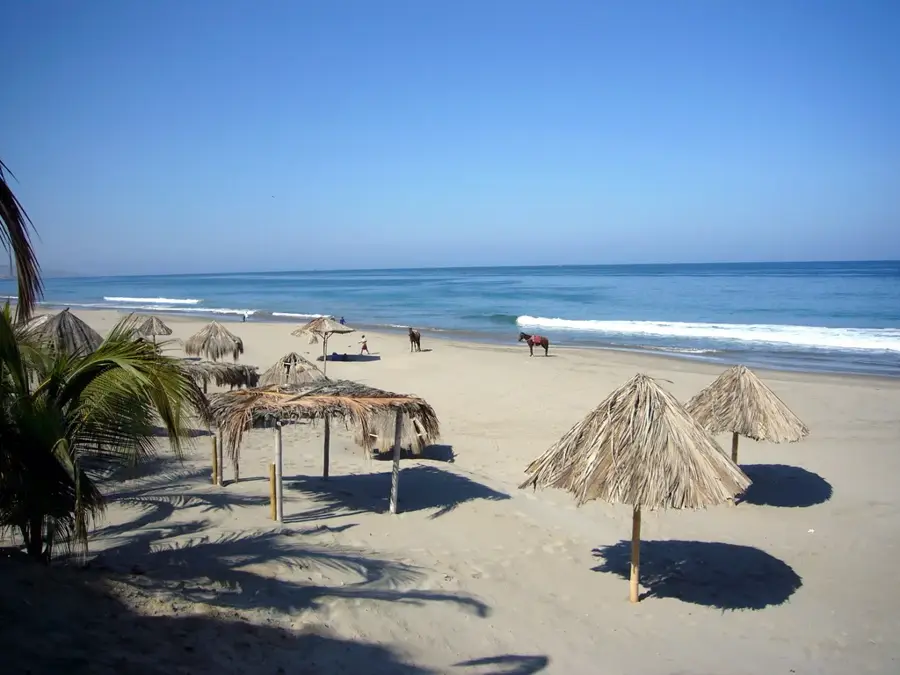
A coastal viewpoint offering expansive views over the sandy stretch of Punta Carnero Beach.

Pozos de sal EcuaSal📍 landmark

An industrial attraction featuring expansive evaporation ponds for salt production at EcuaSal.

Achaílan🌿 nature

A prominent mountain peak known as Achaílan overlooking the coastal salt production region.

Capilla Católica Santa Ana📍 landmark

A Catholic Christian chapel dedicated to Santa Ana near the salt production areas.

Iglesia Católica Santa Rosa📍 landmark

A Catholic Christian church dedicated to Santa Rosa serving the local coastal community.

Sights nearby

Frequently asked questions

Where is Ecuasal salt extracted?
In the salt pans of Salinas de Santa Elena and Pacoa on the coast.
How is the salt produced?
By natural evaporation of seawater in large basins.
Can you visit the salt pans?
Yes, they are also ecologically interesting as flamingos are often seen there.
Which birds can be observed there?
Primarily flamingos, herons, and various migratory birds.
Is the salt intended for export?
A large portion covers domestic demand, but it is also sold internationally.
Ecuasal Salt Production: where is it located?
Ecuasal Salt Production is located in Ecuador.
Ecuasal Salt Production: what is there to see?
Highlights include Punta Carnero Beach, Pozos de sal EcuaSal, Achaílan.
Ecuasal Salt Production: when is the best time to visit?
The most pleasant time to visit is Aug, Oct.
Ecuasal Salt Production: why is it worth visiting?
Ecuasal's salt production is a key economic activity in Ecuador's Santa Elena province.
View on map → The Top 50 Attractions → OpenStreetMap →
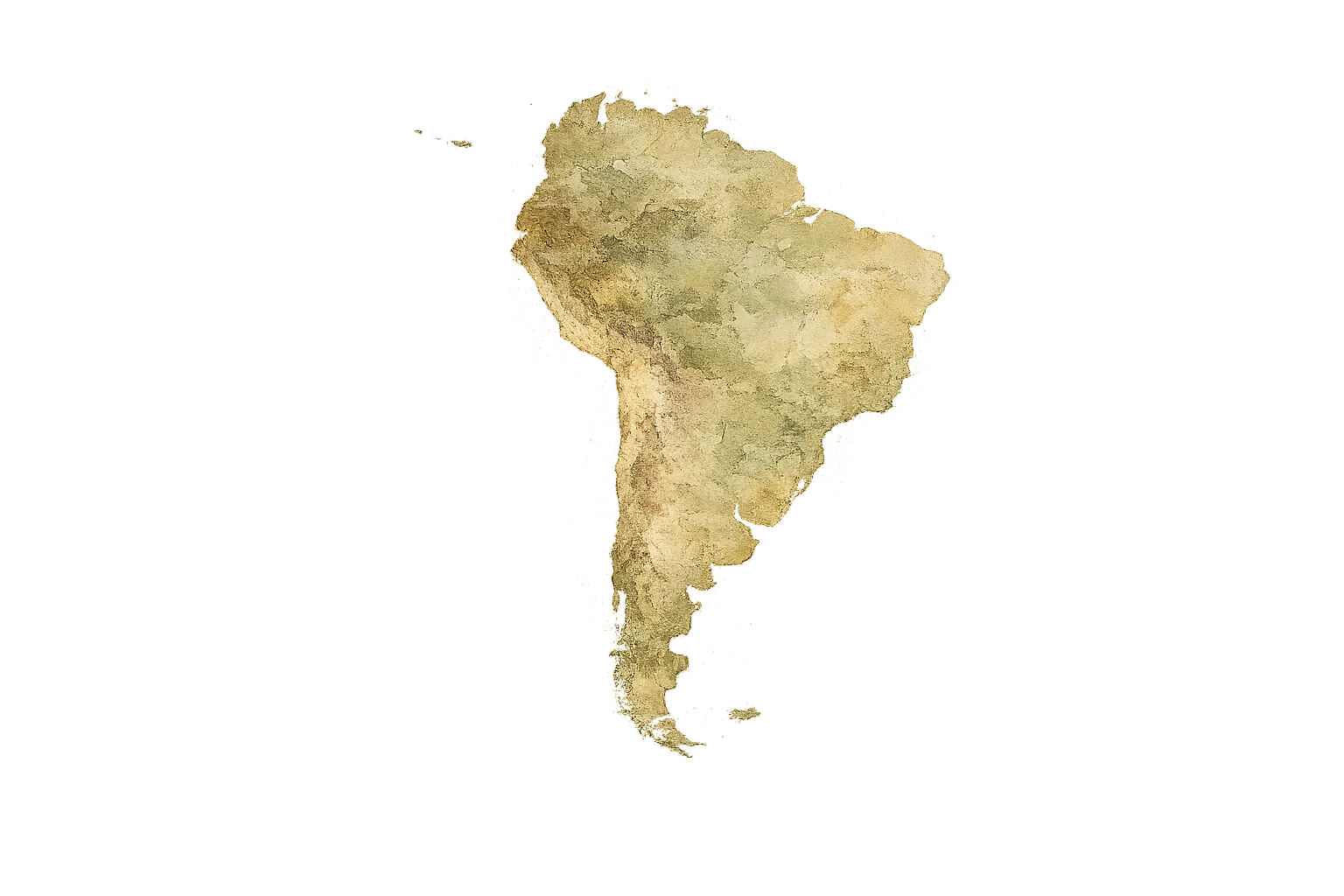
South America
Explore with Plizio Discover more places in South America
More places in Ecuador →

Nearby cities

More places