Plizio Visual Lab
Samtse
ℹ️Practical info — Samtse
▾
🌤 Weather — 5 days
📍 Nearby
Sights nearby
💡 Tips
- Samtse is much lower in altitude and has a subtropical climate; dress in light, breathable clothing.
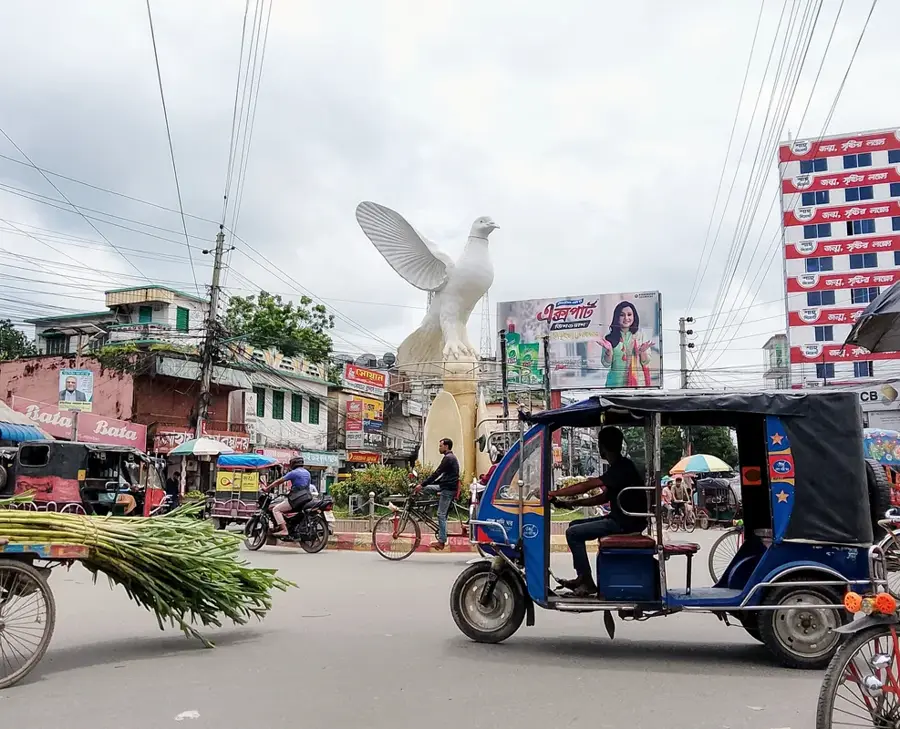
- Because of its location on the border with India, you'll notice a distinct blend of Bhutanese, Nepali, and Indian cultural influences.
- Be prepared for monsoon rains if traveling in the summer; the region gets significant rainfall.
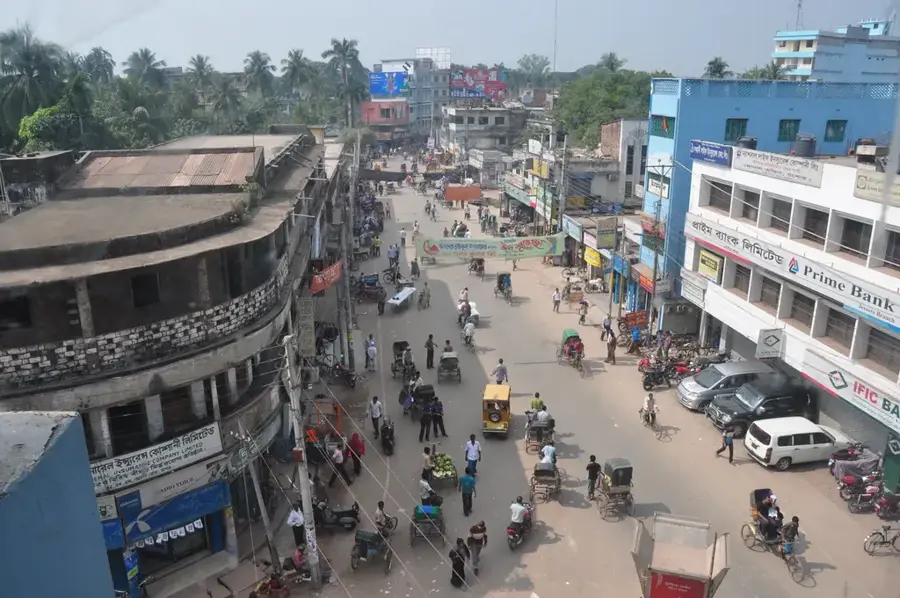
- As an industrial and border town, it sees fewer foreign tourists; locals are friendly but may not be as used to international visitors.
🍽 Food
A sweet, ring-shaped rice bread popular among the Lhotshampa (ethnic Nepali) community.
Nepalese/Tibetan dumplings and noodle soups are widespread in the local canteens.
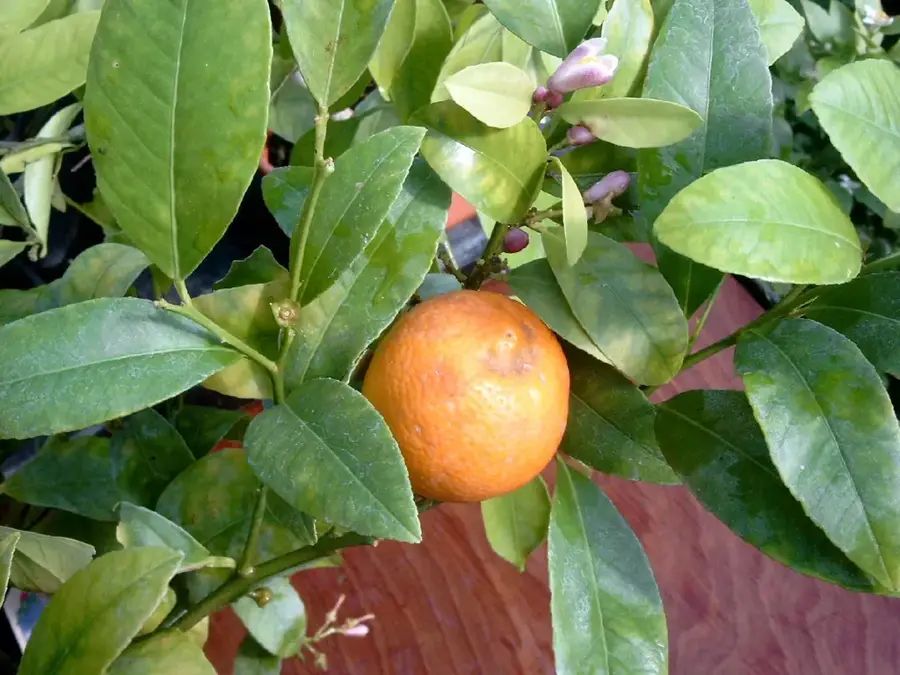
Buy locally grown oranges, bananas, and mangoes from the town market.
🛍 Shopping · 🧘 Quiet spots
The local markets offer a wide variety of spices crossing the border.
It's a major cash crop here; you can see locals buying and selling betel nuts everywhere.
The lush, rolling tea gardens nearby offer a highly tranquil atmosphere.
There are beautifully lively Mandirs scattered in the region offering quiet reflection.
Water temperature…
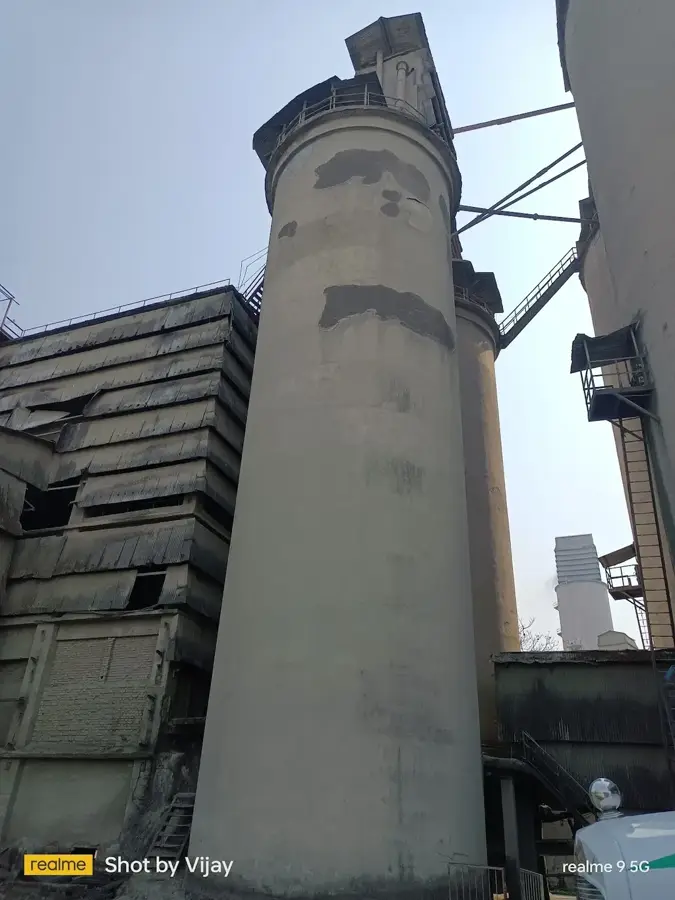
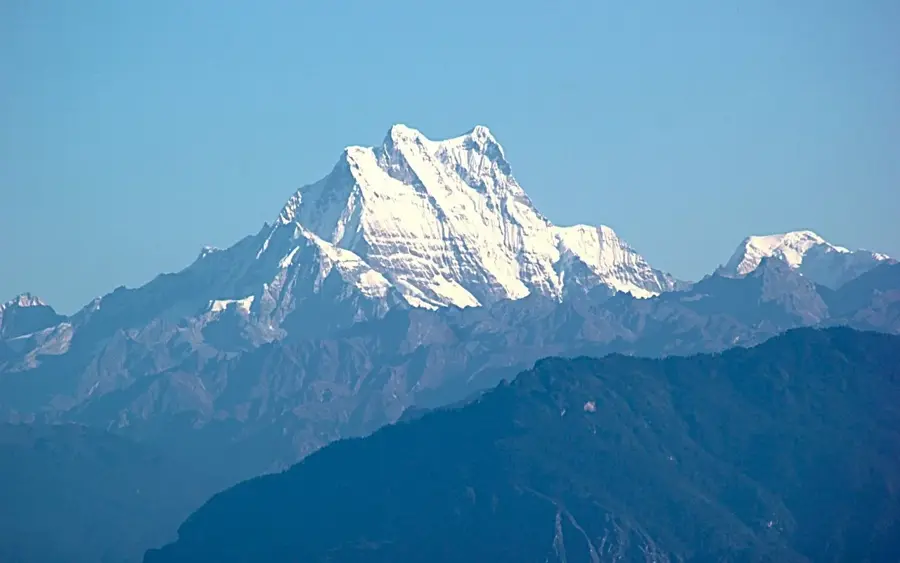
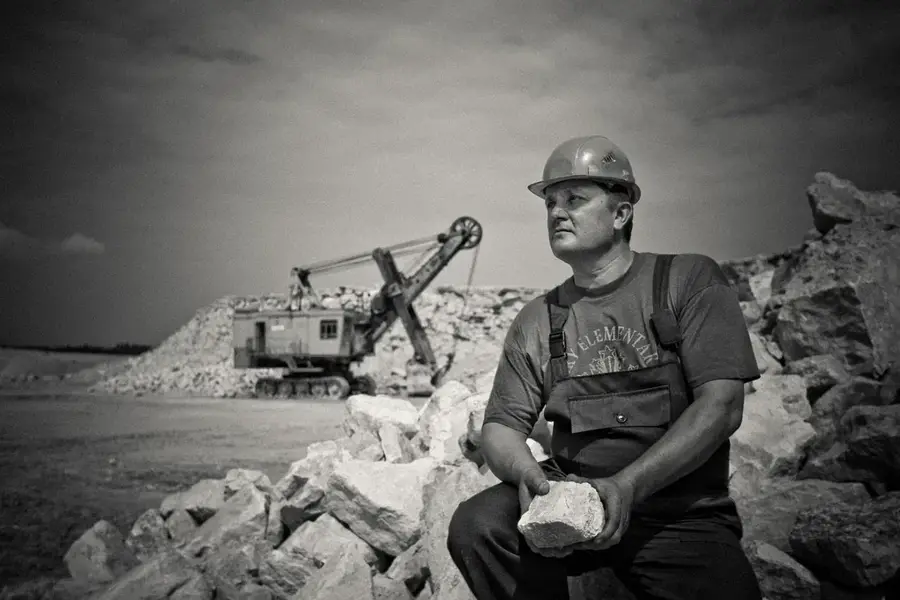
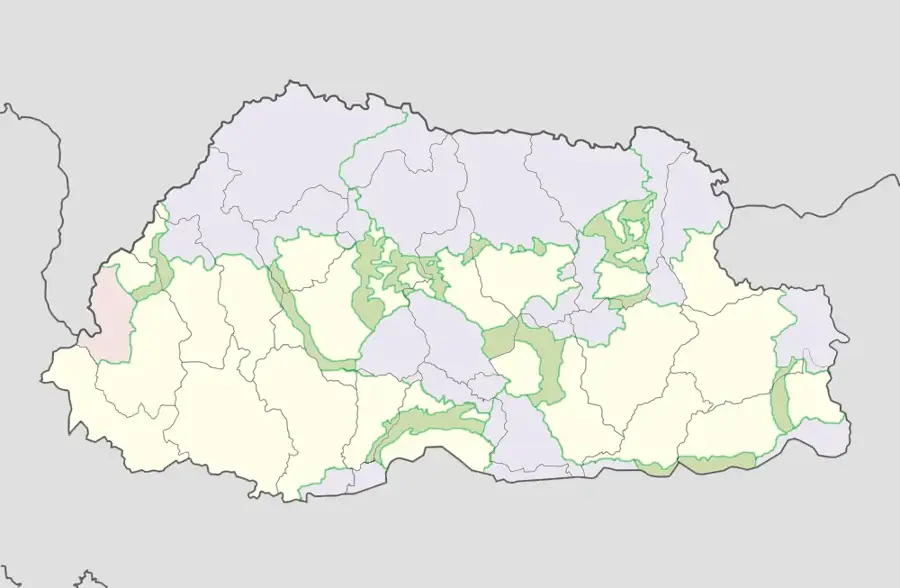
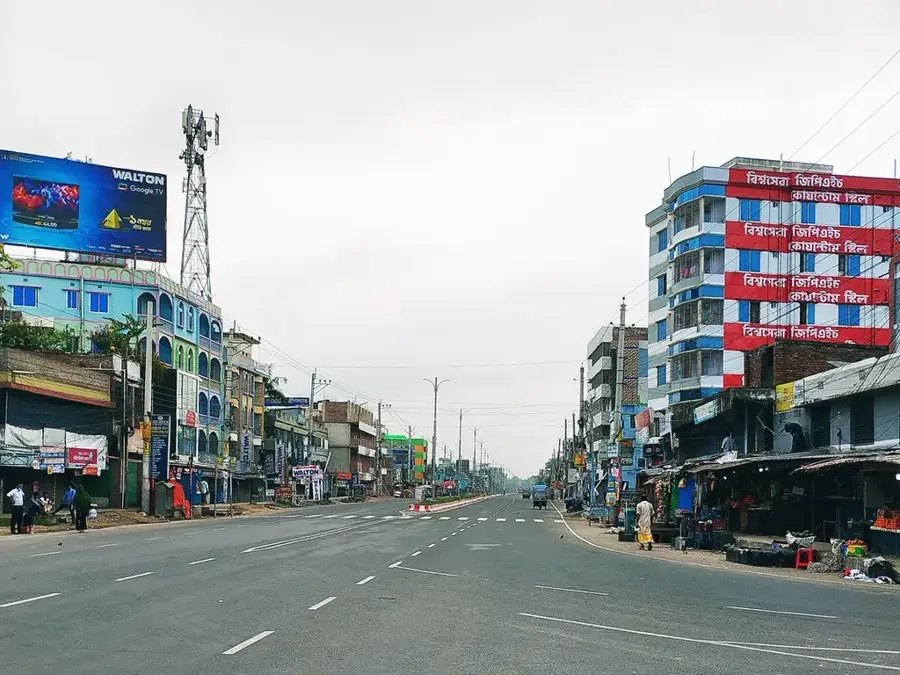
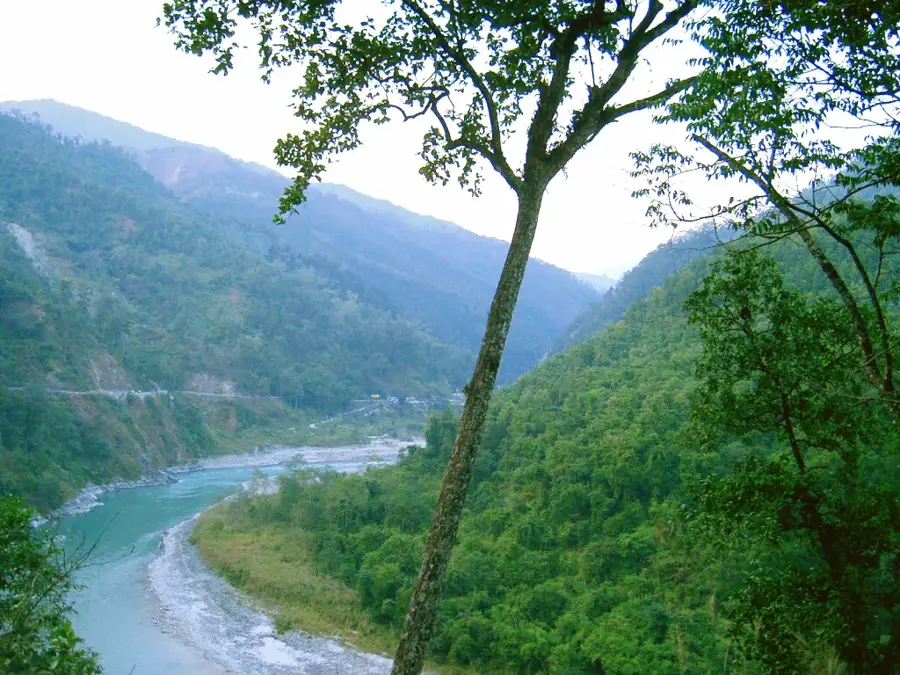
Samtse is located in southwestern Bhutan along the border with India and serves as a vital economic hub for the kingdom. The region's climate differs significantly from the Bhutanese highlands, featuring a subtropical environment that is well-suited for growing cash crops such as cardamom, oranges, and tea. The town is well-known for its industrial base, particularly in the mining of talc and dolomite, as well as large-scale cement production. Samtse is a cultural melting pot where Bhutanese traditions blend with influences from the neighboring Indian states of West Bengal and Sikkim. A major landmark is the Samtse College of Education, which has been a cornerstone of the country's higher education system since its establishment in 1968. Recent infrastructure developments, including new highway connections and industrial estates, have further increased the town's regional importance. The surrounding area is characterized by lush forests and rolling hills typical of the Himalayan foothills, making Samtse a key point for cross-border trade.
- Location: Bhutan
- Top sights: Samtse Buddhist Stupa · Shivalaya Mandhir Samtse · Buddhist Monastery of Samtse
- Nearby: Haa (20 km)
- Population: ~5.396 (2026)
Best time to visit & climate
The most pleasant time to visit is Mar, Apr, Nov.
| Jan | Feb | Mar | Apr | May | Jun | Jul | Aug | Sep | Oct | Nov | Dec | |
|---|---|---|---|---|---|---|---|---|---|---|---|---|
| Avg °C | 11 | 14 | 18 | 21 | 22 | 23 | 23 | 23 | 22 | 19 | 16 | 13 |
| Rain mm | 6 | 13 | 34 | 78 | 166 | 270 | 445 | 340 | 263 | 83 | 5 | 3 |
Geography
Facts
- The Samtse College of Education was established in 1968.
- Samtse is a leading producer of cardamom for export in Bhutan.
- The town is situated at a relatively low altitude in the Himalayan foothills.
- Major mining operations for talc and dolomite are located in the vicinity.
- The region experiences a humid subtropical climate unlike northern Bhutan.
- A modern football stadium was recently constructed to boost local sports.
Explore nearby
Notable places around

Route planner — Car & Motorhome
Where do you start? We build the route here, with stops and country notes along the way.
© OpenStreetMap contributors · OpenRouteService
Sights in the town Samtse (3)
Frequently asked questions
How many days should you spend in Samtse?
When is the best time to visit Samtse?
How to get to Samtse?
What local food should I try?
Is Samtse family-friendly?
Samtse: where is it located?
Samtse: what is there to see?
Samtse: when is the best time to visit?
Samtse: why is it worth visiting?
Nearby cities
History & landmarks

Nature
More places