Plizio Visual Lab
Viedma
ℹ️Practical info — Viedma
▾
🌤 Weather — 5 days
📍 Nearby
Sights nearby
💡 Tips
- Take the small coastal boat (lancha) across the Negro River to visit the historic town of Carmen de Patagones.
- Patagonian winds can be strong; always bring a windbreaker even in summer.
- Rent a bicycle to explore the long, scenic riverside promenade (Costanera).
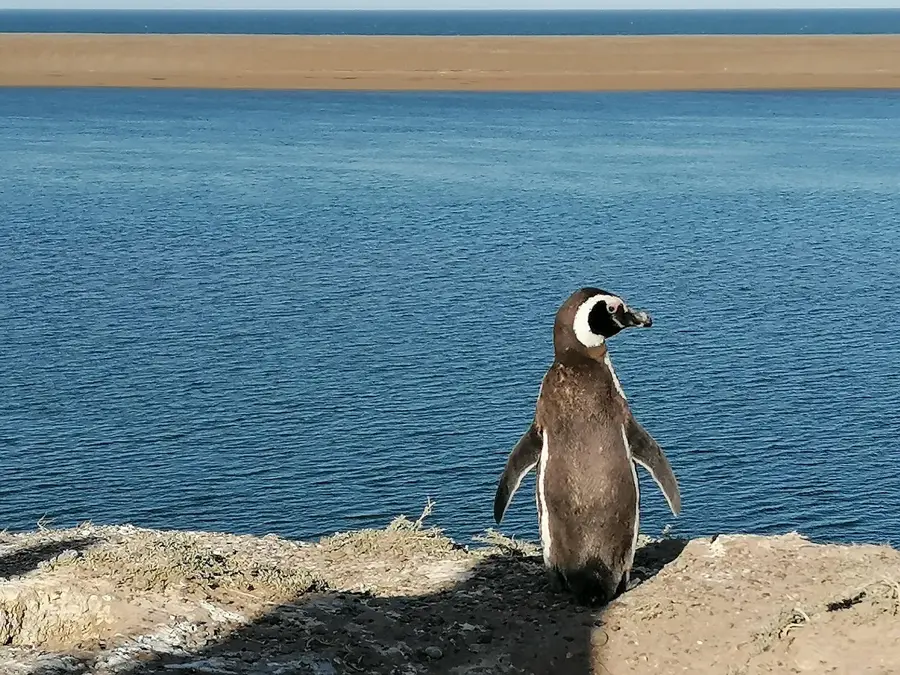
- Visit Balneario El Cóndor, about 30 km away, to see dramatic sea cliffs and a massive burrowing parrot colony.
- The local siesta is observed strictly; shops usually close between 1 PM and 5 PM.
🍽 Food
Try this slow-roasted specialty at traditional parrillas (steakhouses) downtown.
A local river fish, best enjoyed lightly fried at restaurants along the riverfront.
Sweet local treats available at specialty shops near the main square.
🛍 Shopping · 🧘 Quiet spots
Great for authentic Mapuche crafts, woven goods, and local pottery.
Look for pickled wild boar and local berry jams in gourmet grocery stores.
The main commercial street, convenient for everyday shopping and local boutiques.
The extensive, tree-lined riverwalk great for an evening stroll.
A spacious riverside park where locals gather for mate and relaxation.
The leafy, peaceful main square surrounded by historic buildings.
Water temperature…
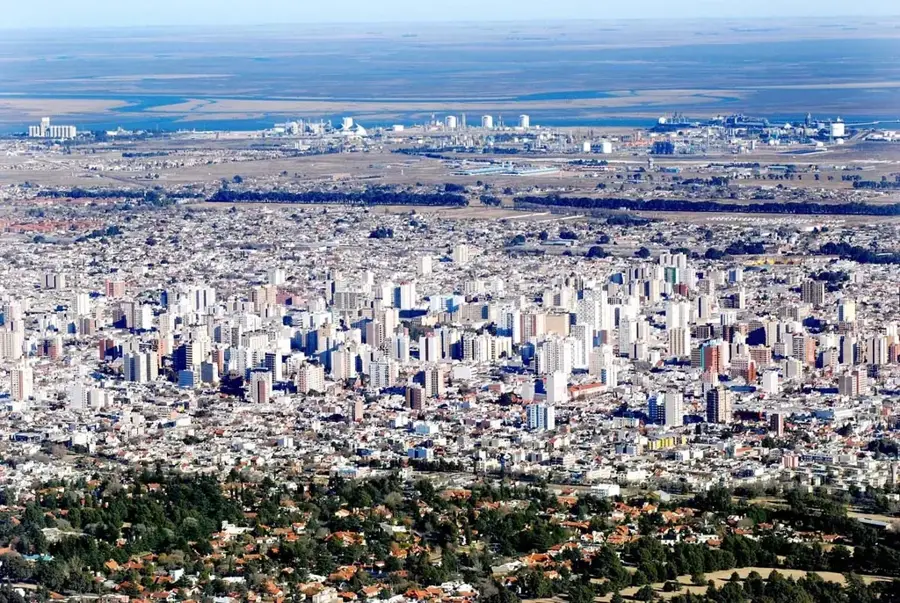
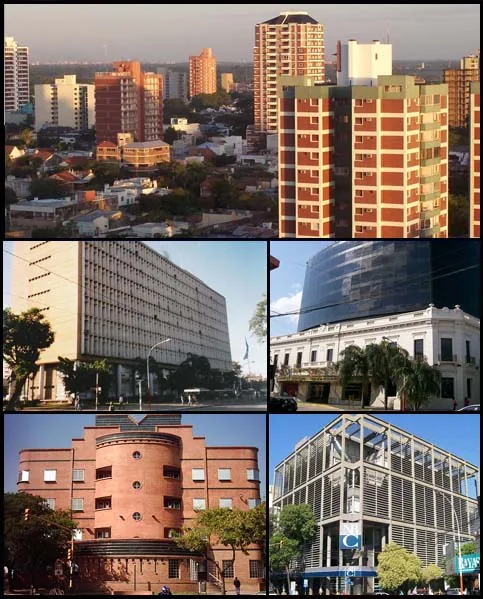
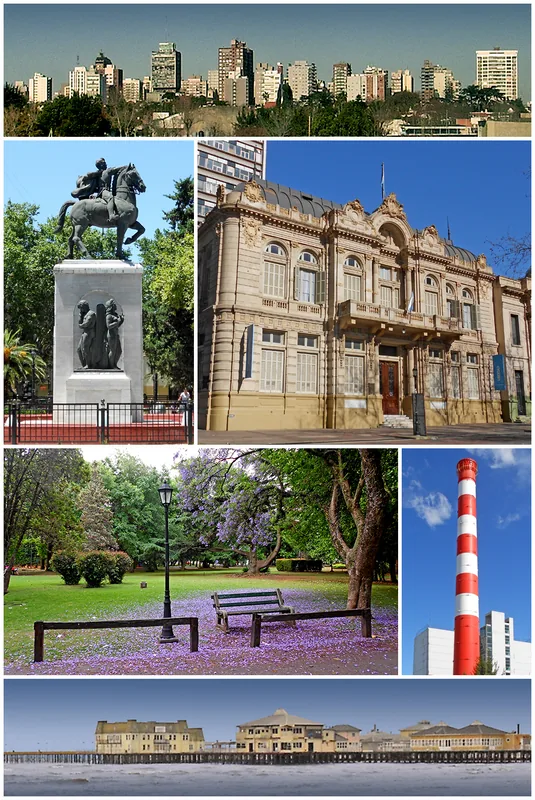
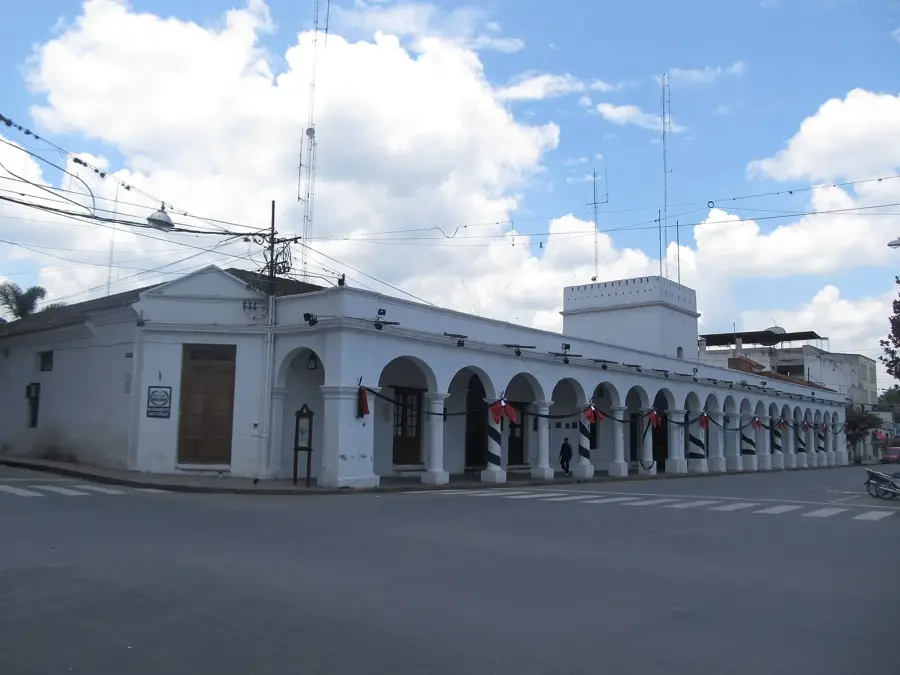
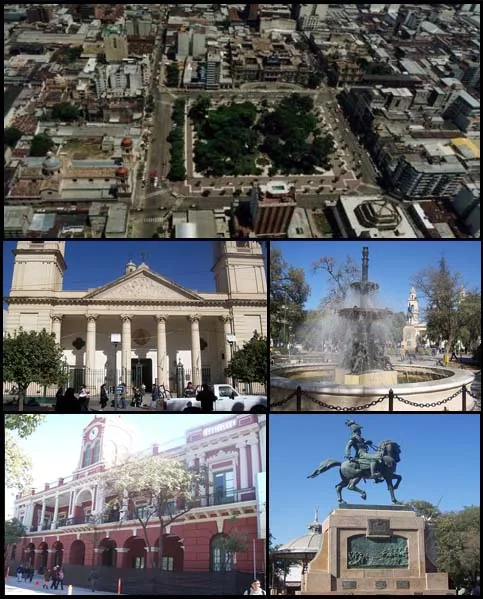
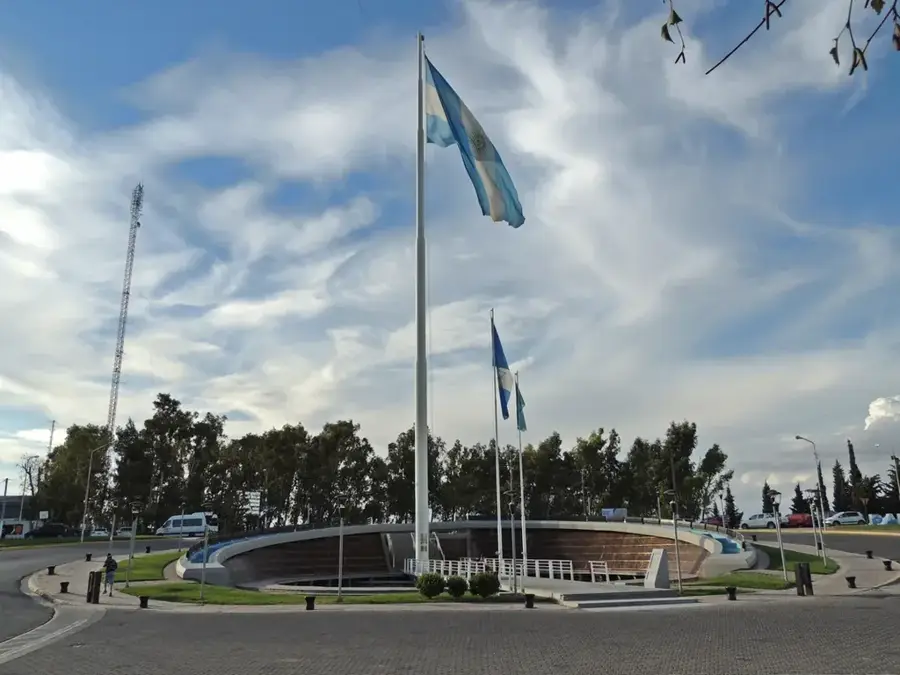
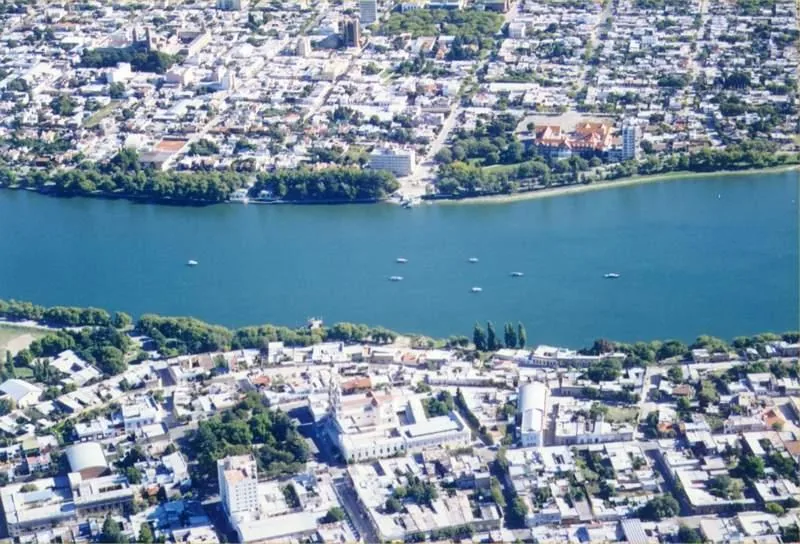
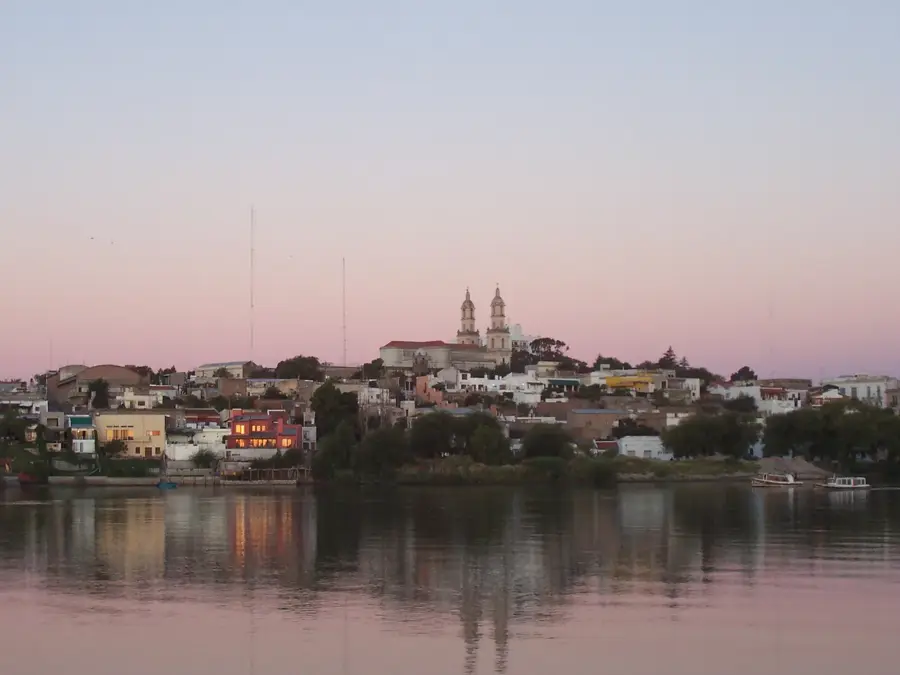
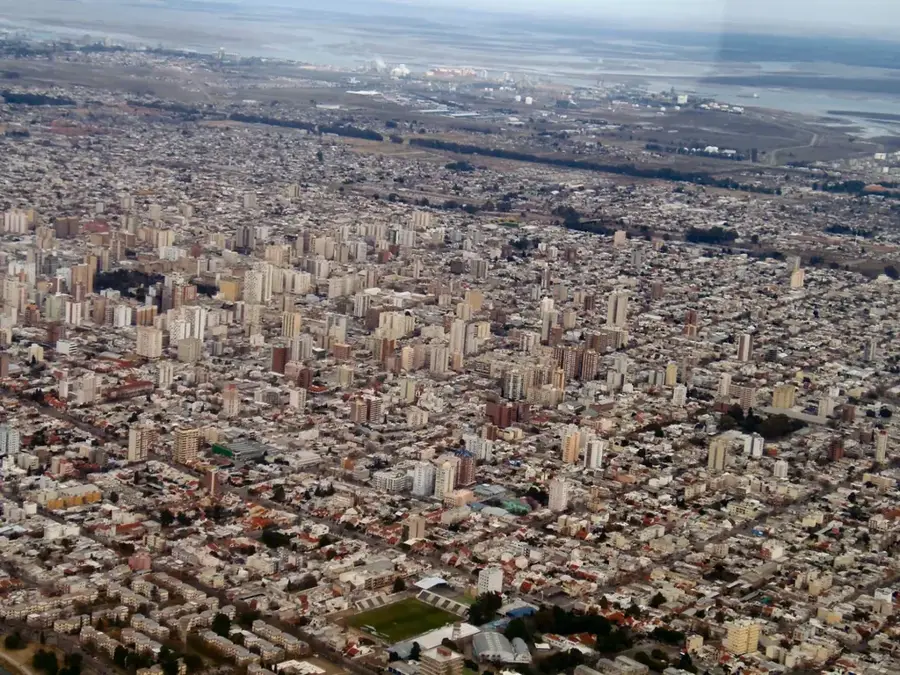
Viedma, the capital of Río Negro Province, is a city steeped in history and serves as one of the oldest settlements in Argentine Patagonia. Located on the southern bank of the Río Negro, it faces its historic sibling, Carmen de Patagones, forming a unique urban duo linked by bridges and boats. Founded in 1779 as a Spanish fort, Viedma has evolved into a key administrative and political hub. The city gained national prominence in the mid-1980s when President Raúl Alfonsín proposed moving the federal capital of Argentina from Buenos Aires to Viedma. Although the plan was eventually shelved due to economic challenges, it left a lasting legacy on the city's infrastructure and ambition. Today, Viedma is characterized by its expansive 'Costanera,' a beautiful riverside parkway that stretches for kilometers and serves as the city's social heart. The local economy is grounded in provincial administration, trade, and the agriculture of the lower Río Negro valley, which produces premium nuts, fruits, and livestock. A short drive away lies the Atlantic coast and the beach resort of El Cóndor, home to the world's largest burrowing parrot colony, set in the towering sea cliffs. Culturally, the city is a repository of Patagonian heritage, with museums like the Salesian Museum documenting the early missions and the indigenous Mapuche and Tehuelche history. Viedma is also a center for water sports, hosting the start of the world-famous Río Negro Regatta, the longest kayak race on the planet. With the presence of the National University of Río Negro, the city maintains a youthful and intellectual energy. Its blend of historic charm, river-oriented lifestyle, and strategic importance makes Viedma a cornerstone of the southern Argentine landscape.
- Location: Argentina
- Top sights: Catedral Nuestra Señora de la Merced · Puente Ferrocarretero · Museo Tecnológico del Agua y del Suelo "Ingeniero Osvaldo Casamiquela"
- Population: ~48.940 (2026)
Best time to visit & climate
The most pleasant time to visit is Jan, Feb, Dec.
| Jan | Feb | Mar | Apr | May | Jun | Jul | Aug | Sep | Oct | Nov | Dec | |
|---|---|---|---|---|---|---|---|---|---|---|---|---|
| Avg °C | 22 | 21 | 19 | 15 | 11 | 8 | 7 | 8 | 11 | 14 | 17 | 20 |
| Rain mm | 28 | 44 | 50 | 33 | 34 | 27 | 34 | 26 | 23 | 37 | 25 | 22 |
Geography
Facts
- Viedma was founded on April 22, 1779, by Francisco de Viedma.
- It was designated as the federal capital-to-be during Raúl Alfonsín's presidency.
- The city hosts the finish or start of the 500km-long Río Negro Regatta.
- The world's largest colony of burrowing parrots is located 30km away at El Cóndor beach.
- Viedma and Carmen de Patagones are connected by the Basilio Villarino Bridge.
- The climate is classified as semi-arid with oceanic influence from the Atlantic.
- Viedma is the administrative center for the productive Lower Valley (Valle Inferior).
- The city's main square, Plaza Alsina, is home to several historic government buildings.
Explore nearby
Notable places around
Route planner — Car & Motorhome
Where do you start? We build the route here, with stops and country notes along the way.
© OpenStreetMap contributors · OpenRouteService
Sights in the town Viedma (11)
Frequently asked questions
How many days do you need in Viedma?
What is the best time to visit Viedma?
How do you get to Viedma?
What local food should you try in Viedma?
Is Viedma family-friendly?
Viedma: where is it located?
Viedma: what is there to see?
Viedma: when is the best time to visit?
Viedma: why is it worth visiting?
Nearby cities