Tirana International Film Festival (TIFF)
Albania's largest film festival showcases feature, documentary and short films from around the world each autumn. It is regarded as the country's foremost cinema event.
PlizioGo
Grab this savory pie at local bakeries (byrektore) situated around the New Bazaar (Pazari i Ri).
Enjoy this baked lamb and yogurt dish at traditional restaurants near the Castle of Tirana (Kalaja e Tiranës).
Try this blend of peppers, tomatoes, and cheese in authentic taverns within the Blloku neighborhood.
A great spot for buying fresh produce, unique souvenirs, and local ceramics.
Walk down this main street if you are looking for boutique shopping and local fashion.
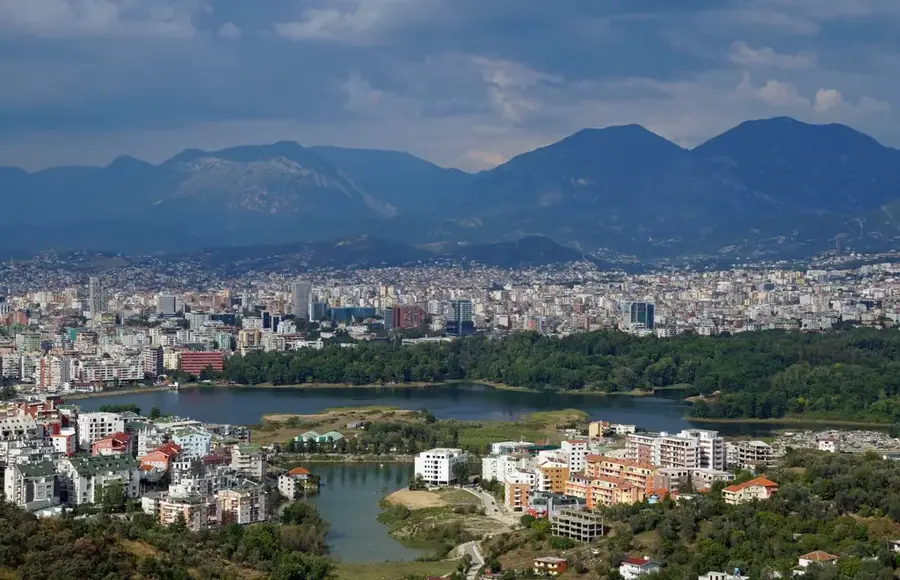
A large park featuring an artificial lake, providing a first-rate escape for a quiet walk.
A smaller central park housing the Taiwan complex, making it a convenient spot for a quick rest.
Water temperature…
Albania's largest film festival showcases feature, documentary and short films from around the world each autumn. It is regarded as the country's foremost cinema event.
Tirana's annual jazz festival brings local and international musicians to stages across the capital in late summer. Visitors enjoy open-air concerts and club performances.
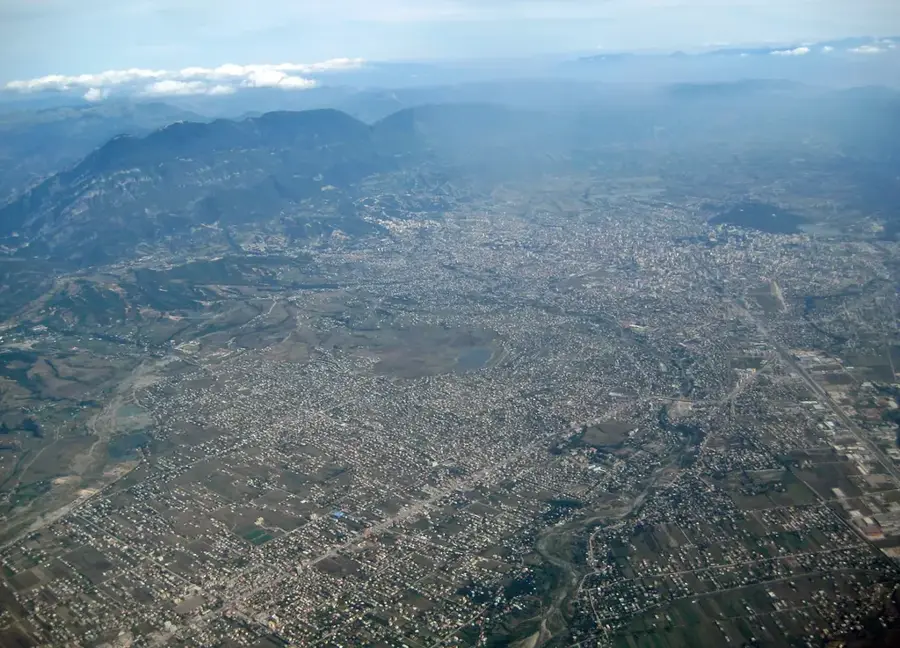
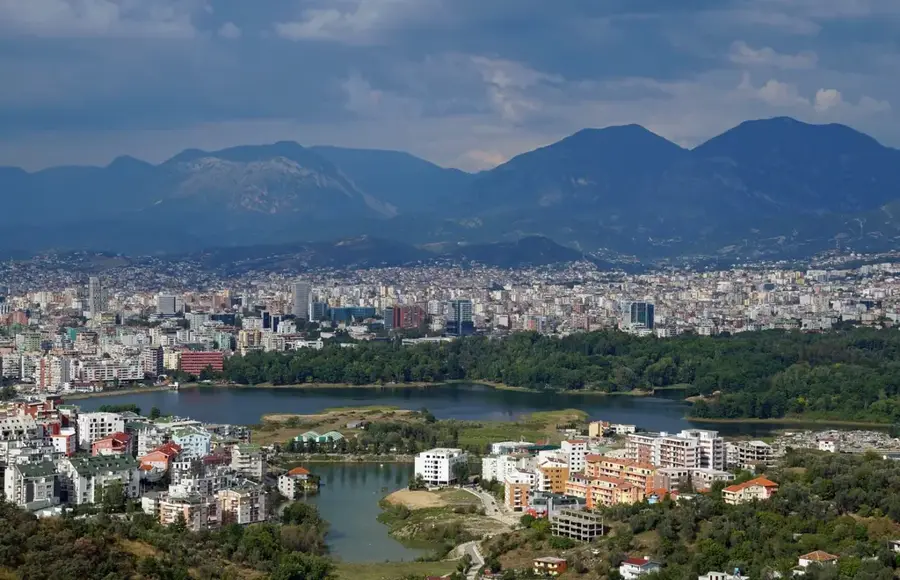
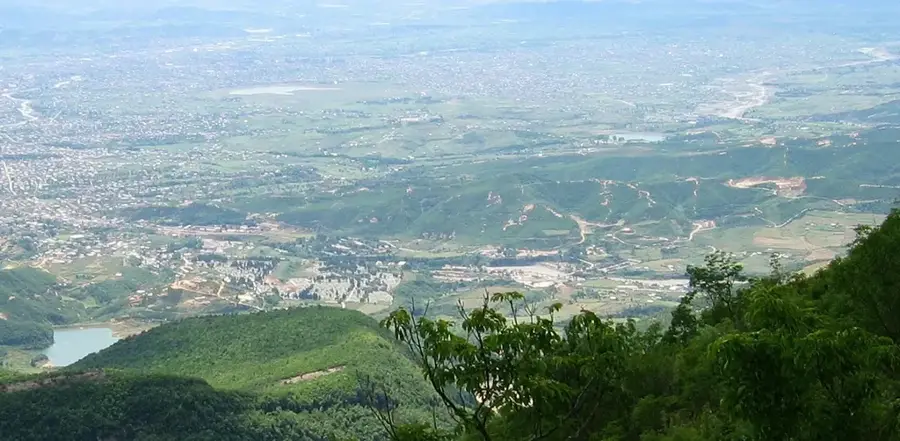
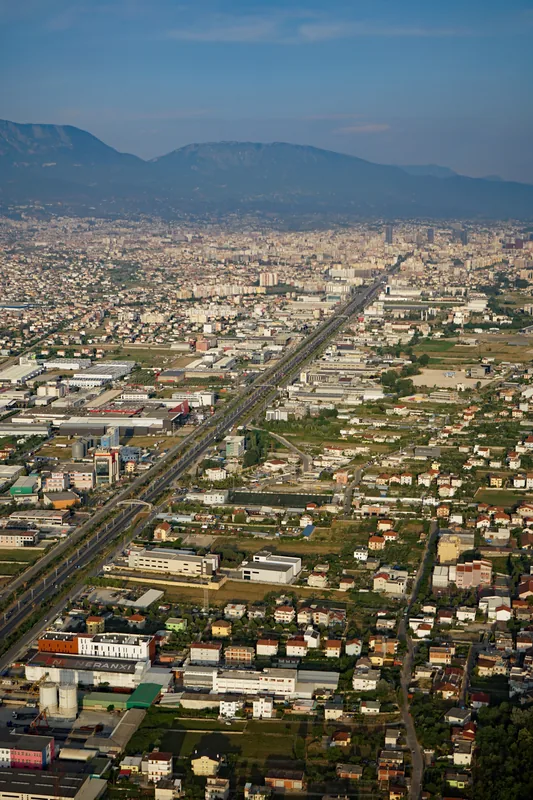
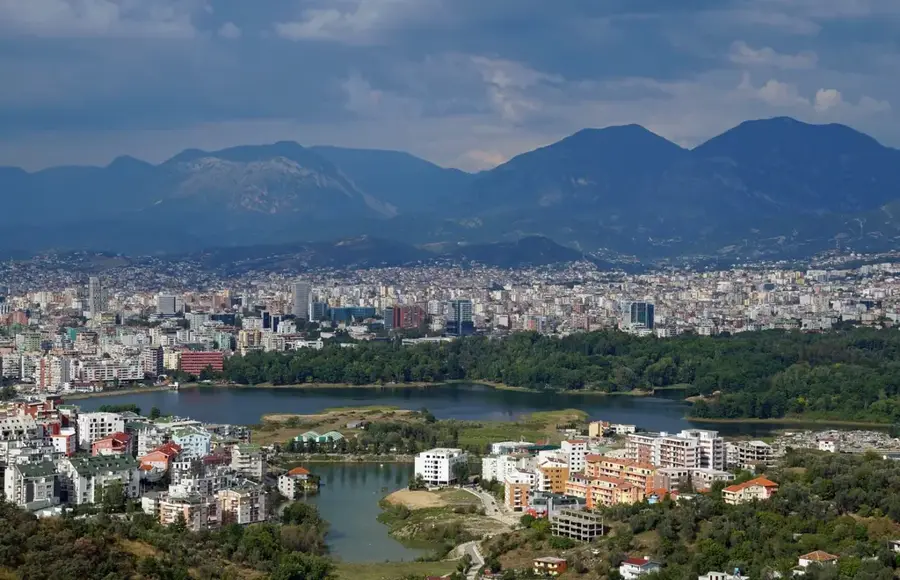
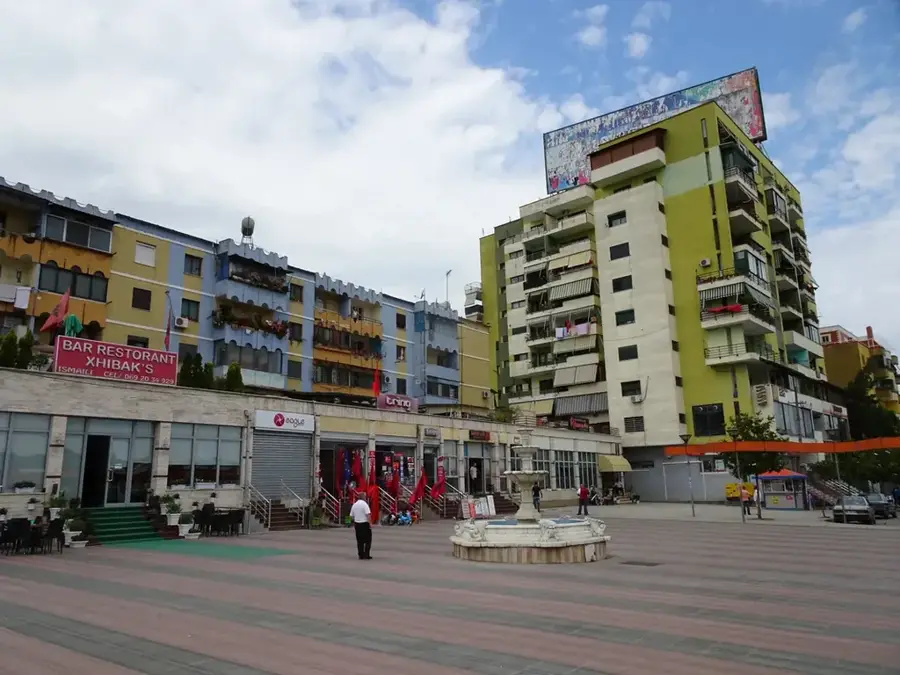
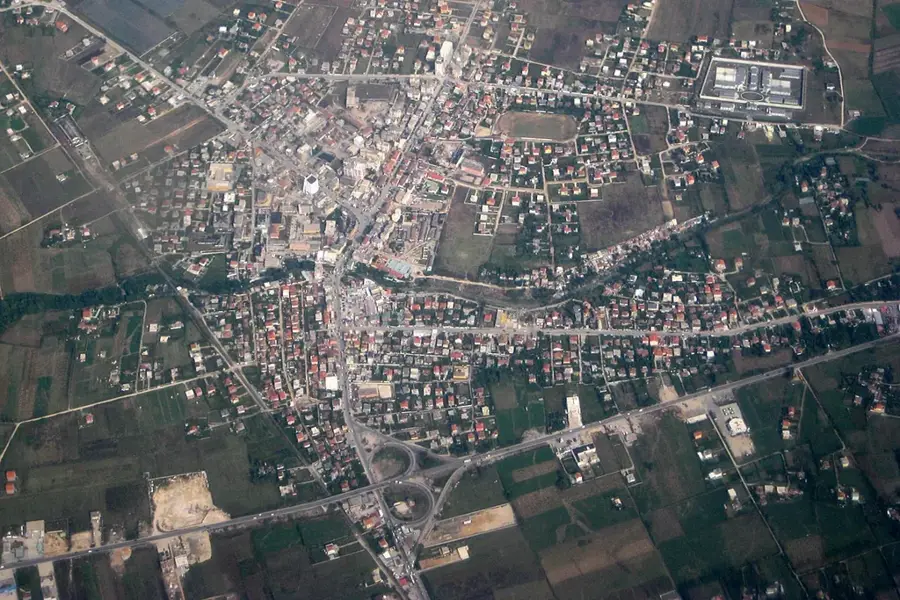
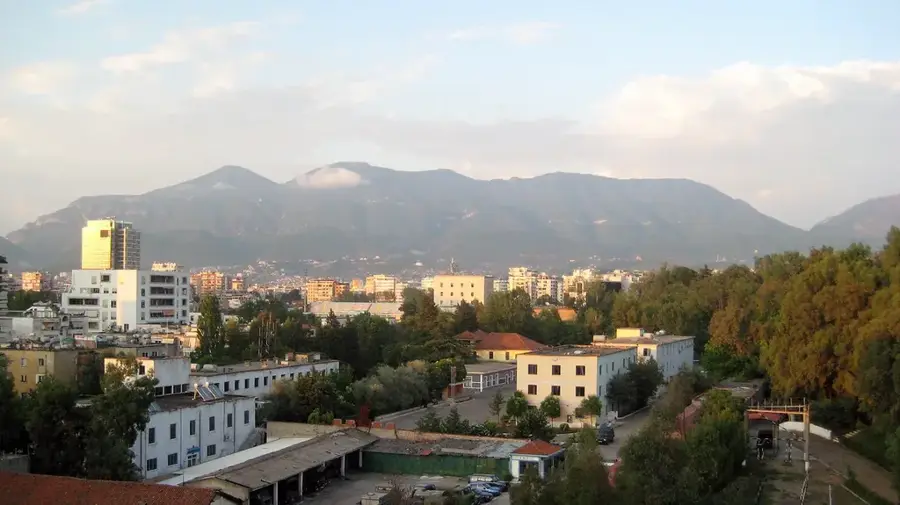
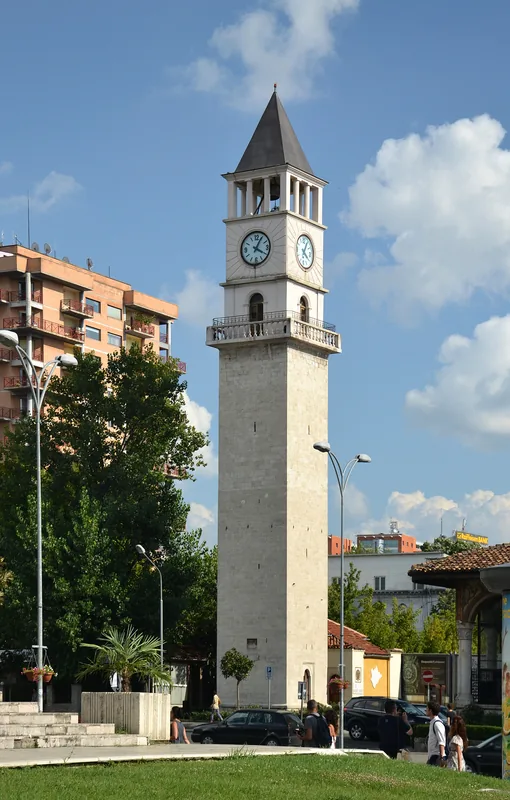
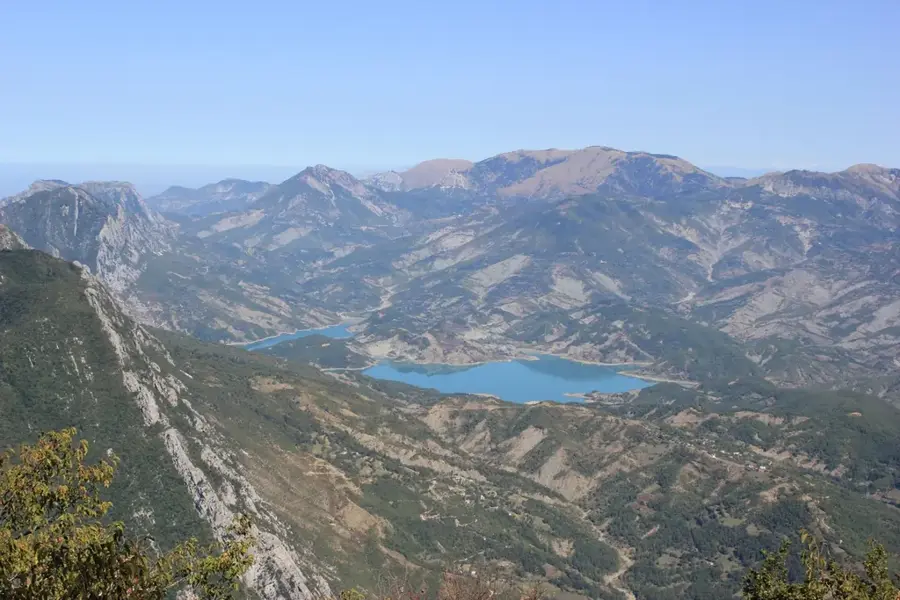
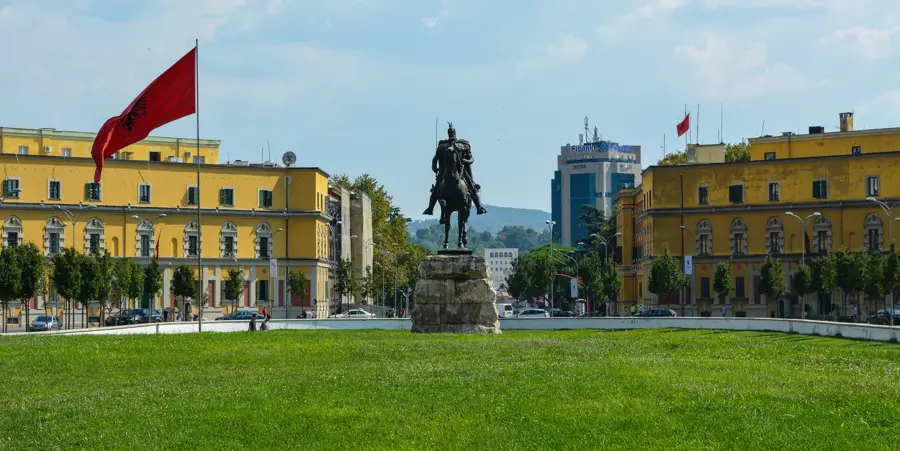
Tirana, the capital and largest city of Albania, is situated on the Ishm River at the foot of Mount Dajti, serving as the political, economic, and cultural heart of the nation. Founded in 1614 by Sulejman Pasha Bargjini, it remained a modest settlement until it was designated as the national capital in 1920 during the Congress of Lushnja. This decision initiated a period of rapid urban growth, with city planning in the 1930s heavily influenced by Italian architectural styles. The central Skanderbeg Square is surrounded by iconic landmarks, including the Ethem Bey Mosque, completed in 1823, and the historic Clock Tower. During the communist era, the city underwent a significant transformation, characterized by socialist realist blocks and the construction of the Pyramid in the 1980s. Since the 1990s, Tirana has experienced a lively modernization process, famously marked by the painting of old buildings in bright colors and the expansion of the Bunk'Art museum projects.
The most pleasant time to visit is Jun–Aug.
| Jan | Feb | Mar | Apr | May | Jun | Jul | Aug | Sep | Oct | Nov | Dec | |
|---|---|---|---|---|---|---|---|---|---|---|---|---|
| Avg °C | 2 | 3 | 7 | 11 | 15 | 20 | 24 | 24 | 18 | 13 | 8 | 3 |
| Rain mm | 93 | 83 | 77 | 69 | 64 | 45 | 29 | 27 | 74 | 95 | 109 | 109 |
Notable places around
Where do you start? We build the route here, with stops and country notes along the way.
© OpenStreetMap contributors · OpenRouteService
Start your day in the heart of Tirana at Skanderbeg Square, surrounded by history. Spend your morning exploring the communist past in museums and bunkers. After lunch, walk to the iconic Pyramid and across the historical Tanners' Bridge, witnessing the unique mix of Ottoman heritage and modern architecture.
Explore Tirana on two wheels. Start in the center and cycle south to the Grand Park for a relaxing ride around the lake. The city has developed many new bike lanes recently, making the journey between the Pyramid and the Blloku district safe and enjoyable.
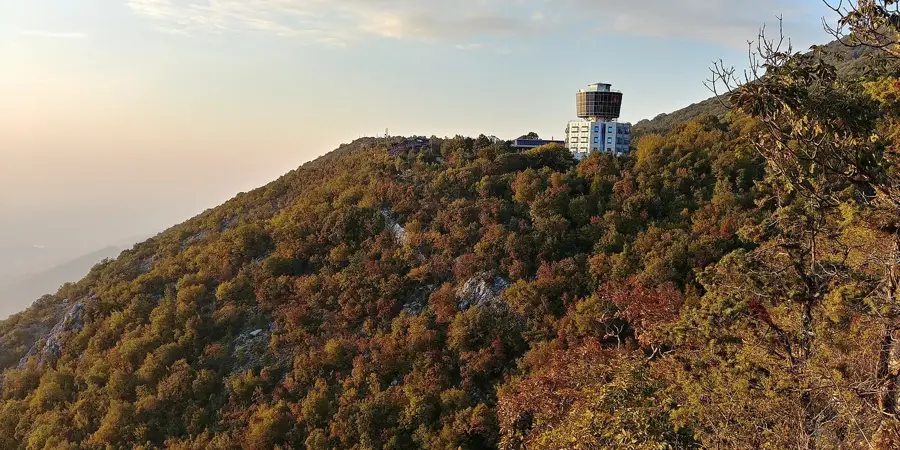
By car, you can easily combine the city center with Mount Dajti. Use the underground parking at Skanderbeg Square for the central museums. At noon, drive to the outskirts for the Dajti Ekspres cable car to enjoy fresh mountain air and city views. Spend the afternoon back at the Grand Park and the Pyramid.