Plizio Visual Lab
Al Bahah
ℹ️Practical info — Al Bahah
▾
🌤 Weather — 5 days
📍 Nearby
Sights nearby
💡 Tips
- The mountain climate is cooler; make sure to pack warm layers for the evenings, even in summer.
- Rent a sturdy car if you plan to navigate the steep, winding roads to the traditional villages.
- The best time to photograph the terraced fields is late afternoon when the light is softer.
- Keep an eye out for baboons on the pass roads, but please do not feed them for safety reasons.
🍽 Food
You will find this creamy rice dish with meat in the traditional restaurants in the city center.
A must in this region; try it plain or with traditional bread for breakfast.
A traditional dough dumpling with broth, often served in eateries specializing in southern Saudi cuisine.
🛍 Shopping · 🧘 Quiet spots
Here you can buy the famous and high-quality types of honey from the region directly from the producers.
In the old souk streets, there are craftsmen selling these ornate decorative daggers.
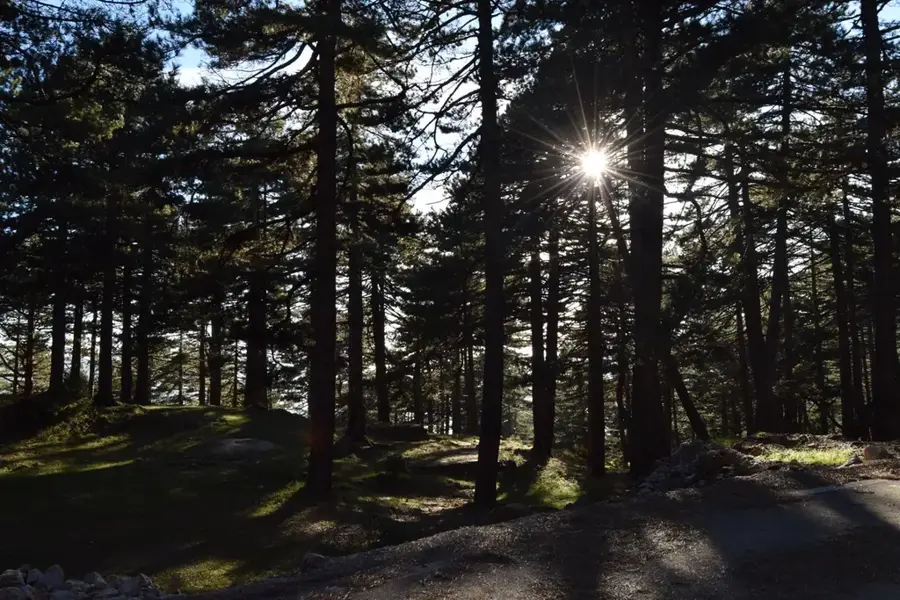
Enjoy walks under the trees with spectacular views over the surrounding valleys.
Drive a bit outside to the abandoned historical stone houses for absolute tranquility.
Water temperature…
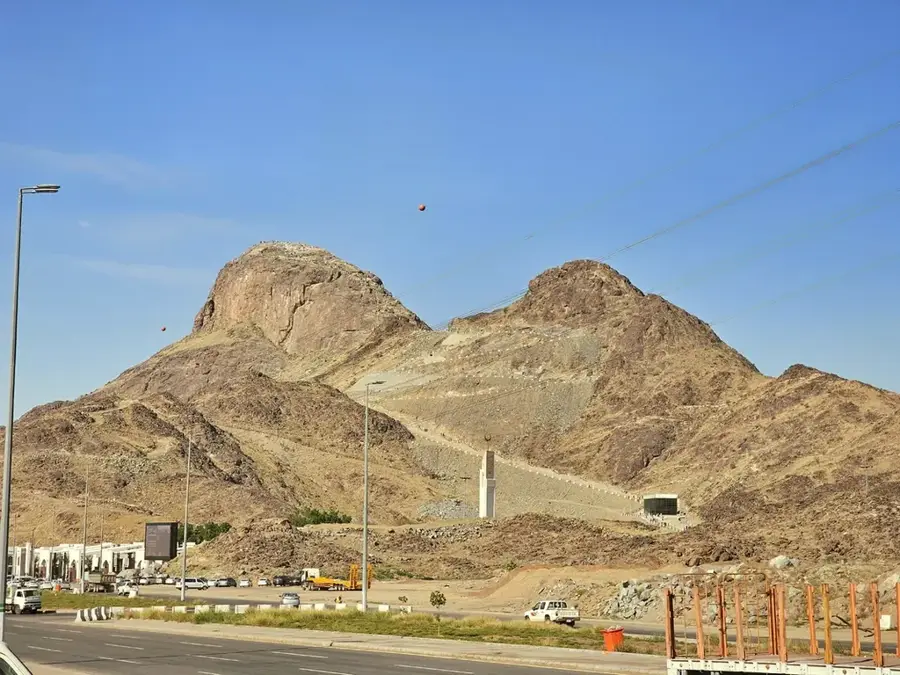
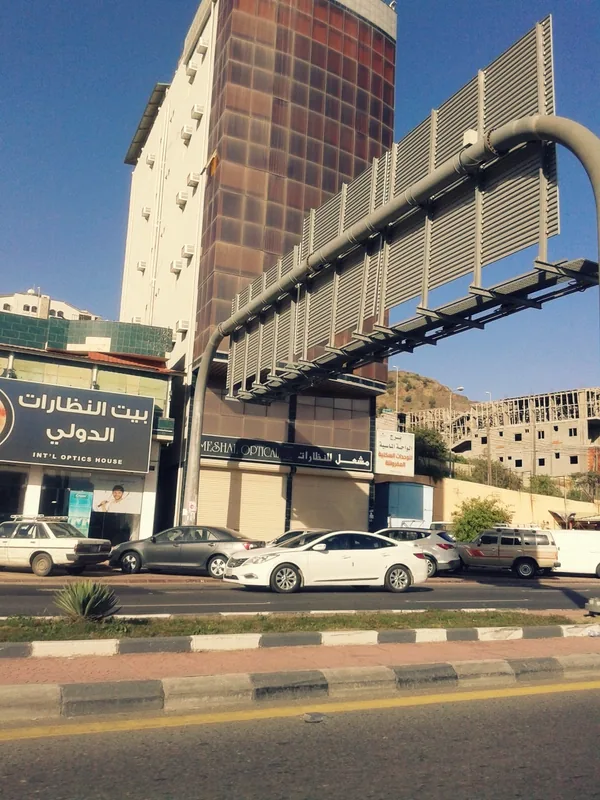
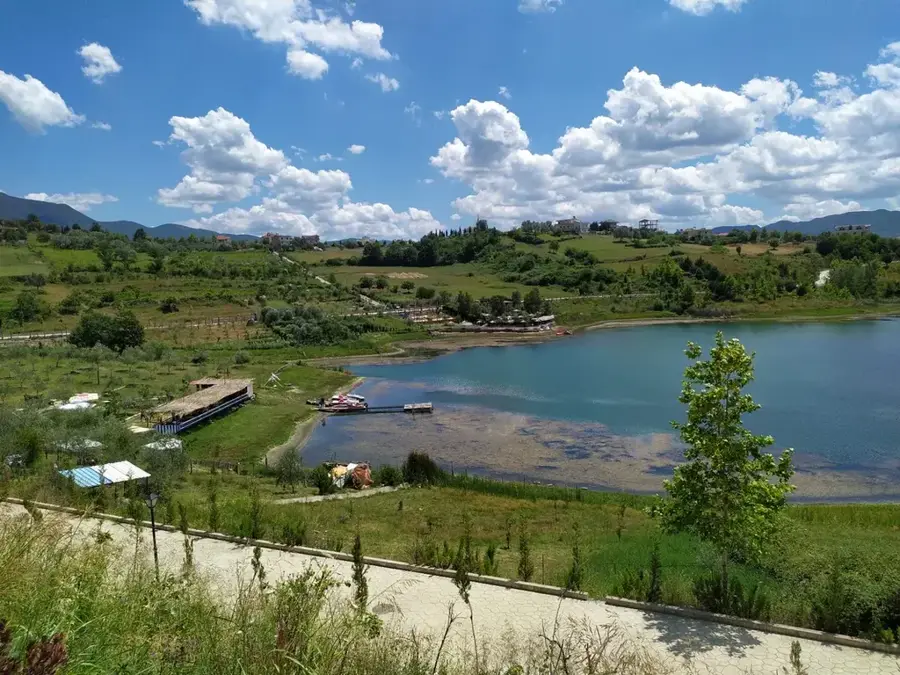
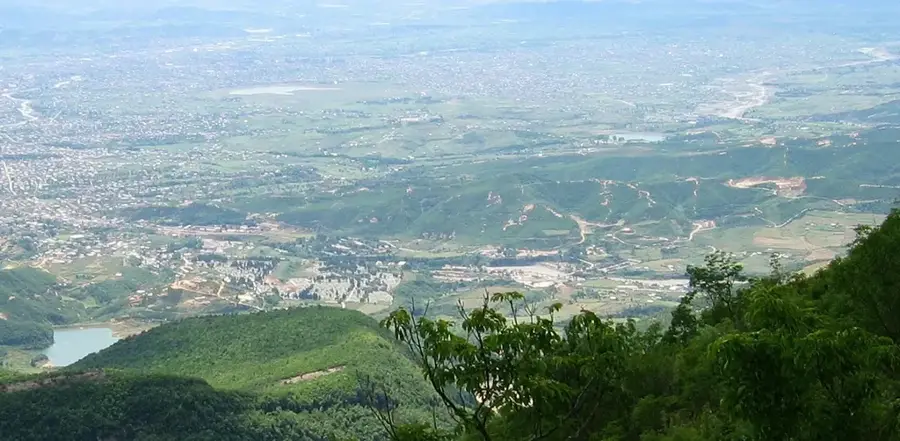
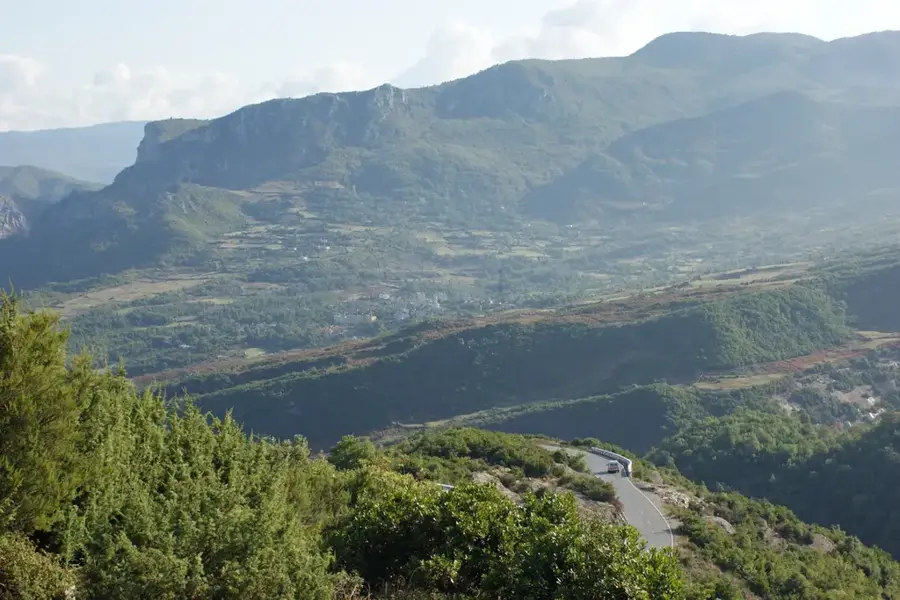
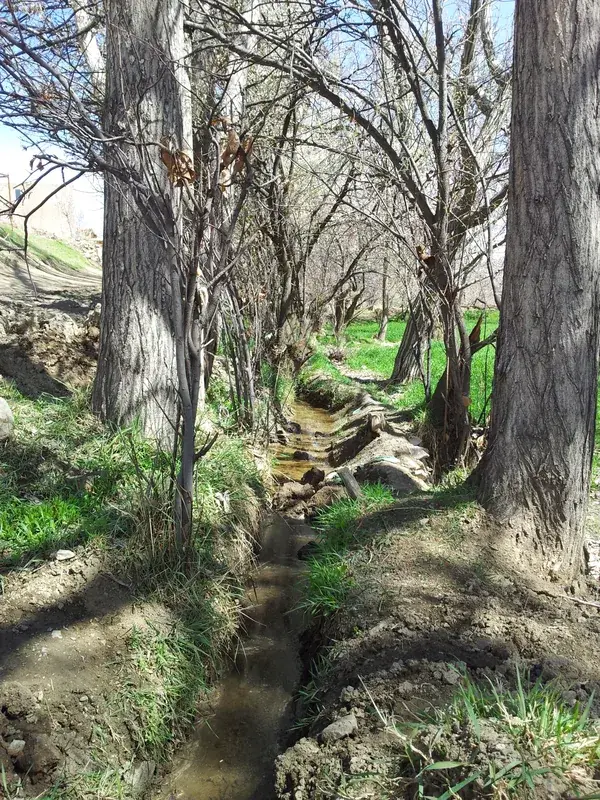
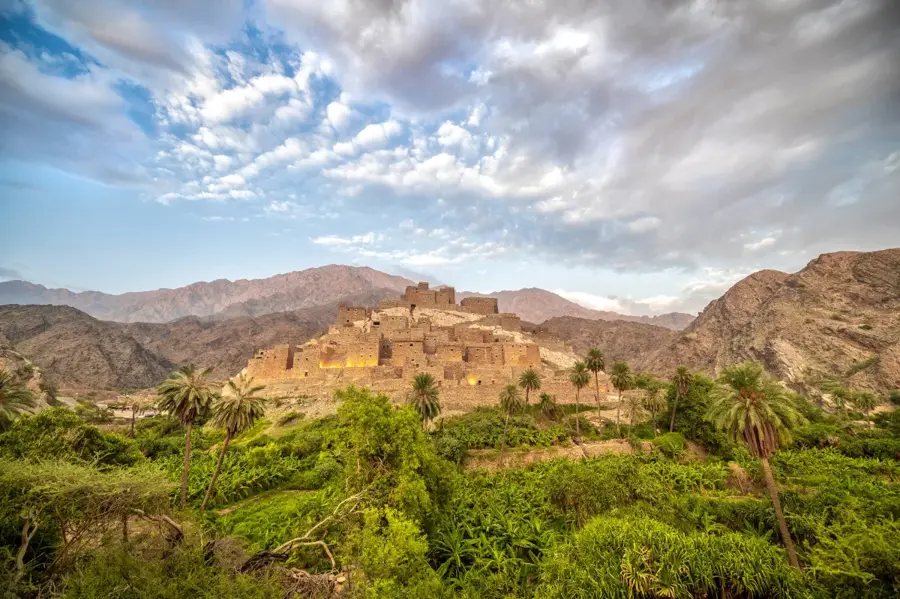
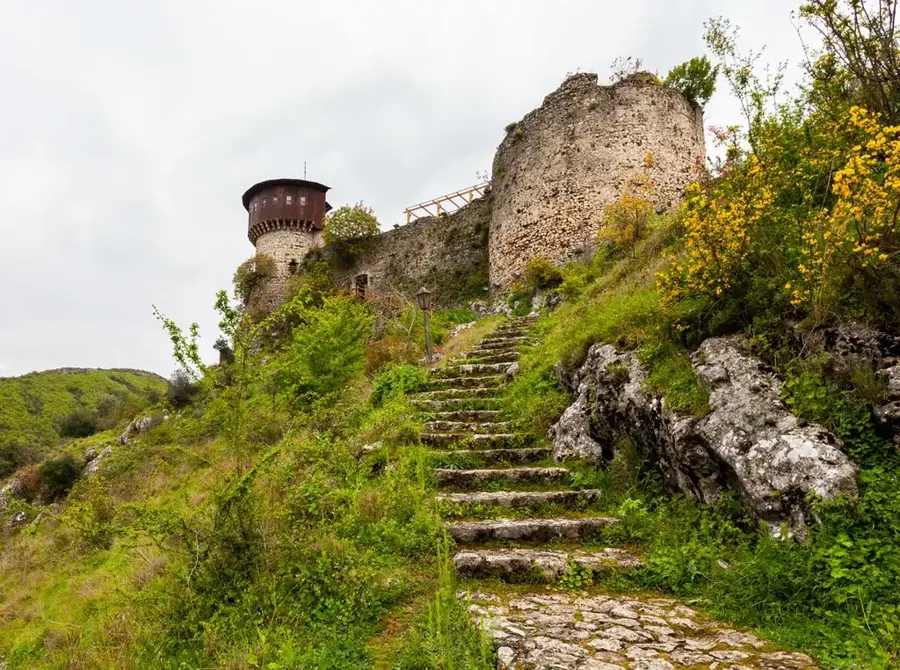
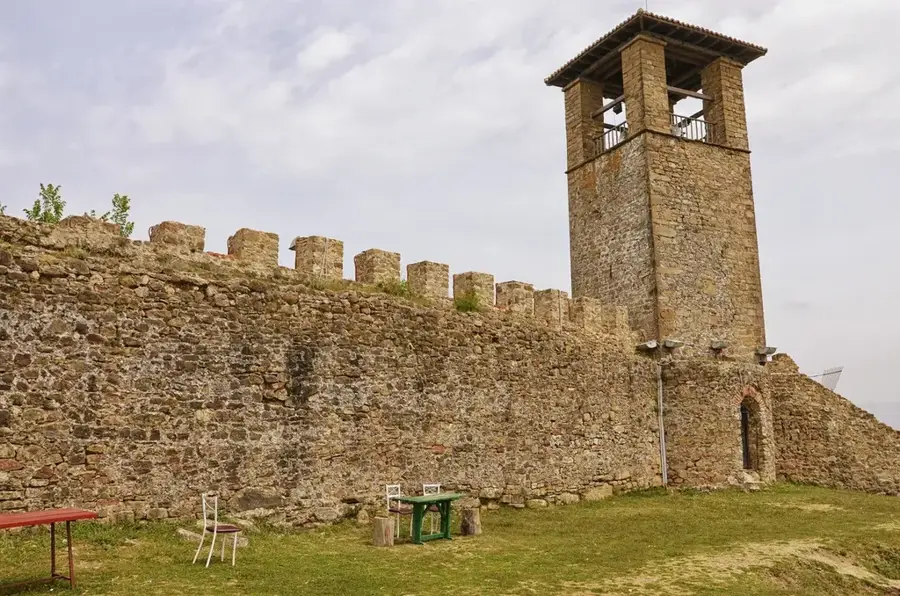
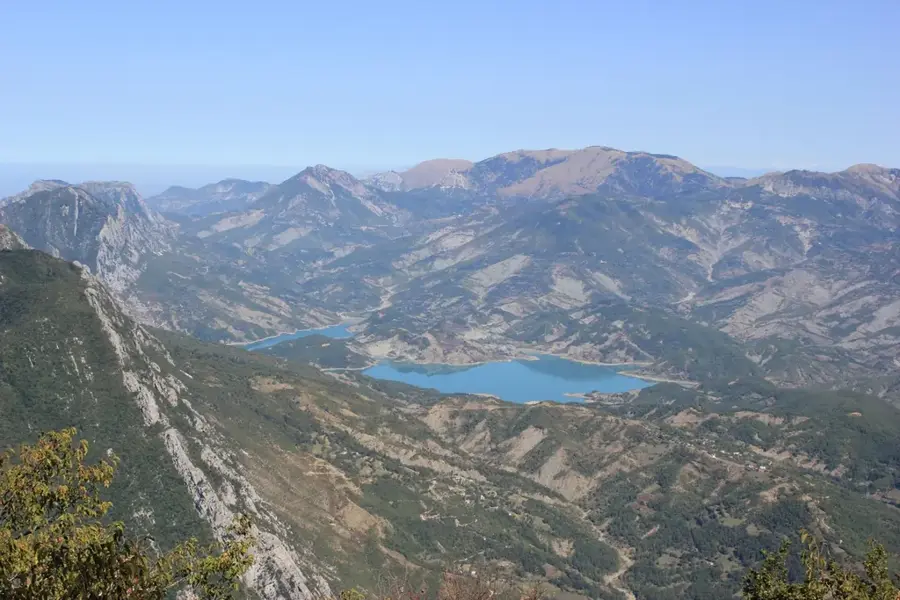
Al Bahah, often referred to as the "Garden of the Hejaz," is the capital of the Al Bahah Region, perched high in the mountains between Taif and Abha. This city is celebrated for its wide-open natural scenery, characterized by jagged peaks, deep valleys, and over forty different forests. The most famous of these is the Raghdan Forest, where thick fog often rolls over the hills, creating an ethereal atmosphere. Al Bahah’s history is inextricably linked to the Ghamid and Zahran tribes, who have inhabited these rugged lands for centuries, building over a thousand stone watchtowers that still dot the landscape. These towers, known as "qasabas," served as defensive structures and granaries, reflecting the region’s historical need for security. A major highlight of the area is the Thee Ain Ancient Village, also known as the "Marble Village," which is built on a white marble outcrop and dates back more than 400 years. The village features multi-story houses constructed from stone and slate, surrounded by banana plantations and freshwater springs. Economically, Al Bahah is a significant producer of honey, particularly the high-quality Sidr honey, which is exported globally. Agriculture remains vital, with terraces carved into the mountainsides producing pomegranates, grapes, and almonds. The city’s infrastructure has modernized rapidly, with winding mountain roads and tunnels connecting the high-altitude plateaus to the coastal Tihama plains. Al Bahah’s culture is marked by traditional crafts, folk music, and festivals that celebrate the local harvest. As part of Saudi Arabia’s tourism expansion, the city is developing more eco-tourism projects to highlight its unique biodiversity and historical sites. Al Bahah has a serene escape, where the cool mountain breeze and the scent of wildflowers provide a tranquil contrast to the bustling urban centers of the Kingdom.
- Location: Saudi Arabia
- Top sights: Al-Baha Province · Al-Baha
- Nearby: Al Qunfudhah (85 km)
- Population: ~88.419 (2026)
Best time to visit & climate
The most pleasant time to visit is Jan, Feb, Dec.
| Jan | Feb | Mar | Apr | May | Jun | Jul | Aug | Sep | Oct | Nov | Dec | |
|---|---|---|---|---|---|---|---|---|---|---|---|---|
| Avg °C | 20 | 22 | 24 | 27 | 31 | 33 | 32 | 31 | 31 | 27 | 24 | 21 |
| Rain mm | 3 | 1 | 3 | 12 | 5 | 2 | 2 | 3 | 1 | 4 | 8 | 7 |
Geography
Facts
- Al Bahah sits at an elevation of 2,155 meters (7,070 feet) in the Hejaz Mountains.
- The region is home to over 40 natural forests and numerous parks.
- Thee Ain Ancient Village is nicknamed the 'Marble Village' for its foundation rock.
- There are approximately 1,001 historical stone watchtowers in the province.
- Raghdan Forest covers an area of about 60 hectares of natural vegetation.
- Al Bahah is famous for hosting an annual international honey festival.
- The city acts as a major link between the mountain crests and the Tihama coast.
- The province's history is tied to the ancient Ghamid and Zahran tribes.
Explore nearby
Notable places around


Route planner — Car & Motorhome
Where do you start? We build the route here, with stops and country notes along the way.
© OpenStreetMap contributors · OpenRouteService
Sights in the town Al Bahah (2)
Frequently asked questions
What is special about Al-Baha?
When should you visit Al-Baha?
Are there historic villages there?
Is the region hiking-friendly?
How to get to Al-Baha?
Al Bahah: where is it located?
Al Bahah: what is there to see?
Al Bahah: when is the best time to visit?
Al Bahah: why is it worth visiting?

Nearby cities
History & landmarks
Nature
More places