Attractions in Angola
The finest attractions in Angola at a glance: castles, natural wonders, historic old towns and more. Each place links to a detailed page with map, tips and photos.
Culture & History
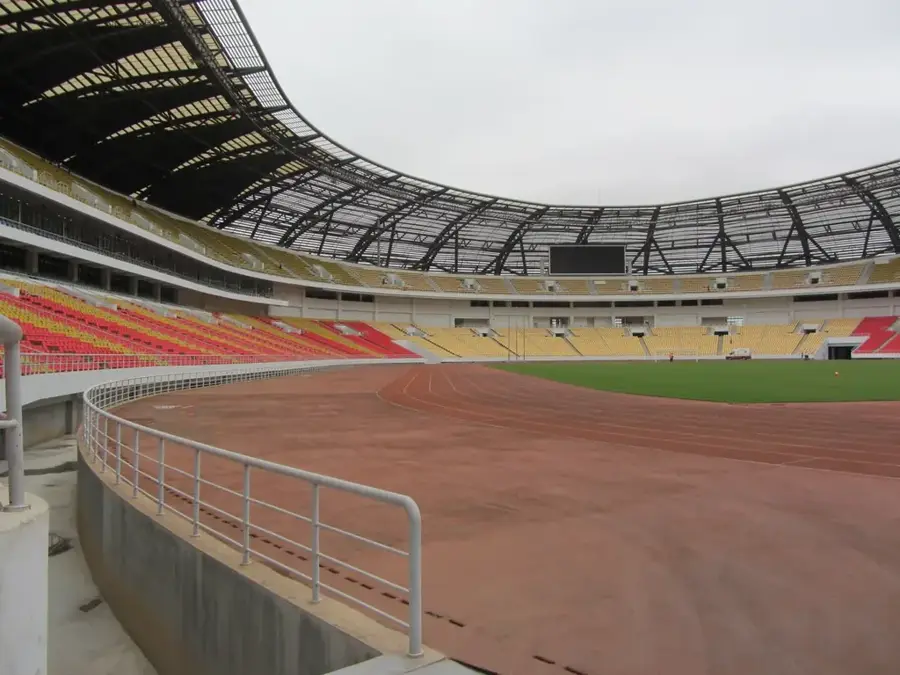
Estádio 11 de Novembro
This modern multi-purpose stadium in Luanda was built for the 2010 Africa Cup of Nations.
Learn more →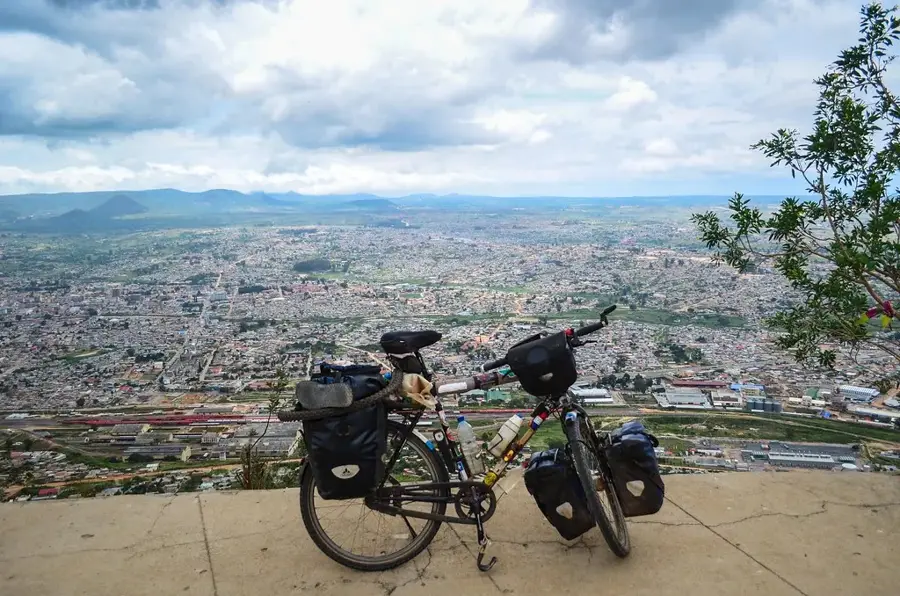
Cristo Rei (Lubango)
The Cristo Rei statue overlooks the city of Lubango from a 2,100-meter-high mountain.
Learn more →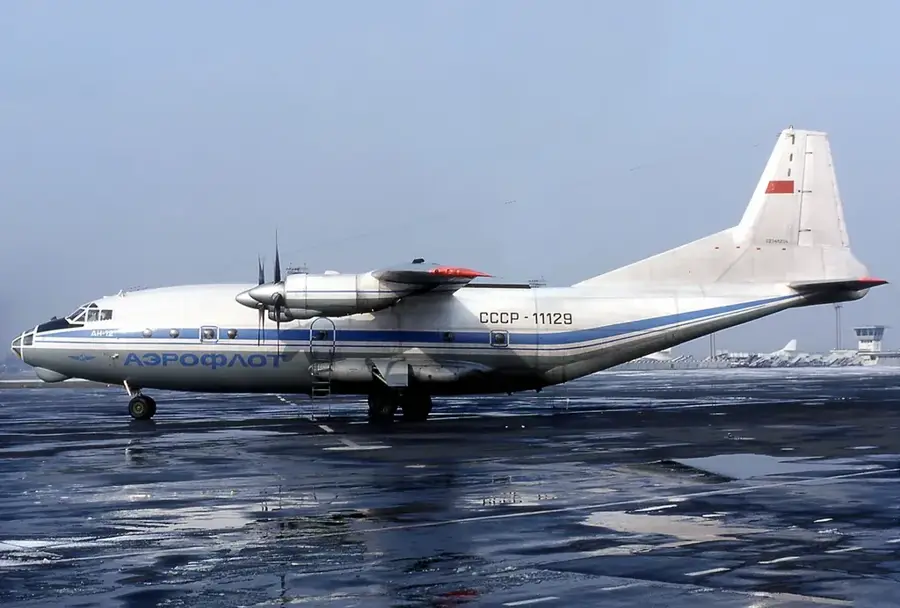
Monument of the Battle of Cuito Cuanavale
A huge monumental complex commemorating the largest tank battle in Africa since World War II.
Learn more →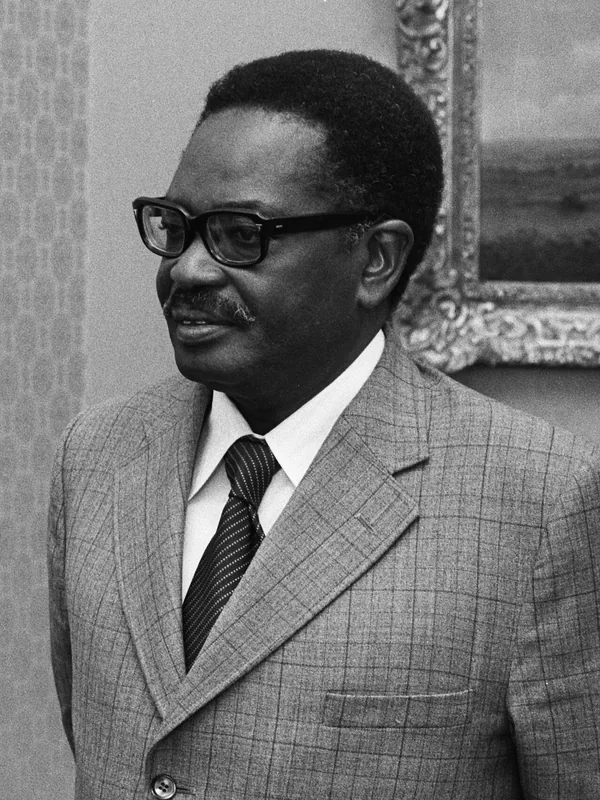
Mausoleum of Agostinho Neto
This futuristic monument in Luanda is the final resting place of Angola's first president, Agostinho Neto.
Learn more →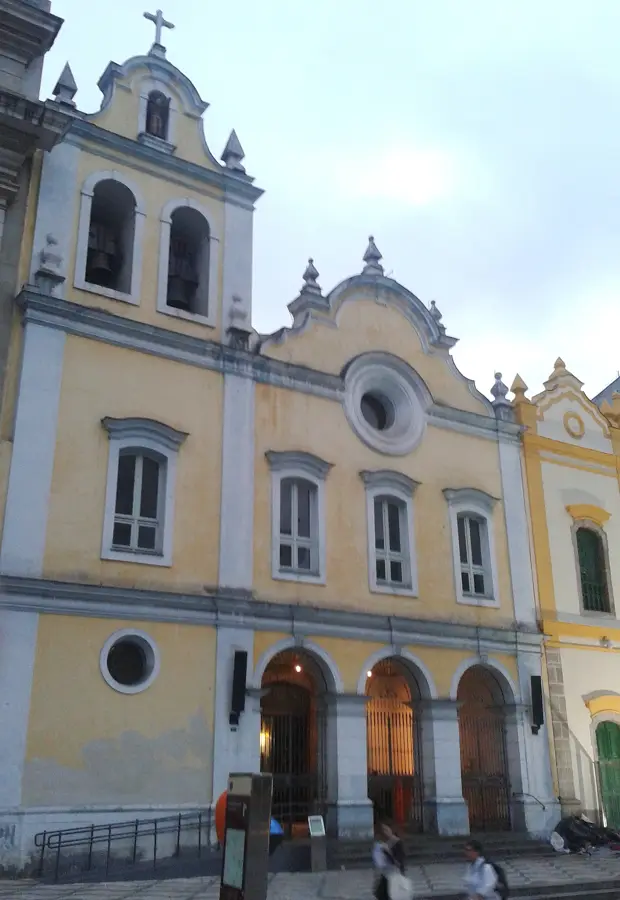
Church of Saint Anthony
An important church in the city of Kuito, Bié province.
Learn more →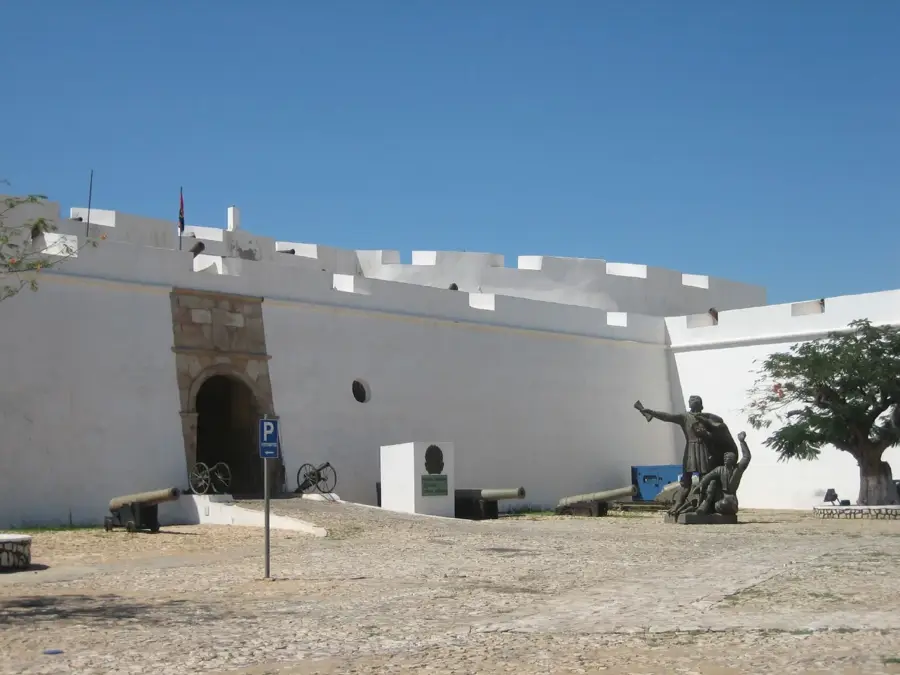
Fortaleza de São Miguel
This historic 16th-century fortress overlooks Luanda bay and served as a military center for the Portuguese administration.
Learn more →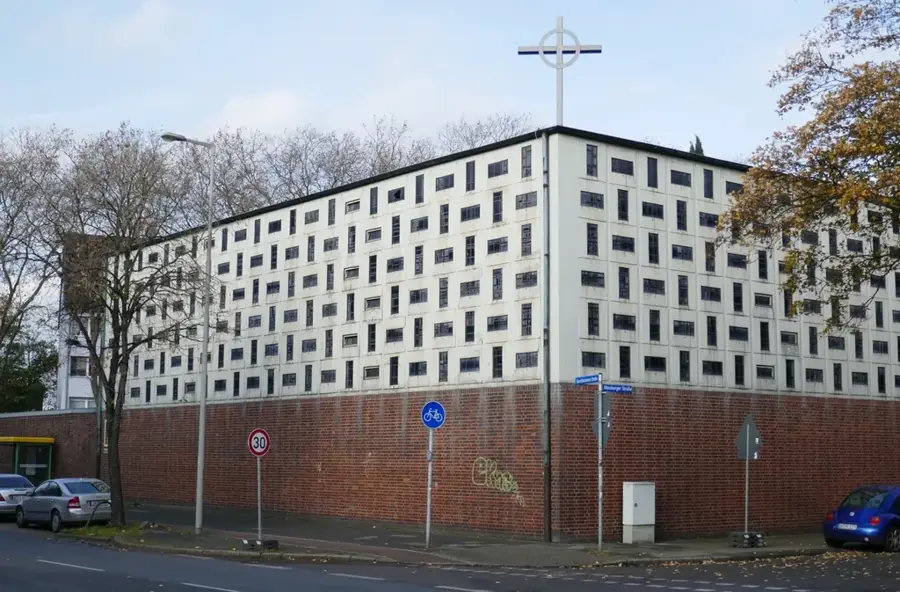
Church of the Holy Family
An impressive modern church in Luanda featuring a distinctive tent-roof design.
Learn more →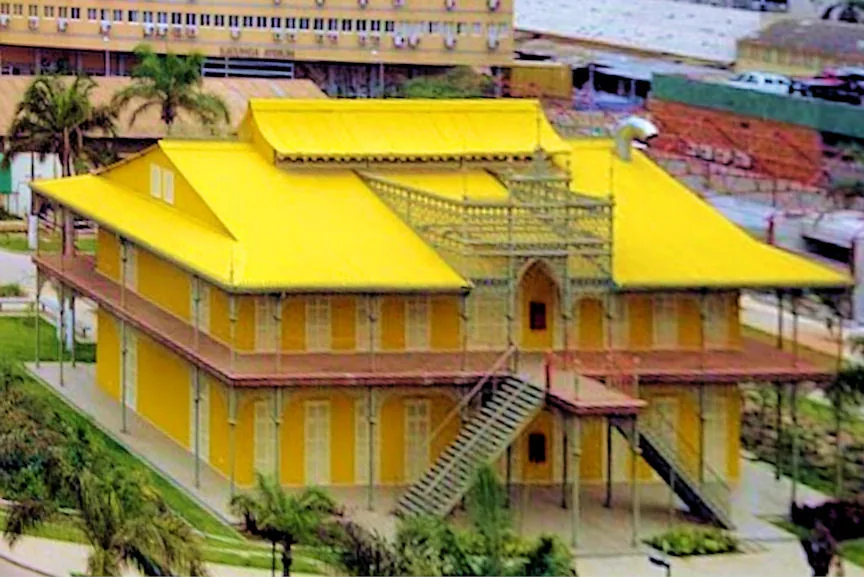
Palácio de Ferro
An iconic metal structure in central Luanda, often attributed to Gustave Eiffel's workshop.
Learn more →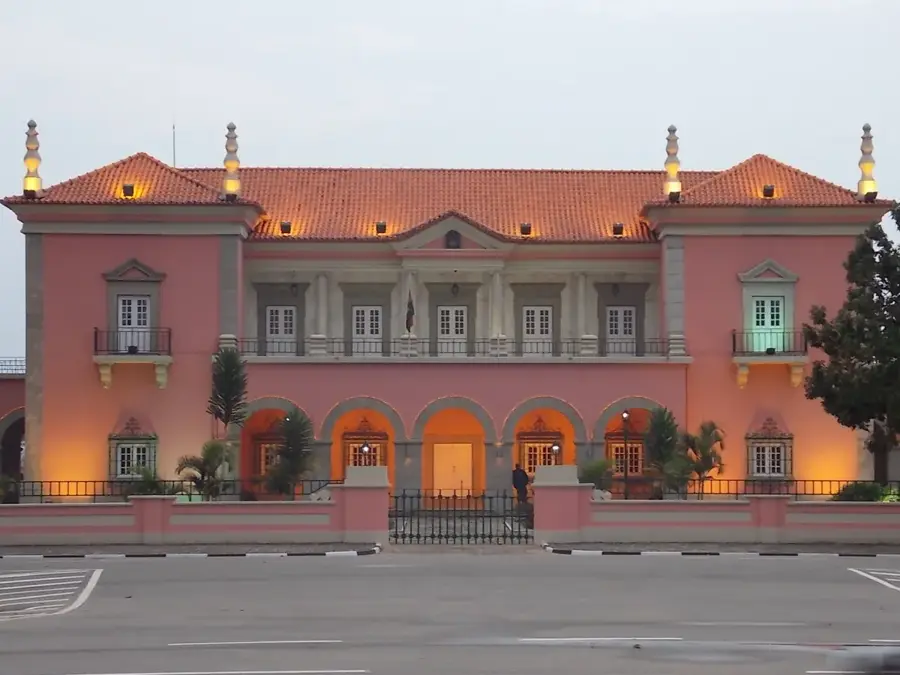
Cathedral of Huambo
The Cathedral of the Immaculate Conception is a striking white building in the center of Huambo.
Learn more →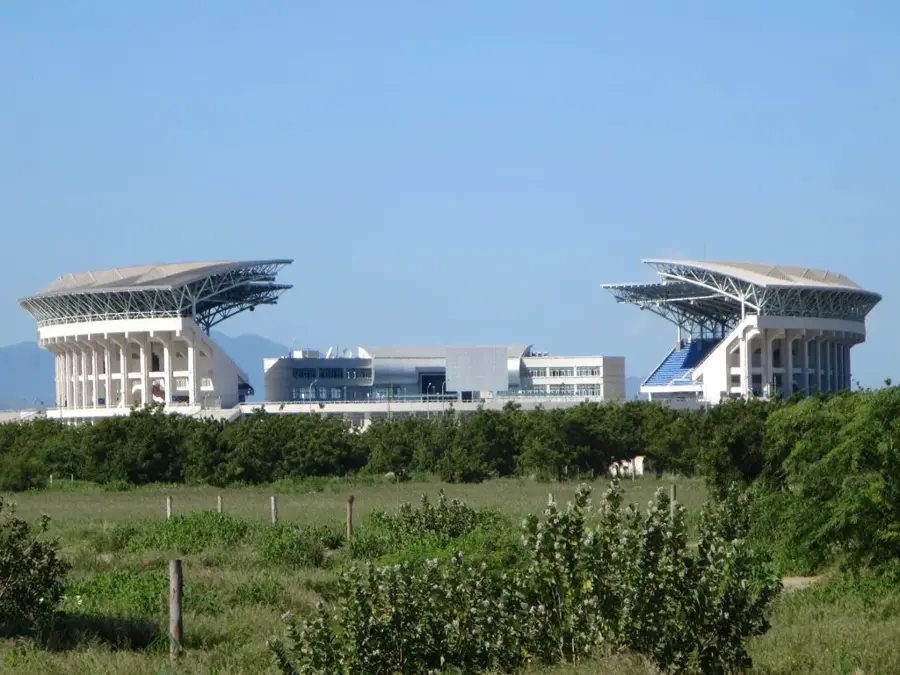
Estádio Nacional de Ombaka
A major multipurpose stadium in Benguela, used for significant national and international sporting events.
Learn more →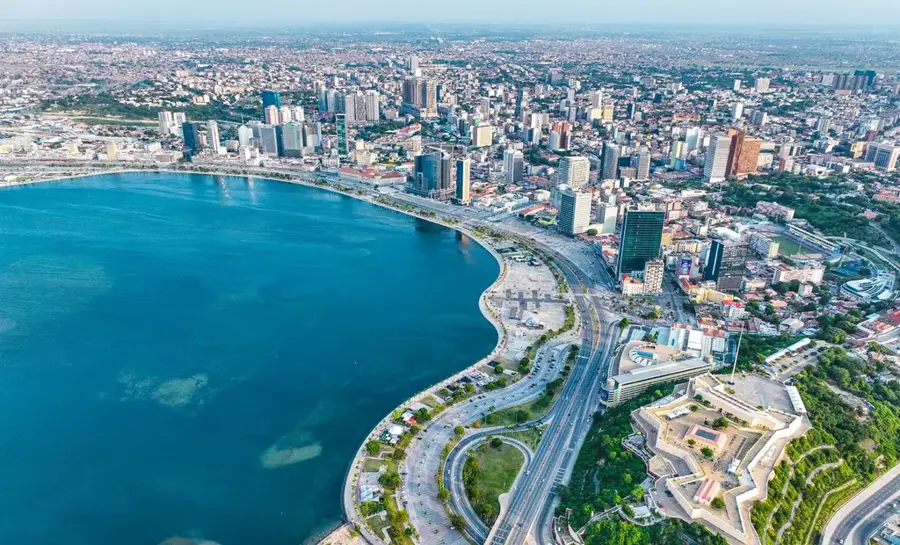
Church of Sequele
A modern religious structure serving the expanding community of the Sequele housing development.
Learn more →
Church of Nossa Senhora do Pópulo
This 17th-century church is one of the oldest religious sites in Luanda, reflecting baroque architectural styles.
Learn more →
Monument to Peace
A significant monument in Luena commemorating the end of the Angolan civil war in 2002.
Learn more →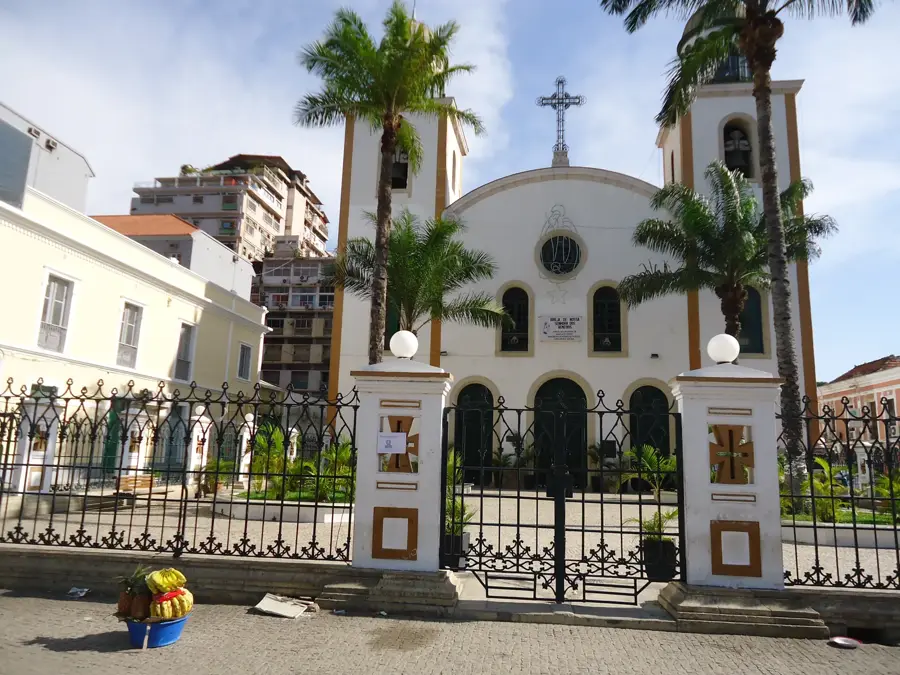
St. Peter's Cathedral
The main cathedral serving the Catholic population of the Namibe coastal region.
Learn more →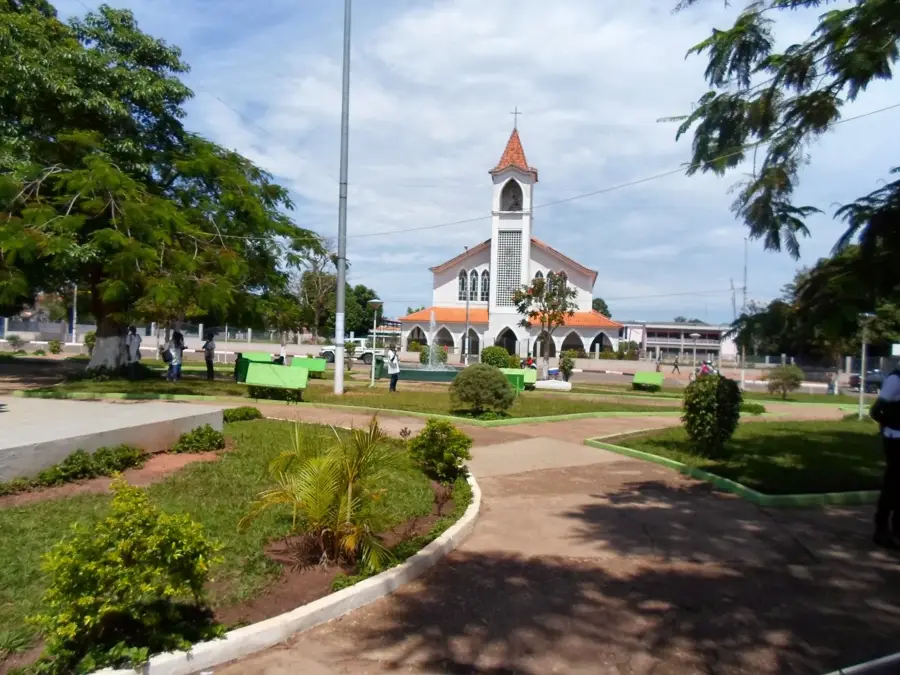
Sé Cathedral of Luanda
The Cathedral of the Holy Saviour is a 17th-century Roman Catholic church.
Learn more →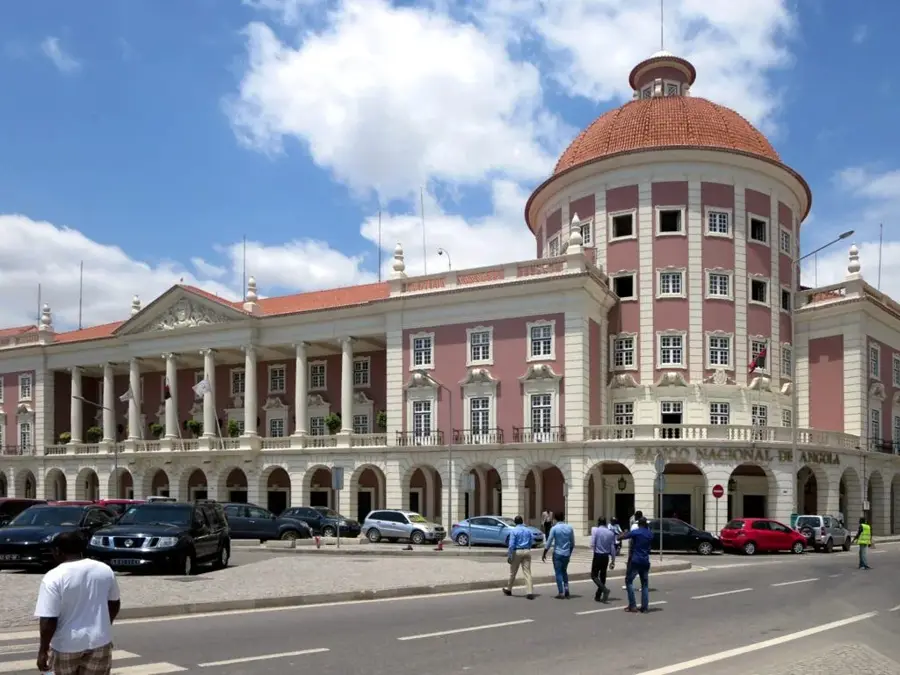
National Bank of Angola Building
A majestic pink colonial-style building on Luanda's Marginal promenade.
Learn more →
4th of April Bridge
An impressive suspension bridge over the Catumbela River connecting the cities of Lobito and Benguela.
Learn more →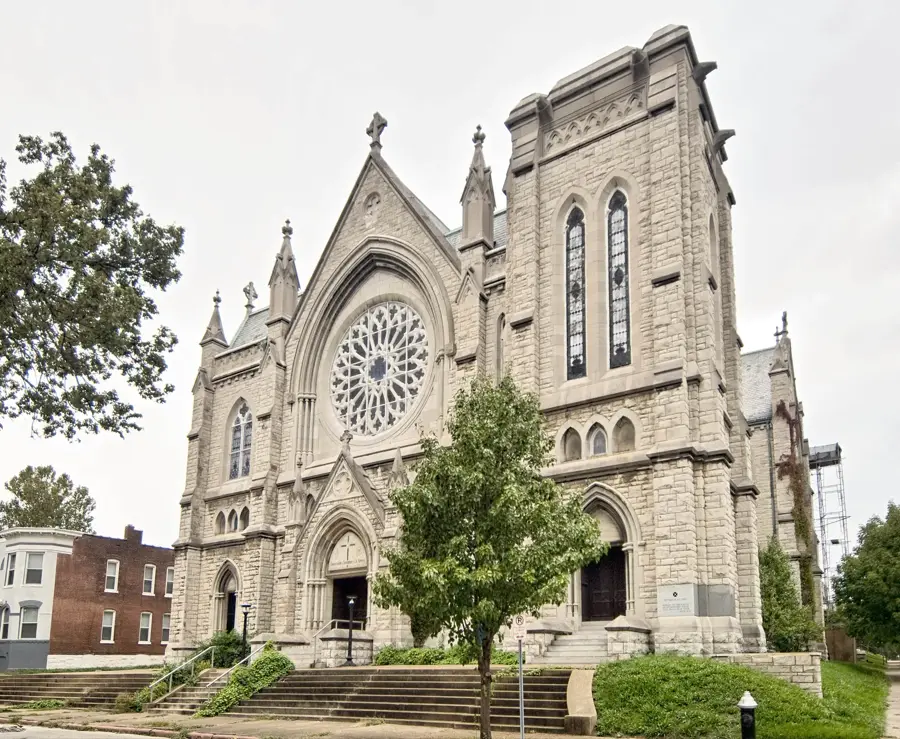
Church of the Immaculate Conception
A historic church in the city of Soyo at the mouth of the Congo River.
Learn more →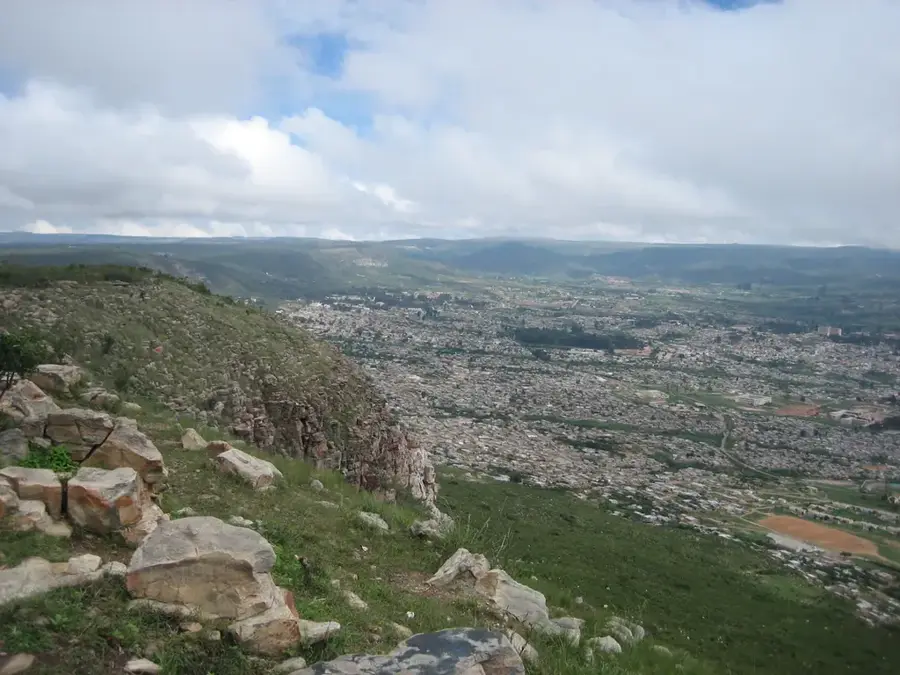
Cathedral of Lubango
A prominent cathedral serving as the seat of the Lubango diocese in southern Angola.
Learn more →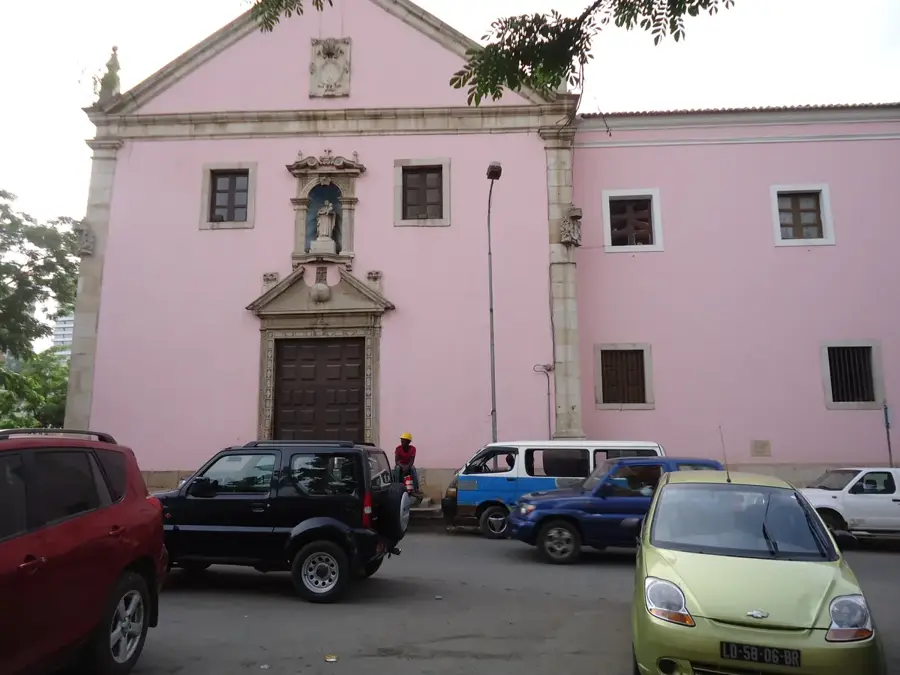
Church of Nossa Senhora do Carmo
A historic Catholic church known for its distinctive colonial-era religious art and architecture.
Learn more →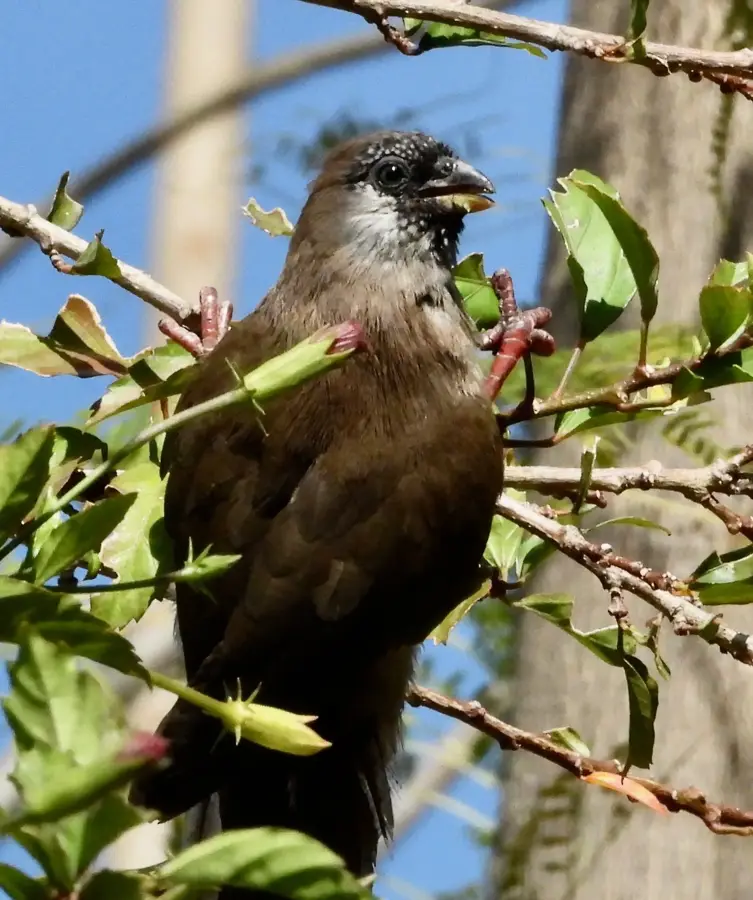
Estádio Nacional da Tundavala
A modern stadium facility in Lubango, named after the nearby famous Tundavala escarpment.
Learn more →Nature
More highlights
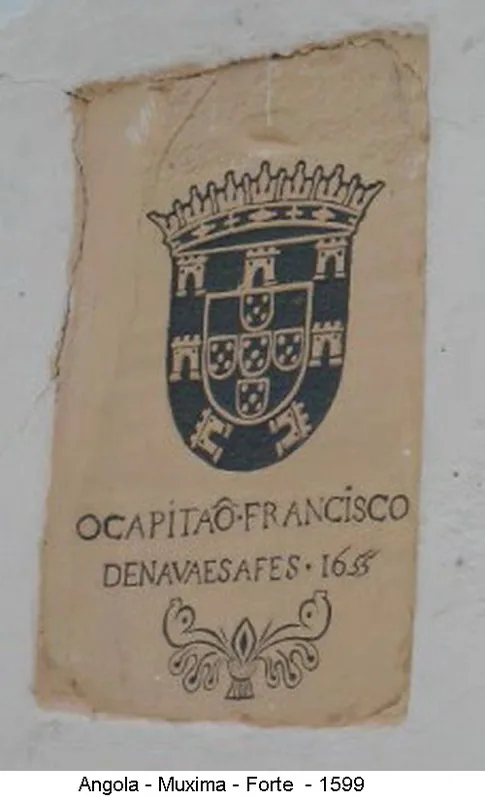
Fort of Muxima
A fortress built in 1599, protecting Portuguese trade on the Kwanza River, located near one of the country's most important pilgrimage sites.
Learn more →
Lobito Railway Monument
A monument in Lobito celebrating the start of the historic Benguela Railway, one of the most important infrastructure projects of the colonial era.
Learn more →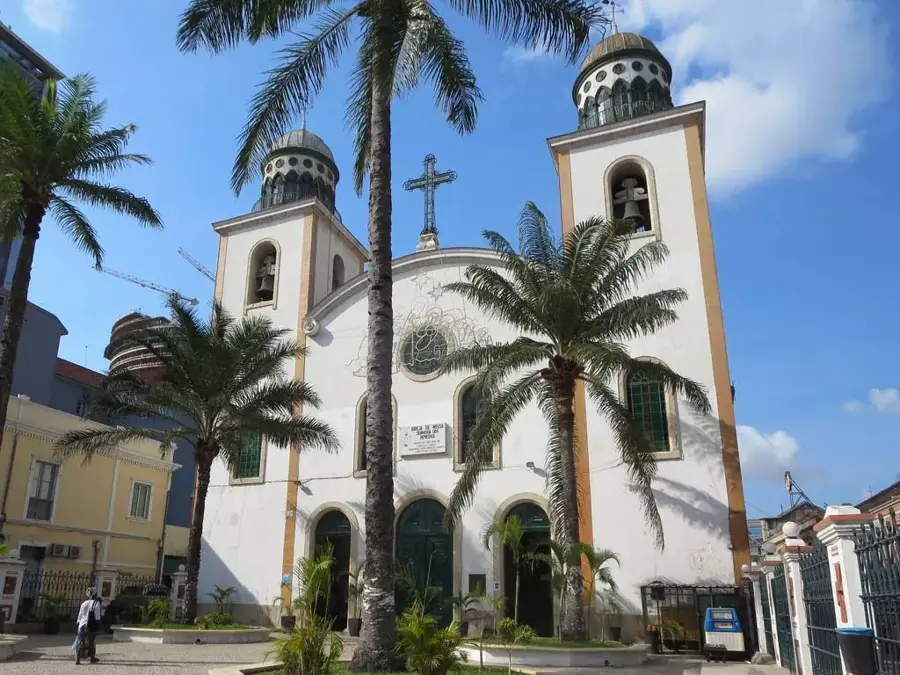
Ruins of São Salvador Cathedral
The remains of what many believe to be the oldest Catholic church in sub-Saharan Africa, built in the late 15th century in the Kingdom of Kongo.
Learn more →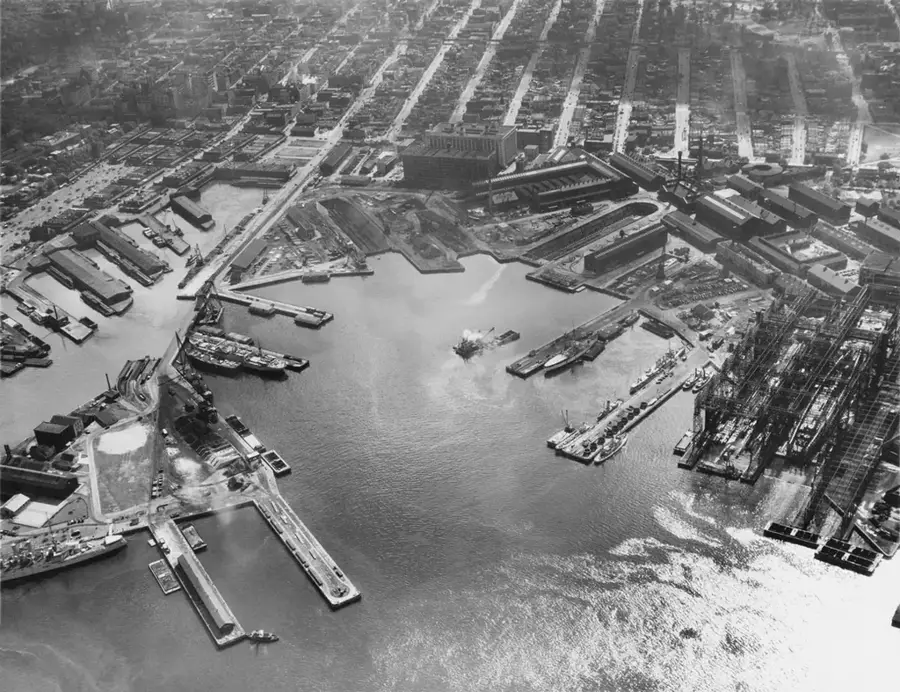
Kuito Martyrs' Monument
A memorial site in the heavily destroyed city of Kuito, dedicated to the thousands of civilians who died during the siege of Kuito in the 1990s.
Learn more →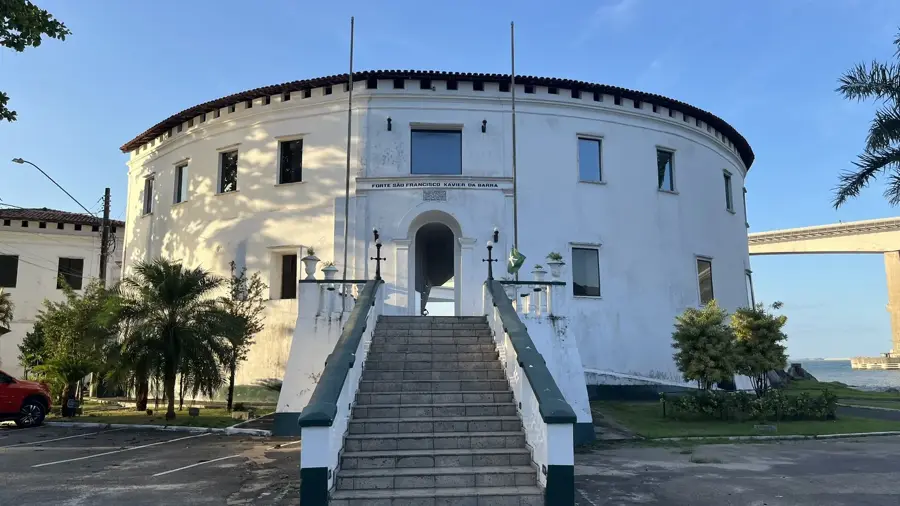
Fort of São Francisco do Penedo
A fortress built in Luanda in the 18th century to defend the bay, later serving as a prison for political inmates in the late colonial era.
Learn more →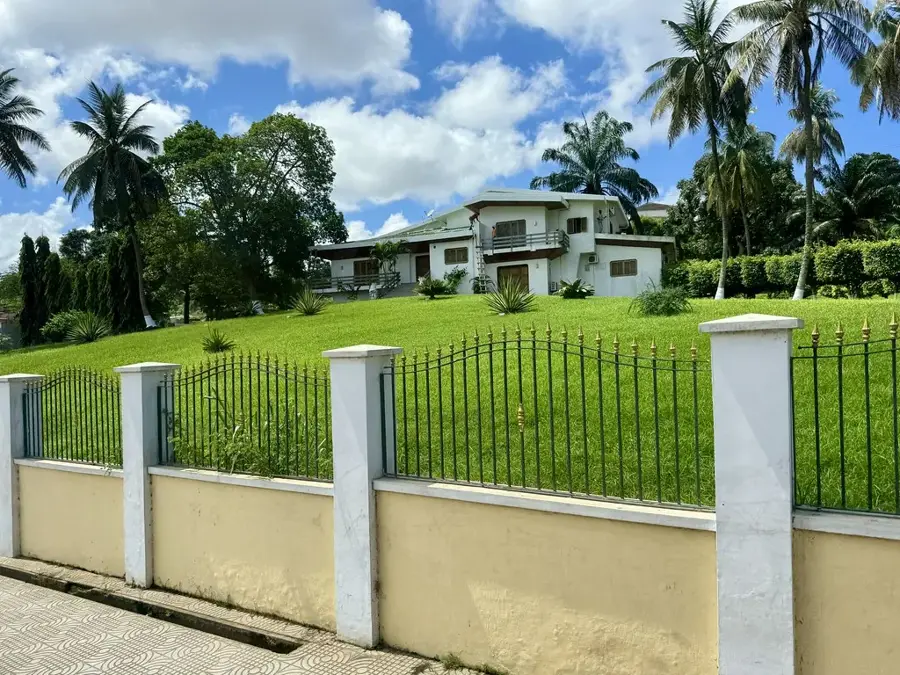
Fort of Santa Maria de Cabinda
The remains of Portuguese fortifications in the Cabinda exclave, built during the colonial expansion to protect maritime trade.
Learn more →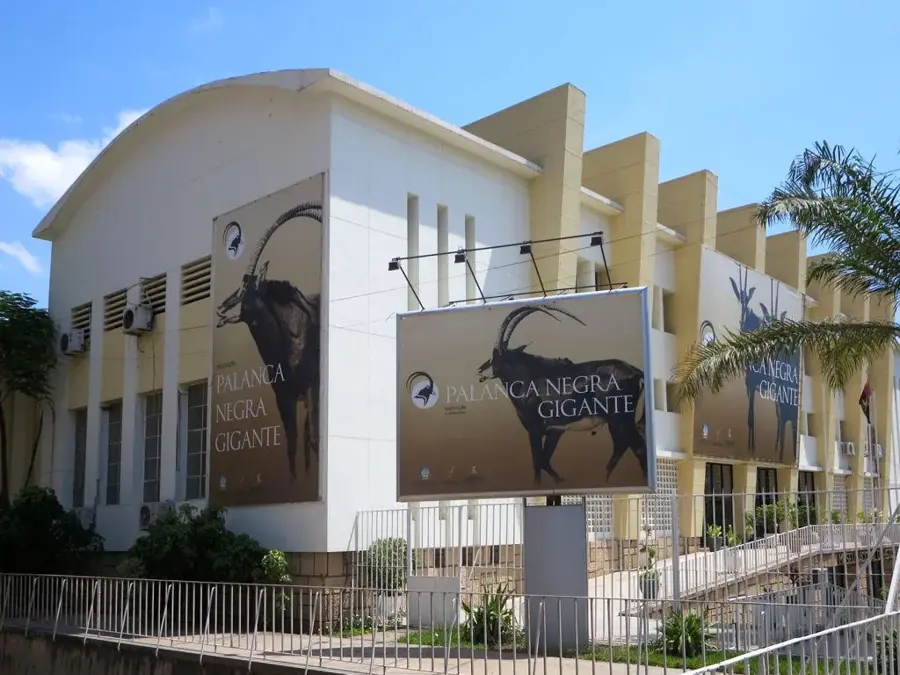
Alto das Cruzes Cemetery
The most famous historical cemetery in Luanda, final resting place of numerous prominent figures from the colonial era and independence.
Learn more →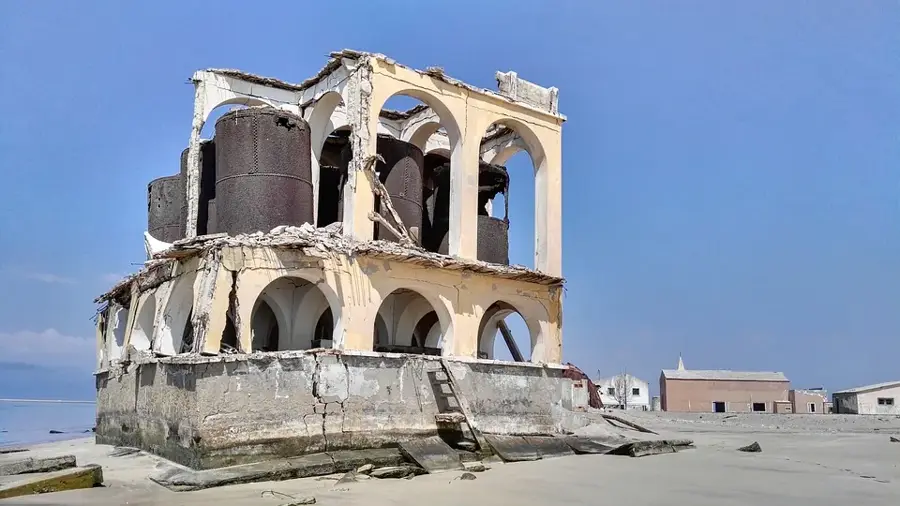
Baía dos Tigres Ghost Town
The abandoned ruins of a once-thriving Portuguese fishing settlement that became an island when the ocean breached the peninsula in 1962.
Learn more →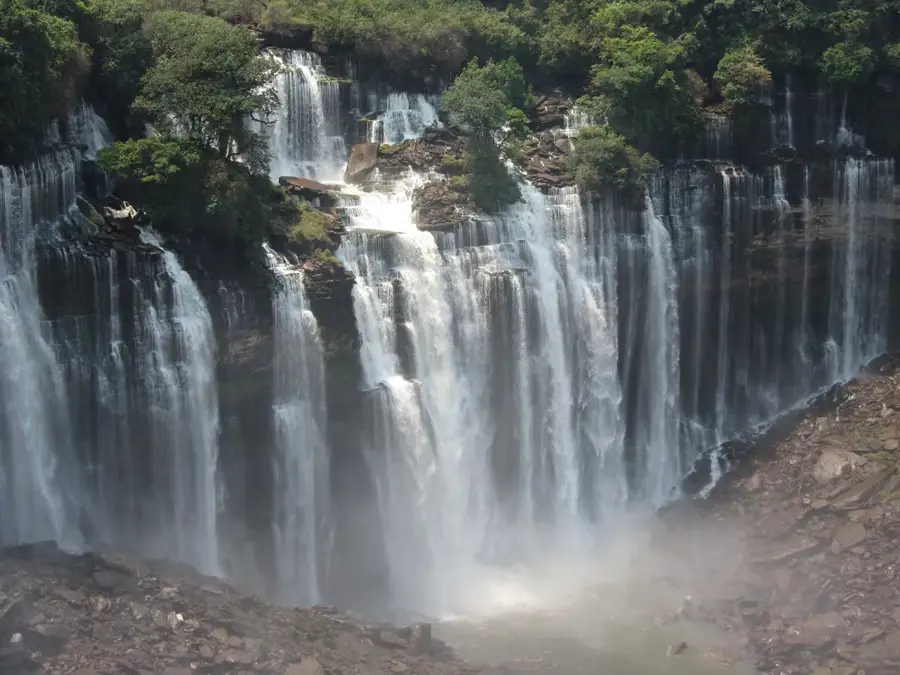
Historical Kalandula
The area around Duque de Bragança (now Kalandula), which was fiercely contested during the Portuguese colonial wars in the 19th century.
Learn more →
Dondo Historic Port
A significant historical trading town on the Kwanza River, a hub for trade between the coast and the inland during the colonial era.
Learn more →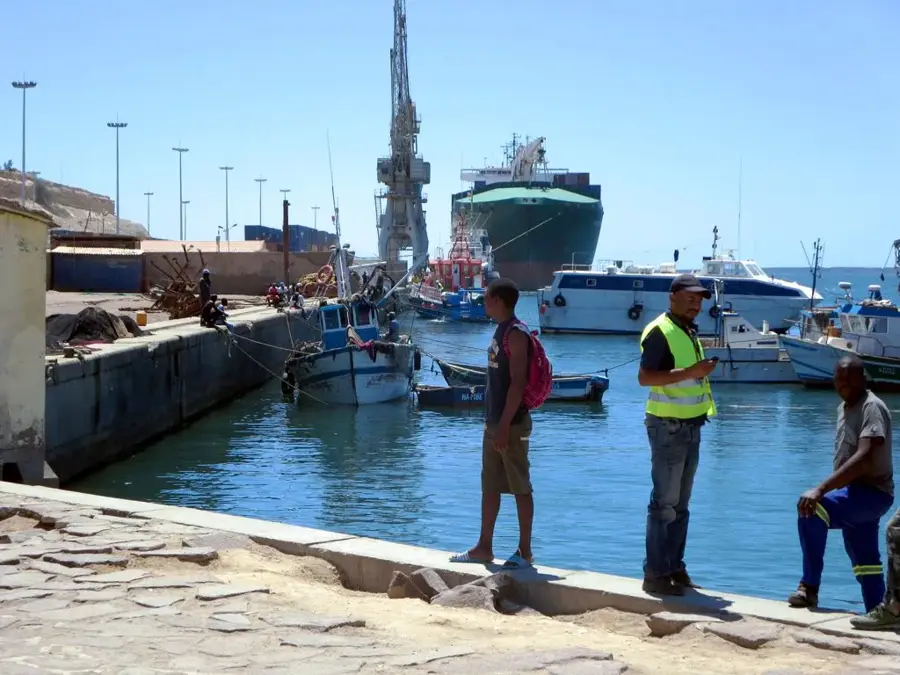
Moçâmedes Historic Center
A well-preserved colonial coastal center in Namibe, reflecting Portuguese architecture of the 19th and early 20th centuries.
Learn more →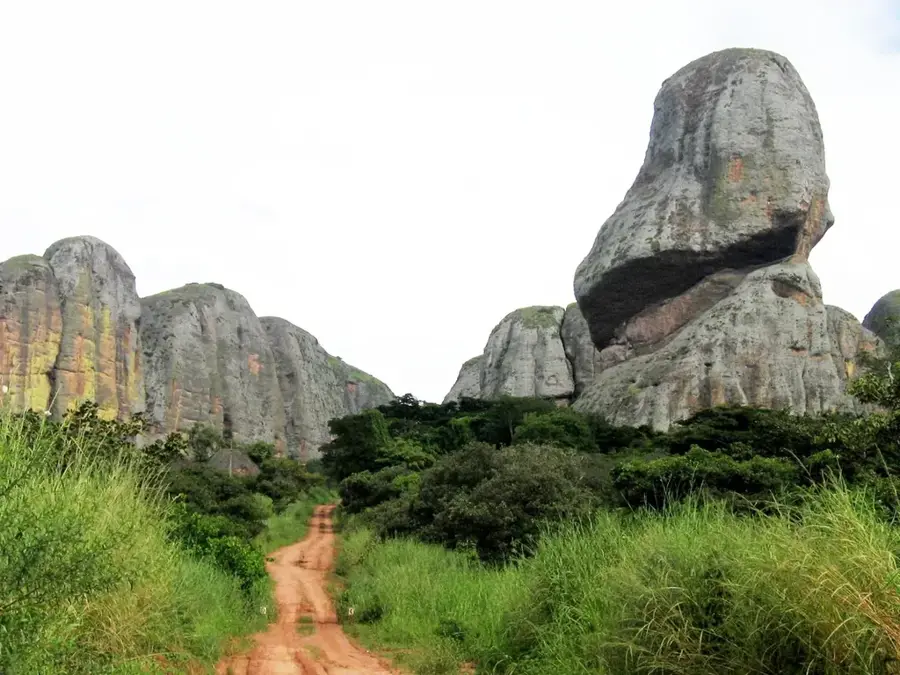
Black Stones of Pungo Andongo
An impressive geological formation and the historical seat of the Kingdom of Ndongo under the famous Queen Nzinga in the 17th century.
Learn more →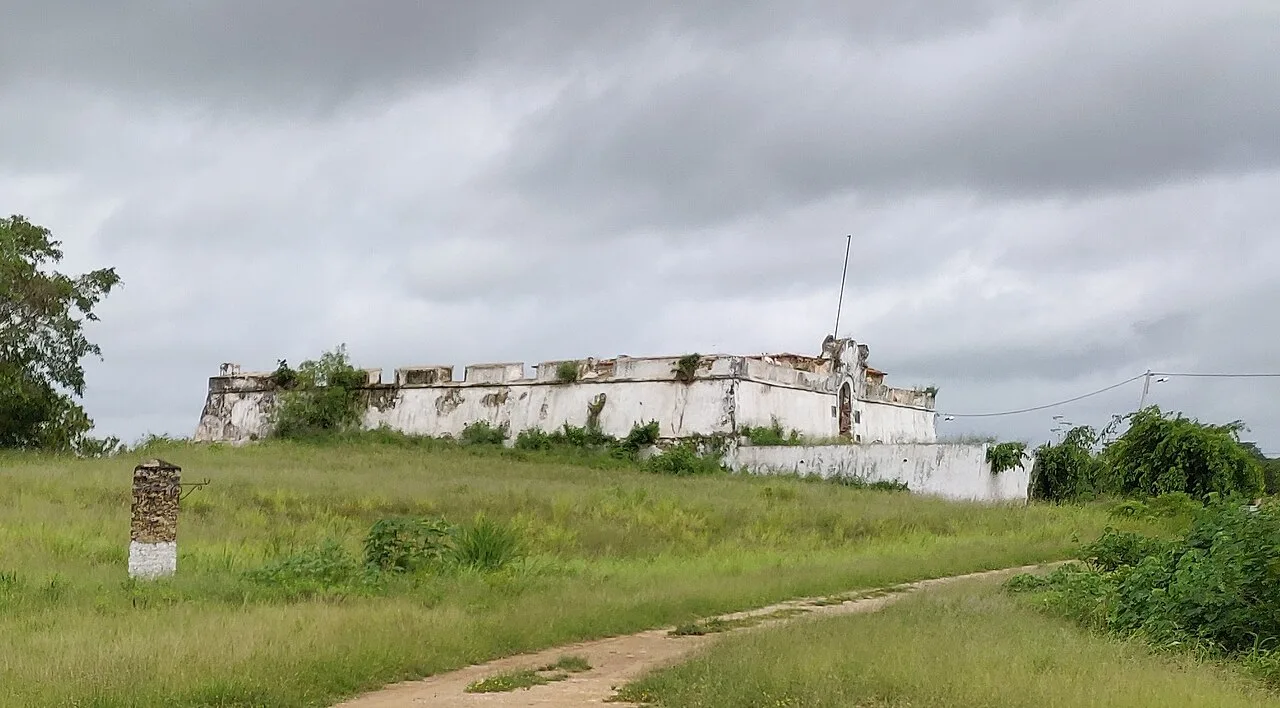
Fort of Massangano
A historic Portuguese fortress on the Kwanza River, built in 1583, playing a key role in the colonization of the interior.
Learn more →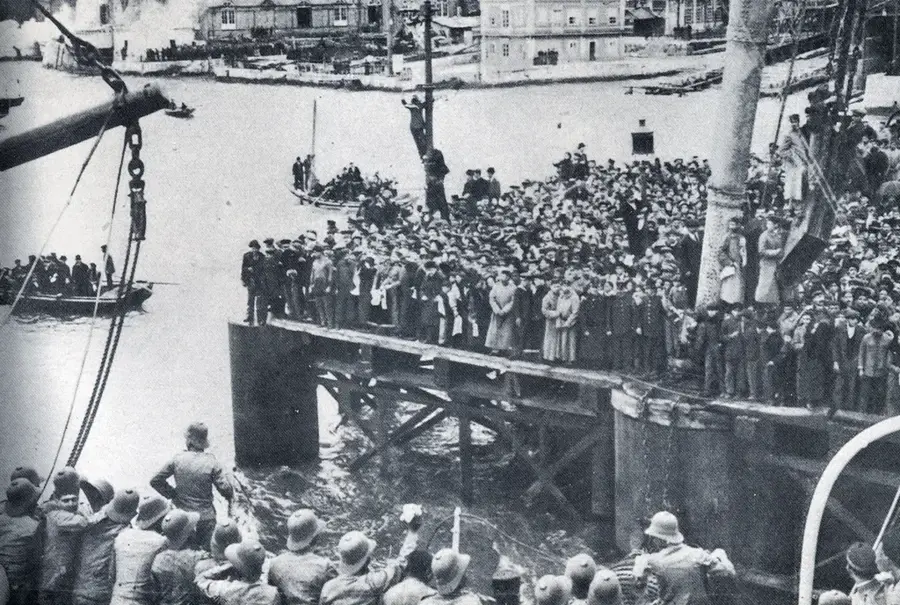
Cuangar Border Post
A historical Portuguese military post on the Okavango River, site of an early World War I skirmish in Africa in 1914.
Learn more →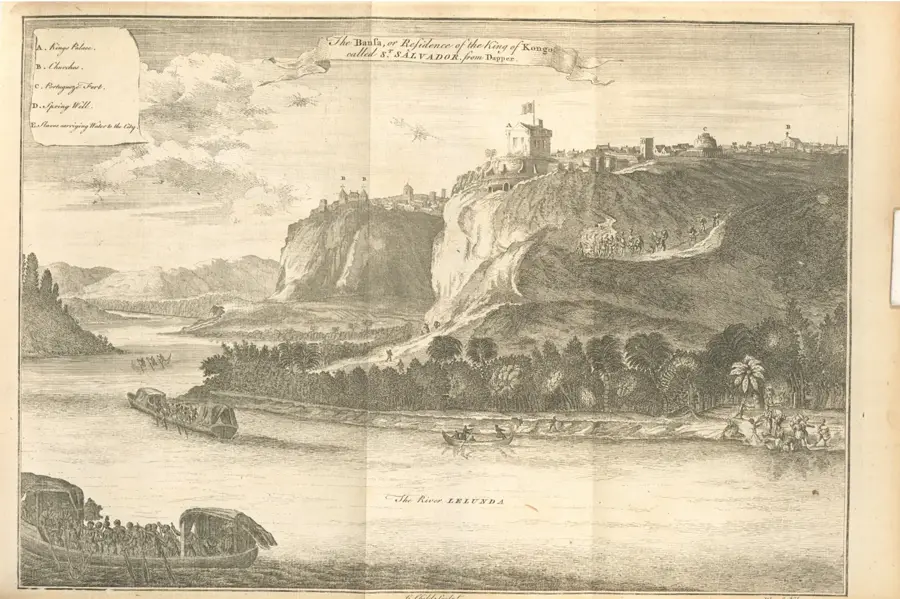
M'banza Kongo
The former capital of the historical Kingdom of Kongo, one of the largest empires in southern Africa from the 14th to 19th centuries.
Learn more →
Historic Dombe Grande
An old agricultural center known for its historic sugarcane plantations and 19th-century colonial architecture.
Learn more →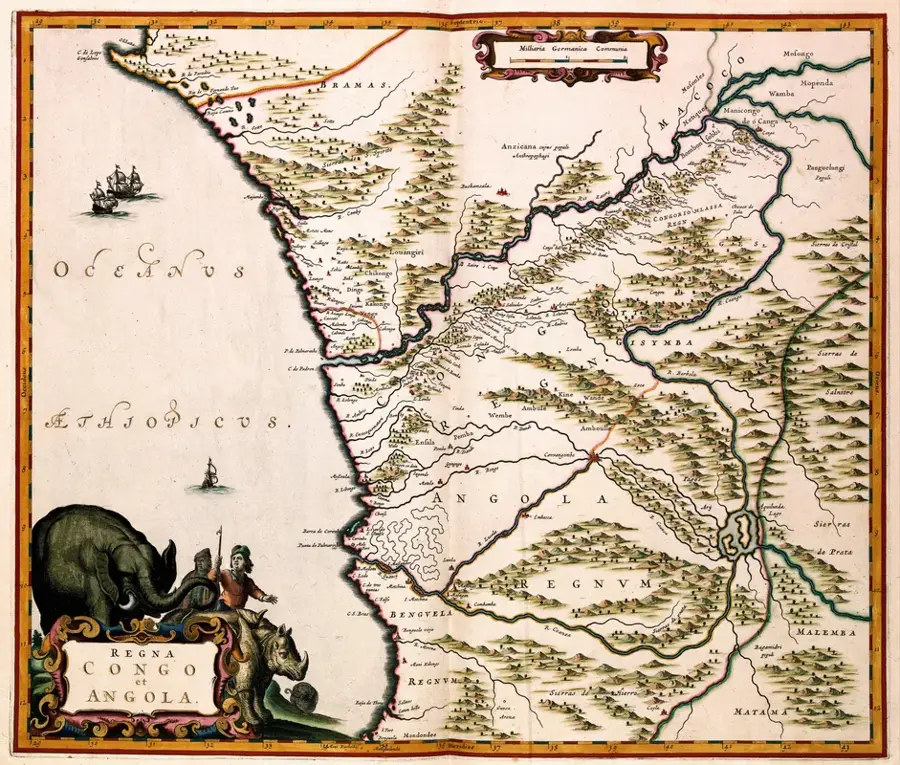
Royal Tombs of Ngola Kiluanje
Historical burial sites of traditional African kings of the Ndongo Empire, an important site of pre-colonial heritage.
Learn more →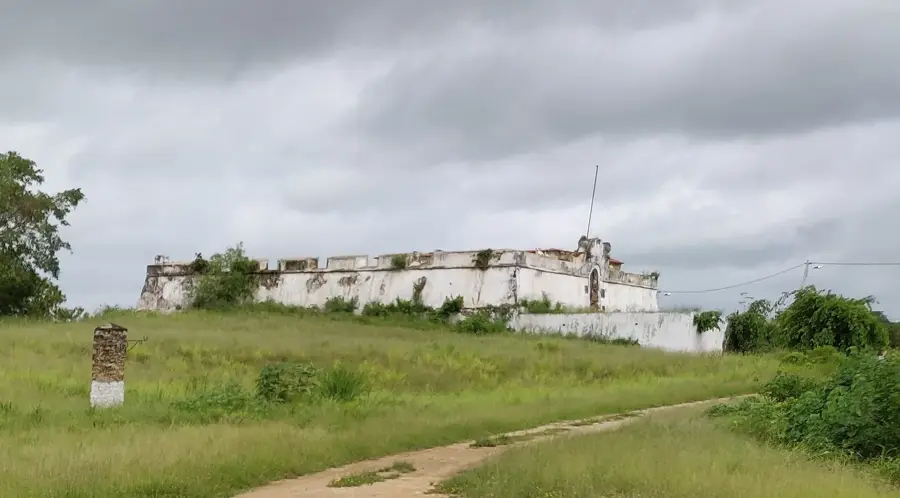
Fort of Cambambe
Ruins of a Portuguese fortress from 1604, built to control the supposed silver mines in the region.
Learn more →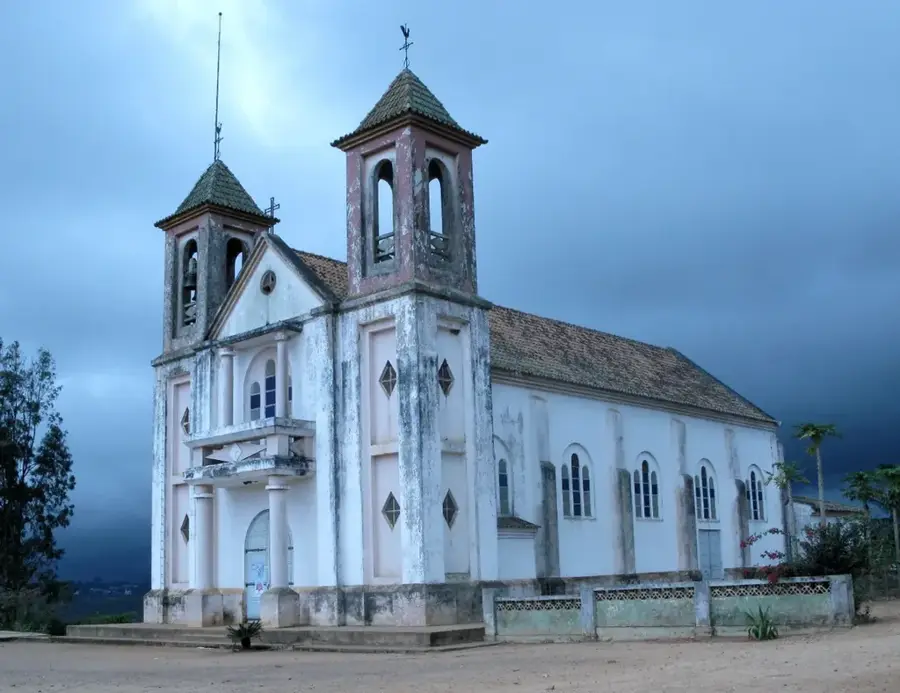
Historic Quibaxe
A historic center of coffee production and one of the first sites of the anti-colonial uprising in 1961.
Learn more →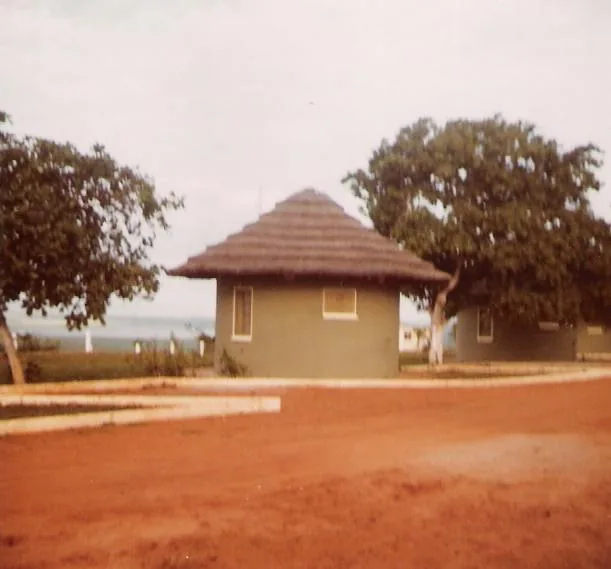
Luando Hunting Reserve
An important protected area for the conservation of local biodiversity, especially for antelope species.
Learn more →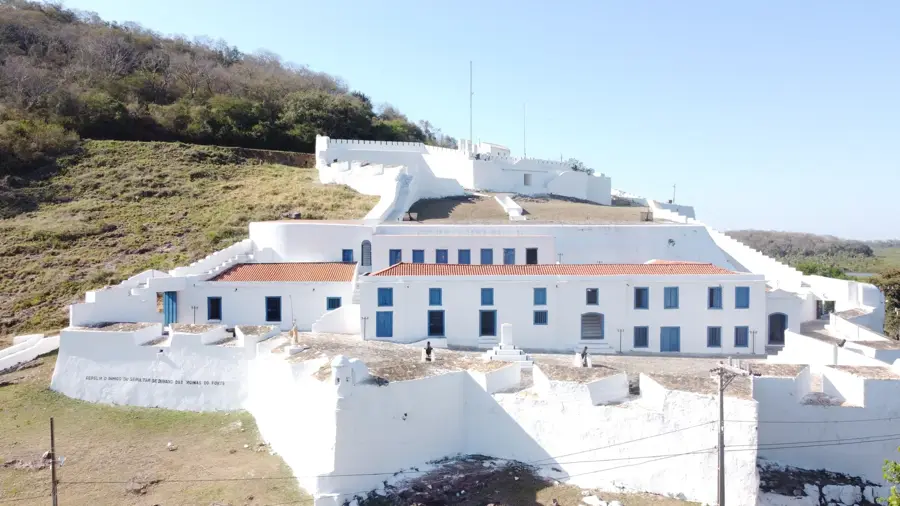
Fort of Caconda
The remains of a historical Portuguese military outpost, founded in 1682 in the highlands of Huíla.
Learn more →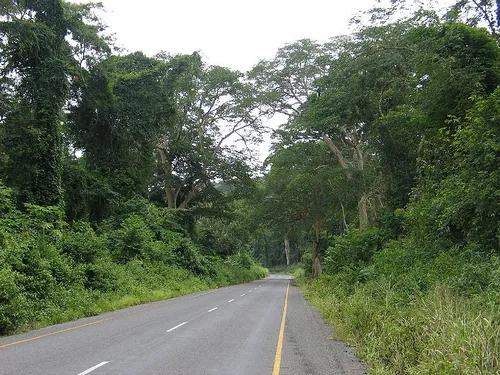
Maquela do Zombo Plantation
A farmstead located in the northern region, focusing on sustainable agricultural practices.
Learn more →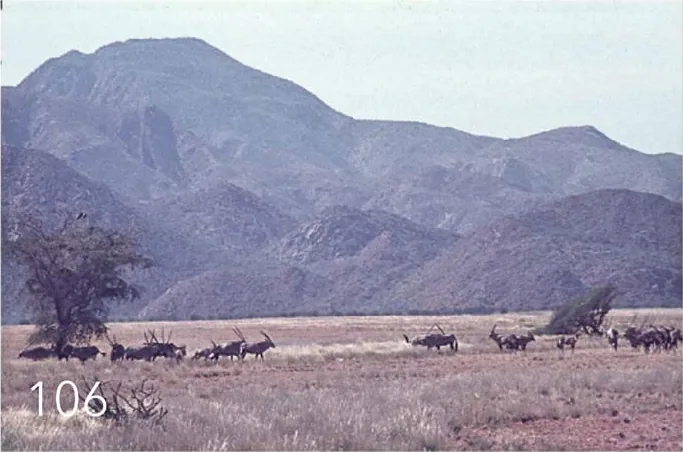
Namibe Partial Reserve
A protected area preserving unique desert and coastal flora and fauna of the Namibe region.
Learn more →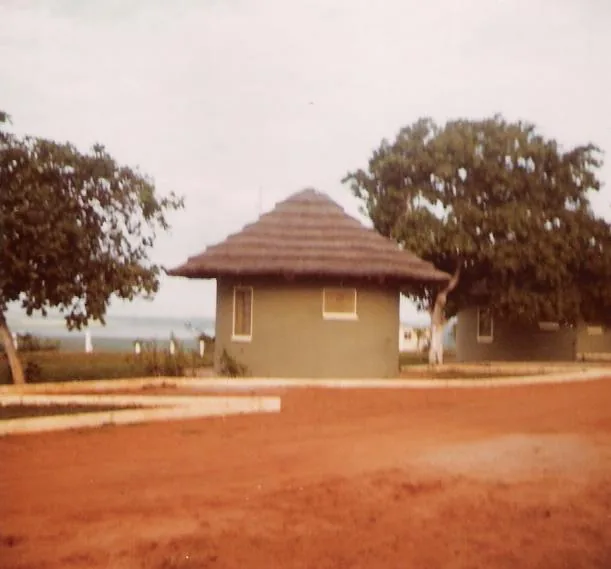
Quiçama National Park
A premier national park known for its successful wildlife rehabilitation programs.
Learn more →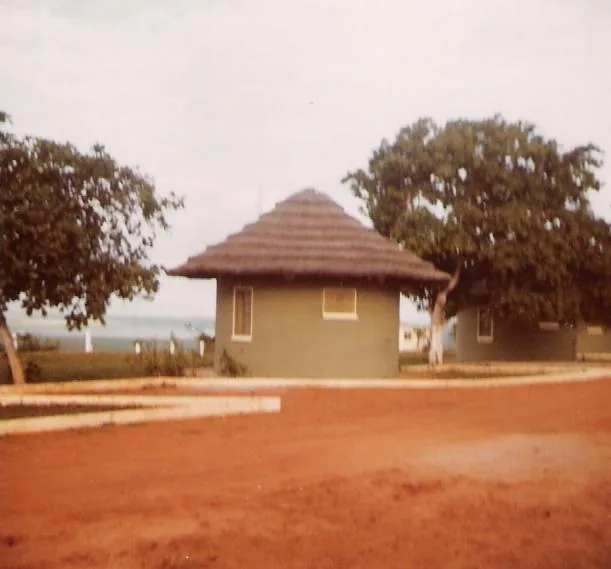
Quissama Nature Reserve
A protected natural reserve encompassing diverse habitats for Angola's iconic wildlife.
Learn more →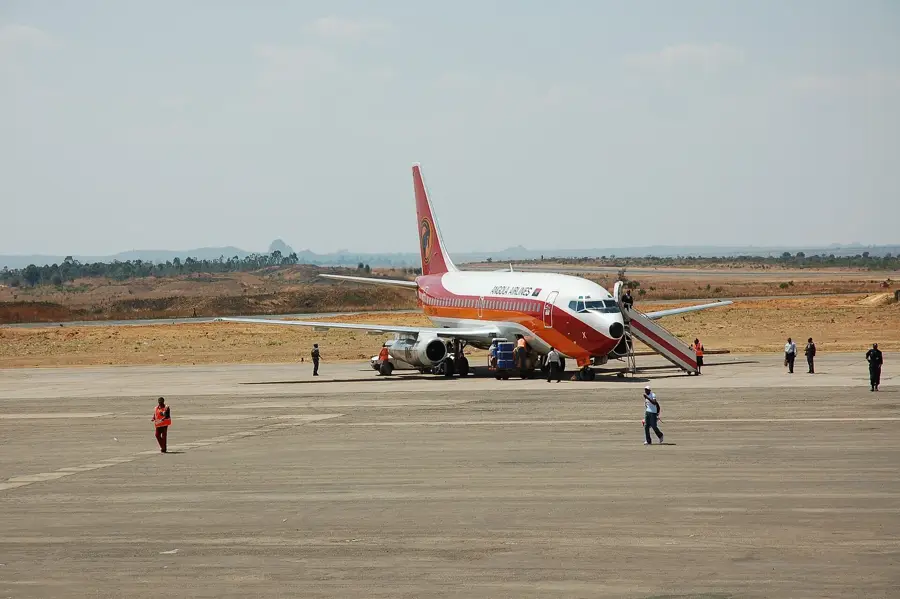
Huambo Botanical Park
A botanical site highlighting the diverse highland vegetation and plant species of central Angola.
Learn more →Frequently asked questions
What are the top attractions in Angola?
Among the most popular are Estádio 11 de Novembro, Cristo Rei (Lubango), Monument of the Battle of Cuito Cuanavale, Mausoleum of Agostinho Neto, Church of Saint Anthony and many more – the full top 50 list is on this page.
When is the best time to visit Angola?
May to October offers the most pleasant weather; July and August are warmest and busiest.