Plizio Visual Lab
Fort of Cambambe
Weather…
Water temperature…
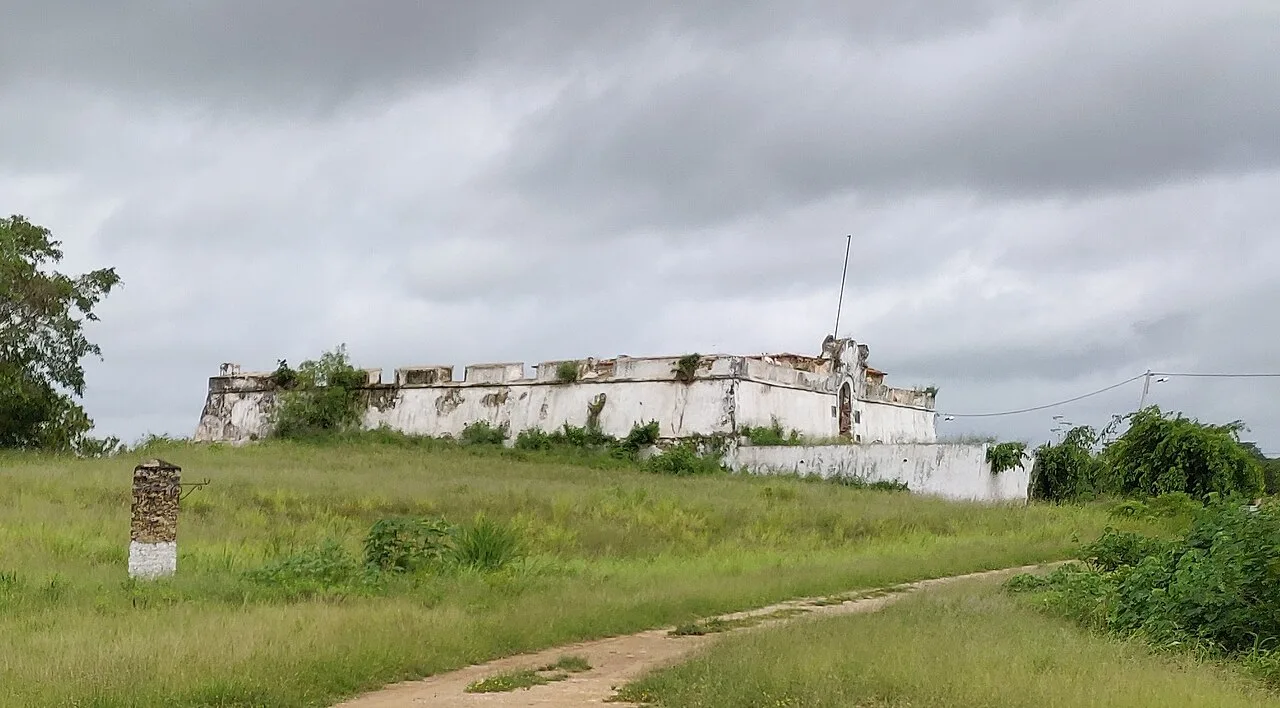
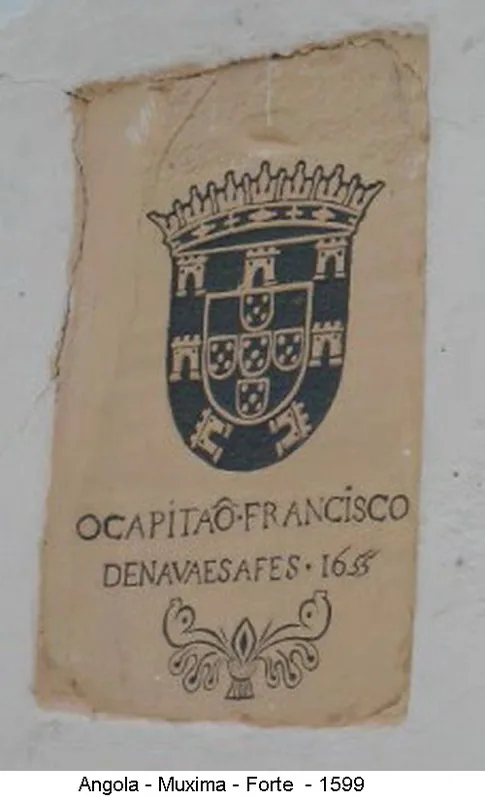
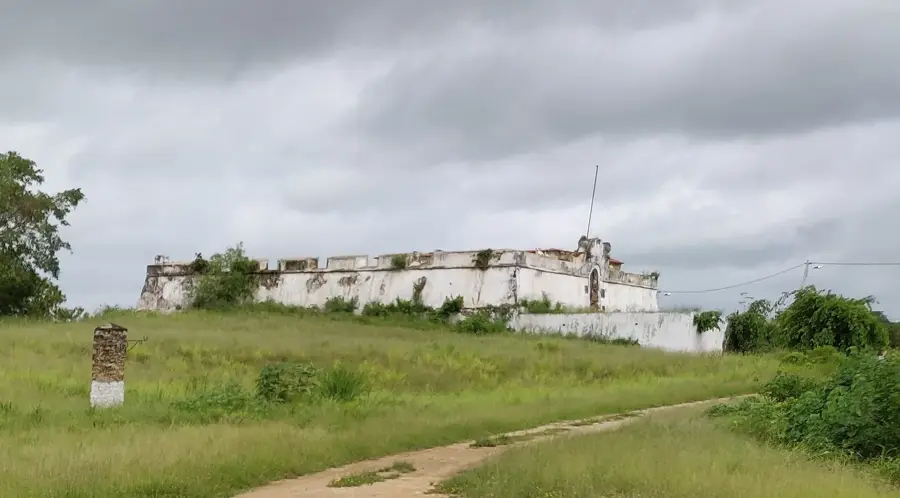
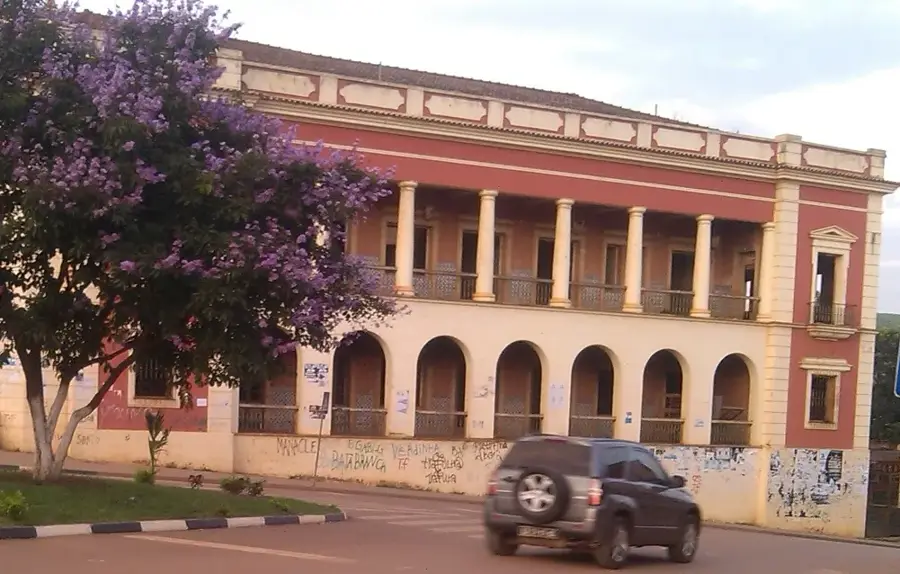
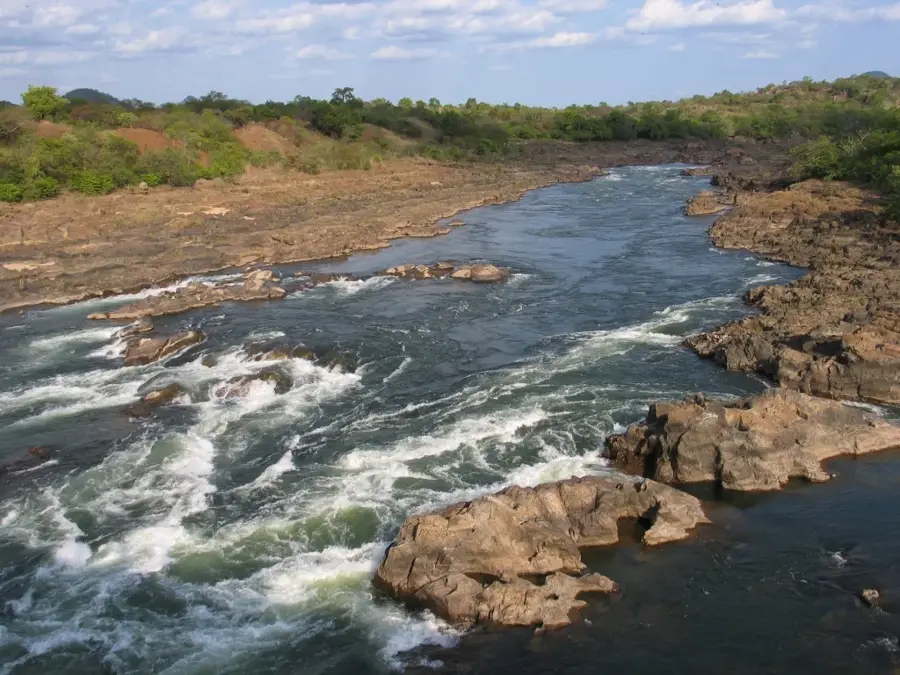
The Fort of Cambambe in Cuanza Norte Province was built by the Portuguese in 1604 to consolidate control over the Kwanza River basin. Its construction was closely tied to the search for legendary silver mines believed to be located in the region. Although silver was never found, the fort evolved into a vital outpost for the slave trade and colonial penetration into the hinterland. It is strategically positioned along the Kwanza River at a point that once marked the limit of navigable waters. The architecture features massive stone walls that were reinforced several times over the centuries. Near the fortress, the ruins of an ancient church and remnants of colonial administrative buildings can still be found. Today, the site is a significant historical monument, reflecting the ambitions and conflicts of the early Portuguese presence in Angola.
- Location: Angola
- Nearby: Dondo (13 km)
Best time to visit & climate
The most pleasant time to visit is Jun–Aug.
| Jan | Feb | Mar | Apr | May | Jun | Jul | Aug | Sep | Oct | Nov | Dec | |
|---|---|---|---|---|---|---|---|---|---|---|---|---|
| Avg °C | 29 | 29 | 28 | 28 | 28 | 26 | 25 | 26 | 27 | 28 | 28 | 28 |
| Rain mm | 40 | 54 | 96 | 100 | 29 | 2 | 0 | 4 | 14 | 42 | 77 | 57 |
📋 Practical info
Geography
Facts
- The fort was constructed during the term of Governor Manuel Cerveira Pereira.
- It provided protection for Jesuit missionaries operating in the region.
- Cambambe was a major transit hub for the slave trade in the 17th century.
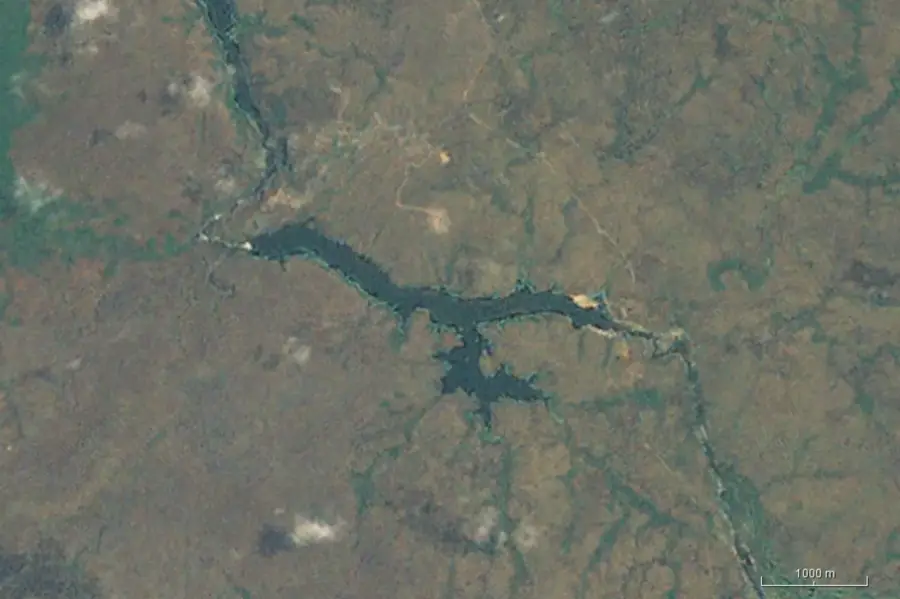
- The modern Cambambe hydroelectric dam is located nearby.
- The fortress was designated a national monument in 1925.
- The walls were constructed using stone and lime mortar without cement.
Explore nearby
Notable places around



Route planner — Car & Motorhome
Where do you start? We build the route here, with stops and country notes along the way.
© OpenStreetMap contributors · OpenRouteService
Sights nearby
Frequently asked questions
How much time do you need for Cambambe Fort?
Is the fort easy to reach?
When should you go?
Is the place photogenic?
What is Cambambe known for?
Fort of Cambambe: where is it located?
Fort of Cambambe: when is the best time to visit?
Fort of Cambambe: why is it worth visiting?

Nearby cities
History & landmarks
Nature
More places