Plizio Visual Lab
Historic Quibaxe
Weather…
Water temperature…
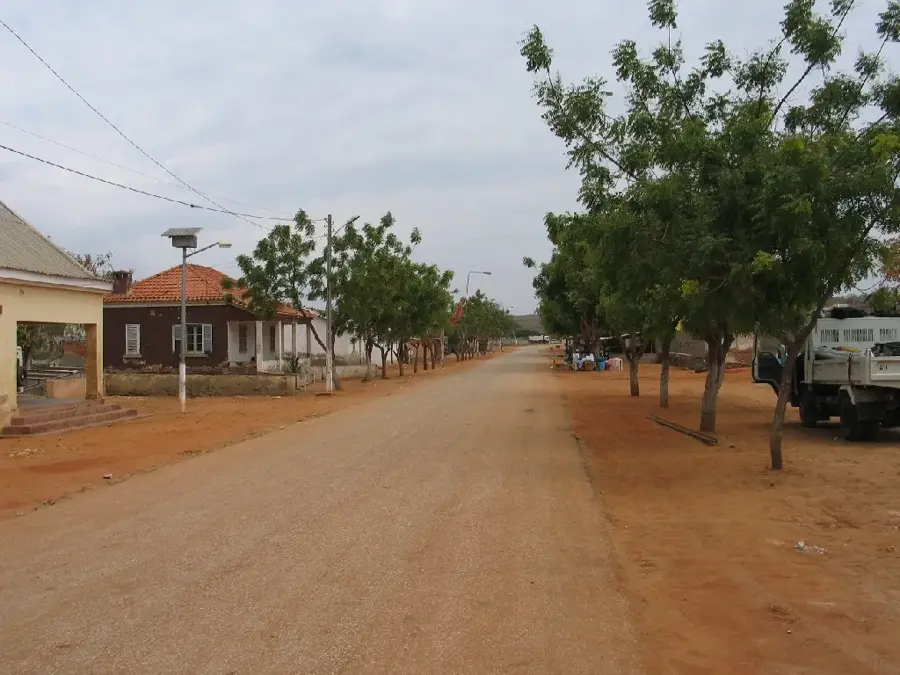
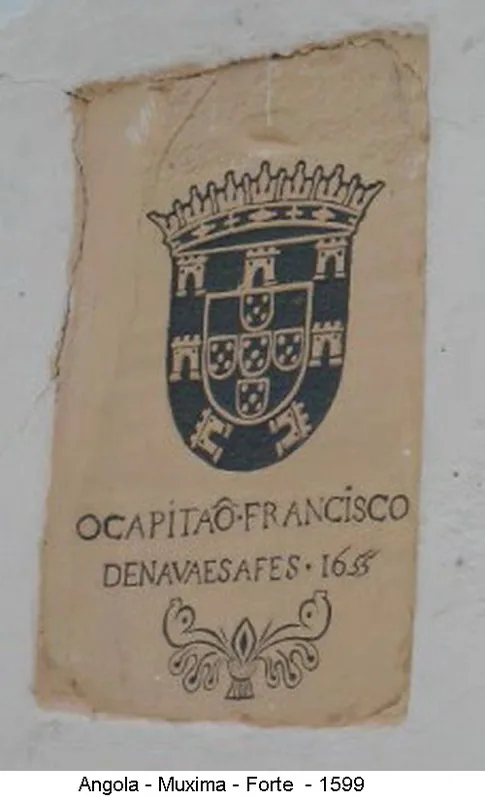
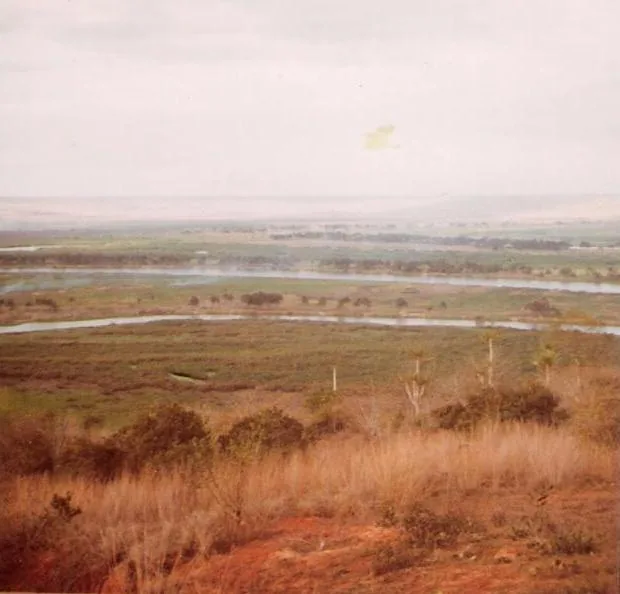
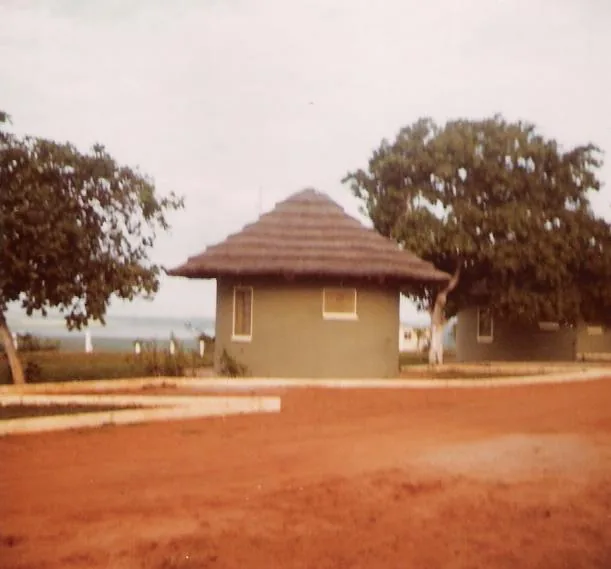
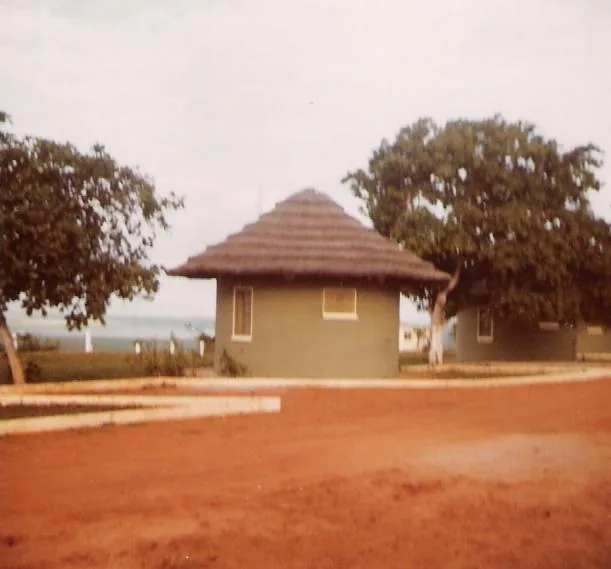
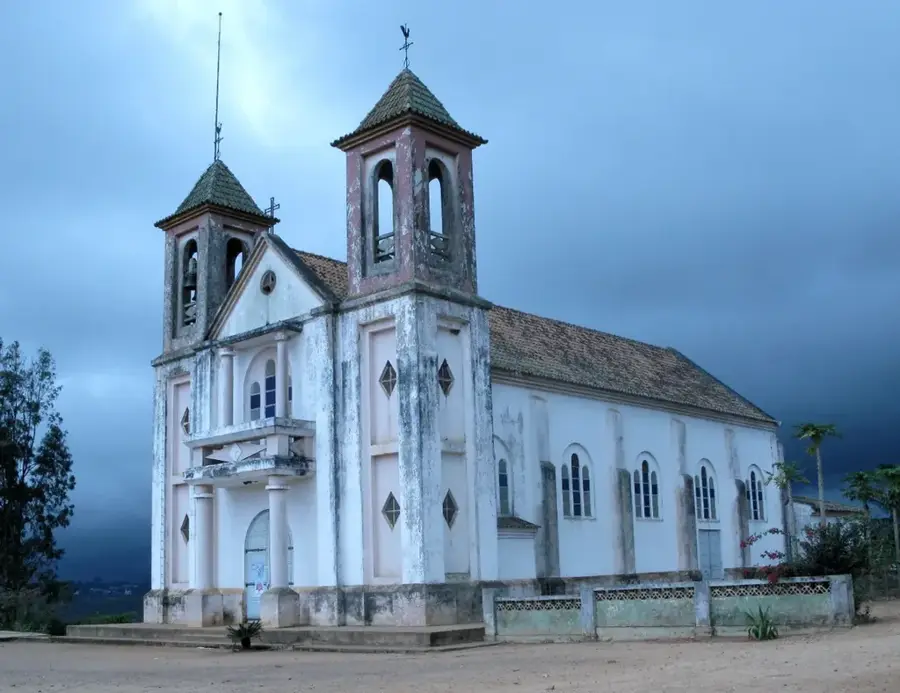
Historical Quibaxe, the administrative center of the Dembos municipality in Bengo Province, is a powerful symbol of Angolan national resistance. The region is renowned for its dense forests and rugged topography, which provided good sanctuary for nationalist guerrillas during the war for liberation. In early 1961, Quibaxe emerged as a focal point for the uprisings against Portuguese colonial rule. Local residents and MPLA fighters maintained strongholds here for extended periods, resisting the superior military force of the colonial administration. The town's history is deeply intertwined with the struggle for freedom and the distinct identity of the Dembos region. Today, Quibaxe serves as a site of remembrance, featuring monuments that honor the heroes of the revolution. Beyond its political significance, the area is a vital agricultural hub, particularly known for coffee production, which has been revitalized in the post-war era. The blend of heroic history and natural splendor makes Quibaxe a significant cultural anchor in Northern Angola.
- Location: Angola
- Nearby: Camabatela (72 km)
Best time to visit & climate
The most pleasant time to visit is Jun–Aug.
| Jan | Feb | Mar | Apr | May | Jun | Jul | Aug | Sep | Oct | Nov | Dec | |
|---|---|---|---|---|---|---|---|---|---|---|---|---|
| Avg °C | 26 | 27 | 26 | 26 | 26 | 25 | 24 | 24 | 26 | 26 | 26 | 26 |
| Rain mm | 56 | 70 | 120 | 129 | 53 | 3 | 0 | 8 | 23 | 63 | 101 | 74 |
📋 Practical info
Geography
Facts
- Quibaxe serves as the administrative seat of Dembos
- The town was a major center for the 1961 national uprising
- The region is famous for its high-quality coffee plantations
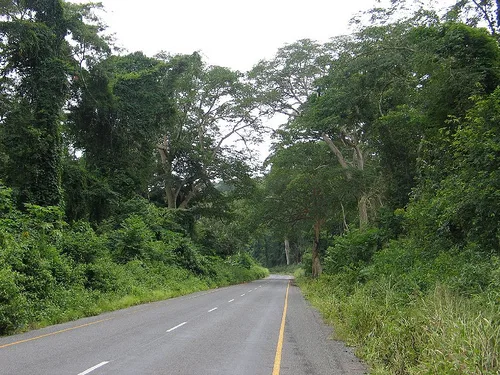
- The climate is tropical and humid with extensive forest cover
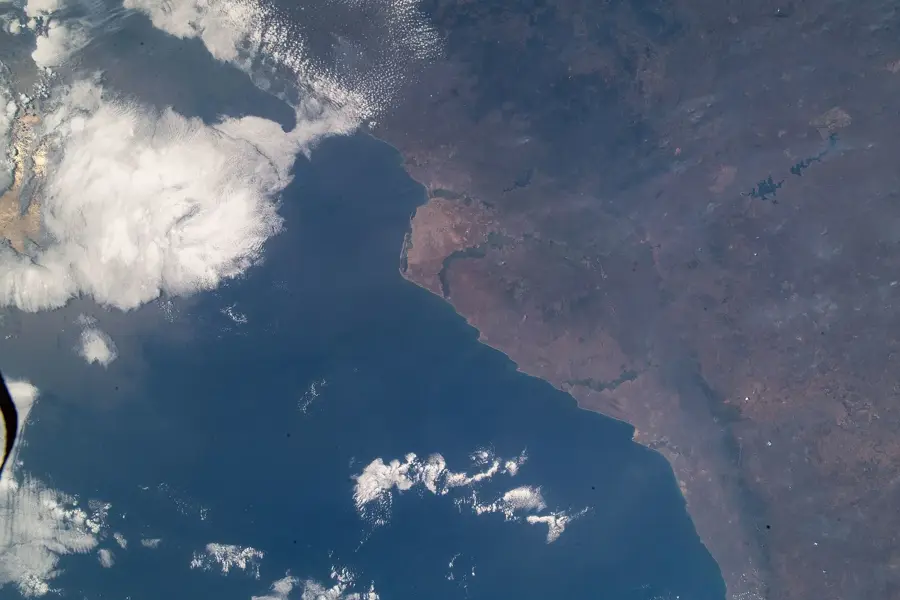
- Quibaxe is located in Bengo Province, northeast of Luanda
- The local terrain was ideal for guerrilla tactics during the war
Explore nearby
Notable places around

Route planner — Car & Motorhome
Where do you start? We build the route here, with stops and country notes along the way.
© OpenStreetMap contributors · OpenRouteService
Sights nearby
Frequently asked questions
How much time should I plan for historic Quibaxe?
When is the best time to go?
Is there an entry fee?
Can you photograph it and is it easy to access?
What can I combine it with nearby?
Historic Quibaxe: where is it located?
Historic Quibaxe: when is the best time to visit?
Historic Quibaxe: why is it worth visiting?

Nearby cities
History & landmarks
Nature
More places