Attractions in Solomon Islands
The finest attractions in Solomon Islands at a glance: castles, natural wonders, historic old towns and more. Each place links to a detailed page with map, tips and photos.
Culture & History
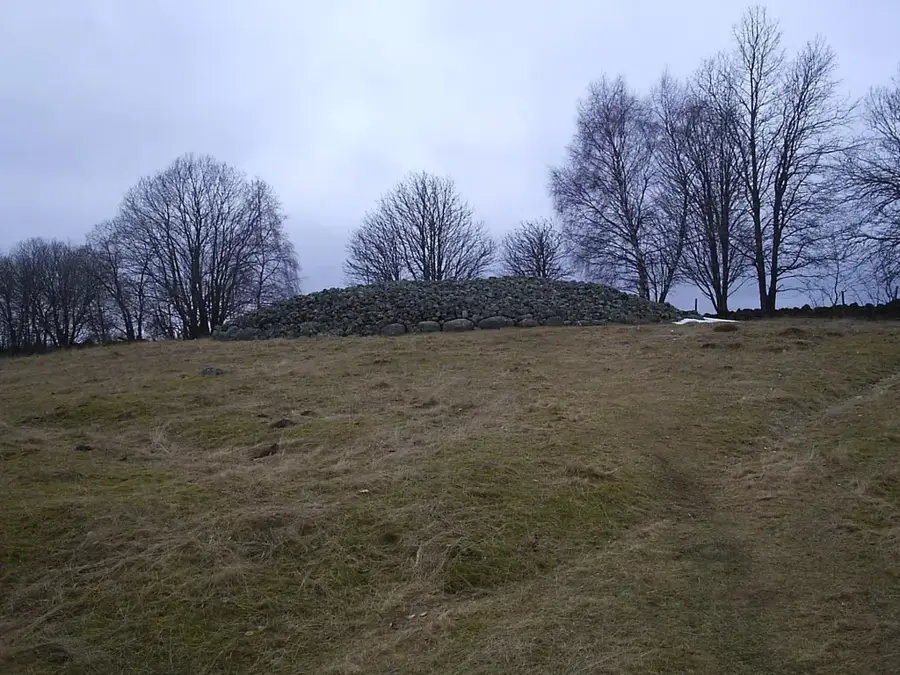
Savo Crater
The Savo Crater forms the center of the volcanic island of Savo north of Guadalcanal.
Learn more →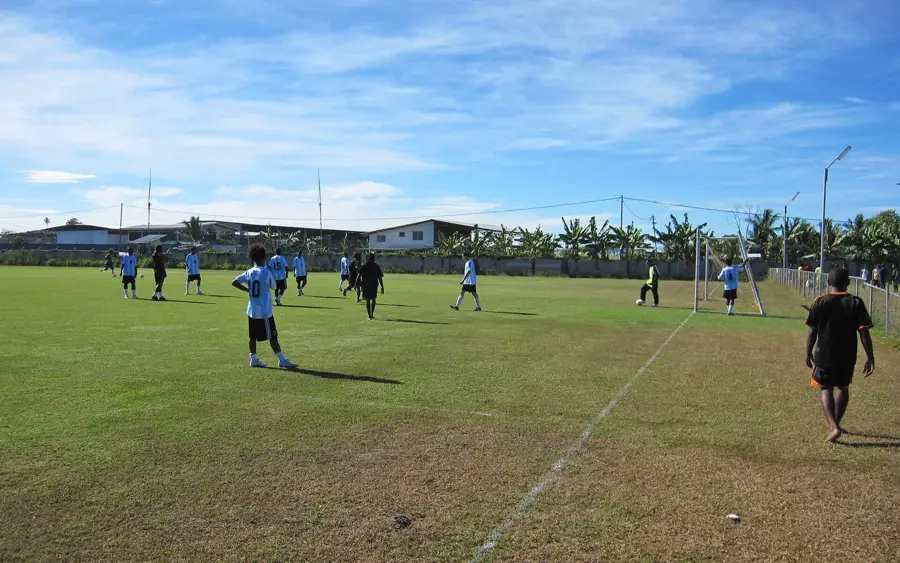
Lungga Plain
The Lungga Plain is the most significant lowland area on Guadalcanal, formed by the deposits of the Lungga River.
Learn more →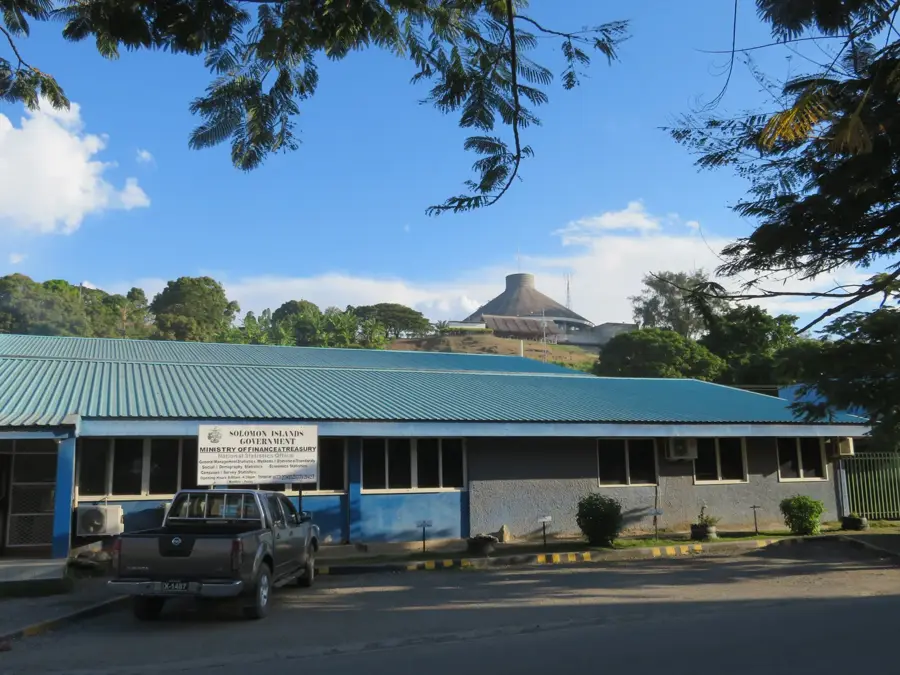
Treasury Islands
An isolated group of islands south of Bougainville.
Learn more →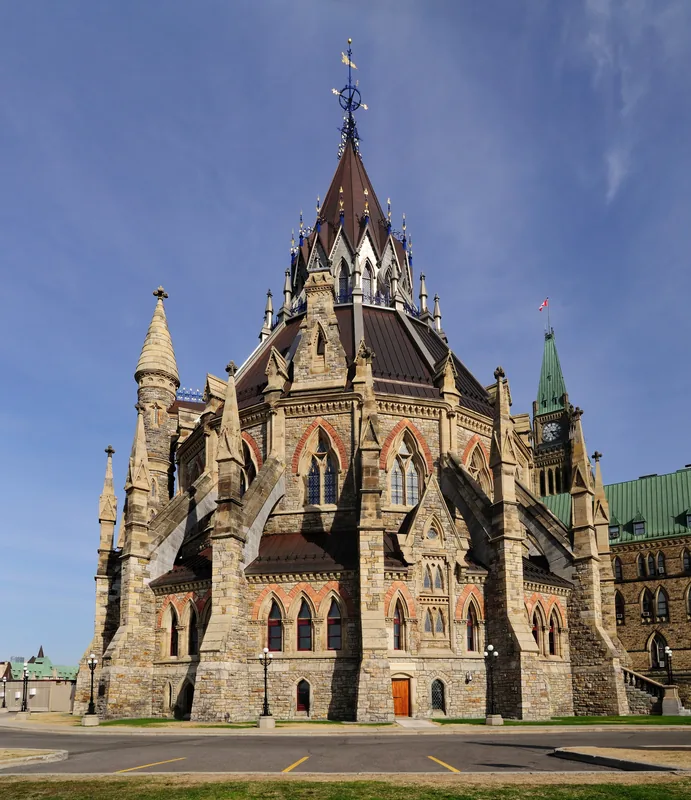
National Parliament Library
The library is part of the parliament complex and houses key national documents.
Learn more →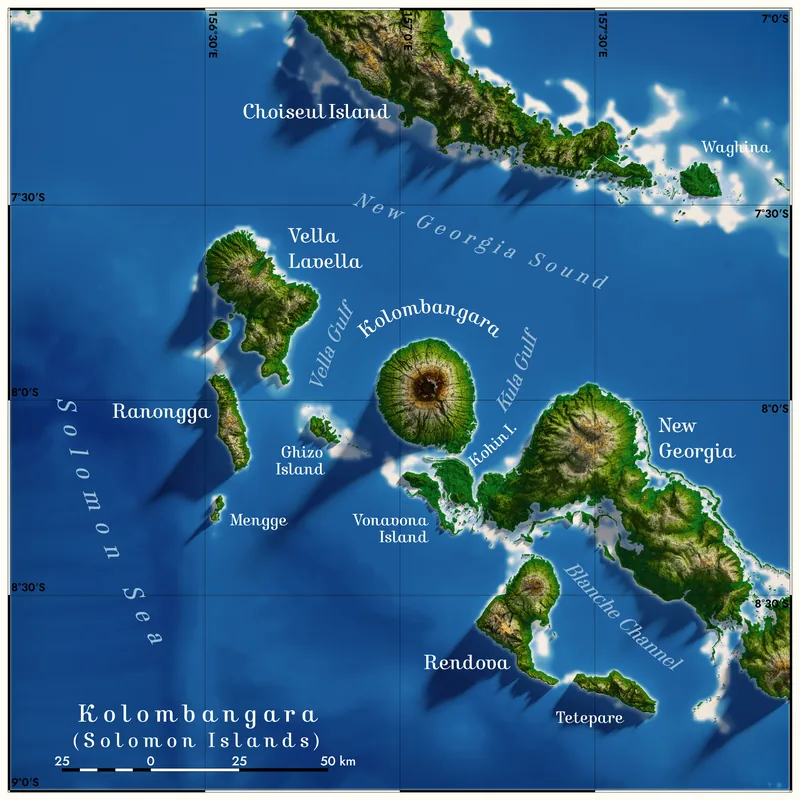
Marovo Lagoon Cultural Sites
Marovo Lagoon is home to numerous traditional woodcarving villages and historic shrines.
Learn more →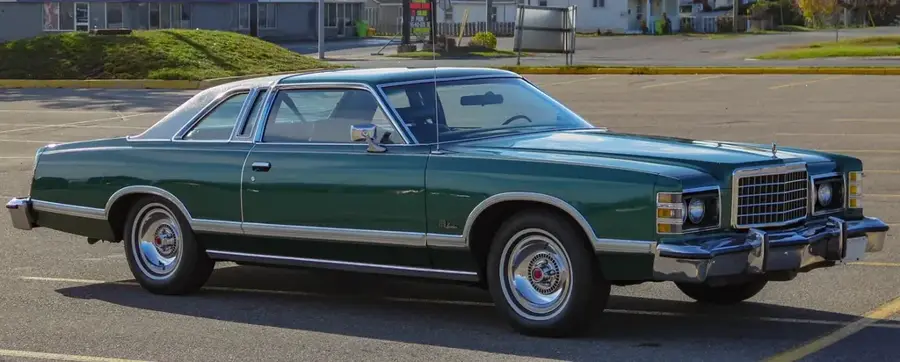
Traditional Custom House
The 'Custom House' on Santa Ana is a ritual building rich in carvings and cultural significance.
Learn more →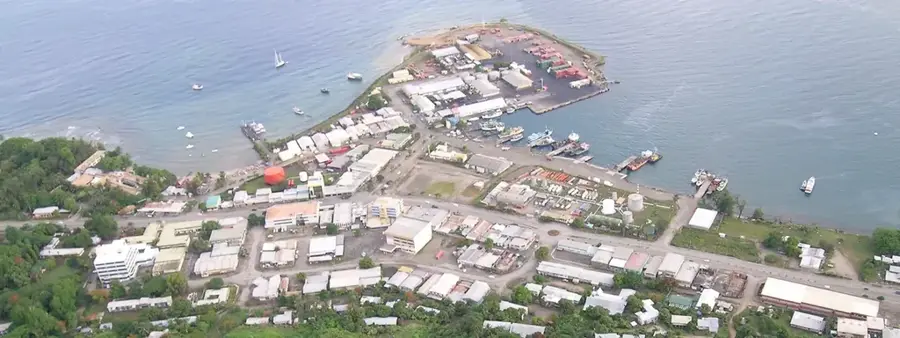
Point Cruz
A small peninsula in central Honiara.
Learn more →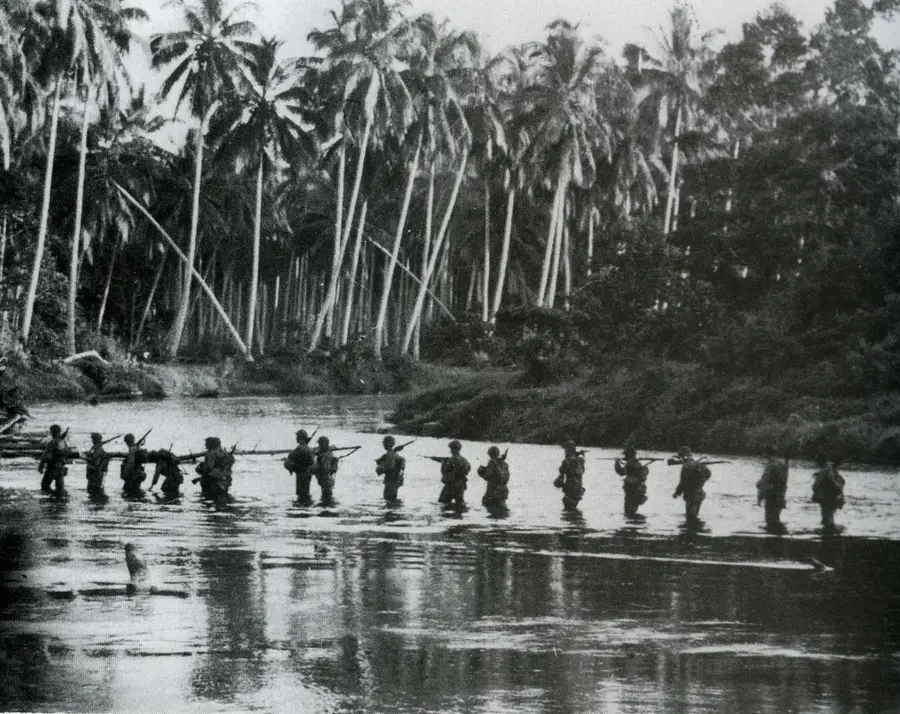
Mataniko Falls
These spectacular falls tumble into a canyon near Honiara.
Learn more →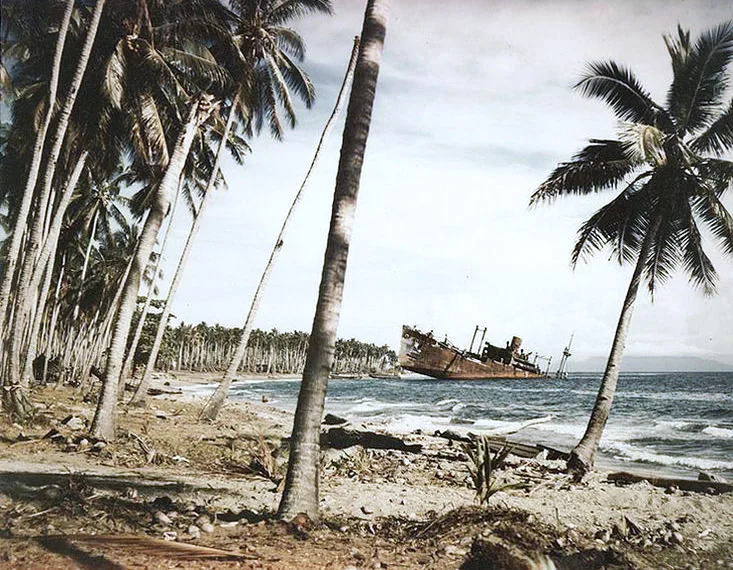
Bonegi II Wreck
The Bonegi II is a Japanese transport ship lying just meters from the shore.
Learn more →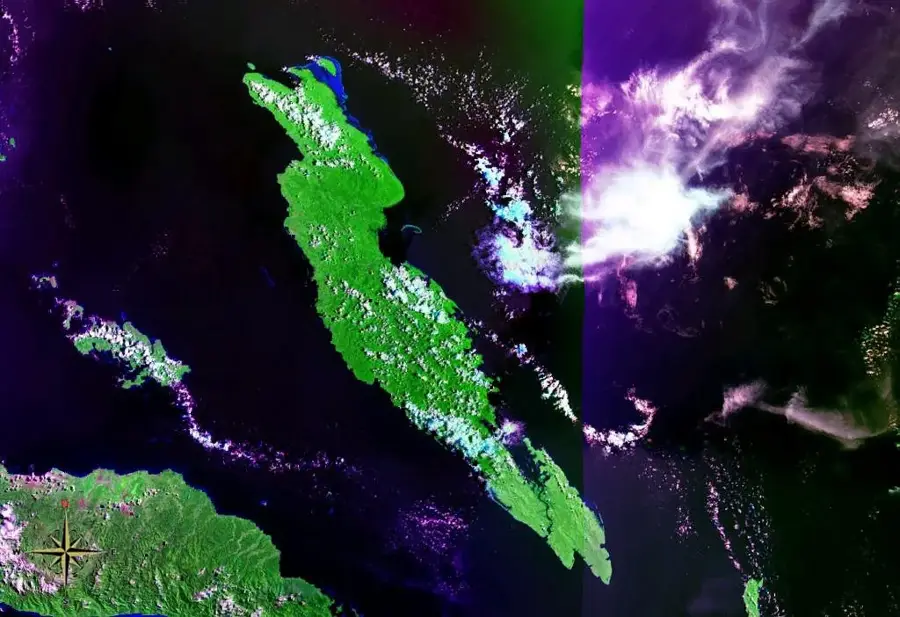
Fanalei Traditional Village
Fanalei is famous for traditional dolphin hunting and the use of dolphin teeth as currency.
Learn more →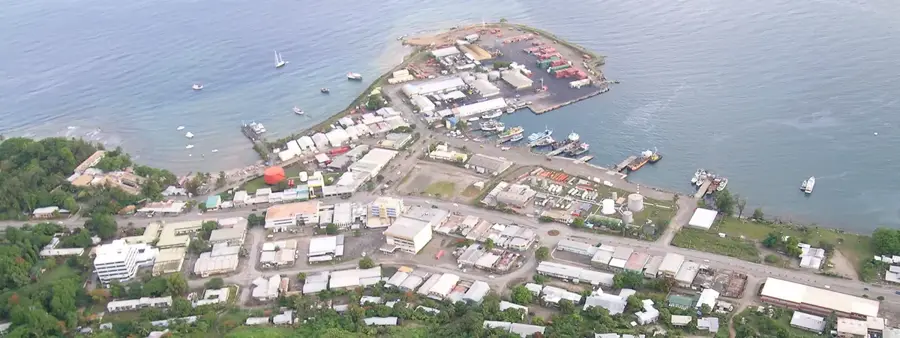
Point Cruz Yacht Club
The Yacht Club is a social landmark of Honiara located at the harbor.
Learn more →
Mbokonavera Market
This local market in a residential area of Honiara is an authentic landmark of daily life.
Learn more →
Langa Langa Lagoon
A lagoon on Malaita famous for its centuries-old artificial islands and the traditional manufacturing of shell money.
Learn more →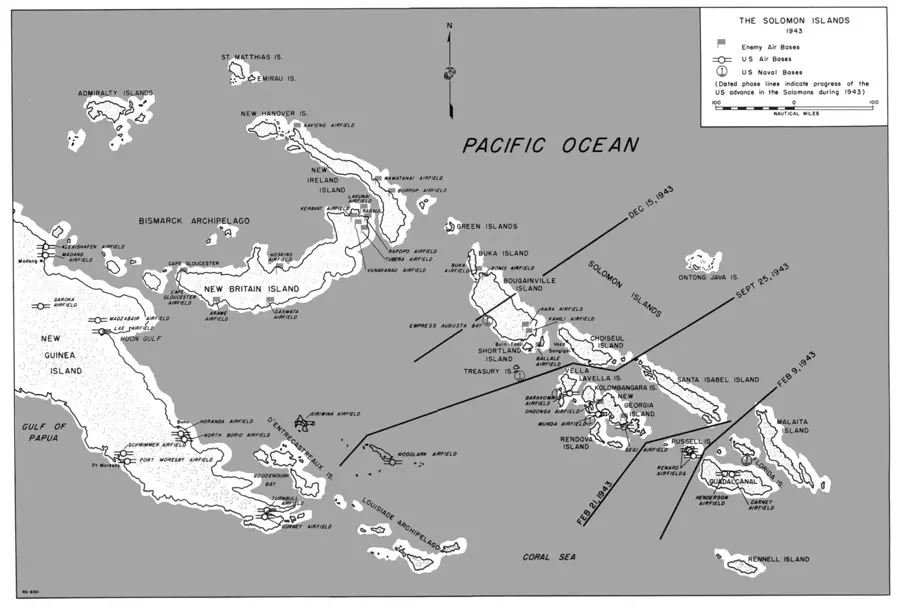
Kennedy Island
John F.
Learn more →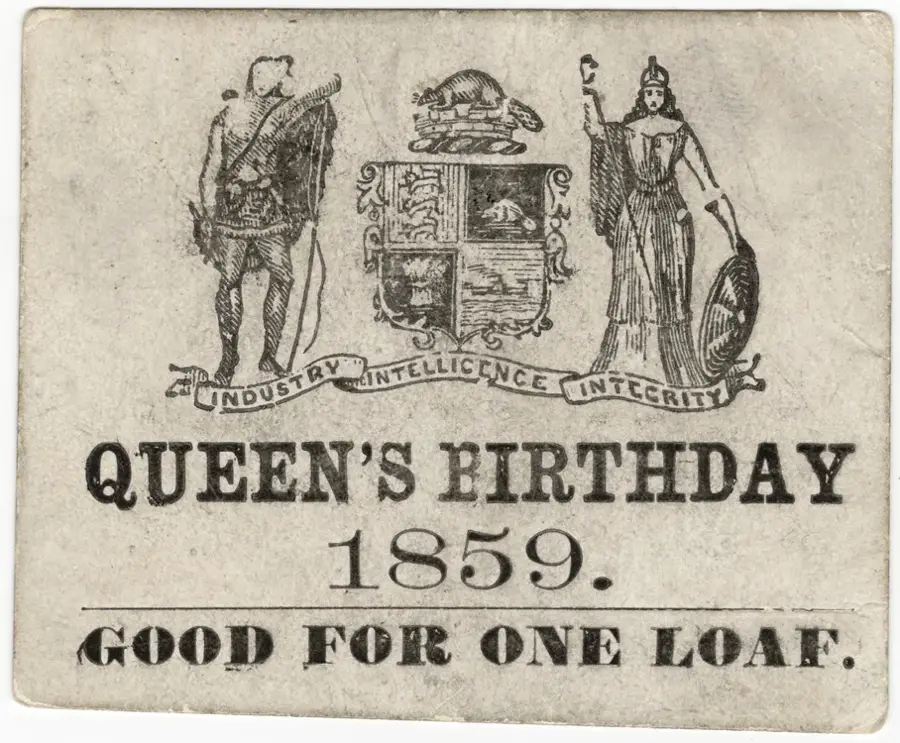
King George VI School
This is the oldest and most prestigious secondary school in the Solomon Islands.
Learn more →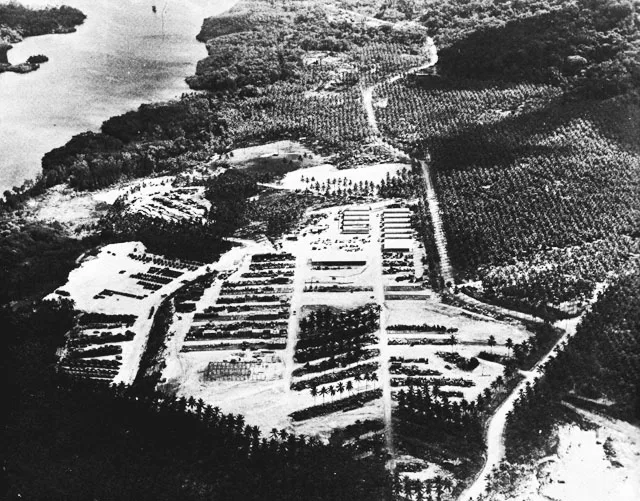
Banika Island
The second largest of the Russell Islands, developed into a massive Allied logistics and air base during the war.
Learn more →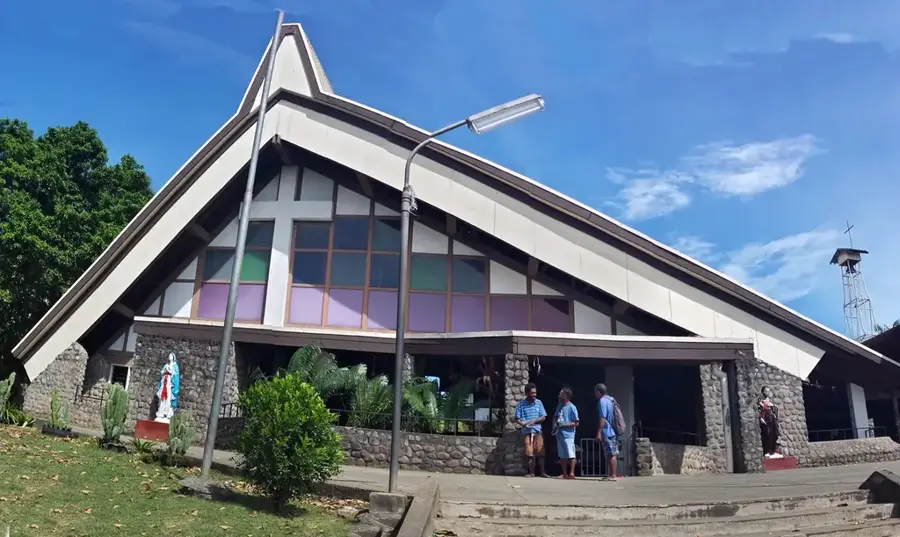
Gizo Central Market
The market in Gizo is known for its lively atmosphere and fresh fish sold directly from canoes.
Learn more →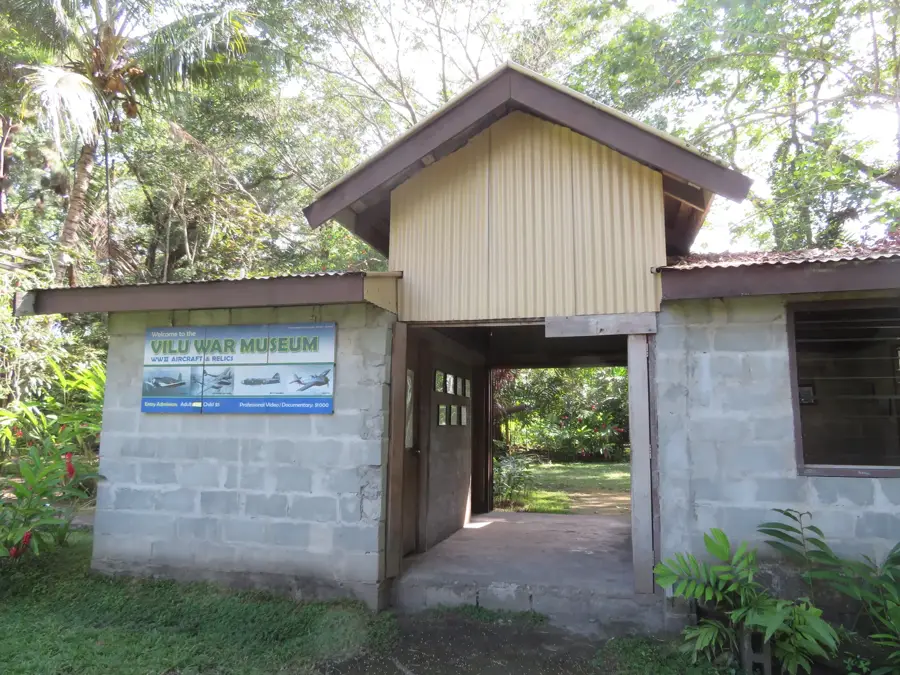
Vilu War Museum
An impressive open-air museum on Guadalcanal featuring well-preserved WWII aircraft wrecks and memorials.
Learn more →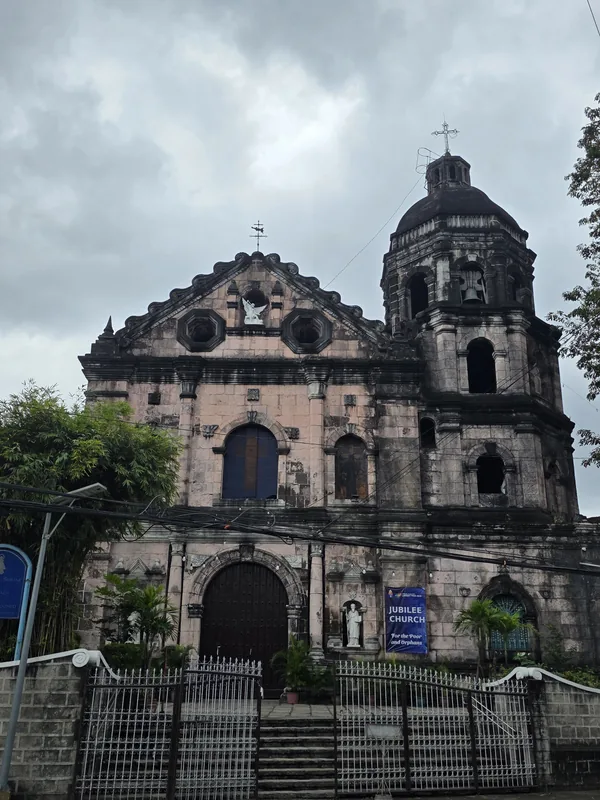
Santa Ana Spirit Houses
These traditional buildings on Santa Ana Island house intricately carved relics and serve as significant religious landmarks.
Learn more →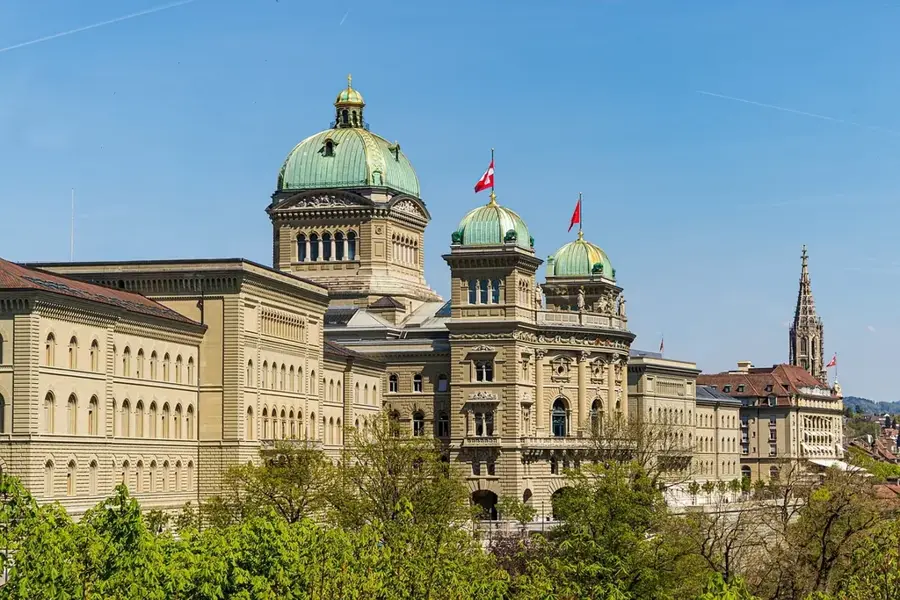
Honiara City Council
The city council's administrative building is the hub of Honiara's local government.
Learn more →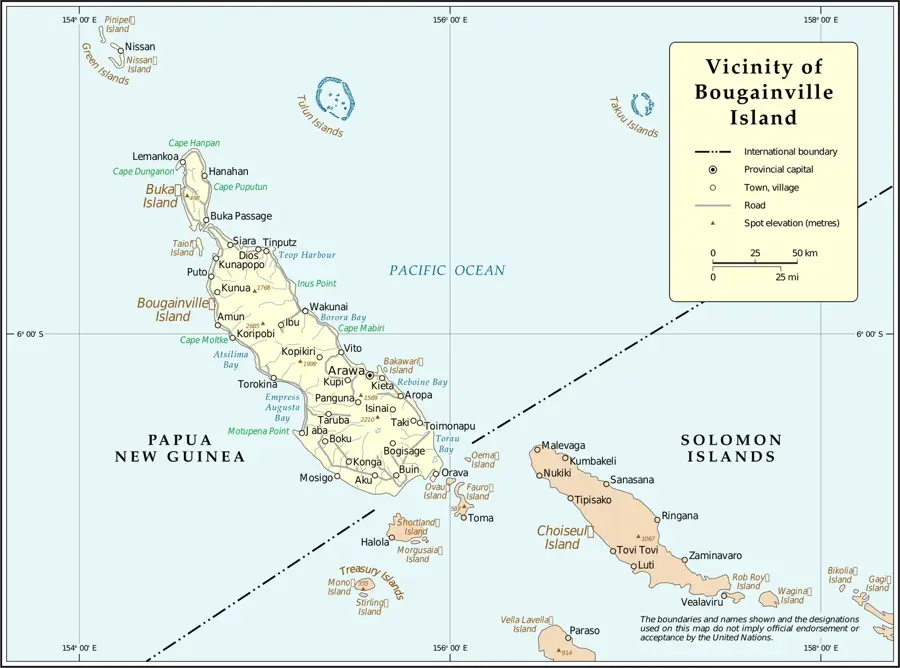
Shortland Islands
An island group in the far northwest that served as a massive Japanese naval and air base during the war.
Learn more →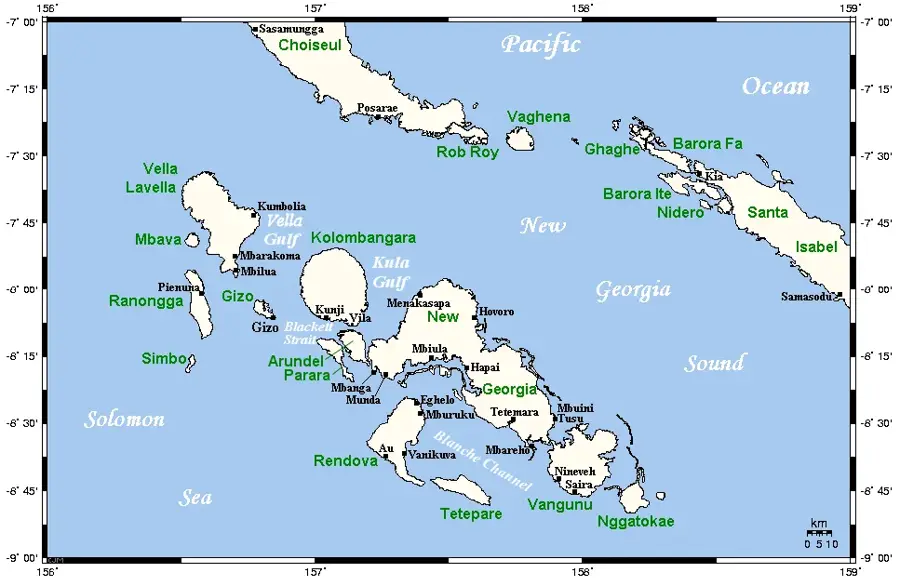
Simbo Island
An active volcanic island formerly known as a major regional trading hub and center for ritual headhunting culture.
Learn more →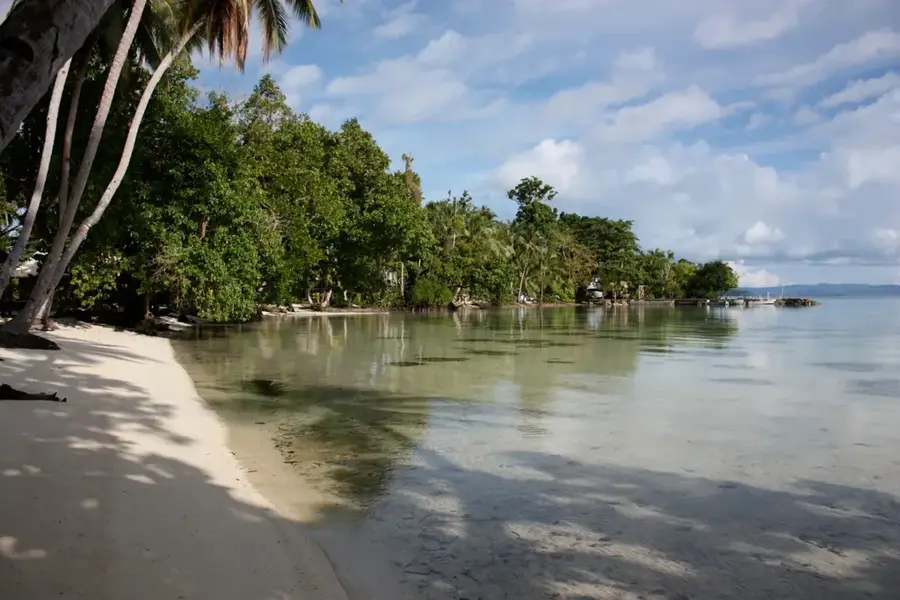
Marovo Lagoon
The world's largest saltwater lagoon.
Learn more →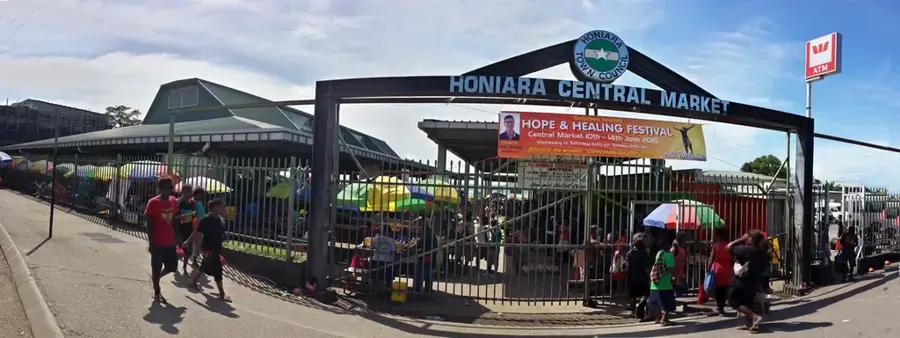
Honiara Central Market
Honiara's bustling marketplace located at the historic Point Cruz area, serving as the economic heart of the city.
Learn more →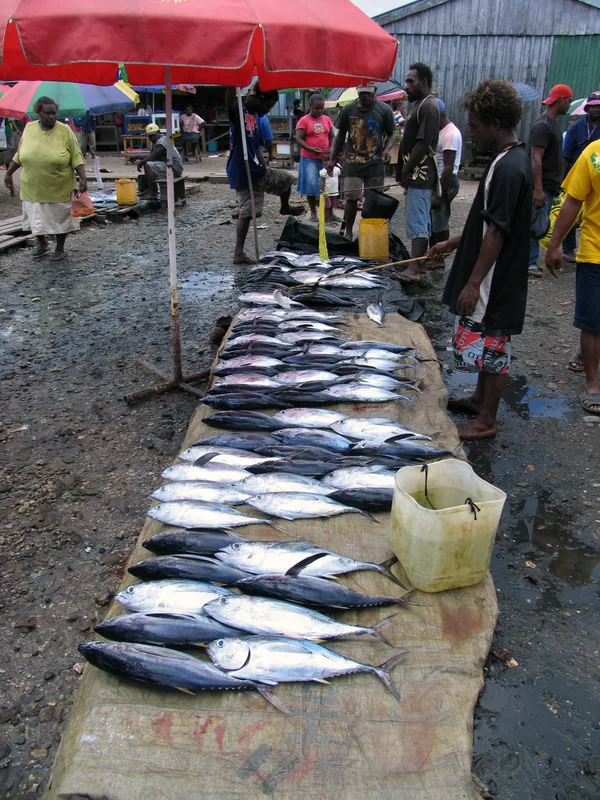
Auki Central Market
Auki Central Market is a vibrant hub where agricultural products from the Malaita highlands are traded and sold.
Learn more →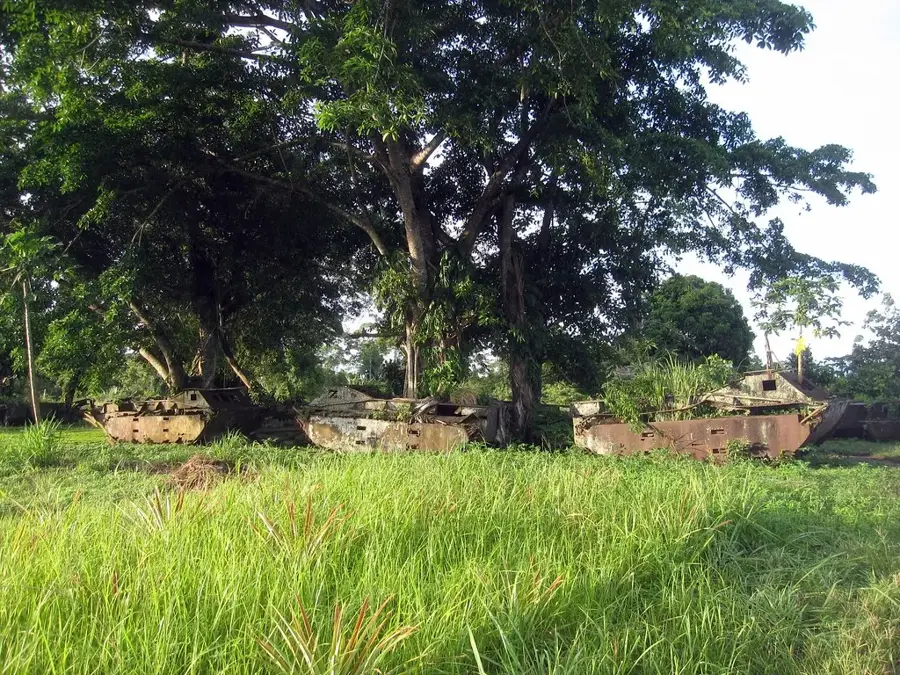
Tetere Amphibious Wrecks
Several abandoned US LVT amphibious tractors lying half-buried in the sand at Tetere Beach.
Learn more →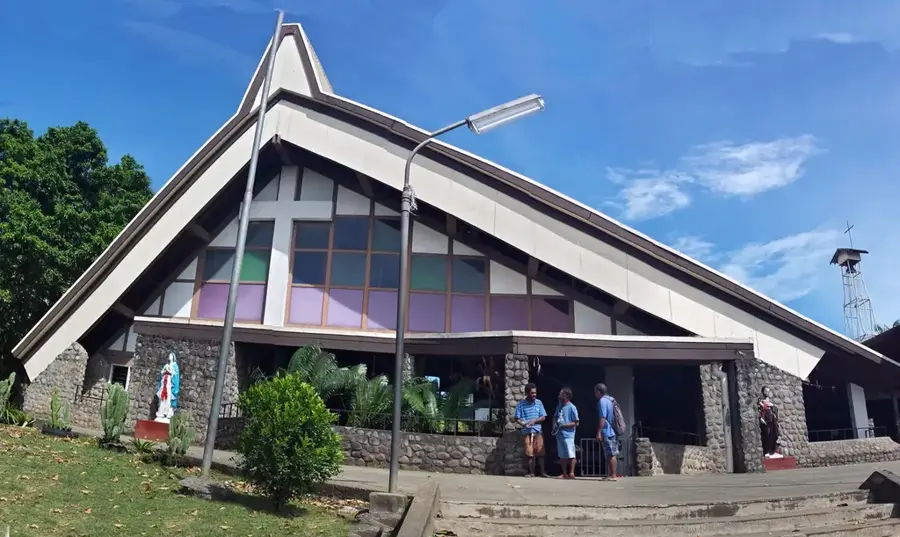
Holy Cross Cathedral
The Catholic cathedral towers on a hill over Honiara and is a prominent landmark.
Learn more →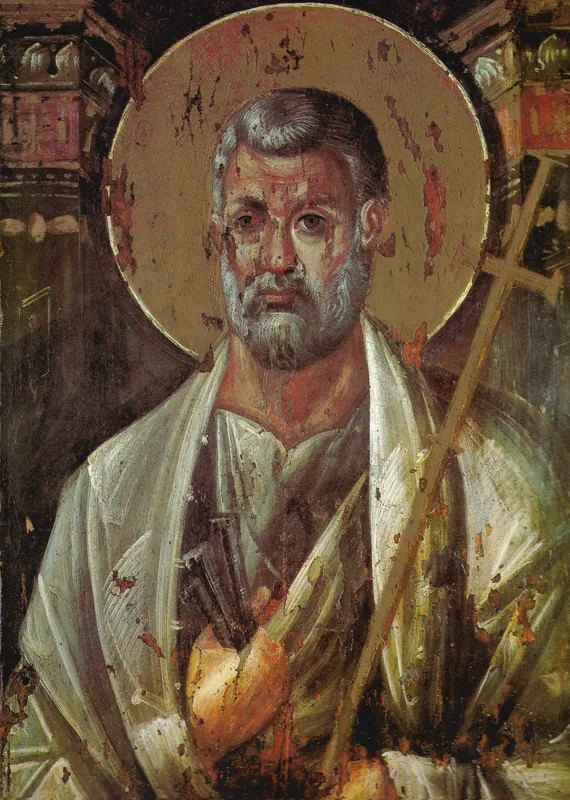
St. Peter's Cathedral, Auki
The primary Catholic church in Auki, Malaita, is a monumental religious building in the region.
Learn more →Nature
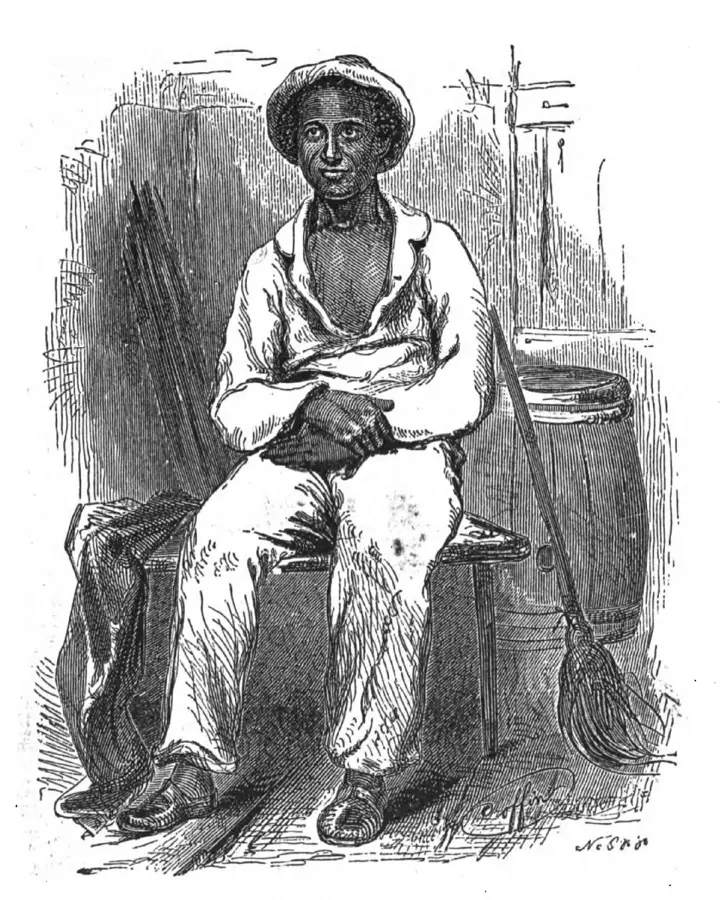
Solomon Peace Memorial Park
This park in Honiara is dedicated to peace and the memory of all victims of WWII.
Learn more →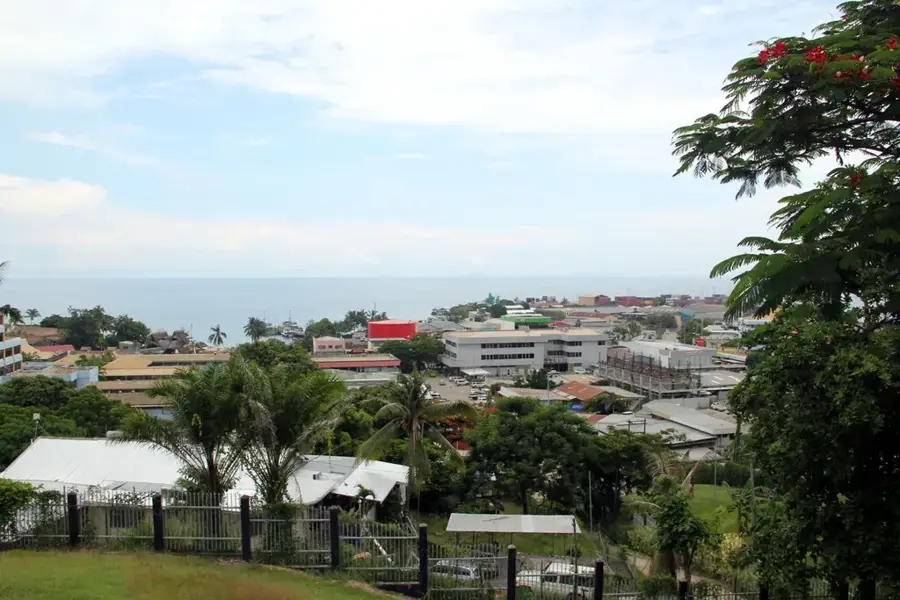
Heritage Park Honiara
Heritage Park is a central landmark in Honiara, blending modern hotel architecture with a site of historical importance.
Learn more →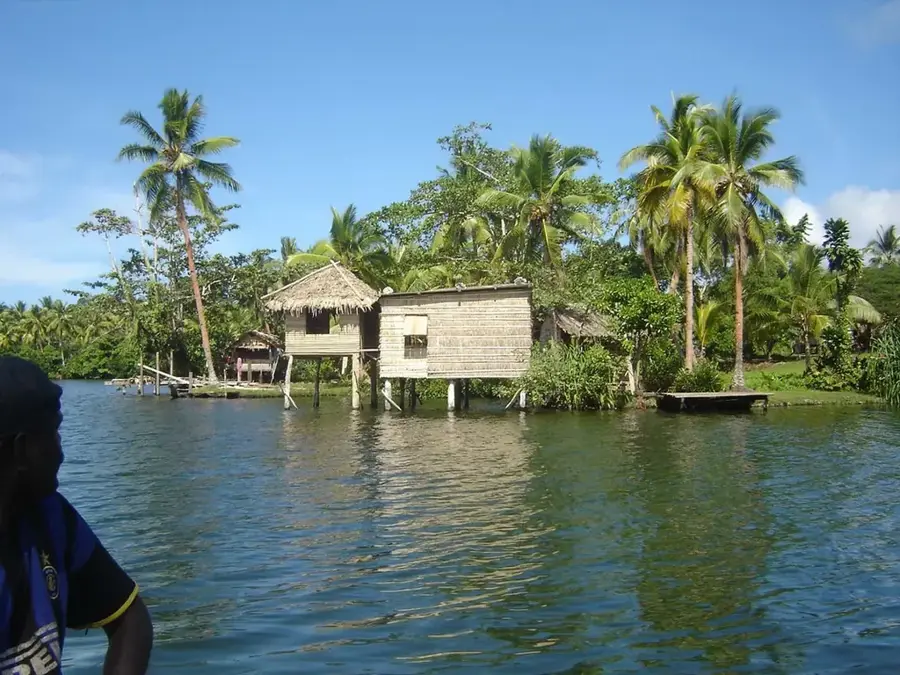
Lake Te Nggano
This is the largest inland lake in the South Pacific, located on Rennell Island.
Learn more →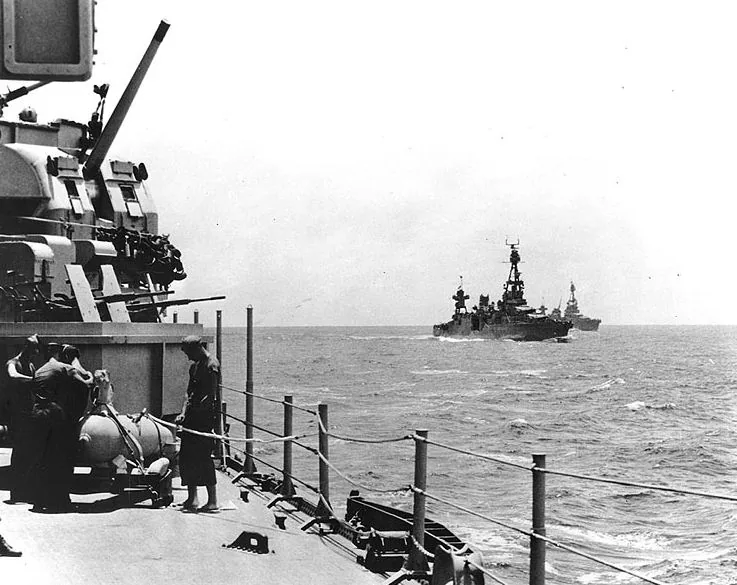
East Rennell
The UNESCO World Heritage site of East Rennell includes Lake Te Nggano, the largest inland lake in the Pacific.
Learn more →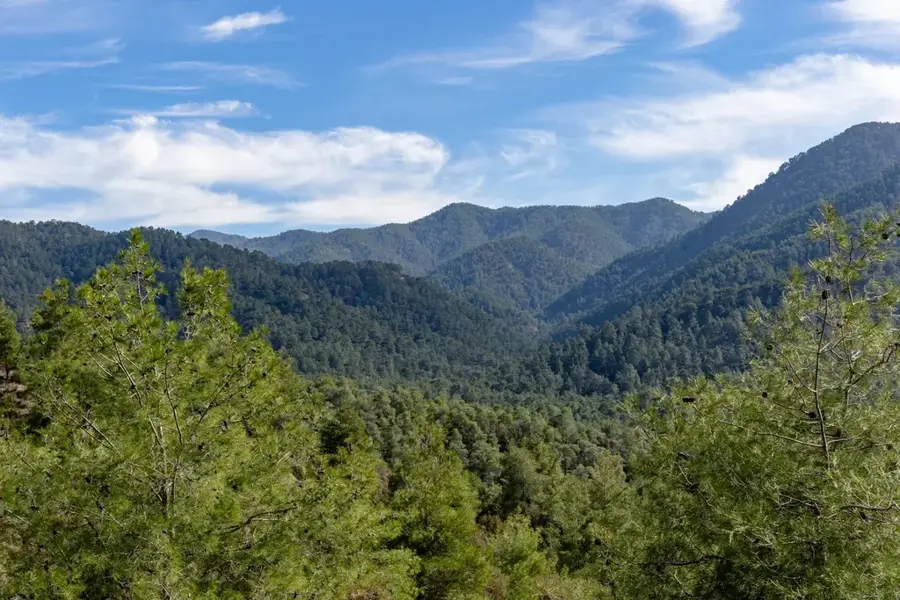
Kavo Range
The Kavo Range is the central mountain massif on Guadalcanal, containing the highest peaks in the country.
Learn more →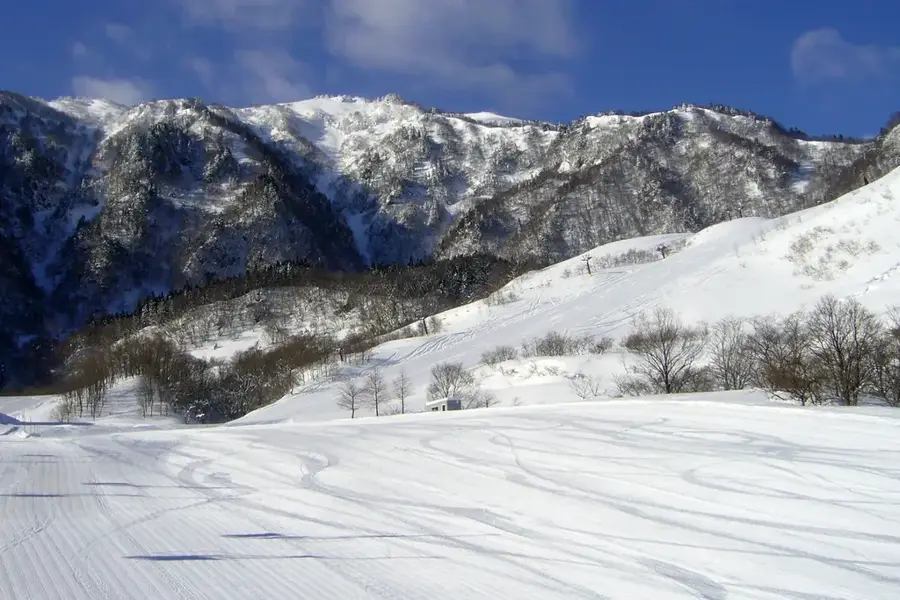
Mount Sambe
Mount Sambe is the highest peak on Ranongga Island in the western Solomon Islands.
Learn more →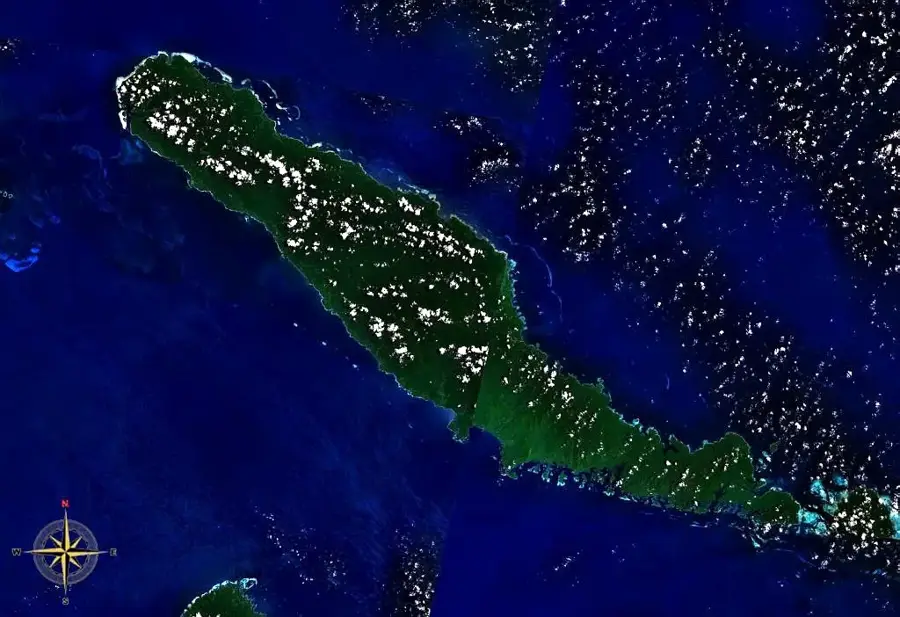
Mount Maetambe
Mount Maetambe is the highest elevation on Choiseul Island in the northwest Solomon Islands.
Learn more →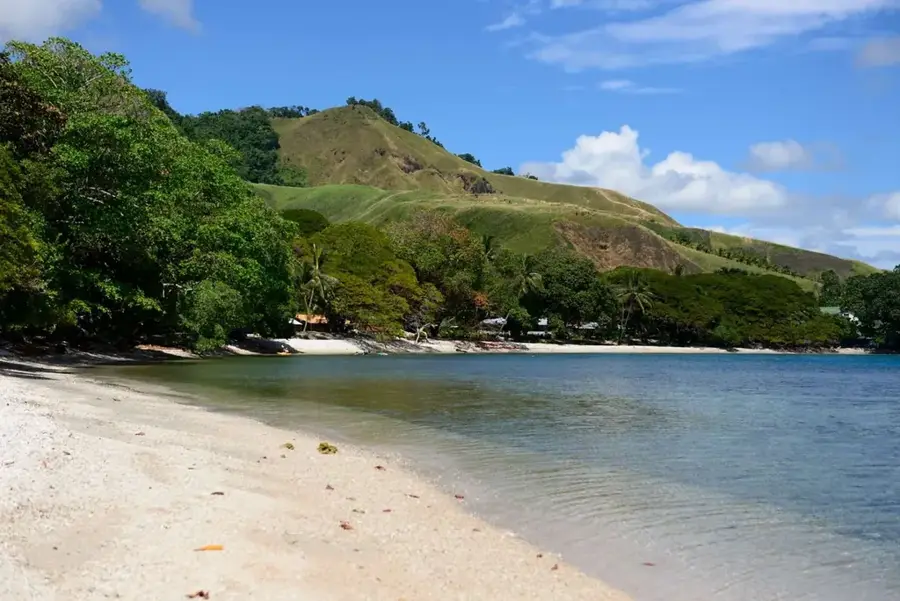
Mount Kaichui
Mount Kaichui is one of the most prominent peaks on Choiseul Island.
Learn more →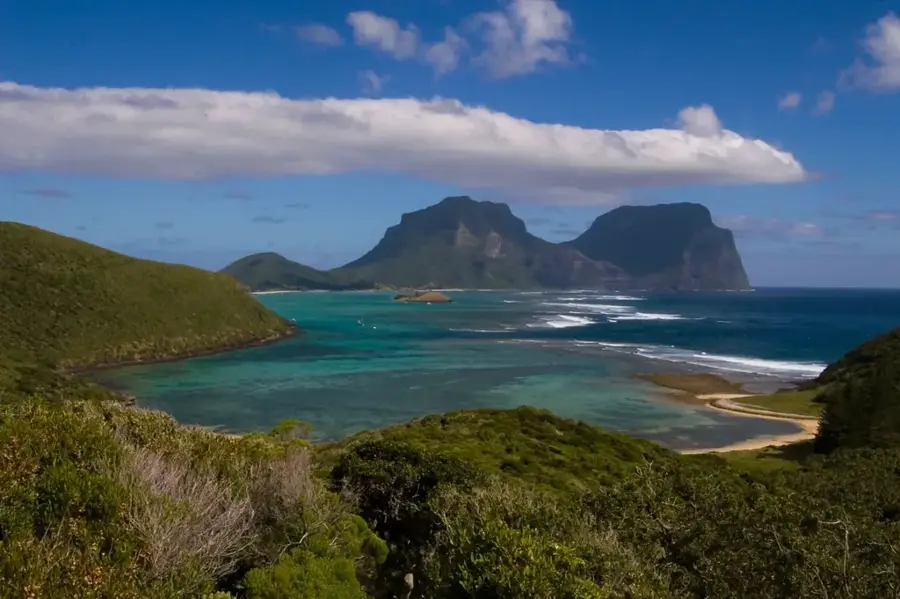
Mount Gower
Mount Gower is the highest point on Makira Island, formerly San Cristobal.
Learn more →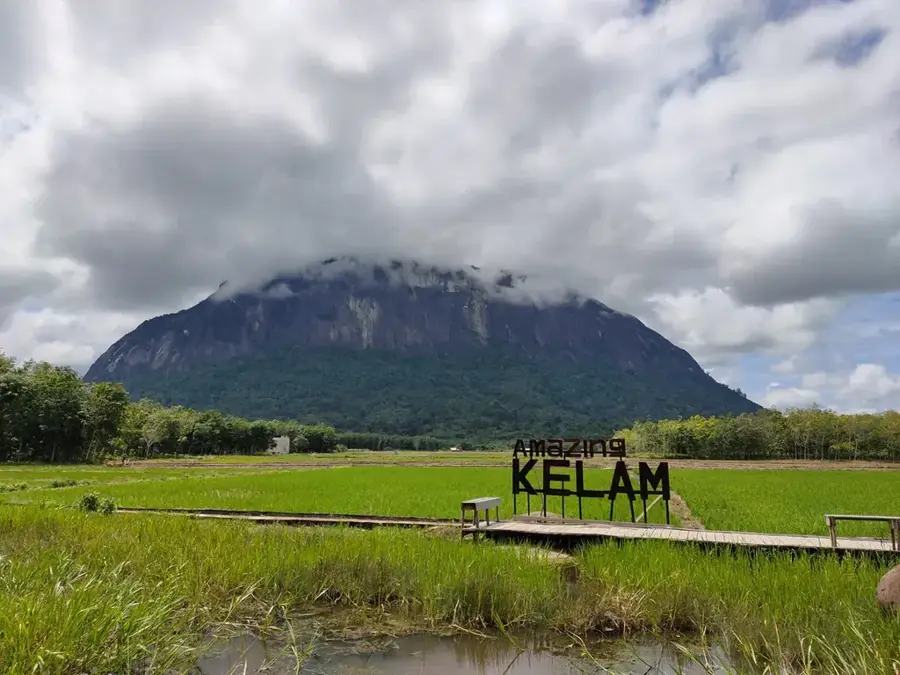
Mount Kela
Mount Kela is the highest mountain on Santa Isabel, forming the central part of the island's mountain ridge.
Learn more →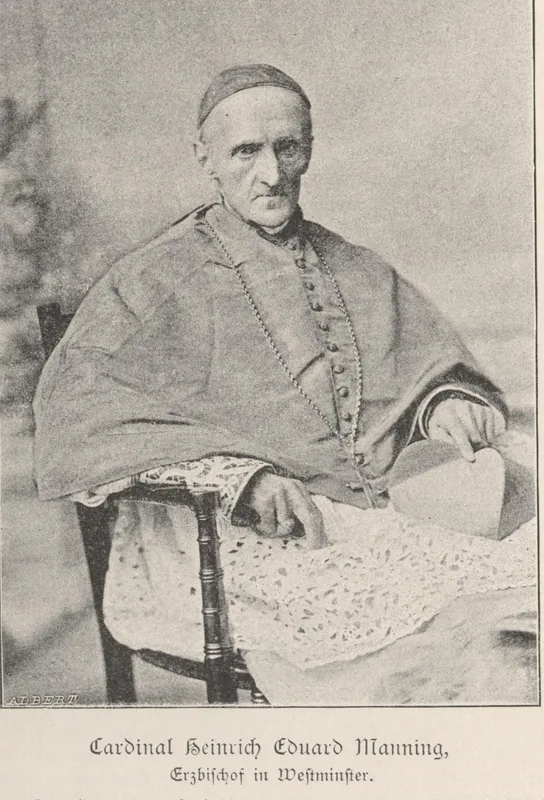
Manning Strait
This strait separates Choiseul and Santa Isabel islands.
Learn more →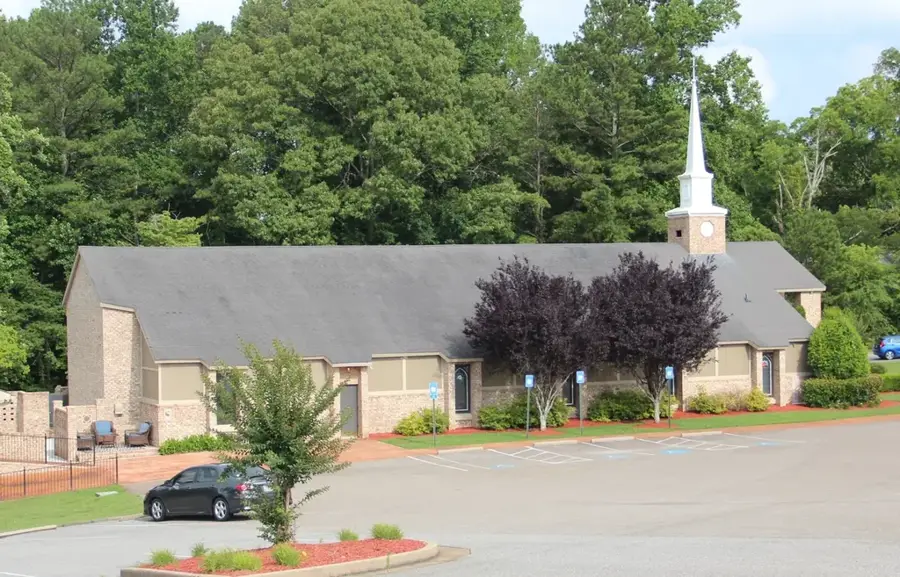
Gold Ridge
Gold Ridge is a mountain ridge in the central highlands of Guadalcanal, famous for its gold deposits.
Learn more →
Florida Islands
Also known as the Nggela Islands, these islands north of Guadalcanal feature deep natural harbors like Tulagi.
Learn more →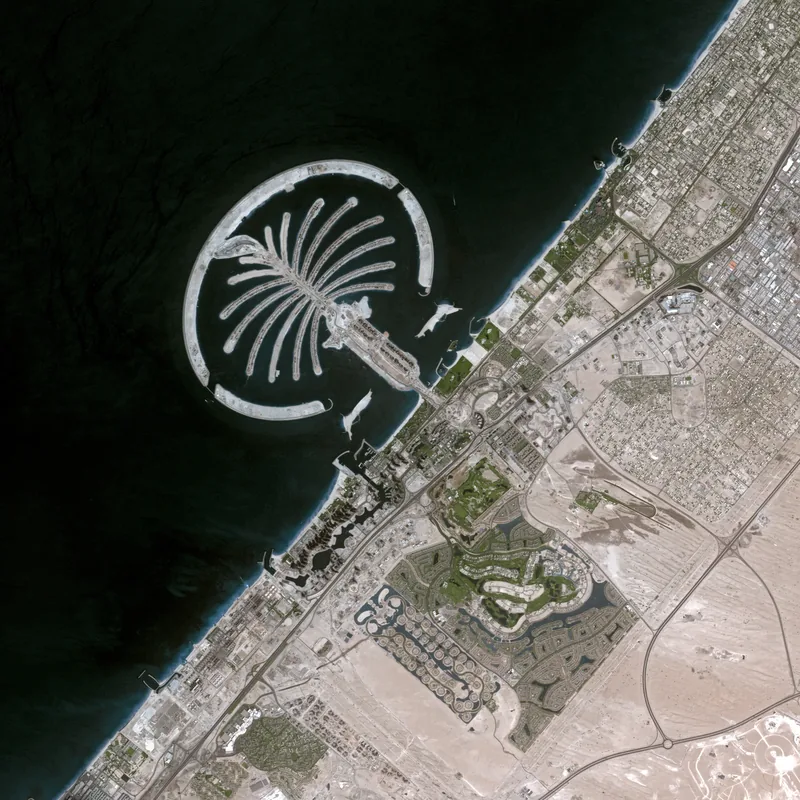
Lau Lagoon
This lagoon in northeast Malaita is famous for its artificial islands built by locals using coral rock.
Learn more →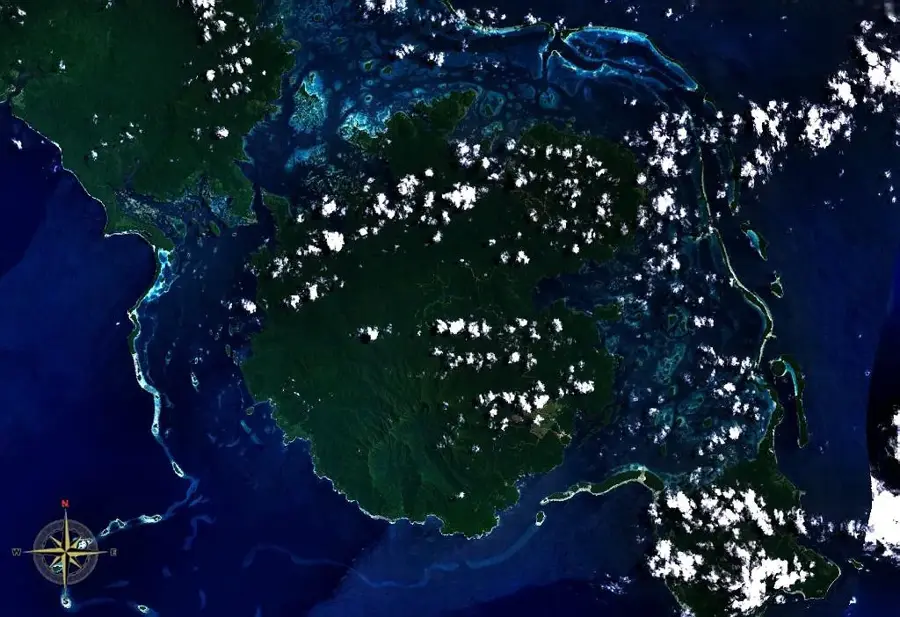
Zaira Conservation Area
The Zaira Conservation Area on Vangunu is known for its pristine coral reefs and leatherback turtle nesting sites.
Learn more →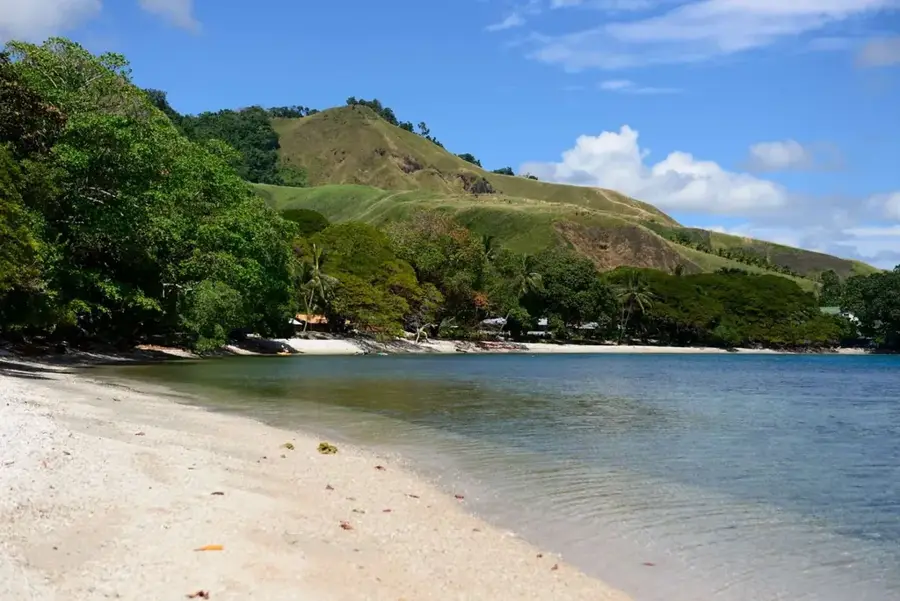
Mount Gallego
Mount Gallego is an extinct volcano in northwestern Guadalcanal.
Learn more →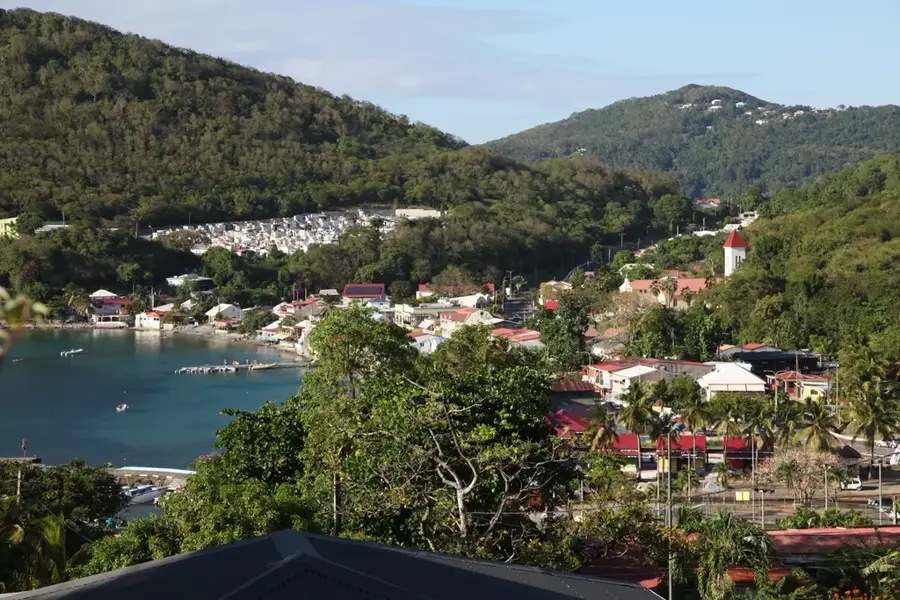
Uepi Island
This small barrier reef island in Marovo Lagoon offers access to deep oceanic trenches and vibrant coral gardens.
Learn more →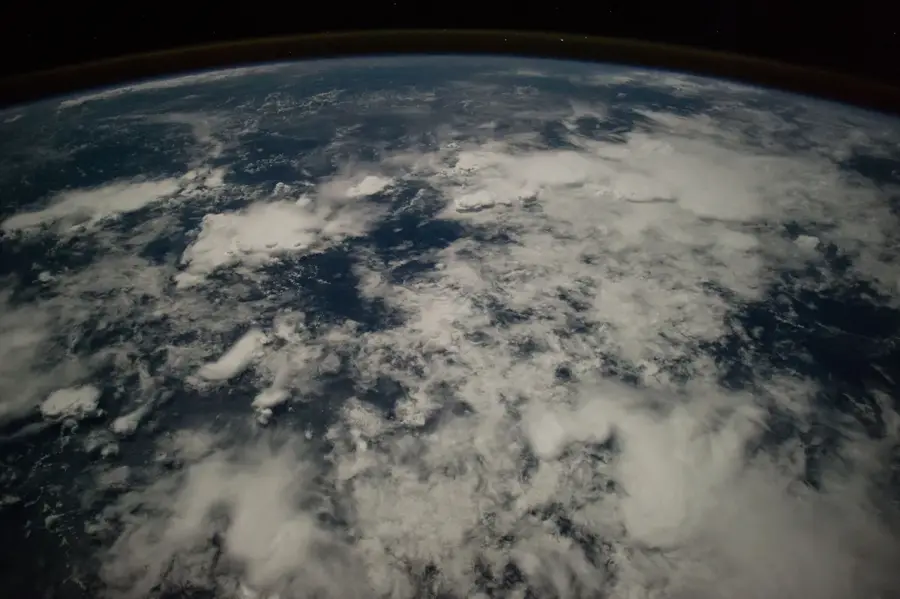
Mount Lambi
Mount Lambi is a prominent elevation in the western part of Guadalcanal.
Learn more →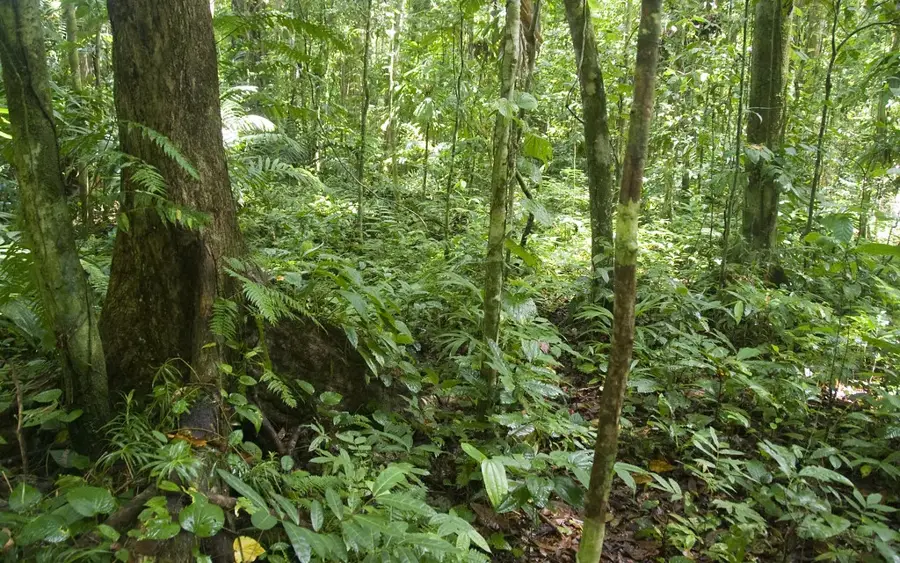
Tetepare Island
Tetepare is the largest uninhabited tropical island in the South Pacific and a major conservation area.
Learn more →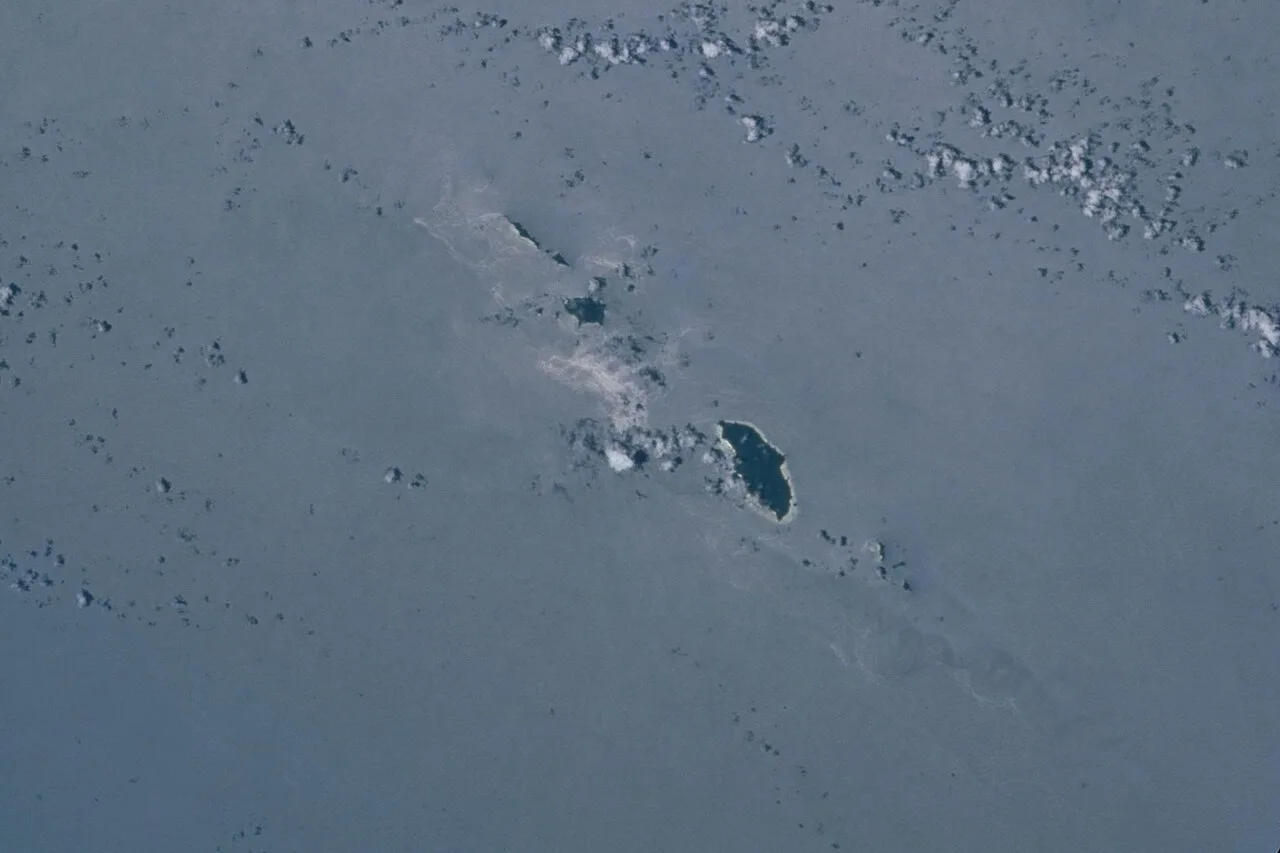
Duff Islands
These remote islands preserve a unique flora and fauna adapted to extremely isolated conditions.
Learn more →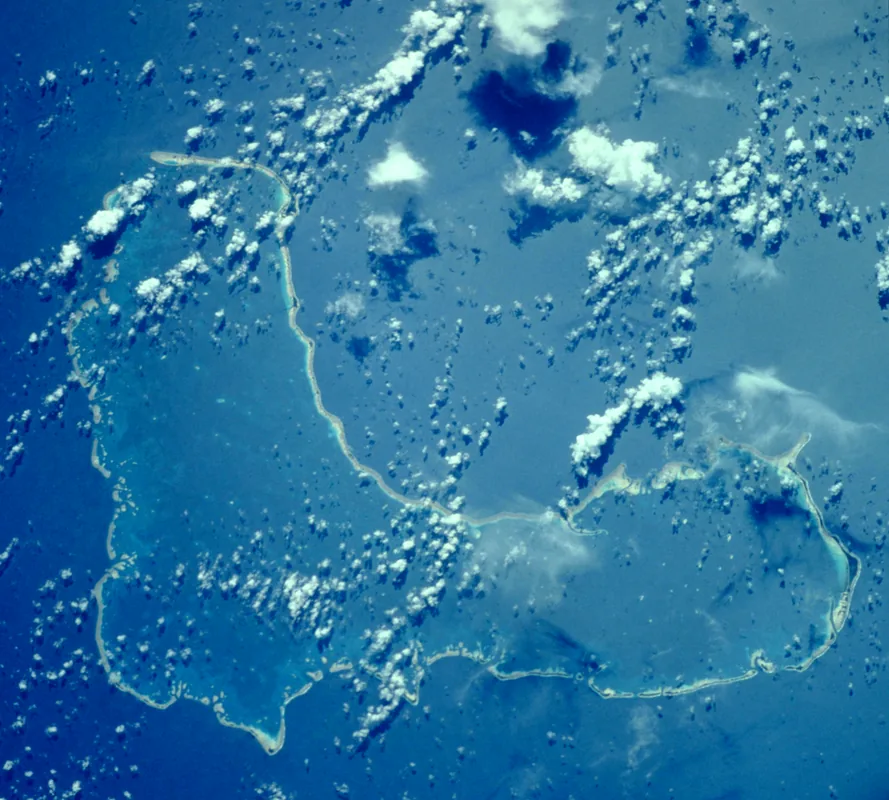
Ontong Java Atoll
Ontong Java is one of the world's largest atolls, hosting exceptional marine biodiversity.
Learn more →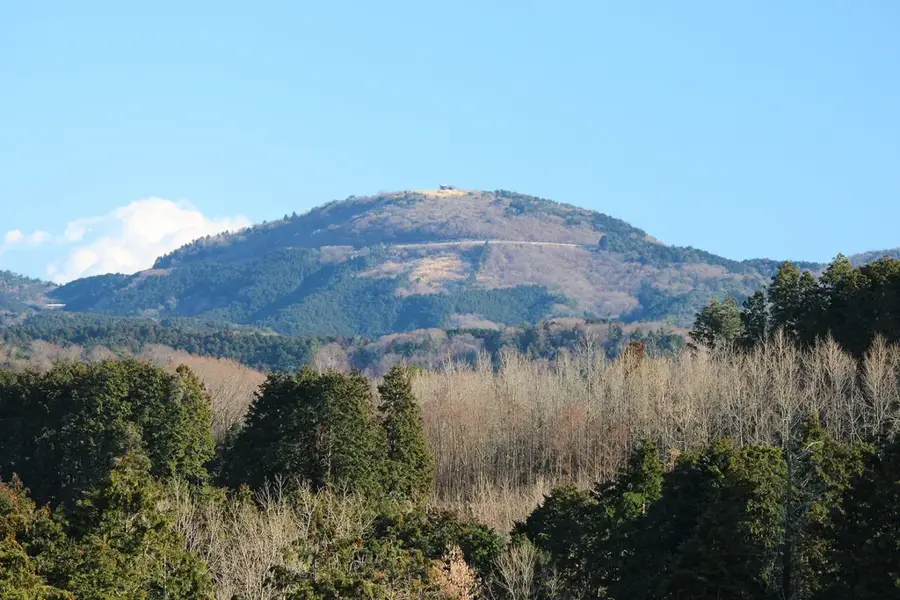
Mount Suku
Mount Suku is a peak in the Kavo Range on Guadalcanal.
Learn more →Frequently asked questions
What are the top attractions in Solomon Islands?
Among the most popular are Savo Crater, Lungga Plain, Treasury Islands, National Parliament Library, Marovo Lagoon Cultural Sites and many more – the full top 50 list is on this page.
When is the best time to visit Solomon Islands?
May to October offers the most pleasant weather; July and August are warmest and busiest.