Plizio Visual Lab
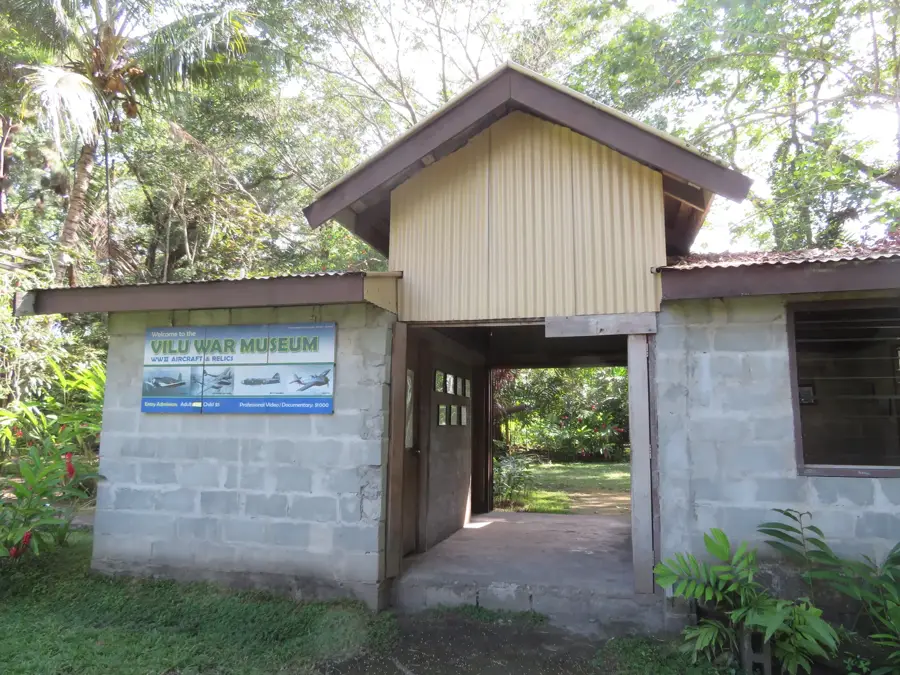
Vilu War Museum
Weather…
Water temperature…
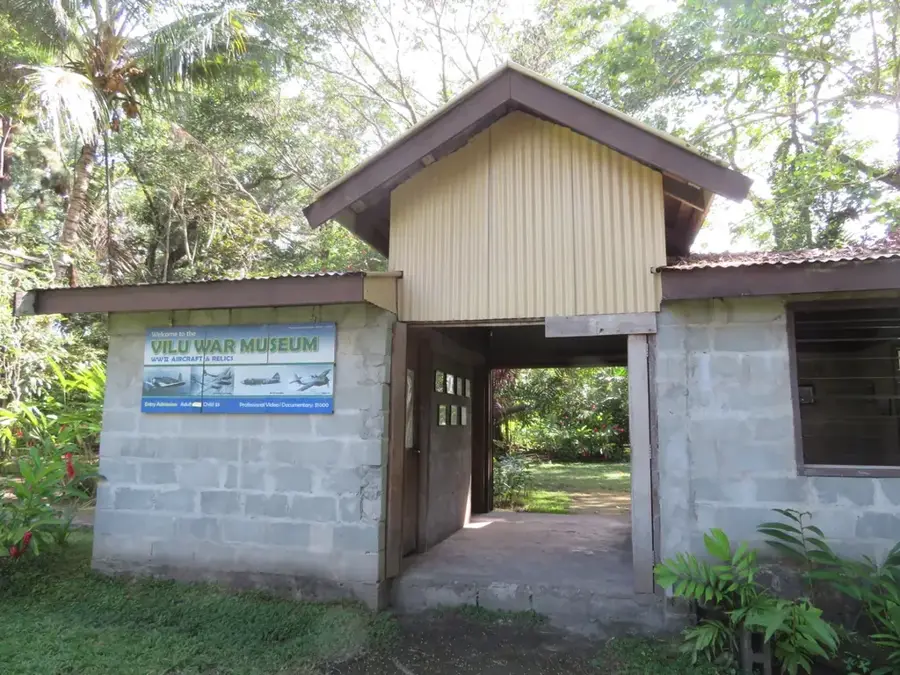
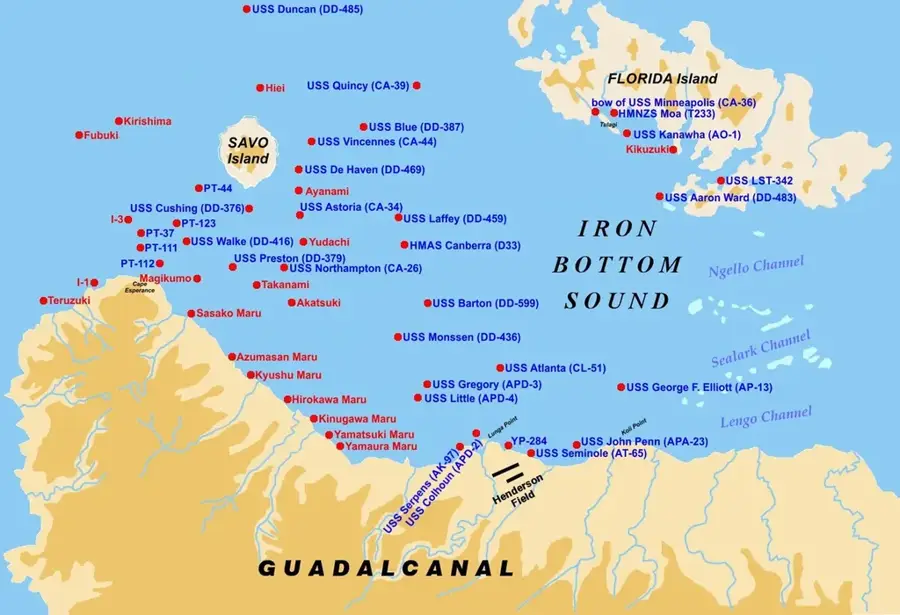
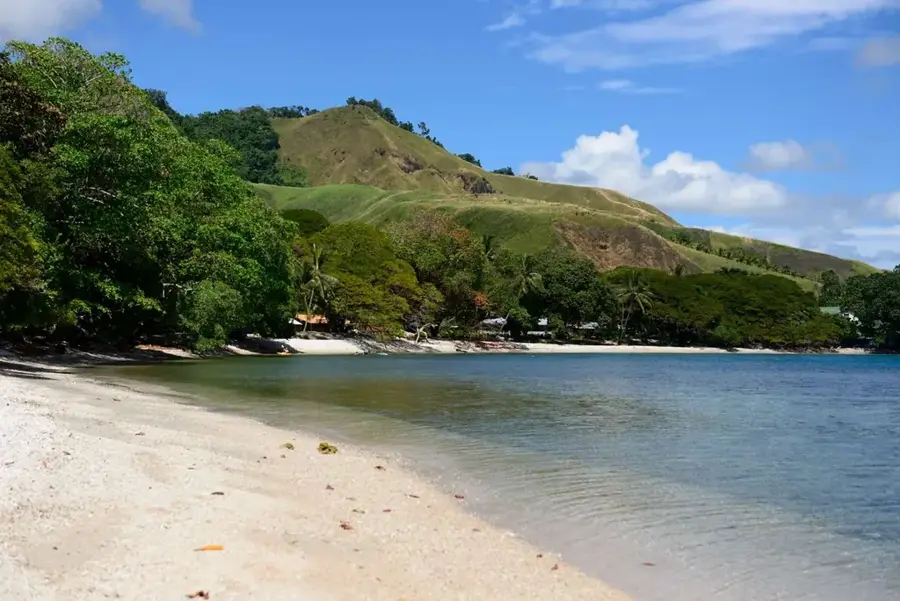
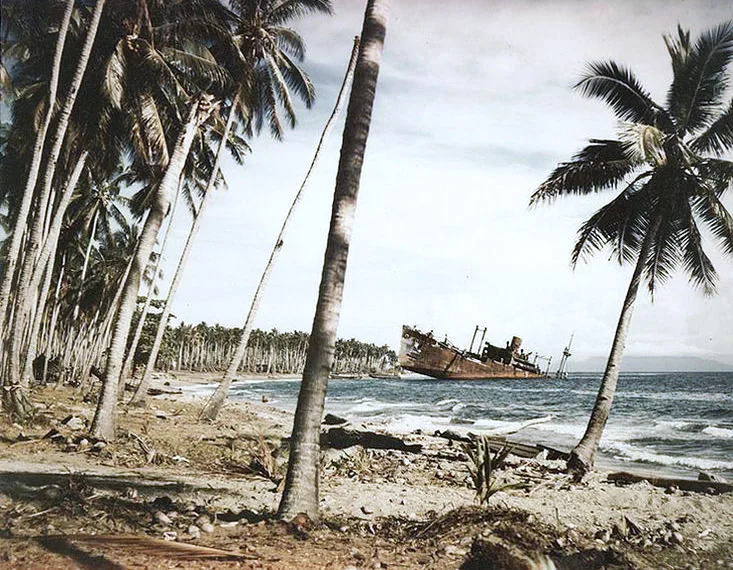
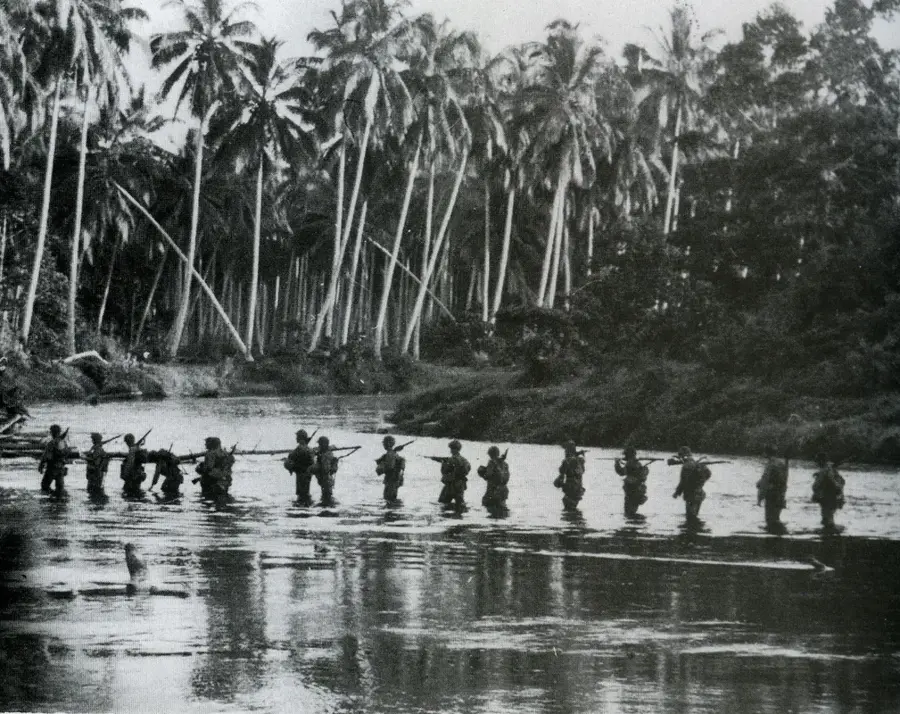
The Vilu War Museum is one of the most moving and visually striking historical sites in the Solomon Islands. This privately-owned open-air museum is situated about 25 kilometers west of Honiara, set within a meticulously maintained tropical garden. Visitors can explore a remarkable collection of relics from the intense fighting for Guadalcanal in 1942. The highlights are the remains of US and Japanese aircraft, including Wildcat fighters and Dauntless dive bombers, resting quietly under the jungle canopy. In addition to the aircraft wrecks, the museum grounds feature various artillery pieces and military vehicles that are slowly being reclaimed by nature. The site is dotted with memorials and monuments erected by several nations to honor those who lost their lives in the conflict. The peaceful atmosphere of the garden, with its bustling tropical flowers, provides a dignified setting for reflecting on the region's military past. It is a place that captures both the destructive power of war and the healing resilience of nature. To reach the museum, visitors typically take a taxi or hire a car from Honiara, traveling west along the coastal road. The drive takes approximately 45 to 60 minutes and gives scenic views of the ocean. As it is a private collection, a small entry fee is paid directly to the local family that maintains the site. The best time to visit is in the morning before the midday heat, preferably during the dry season from June to September. While there are no dining facilities at the museum, the return trip to Honiara has plenty of chances to stop at local eateries.
- Location: Solomon Islands
- Nearby: Visale (11 km)
Best time to visit & climate
The most pleasant time to visit is Jul–Sep.
| Jan | Feb | Mar | Apr | May | Jun | Jul | Aug | Sep | Oct | Nov | Dec | |
|---|---|---|---|---|---|---|---|---|---|---|---|---|
| Avg °C | 27 | 26 | 26 | 26 | 26 | 26 | 26 | 26 | 26 | 26 | 27 | 27 |
| Rain mm | 263 | 305 | 277 | 220 | 214 | 143 | 135 | 114 | 107 | 160 | 167 | 221 |
📋 Practical info
Geography
Facts
- Private open-air museum
- Aircraft fighter wrecks
- Well-kept garden setting
- Located west of Honiara
- US and Japanese memorials
- Anti-aircraft guns on-site
- Entry fee required
- Collection of war relics
Explore nearby
Notable places around


Route planner — Car & Motorhome
Where do you start? We build the route here, with stops and country notes along the way.
© OpenStreetMap contributors · OpenRouteService
Sights in the town Vilu War Museum (1)
Sights nearby
Frequently asked questions
Vilu War Museum: where is it located?
Vilu War Museum: when is the best time to visit?
Vilu War Museum: why is it worth visiting?

Nearby cities

History & landmarks


More places