Plizio Visual Lab
Aiwo Mangroves
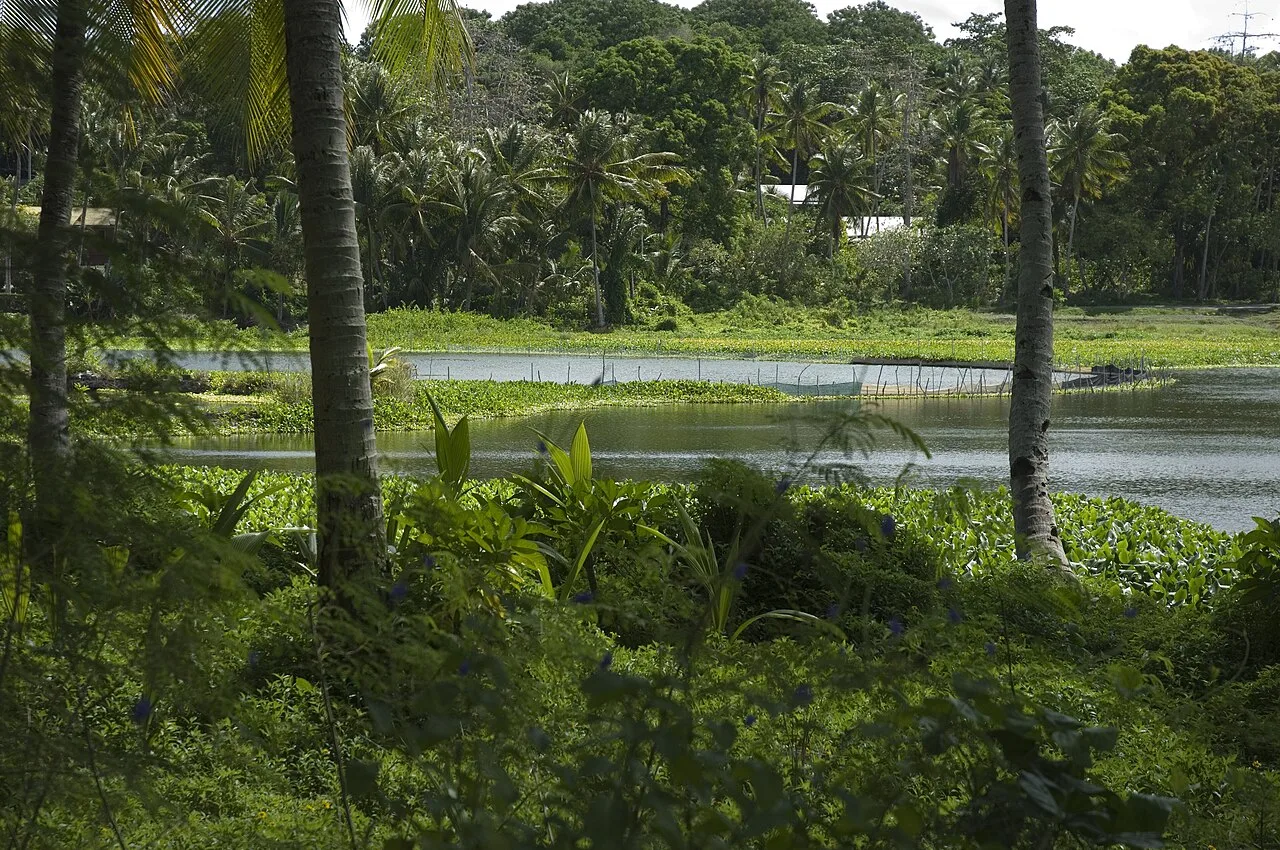
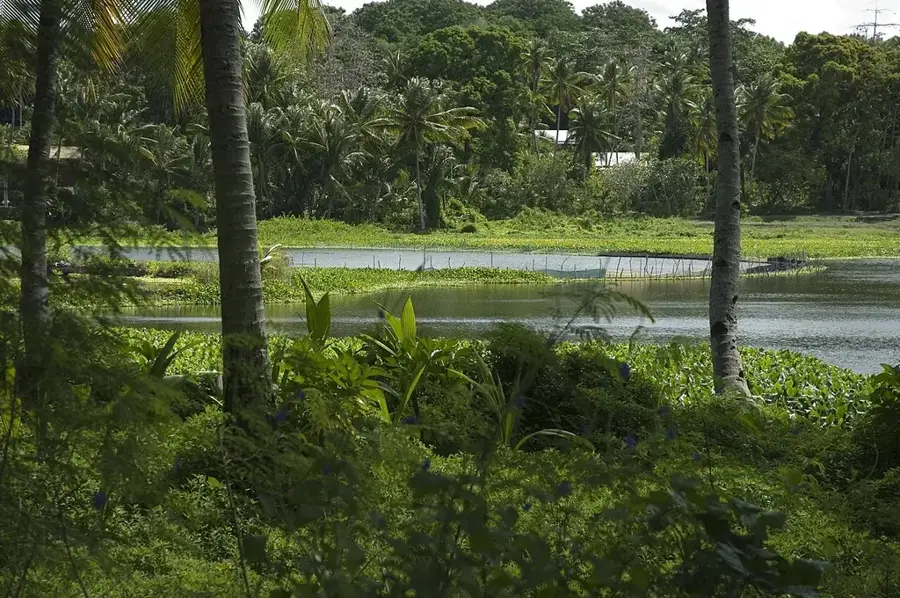
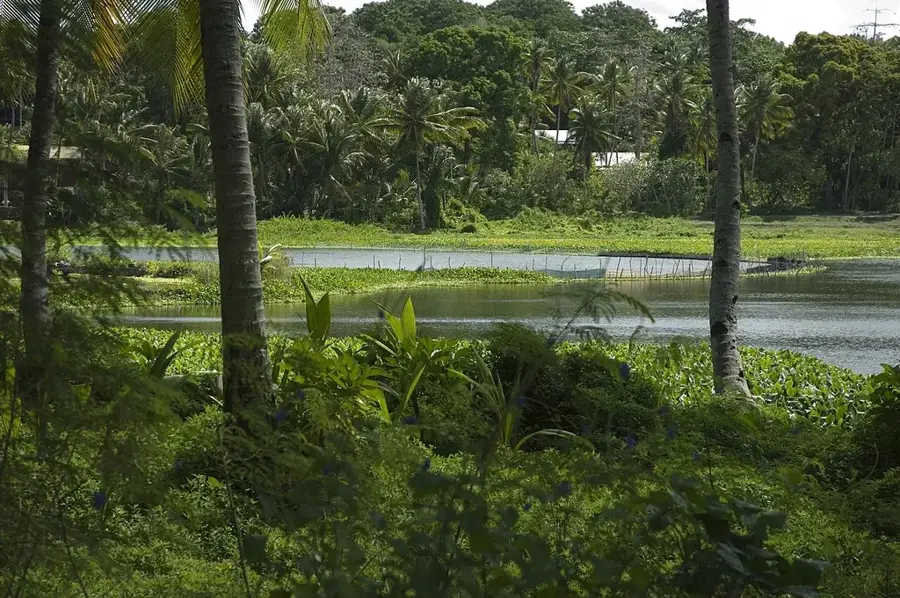
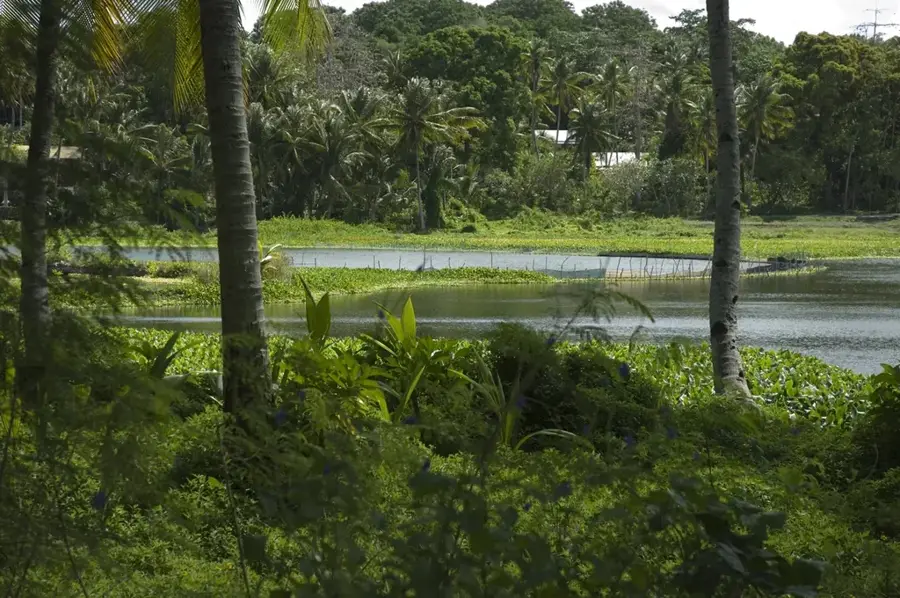
The Aiwo Mangroves are a rare and precious ecological asset on the island of Nauru, located in sheltered pockets along the coastline of the Aiwo District. In a country where the natural landscape has been significantly altered by phosphate mining, these mangroves represent a vital sanctuary for local biodiversity. Growing directly on coral sediments, they have evolved to withstand the daily rhythmic flooding of the tides. This intertidal zone acts as a crucial nursery for juvenile fish and various crustaceans, providing a safe haven among their tangled roots before they migrate to the open ocean reefs. Although the total area covered by the mangroves is small, they are of immense environmental importance for Nauru's coastal health. Visitors can witness the resilience of nature in this unique habitat, which serves as a poignant reminder of the importance of preserving the island's remaining natural ecosystems.
- Location: Nauru
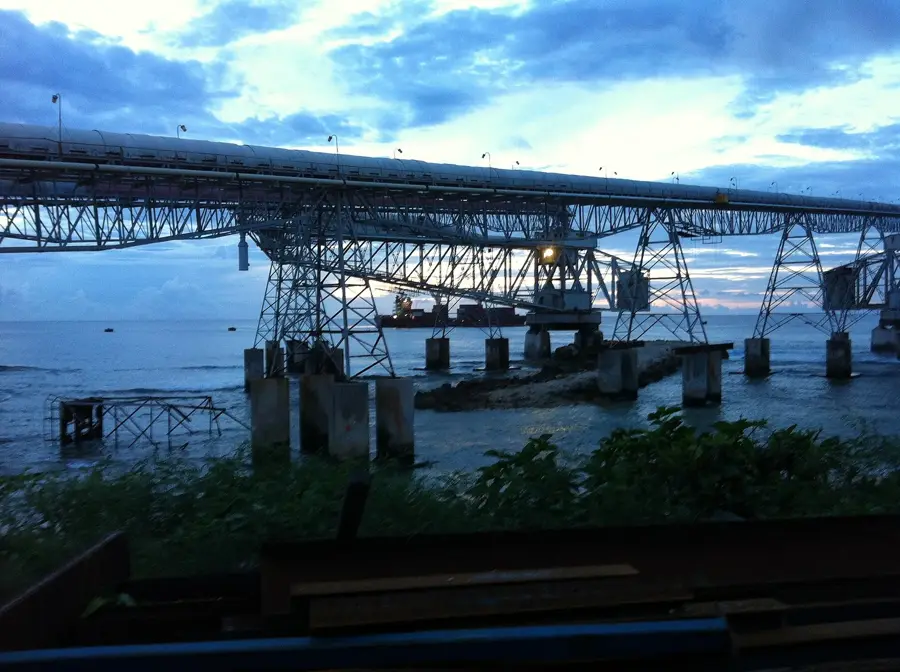
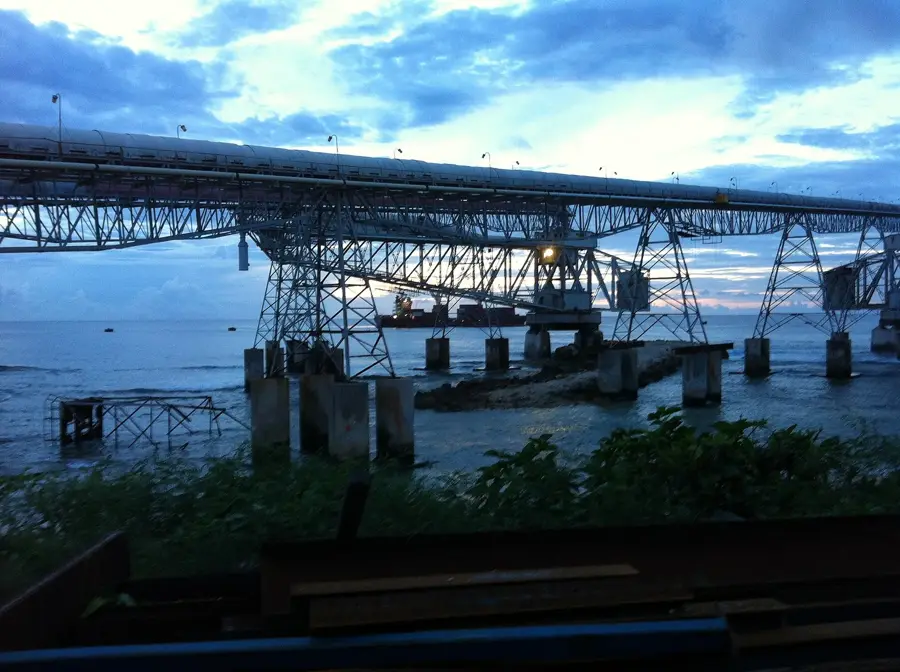
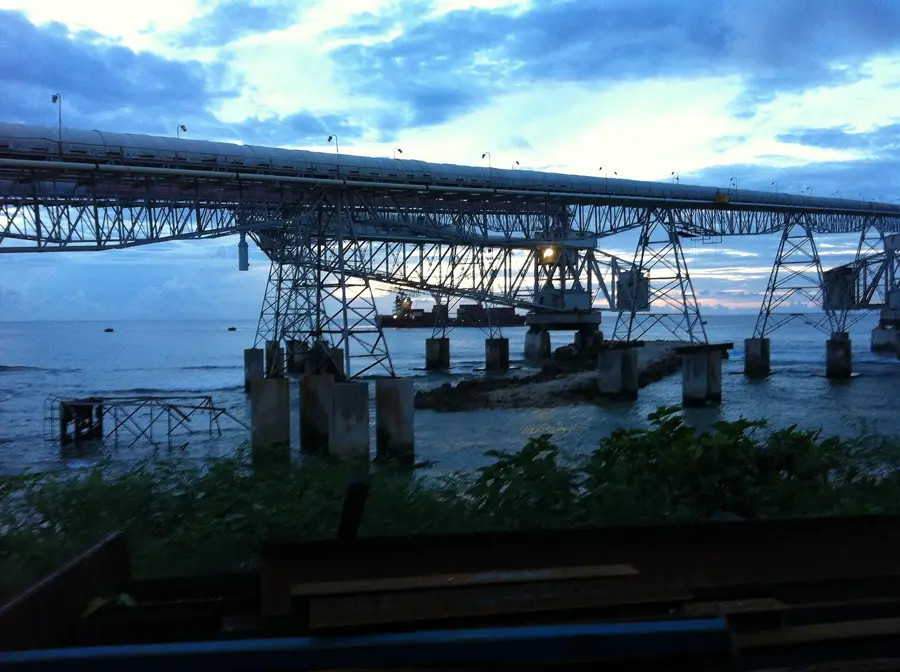
- Top sights: A.O.G · Cantilever Cranes · Monument to the Nauruans Exiled in WWII
- Nearby: Ewa (4 km)
Best time to visit & climate
The most pleasant time to visit is May, Jun, Sep.
| Jan | Feb | Mar | Apr | May | Jun | Jul | Aug | Sep | Oct | Nov | Dec | |
|---|---|---|---|---|---|---|---|---|---|---|---|---|
| Avg °C | 28 | 28 | 28 | 28 | 28 | 28 | 28 | 28 | 28 | 28 | 28 | 28 |
| Rain mm | 194 | 192 | 193 | 161 | 116 | 107 | 123 | 118 | 108 | 118 | 133 | 202 |
📋 Practical info
Geography
Facts
- Nauru primarily hosts the mangrove species Bruguiera gymnorhiza.
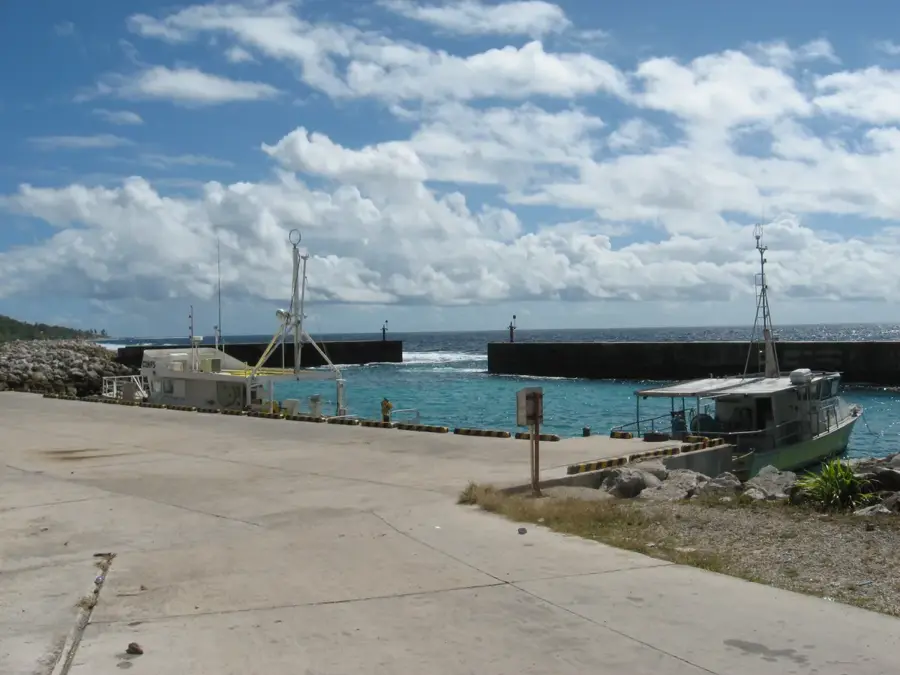
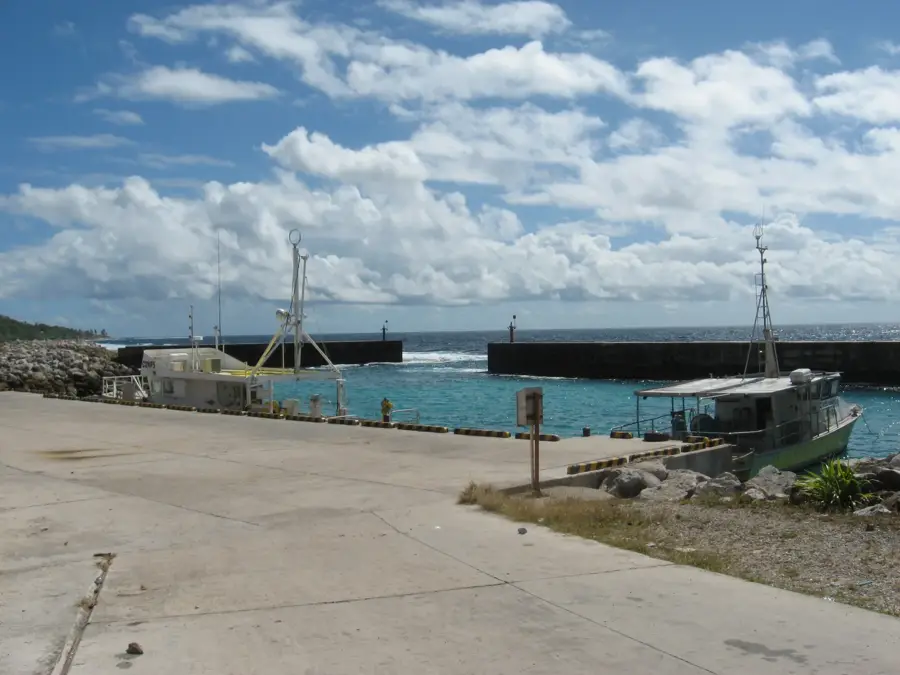
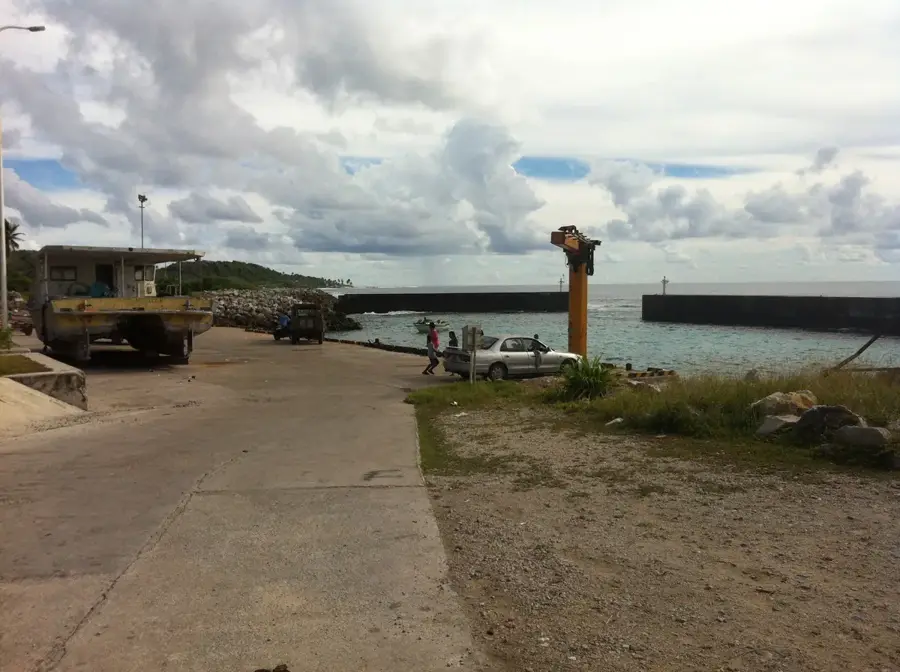
- The mangroves in Aiwo are located near the main harbor area.
- Their prop roots filter sediments from the runoff water.
- The stands serve as a nursery for many reef fish species.
- Mangroves are very rare in Nauru due to the steep reef edge.
- Local schools use the area for ecological field studies and education.
Explore nearby
Notable places around


Route planner — Car & Motorhome
Where do you start? We build the route here, with stops and country notes along the way.
© OpenStreetMap contributors · OpenRouteService
Sights in the town Aiwo Mangroves (10)
Orro Congregational Church
Congregational church serving the local community in Aiwo.
Japanese WWII Gun
A Japanese cannon from World War II, relic of the occupation on Nauru.
Command Ridge
Command Ridge is the highest point on Nauru, a hill with wartime relics.
Buada Chapel
Small chapel near Buada Lagoon, a quiet place for prayer on the island.
Lagoon viewpoint
Viewpoint overlooking the lagoon, offering a calm view of the water.
Naoero Museum🏛 museum
Nauru's national museum, showcasing the island's history and culture.
Sights nearby
Frequently asked questions
Is it safe to walk through the mangrove area?
Which animals can you see?
Are there mosquitoes?
How long does a tour take?
Is the water clean?
Aiwo Mangroves: where is it located?
Aiwo Mangroves: what is there to see?
Aiwo Mangroves: when is the best time to visit?
Aiwo Mangroves: why is it worth visiting?

Nearby cities


History & landmarks


More places