Plizio Visual Lab
Japanese Prison Ruins

Weather…
Water temperature…
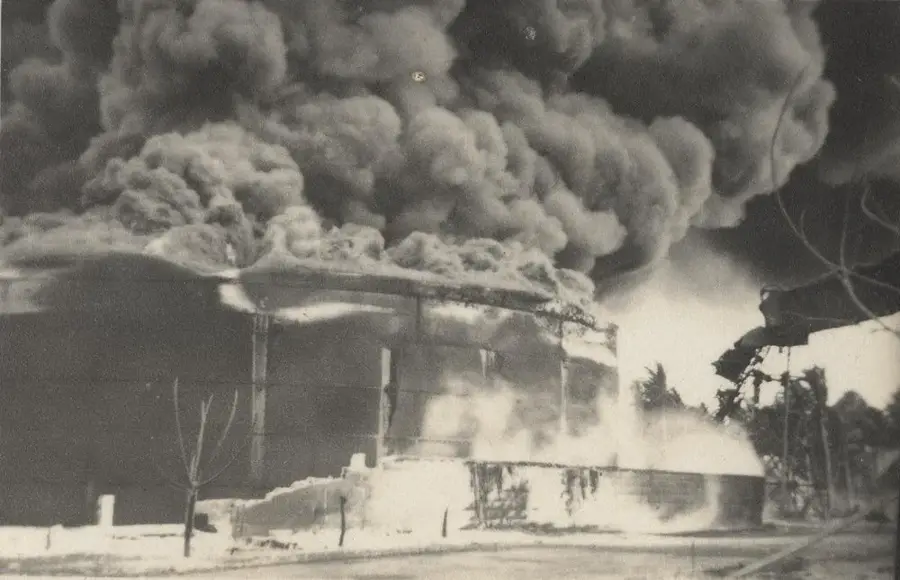
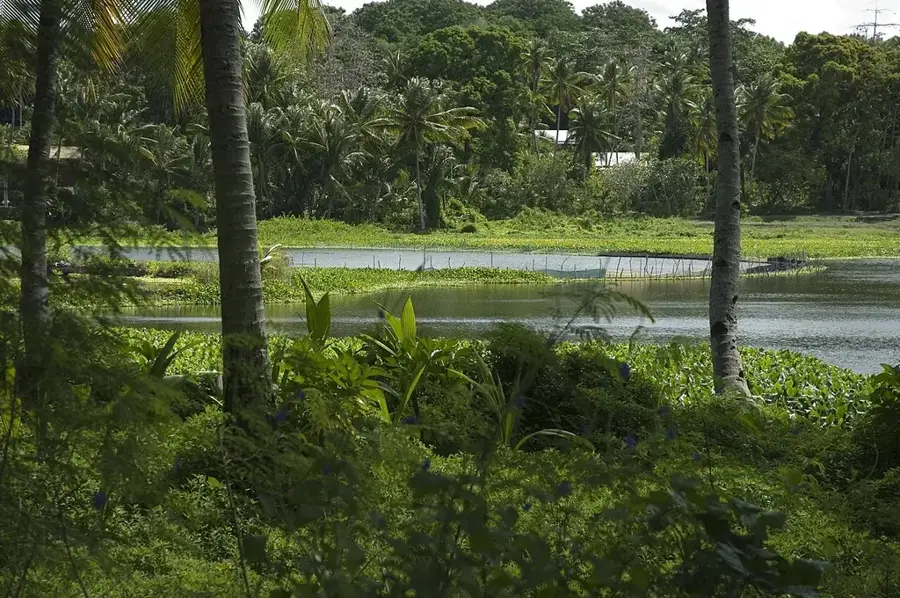
The Japanese prison ruins on Nauru are a haunting reminder of the island's occupation during World War II, which lasted from 1942 to 1945. Located in the northern district, these weathered concrete structures were part of a larger network of military facilities used by the Imperial Japanese forces to suppress dissent and manage forced labor. This period was one of the darkest in Nauruan history, marked by severe food shortages and the mass deportation of nearly 1,200 locals to the Chuuk Islands. The prison remains symbolize the hardships endured by the population under military rule. Today, the ruins stand as a solemn historical landmark, with their sturdy walls and narrow openings offering a glimpse into the oppressive conditions of the time. Overgrown by vines and tropical flora, the site has a melancholic beauty that attracts history buffs and those wishing to pay their respects to the past. It is an integral part of Nauru's wartime heritage, alongside various bunkers and heavy artillery pieces scattered across the island's coastline.
- Location: Nauru
- Top sights: Church of Christ the King · Anabar Beach · Rock Pinnacles
- Nearby: Meneng (4 km)
Best time to visit & climate
The most pleasant time to visit is May, Jun, Sep.
| Jan | Feb | Mar | Apr | May | Jun | Jul | Aug | Sep | Oct | Nov | Dec | |
|---|---|---|---|---|---|---|---|---|---|---|---|---|
| Avg °C | 28 | 28 | 28 | 28 | 28 | 28 | 28 | 28 | 28 | 28 | 28 | 28 |
| Rain mm | 194 | 192 | 193 | 161 | 116 | 107 | 123 | 118 | 108 | 118 | 133 | 202 |
📋 Practical info
Geography
Facts
- Built during the 1942-1945 occupation
- Constructed of reinforced concrete
- Located in the island's interior
- Remnants of prison cells visible
- Part of the Japanese defense network
- Evidence of forced labor on Nauru
Explore nearby
Notable places around

Route planner — Car & Motorhome
Where do you start? We build the route here, with stops and country notes along the way.
© OpenStreetMap contributors · OpenRouteService
Sights in the town Japanese Prison Ruins (4)
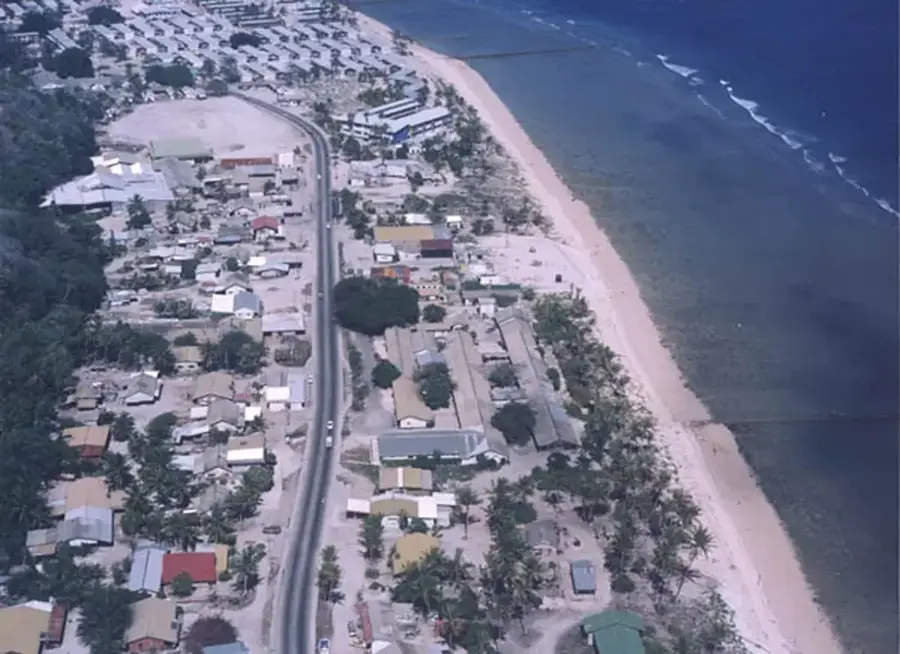
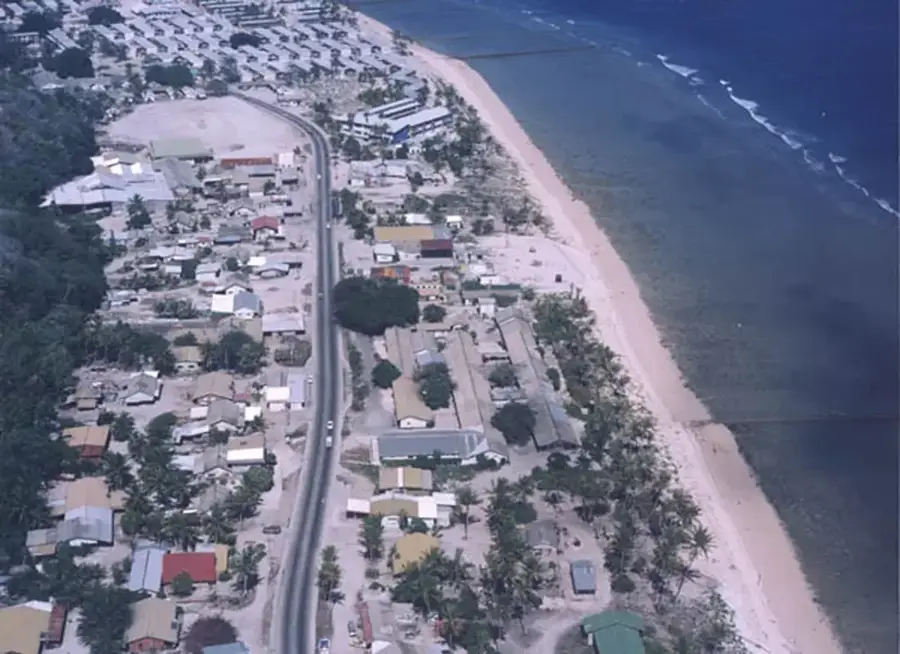
Anibare Bay
Bay on the east coast of Nauru. Known for its sandy beach and waves.
Sights nearby
Frequently asked questions
What are the Japanese prison ruins?
Is the site freely accessible?
Do I need a guide?
What is the condition of the ruins?
When is the best time to visit?
Japanese Prison Ruins: where is it located?
Japanese Prison Ruins: what is there to see?
Japanese Prison Ruins: when is the best time to visit?
Japanese Prison Ruins: why is it worth visiting?

Nearby cities

History & landmarks
Nature
More places