Plizio Visual Lab
Tuli River
Weather…
Water temperature…
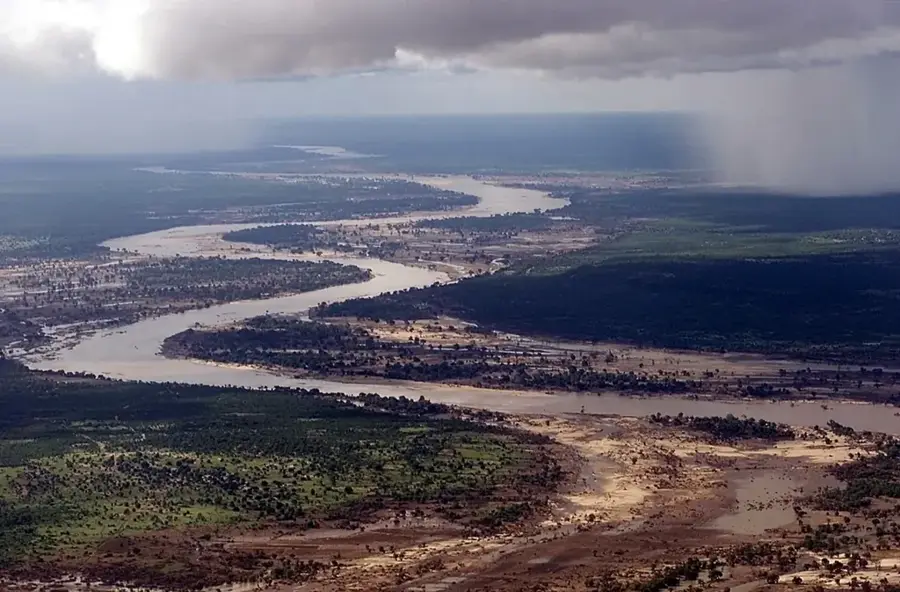
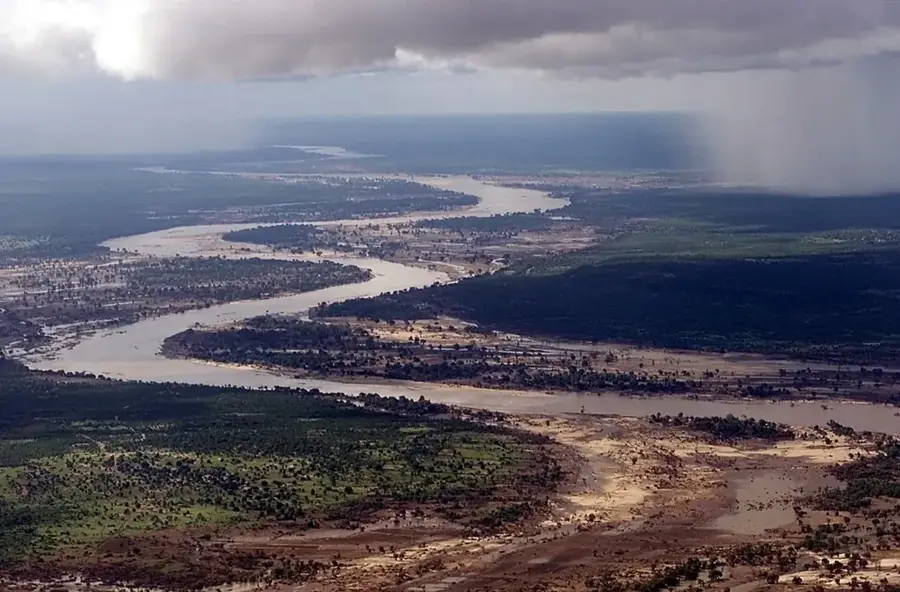
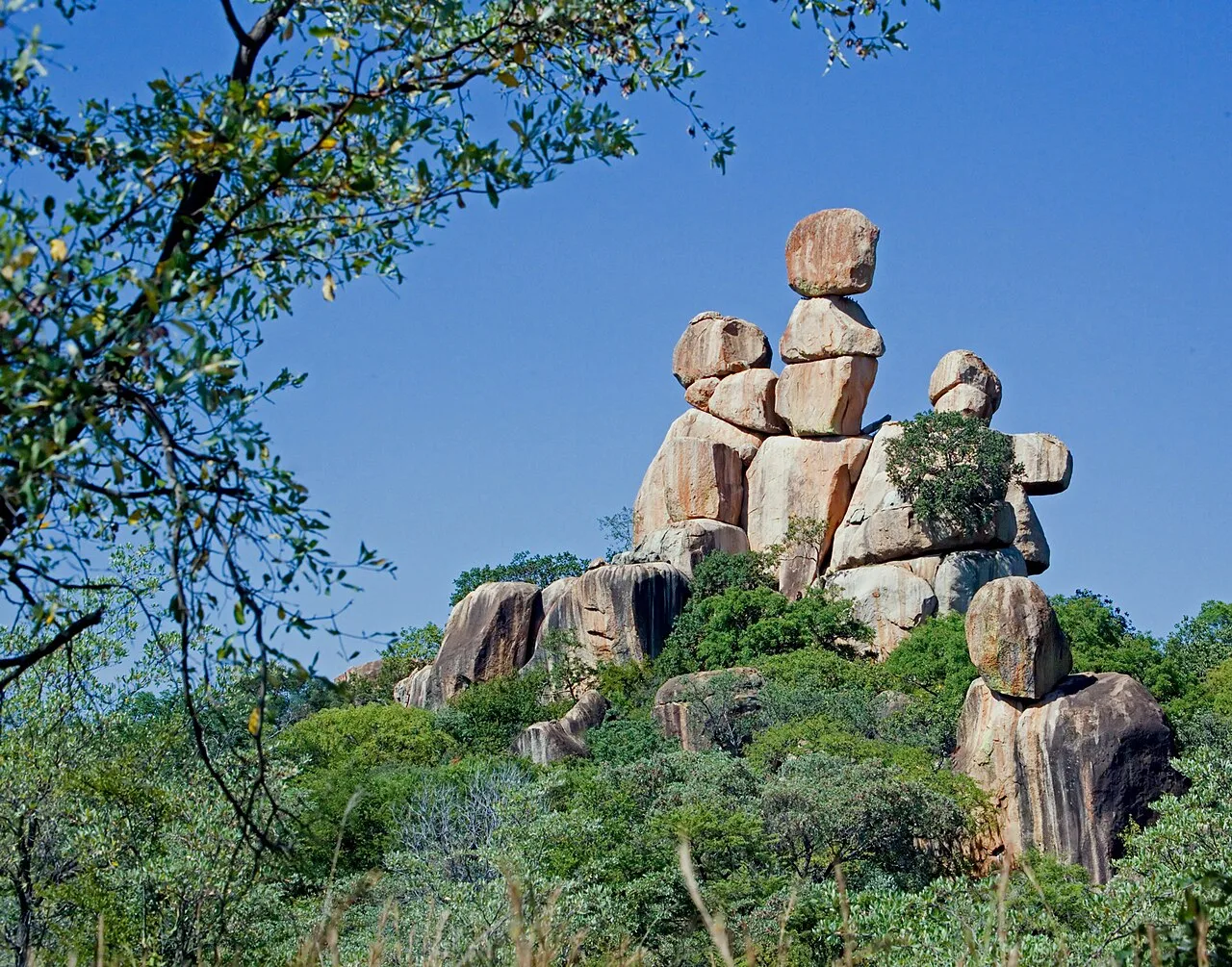
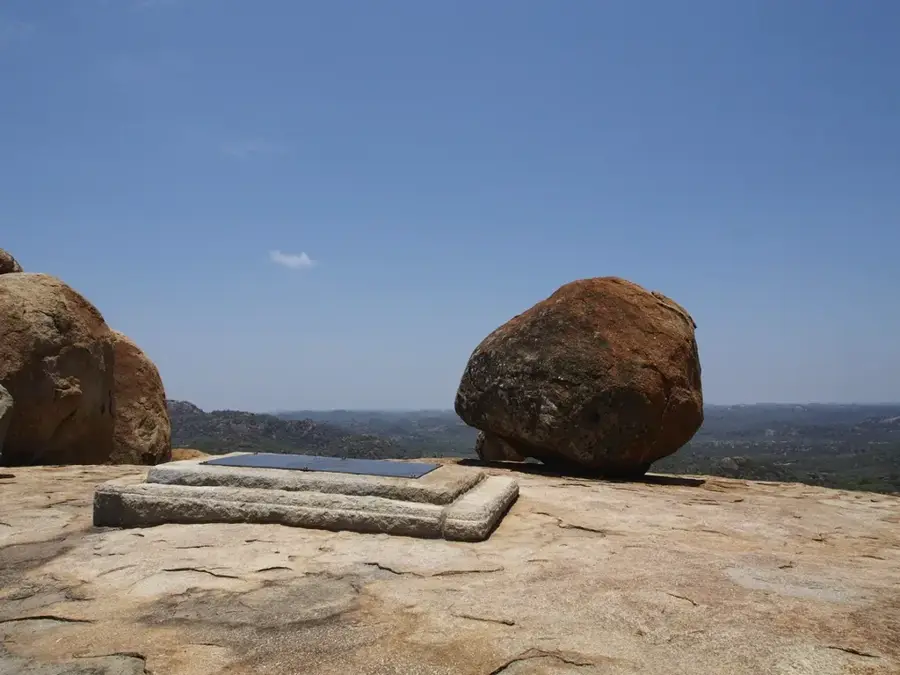
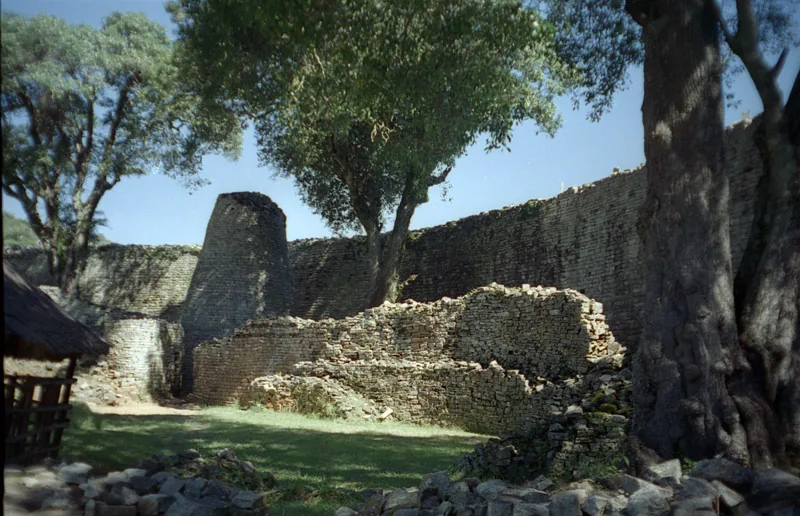
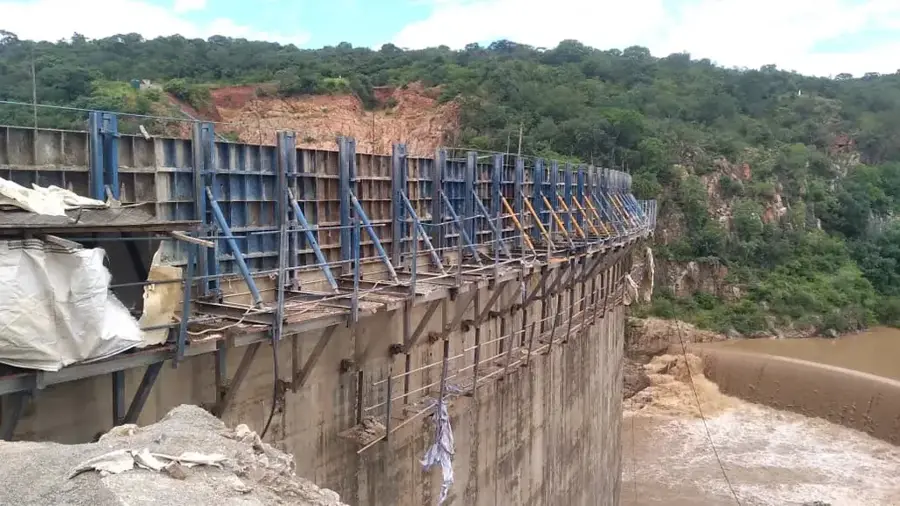
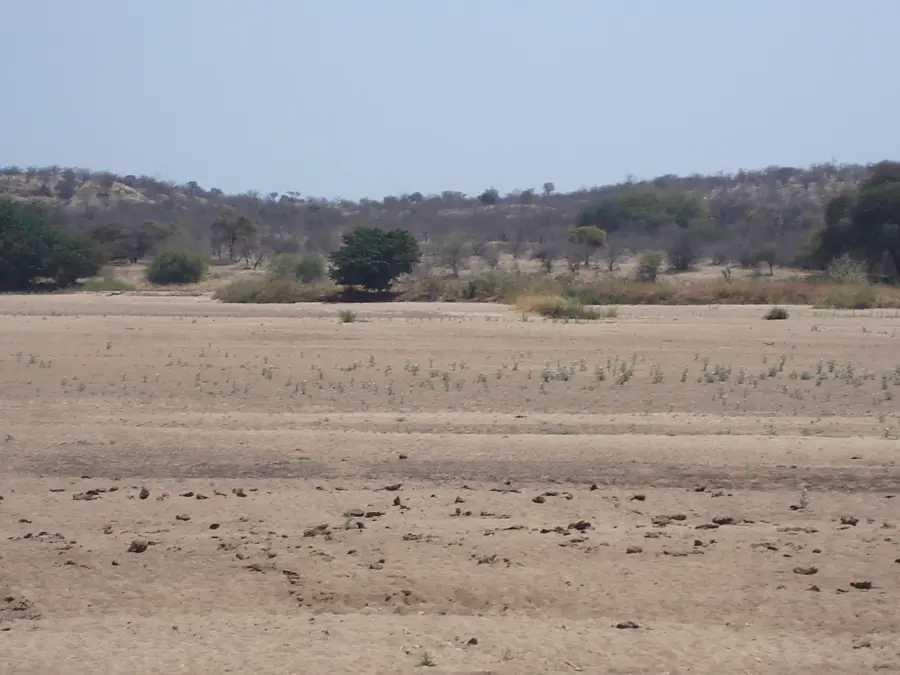
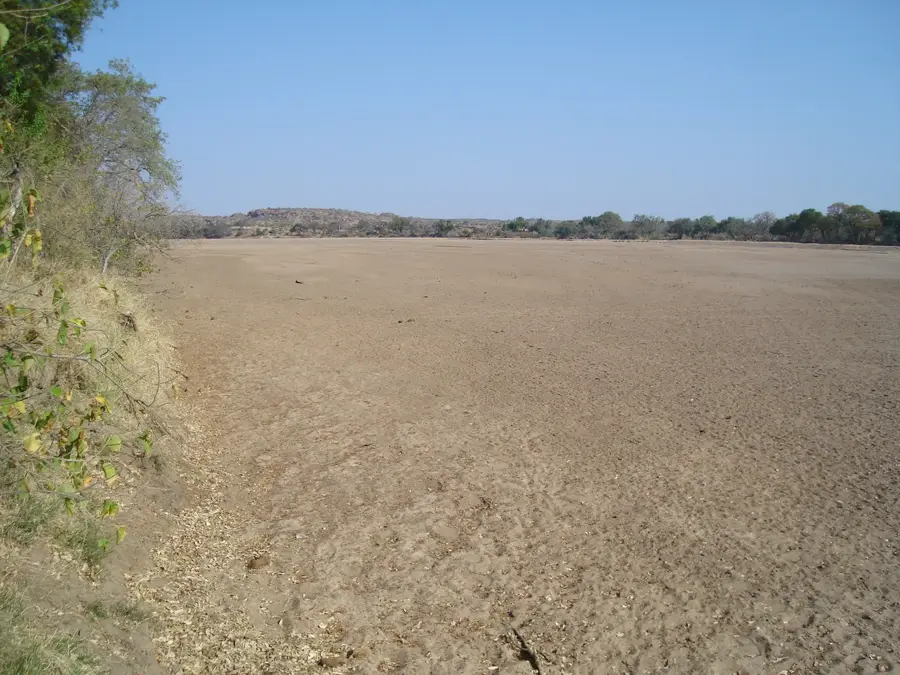
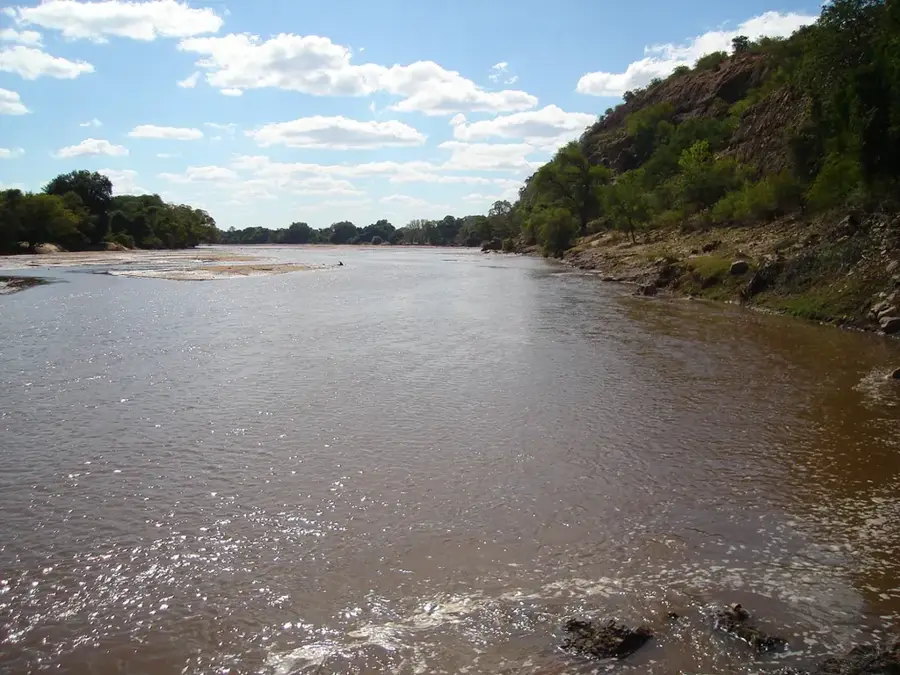
The Tuli River originates in the Matobo Hills south of Bulawayo and flows southeastward until it joins the Shashe River at the border with Botswana. It traverses an extremely arid region of Matabeleland South province, characterized by granite outcrops and expansive sandy riverbeds. Historically, the river is closely associated with the Tuli Circle, a territory that served as a strategic military post and supply depot in 1890 during the Pioneer Column. In the dry season, the surface flow often ceases entirely, but underground water reserves within the sand bed sustain a dense riparian fringe of Mopane and fever trees. The Tuli Safari Area along the river is famous for its elephant herds and lion populations that have adapted to the harsh environment. Geologically, the catchment area is mineral-rich and shows evidence of ancient volcanic activity. Today, the river provides a lifeline for rural communities and wildlife in one of the most parched zones of Zimbabwe.
- Location: Zimbabwe
- Nearby: Beitbridge (68 km)
Best time to visit & climate
The most pleasant time to visit is May, Aug, Sep.
| Jan | Feb | Mar | Apr | May | Jun | Jul | Aug | Sep | Oct | Nov | Dec | |
|---|---|---|---|---|---|---|---|---|---|---|---|---|
| Avg °C | 27 | 27 | 26 | 24 | 21 | 18 | 17 | 20 | 24 | 26 | 27 | 28 |
| Rain mm | 83 | 68 | 49 | 19 | 5 | 3 | 3 | 1 | 6 | 22 | 59 | 90 |
📋 Practical info
Geography
Facts
- The Tuli River is a major tributary of the Shashe River system.
- It finds its source in the geologically ancient Matobo Hills.
- Fort Tuli was established on the river's banks in 1890.
- During droughts, the water often flows sub-surface through the sand.
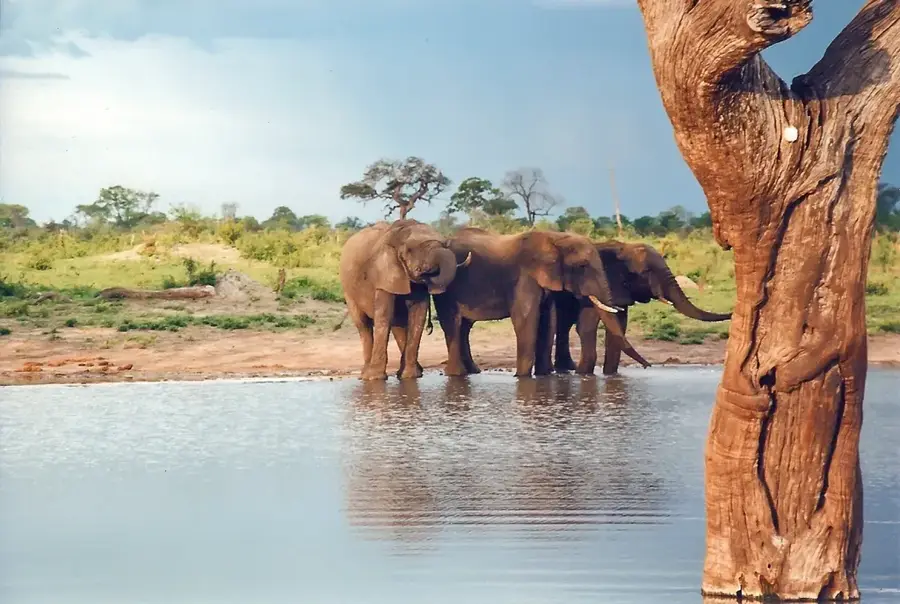
- The Tuli Safari Area is well-known for its large elephant herds.
- The river forms part of the historical boundary of the Tuli Circle.
Explore nearby
Notable places around


Route planner — Car & Motorhome
Where do you start? We build the route here, with stops and country notes along the way.
© OpenStreetMap contributors · OpenRouteService
Sights nearby
Frequently asked questions
What makes the Tuli river so special?
Is the area safe for hikers?
Is there a hotel there?
What should be kept in mind before the tour?
Can you watch birds there?
Tuli River: where is it located?
Tuli River: when is the best time to visit?
Tuli River: why is it worth visiting?
Nearby cities



History & landmarks

Nature
More places