Plizio Visual Lab
Matobo Hills
Weather…
Water temperature…
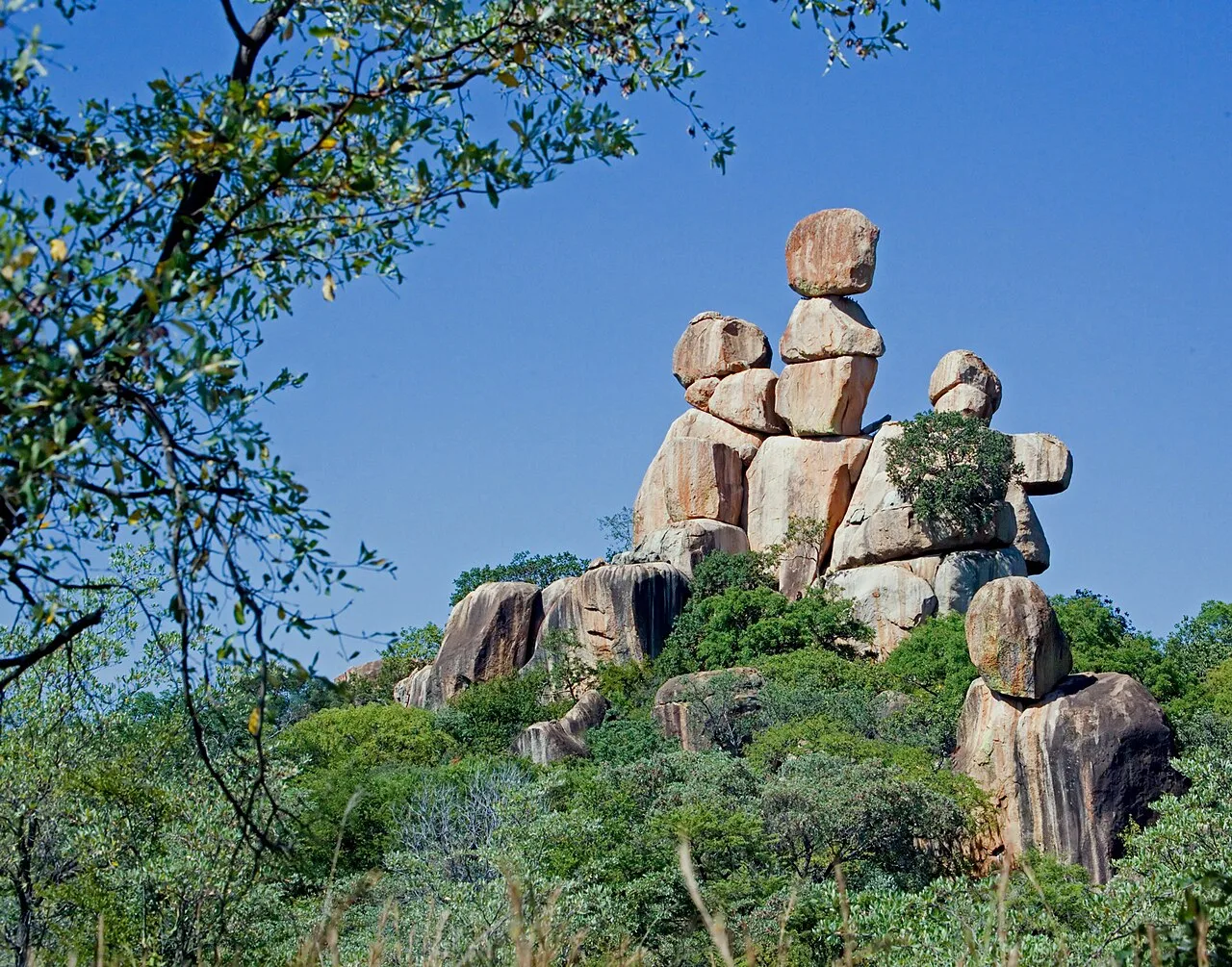
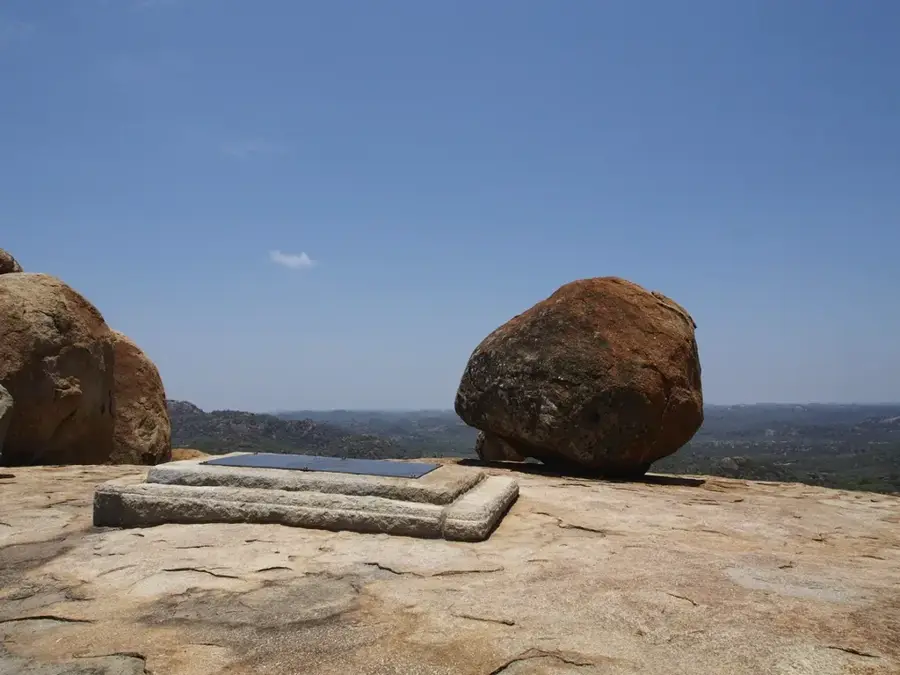
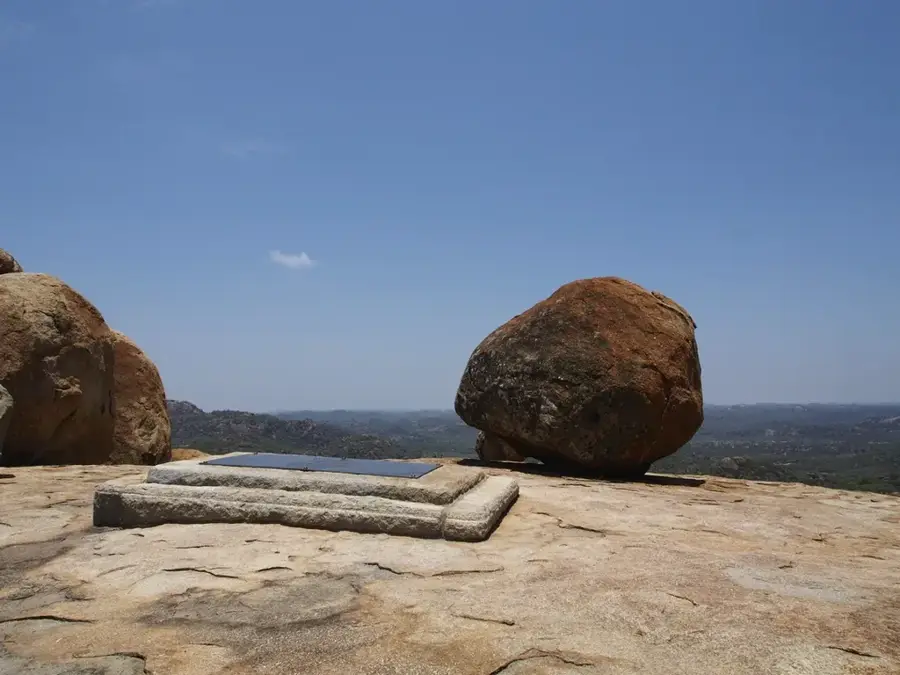
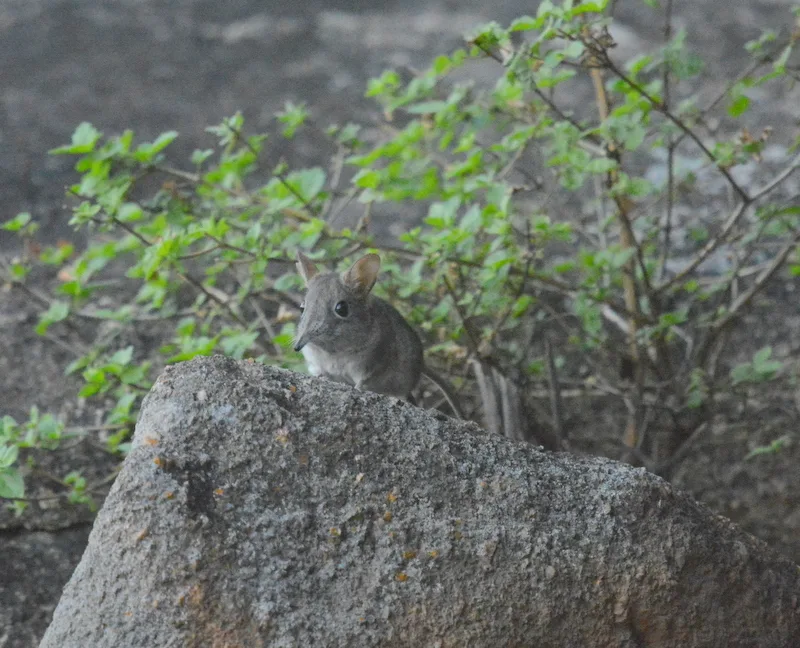
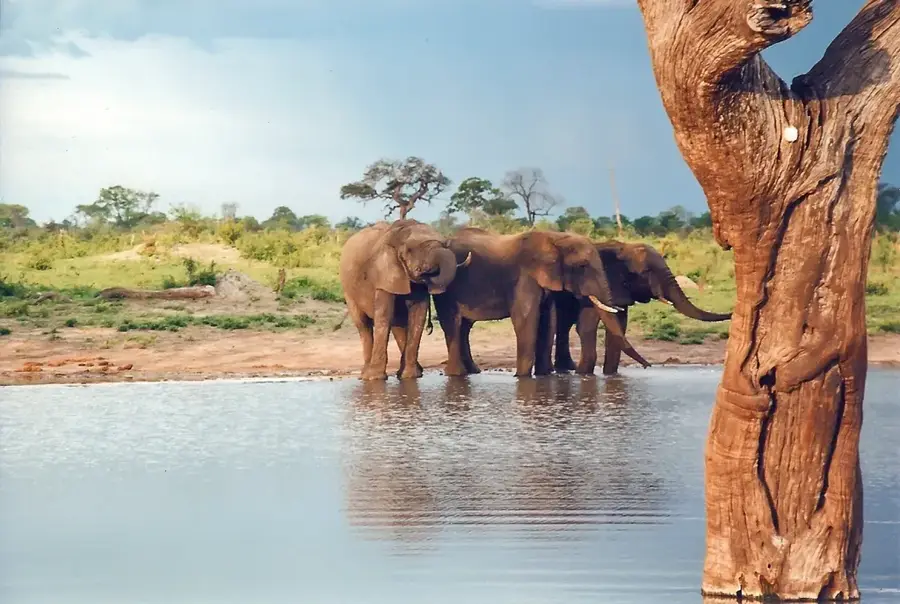
The Matobo Hills, located south of Bulawayo, form one of the most fascinating and spiritually significant landscapes in Zimbabwe. This geological formation of rounded, massive granite blocks and imposing boulders (kopjes), which look as if they were stacked on top of each other by giants, is the result of millions of years of erosion. The area was declared a World Heritage Site by UNESCO, not only because of its bizarre and panoramic rock formations but also due to its immense historical and cultural significance. The caves and overhangs of the mountains house one of the largest concentrations of prehistoric San rock art in southern Africa, some of which are over ten thousand years old. For the local Ndebele population, the Matobo Hills are a sacred place where spirits are worshipped. The Matobo National Park also protects remarkable wildlife, including the country's largest population of white and black rhinos and an unprecedented density of Verreaux's eagles.
- Location: Zimbabwe
- Nearby: Plumtree (78 km)
Best time to visit & climate
The most pleasant time to visit is Apr, Aug, Sep.
| Jan | Feb | Mar | Apr | May | Jun | Jul | Aug | Sep | Oct | Nov | Dec | |
|---|---|---|---|---|---|---|---|---|---|---|---|---|
| Avg °C | 23 | 23 | 22 | 20 | 17 | 15 | 14 | 17 | 21 | 24 | 24 | 24 |
| Rain mm | 111 | 114 | 77 | 32 | 7 | 4 | 2 | 1 | 8 | 27 | 81 | 123 |
📋 Practical info
Geography
Explore nearby
Notable places around




Route planner — Car & Motorhome
Where do you start? We build the route here, with stops and country notes along the way.
© OpenStreetMap contributors · OpenRouteService
Sights in the town Matobo Hills (1)
Sights nearby
Frequently asked questions
How difficult is hiking in the Matobo-Berge?
What is the best time of year to visit?
Are there restroom facilities in the national park?
What is the local weather risk?
Are there restaurants nearby?
Matobo Hills: where is it located?
Matobo Hills: when is the best time to visit?
Matobo Hills: why is it worth visiting?

Nearby cities



History & landmarks

Nature
More places