Plizio Visual Lab

Tuli Basin
Plizio editorial teamData Sources
Relief
—°
Tuli Basin (Zimbabwe)

Weather…

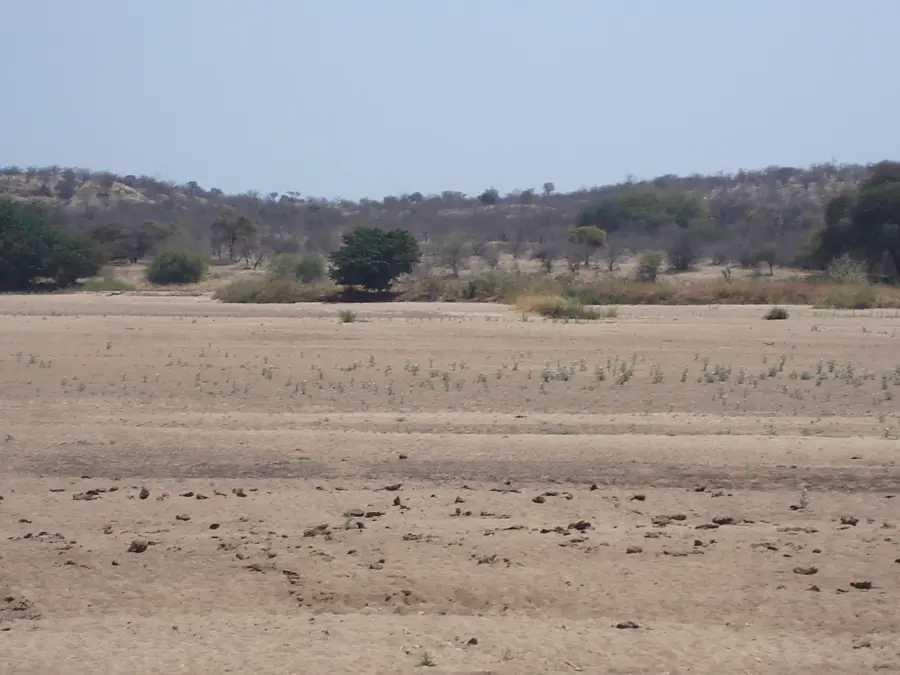
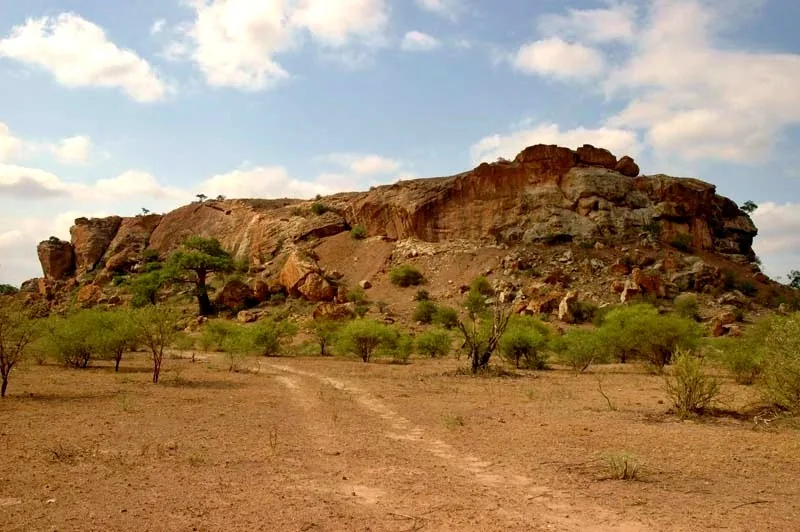
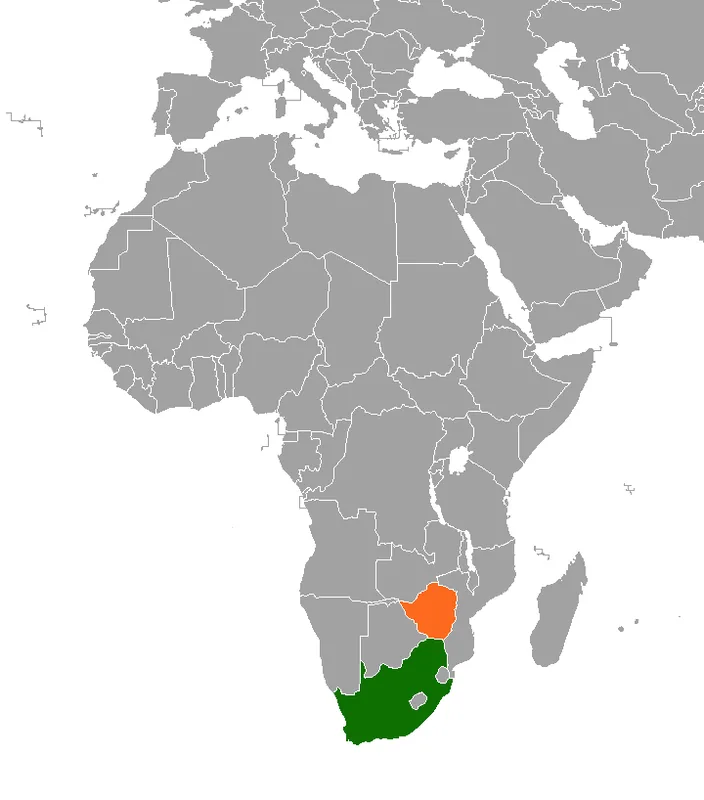
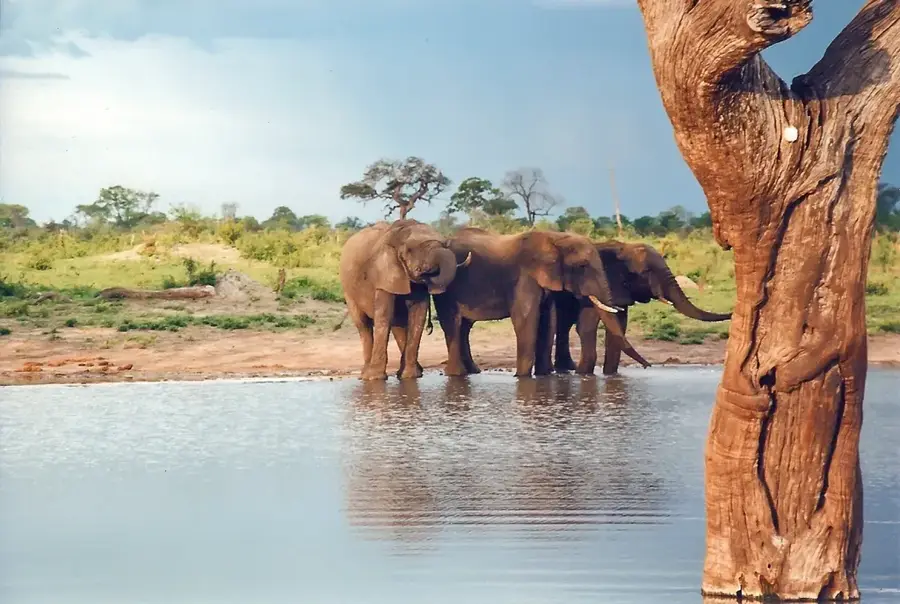
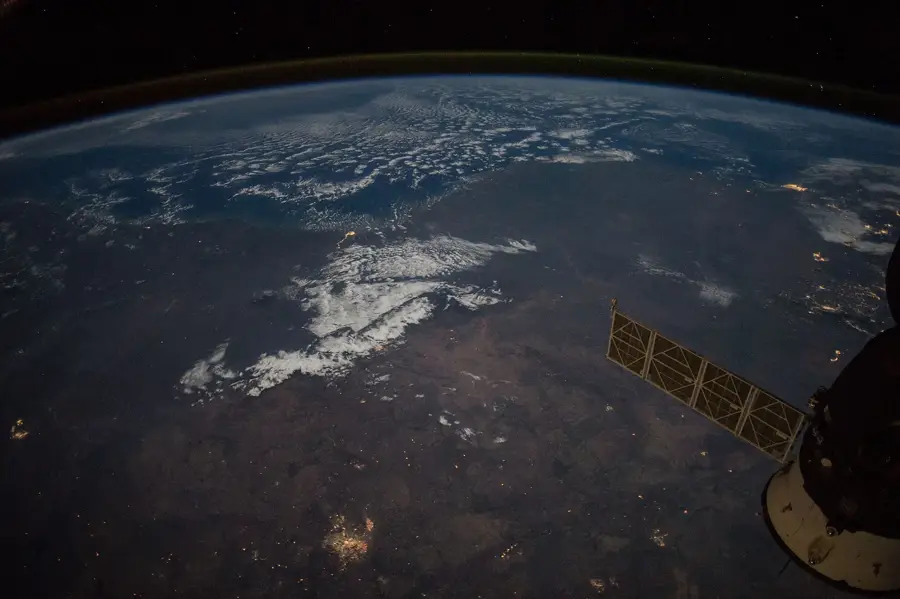
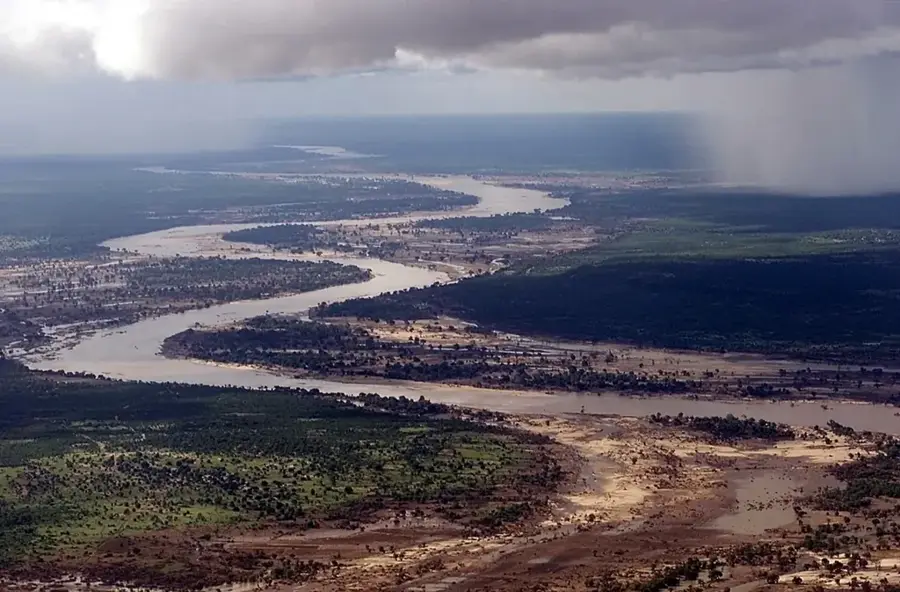
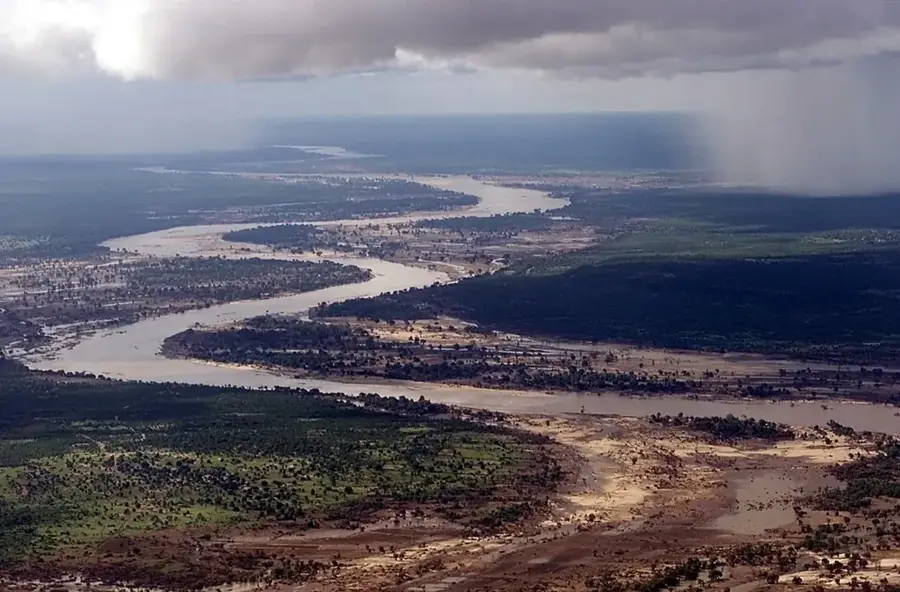
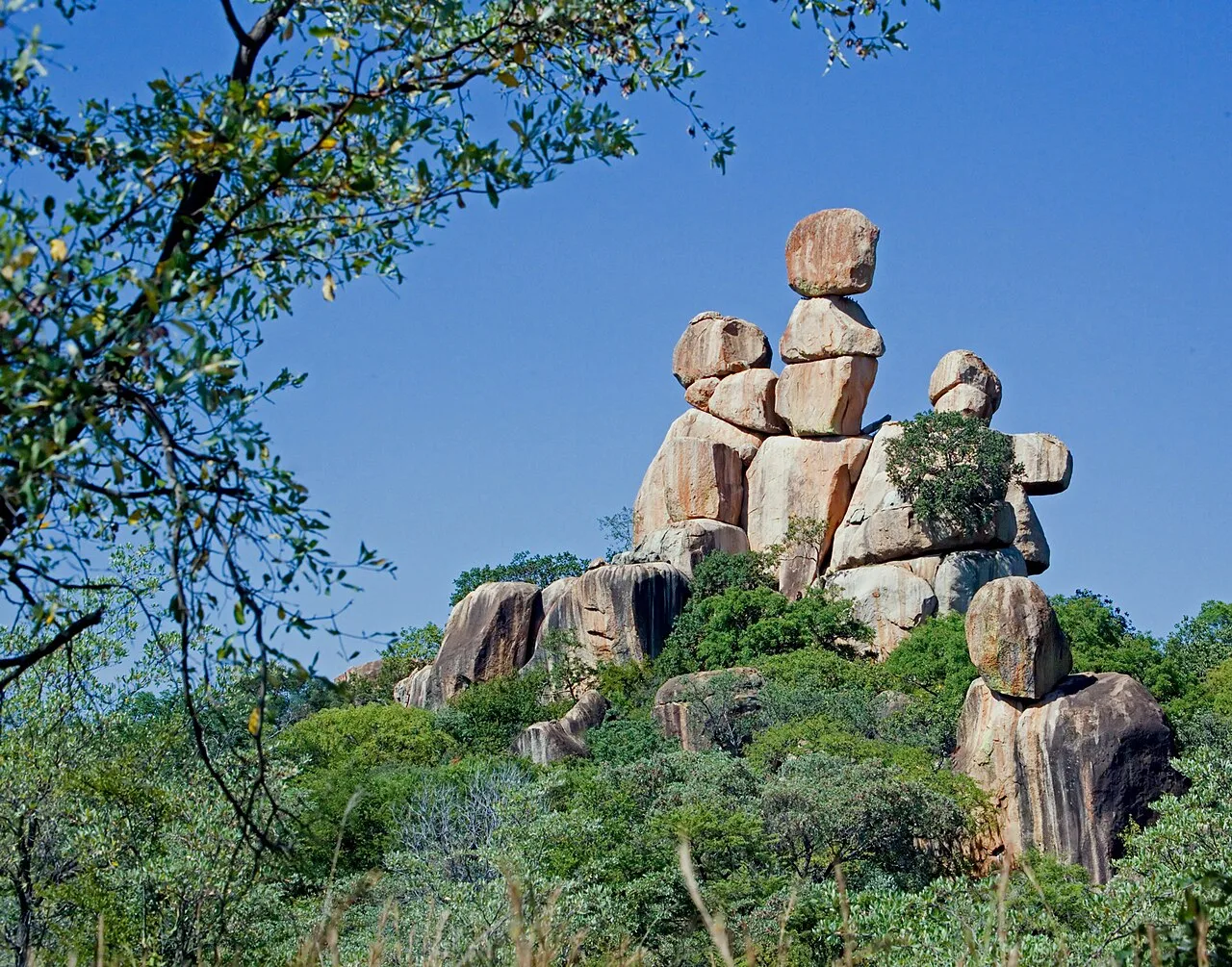
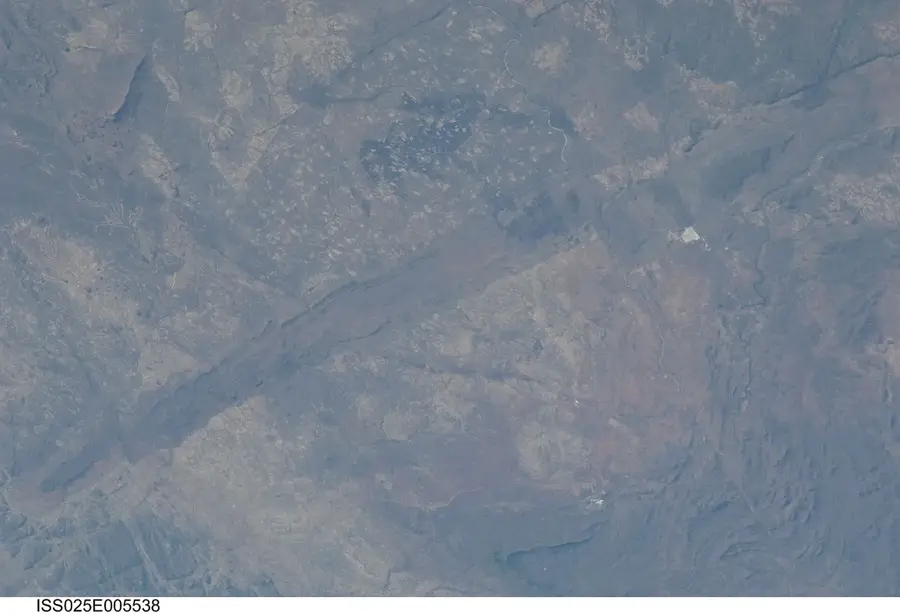
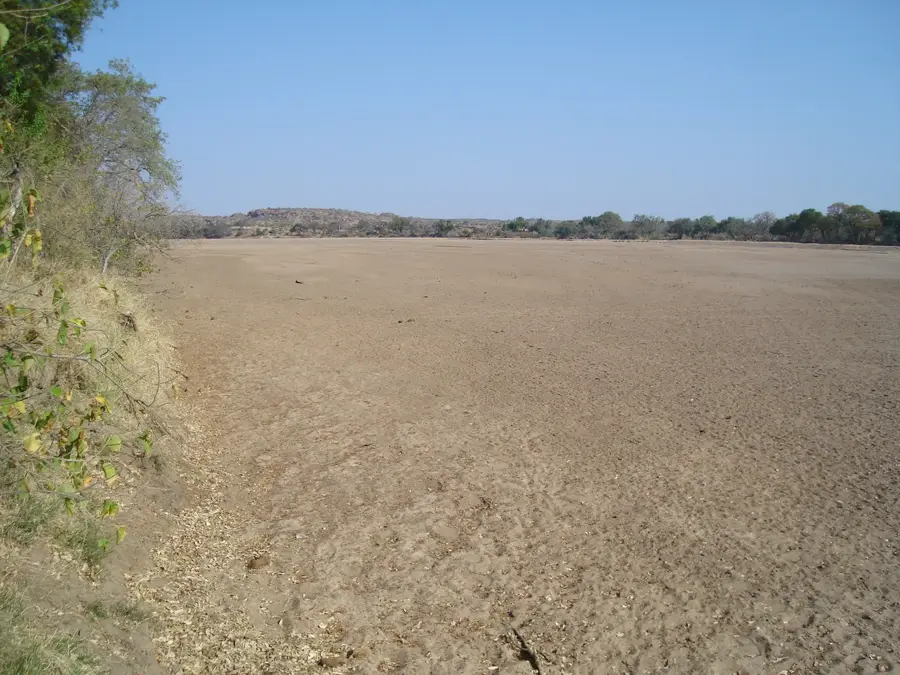
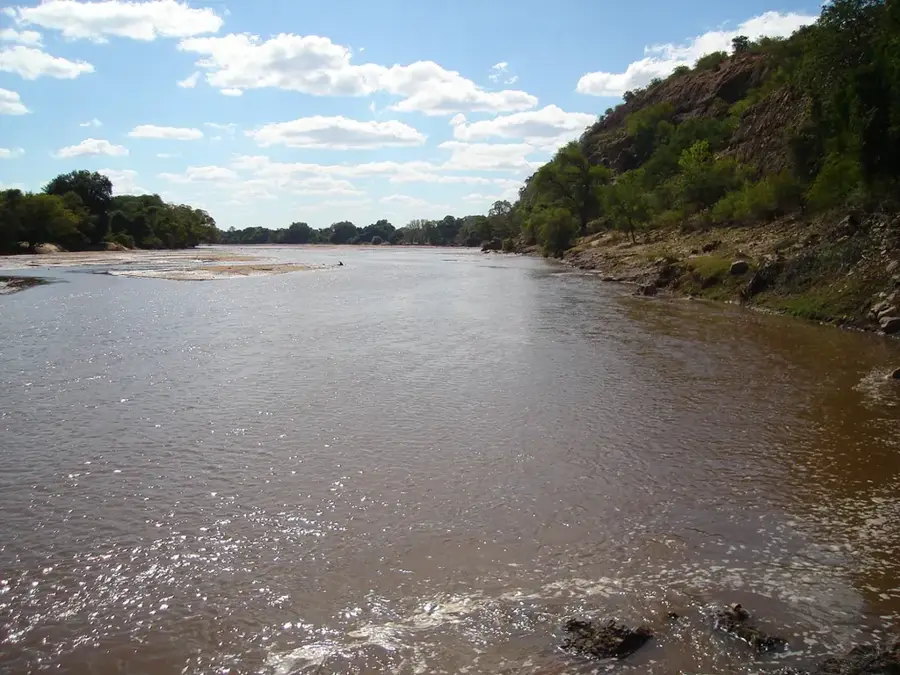
The Tuli Basin is located in the extreme southwest of Zimbabwe, at the tripoint with South Africa and Botswana. This harsh, dry, and often unforgiving landscape is traversed by the Tuli River, a tributary of the Shashe. Characteristic of the basin are extensive semi-desert areas, huge ancient baobab trees, and bizarre sandstone and basalt formations. Due to extreme heat and low rainfall, agriculture is almost impossible here; instead, wildlife conservation takes center stage. The region is part of the Tuli Block, an enormous wildlife corridor known for large, freely roaming elephant herds, lions, cheetahs, and a variety of desert animals. The history of the basin is closely linked to early explorers, traders, and conflicts in the late 19th century, which is why old pioneer trails and ruins can still be found here. The Tuli Basin has adventurous travelers a true, rugged frontier experience far from civilization.

Best time to visit & climate

The most pleasant time to visit is May, Aug, Sep.

JanFebMarAprMayJunJulAugSepOctNovDec
Avg °C272726242118172024262728
Rain mm8368491953316225990

📋 Practical info

🧭
Getting there
The basin is best accessed with a 4WD vehicle via gravel roads from Gwanda or Beitbridge. As the region is remote, travel should be carefully planned, with attention paid to current road and weather conditions.
📅
Best season
The dry winter months (May to September) are convenient for wildlife viewing as the vegetation is thinner. During the rainy season, roads can become impassable, although the landscape transforms into lush greenery.
⛰️
Terrain & paths
The terrain is a mix of arid savanna, rocky outcrops, and sandy riverbeds. Hiking is mostly flat, but the intense heat and often loose, sandy ground can make progress through the basin quite tiring.
🎒
What to bring
Light, breathable clothing in neutral tones is best for safari and walks. A hat, plenty of water, and high-quality binoculars are essential, as is a spare tire and emergency supplies for your vehicle.
🅿️
Parking
Parking is typically only available at the few lodges or designated campsites within the basin area. It is not advised to leave your vehicle unattended in the wilderness without a local guide's advice.
⚠️
Safety
The region is home to dangerous wildlife; always stay inside your vehicle or with a licensed guide. Dehydration is a significant risk due to the extreme heat and aridity common in this part of Zimbabwe.
⏱️
Time needed
Due to the vast distances, a stay of at least two to three days is recommended. Day trips are only feasible if you are already staying at one of the nearby lodges or within the immediate surrounding region.

Geography

Coordinates
-21.90000, 29.60000

Explore nearby

Notable places around
Route planner — Car & Motorhome

Where do you start? We build the route here, with stops and country notes along the way.

Vehicle
Only stops with (optional):

© OpenStreetMap contributors · OpenRouteService

Sights nearby

Frequently asked questions

What is special about the Tuli-Becken?
The impressive rock formations and rich wildlife make it a quiet find.
Is the region accessible?
Yes, but you often need a 4x4 vehicle to reach the more remote spots.
What equipment is needed?
Good binoculars for wildlife viewing and sturdy hiking boots are very useful.
Are children safe here?
Under constant supervision and accompanied by experienced guides, yes.
Are there restrooms there?
Only at official lodges; in the wild, you should rely on nature.
Tuli Basin: where is it located?
Tuli Basin is located in Zimbabwe.
Tuli Basin: when is the best time to visit?
The most pleasant time to visit is May, Aug, Sep.
Tuli Basin: why is it worth visiting?
The Tuli Basin is located in the extreme southwest of Zimbabwe, at the tripoint with South Africa and Botswana.
View on map → The Top 50 Attractions → OpenStreetMap →
Africa
Explore with Plizio Discover more places in Africa
More places in Zimbabwe →

Nearby cities

History & landmarks
Nature
More places