Plizio Visual Lab

Amudarya State Nature Reserve

Plizio editorial teamData Sources
national-park
—°
Amudarya State Nature Reserve (Turkmenistan)

Weather…

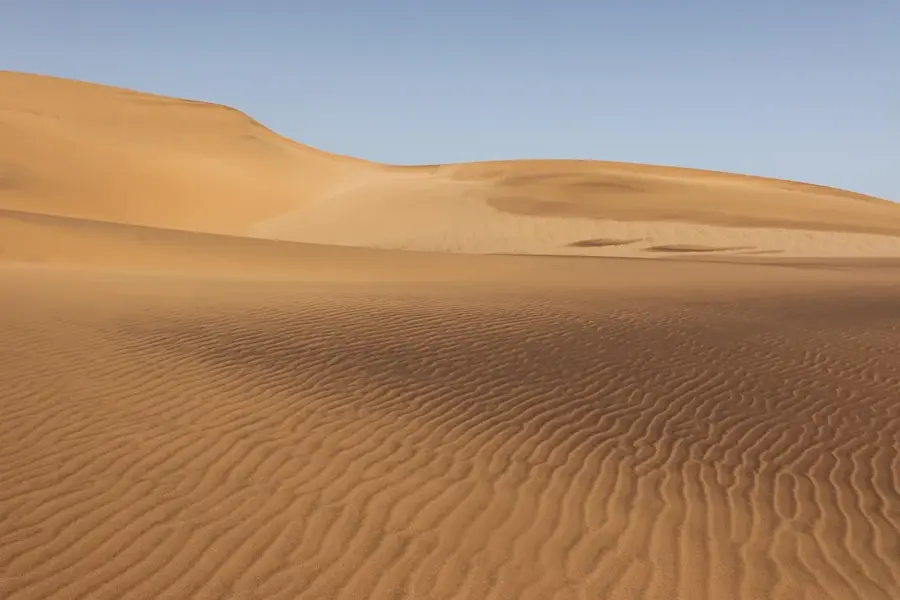
The Amudarya State Nature Reserve, established in 1982, spans the middle reaches of the Amu Darya river in Turkmenistan. Covering an area of approximately 48,300 hectares, its primary mission is to protect the unique Tugay forests, a rare riparian woodland ecosystem found within desert landscapes. The reserve is a critical sanctuary for endangered species, most notably the Bukhara deer, which has seen successful conservation efforts here. The landscape is shaped by the river's dynamic nature, constantly altering its islands and sandbanks. Beyond deer, the territory provides refuge for wild boars, jungle cats, and numerous rare waterfowl. The reserve is organized into several sectors that preserve representative stretches of the riverine environment and adjacent desert zones. Scientists utilize the area to study water cycles and the regenerative capacity of riparian vegetation under extreme climatic pressure. Maintaining this ecological corridor is of regional significance for the biodiversity of Central Asia.

Best time to visit & climate

The most pleasant time to visit is Apr, May, Sep.

JanFebMarAprMayJunJulAugSepOctNovDec
Avg °C02101725303229231571
Rain mm1325231813201141211

📋 Practical info

🧭
Getting there
Reaching this specialized reserve typically requires obtaining prior permission and navigating rural roads towards the river floodplain. Organized guided excursions starting from major regional towns are frequently the most practical and legally compliant way to visit.
📅
Best season
The transitional seasons of spring and early autumn provide the best conditions for observing the unique local flora and migratory birds. Summer months along the riverbank can be extremely hot and exceptionally humid, making outdoor activities quite uncomfortable.
⛰️
Terrain & paths
The terrain is characterized by dense riparian woodlands, muddy floodplains, and complex networks of narrow, natural river channels. Walking paths may frequently be overgrown or soft and marshy, requiring visitors to step carefully and move at a slower pace.
🎒
What to bring
Waterproof boots and lightweight, long-sleeved clothing are highly advisable to protect against the dense brush and active riverfront insects. Essential items also include a powerful insect repellent, protective sun gear, and a reliable pair of binoculars for birdwatching.
🅿️
Parking
Designated vehicle parking is typically restricted to official administrative buildings or specialized guide assembly points at the edge of the protected zones. Vehicles are rarely permitted deep within the sensitive ecological areas to minimize human environmental impact.
⚠️
Safety
Due to the somewhat unpredictable nature of the floodplain, staying close to your official guide is strictly mandatory at all times. Visitors must remain highly vigilant regarding shifting mud and unexpected encounters with local wildlife near the water sources.
⏱️
Time needed
A standard visit focusing on walking the accessible outer trails and observing the river ecosystem usually spans around half a day. More extensive wildlife surveying or specialized photography tours might comfortably stretch across a full, carefully planned day.

Geography

Coordinates
39.50000, 62.50000

Facts

  • The reserve was officially established on April 26, 1982.
  • It extends for approximately 150 kilometers along the river's course.
  • The population of Bukhara deer in the reserve exceeds 100 individuals.
  • More than 200 species of birds have been identified within the territory.
  • The reserve protects around 5,000 hectares of pristine Tugay forest.
  • It comprises three distinct sectors: Gabakly, Nargyz, and Nyuzyuk.

Explore nearby

Notable places around
Route planner — Car & Motorhome

Where do you start? We build the route here, with stops and country notes along the way.

Vehicle
Only stops with (optional):

© OpenStreetMap contributors · OpenRouteService

Sights nearby

Frequently asked questions

What is the Amudarya Reserve?
It is a protected area along the Amu Darya river, which especially protects the rare Bukhara deer.
Can one see the Bukhara deer there?
Yes, with luck during a guided tour, as they live in the protected riparian forests (Tugai forests).
Are mosquitoes a problem there?
Yes, in the summer months there are many mosquitoes near the river; good protection is essential.
When should one visit the area?
Early autumn is usually most pleasant, as the heat subsides and nature is very colorful.
Does one need a visa or special permits?
Yes, in addition to a visa for Turkmenistan, a special permit is mandatory for entry into the reserve.
Amudarya State Nature Reserve: where is it located?
Amudarya State Nature Reserve is located in Turkmenistan.
Amudarya State Nature Reserve: when is the best time to visit?
The most pleasant time to visit is Apr, May, Sep.
Amudarya State Nature Reserve: why is it worth visiting?

The Amudarya State Nature Reserve, established in 1982, spans the middle reaches of the Amu Darya river in Turkmenistan.
View on map → The Top 50 Attractions → OpenStreetMap →
Asia
Explore with Plizio Discover more places in Asia
More places in Turkmenistan →

Nearby cities

History & landmarks

Nature

More places