Plizio Visual Lab
Amu Darya Wetlands
Weather…
Water temperature…
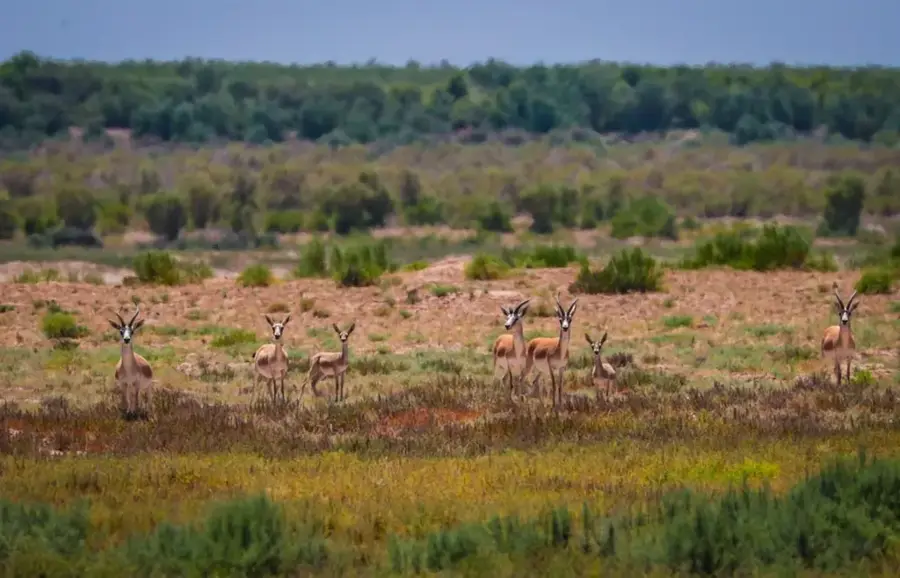
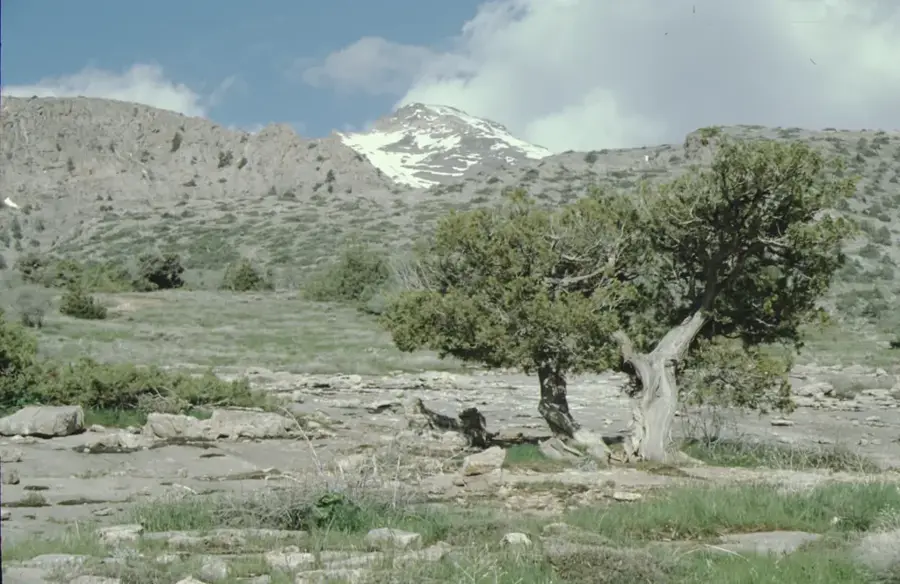
The Amu Darya wetlands, stretching along the river of the same name in eastern Turkmenistan, are an ecological jewel and a critical habitat in an otherwise arid region. As part of the Amu Darya State Nature Reserve, these areas encompass dense riparian forests (tugai), reed beds, and seasonal lakes that host exceptional biodiversity. The region is a vital stopover for migratory birds on the Central Asian flyway, including flamingos, pelicans, and rare cranes. Of particular significance is the presence of the endangered Bukhara deer, which finds refuge in the thick riverside vegetation. The ecosystem is heavily dependent on the water levels of the river, which is fed by the Pamir Mountains and provides life-sustaining moisture to the surrounding desert lands. In addition to the fauna, the wetlands are home to a variety of specialized plant species adapted to fluctuating water levels. Protecting these areas is of international importance to maintain the ecological balance in Central Asia. Researchers and conservationists work closely here to minimize the impacts of climate change and water diversion on this sensitive biological system.
- Location: Turkmenistan
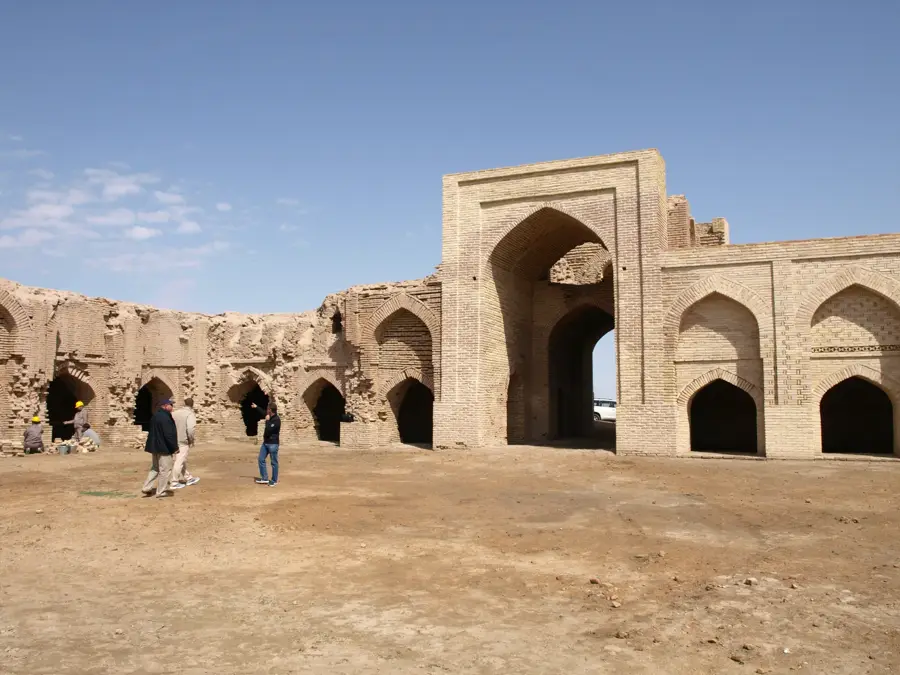
- Top sights: Silk Road Monument · Lebap Province Regional and History Museum · Zaton
- Nearby: Farap (4 km)
Best time to visit & climate
The most pleasant time to visit is Apr, May, Sep.
| Jan | Feb | Mar | Apr | May | Jun | Jul | Aug | Sep | Oct | Nov | Dec | |
|---|---|---|---|---|---|---|---|---|---|---|---|---|
| Avg °C | 2 | 4 | 11 | 18 | 26 | 31 | 32 | 30 | 24 | 16 | 8 | 2 |
| Rain mm | 19 | 27 | 25 | 20 | 12 | 2 | 0 | 0 | 0 | 4 | 14 | 15 |
📋 Practical info
Geography
Facts
- The Amu Darya Nature Reserve was established in 1982 for ecosystem protection.
- The Amu Darya is the longest river in Central Asia, stretching 2,540 kilometers.
- Approximately 80% of the world's Bukhara deer population resides here.
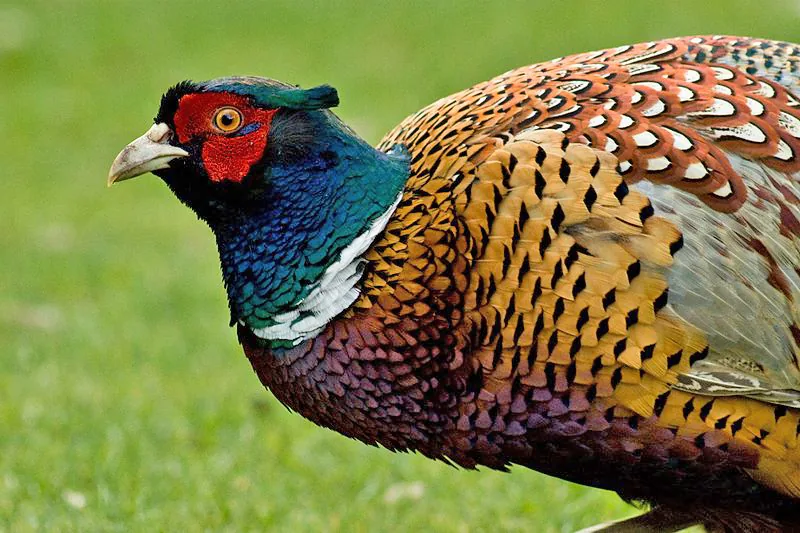
- Over 200 bird species utilize the wetlands for nesting or as a stopover point.
- Tugai forests primarily consist of poplar and willow trees along the riverbanks.
- The total protected area of the reserve covers nearly 50,000 hectares.
Explore nearby
Notable places around


Route planner — Car & Motorhome
Where do you start? We build the route here, with stops and country notes along the way.
© OpenStreetMap contributors · OpenRouteService
Sights in the town Amu Darya Wetlands (6)
Sights nearby
Frequently asked questions
What makes this area special?
Can you observe birds?
Do you need a permit?
Which season is best?
Is there infrastructure on site?
Amu Darya Wetlands: where is it located?
Amu Darya Wetlands: what is there to see?
Amu Darya Wetlands: when is the best time to visit?
Amu Darya Wetlands: why is it worth visiting?

Nearby cities





History & landmarks
Nature
More places