Plizio Visual Lab

Pyanj River
Plizio editorial teamData Sources
River
—°
Pyanj River (Tajikistan)

Weather…

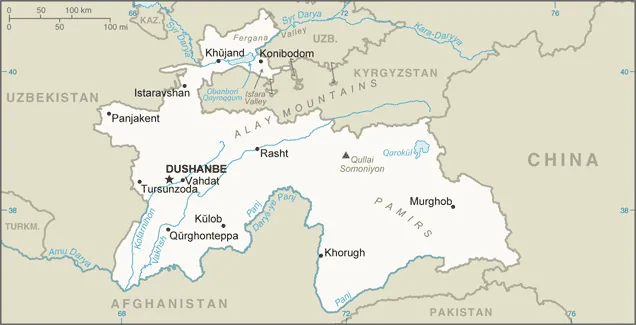
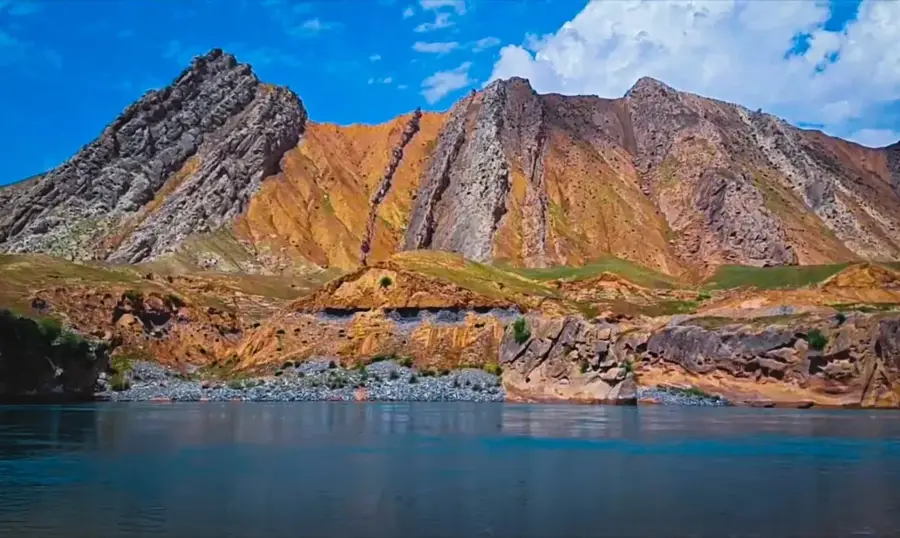
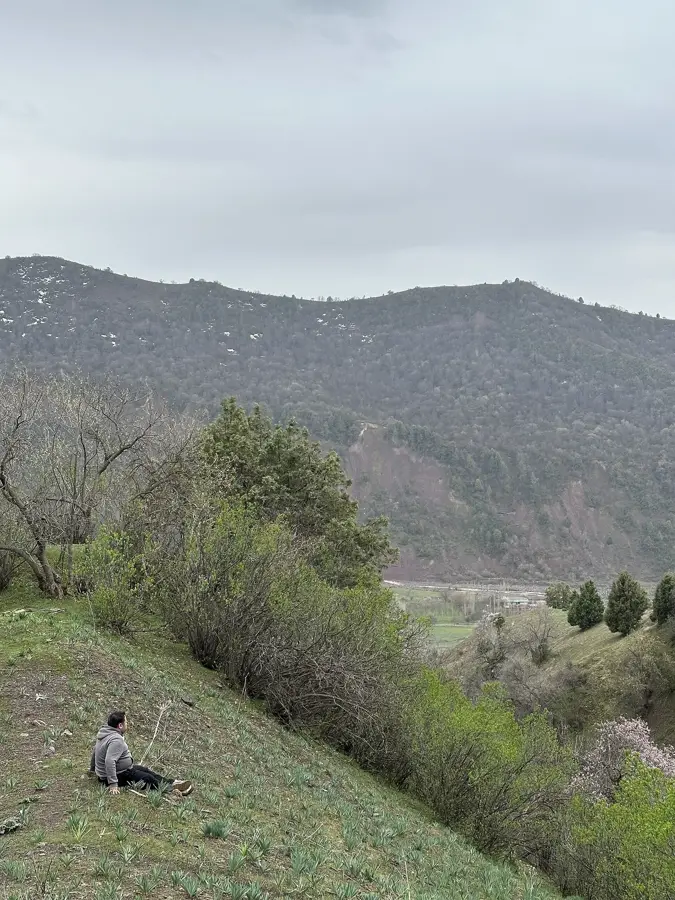
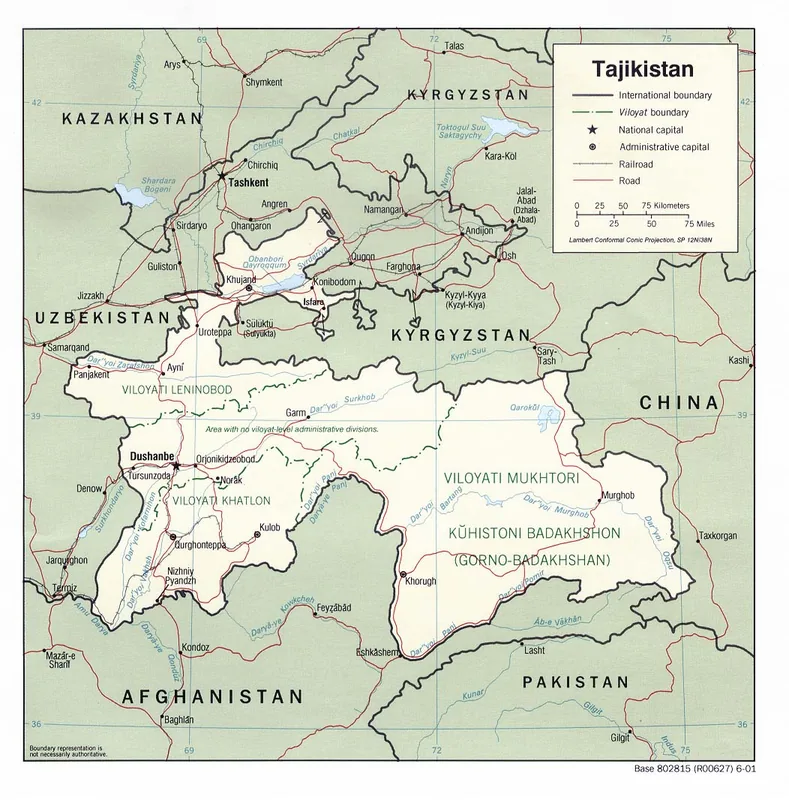
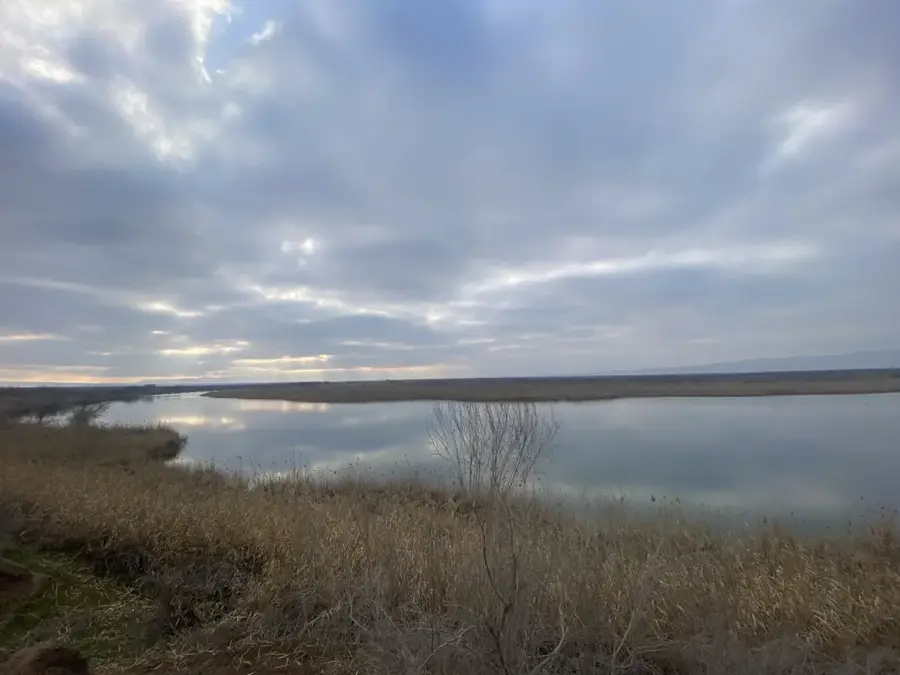
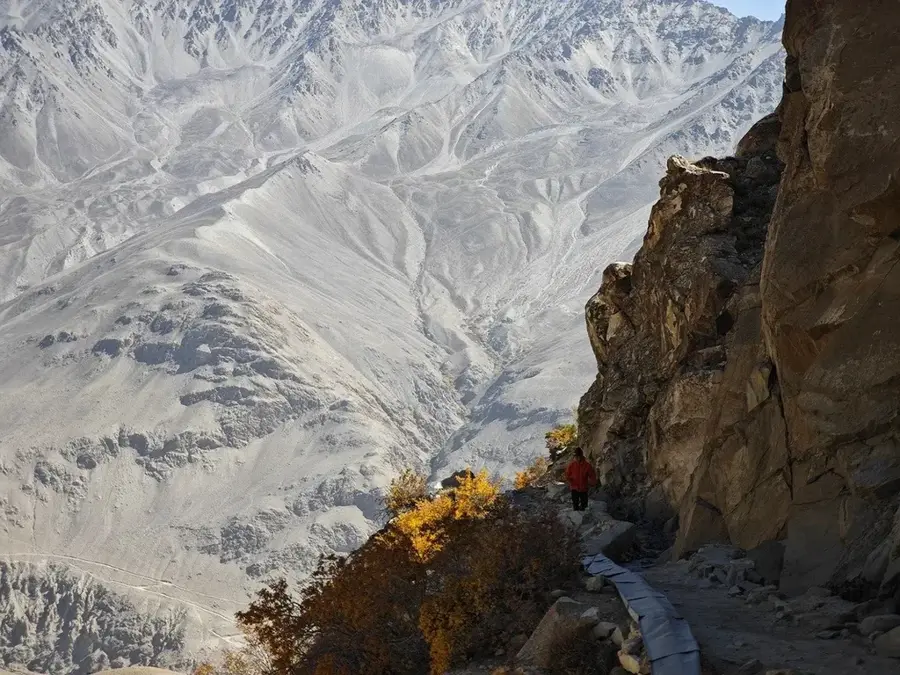
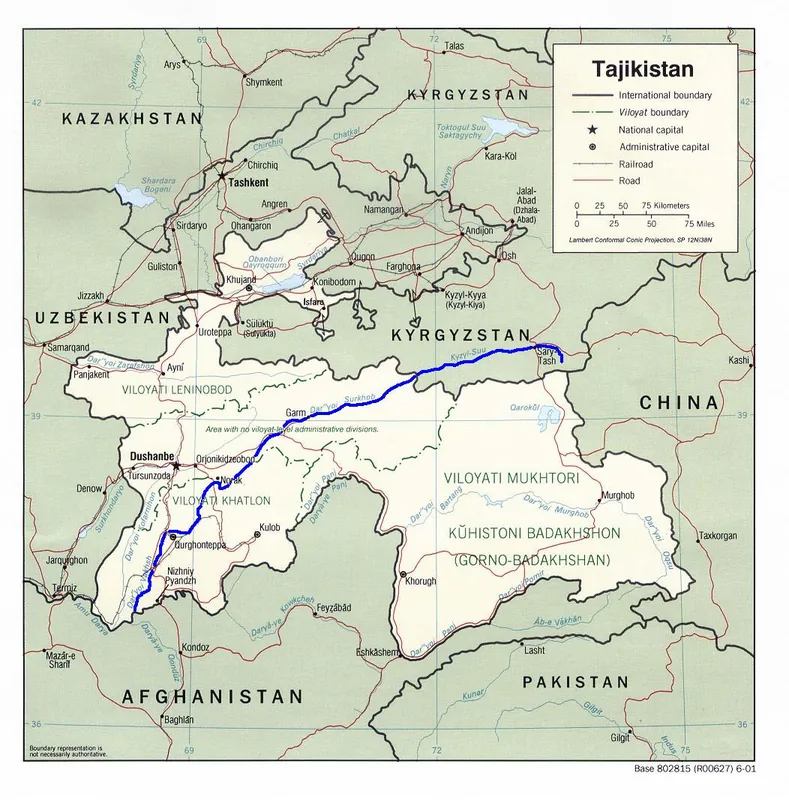
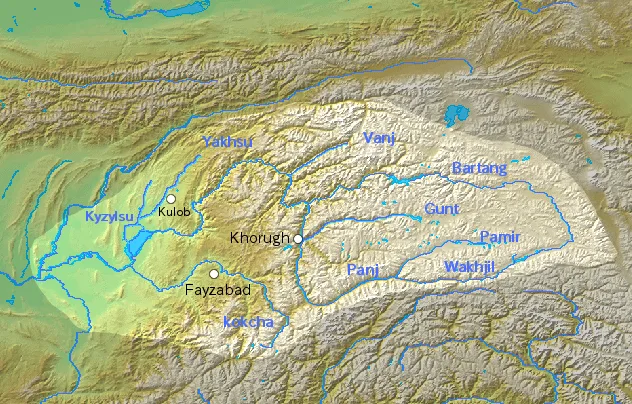
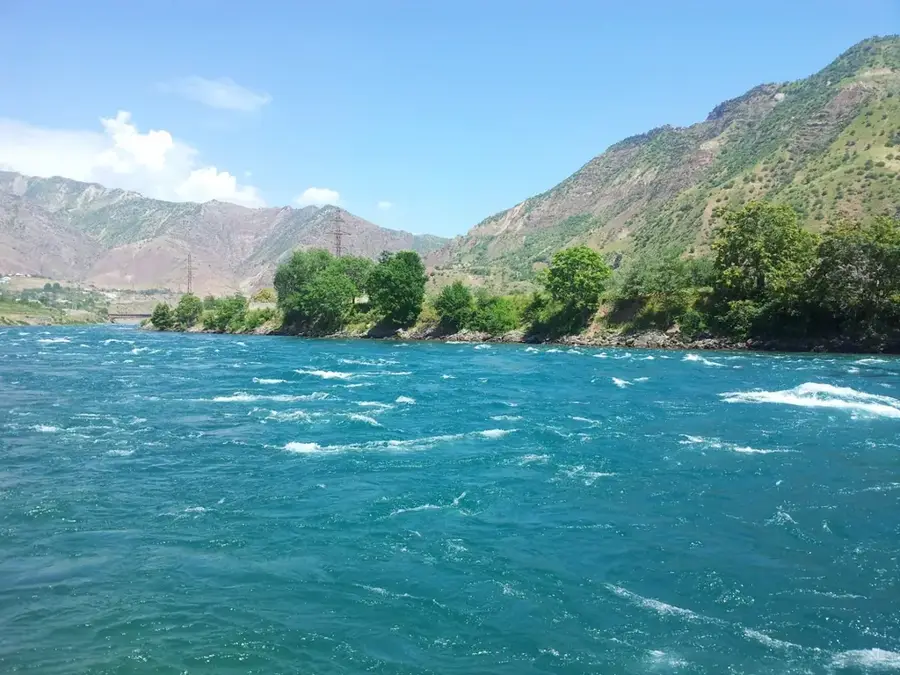
The Pyanj River is a significant waterway in Central Asia, forming the natural border between Tajikistan and Afghanistan for its entire length of about 921 kilometers. It is formed by the confluence of the Pamir and Wakhan rivers near the village of Langar. The Pyanj flows through deep gorges and wide valleys within the Pamir Mountains, known for its swift current and sediment-laden, muddy waters. At its lower reaches, it joins the Vakhsh River to form the Amu Darya, one of the most vital rivers in the region. Historically, the Pyanj valley served as an important branch of the Silk Road, connecting the high mountains with the lowland plains. Due to its border status, access to the riverbanks is often restricted, but traveling along the Pamir Highway provides spectacular views of Afghan villages just across the narrow river and the dramatic surrounding peaks.

Best time to visit & climate

The most pleasant time to visit is Apr, Sep, Oct.

JanFebMarAprMayJunJulAugSepOctNovDec
Avg °C571420263133312619116
Rain mm2737302513300042623

📋 Practical info

🧭
Getting there
This incredibly dramatic border river is closely followed for hundreds of kilometers by the world-famous Pamir Highway, offering numerous memorable, completely unpaved pull-offs and elevated vantage points directly along the winding, nerve-wracking mountainous route.
📅
Best season
The remarkably brief period from late spring to early autumn is realistically the only practical time to visit, as incredibly harsh winter snows and freezing temperatures frequently make the already dangerous mountain roads entirely treacherous and impassable.
⛰️
Terrain & paths
The unforgiving surrounding terrain is exceptionally rugged and beautifully barren, heavily characterized by incredibly steep, rocky gorges, narrow dusty valleys, and dramatic, towering mountainous backdrops ominously looming on both international sides.
🎒
What to bring
Extremely warm, insulated layered clothing is unconditionally essential even in the peak of summer due to sudden, drastic high-altitude temperature drops, crucially along with high-powered binoculars for safely viewing the remote, fascinating Afghan villages situated directly across the rushing water.
🅿️
Parking
Formal, designated parking infrastructure is virtually non-existent in this remote area; intrepid travelers typically carefully pull their rugged vehicles over onto the slightly wider, dusty shoulders of the terrifying mountain road to safely take in the dramatic, sweeping border views.
⚠️
Safety
The exceptionally strong, freezing river currents are highly dangerous and unforgiving, and due to the heavily militarized and highly sensitive border zone environment, visitors should never wander off the main road or take strictly prohibited photographs of military installations.
⏱️
Time needed
Thrilling sightseeing in this region is usually done incrementally and constantly on the move; awe-struck travelers typically spend somewhere between fifteen minutes and a full hour at various strategically located scenic viewpoints while cautiously driving the legendary highway.

Geography

Coordinates
37.10000, 68.00000

Facts

  • The total length of the Pyanj River is approximately 921 kilometers.
  • It serves as the international border between Tajikistan and Afghanistan.
  • The river is formed by the union of the Pamir and Wakhan rivers.
  • It is the primary headstream that creates the Amu Darya river.
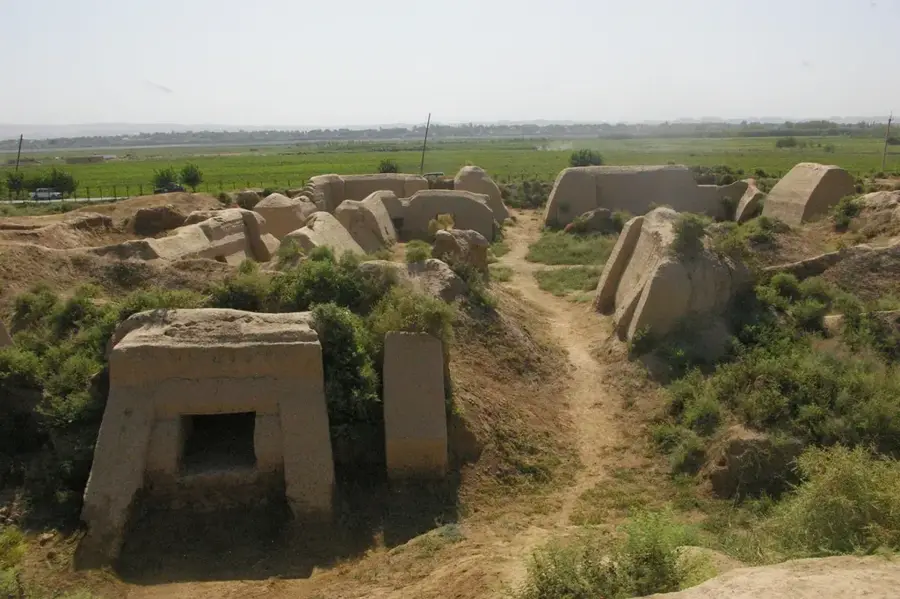
  • The Pyanj valley was a key historical route for Silk Road merchants.
  • Water levels fluctuate significantly based on seasonal glacier melt.

Explore nearby

Notable places around
Route planner — Car & Motorhome

Where do you start? We build the route here, with stops and country notes along the way.

Vehicle
Only stops with (optional):

© OpenStreetMap contributors · OpenRouteService

Sights nearby

Frequently asked questions

Is the Pandsch suitable for swimming?
No, due to strong currents and icy glacial water, swimming is life-threatening.
Can one fish in the river?
Fishing is possible but often requires special permits from local authorities.
Does the Pandsch offer great photo opportunities?
Yes, the river forms a spectacular border with impressive views of the Pamir mountains.
Is there public transport along the river?
Very limited; mostly private 4x4 vehicles or taxis are necessary.
How is the water quality?
The water is usually cloudy due to glacial sediments and should be filtered before drinking.
Pyanj River: where is it located?
Pyanj River is located in Tajikistan.
Pyanj River: when is the best time to visit?
The most pleasant time to visit is Apr, Sep, Oct.
Pyanj River: why is it worth visiting?

The Pyanj River is a significant waterway in Central Asia, forming the natural border between Tajikistan and Afghanistan for its entire length of about 921 kilometers.
View on map → The Top 50 Attractions → OpenStreetMap →
Asia
Explore with Plizio Discover more places in Asia
More places in Tajikistan →

Nearby cities

History & landmarks
Nature
More places