Plizio Visual Lab
Takhti-Sangin
Weather…
Water temperature…
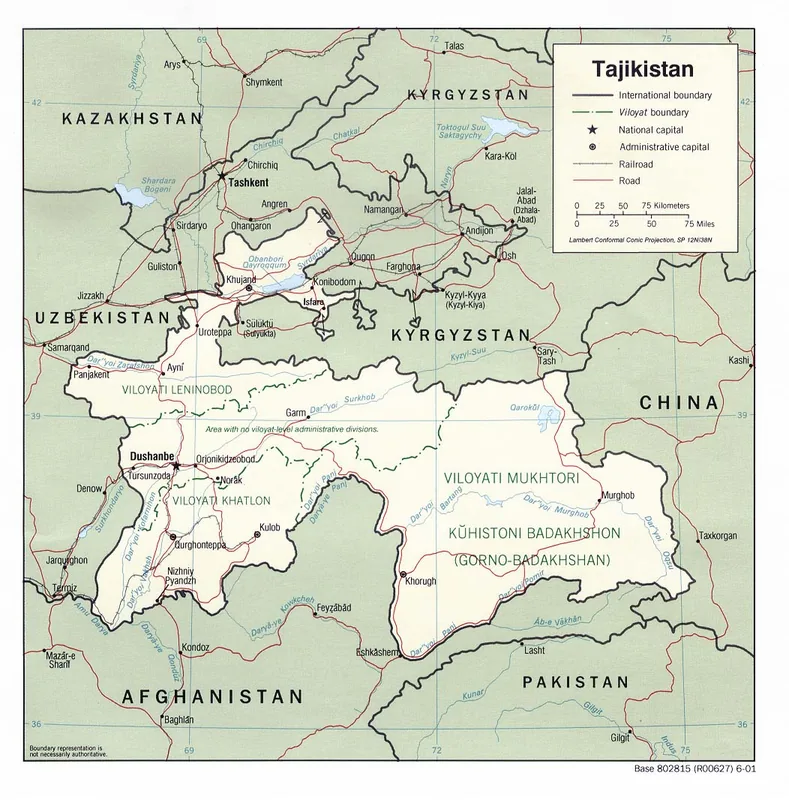
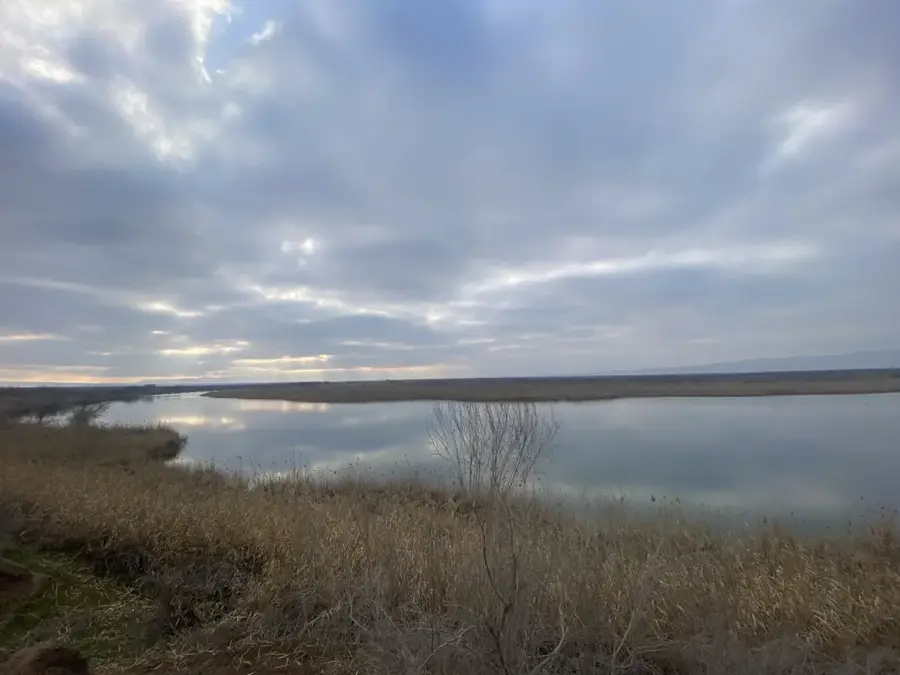
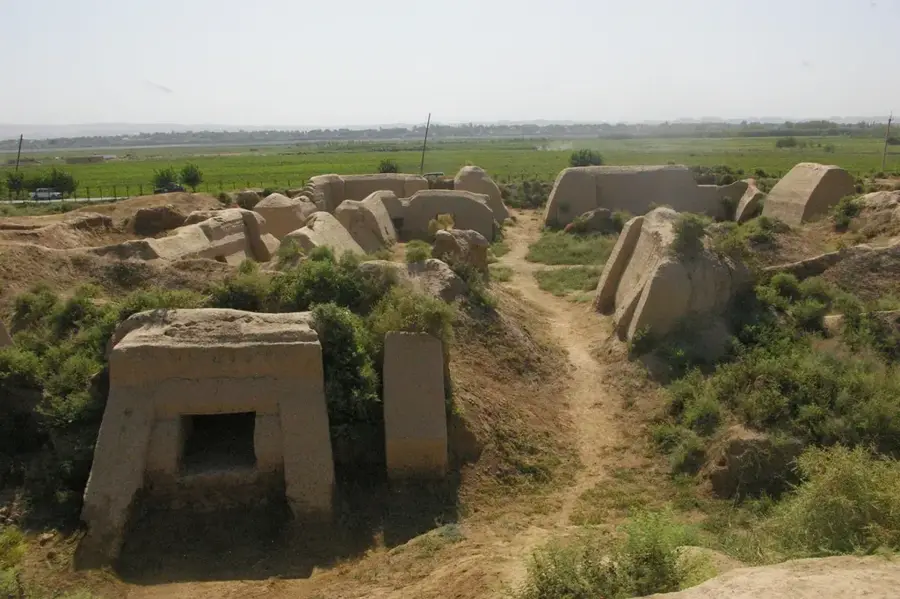
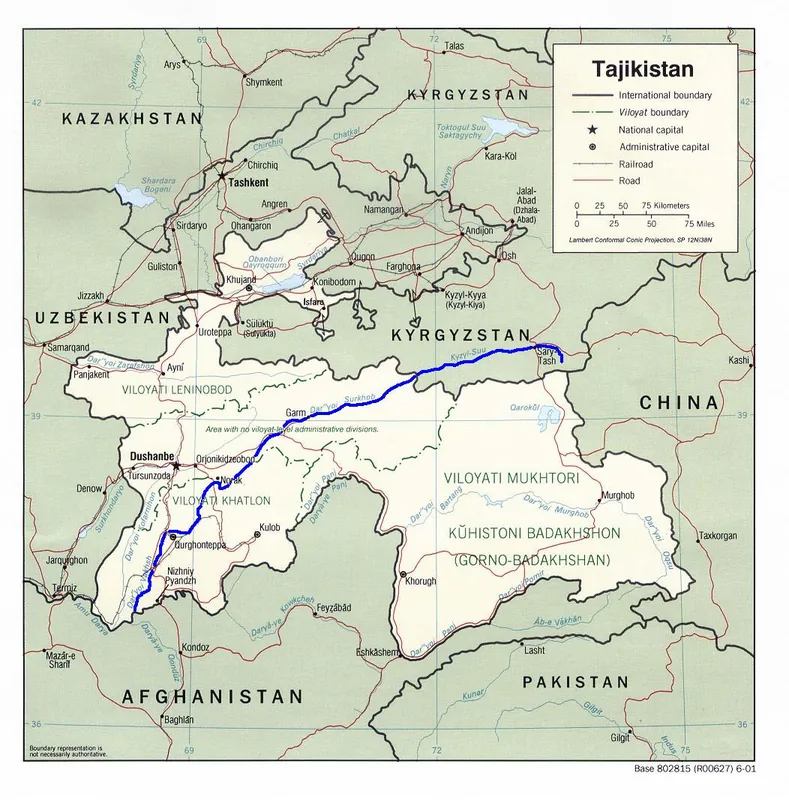
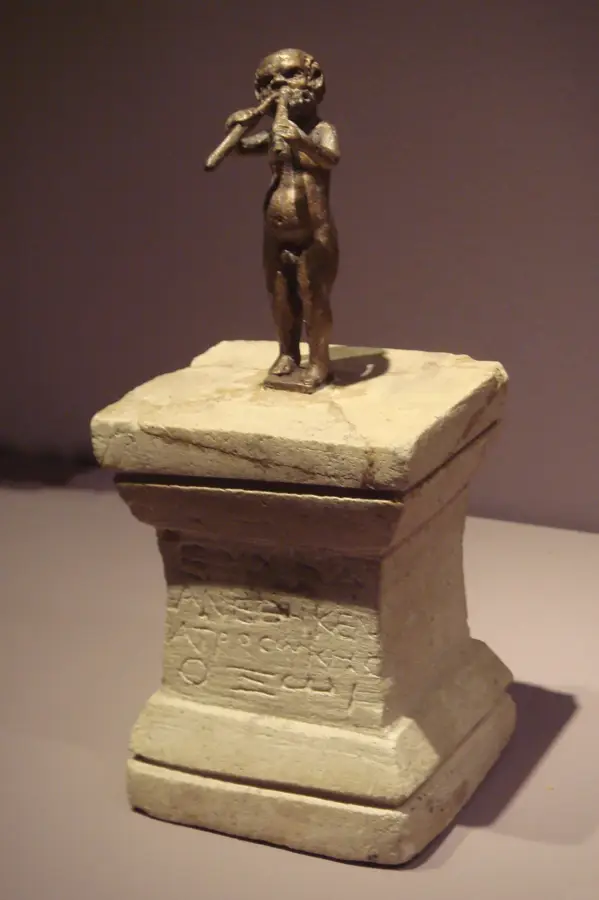
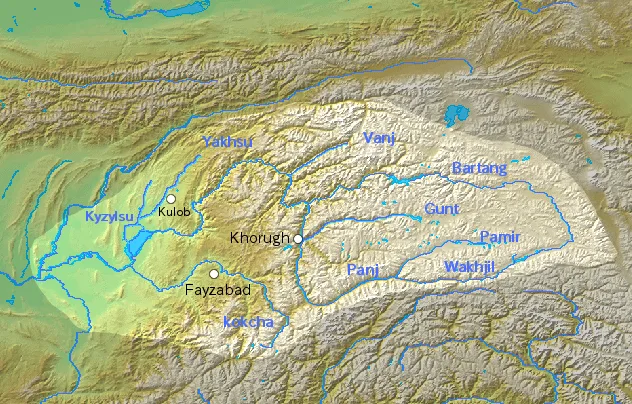
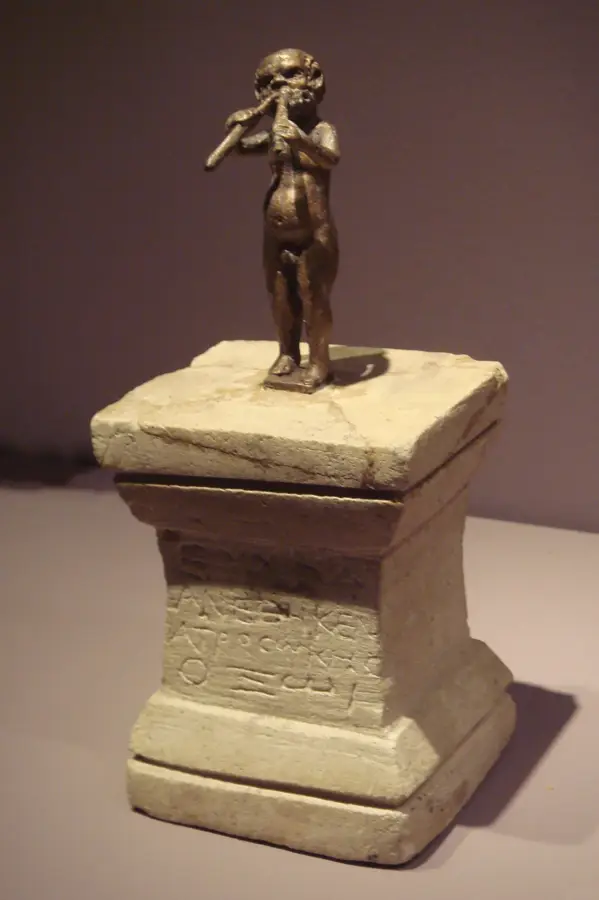
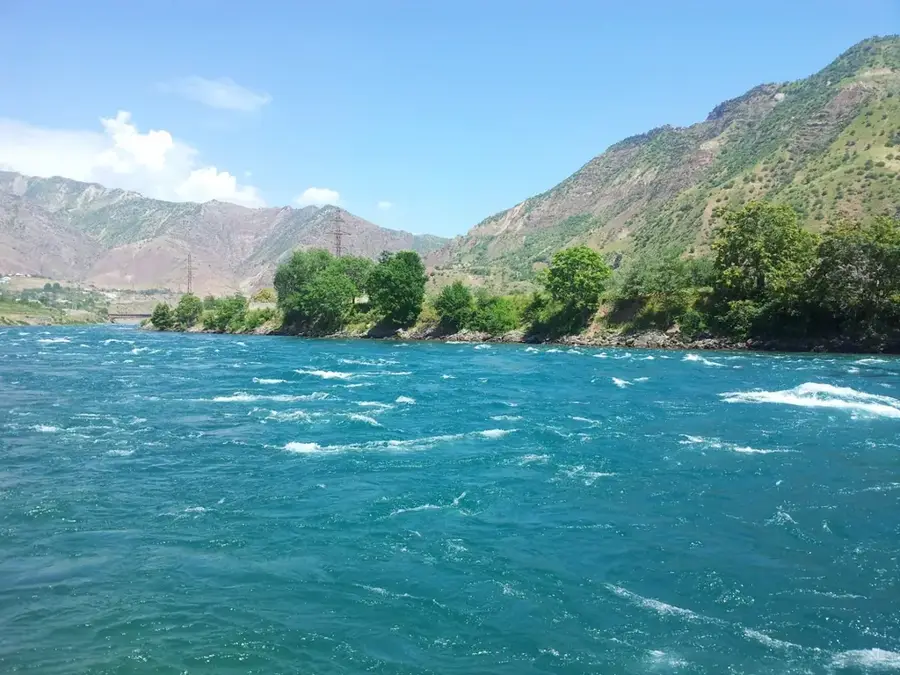
Takhti-Sangin, meaning "Stone Throne," is an ancient temple complex located at the confluence of the Vakhsh and Panj rivers, which form the Amu Darya. Dating from the 4th century BC to the 3rd century AD, the sanctuary was dedicated to the river god Oxus. The architecture exhibits a fascinating fusion of Hellenistic and local Bactrian influences, emerging from the era of Alexander the Great and his successors. The main temple featured massive stone walls and Corinthian-style column capitals, remnants of which can still be seen today. Takhti-Sangin is closely associated with the famous "Oxus Treasure," a collection of gold and silver artifacts discovered in the region in the late 19th century. Archaeological excavations have unearthed over 5,000 precious objects, including weapons, sculptures, and votive offerings from various historical periods. Its strategic location on the border with modern-day Afghanistan made it a vital religious and commercial hub at the crossroads of ancient trade routes.
- Location: Tajikistan
- Nearby: Shahrtuz (7 km)
Best time to visit & climate
The most pleasant time to visit is Apr, Sep, Oct.
| Jan | Feb | Mar | Apr | May | Jun | Jul | Aug | Sep | Oct | Nov | Dec | |
|---|---|---|---|---|---|---|---|---|---|---|---|---|
| Avg °C | 5 | 7 | 14 | 20 | 26 | 31 | 33 | 31 | 26 | 19 | 11 | 6 |
| Rain mm | 27 | 37 | 30 | 25 | 13 | 3 | 0 | 0 | 0 | 4 | 26 | 23 |
📋 Practical info
Geography
Facts
- Construction of the temple began in the 4th century BC during the Greco-Bactrian period.
- Systematic archaeological excavations led by Igor Pitschikjan started in 1976.
- Over 5,000 artifacts were discovered at the site, making it one of the richest in Central Asia.
- The Oxus Treasure consists of about 180 gold and silver pieces, now held in the British Museum.
- The site is located within the Tigrovaya Balka Nature Reserve on the border with Afghanistan.
- The Temple of the Oxus is one of the most thoroughly studied examples of Hellenistic architecture in the region.
Explore nearby
Notable places around
Route planner — Car & Motorhome
Where do you start? We build the route here, with stops and country notes along the way.
© OpenStreetMap contributors · OpenRouteService
Sights nearby
Frequently asked questions
What does the name Takchti-Sangin mean?
What was found here?
Is the site easily accessible?
Does the site consist of ruins?
Is the trip worth it?
Takhti-Sangin: where is it located?
Takhti-Sangin: when is the best time to visit?
Takhti-Sangin: why is it worth visiting?

Nearby cities
History & landmarks
Nature
More places