Plizio Visual Lab
Aybak
ℹ️Practical info — Aybak
▾
🌤 Weather — 5 days
📍 Nearby
Sights nearby
💡 Tips
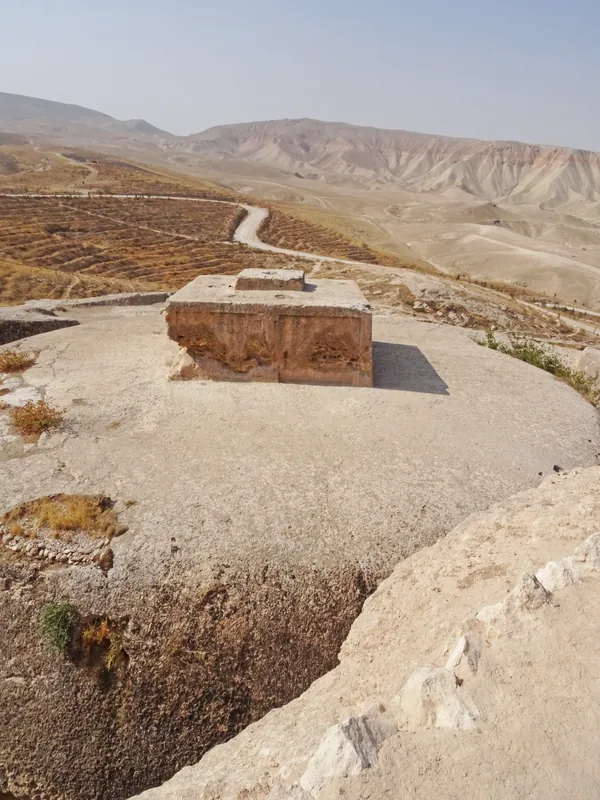
- The absolute must-see is Takht-e Rostam, an impressive Buddhist stupa carved directly into the bedrock.
- Dress very conservatively and behave respectfully, adhering strictly to Islamic customs.
- The main bazaar is an important and bustling hub for travelers; be prepared for the crowd.
- Bring enough cash in the local currency, as functioning ATMs are extremely rare.
- Hiring a local guide is highly recommended for navigation and safety in the region.
🍽 Food
The hearty national rice dish offered in every traditional chaikhana (teahouse).
Spiced meat-stuffed dumplings with yogurt sauce, often found in simple roadside eateries.
Enjoy fresh green tea traditionally brewed with cardamom at local tea houses.
🛍 Shopping · 🧘 Quiet spots
Buy these almonds famous for their high quality at the main bazaar.
Look for traditionally woven pieces in the smaller side alleys off the market.
Walk around the stupa complex early in the morning to experience profound historical silence.
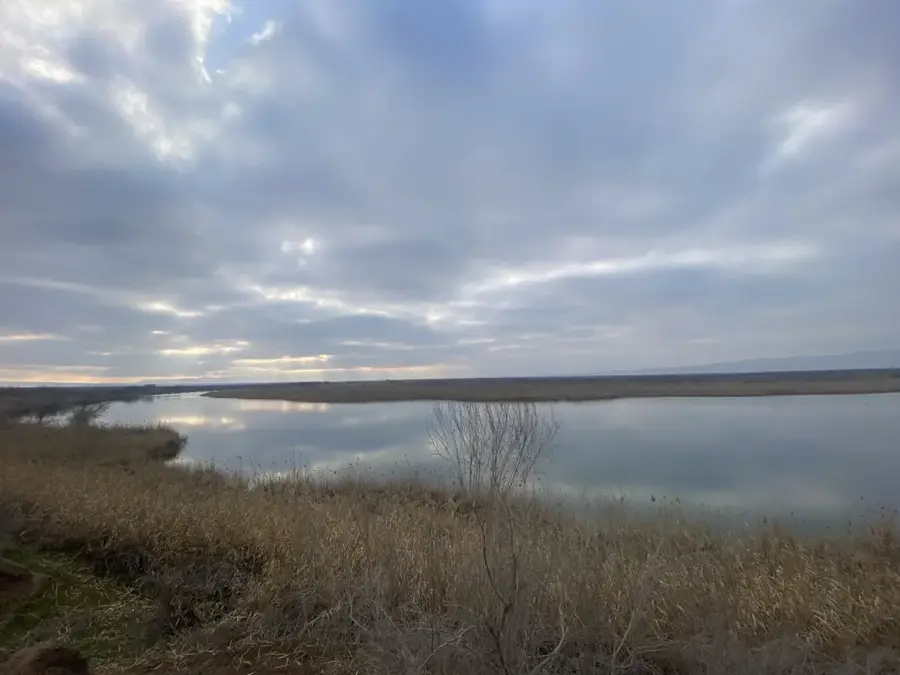
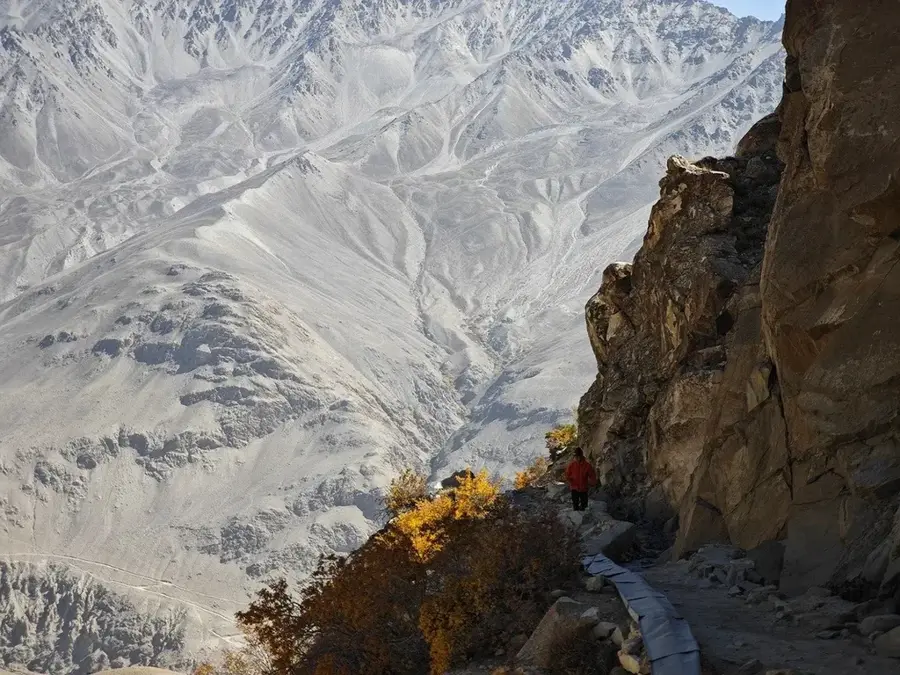
Enjoy the vast landscapes and peaceful mountain views by taking a walk on the edge of town.
Water temperature…
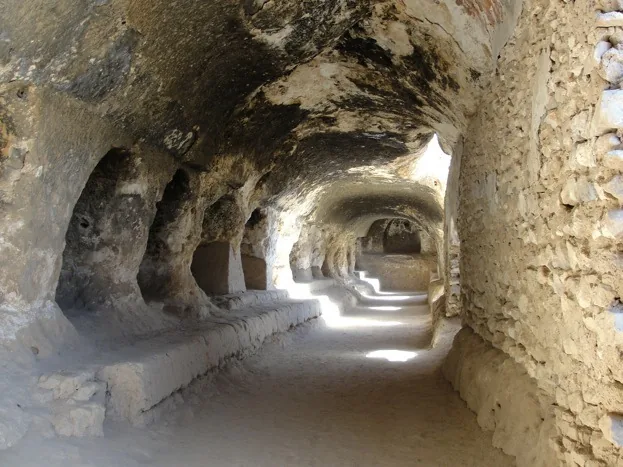
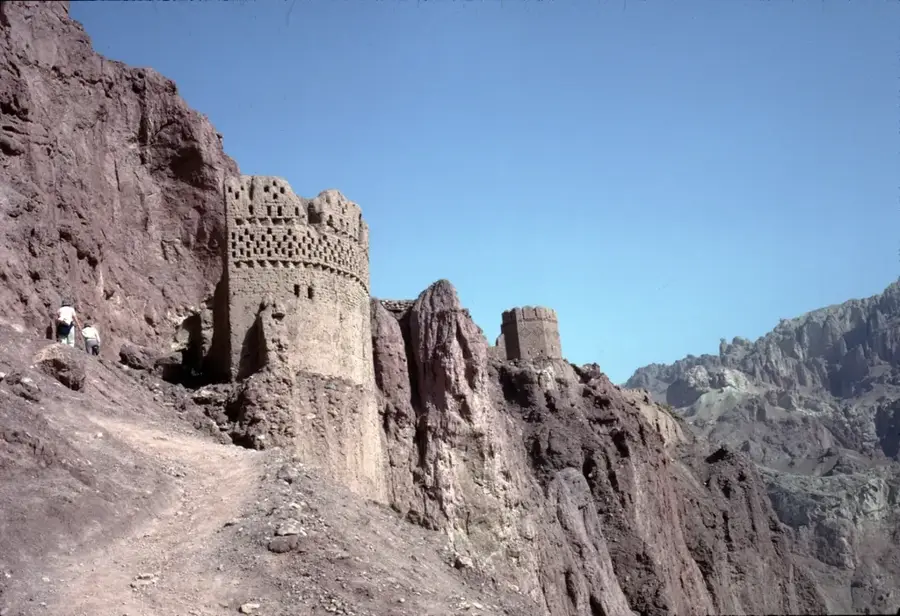
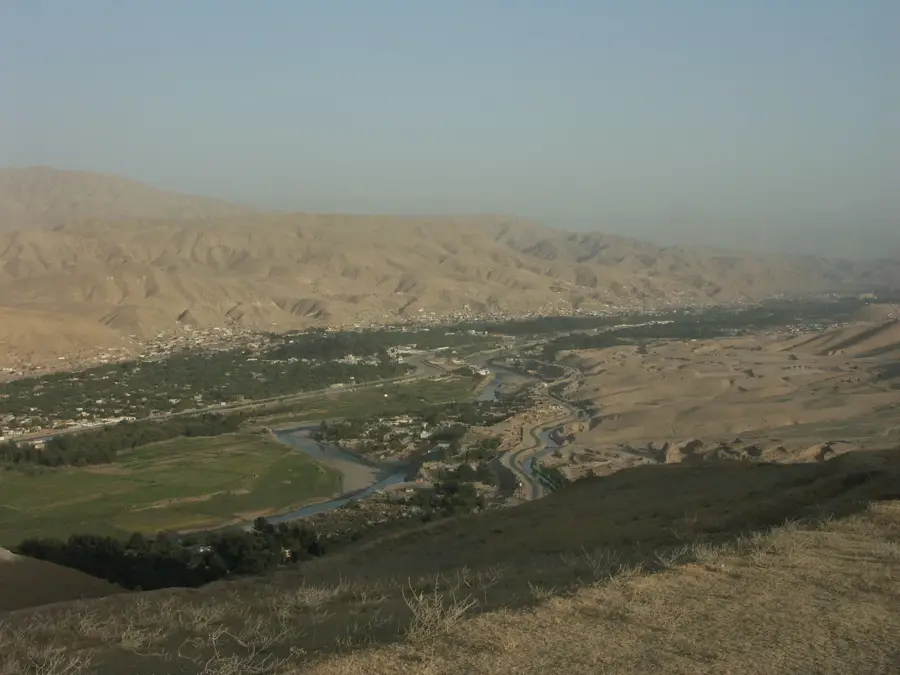
Aybak, the capital of Samangan Province in northern Afghanistan, is a city steeped in ancient history and archaeological wonder. It is most famous for the Takht-e Rostam, a spectacular Buddhist stupa complex dating back to the 4th and 5th centuries AD. Unlike traditional stupas, this structure was entirely carved out of the solid rock of a hilltop, showcasing the incredible craftsmanship of the pre-Islamic era. Located in a fertile valley at the base of the Hindu Kush mountains, Aybak served as a major trade node on the ancient Silk Road, connecting the plains of Bactria with the Indian subcontinent. Today, the city is an essential agricultural center, world-renowned for its high-quality almonds, which are a primary export for the province. The local economy is also supported by the cultivation of wheat, pomegranates, and cotton, aided by irrigation from the Khulm River. The demographic profile is diverse, consisting of Tajiks, Uzbeks, and Pashtuns, contributing to an animated bazaar culture where traditional crafts like carpet weaving are still practiced. Geographically, the area is marked by dramatic limestone cliffs and deep gorges, housing numerous caves that once served as Buddhist monasteries and hermitages. Aybak occupies a strategic location on the main highway connecting Kabul to Mazar-e Sharif, ensuring its continued importance as a logistical and commercial hub. Despite the region's turbulent history, the city has maintained its role as a provincial administrative heart, with ongoing efforts to improve infrastructure and education. The local folklore, heavily influenced by the legends of the Persian hero Rostam, adds a layer of cultural richness that makes Aybak one of Afghanistan's most intriguing historical destinations.
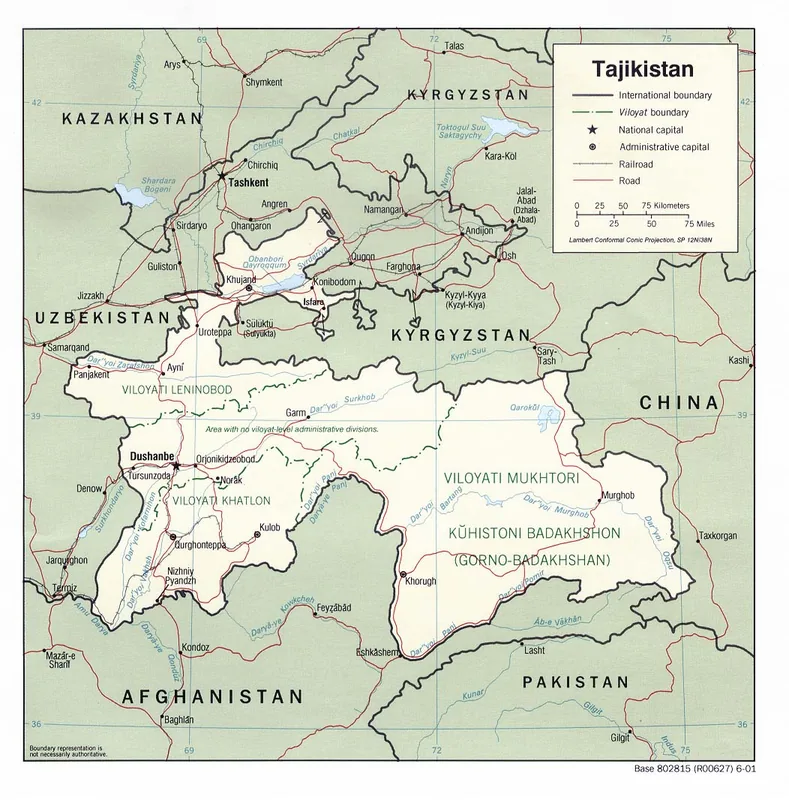
- Location: Afghanistan
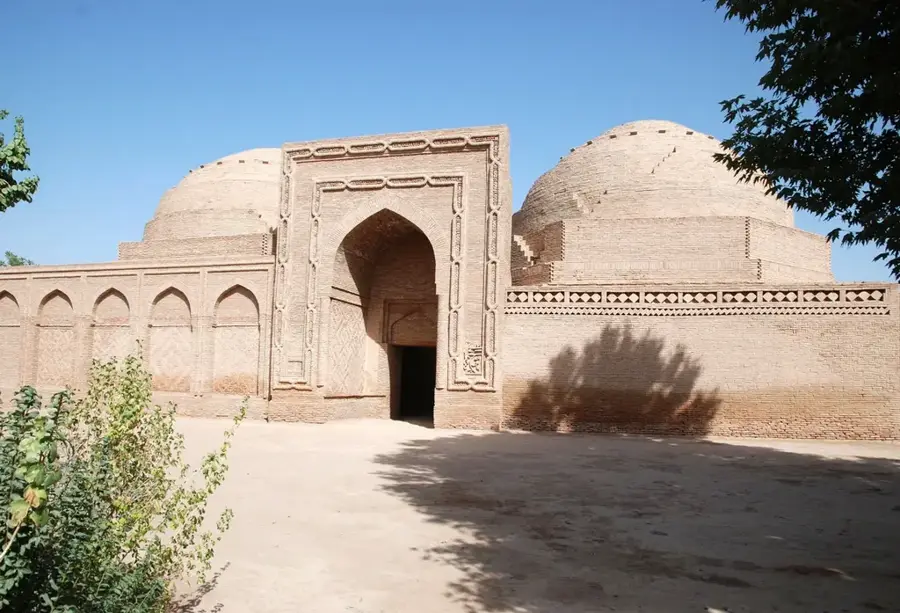
- Top sights: Mosque · Karta-e Sulh Mosque · Ahmad Khan therm
- Population: ~47.823 (2026)
Best time to visit & climate
The most pleasant time to visit is May, Sep, Oct.
| Jan | Feb | Mar | Apr | May | Jun | Jul | Aug | Sep | Oct | Nov | Dec | |
|---|---|---|---|---|---|---|---|---|---|---|---|---|
| Avg °C | 4 | 5 | 12 | 17 | 23 | 27 | 29 | 28 | 23 | 17 | 10 | 5 |
| Rain mm | 26 | 36 | 30 | 23 | 12 | 2 | 0 | 0 | 1 | 4 | 25 | 22 |
Geography
Facts
- Takht-e Rostam is a unique Buddhist stupa carved from a single rock.
- The city of Aybak is situated at an elevation of 960 meters.
- Samangan Province is famous for producing high-grade almonds.
- Aybak was a key stop for merchants on the historical Silk Road.
- The city is located on the primary highway linking Kabul and Mazar-e Sharif.
- The stupa at Takht-e Rostam is approximately 28 meters in diameter.
- Archaeological evidence suggests the area was inhabited for millennia.
- Local markets are known for livestock, dried fruits, and grain.
Explore nearby
Notable places around
Route planner — Car & Motorhome
Where do you start? We build the route here, with stops and country notes along the way.
© OpenStreetMap contributors · OpenRouteService
Sights in the town Aybak (3)
Frequently asked questions
What is Aybak known for?
Are there historical sites?
How is the travel?
When should one visit Aybak?
Is a guide recommended?
Aybak: where is it located?
Aybak: what is there to see?
Aybak: when is the best time to visit?
Aybak: why is it worth visiting?

Nearby cities
History & landmarks
Nature
More places