Plizio Visual Lab

Tigrovaya Balka Nature Reserve
Plizio editorial teamData Sources
national-park
—°
Tigrovaya Balka Nature Reserve (Tajikistan)

Weather…

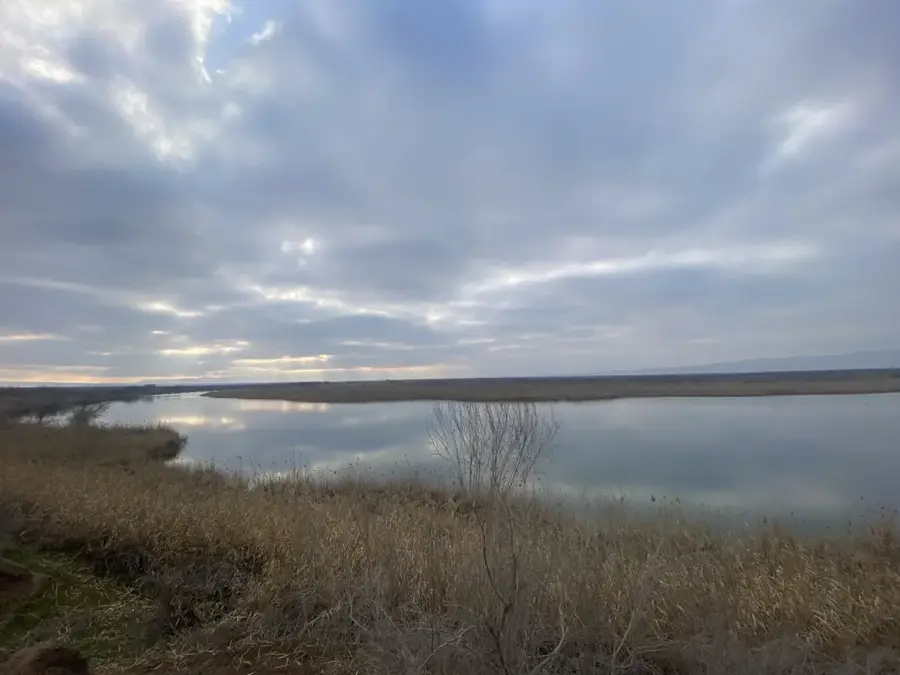
Tigrovaya Balka is one of the oldest and most significant nature reserves in Tajikistan, established in 1938 in the delta of the Vakhsh River. Its name means 'Tiger Valley,' commemorating the era when the Caspian tiger inhabited the region, although it has been extinct here since the 1950s. The reserve protects the world's largest contiguous area of Tugai forests, a unique ecosystem of gallery forests found within desert river valleys. Beyond the Tugai, the area encompasses desert landscapes, lakes, and vast reed beds. It serves as a vital sanctuary for endangered species such as the Bukhara deer, the Tajik pheasant, and various rare birds of prey. Due to its exceptional ecological importance, the reserve was inscribed on the UNESCO World Heritage list in 2023. Summer temperatures in the area can soar above 45 degrees Celsius, demanding highly resilient flora and fauna.

Best time to visit & climate

The most pleasant time to visit is Apr, Sep, Oct.

JanFebMarAprMayJunJulAugSepOctNovDec
Avg °C571420263133312619116
Rain mm2942363016410052626

📋 Practical info

🧭
Getting there
Located in the southern part of the country near the border, this reserve is typically accessed by road from the capital, Dushanbe. Hiring a local driver with a reliable vehicle is often the most practical way to reach the entrance safely.
📅
Best season
Spring and early autumn are generally the best seasons for visiting, offering more moderate temperatures and spirited natural landscapes. Summers can be excessively hot in this lowland region, while winter months often bring colder, less predictable weather conditions.
⛰️
Terrain & paths
The unique tugai environment consists of dense thickets, river channels, and floodplains that create a complex and fascinating ecosystem. Exploring the area involves walking on mostly flat but often overgrown or muddy paths, depending on recent water levels.
🎒
What to bring
Sturdy waterproof footwear is highly recommended to handle potential mud and uneven ground near the river ecosystems. Carrying effective insect repellent, adequate hydration, and sun protection is essential for comfort during your entire visit.
🅿️
Parking
Facilities are quite basic, and vehicles are normally left near the reserve headquarters or small adjacent settlements under local supervision. It is advisable to coordinate parking logistics in advance with your guide or the transportation provider you have arranged.
⚠️
Safety
Although the historic Caspian tiger is extinct, other wildlife such as wild boars and reptiles are present, so visitors should stay alert. Exploring with an experienced local guide is strongly recommended to navigate the dense brush safely and avoid getting lost.
⏱️
Time needed
A full day trip is typically sufficient to explore the primary trails and experience the distinctive atmosphere of the riverine forests. Those deeply interested in ornithology or specific wildlife observation might prefer to arrange a longer stay if accommodations permit.

Geography

Coordinates
37.16670, 68.38330

Facts

  • The reserve was officially established on November 4, 1938.
  • The last sighting of a Caspian tiger in the area was in 1954.
  • The protected area covers approximately 49,700 hectares.
  • It contains the largest intact Tugai forest ecosystem in the world.
  • The site was added to the UNESCO World Heritage list in 2023.
  • The Bukhara deer is one of the most iconic species protected here.

Explore nearby

Notable places around
Route planner — Car & Motorhome

Where do you start? We build the route here, with stops and country notes along the way.

Vehicle
Only stops with (optional):

© OpenStreetMap contributors · OpenRouteService

Sights nearby

Frequently asked questions

What makes the reserve special?
It is famous for its unique riparian landscape and rare animal species.
Can the reserve be visited freely?
No, a visit is permitted only with a guide or permit.
Which animals are there?
One can find there, among others, rare deer and rich birdlife.
Is there a visitor center?
There are limited facilities for visitors, prior planning is important.
What is the best season?
Spring is handy for animal observation.
Tigrovaya Balka Nature Reserve: where is it located?
Tigrovaya Balka Nature Reserve is located in Tajikistan.
Tigrovaya Balka Nature Reserve: when is the best time to visit?
The most pleasant time to visit is Apr, Sep, Oct.
Tigrovaya Balka Nature Reserve: why is it worth visiting?

Tigrovaya Balka is one of the oldest and most significant nature reserves in Tajikistan, established in 1938 in the delta of the Vakhsh River.
View on map → The Top 50 Attractions → OpenStreetMap →
Asia
Explore with Plizio Discover more places in Asia
More places in Tajikistan →

Nearby cities

History & landmarks
Nature
More places