Plizio Visual Lab

Jirisan National Park
Plizio editorial teamData Sources
wildlife-area
—°5
Jirisan National Park (South Korea)

Weather…

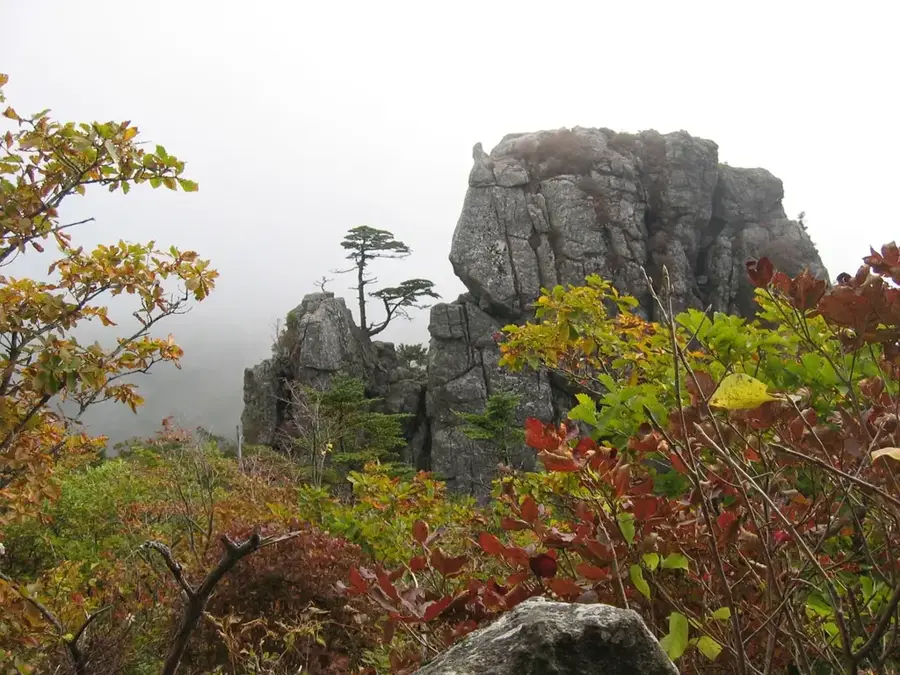
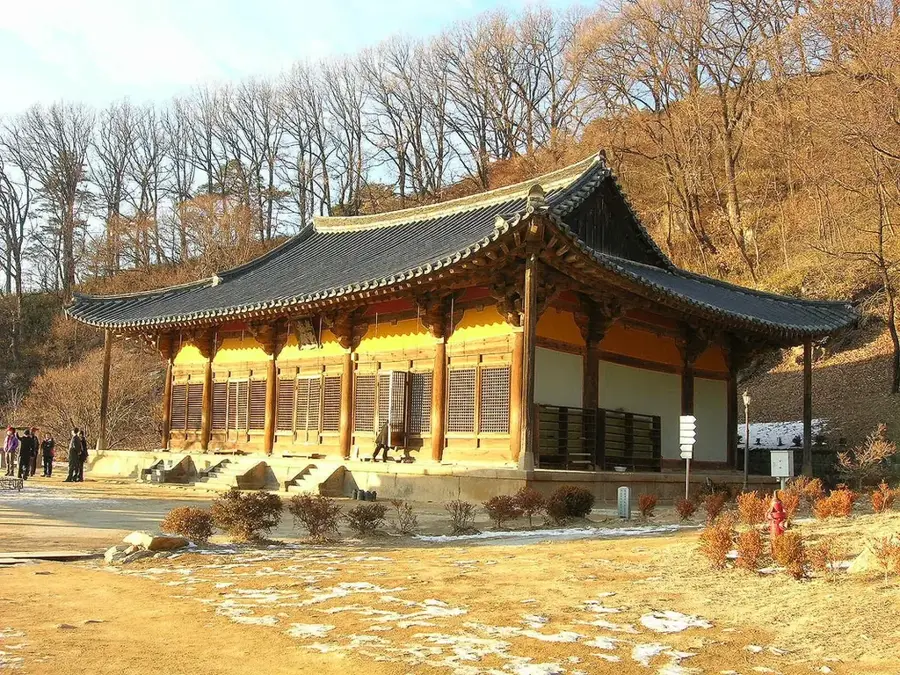
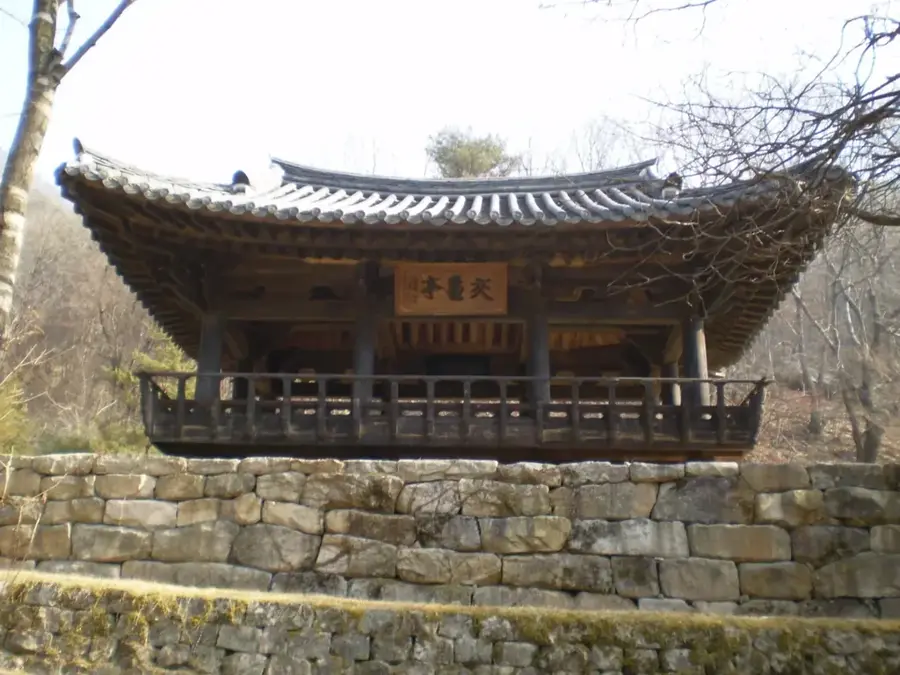
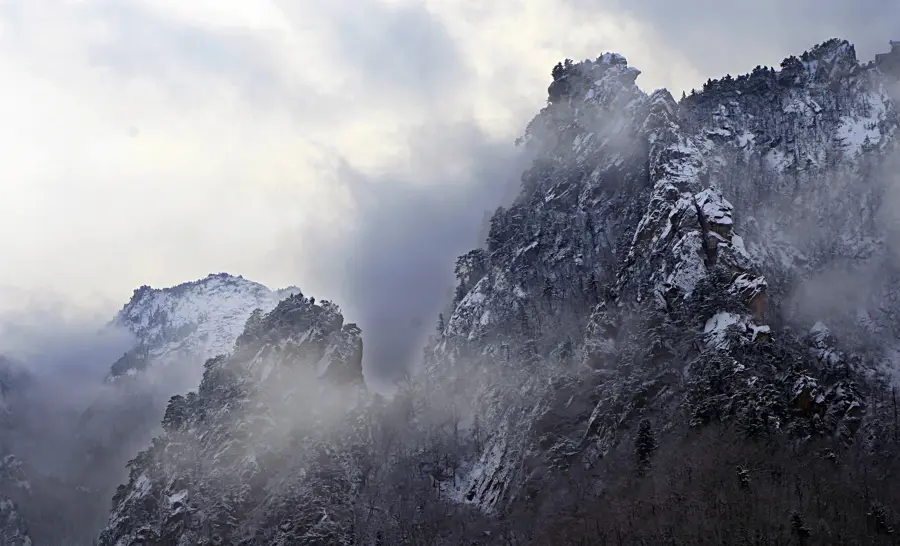
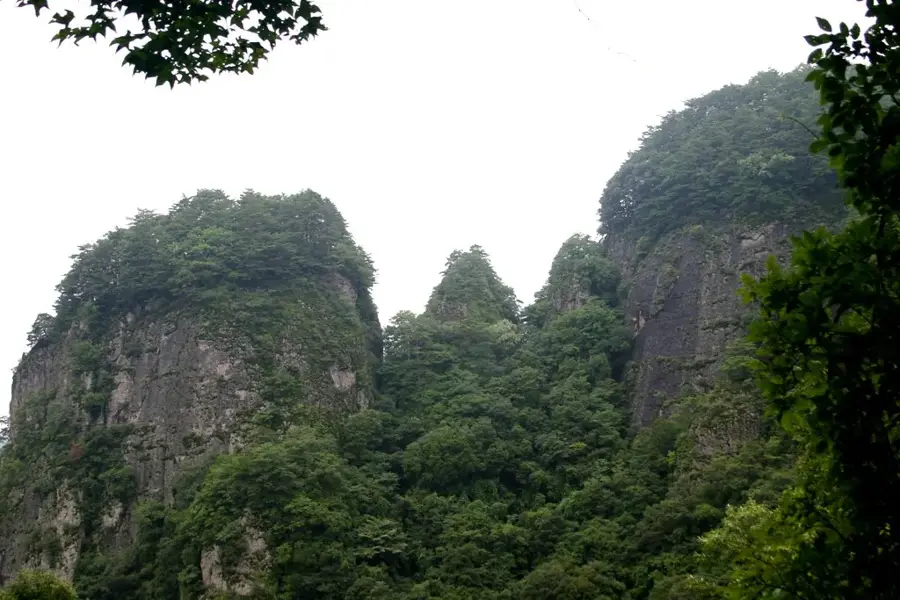
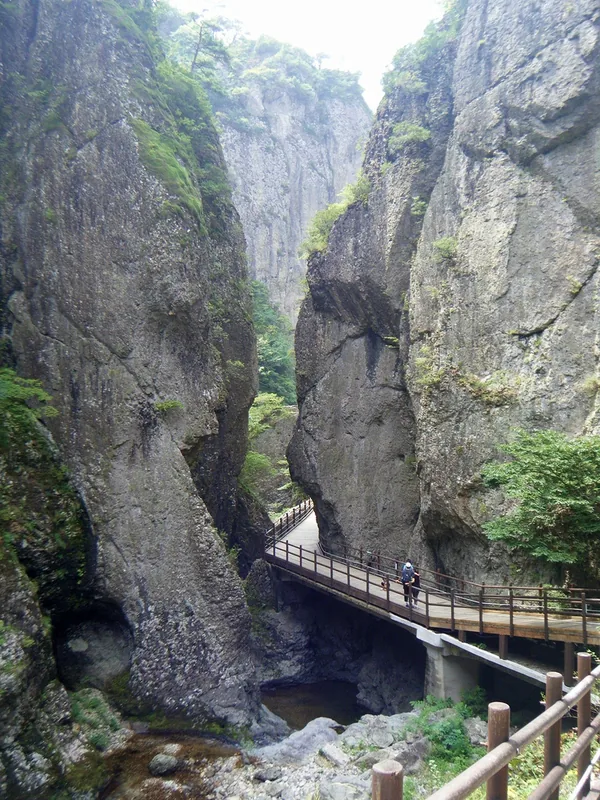
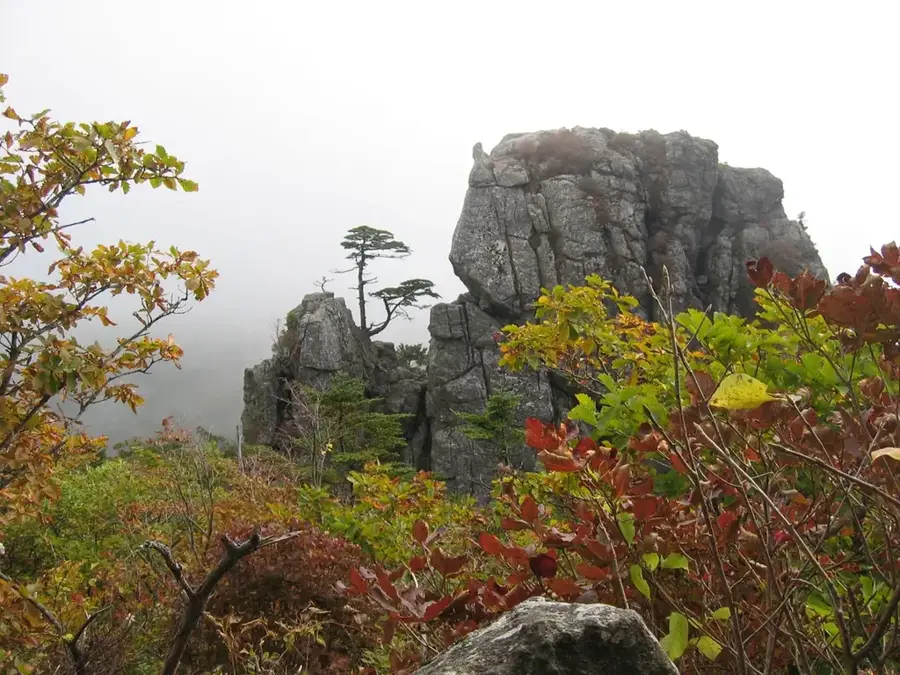
Jirisan National Park in southern South Korea was designated in 1967 as the country's first national park and remains its largest terrestrial park, covering 471 square kilometers. Spanning across three provinces, it features Cheonwangbong, the second-highest peak in South Korea at 1,915 meters. The ecological significance of the park is vast, as it hosts over 1,500 plant species and 50 mammal species, including the unique Jirisan fir and the endangered Asiatic black bear, which is protected through a dedicated restoration program. Culturally, Jirisan is deeply embedded in the Korean identity, housing prominent Buddhist temples such as Hwaeomsa, established as early as 544. The extensive hiking trail network, spanning over 300 kilometers and including the legendary Baekdudaegan ridge trail, attracts approximately three million nature enthusiasts annually. The park is often regarded as a site for spiritual rejuvenation, offering spectacular vistas of sea-of-clouds phenomena and rugged cliffs that captivate hikers from around the globe throughout the year.

Best time to visit & climate

The most pleasant time to visit is May, Jun, Sep.

JanFebMarAprMayJunJulAugSepOctNovDec
Avg °C-3-14101621232419126-1
Rain mm28435898100146307270144614532

📋 Practical info

📅
Best season
Spring and autumn are typically the best seasons to observe the diverse flora and fauna in South Korea's largest national park. The mild temperatures encourage animal movement.
🌅
Best time of day
Early morning or late afternoon hours provide the highest chances for spotting wildlife along the trails. Many animals, including Asiatic black bears, are generally more active during these cooler periods.
📜
Etiquette
Maintain a respectful distance from any wildlife encountered and never attempt to feed them. Since this area is a habitat for bears, it is essential to stay on marked trails and follow all official safety guidelines.
🎒
What to bring
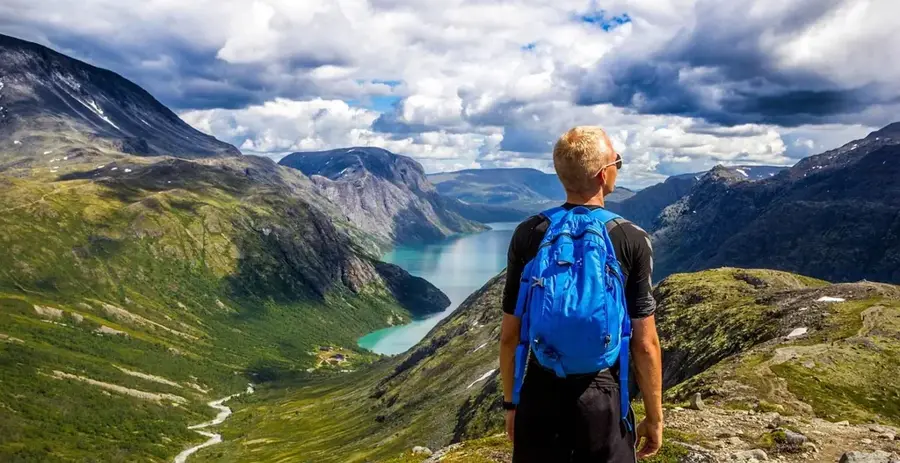
Sturdy hiking boots are highly recommended due to the vast and sometimes rugged terrain of this mountainous park. Bringing binoculars will greatly enhance your ability to safely observe wildlife from a distance.
🧭
Getting there
The national park spans a large area and is usually accessible from several distinct entrance gates across different provinces. Most visitors typically arrive by bus or car from nearby major South Korean cities before beginning their hike.
🦌
What to expect
Spotting large mammals like the Asiatic black bear is extremely rare and requires exceptional luck. Enjoy the diverse flora and smaller woodland creatures while traversing the extensive trails, managing your wildlife expectations realistically.

Geography

Coordinates
35.33700, 127.57500

Facts

  • Designated as Korea's first national park in 1967.
  • The total land area of the park is 471.75 km².
  • The peak of Cheonwangbong reaches 1,915 meters in height.
  • Home to more than 1,500 distinct plant species.
  • Over 300 km of marked hiking trails are available for use.
  • Hwaeomsa Temple within the park was founded in 544 AD.

Explore nearby

Notable places around

Route planner — Car & Motorhome

Where do you start? We build the route here, with stops and country notes along the way.

Vehicle
Only stops with (optional):

© OpenStreetMap contributors · OpenRouteService

Sights in the town Jirisan National Park (5)

Nogodangwangwang Hot Spring🎡 recreation

A thermal hot spring at the base of Nogodan peak, well-suited for recovery after a long mountain hike.

Maeaebulsanggun🌿 nature

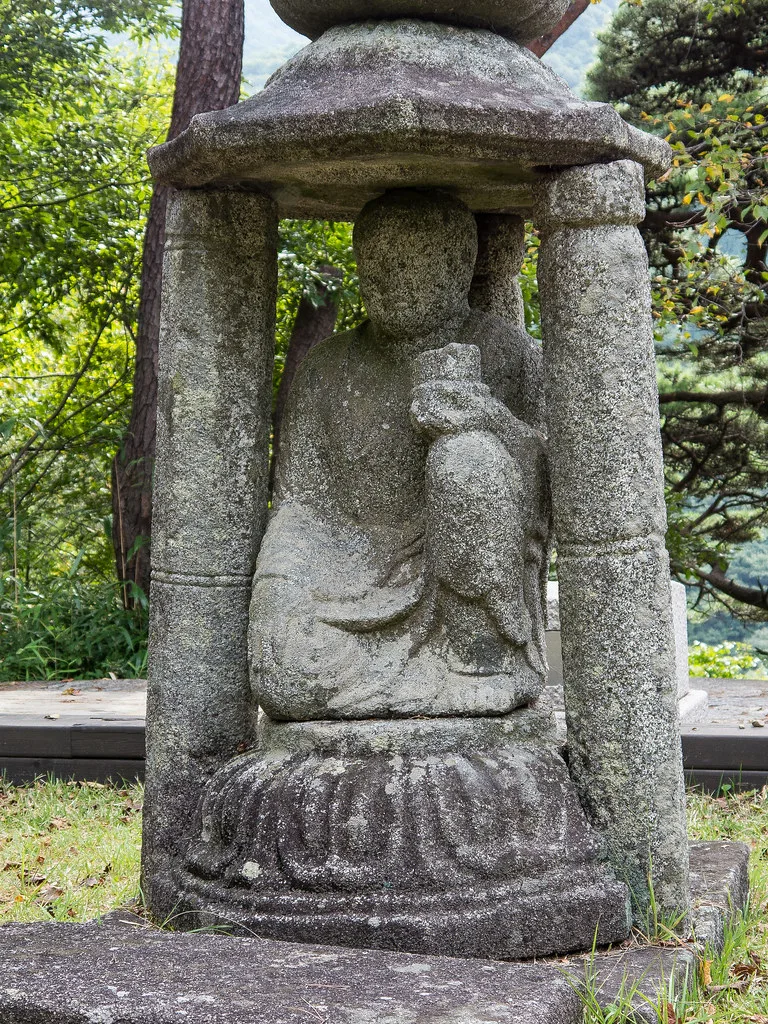
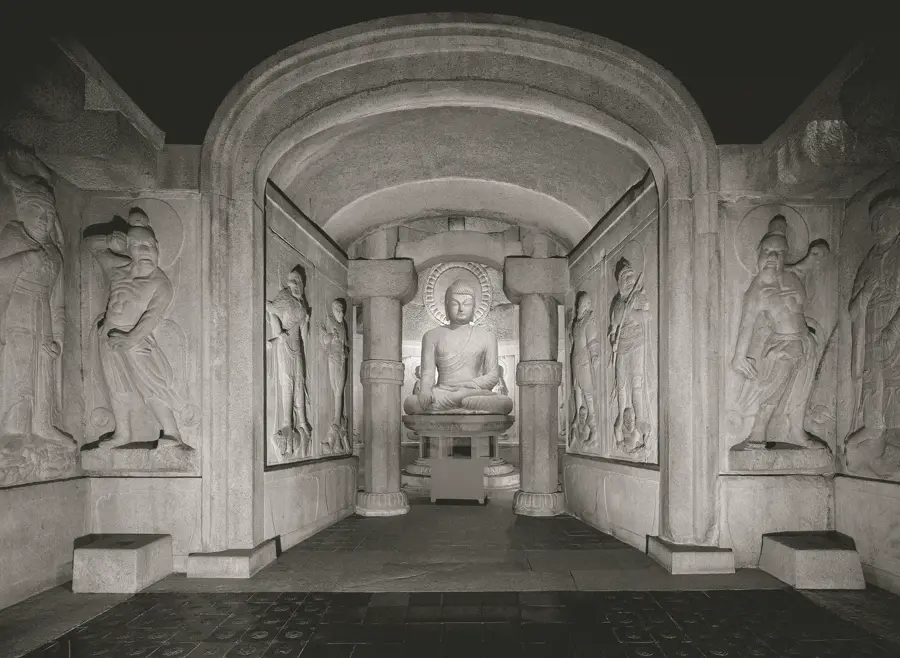
This site gives a view of ancient Buddhist reliefs carved directly into the rock face along the mountain trail.

Sangseonam📍 landmark

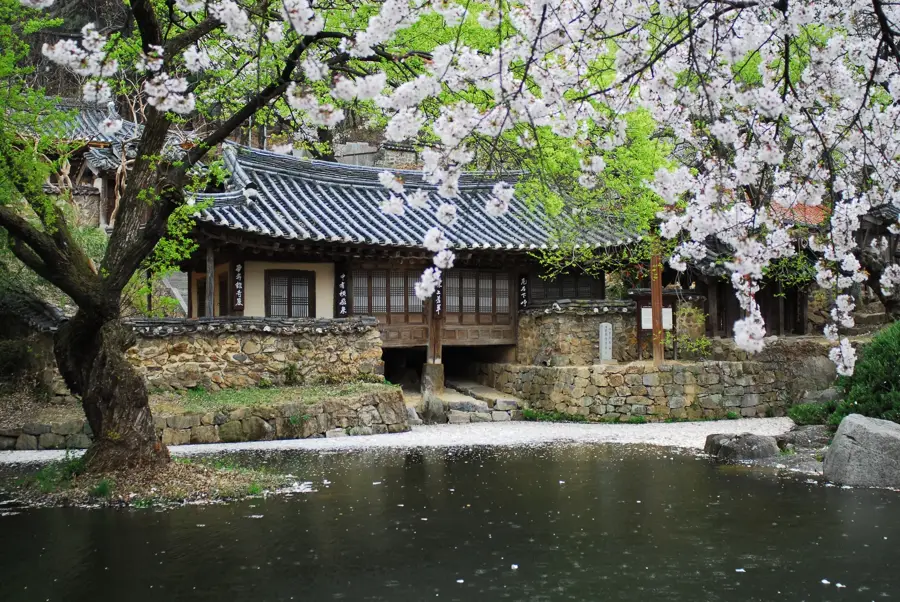
A small Buddhist hermitage picturesquely built onto the slopes of the Jirisan mountains.

Ubeondae📍 landmark

A sacred mountain site known for its impressive rock formations and Buddhist prayer halls.

Yeongwonsa📍 landmark

This ancient temple is located deep within the forests and is a significant site for the Korean Seon tradition.

Sights nearby

Frequently asked questions

How large is Jirisan National Park?
It is South Korea's largest continental national park, spanning across three provinces.
Can you stay overnight in the park?
Yes, in mountain shelters, but these must be booked online in advance.
How difficult are the hiking trails?
There are trails of all difficulty levels, but the ascent to the peak is demanding.
What is the name of the highest peak?
The highest point is Cheonwangbong, with a height of 1,915 meters.
What wildlife is there?
The park is known for the Asiatic black bear reintroduction program.
Jirisan National Park: where is it located?
Jirisan National Park is located in South Korea.
Jirisan National Park: what is there to see?
Highlights include Nogodangwangwang Hot Spring, Maeaebulsanggun, Sangseonam.
Jirisan National Park: when is the best time to visit?
The most pleasant time to visit is May, Jun, Sep.
Jirisan National Park: why is it worth visiting?

Jirisan National Park in southern South Korea was designated in 1967 as the country's first national park and remains its largest terrestrial park, covering 471 square kilometers.
View on map → The Top 50 Attractions → OpenStreetMap →
Asia
Explore with Plizio Discover more places in Asia
More places in South Korea →

Nearby cities

History & landmarks
Nature
More places