Plizio Visual Lab
Gwangyang
ℹ️Practical info — Gwangyang
▾
🌤 Weather — 5 days
📍 Nearby
Sights nearby
💡 Tips
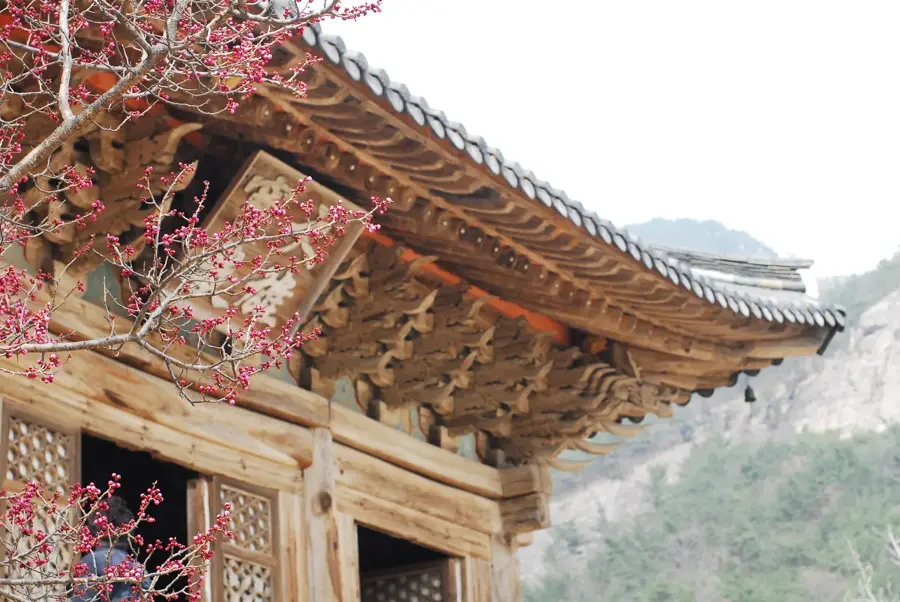
- Time your visit for mid-March if you want to see the spectacular Gwangyang Maehwa (Plum Blossom) Festival, but expect heavy crowds.
- Renting a car is highly recommended here, as public transport to scenic coastal and mountain spots is infrequent.
- Check in advance if the Gwangyang Steelworks gives public tours during your visit, as it's a massive and impressive industrial site.
- Air quality can occasionally drop due to heavy industry, so checking a local AQI app is a good idea.
🍽 Food
Unlike standard bulgogi, this local version is thinly sliced and grilled directly over charcoal; head to the Gwangyang Bulgogi Street.
Try plum ice cream, plum tea, or maesil makgeolli around the Maehwa Village area.
Enjoy raw fish and grilled shellfish at restaurants near the Gwangyang Port area.
🛍 Shopping · 🧘 Quiet spots
Buy locally produced plum syrups and liquors directly from farms around the Maehwa Village.
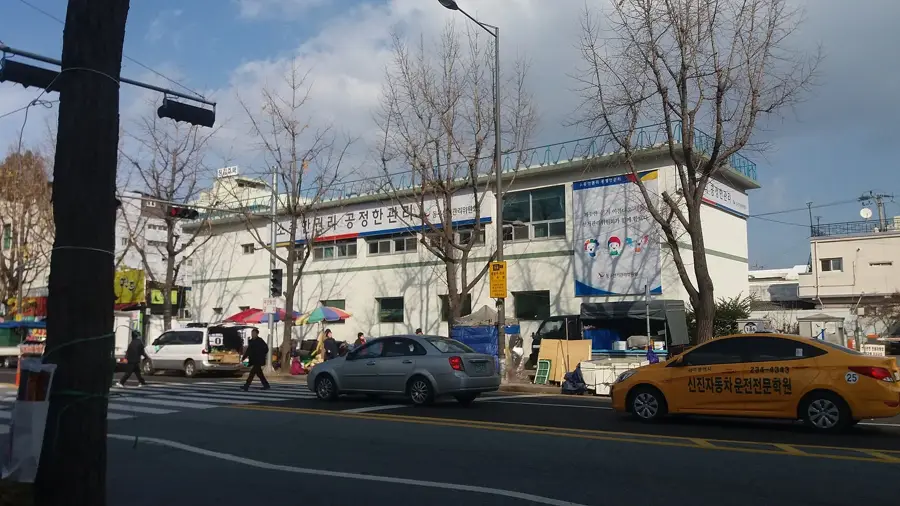
A traditional market to experience local daily life, buy fresh seafood, and try local snacks.
Rent a bike or walk along this incredibly scenic and peaceful river route.
Features calm forest trails and healing walks in nature, far from the industrial zone.
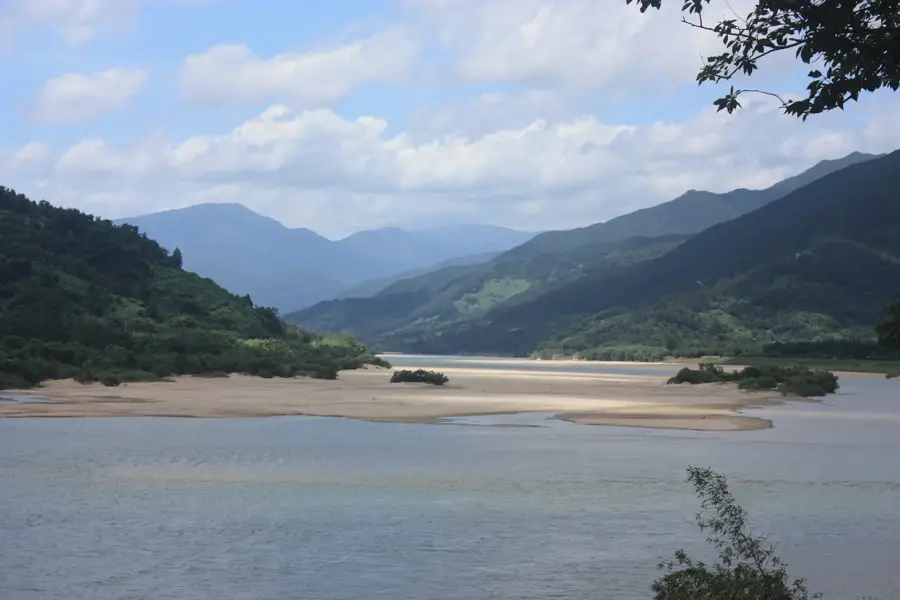
A quieter hike yielding fantastic panoramic views of the Seomjingang River meeting the sea.
Water temperature…
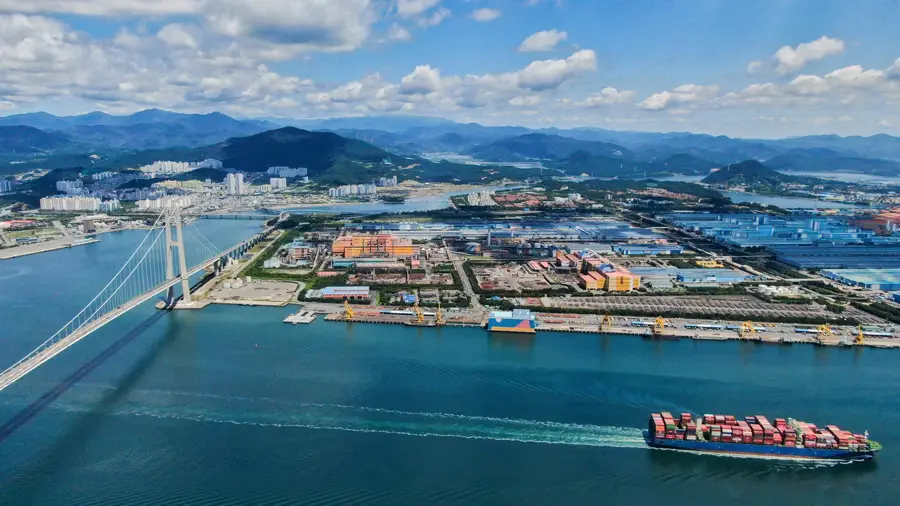
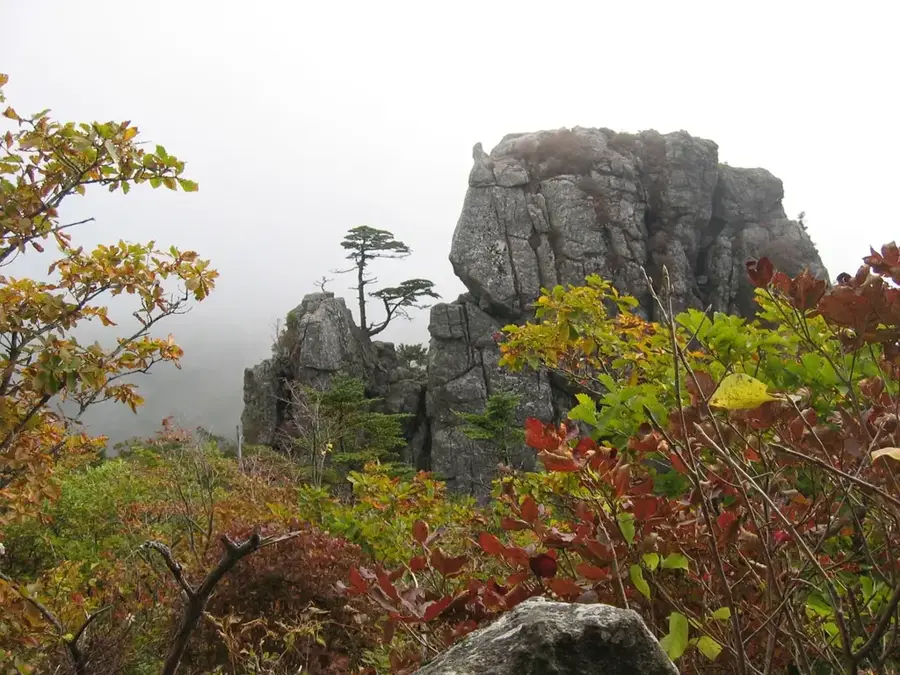
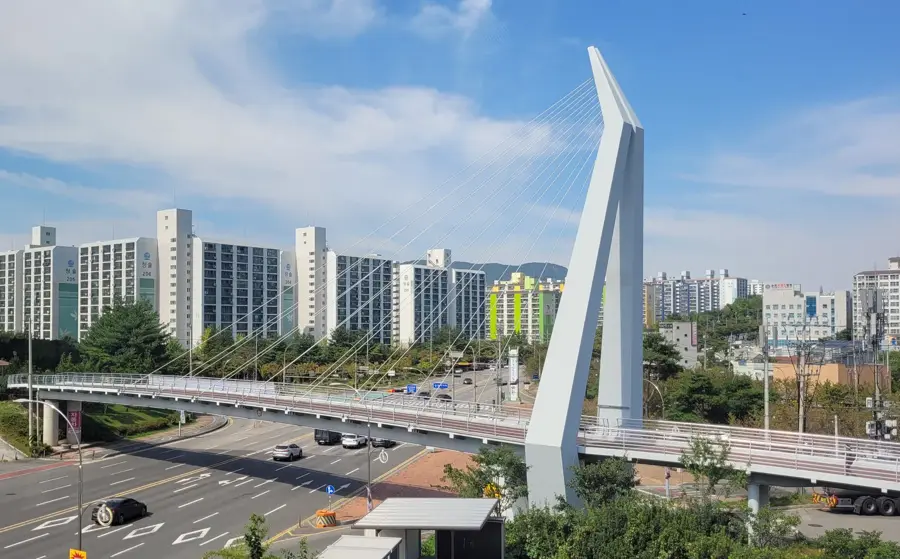
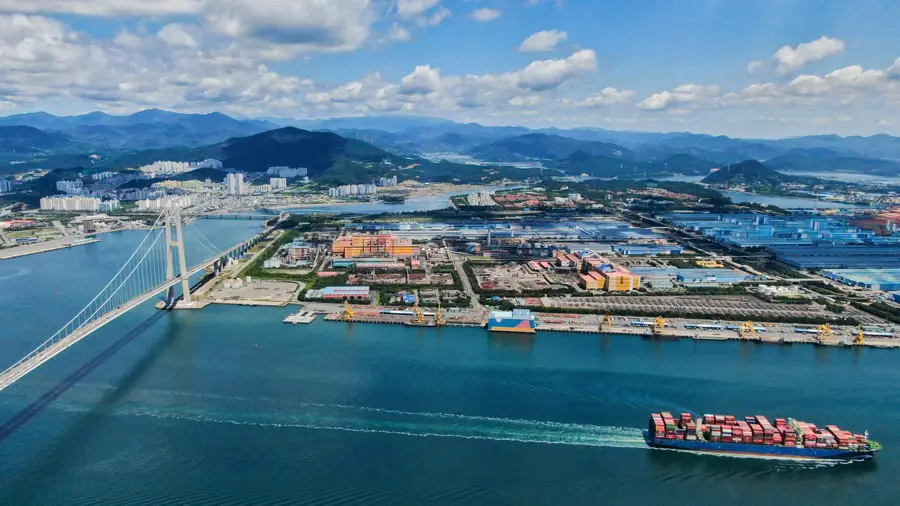
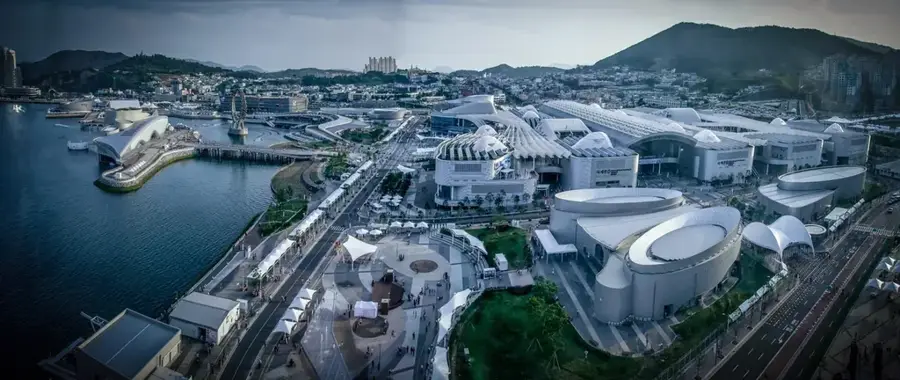
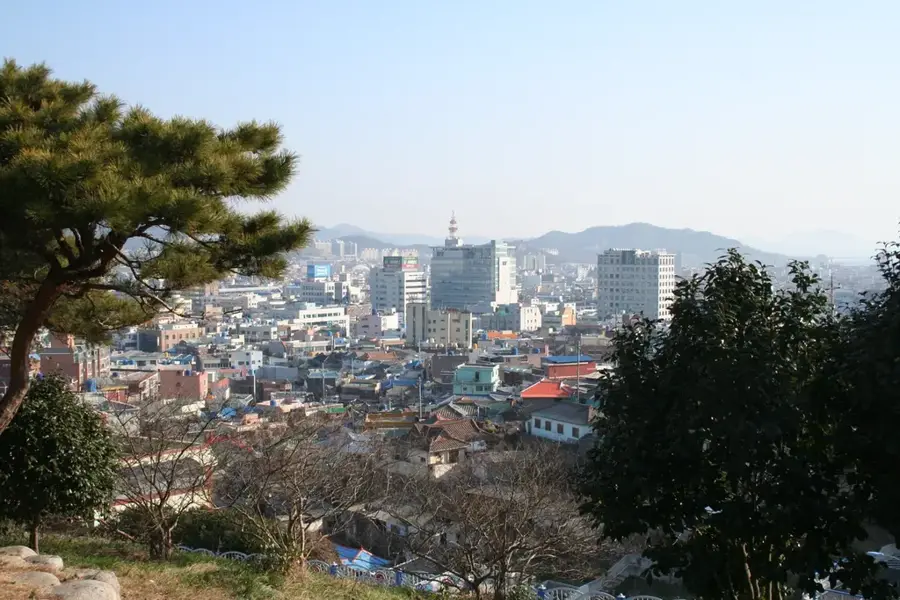
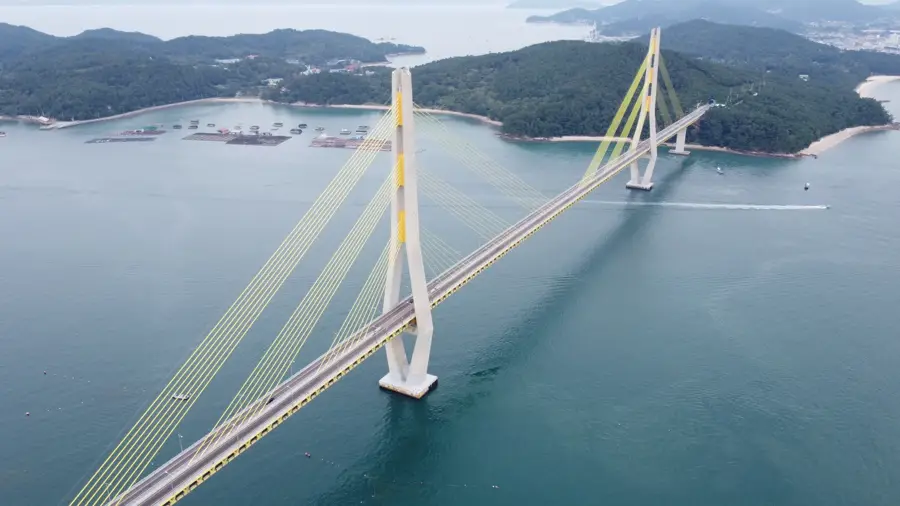
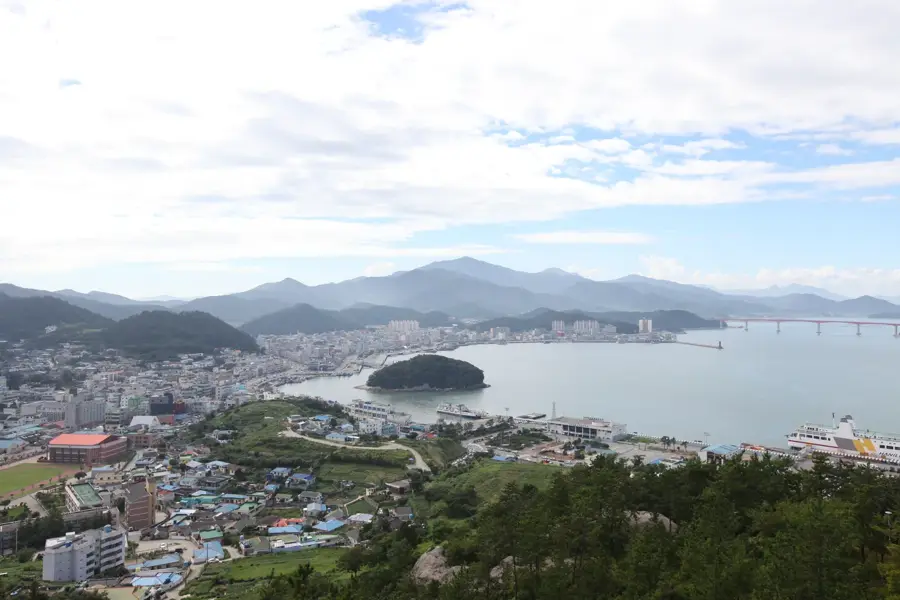
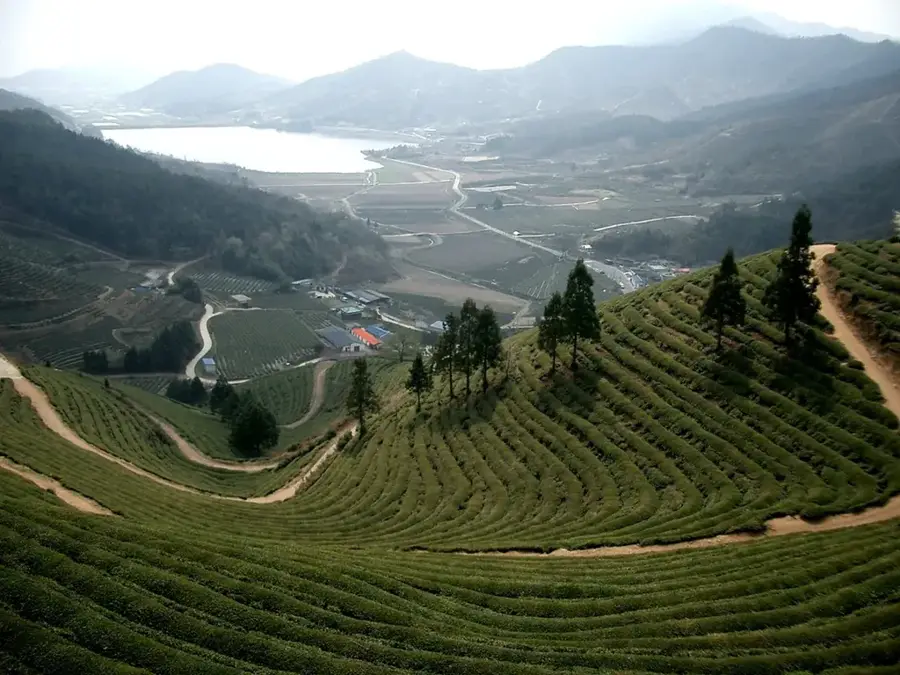
Gwangyang is located on the southern coast of Jeollanam-do province and stands as a globally significant center for heavy industry and logistics. The city is home to POSCO's Gwangyang Steelworks, recognized as one of the most productive and technologically advanced steel mills in the world. Alongside its massive container port, the city serves as a primary pillar of South Korea's export-driven economy. However, Gwangyang also provides striking natural contrasts: Baegunsan Mountain dominates the inland area and is celebrated for its rich biodiversity. Every spring, the Maehwa Village attracts thousands of tourists when the plum blossoms transform the landscape into a vast sea of white. The city thus integrates extreme industrial efficiency with traditional festivals and natural beauty along Gwangyang Bay, showcasing a unique duality.
- Location: South Korea
- Top sights: Gayasan Mt. · Madong Neighborhood Sports Park · Gwangyang Bay Observatory Rest Area
- Nearby: Hadong (11 km)
- Population: ~154.266 (2025)
Best time to visit & climate
The most pleasant time to visit is Jun, Sep, Oct.
| Jan | Feb | Mar | Apr | May | Jun | Jul | Aug | Sep | Oct | Nov | Dec | |
|---|---|---|---|---|---|---|---|---|---|---|---|---|
| Avg °C | -1 | 1 | 5 | 11 | 17 | 21 | 24 | 25 | 20 | 14 | 7 | 1 |
| Rain mm | 29 | 48 | 69 | 114 | 119 | 164 | 295 | 264 | 157 | 67 | 47 | 34 |
Geography
Facts
- The POSCO Gwangyang Steelworks is the largest integrated steel mill in the world by area.
- Gwangyang Port is one of the most significant container hubs in Northeast Asia.
- The Gwangyang Maehwa Festival is a premier spring flower festival in Korea.
- Baegunsan Mountain reaches a peak elevation of 1,222 meters.
- The city is famous for its local culinary specialty, Gwangyang-style bulgogi.
- Gwangyang was officially incorporated as a city in 1989.
Explore nearby
Notable places around

Route planner — Car & Motorhome
Where do you start? We build the route here, with stops and country notes along the way.
© OpenStreetMap contributors · OpenRouteService
Sights in the town Gwangyang (4)
Frequently asked questions
When is the best time to visit Gwangyang?
What is Gwangyang Bulgogi?
Is Gwangyang an industrial city?
What nature activities are available?
Is there a large port?
Gwangyang: where is it located?
Gwangyang: what is there to see?
Gwangyang: when is the best time to visit?
Gwangyang: why is it worth visiting?

Nearby cities

History & landmarks
Nature
More places