Plizio Visual Lab
Mungyeong
ℹ️Practical info — Mungyeong
▾
🌤 Weather — 5 days
📍 Nearby
Sights nearby
💡 Tips
- Wear sturdy shoes for walking the unpaved paths of Mungyeong Saejae; many locals like to walk it barefoot for health.
- Bring a reusable water bottle; there are natural spring water spots along the mountain trails.
- The Coal Museum gives a unique glimpse into the area's past, including actual old mining tunnels.
- Public buses to the provincial park run regularly from the central bus terminal, making a car unnecessary for the main sights.
🍽 Food
Medicinal Stone Pork: Pork from pigs fed on local mineral water, found at BBQ restaurants around the city.
Five-Flavor Berry: Try this local specialty as tea, juice, or even wine at cafes near Mungyeong Saejae.
Mountain Vegetable Rice: Enjoy bowls topped with fresh local mountain herbs near the park entrance.
🛍 Shopping · 🧘 Quiet spots
Purchase omija extract, tea, or wine from local vendors near the main tourist areas.
Mungyeong is famous for traditional Korean pottery; visit local kilns to buy unique tea sets.
Early mornings on this historic mountain pass are incredibly serene.
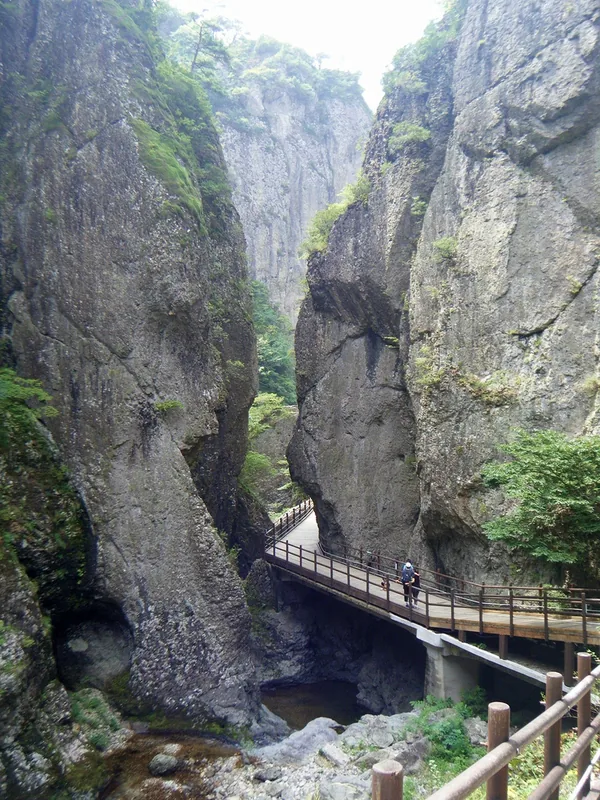
A scenic spot with cliffs and a winding river, first-rate for a peaceful rest.
Water temperature…
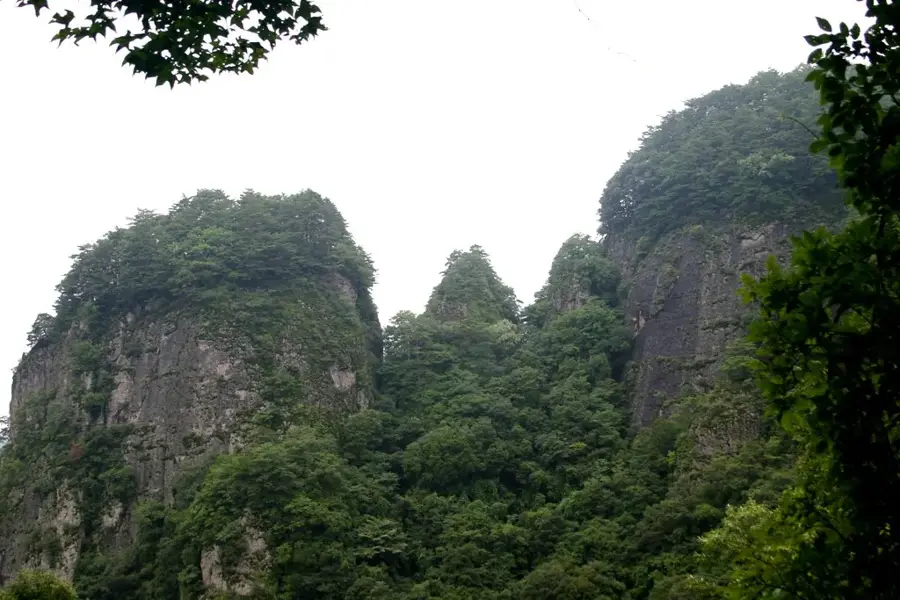
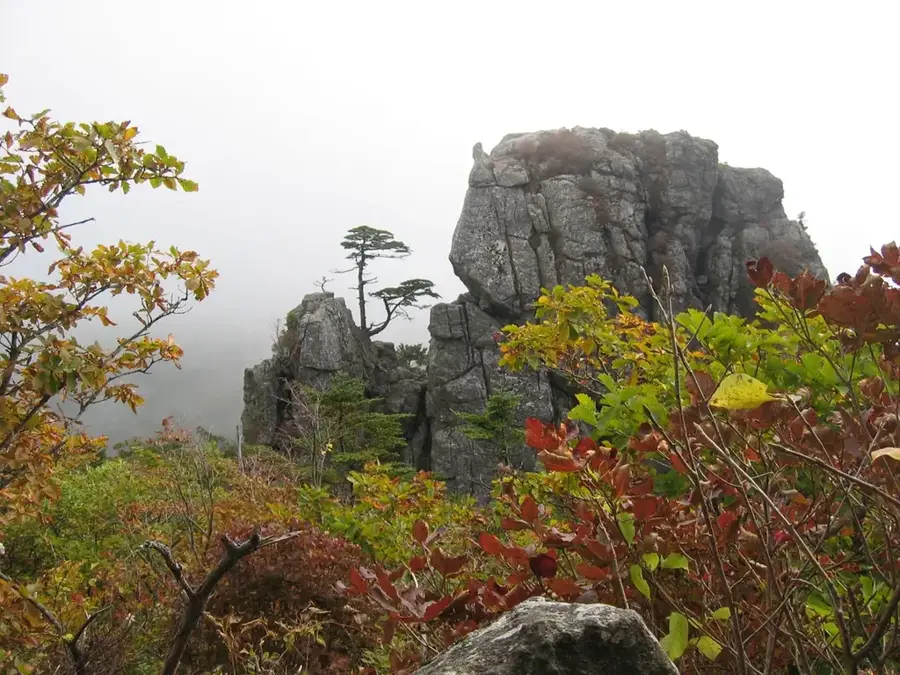
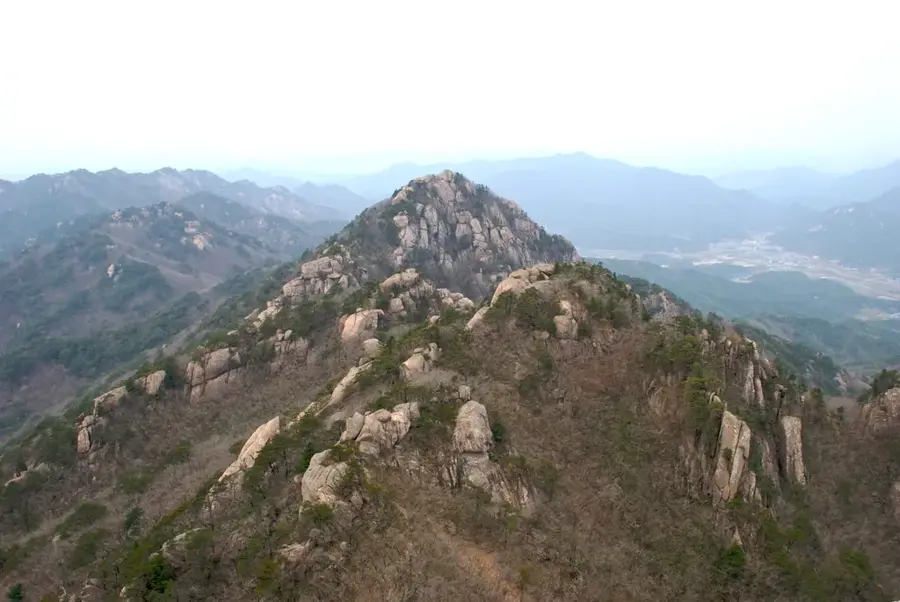
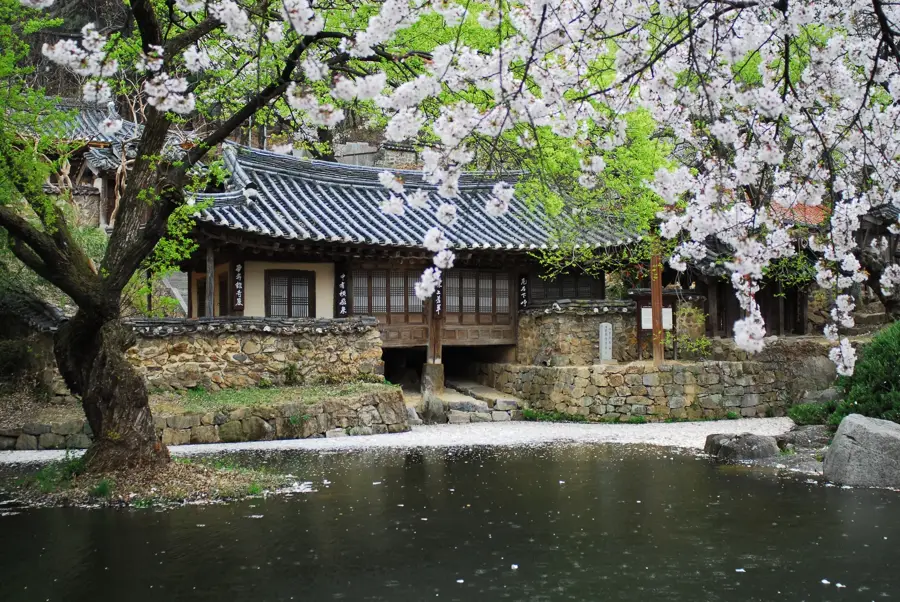
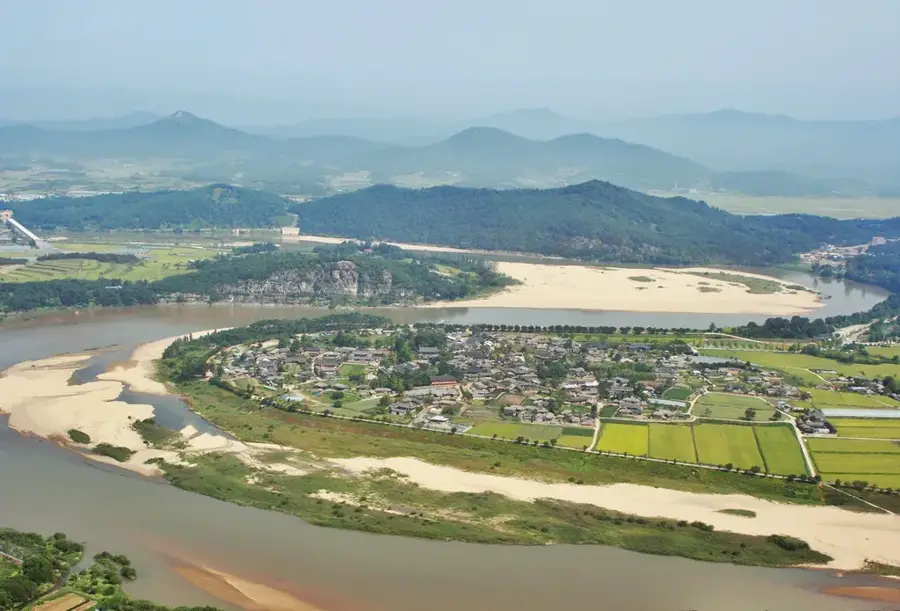
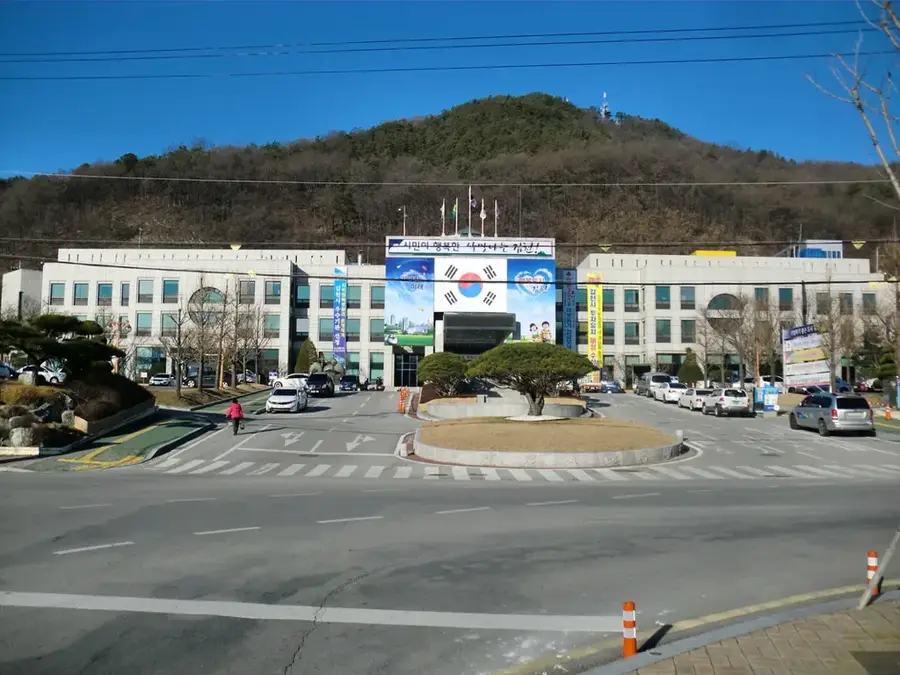
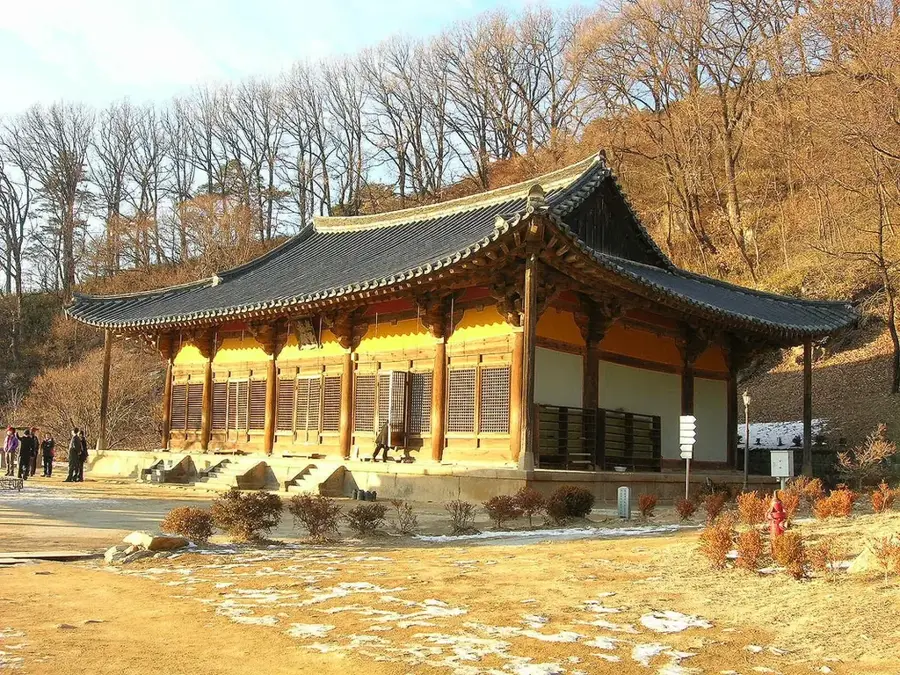
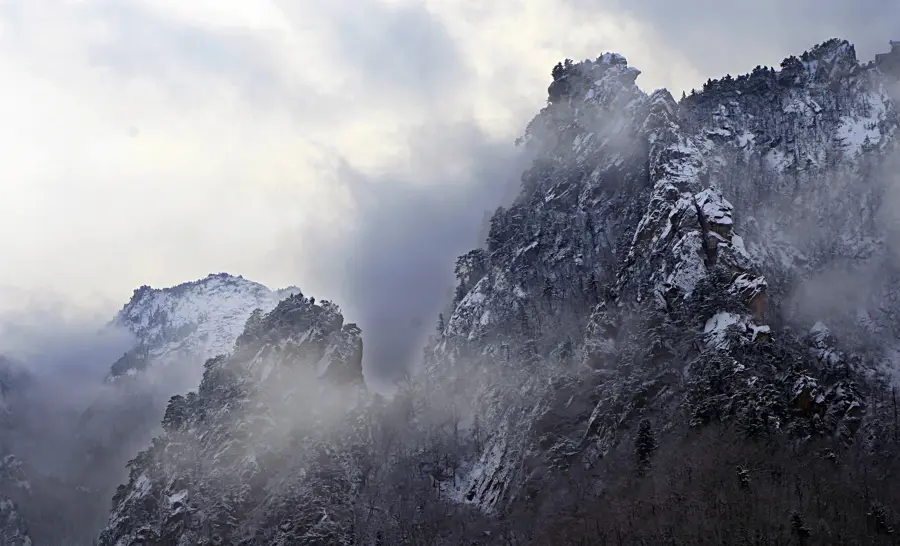
Mungyeong is located in northern Gyeongsangbuk-do province and is historically famous for the Mungyeong Saejae Pass. This strategic mountain pass was for centuries the most critical link between the southern Gyeongsang region and the capital city of Seoul. The city was once a major hub for coal mining, a history now preserved and showcased at the Mungyeong Coal Museum. Following the decline of the mining industry, Mungyeong successfully rebranded itself as a center for tourism and culture, with traditional ceramics playing a central role. The annual Tea Bowl Festival celebrates the high craftsmanship of local potters. The dramatic landscape, featuring rugged peaks like Juheungsan, makes Mungyeong a paradise for hikers and outdoor enthusiasts. Today, the city is defined by its legacy as a historical gateway and its new identity as a modern destination for leisure and heritage.
- Location: South Korea
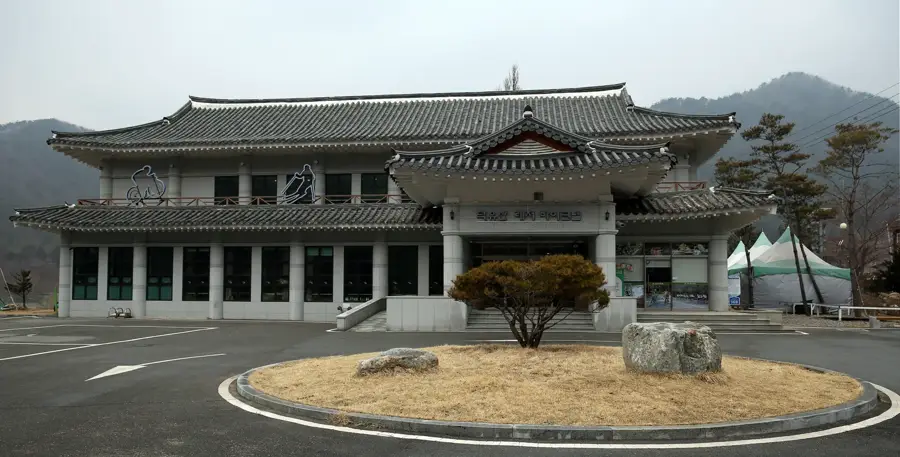
- Top sights: Murim Fork Exhibition Hall · This site
- Nearby: Danyang (33 km)
- Population: ~77.304 (2023)
Best time to visit & climate
The most pleasant time to visit is May, Jun, Sep.
| Jan | Feb | Mar | Apr | May | Jun | Jul | Aug | Sep | Oct | Nov | Dec | |
|---|---|---|---|---|---|---|---|---|---|---|---|---|
| Avg °C | -4 | -1 | 4 | 10 | 17 | 22 | 24 | 25 | 19 | 13 | 5 | -2 |
| Rain mm | 23 | 31 | 46 | 81 | 78 | 125 | 271 | 237 | 134 | 57 | 36 | 22 |
Geography
Facts
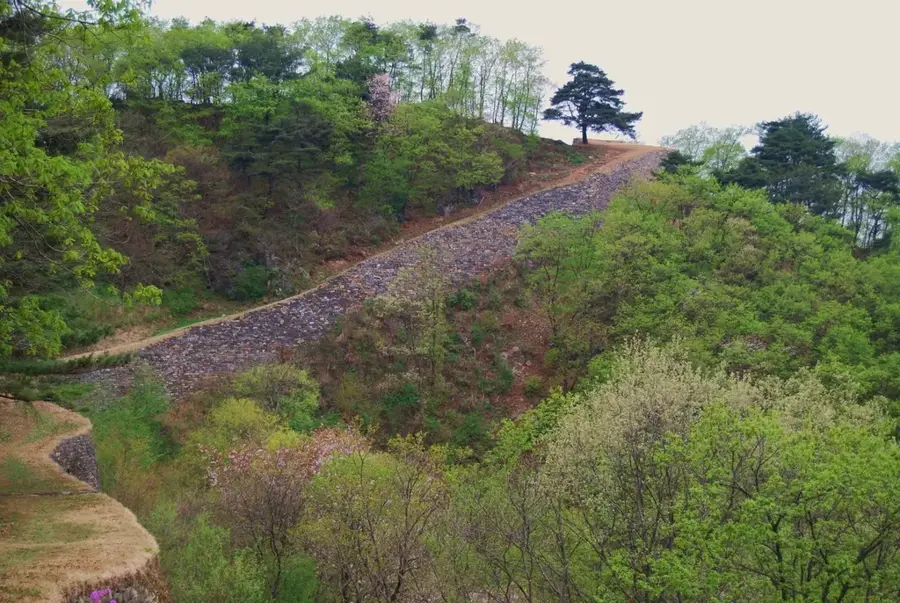
- The Mungyeong Saejae Pass features three grand historical fortress gates.
- The Mungyeong Coal Museum is built on the site of a former coal mine.
- The city is a leading producer of omija (five-flavor berry) in Korea.
- The Mungyeong Traditional Chasabal (Tea Bowl) Festival is held every May.
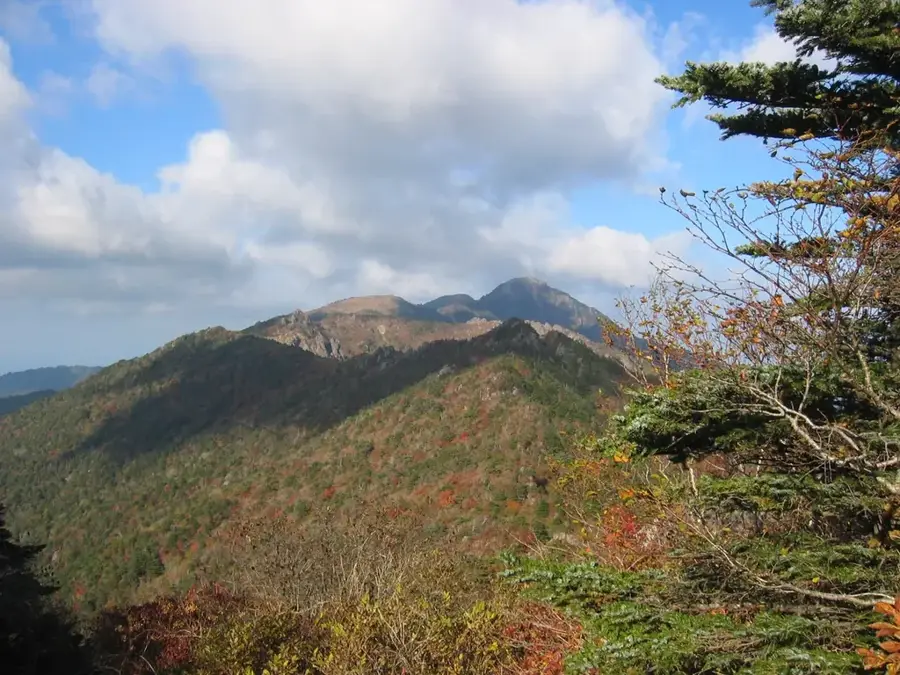
- Juheungsan Mountain reaches an elevation of 1,106 meters.
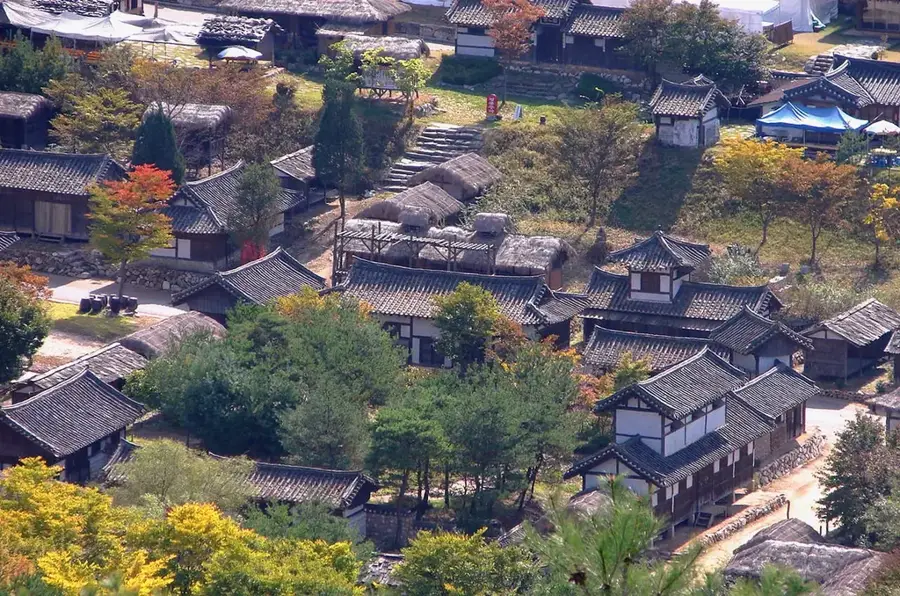
- The city's KBS Open Film Set is a popular location for filming historical K-dramas.
Explore nearby
Notable places around
Route planner — Car & Motorhome
Where do you start? We build the route here, with stops and country notes along the way.
© OpenStreetMap contributors · OpenRouteService
Sights in the town Mungyeong (2)
Frequently asked questions
What is Mungyeong Saejae?
Can you go hiking there?
What is the Mungyeong Rail Bike?
What is Mungyeong pottery known for?
What is Omija?
Mungyeong: where is it located?
Mungyeong: what is there to see?
Mungyeong: when is the best time to visit?
Mungyeong: why is it worth visiting?

Nearby cities
History & landmarks
Nature
More places