Plizio Visual Lab
Gyeongju
ℹ️Practical info — Gyeongju
▾
🌤 Weather — 5 days
📍 Nearby
Sights nearby
💡 Tips
- Rent a bicycle or e-bike to comfortably explore the widespread historical sites scattered throughout the city.
- Visit Donggung Palace and Wolji Pond in the evening when the spectacularly illuminated buildings reflect beautifully in the water.
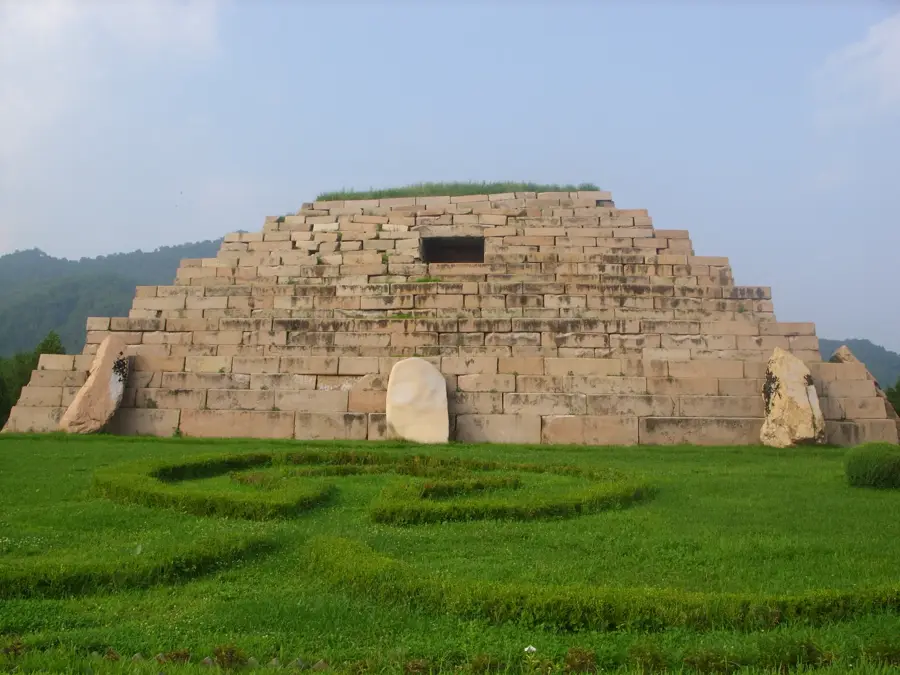
- The impressive Daereungwon burial mounds are most peaceful early in the morning, offering the best light for photography.
- Buy a discounted combined ticket at the booths if you plan to see multiple paid attractions in a single day.
🍽 Food
Get these famous small pastries filled with sweet red bean paste from the traditional bakeries in the city center.
Restaurants around Daereungwon Park serve excellent set menus where you wrap rice and side dishes in fresh leafy greens.
Treat yourself to high-quality, tender Korean beef at specialized barbecue restaurants in town during the evening.
🛍 Shopping · 🧘 Quiet spots
Stroll down this pretty street full of modern boutiques and souvenir shops housed in renovated, traditional hanok buildings.
Visit the market after dark for a huge selection of authentic street food and small local goods.
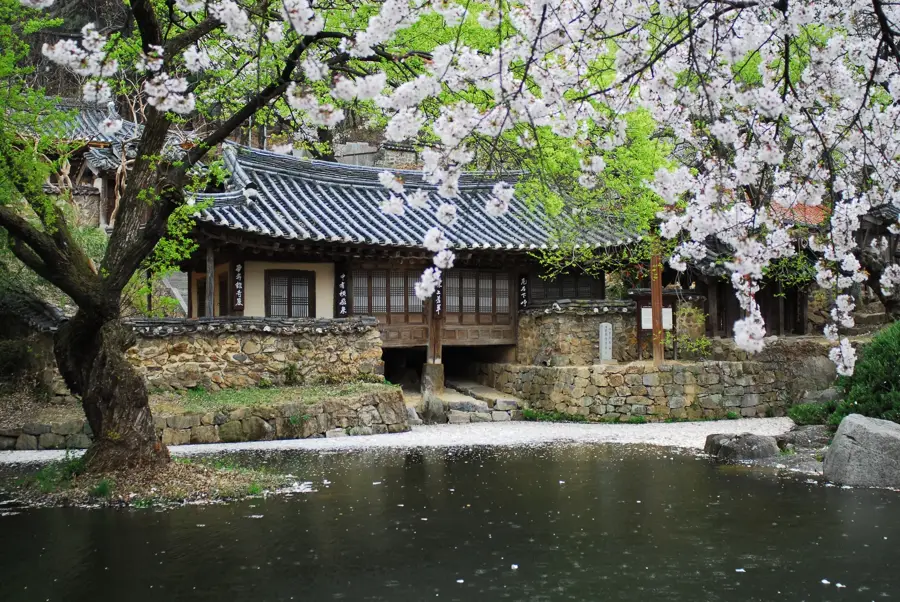
Walk along the spacious, quiet lakeside paths, which are absolutely striking during the spring cherry blossom season.
Hike away from the city crowds on the forest trails of this 'open-air museum' among ancient Buddha statues and pagodas.
Water temperature…
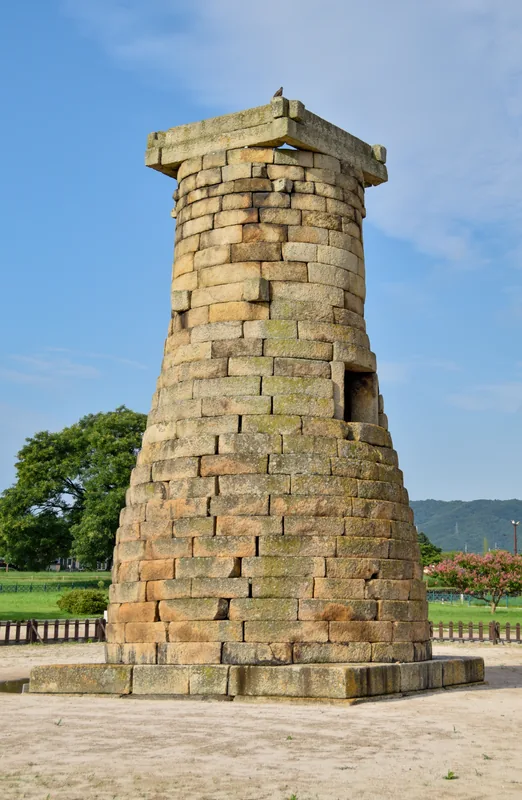
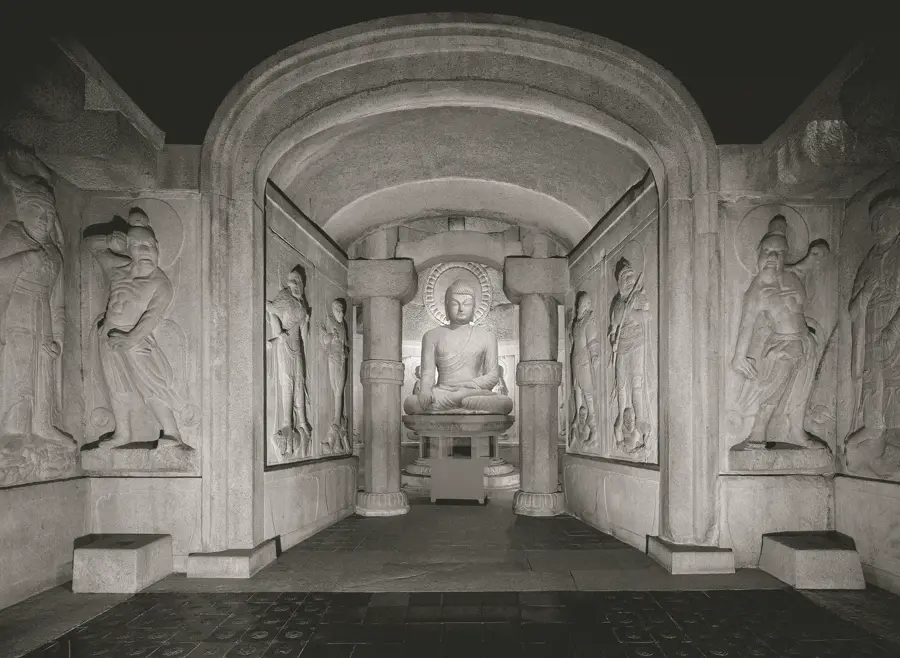
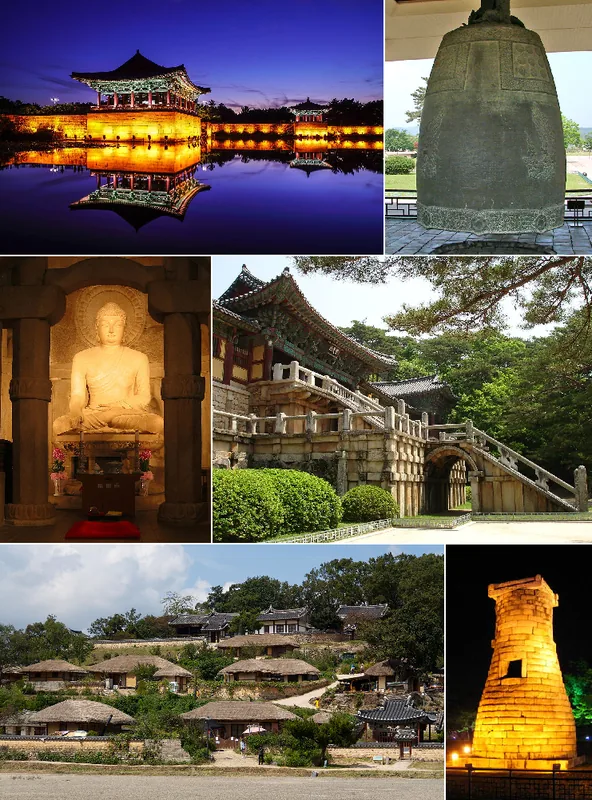
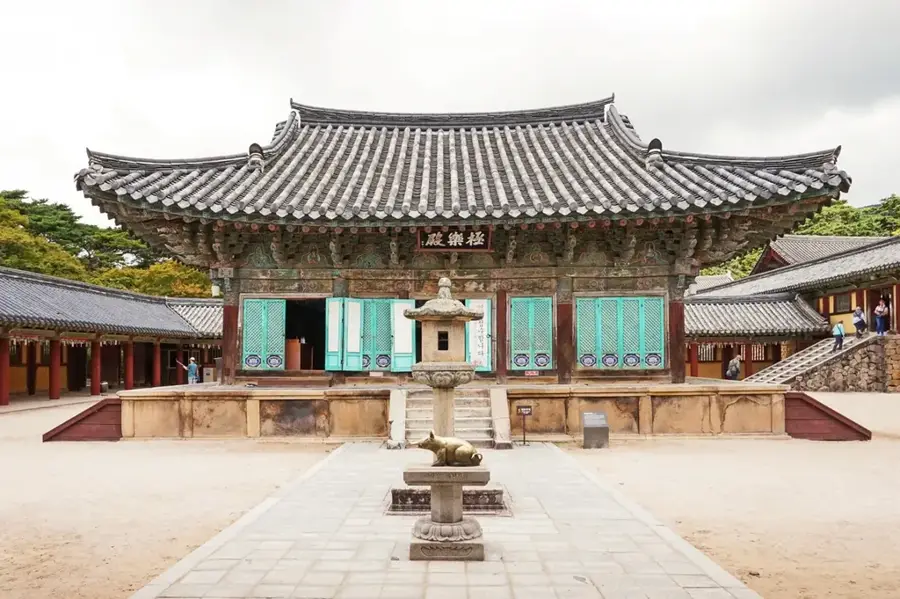
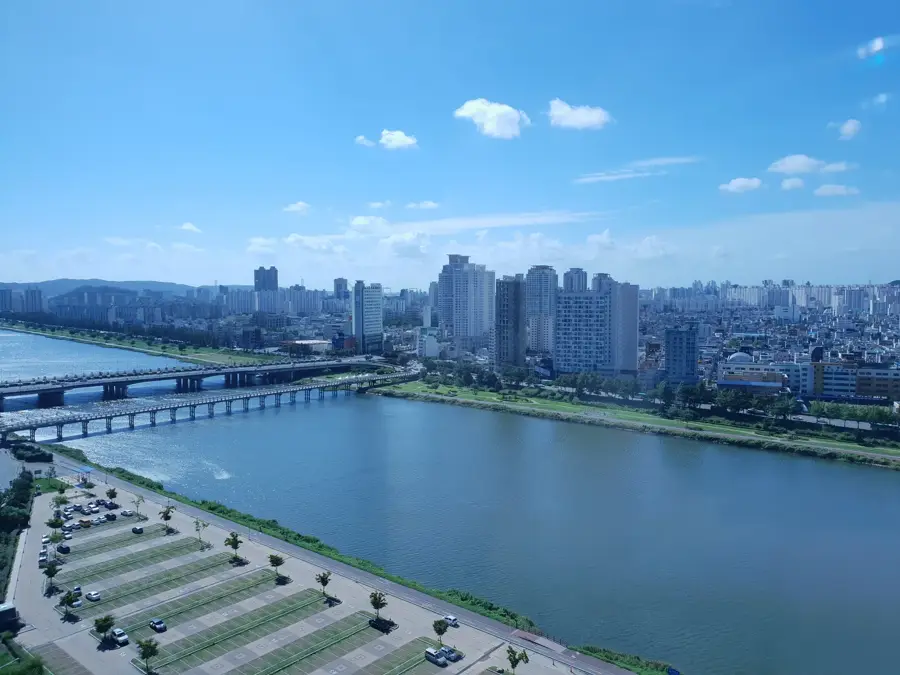
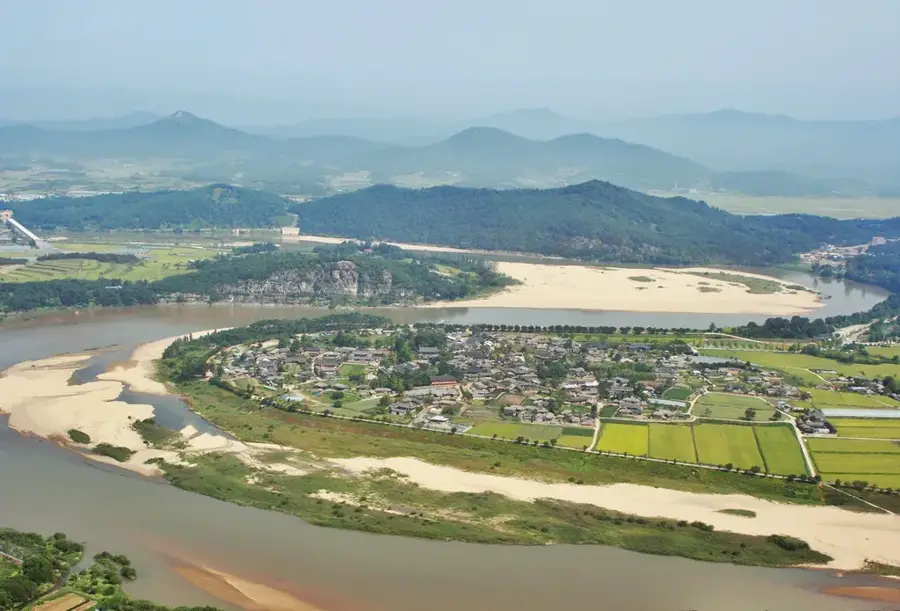
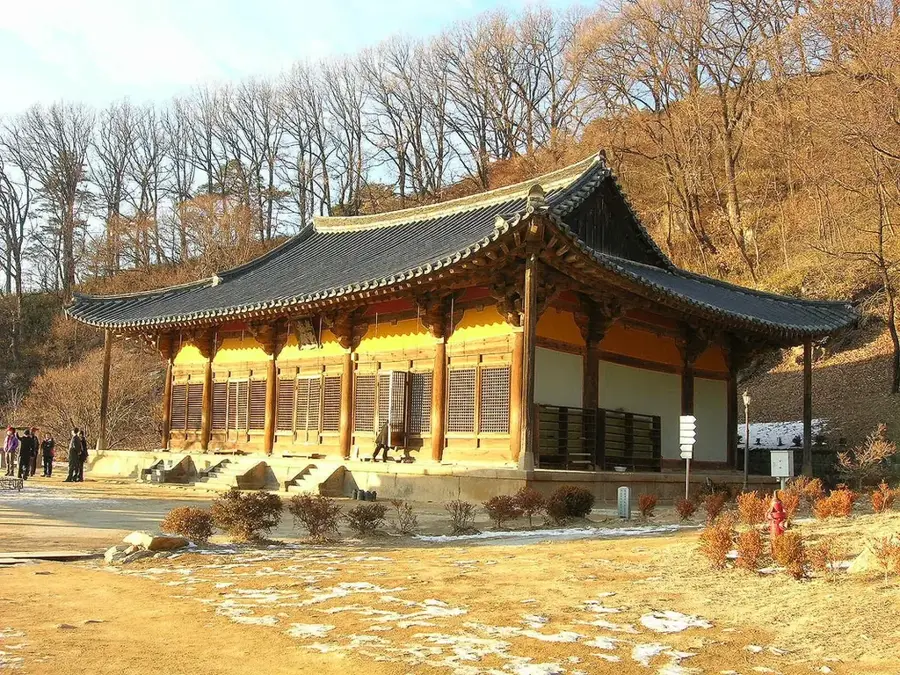
Gyeongju, often described as a 'museum without walls,' served as the capital of the Silla Kingdom for nearly a thousand years (57 BC, 935 AD). Located in Gyeongsangbuk-do province, the city has an extraordinary concentration of historical sites, many of which are designated as UNESCO World Heritage sites. Among its most significant monuments are Bulguksa Temple, a masterpiece of Buddhist art, and the Seokguram Grotto, which houses a monumental Buddha statue. The cityscape is defined by the Daereungwon tumuli, large burial mounds containing the remains of Silla royalty. Astronomically, Cheomseongdae stands as the oldest surviving observatory in East Asia, dating back to the 7th century. The city lies in the valley of the Hyeongsan River, flanked by Mount Tohamsan and Mount Namsan, the latter being an open-air museum of Buddhist sculptures. Today, Gyeongju remains a primary center for South Korean tourism and historical scholarship.
- Location: South Korea
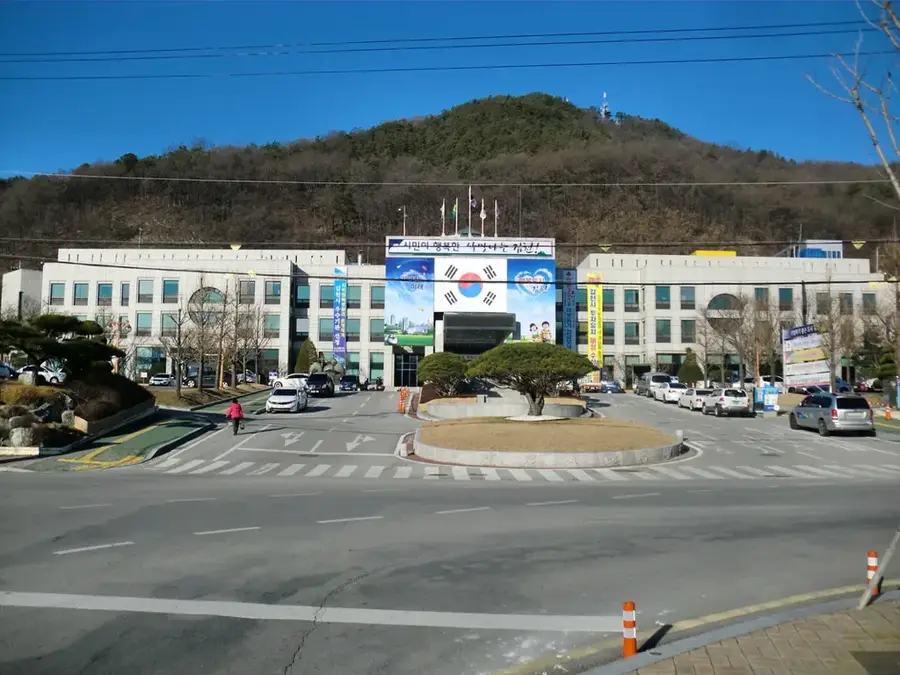
- Top sights: Gyeongju-bu hall · Jungang Night Market · Tomb of King-Talhae
- Nearby: Pohang (17 km)
- Population: ~245.365 (2025)
Best time to visit & climate
The most pleasant time to visit is May, Jun, Sep.
| Jan | Feb | Mar | Apr | May | Jun | Jul | Aug | Sep | Oct | Nov | Dec | |
|---|---|---|---|---|---|---|---|---|---|---|---|---|
| Avg °C | -3 | -1 | 4 | 11 | 17 | 21 | 24 | 25 | 19 | 13 | 6 | -1 |
| Rain mm | 25 | 36 | 52 | 89 | 91 | 131 | 264 | 242 | 147 | 64 | 37 | 24 |
Geography
Facts
- Gyeongju served as the capital of Silla for exactly 992 years.
- The Cheomseongdae observatory is constructed from 365 stone blocks.
- Bulguksa Temple and Seokguram Grotto were designated UNESCO sites in 1995.
- Anapji Pond was constructed in 674 AD as part of the royal palace garden.
- Daereungwon Park contains 23 monumental royal burial mounds.
- The city has over 250,000 residents and is a hub for the automotive industry.
Explore nearby
Notable places around

Route planner — Car & Motorhome
Where do you start? We build the route here, with stops and country notes along the way.
© OpenStreetMap contributors · OpenRouteService
Sights in the town Gyeongju (6)
Frequently asked questions
Why is Gyeongju called an open-air museum?
What is the symbol of Gyeongju?
Can you visit the tombs?
What is the best way to explore the city?
How many days should be planned?
Gyeongju: where is it located?
Gyeongju: what is there to see?
Gyeongju: when is the best time to visit?
Gyeongju: why is it worth visiting?

Nearby cities
History & landmarks
Nature
More places