Plizio Visual Lab
Port of Gwangyang
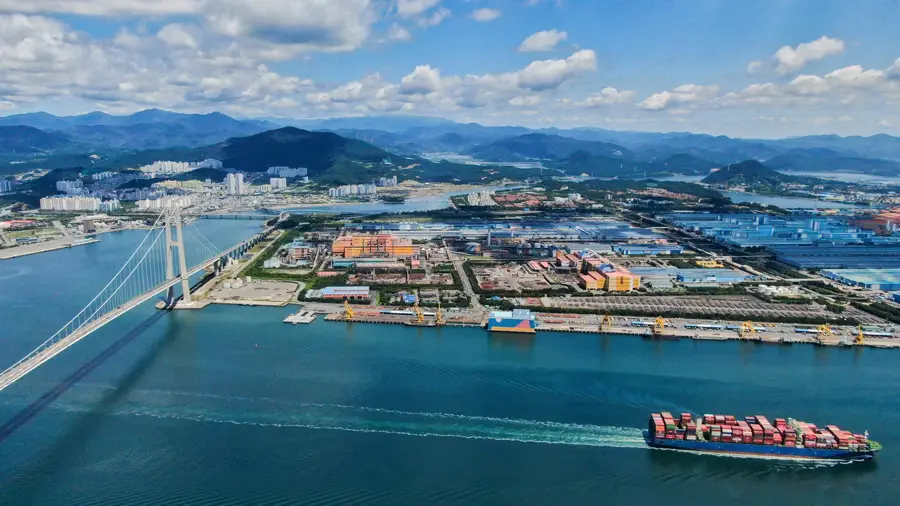
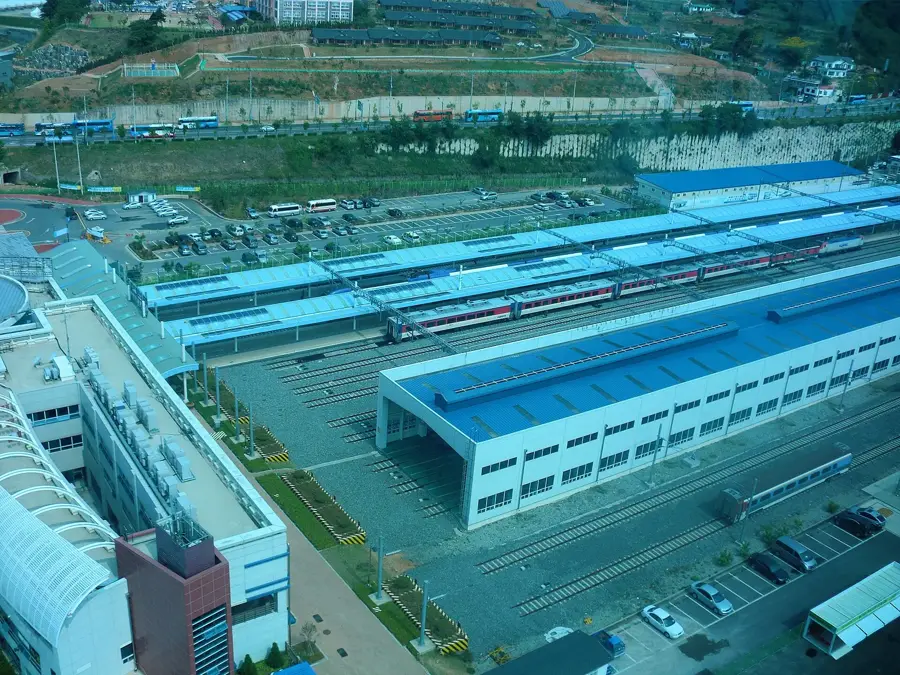
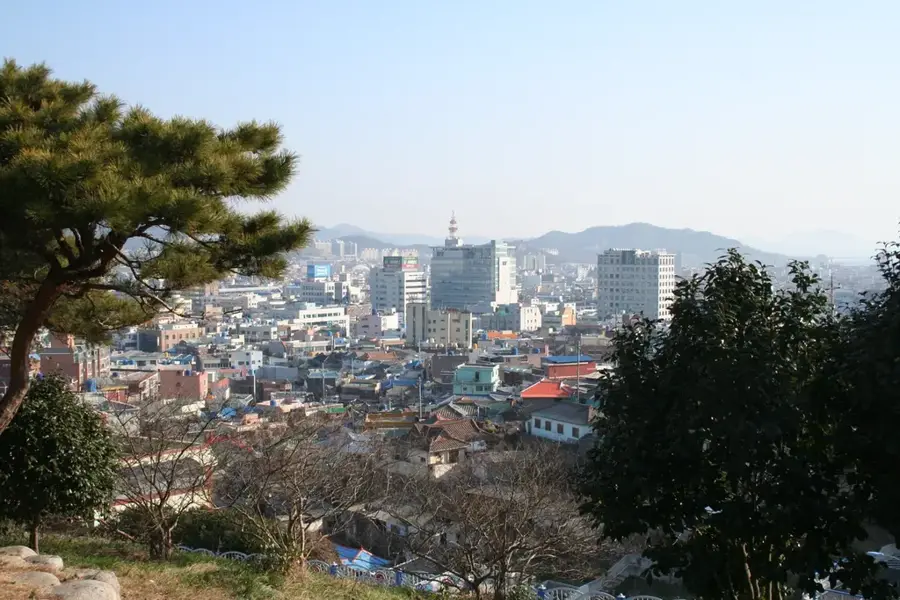
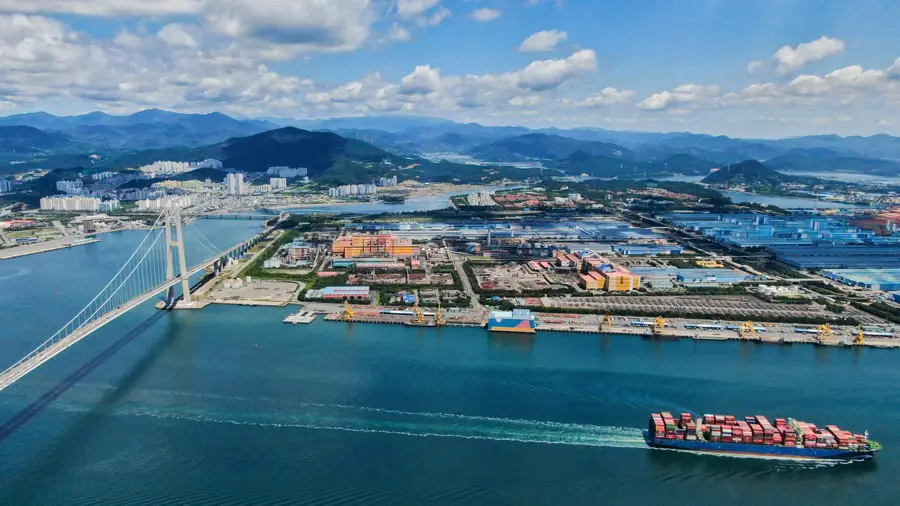
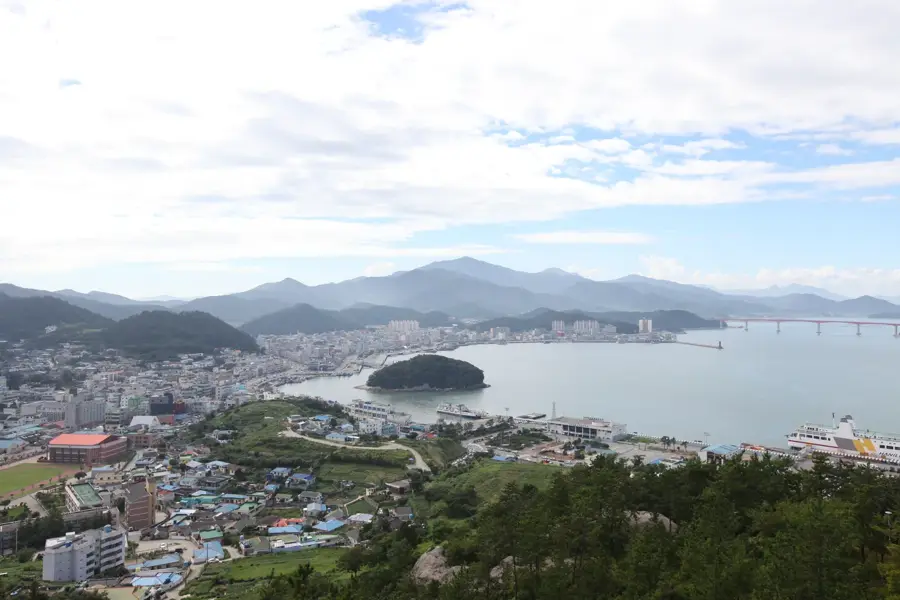
The Port of Gwangyang is South Korea's second-largest container port, strategically located in Gwangyang Bay on the southwestern coast. Developed in the 1980s alongside the neighboring POSCO Gwangyang Steel Works, it has become a unique industrial and logistics nexus. Geographically, the port benefits from naturally deep waters and protection from surrounding islands, shielding it from typhoons and allowing access for the world's largest container vessels. Economically, Gwangyang acts as a vital gateway for trade with China and Southeast Asia and forms the backbone of the heavy industry sector in Jeollanam-do province. Technologically, the port is a pioneer in developing smart logistics systems and automated terminals to maximize container handling efficiency. Its seamless integration with adjacent industrial complexes ensures that steel and petrochemical products can be shipped directly from production lines. With its state-of-the-art infrastructure and free trade zones, the Port of Gwangyang is a decisive factor in South Korea's global maritime competitiveness.
- Location: South Korea
- Top sights: Hyeondae Hot Spring · Okgok · Baegun Art Hall
- Nearby: Hadong (11 km)
Best time to visit & climate
The most pleasant time to visit is Jun, Sep, Oct.
| Jan | Feb | Mar | Apr | May | Jun | Jul | Aug | Sep | Oct | Nov | Dec | |
|---|---|---|---|---|---|---|---|---|---|---|---|---|
| Avg °C | -1 | 1 | 5 | 11 | 17 | 21 | 24 | 25 | 20 | 14 | 7 | 1 |
| Rain mm | 29 | 48 | 69 | 114 | 119 | 164 | 295 | 264 | 157 | 67 | 47 | 34 |
📋 Practical info
Geography
Facts
- The Port of Gwangyang is a key component of the 'Two-Hub' port strategy in South Korea along with Busan.
- It features the world's largest terminal for handling steel-related raw materials like iron ore.
- The port operates on a 24-hour basis and maintains a depth of at least 20 meters at its main berths.
- The Gwangyang Port Free Trade Zone offers tax incentives to attract global logistics and assembly firms.
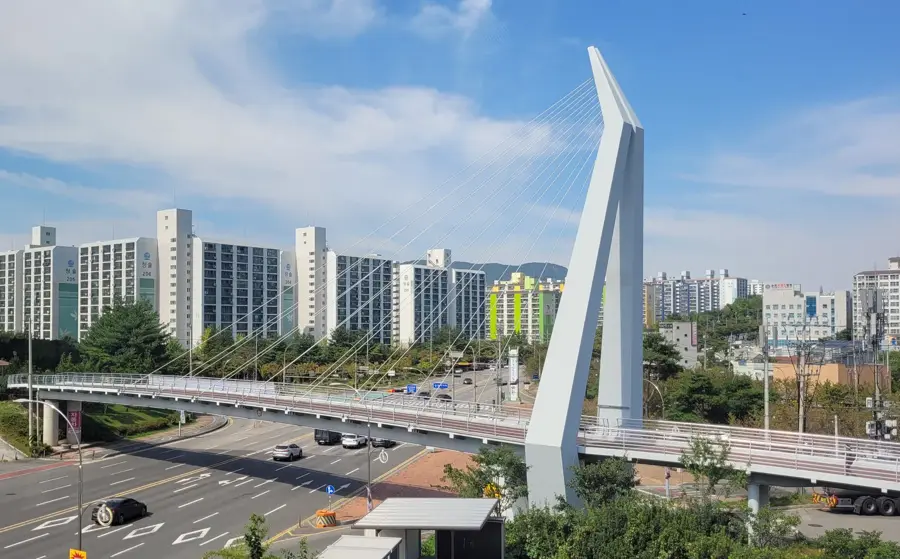
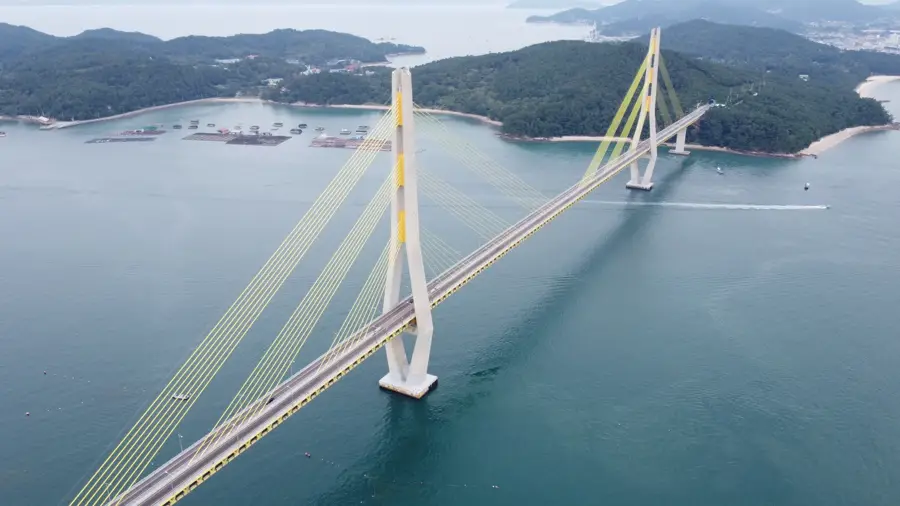
- The Yi Sun-sin Bridge, connecting Gwangyang to Yeosu, is the world's fourth-longest suspension bridge.
- It handles approximately 20% of South Korea's total container throughput annually.
Explore nearby
Notable places around

Route planner — Car & Motorhome
Where do you start? We build the route here, with stops and country notes along the way.
© OpenStreetMap contributors · OpenRouteService
Sights in the town Port of Gwangyang (6)
Sights nearby
Frequently asked questions
Is the port accessible to tourists?
What are the main export goods of Gwangyang?
Are there any attractions nearby?
How to reach the port area?
When is the best time to visit?
Port of Gwangyang: where is it located?
Port of Gwangyang: what is there to see?
Port of Gwangyang: when is the best time to visit?
Port of Gwangyang: why is it worth visiting?

Nearby cities


History & landmarks
Nature
More places