Plizio Visual Lab
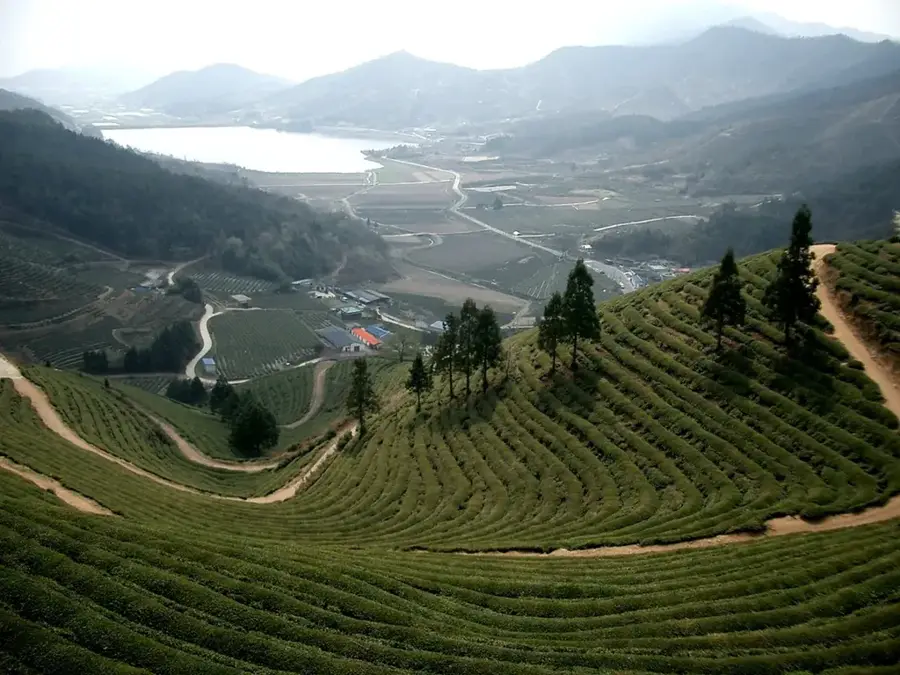
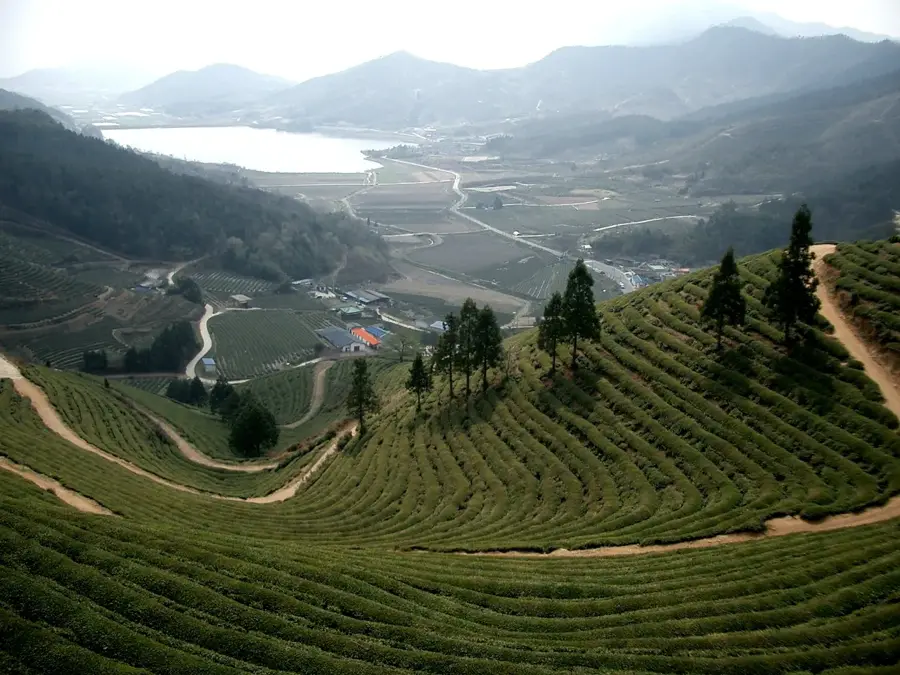
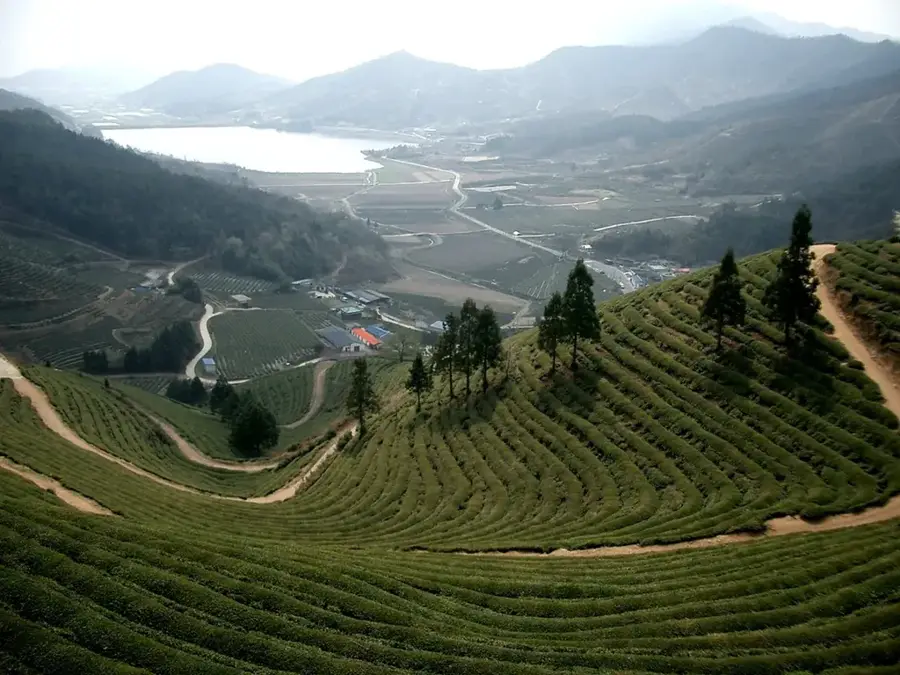
Boseong Green Tea Fields
Weather…
Water temperature…
Life in the Boseong region is inextricably linked to green tea cultivation, which has shaped its economic and cultural identity for decades. The annual harvest begins in spring with the production of premium Ujeon tea, picked before the first rains. Boseong is renowned for its stringent quality controls and organic farming methods, making its tea a sought-after export product. Culturally, this heritage is celebrated through the Boseong Green Tea Festival, where visitors can participate in traditional ceremonies, picking competitions, and tea tastings. Local cuisine uniquely integrates green tea into various dishes, ranging from tea-infused noodles to ice cream. The region also serves as a hub for wellness tourism, as tea consumption in Korea is traditionally associated with health and meditation. Surrounding villages maintain a rural lifestyle that is harmoniously embedded in the terraced hillsides, representing a symbiotic relationship between humans and nature.
- Location: South Korea
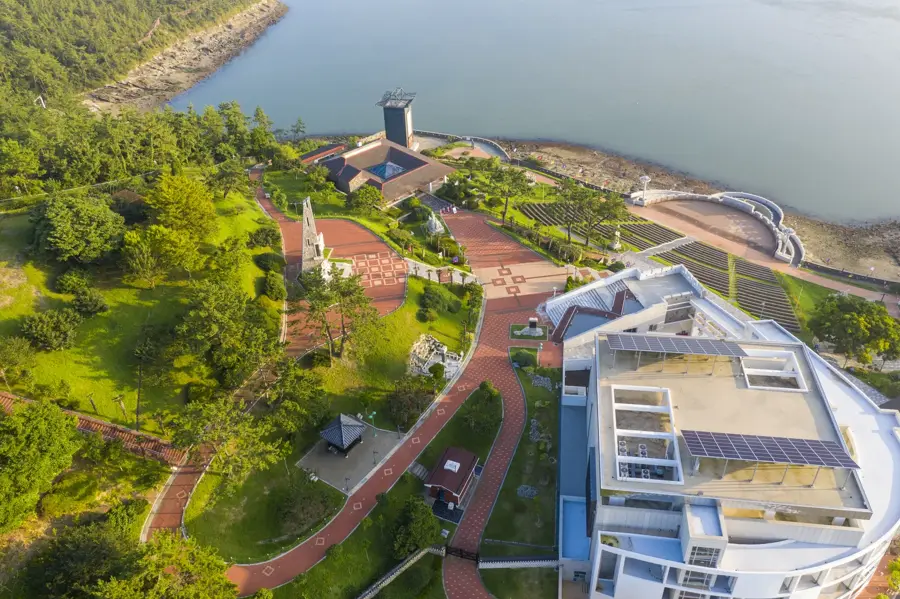
- Top sights: Ocean Observatory · Boseong Green Tea Field
- Nearby: Goheung (24 km)
Best time to visit & climate
The most pleasant time to visit is Jun, Sep, Oct.
| Jan | Feb | Mar | Apr | May | Jun | Jul | Aug | Sep | Oct | Nov | Dec | |
|---|---|---|---|---|---|---|---|---|---|---|---|---|
| Avg °C | 3 | 4 | 7 | 12 | 16 | 20 | 24 | 26 | 22 | 16 | 10 | 5 |
| Rain mm | 34 | 55 | 80 | 132 | 136 | 187 | 284 | 260 | 172 | 75 | 54 | 38 |
📋 Practical info
Geography
Facts
- The Boseong Green Tea Festival is held annually in May.
- Ujeon tea is harvested before April 20th and is considered the finest grade.
- Boseong green tea is exported worldwide for use in cosmetics and food.
- The region hosts its own research institute dedicated to tea culture.
- The fields frequently serve as filming locations for K-dramas and commercials.
- Traditional tea ceremonies (Darye) are actively preserved in the region.
Explore nearby
Notable places around

Route planner — Car & Motorhome
Where do you start? We build the route here, with stops and country notes along the way.
© OpenStreetMap contributors · OpenRouteService
Sights in the town Boseong Green Tea Fields (2)
Sights nearby
Frequently asked questions
What type of tea is grown here?
When does the harvest take place?
Are pesticides used?
What is the name of the most famous plantation?
Why does tea grow so well here?
Boseong Green Tea Fields: where is it located?
Boseong Green Tea Fields: what is there to see?
Boseong Green Tea Fields: when is the best time to visit?
Boseong Green Tea Fields: why is it worth visiting?

Nearby cities




History & landmarks
Nature
More places