Plizio Visual Lab
Triglav
Plizio editorial teamData Sources
peak
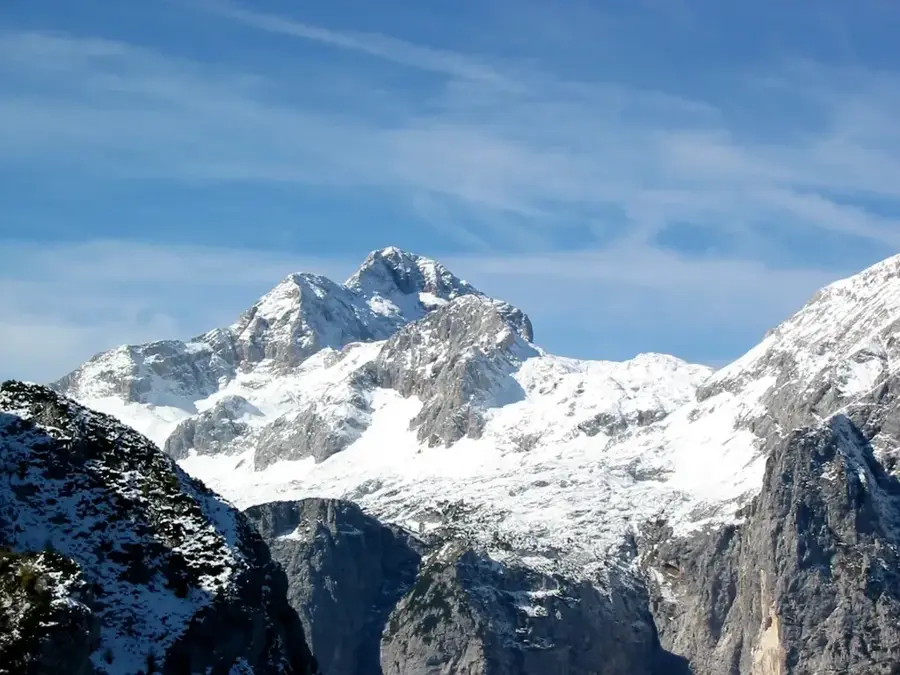
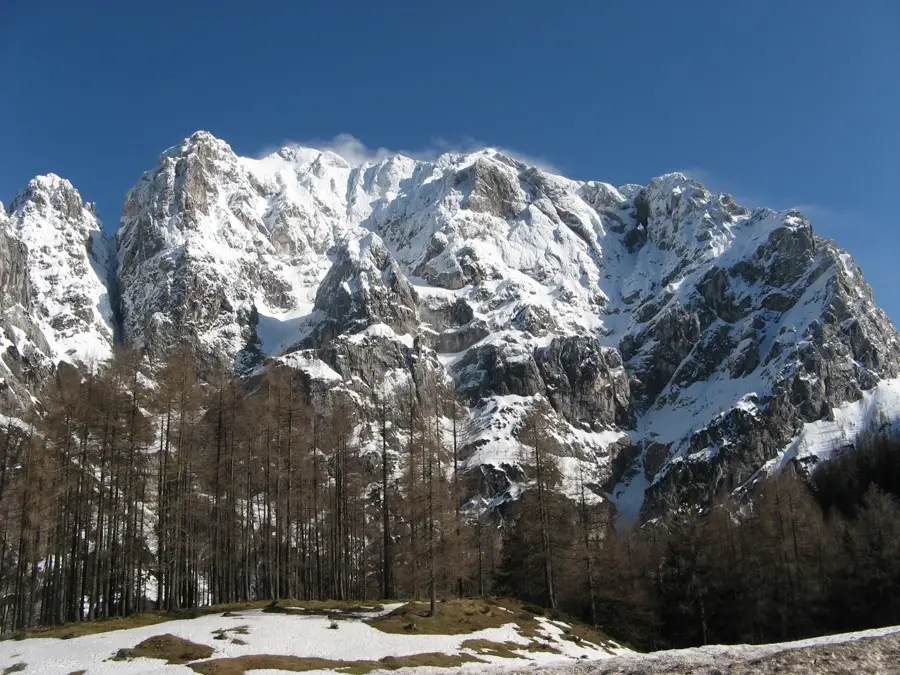
Triglav, standing at 2,864 meters, is the highest peak in the Julian Alps and the national mountain of Slovenia. It is a central national symbol, featured prominently on both the country's coat of arms and its national flag. The mountain gives its name to Slovenia's only national park, Triglav National Park, which covers nearly the entire area of the Eastern Julian Alps. At the very summit stands the Aljaž Tower, a small metal structure erected in 1895 by the priest Jakob Aljaž, now a protected cultural monument and a primary landmark for climbers. Reaching the peak of Triglav is considered a rite of passage for Slovenians; tradition holds that every true Slovenian must stand atop the mountain at least once. Geologically, the mountain is composed mostly of limestone, resulting in dramatic karst formations and sheer rock faces. On clear days, the summit gives panoramic views extending from the Adriatic Sea to the Austrian Alps. While highly popular, the climb to the top is physically demanding and requires proper alpine experience due to the rugged terrain and variable weather.
- Location: Slovenia
- Top sights: Triglav · Kanjavec · Mišelj vrh
- Nearby: Trenta (6 km)
Best time to visit & climate
The most pleasant time to visit is Jun–Aug.
| Jan | Feb | Mar | Apr | May | Jun | Jul | Aug | Sep | Oct | Nov | Dec | |
|---|---|---|---|---|---|---|---|---|---|---|---|---|
| Avg °C | -4 | -3 | 2 | 6 | 11 | 15 | 17 | 17 | 12 | 8 | 3 | -2 |
| Rain mm | 58 | 66 | 74 | 83 | 110 | 120 | 125 | 140 | 130 | 118 | 119 | 85 |
📋 Practical info
Getting there
Attempting the ascent of this incredibly prominent national symbol fundamentally demands starting from various well-established high-elevation valleys or prominent alpine passes, which are exclusively reachable by dedicated regional mountain roads.
Best season
The absolute prime and most dependably safe climbing window is firmly restricted to the mid-summer months of July, August, and very early September, avoiding the severe snow and unpredictable ice conditions present most of the year.
Terrain & paths
The physically punishing routes consistently feature grueling, dramatically steep inclines across loose rocky scree, frequently culminating in heavily exposed, highly technical via ferrata sections near the final summit ridge.
What to bring
Undertaking this serious climb unequivocally requires full high-alpine technical equipment, including a properly fitted climbing harness, specialized via ferrata set, protective helmet, rigidly stiff mountain boots, and robust, layered weather protection.
Parking
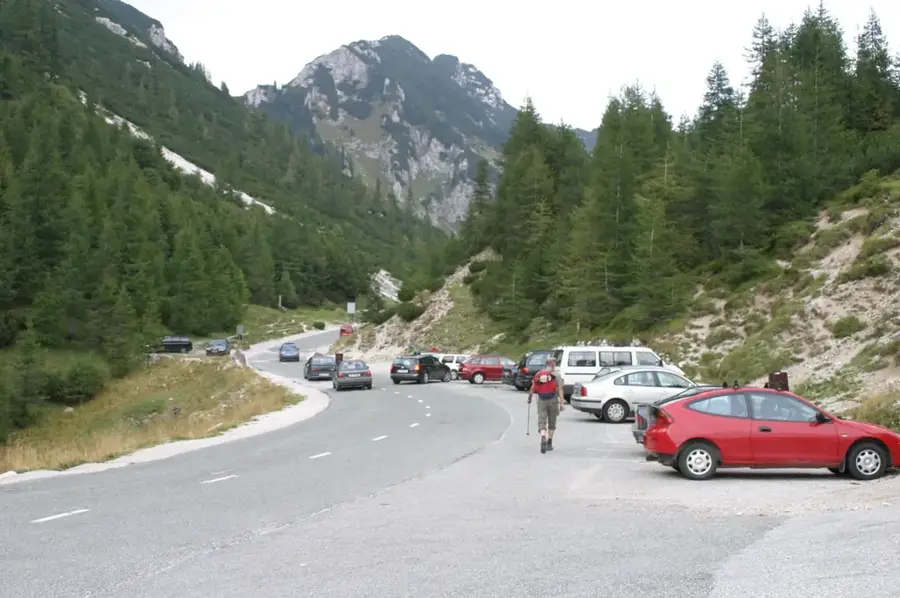
Specific, heavily utilized mountaineering parking lots securely anchor the recognized trailheads located far below in the gateway alpine valleys, where early arrival is fundamentally crucial to secure a spot during the peak climbing weeks.
Safety
This is an inherently dangerous endeavor suited solely for genuinely experienced, physically fit mountain hikers; hiring a certified local guide is strongly, widely encouraged for anyone lacking solid previous experience on exposed high-altitude via ferratas.
Time needed
A successful, safely executed summit expedition routinely demands an exceptionally grueling two full days of sustained effort, practically always necessitating an overnight stay securely booked in one of the rustic high-altitude mountain huts.
Geography
Facts
- The official height of the summit is 2,864 meters above sea level.
- Aljaž Tower was built in 1895 and is now a designated cultural monument.
- The first recorded ascent took place on August 26, 1778.
- Triglav National Park is Slovenia's only national park, established in 1924.
- Home to the Triglav Glacier, which is one of the southernmost in the Alps.
- The name 'Triglav' means 'Three-headed', appearing on the Slovenian flag.
Explore nearby
Notable places around
Route planner — Car & Motorhome
Where do you start? We build the route here, with stops and country notes along the way.
Vehicle
Only stops with (optional):
© OpenStreetMap contributors · OpenRouteService
Sights in the town Triglav (3)
Sights nearby
Frequently asked questions
How long does it take to climb Triglav?
Most hikers plan for two days, with an overnight stay in one of the mountain huts below the summit.
Is Triglav suitable for beginners?
No, the final section is an exposed via ferrata and requires a head for heights and proper equipment.
When is the best time to visit?
The peak season is from July to September, when the trails are snow-free and the huts are open.
Do I need to book the mountain huts?
Yes, prior booking is essential, as the huts are often fully booked during the summer.
What does the name Triglav mean?
The name means 'three-headed' and refers to the characteristic shape of the mountain with three peaks.
Triglav: where is it located?
Triglav is located in Slovenia.
Triglav: what is there to see?
Highlights include Triglav, Kanjavec, Mišelj vrh.
Triglav: when is the best time to visit?
The most pleasant time to visit is Jun, Aug.
Triglav: why is it worth visiting?
Triglav, standing at 2,864 meters, is the highest peak in the Julian Alps and the national mountain of Slovenia.

Explore with Plizio
Discover more places in Europe
More places in Slovenia →
Nearby cities
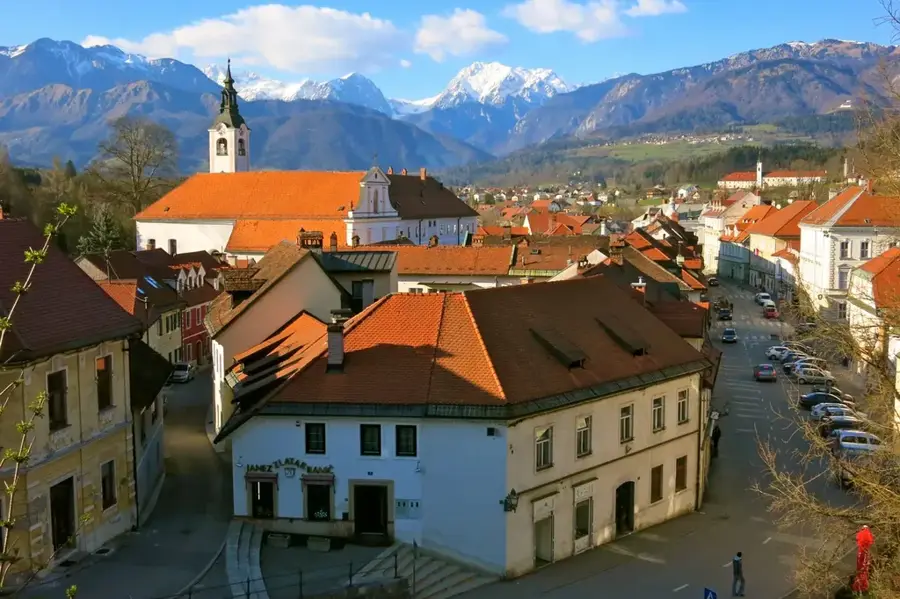
Kamnik
Kamnik is a historic town at the foot of the Kamnik–Savinja Alps.
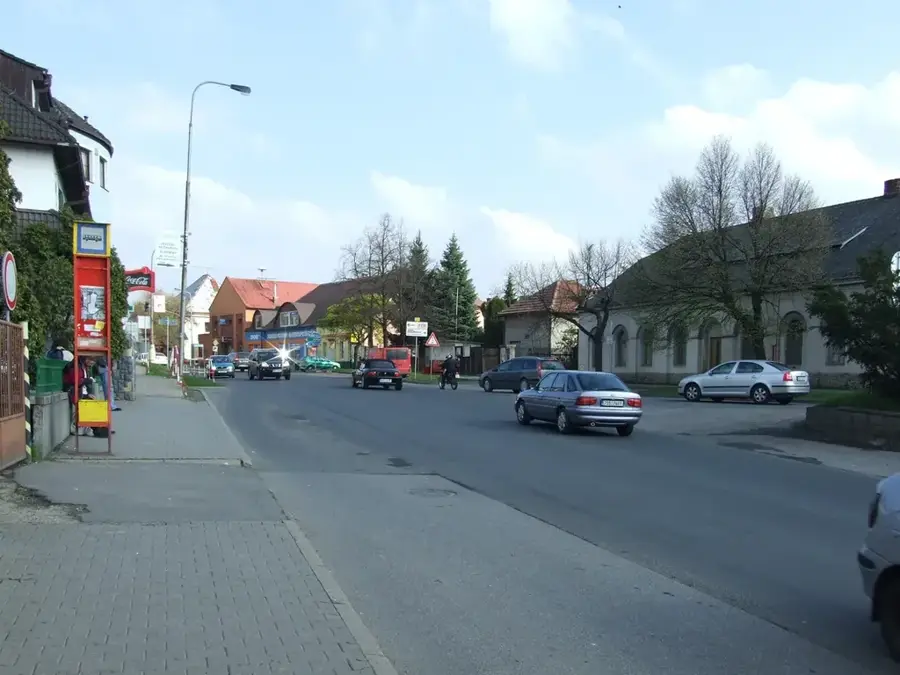
Jesenice
Jesenice is known as the city of steel and ice hockey.
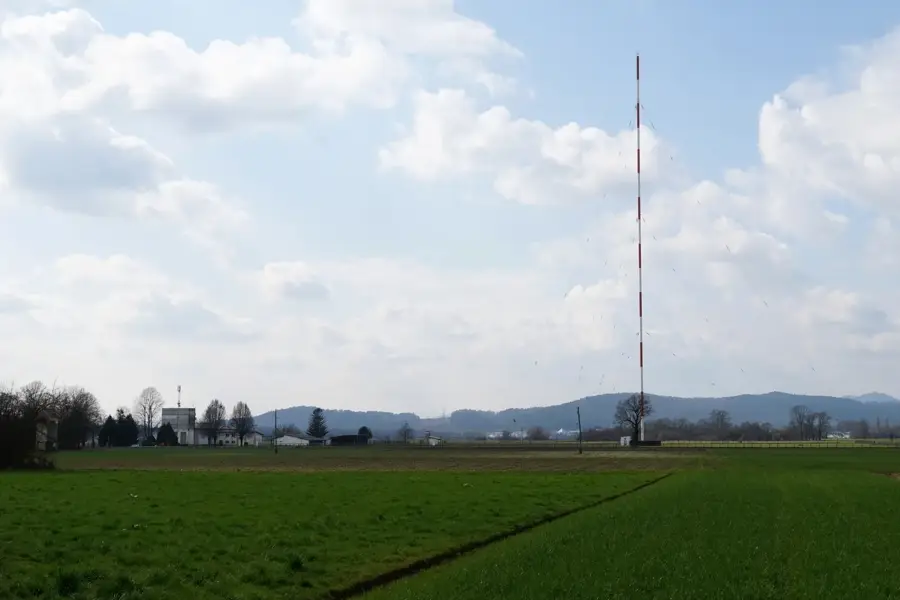
Domžale
Domžale is located north of Ljubljana at the foothills of the Kamnik Alps.
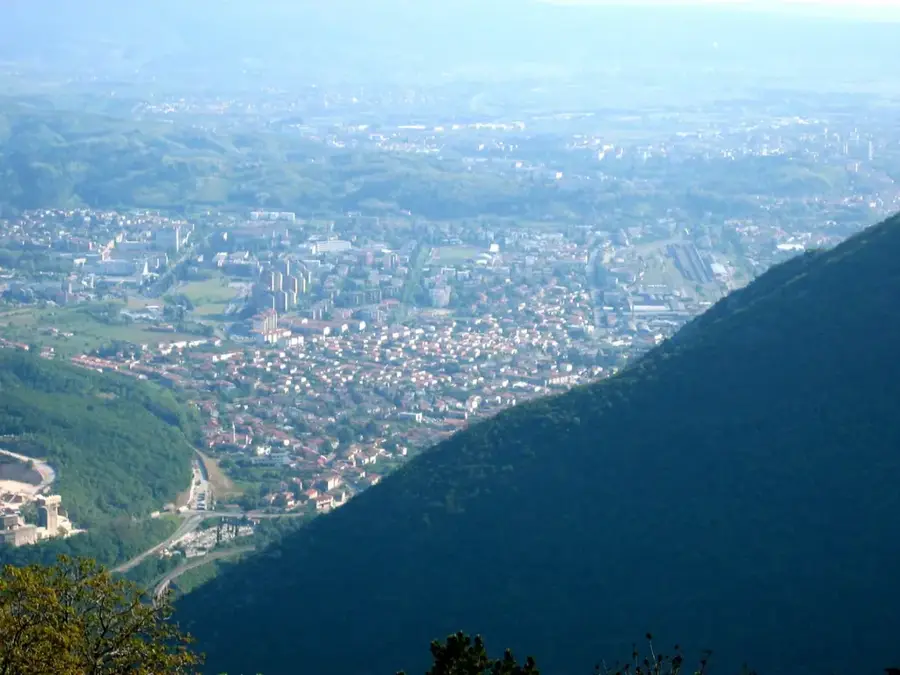
Nova Gorica
Nova Gorica was built after WWII directly on the border with Italy as a counterpart to the city of Gorizia.
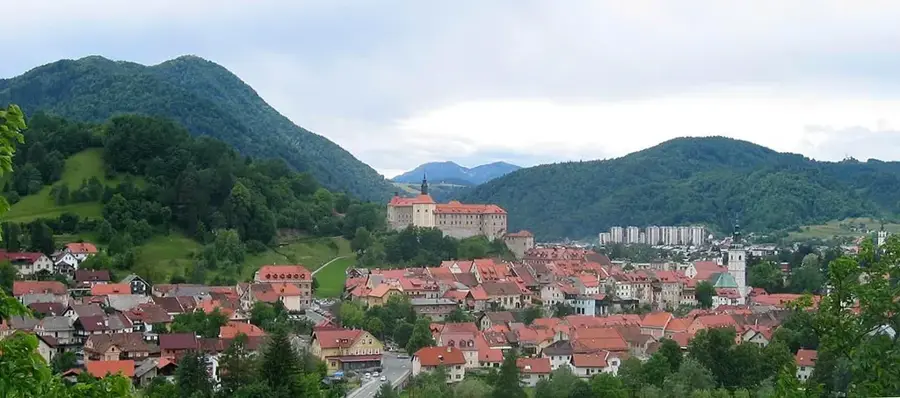
Škofja Loka Medieval Town
Škofja Loka is considered one of the best-preserved medieval towns in Slovenia and boasts a history of over a thousand years.
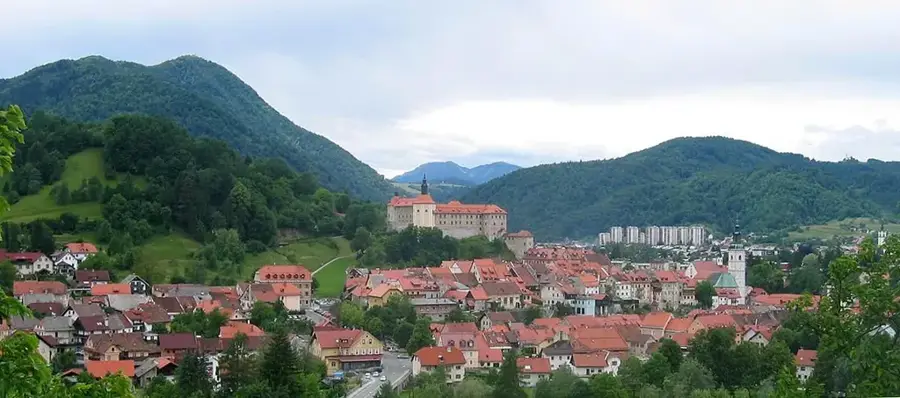
Škofja Loka
Škofja Loka is one of the best-preserved medieval towns in Slovenia.
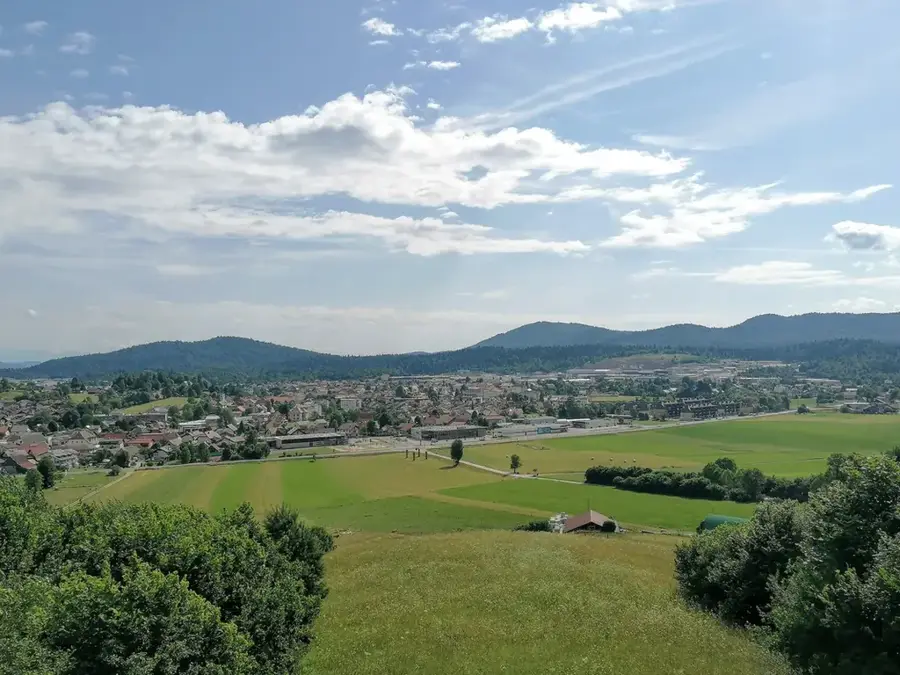
Logatec
Logatec is located on a strategic route between Ljubljana and the Adriatic coast.
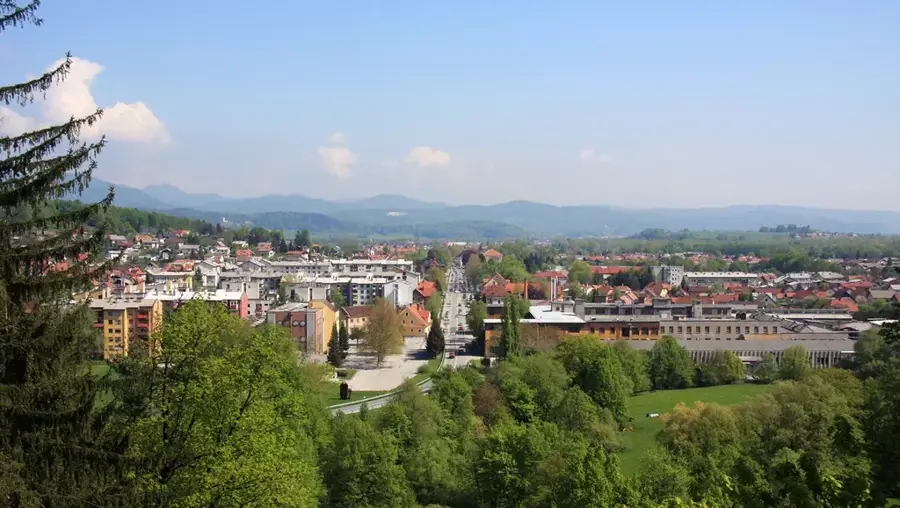
Vrhnika
Vrhnika is located at the western edge of the Ljubljana Marshes and is best known as the birthplace of the writer Ivan Cankar.
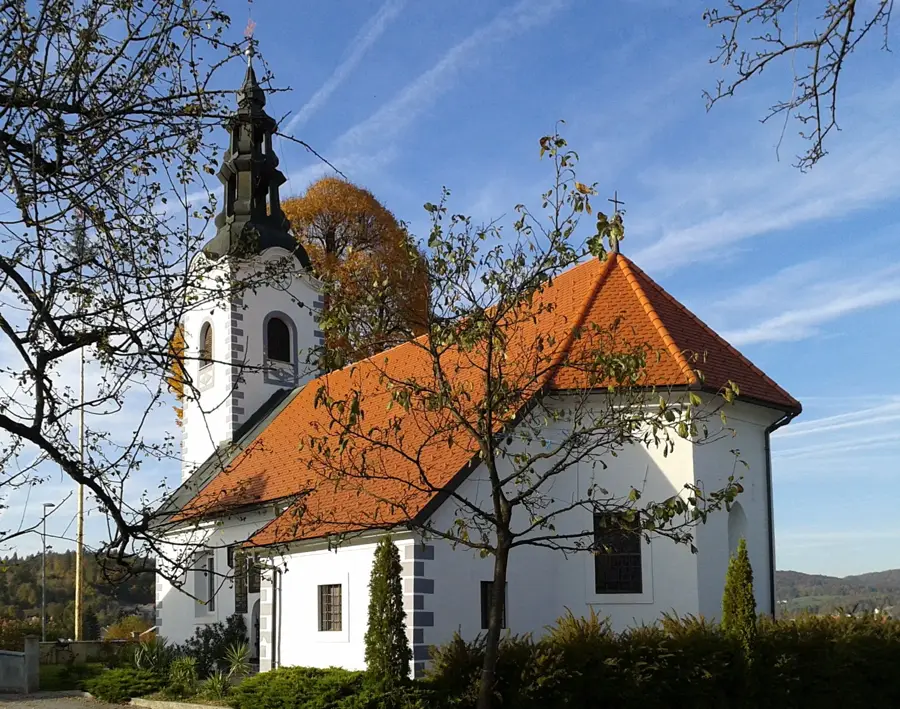
Grosuplje
Grosuplje is located in the Lower Carniola region.
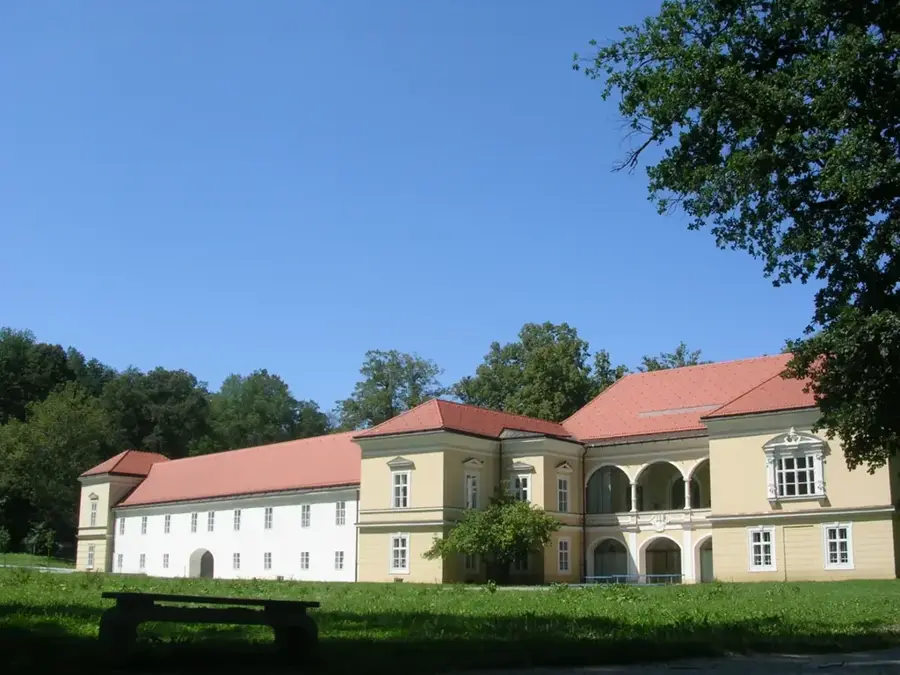
Ravne na Koroškem
Ravne na Koroškem is the largest town in the Slovenian Carinthia region and is known for its steel industry.
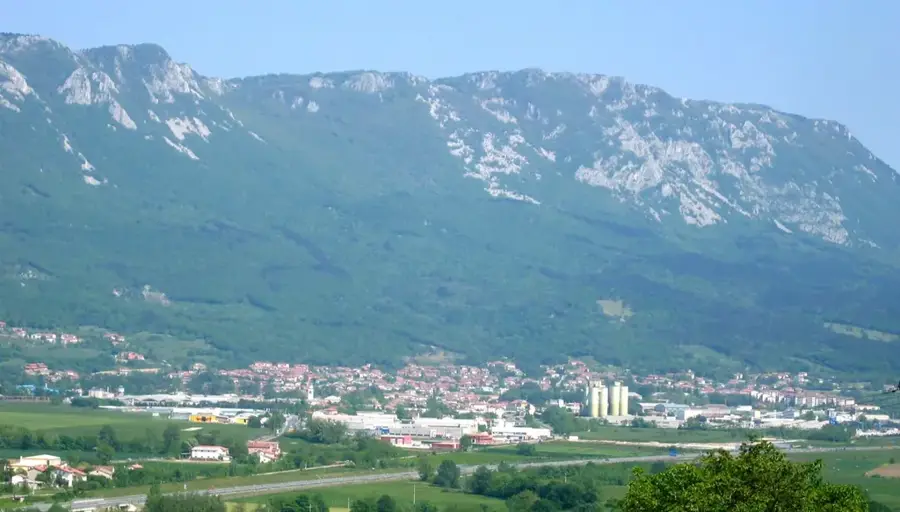
Ajdovščina
Ajdovščina is located in the center of the Vipava Valley and is known for its strong Bora winds and Roman remains.
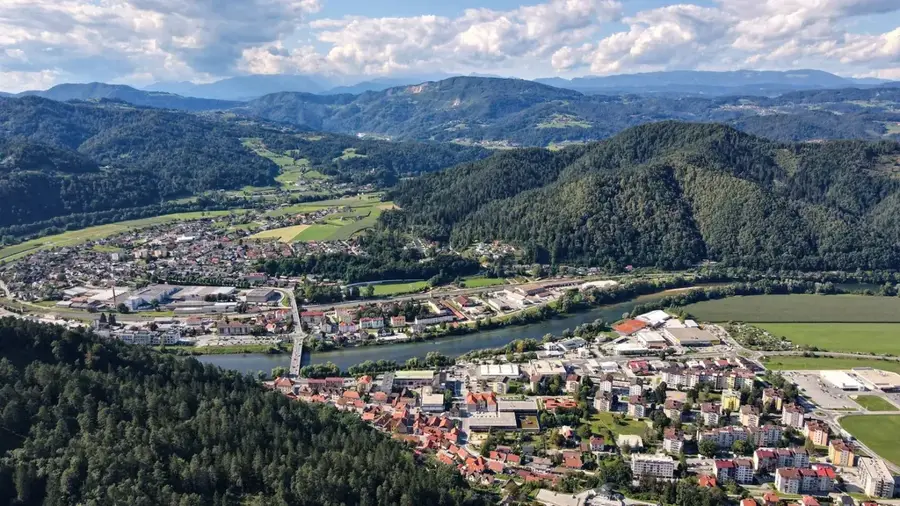
Litija
Litija is located on the Sava river.
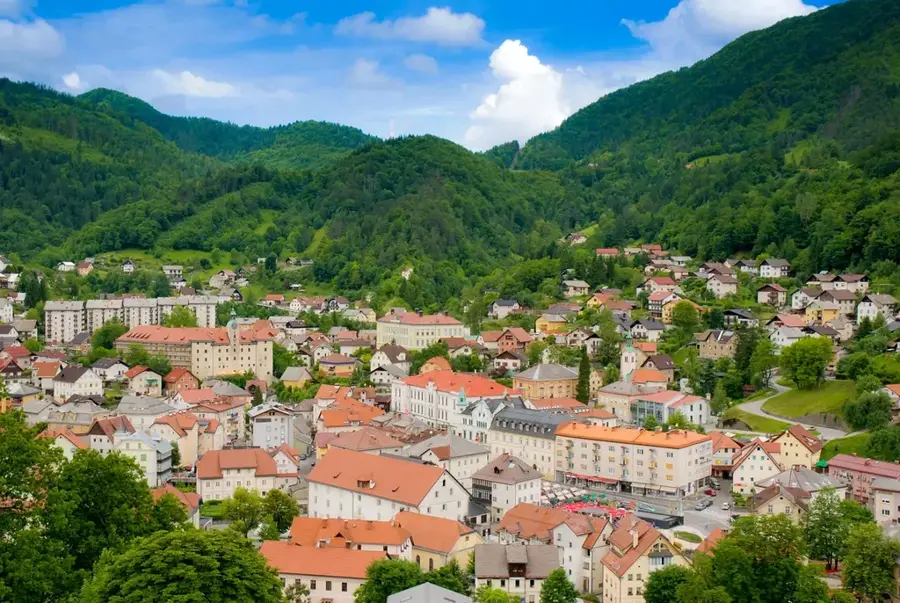
Idrija
Idrija is known for its former mercury mine, once the second largest in the world, and is a UNESCO World Heritage site.
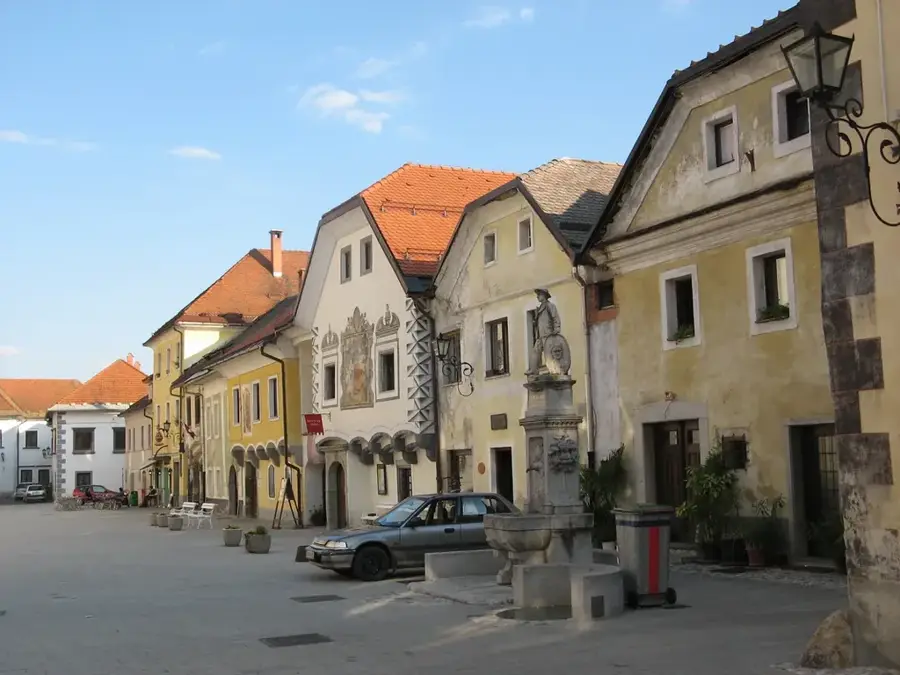
Radovljica
Radovljica is a medieval town situated on a terrace above the Sava River.
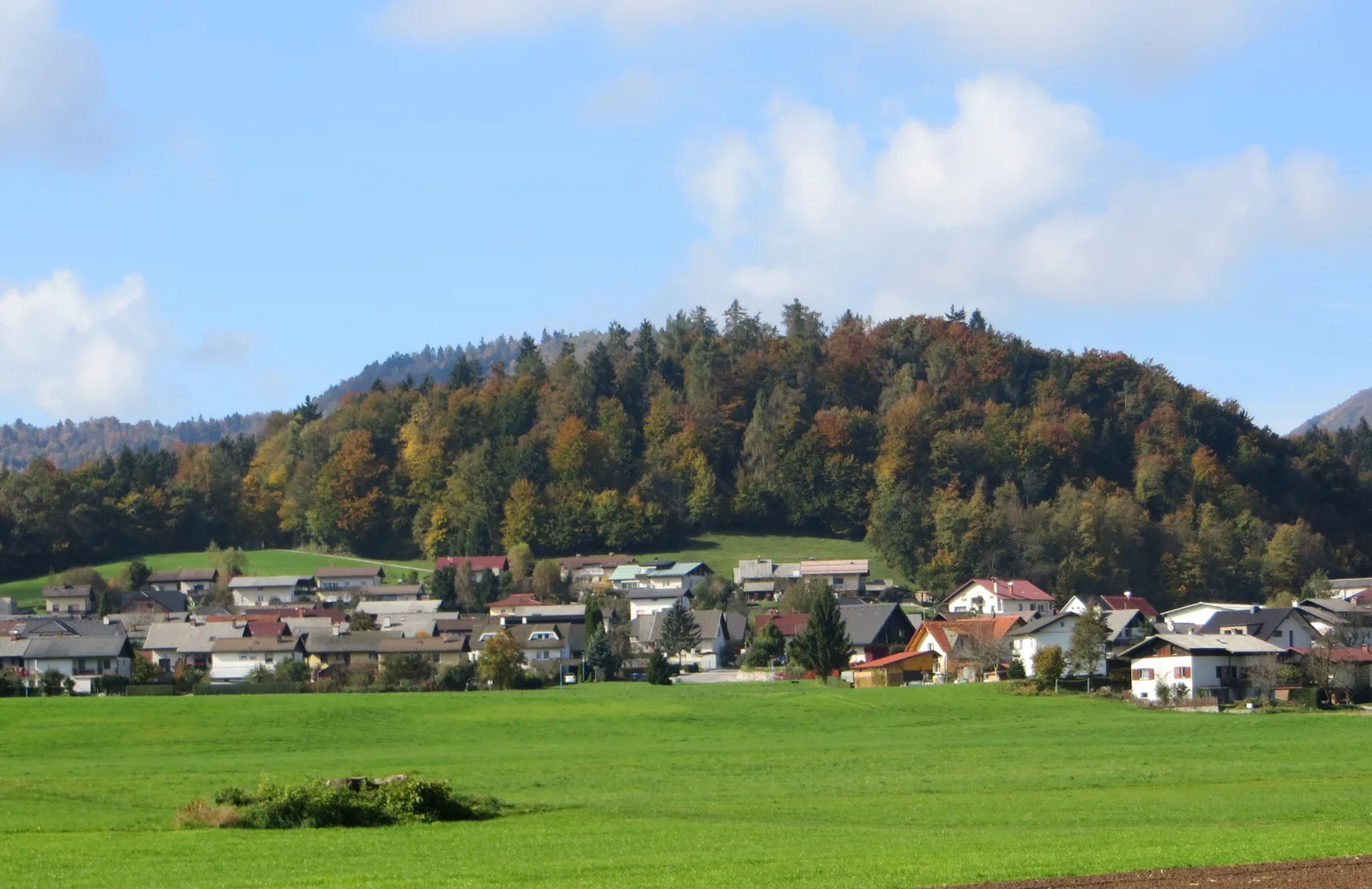
Medvode
Medvode is located at the confluence of the Sava and Sora rivers.
History & landmarks
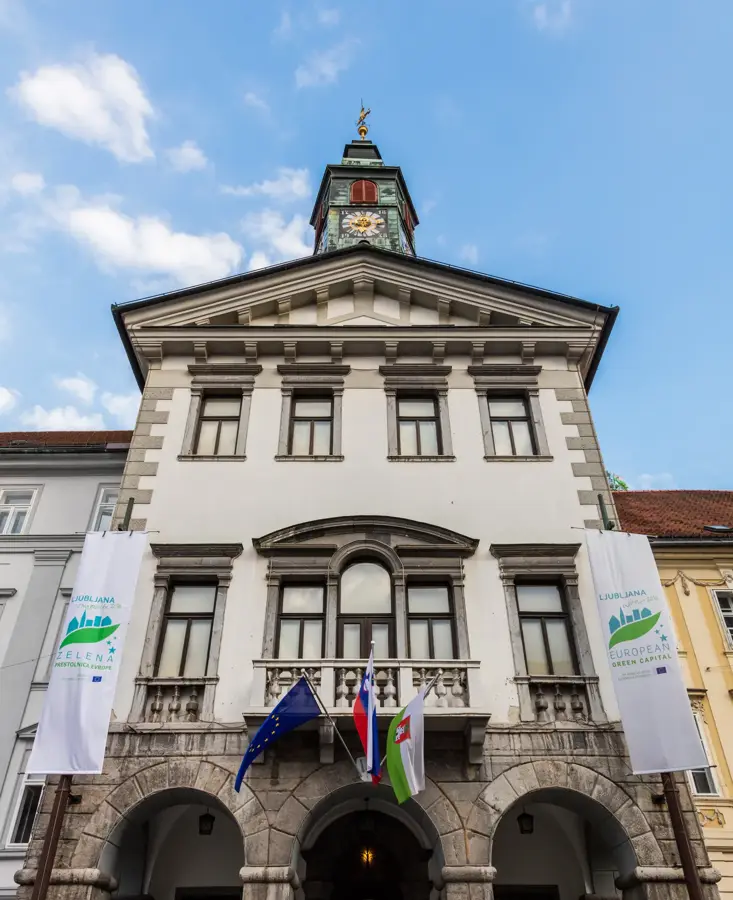
Ljubljana Town Hall
The Town Hall on Town Square in Ljubljana is the seat of the city municipality.

BTC City Ljubljana
BTC City is one of the largest business, shopping, and entertainment centers in Europe.
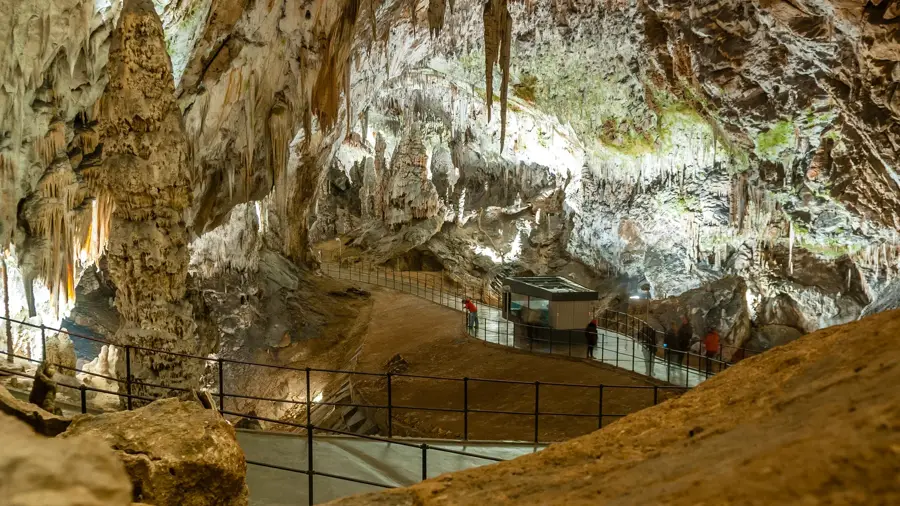
Postojna Cave
Postojna Cave is a breathtaking 24 km long system of karst passages and chambers, famously explored via a unique underground electric train.
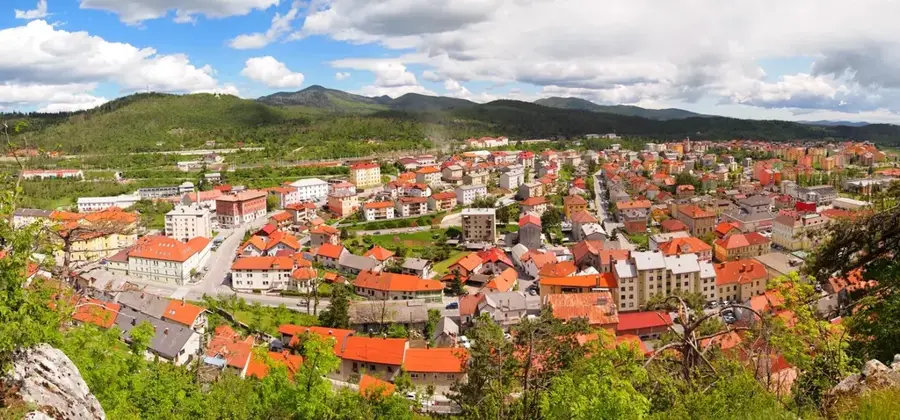
Postojna
Postojna is a strategically important town in the Slovenian Karst region, globally famous as the gateway to one of Europe's largest and m…
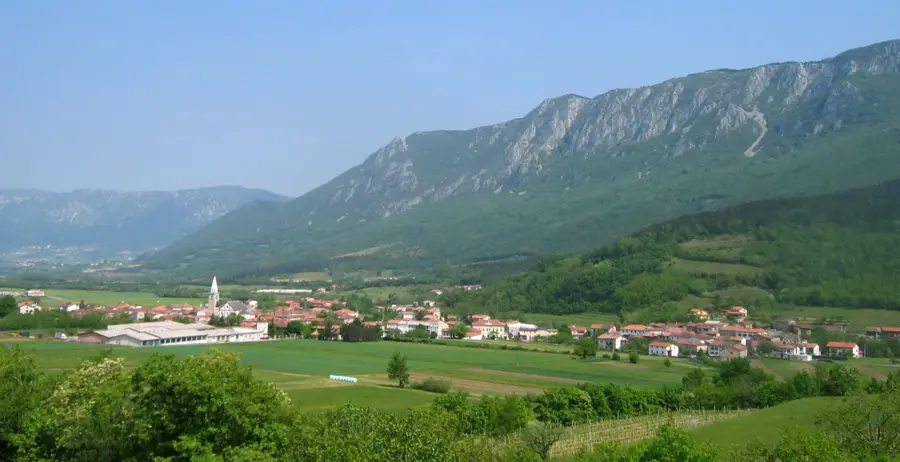
Vipava Valley
A fertile valley between the Karst and the mountains, known for the strong Burja wind and indigenous wines.
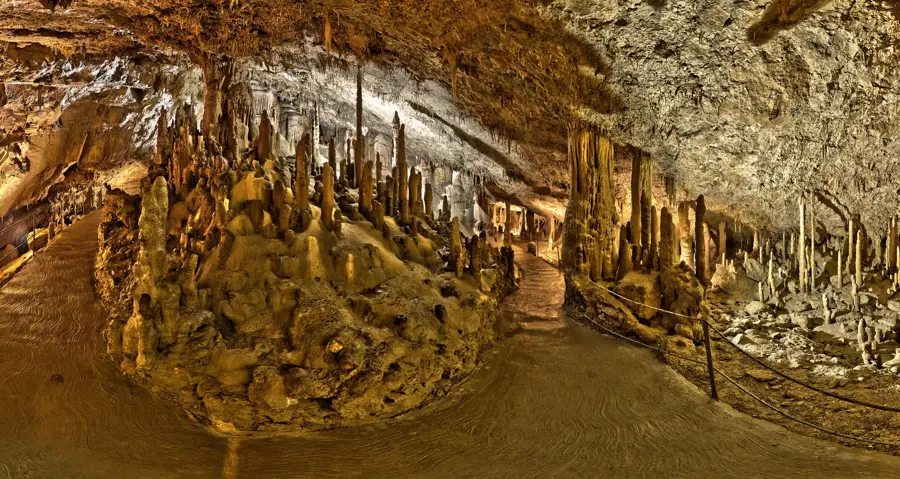
Škocjan Caves
A UNESCO World Heritage site featuring Europe's largest underground canyon and massive caverns.
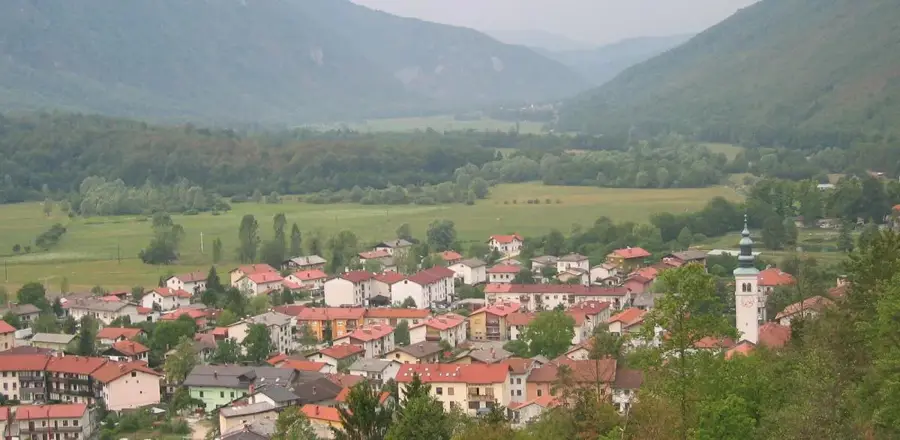
Kobarid
Historical town in the Soca Valley, famous for its WWI museum and the emerald-green Soca River.
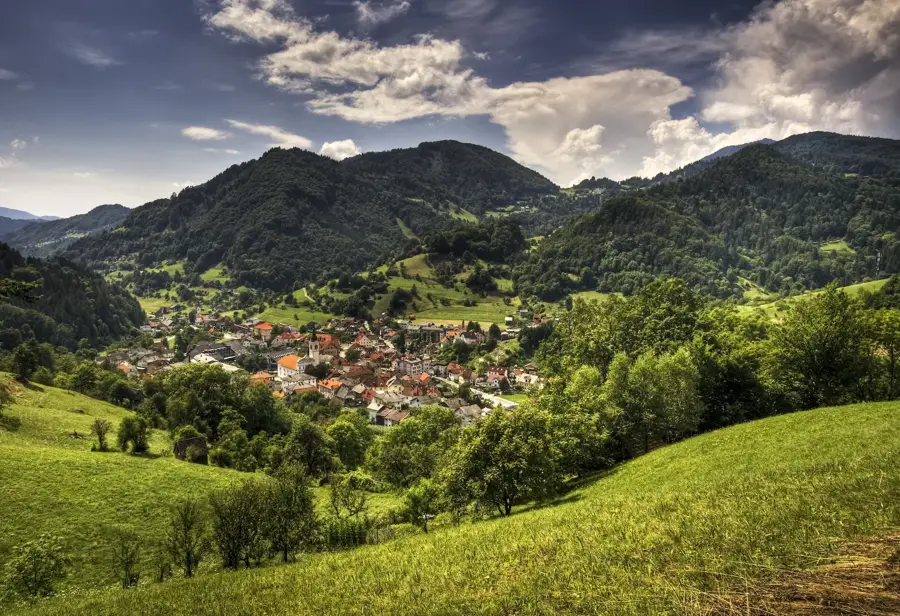
Cerkno Hill
A versatile destination in the Goriška region, known for its modern ski center and the historical Franja Partisan Hospital.