Plizio Visual Lab
Idrija
ℹ️Practical info — Idrija
▾
🌤 Weather — 5 days
📍 Nearby
Sights nearby
💡 Tips
- Book your tickets for Anthony's Main Road (the mercury mine) in advance, as group sizes are limited.
- Dress warmly for the mine tour, as the underground temperature is around 13°C year-round.
- Visit Gewerkenegg Castle to see the exquisite exhibitions of Idrija lace.
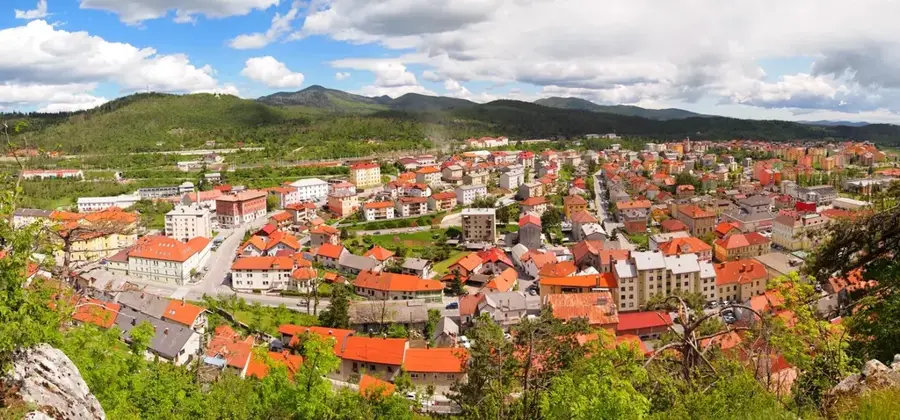
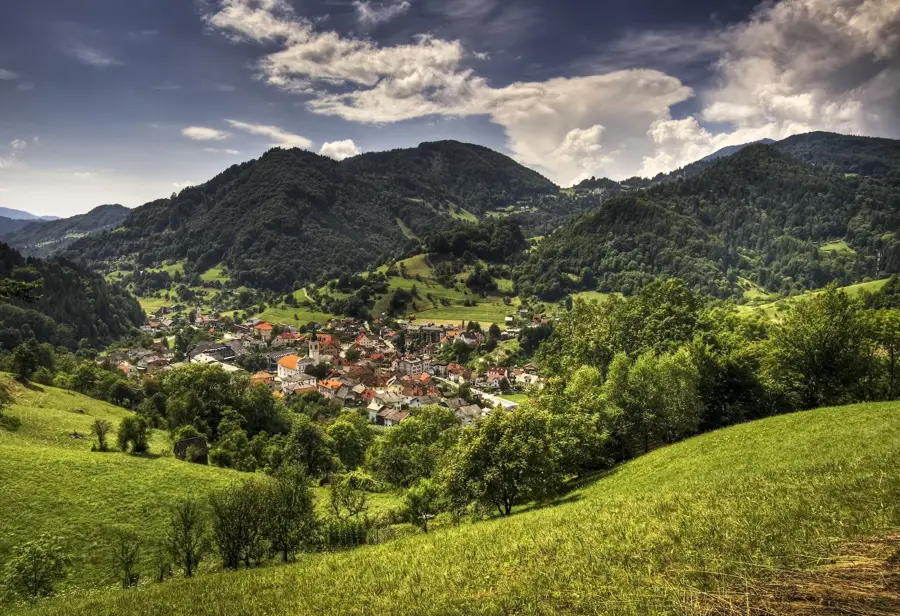
- The town sits in a deep valley; be prepared for steep streets if you venture off the main roads.
🍽 Food
Potato-filled dumplings, best enjoyed with 'bakalca' (mutton sauce) at traditional local taverns.
A hearty local miners' soup available in rustic restaurants around the town.
A traditional bitter drink of the local miners, ask for it at local bars.
🛍 Shopping · 🧘 Quiet spots
Find genuine handmade lace at specialized boutiques in the town center.
Replica cinnabar ore drops and mining-related gifts available at the museum shop.
A mysterious karst lake and the source of the Jezernica river, a short walk from the center.
Peaceful forest trails along the Idrijca river, great for a relaxing afternoon.
Water temperature…
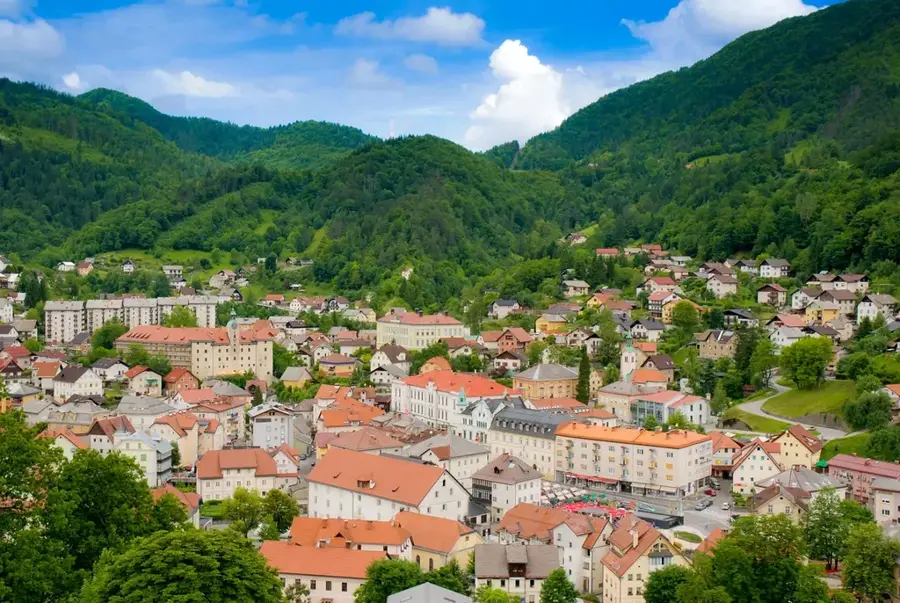
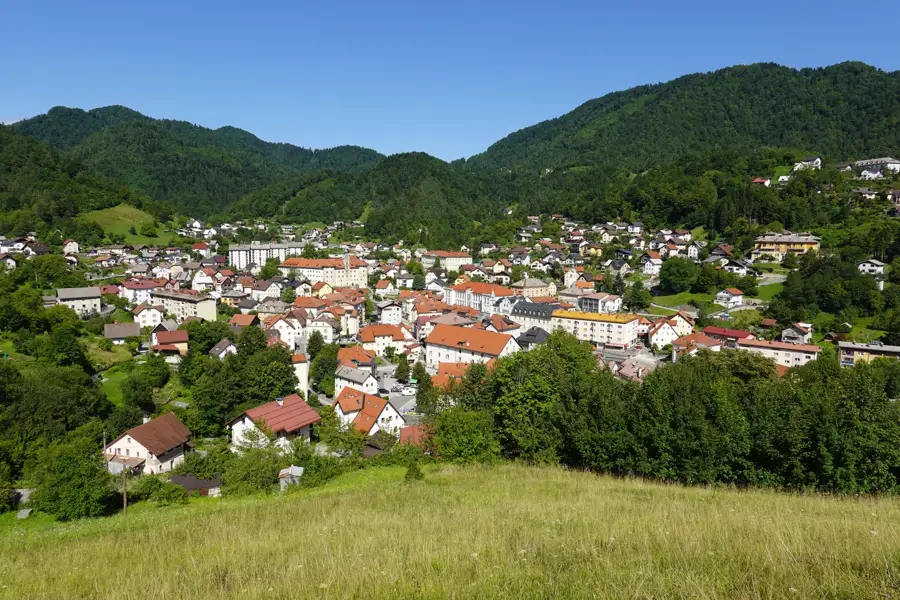
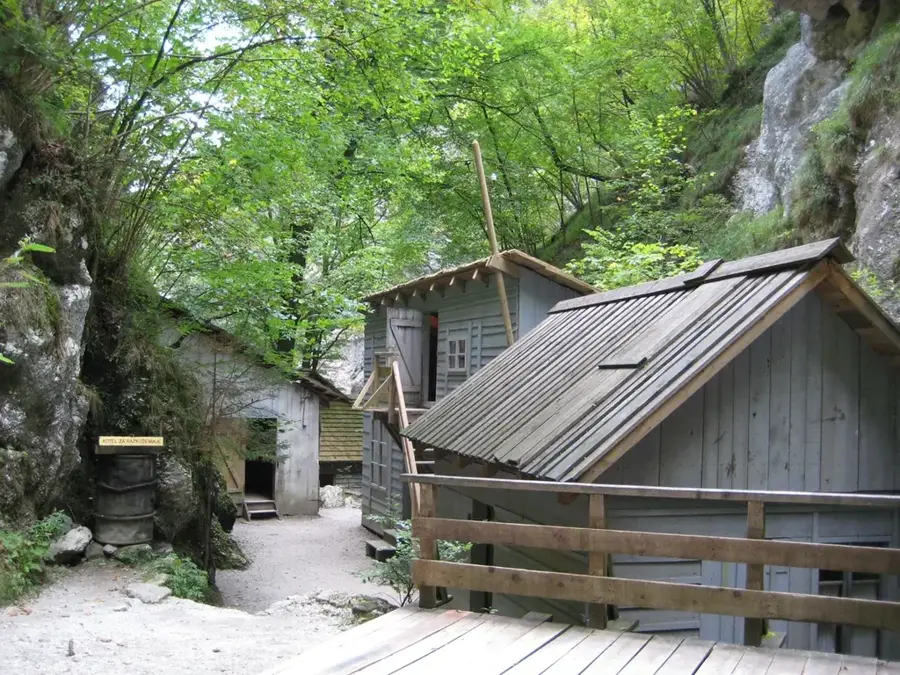
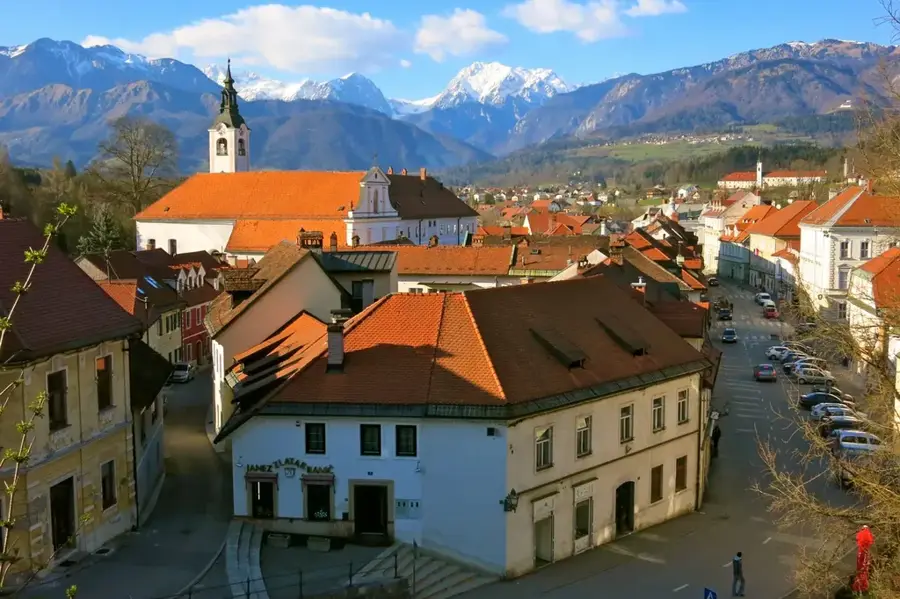
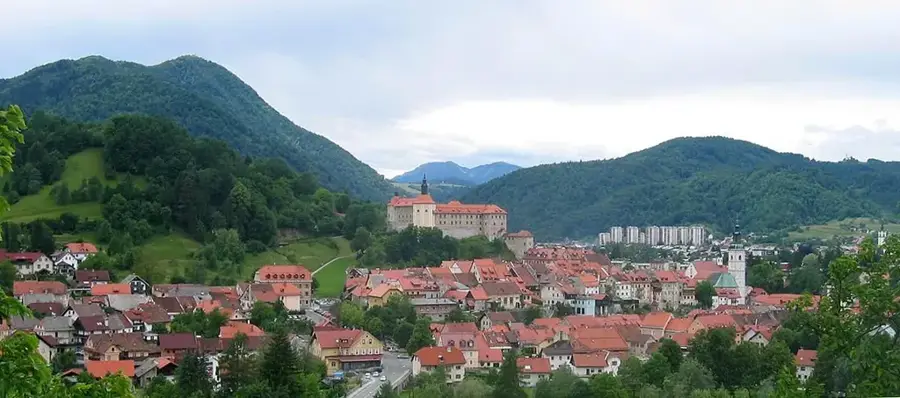
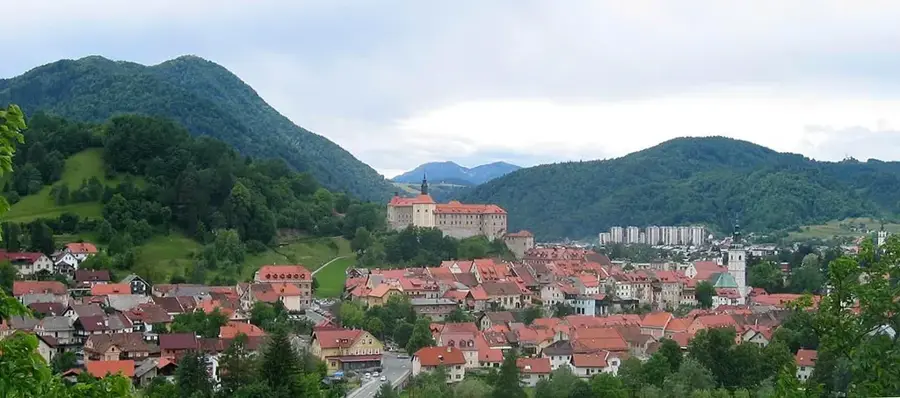
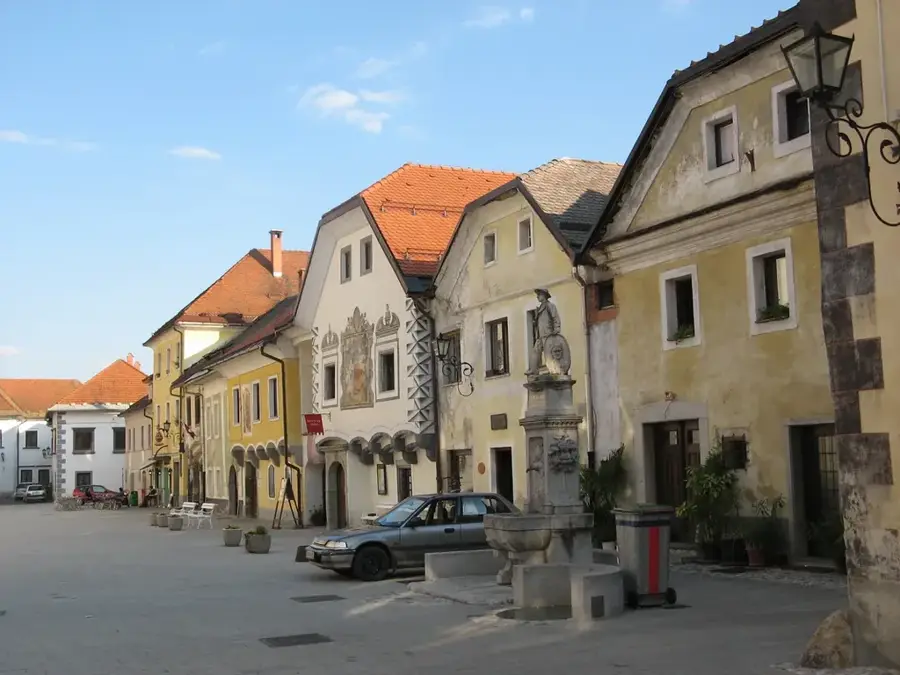
Idrija is a historically significant town globally recognized for its mercury mine, which was discovered in 1490 and operated for over five centuries until its closure. As the world's second-largest mercury mine, it fundamentally shaped the town's economic growth, urban layout, and social fabric, leading to its designation as a UNESCO World Heritage site in 2012. Beyond mining, the town is celebrated for the traditional Idrija lace, a delicate craft developed by miners' wives since the 17th century that continues to flourish through a dedicated local school. Notable architectural landmarks include Gewerkenegg Castle, built in the 16th century to serve as the mine's administrative headquarters, and the Kamšt, a massive wooden water wheel from 1855 used for pumping water from the depths. Today, Idrija serves as a bridge between its industrial past and a high-tech future, hosting major global players in the electronics industry while preserving its unique cultural identity within the scenic Idrija Hills.
- Location: Slovenia
- Top sights: Anthony's Shaft · Kamšt · Idrija Municipal Museum
- Nearby: Cerkno (14 km)
- Population: ~5.955
Best time to visit & climate
The most pleasant time to visit is Jun–Aug.
| Jan | Feb | Mar | Apr | May | Jun | Jul | Aug | Sep | Oct | Nov | Dec | |
|---|---|---|---|---|---|---|---|---|---|---|---|---|
| Avg °C | 0 | 1 | 5 | 10 | 14 | 19 | 21 | 21 | 16 | 11 | 6 | 1 |
| Rain mm | 65 | 76 | 77 | 75 | 96 | 86 | 81 | 95 | 116 | 111 | 121 | 96 |
Geography
Facts
- The mercury mine in Idrija was discovered in 1490 and remained active for more than 500 years.
- In 2012, the mercury mining heritage was inscribed on the UNESCO World Heritage List.
- Gewerkenegg Castle was constructed between 1522 and 1533 as the administrative center for the mine.
- The Kamšt, built in 1855, is the largest wooden water wheel in Europe with a diameter of 13.6 meters.
- The Idrija Lace School was officially established in 1876 to preserve the local craftsmanship.
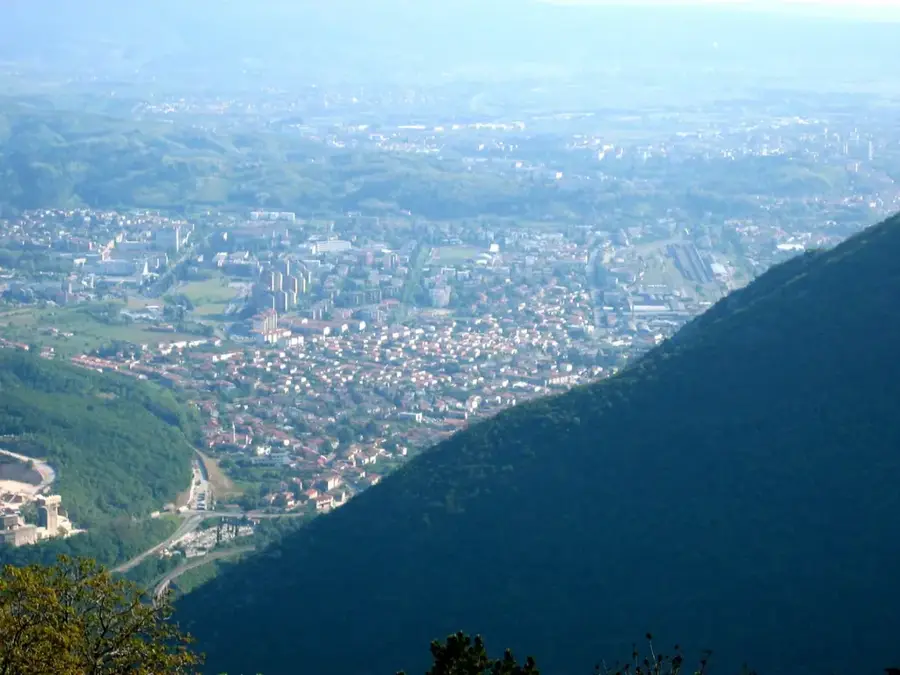
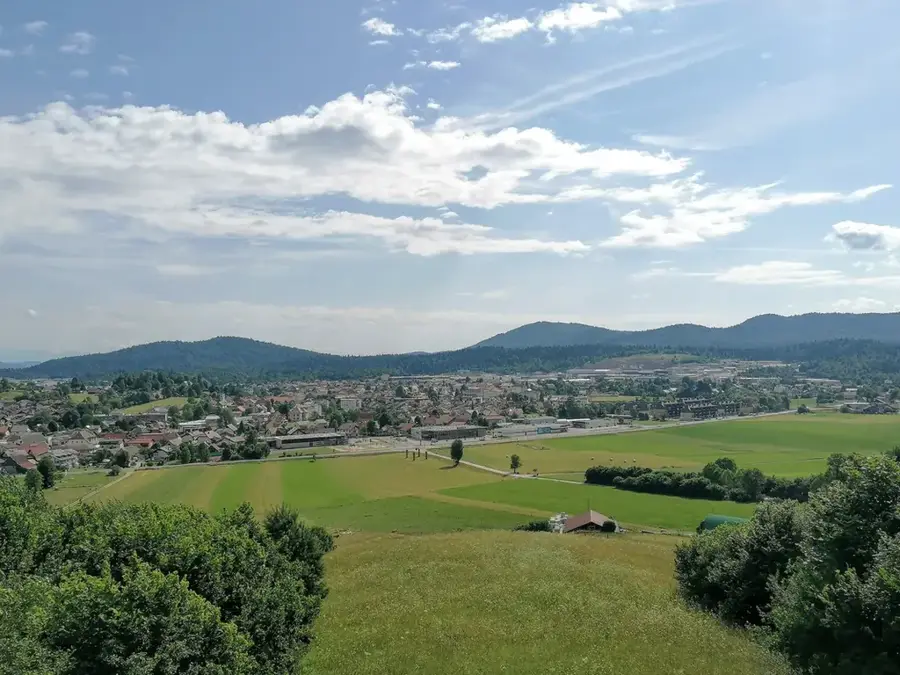
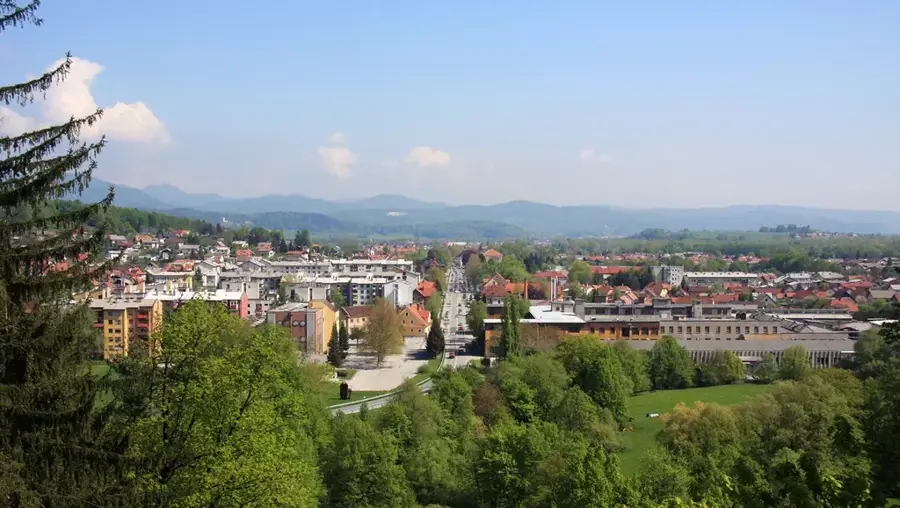
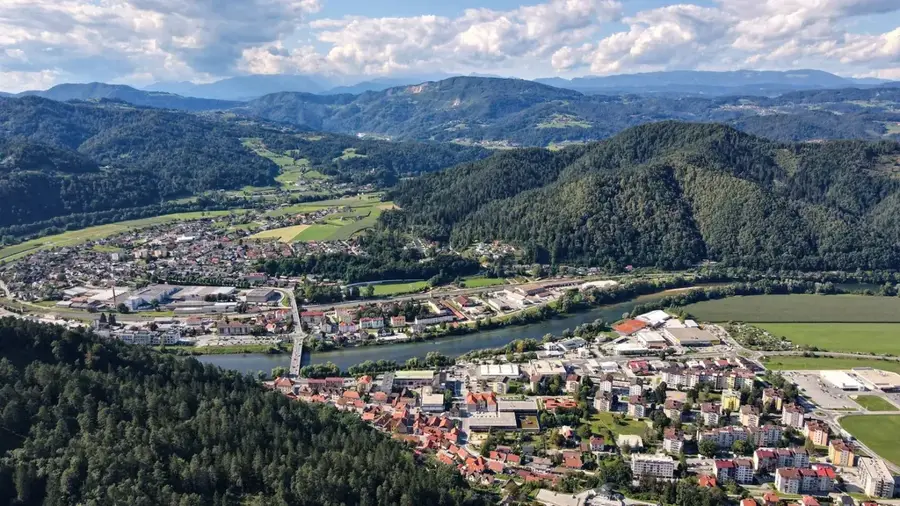
- Idrija is located at the confluence of the Idrijca and Nikova rivers in western Slovenia.
Explore nearby
Notable places around
Route planner — Car & Motorhome
Where do you start? We build the route here, with stops and country notes along the way.
© OpenStreetMap contributors · OpenRouteService
Frequently asked questions
Why is Idrija a UNESCO World Heritage site?
Can you visit the mine?
What are Idrijski žlikrofi?
Are there lace-making courses in Idrija?
What is the 'Wild Lake' (Divje jezero)?
Idrija: where is it located?
Idrija: what is there to see?
Idrija: when is the best time to visit?
Idrija: why is it worth visiting?

Nearby cities
History & landmarks