Plizio Visual Lab

Škrlatica
Plizio editorial teamData Sources
peak
—°3
Škrlatica (Slovenia)

Weather…

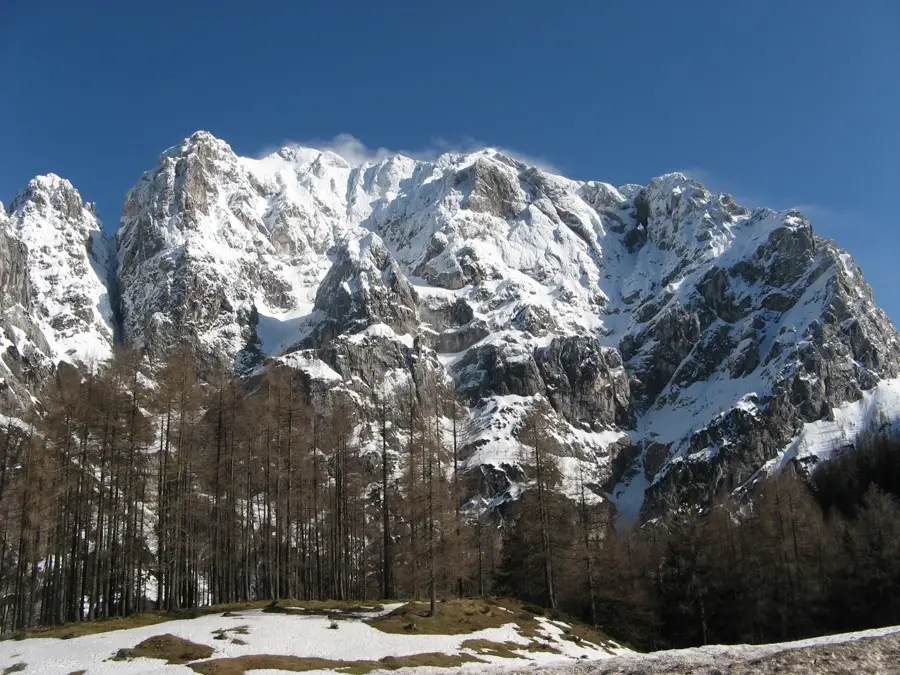
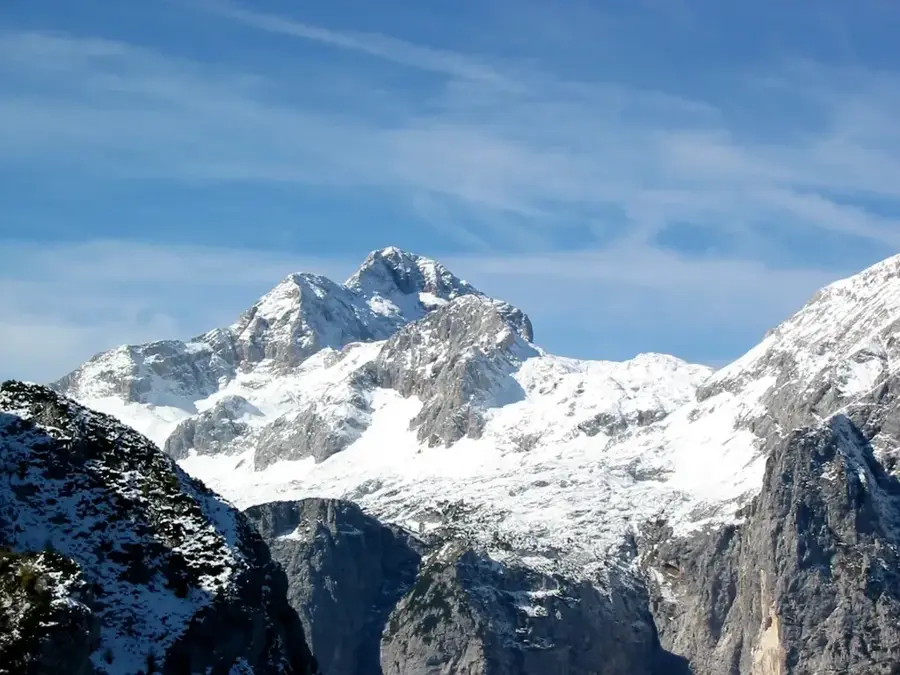
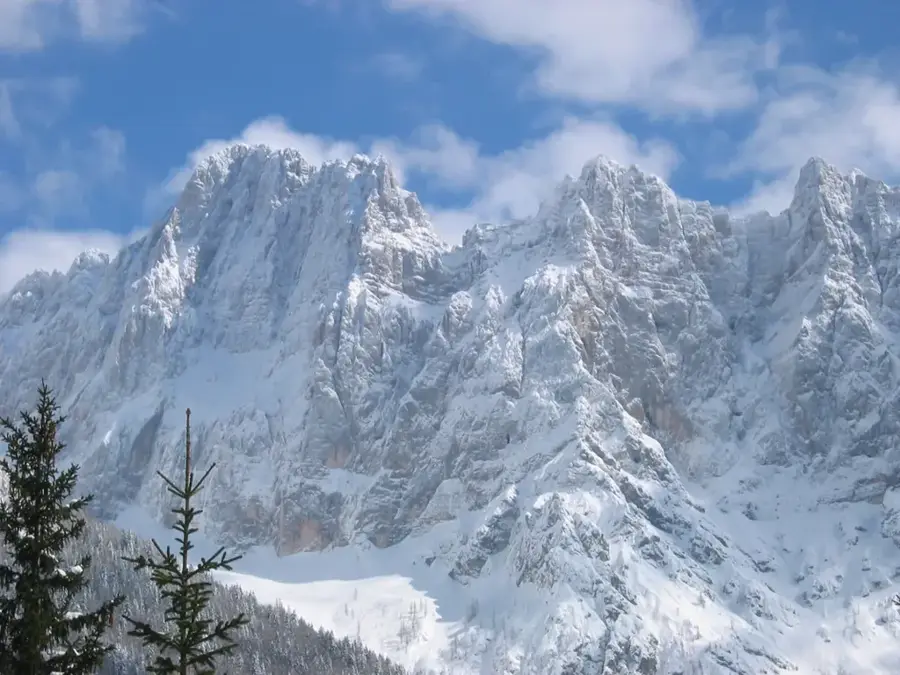
Standing at 2,740 meters, Škrlatica is the second-highest mountain in Slovenia and is frequently referred to as the 'Queen of the Julian Alps.' Located in the heart of the Julian Alps, the peak is renowned for its distinctive reddish-hued rock walls, from which its name is derived (the Slovene word 'škrlat' means scarlet). Unlike the nearby Triglav, there are no easy routes to its summit; the climb is technically demanding and requires significant mountaineering experience. The first recorded ascent was achieved in 1880 by the famous explorer and alpinist Julius Kugy, accompanied by local guides, marking a milestone in the exploration of the Eastern Alps. Geologically, the mountain is composed of massive Dachstein limestone, sharply shaped by ancient glacial activity. The summit features one of Slovenia's most comprehensive panoramic views, which on clear days extends to the Großglockner in the north and the Adriatic Sea in the south. As part of the Triglav National Park, the peak serves as a sanctuary for rare alpine flora, including edelweiss and gentian, which thrive in its rugged crevices.

Best time to visit & climate

The most pleasant time to visit is Jun–Aug.

JanFebMarAprMayJunJulAugSepOctNovDec
Avg °C-4-326111517171283-2
Rain mm5866748311012012514013011811985

📋 Practical info

🧭
Getting there
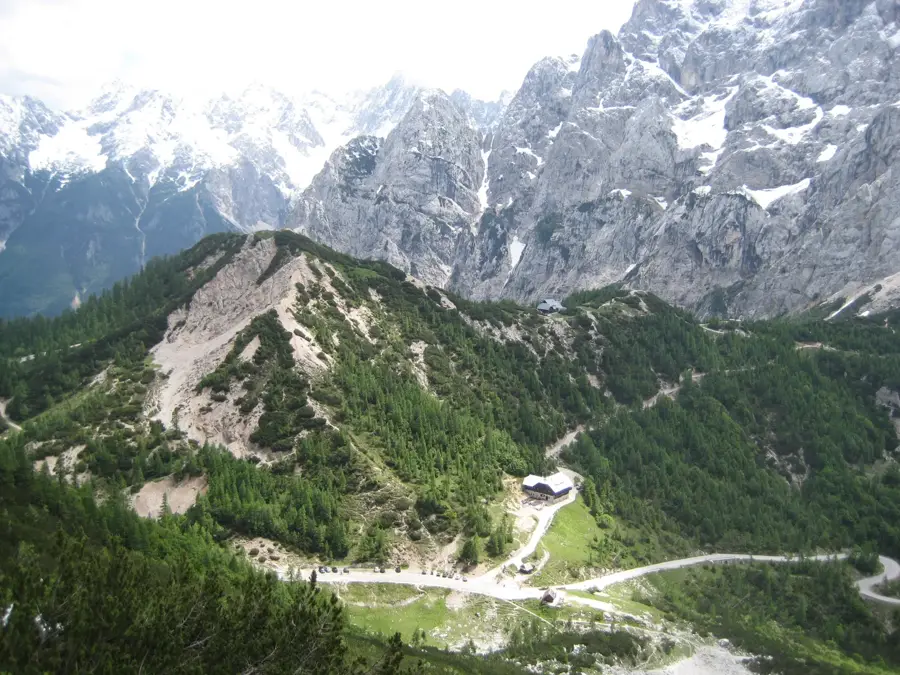
Reaching this formidable peak typically requires driving deep into the Vrata Valley, which serves as the primary base for ascents in this sector. The valley road itself can be narrow and rough in places, adding an element of adventure to the approach.
📅
Best season
The climbing window is quite short, practically limited to the peak summer months from July to September when the high-altitude routes are snow-free. Outside this window, severe winter conditions make the mountain suitable only for expert alpinists.
⛰️
Terrain & paths
The ascent is famously tough, featuring extreme elevation gains, steep scree slopes, and highly exposed rock sections near the top. Many routes require basic mountaineering skills and the use of secured via ferrata paths for the final summit push.
🎒
What to bring
Comprehensive alpine gear is strictly mandatory: sturdy mountaineering boots, a climbing helmet to protect against rockfall, and a via ferrata set. Warm, weatherproof clothing and ample water provisions are crucial for surviving high-altitude changes.
🅿️
Parking
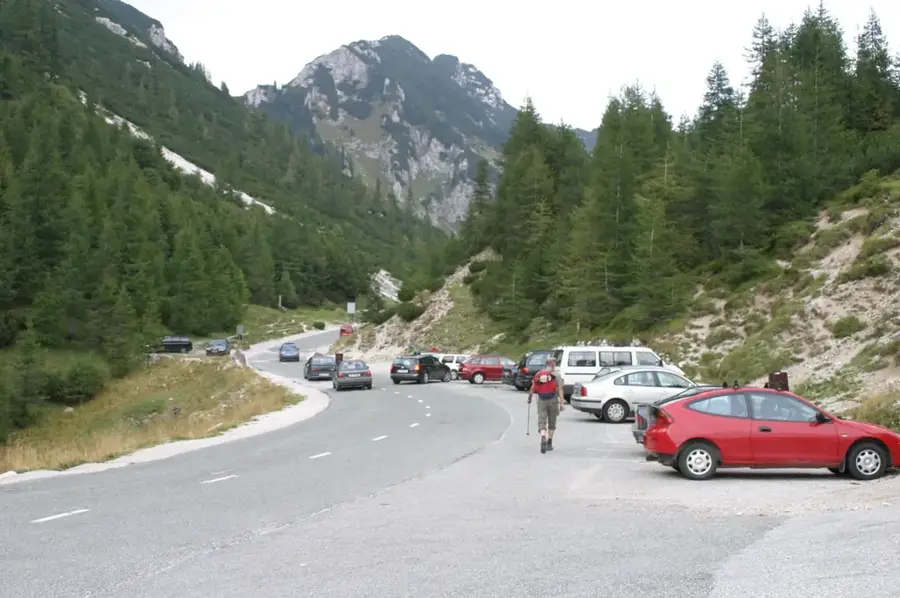
Hikers usually leave their vehicles at the designated parking areas near Aljažev dom in the Vrata Valley. From this base, it is an immediate transition onto the steep trails, making early arrival vital to secure a parking spot and ensure a timely start.
⚠️
Safety
This is a serious mountain that should not be underestimated; sudden storms, risk of rockfall, and significant route exposure demand deep respect. It is suitable only for experienced mountaineers, and absolute avoidance of the area during bad weather is a must.
⏱️
Time needed
An ascent of this peak is an intense, extremely long full-day undertaking, often taking 10 to 12 hours round trip depending on your fitness level. Many climbers opt to start before dawn to ensure they can safely return to the valley before nightfall.

Geography

Coordinates
46.43220, 13.82170

Facts

  • The summit stands at 2,740 meters above sea level
  • Second-highest peak in the Republic of Slovenia
  • First ascent by Julius Kugy on August 24, 1880
  • Belongs to the central Triglav mountain group
  • Name originates from the scarlet color of the rock
  • There are no mountain huts in the immediate vicinity of the summit

Explore nearby

Notable places around
Route planner — Car & Motorhome

Where do you start? We build the route here, with stops and country notes along the way.

Vehicle
Only stops with (optional):

© OpenStreetMap contributors · OpenRouteService

Sights in the town Škrlatica (3)

Gozdni rezervat Vršič🌿 nature

Forest reserve at Vršič Pass, one of Slovenia's highest mountain passes.

Škrlatica📍 landmark

Slovenia's second-highest mountain peak, located in the Julian Alps.

Kukova špica📍 landmark

A mountain peak in the Škrlatica group of the Julian Alps.

Sights nearby

Frequently asked questions

Is Škrlatica difficult to climb?
Yes, it is a very demanding tour with climbing sections.
What does the name mean?
It derives from the purple color of the rocks.
Where is the best place to start?
From Aljažev dom in the Vrata Valley.
How high is the peak?
2740 meters, the second highest mountain in Slovenia.
Do you need equipment?
Yes, a helmet and via ferrata set are strongly recommended.
Škrlatica: where is it located?
Škrlatica is located in Slovenia.
Škrlatica: what is there to see?
Highlights include Gozdni rezervat Vršič, Škrlatica, Kukova špica.
Škrlatica: when is the best time to visit?
The most pleasant time to visit is Jun, Aug.
Škrlatica: why is it worth visiting?
Standing at 2,740 meters, Škrlatica is the second-highest mountain in Slovenia and is frequently referred to as the 'Queen of the Julian Alps.' Located in the heart of the Julian Alps, the peak is renowned for its distinctive reddish-hued rock walls, from which its name is…
View on map → The Top 50 Attractions → OpenStreetMap →
Europe
Explore with Plizio Discover more places in Europe
More places in Slovenia →

Nearby cities

History & landmarks