Plizio Visual Lab
Škofja Loka Medieval Town
ℹ️Practical info — Škofja Loka Medieval Town
▾
🌤 Weather — 5 days
📍 Nearby
Sights nearby
💡 Tips
- Avoid driving into the old town core, as streets are narrow and parking is limited; use the designated lots on the town outskirts.
- Cross the iconic Capuchin Bridge on foot for the best photos of the historic center.
- The Škofja Loka Castle museum has excellent context, so visit it early in the day before exploring the squares.
- If visiting in summer, check local schedules for medieval fairs or outdoor theatre performances in the old town.
🍽 Food
A healthy local smoothie made with regional ingredients, try it at cafes around Mestni trg.
Traditional Slovenian sausage served with mustard and horseradish at local taverns in the old town.
Traditional nut roll cake, excellent paired with a strong coffee at a bakery near the main square.
🛍 Shopping · 🧘 Quiet spots
Intricately decorated traditional gingerbreads sold in local craft shops and at the castle.
Local lacemakers in Škofja Loka sell beautiful handmade pieces in old town boutiques.
Take the scenic, wooded walking trail up to Škofja Loka Castle for peace and great town views.
Walk across the wooden footbridge over the Sora river to reach this quieter, lesser-visited area.
Water temperature…
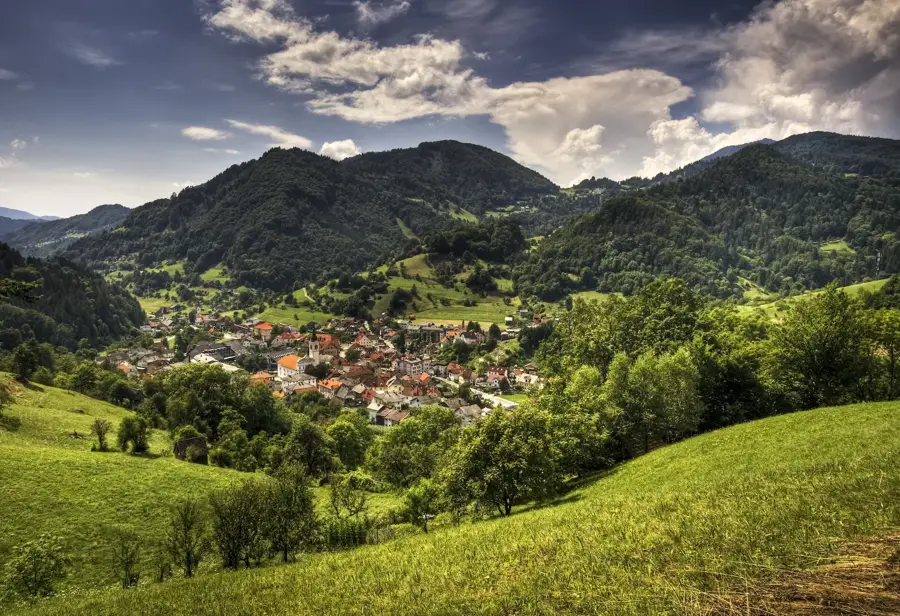
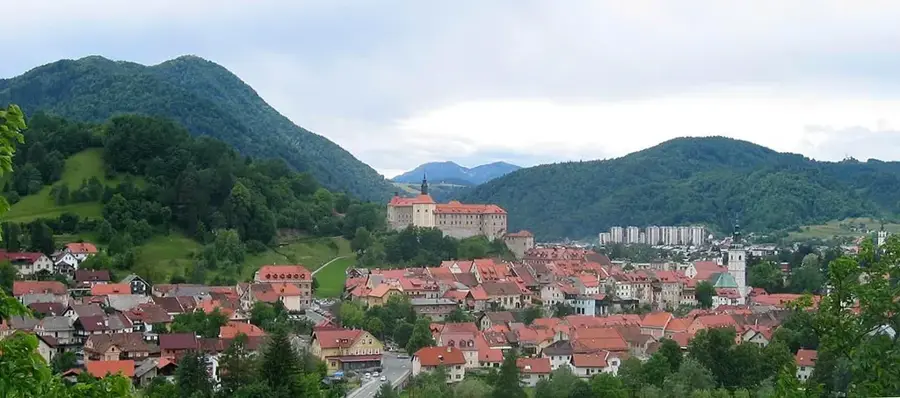
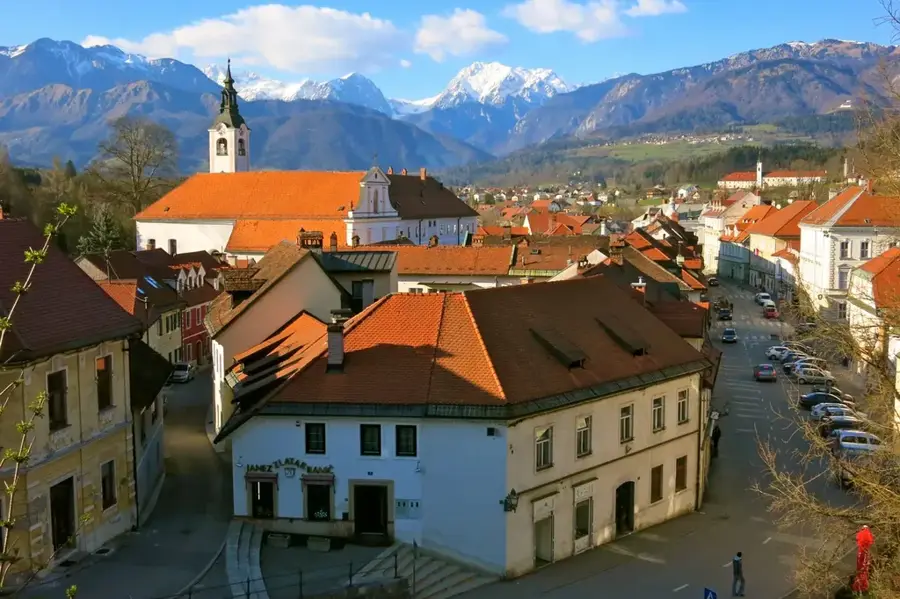
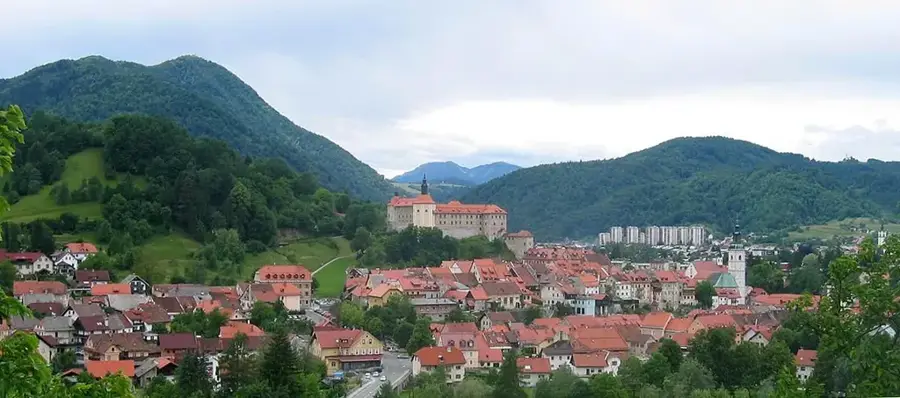
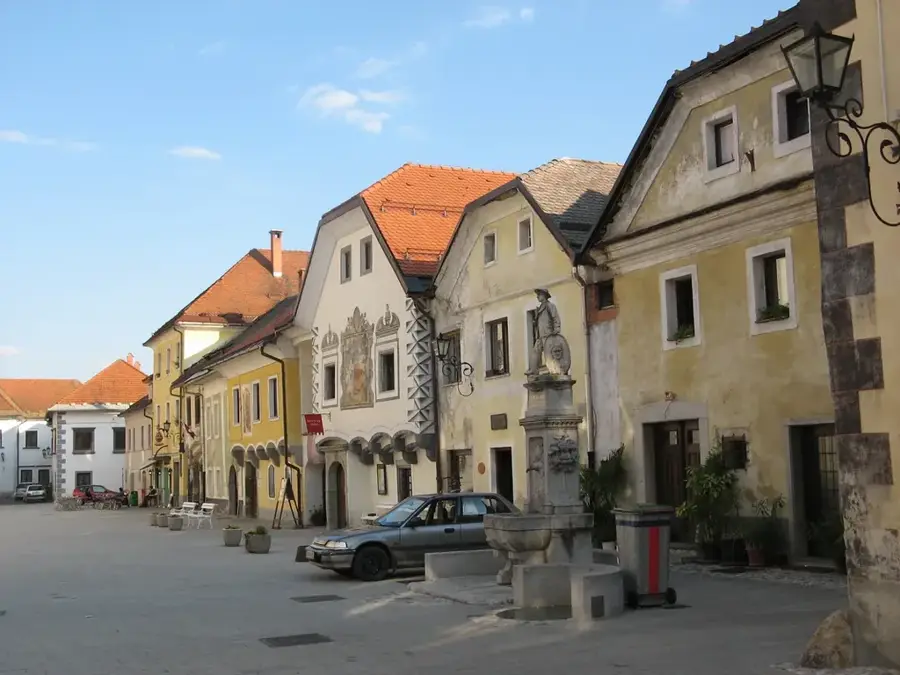
Škofja Loka is widely regarded as the best-preserved medieval town in Slovenia, boasting a rich history that spans over a thousand years. The town was first mentioned in 973 when Emperor Otto II granted the territory to the Bishops of Freising, who ruled the area for over eight centuries. The skyline is dominated by Loka Castle, which sits on a hill overlooking the confluence of the Selška Sora and Poljanska Sora rivers and now houses an extensive municipal museum. The town's historical core is divided into the Upper Square (Mestni trg) and the Lower Square (Lontrg), both lined with narrow colorful houses featuring Gothic, Renaissance, and Baroque architectural elements. A key landmark is the Capuchin Bridge, an arched stone structure dating back to the late 14th century, making it one of the oldest bridges of its kind in Central Europe. Škofja Loka is also internationally famous for the 'Škofja Loka Passion Play', the oldest dramatic script in the Slovene language, which is performed in the streets and recognized by UNESCO as Intangible Cultural Heritage. Its blend of authentic medieval ambiance and lively cultural traditions makes it a cornerstone of Slovenian identity.
- Location: Slovenia
- Top sights: Škofjeloški grad · Puštalski grad · Starološki grad
- Nearby: Medvode (9 km)
- Population: ~11.619
Best time to visit & climate
The most pleasant time to visit is Jun–Aug.
| Jan | Feb | Mar | Apr | May | Jun | Jul | Aug | Sep | Oct | Nov | Dec | |
|---|---|---|---|---|---|---|---|---|---|---|---|---|
| Avg °C | -1 | 0 | 4 | 9 | 14 | 18 | 20 | 20 | 15 | 10 | 5 | 0 |
| Rain mm | 60 | 73 | 71 | 73 | 96 | 88 | 83 | 94 | 118 | 104 | 109 | 85 |
Geography
Facts
- Škofja Loka was granted to the Freising Bishops in 973 AD.
- The Capuchin Bridge is one of the oldest stone bridges in Central Europe.
- The town was heavily damaged by a major earthquake in 1511.
- The Škofja Loka Passion Play was written by Father Romuald in 1721.
- Loka Castle features a well-preserved defensive tower and inner courtyard.
- The town served as an administrative and trade hub for the surrounding region.
Explore nearby
Notable places around


Route planner — Car & Motorhome
Where do you start? We build the route here, with stops and country notes along the way.
© OpenStreetMap contributors · OpenRouteService
Sights in the town Škofja Loka Medieval Town (10)
Frequently asked questions
What is the heart of Škofja Loka?
Is there a castle in the town?
What is the Capuchin Bridge?
When does the Škofja Loka Passion Play take place?
Is Škofja Loka a good day trip from Ljubljana?
Škofja Loka Medieval Town: where is it located?
Škofja Loka Medieval Town: what is there to see?
Škofja Loka Medieval Town: when is the best time to visit?
Škofja Loka Medieval Town: why is it worth visiting?

Nearby cities
History & landmarks