Plizio Visual Lab
Ljubljana Marshes
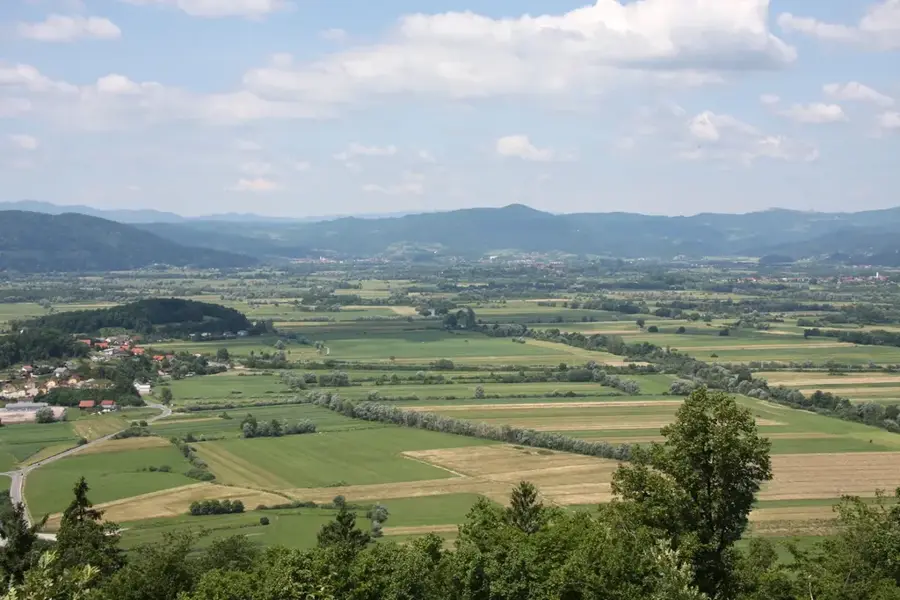
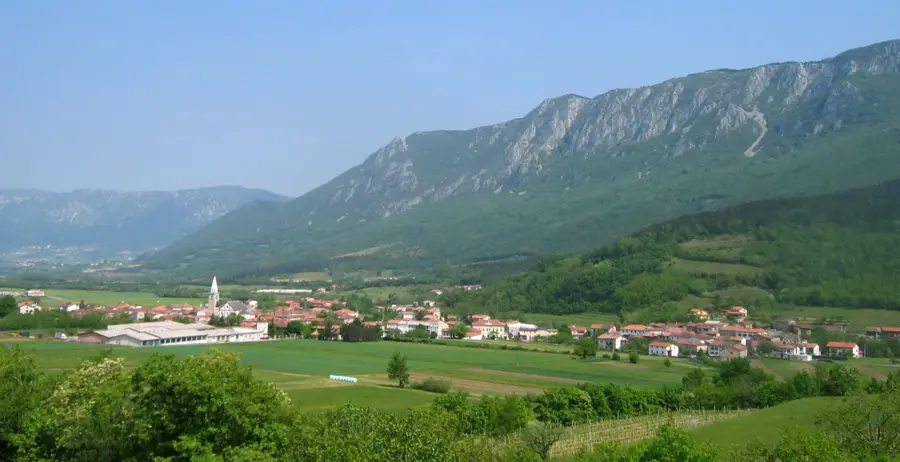
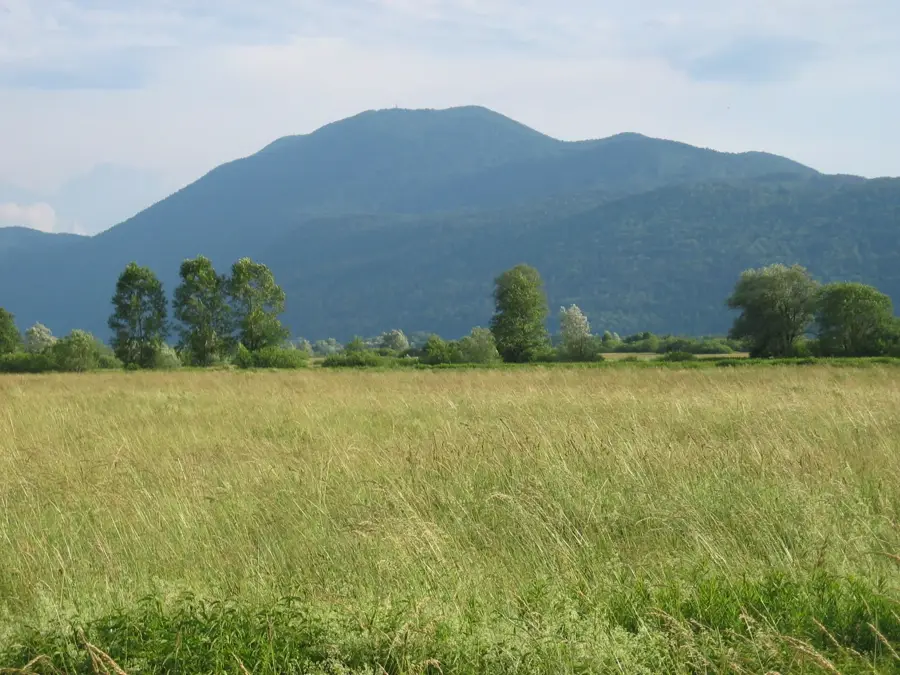
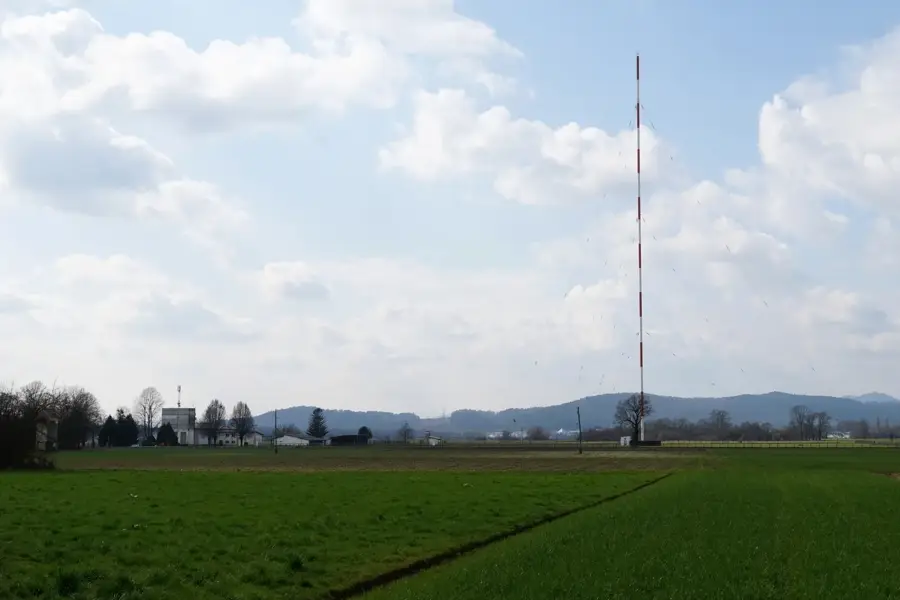
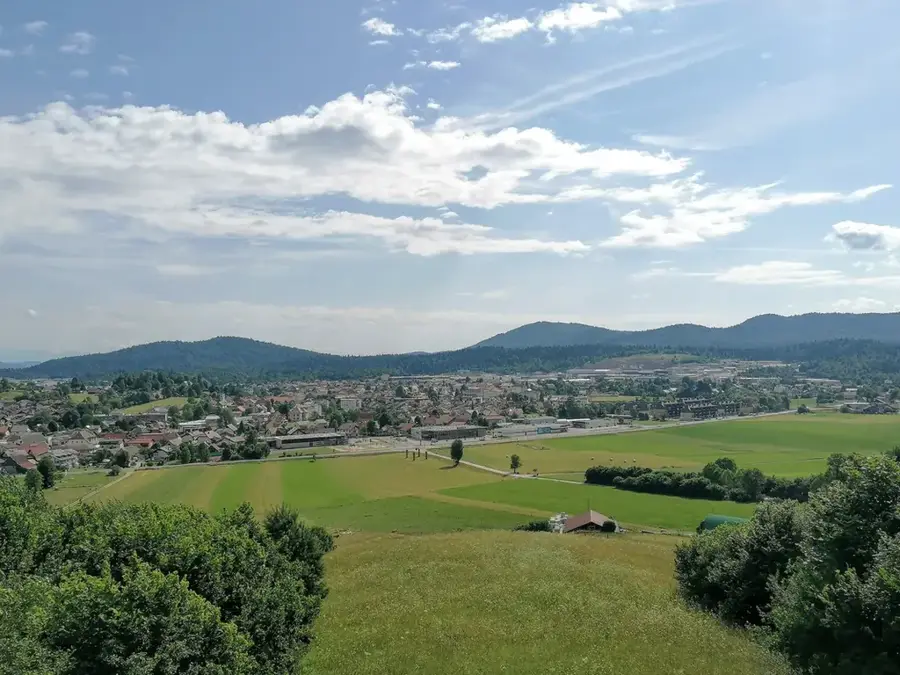
The Ljubljana Marshes, located just south of the capital city, constitute the largest wetland area in Slovenia, spanning approximately 160 square kilometers. This unique natural landscape was significantly altered by extensive drainage projects in the 18th and 19th centuries, but is now protected as a landscape park to preserve its remaining biodiversity. Archaeological sites within the marshes are of global importance, featuring remains of prehistoric pile dwellings that were inscribed on the UNESCO World Heritage list in 2011. A landmark discovery made in 2002 is a wooden wheel with an axle, dated at approximately 5,200 years old, making it the oldest of its kind ever found in the world. Ecologically, the area serves as a critical habitat for rare bird species like the corncrake and numerous specialized butterflies and plants. The landscape is defined by a network of drainage ditches, hedges, and meadows situated on unstable peat soil. Despite its proximity to an urban center, the marshes remain a vital ecosystem for flood management and ecological research.
- Location: Slovenia
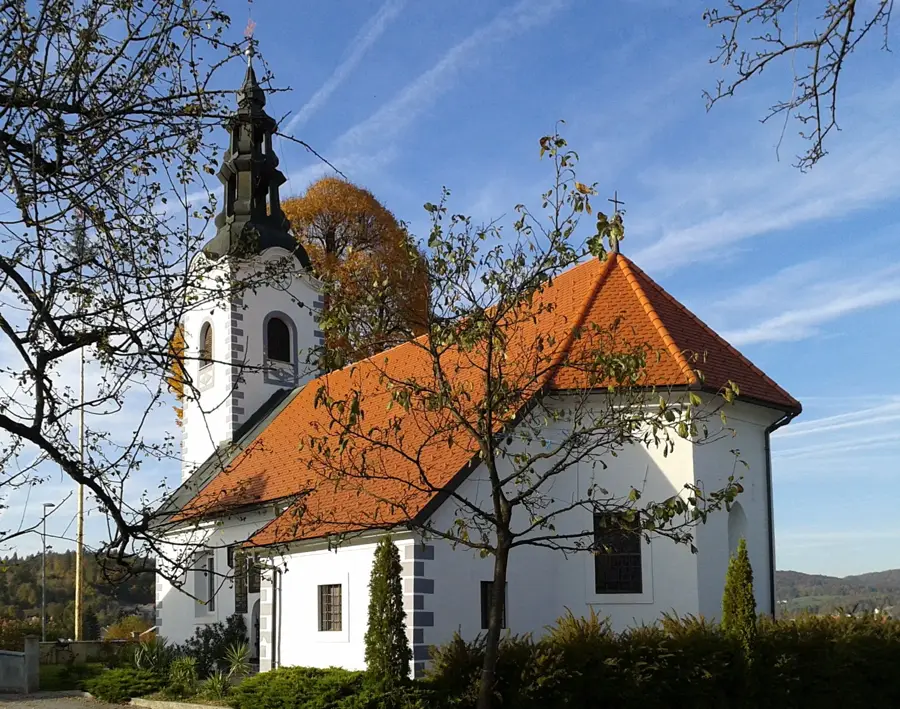
- Top sights: Strahomersko okno · Cerkev sv. Mohorja in Fortunata · Sveti Andrej
- Nearby: Vrhnika (14 km)
Best time to visit & climate
The most pleasant time to visit is Jun–Aug.
| Jan | Feb | Mar | Apr | May | Jun | Jul | Aug | Sep | Oct | Nov | Dec | |
|---|---|---|---|---|---|---|---|---|---|---|---|---|
| Avg °C | -1 | 0 | 4 | 9 | 14 | 18 | 20 | 20 | 15 | 10 | 5 | 0 |
| Rain mm | 60 | 73 | 71 | 73 | 96 | 88 | 83 | 94 | 118 | 104 | 109 | 85 |
📋 Practical info
Geography
Facts
- The area covers approximately 160 square kilometers.
- The wooden wheel found in 2002 is roughly 5,200 years old.
- UNESCO World Heritage status since 2011 for pile dwellings.
- Home to more than 100 different nesting bird species.
- Features the world's oldest wooden wheel with an axle.
- The landscape park was formally established in 2008.
Explore nearby
Notable places around
Route planner — Car & Motorhome
Where do you start? We build the route here, with stops and country notes along the way.
© OpenStreetMap contributors · OpenRouteService
Sights in the town Ljubljana Marshes (4)
Sights nearby
Frequently asked questions
What is the Ljubljana Marshes?
Why is it a UNESCO World Heritage site?
What birds can be seen there?
Is the area suitable for cycling?
What is 'Iški Vintgar'?
Ljubljana Marshes: where is it located?
Ljubljana Marshes: what is there to see?
Ljubljana Marshes: when is the best time to visit?
Ljubljana Marshes: why is it worth visiting?

Nearby cities
History & landmarks