Plizio Visual Lab

Kolovrat
Plizio editorial teamData Sources
Mountain
—°6
Kolovrat (Slovenia)

Weather…

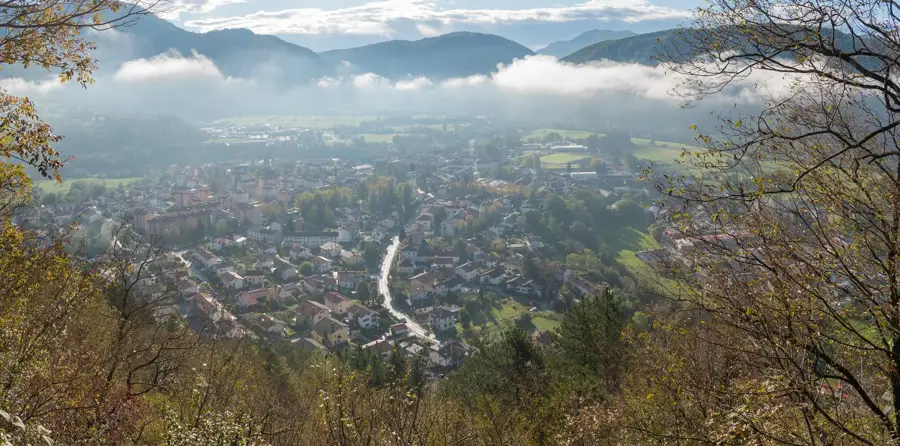
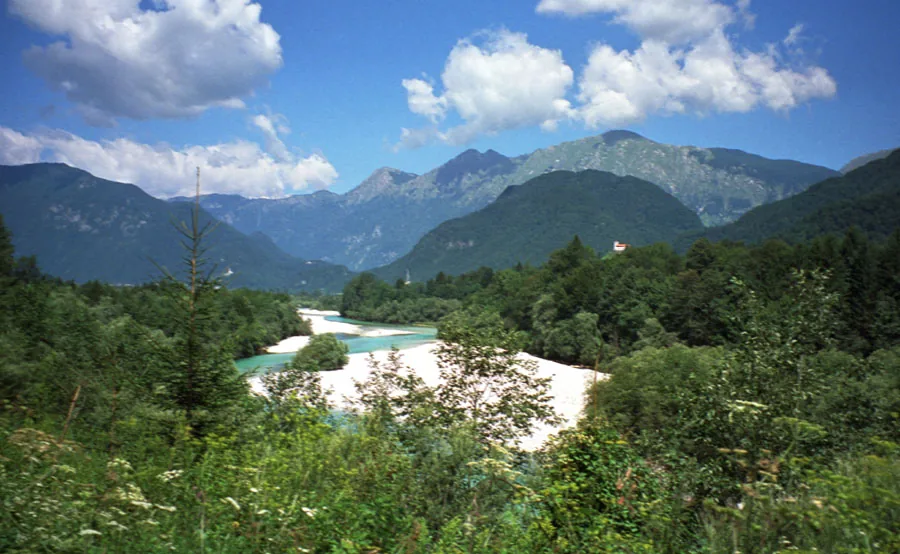
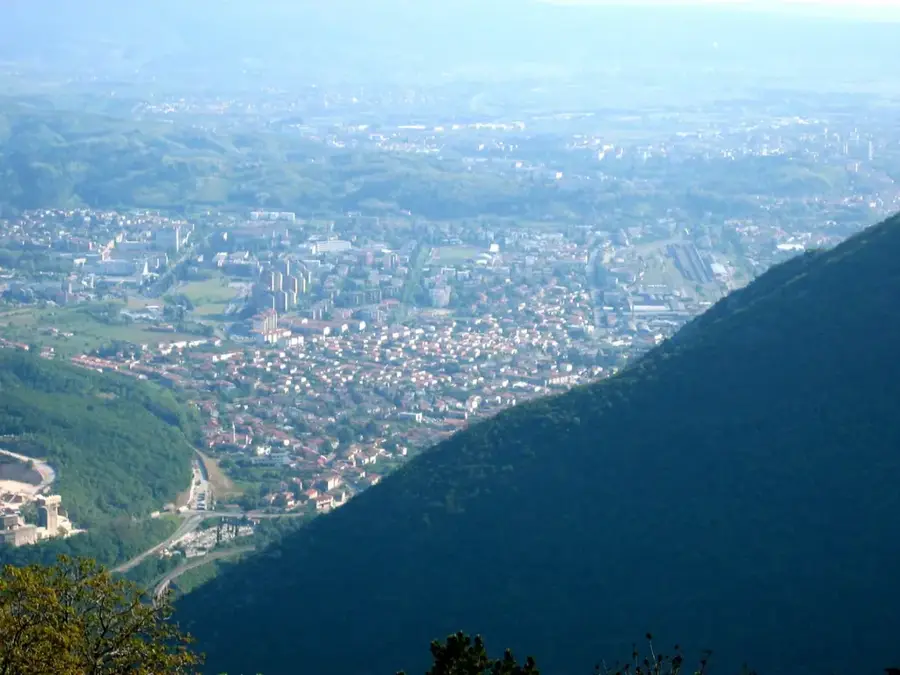
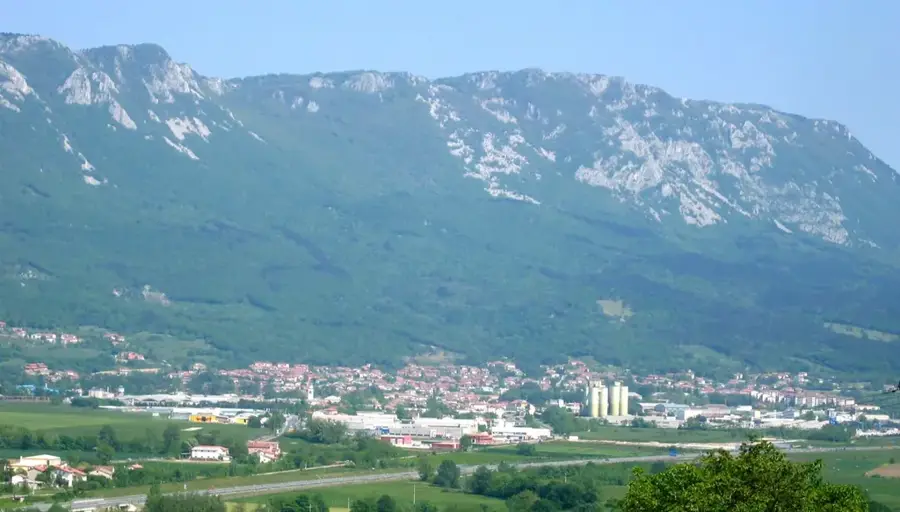
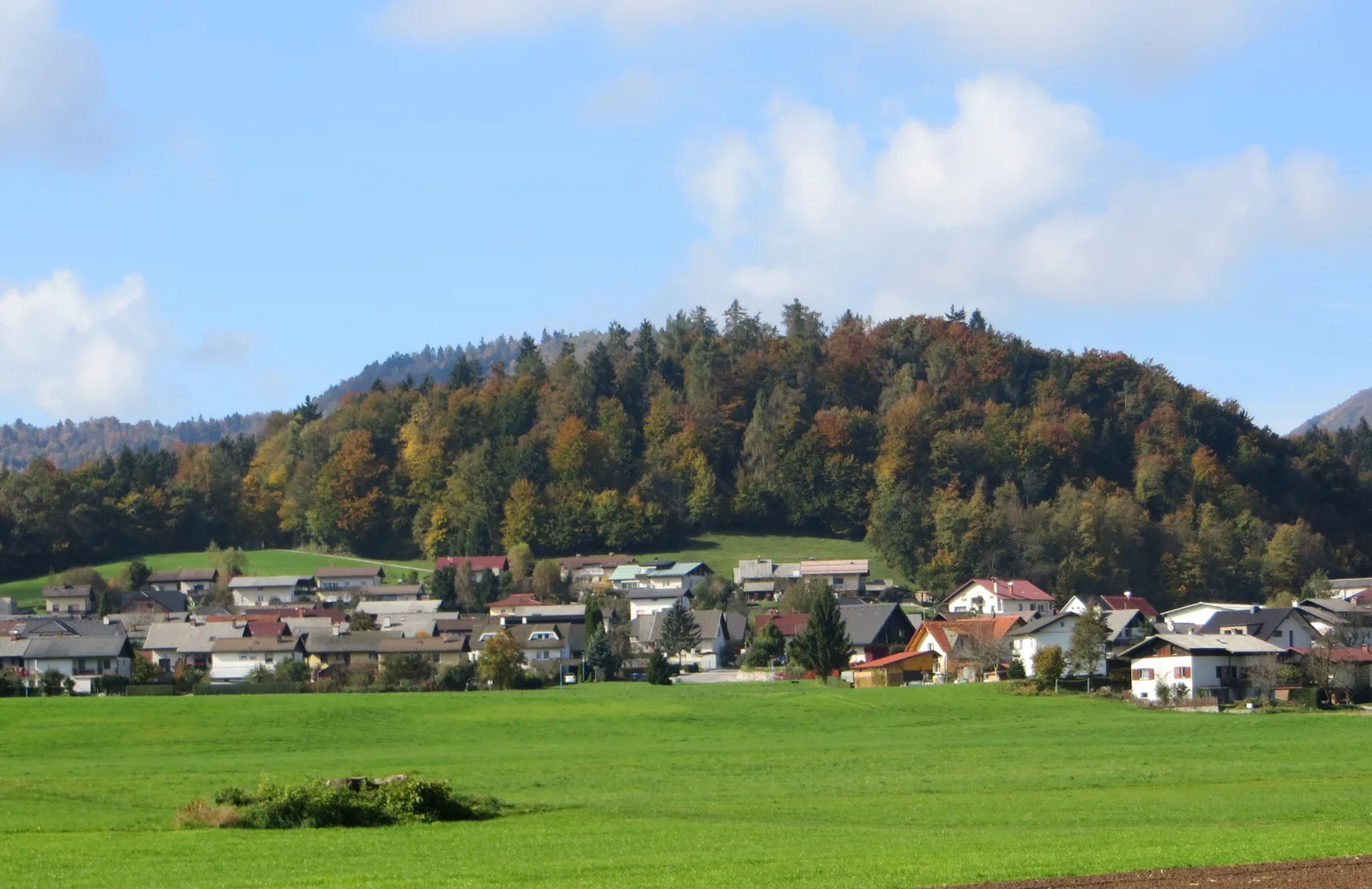
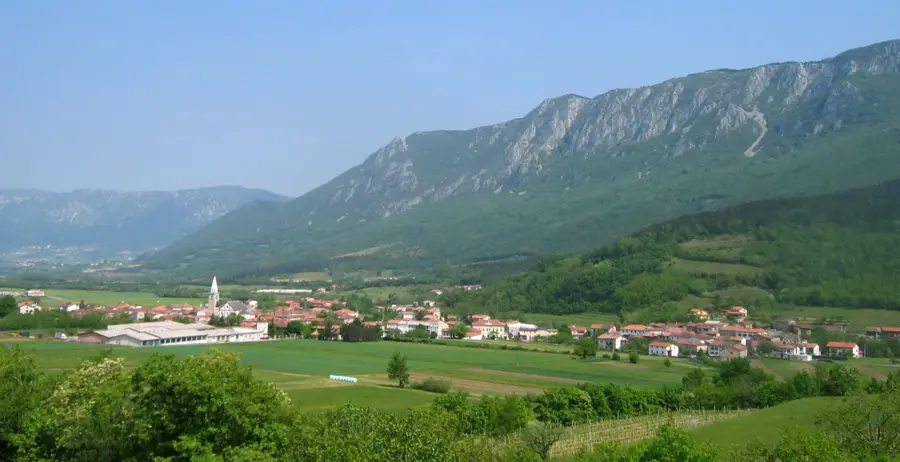
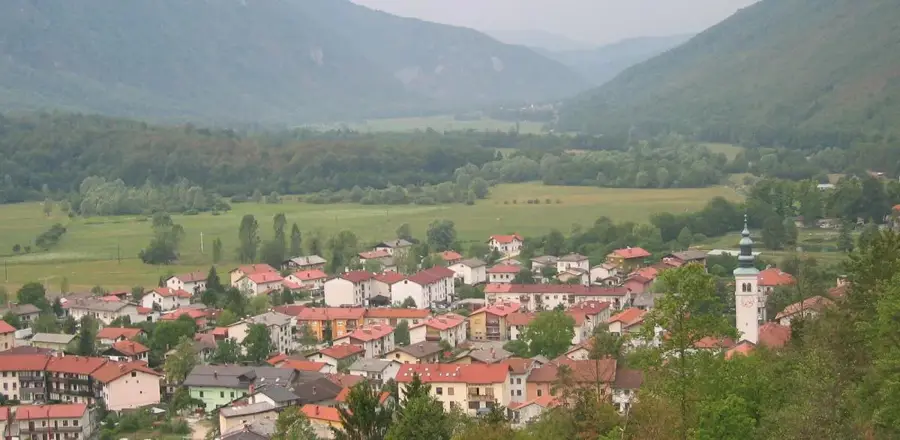
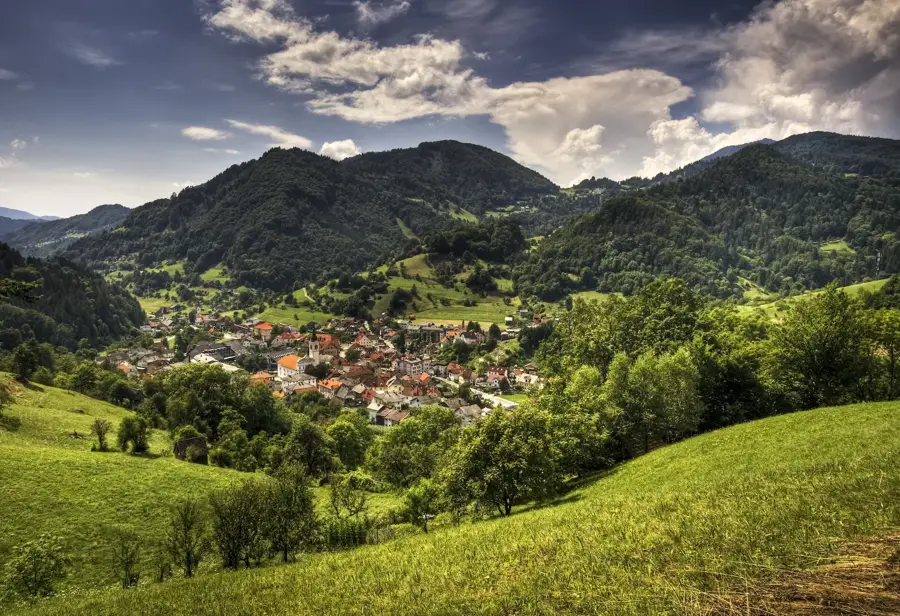
Kolovrat is a prominent mountain ridge in western Slovenia, rising above the Soča Valley and forming a natural border with Italy. It is historically renowned for its strategic role during World War I as part of the Isonzo Front, where major military operations took place. Today, the ridge hosts an extensive open-air museum featuring reconstructed trenches, bunkers, and tunnels that once formed the Italian army's third line of defense. Geographically, Kolovrat features sweeping panoramic views that stretch from the Julian Alps in the north to the Adriatic Sea in the south. In 1917, during the Twelfth Battle of the Isonzo (the Battle of Caporetto), the ridge was a site of critical combat that determined the collapse of the Italian front in this sector. The area is now part of the Walk of Peace trail, promoting historical understanding and reconciliation among nations. Beyond its military history, the ridge is a popular destination for hikers and cyclists who appreciate its challenging terrain and diverse flora. The preservation of these historical sites serves as a poignant reminder of the war's impact on the regional landscape and its people.

Best time to visit & climate

The most pleasant time to visit is Jun–Aug.

JanFebMarAprMayJunJulAugSepOctNovDec
Avg °C0151014192121161161
Rain mm657677759686819511611112196

📋 Practical info

🧭
Getting there
Accessing this historical mountain ridge typically involves driving up winding panoramic roads that ascend directly from the animated Soča Valley below. The main starting points are conveniently located very close to the natural border with Italy.
📅
Best season
The most rewarding time to experience the expansive views is from late spring to early autumn, offering consistently clear skies and comfortable trekking temperatures. Visiting during the crisp days of autumn provides breathtakingly colorful views over the entire valley.
⛰️
Terrain & paths
The landscape features an undulating, exposed mountain ridge that blends sweeping natural alpine pastures with fascinating remnants of old military trenches. The pathways are generally well-trodden and relatively straightforward to navigate on foot.
🎒
What to bring
Reliable windproof clothing is strongly recommended, as the elevated, exposed ridge line frequently channels strong gusts of air across the open landscape. Standard hiking footwear is perfectly sufficient for exploring the historic defensive trench systems safely.
🅿️
Parking
Visitors can normally find small, informal parking areas precisely where the paved approach roads reach the highest accessible points on the ridge. These spots offer incredibly quick access to the main historical and scenic viewpoints.
⚠️
Safety
While wandering the scenic ridge, individuals should remain extremely cautious not to climb on potentially unstable historical military ruins or crumbling walls. Weather can deteriorate rapidly, instantly obscuring the otherwise expansive views with thick fog.
⏱️
Time needed
A typical visit focused on exploring the World War I outdoor museum and enjoying the panoramic scenery generally lasts between two and four hours. Dedicated hikers walking the full length of the extended ridge line should easily plan for a rigorous half-day trip.

Geography

Coordinates
46.18000, 13.60000

Facts

  • The highest peak of the Kolovrat ridge is Mount Kuk, reaching 1,243 meters.
  • The open-air museum is a central part of the 'Walk of Peace' international trail.
  • Kolovrat was a decisive strategic point during the Battle of Caporetto in 1917.
  • The military structures on the ridge were built by the Italian army between 1915 and 1917.
  • From the ridge, visibility extends to the Gulf of Trieste on clear days.
  • The site features a complex network of interconnected tunnels and observation posts.

Explore nearby

Notable places around
Route planner — Car & Motorhome

Where do you start? We build the route here, with stops and country notes along the way.

Vehicle
Only stops with (optional):

© OpenStreetMap contributors · OpenRouteService

Sights in the town Kolovrat (6)

Nježna hiša🏛 museum

A museum in the Kolovrat region offering insights into local history.

Monte San Martino📍 landmark

A mountain peak in the Italian Prealps, located in the Kolovrat area.

Viewpoint🌿 nature

A viewpoint with a panoramic view of the Kolovrat region.

San Giovanni Battista⛪ religious

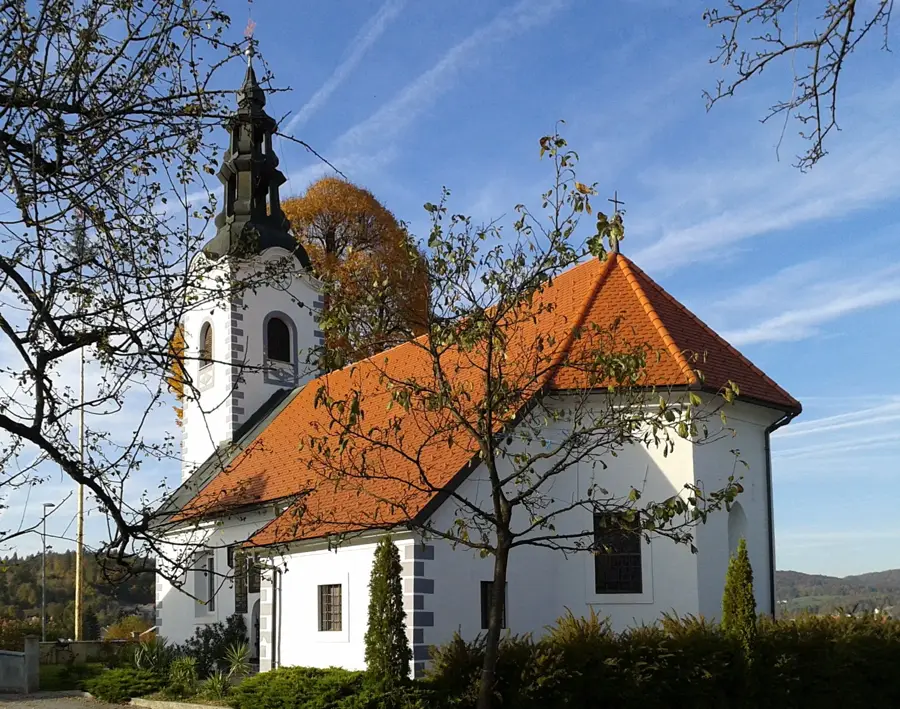
Historic church of St. John the Baptist on the Kolovrat ridge overlooking the Soča valley.

Chiesa di San Volfango⛪ religious

A Catholic church dedicated to Saint Wolfgang in the Kolovrat area.

Chiesa di Santa Maria⛪ religious

A small church in the municipality of Grimacco in the Kolovrat region.

Sights nearby

Frequently asked questions

What can you visit on Kolovrat?
The First World War outdoor museum, featuring restored trenches and caverns.
Where is Mt. Kolovrat located?
It forms a ridge between the Soča Valley in Slovenia and the Veneto region in Italy.
Is access to the museum free?
Yes, the outdoor museum is free to access, but guided tours are paid.
What do you see from the summit?
You have a panoramic view of the Julian Alps and all the way to the Adriatic Sea.
Can you drive to the ridge?
Yes, a paved road leads almost all the way to the outdoor museum on the ridge.
Kolovrat: where is it located?
Kolovrat is located in Slovenia.
Kolovrat: what is there to see?
Highlights include Nježna hiša, Monte San Martino, Viewpoint.
Kolovrat: when is the best time to visit?
The most pleasant time to visit is Jun, Aug.
Kolovrat: why is it worth visiting?
Kolovrat is a prominent mountain ridge in western Slovenia, rising above the Soča Valley and forming a natural border with Italy.
View on map → The Top 50 Attractions → OpenStreetMap →
Europe
Explore with Plizio Discover more places in Europe
More places in Slovenia →

Nearby cities

History & landmarks
More places