Plizio Visual Lab
Detva
ℹ️Practical info — Detva
▾
🌤 Weather — 5 days
📍 Nearby
Sights nearby
💡 Tips
- Look out for the elaborately carved wooden crosses (vyrezávané kríže) at the local cemetery and by the roadsides, a unique symbol of Detva.
- If you visit in July, don't miss the Folklore Festival under Poľana (Folklórne slávnosti pod Poľanou) for incredible traditional music and dance.
- Detva is the well-suited starting point for hiking the extinct Poľana stratovolcano; start your trek early in the morning for the best weather.
- The traditional Detva male folk costume includes a very short shirt exposing the midriff-keep an eye out for it during local festivals!
🍽 Food
Enjoy the Slovak national dish of potato dumplings with sheep cheese at a traditional wooden 'Koliba' restaurant.
Wash down your halušky with this traditional sheep milk whey drink, available at local farm restaurants.
Buy these delicious steamed and smoked sheep cheeses directly from a local 'salaš' (sheep farm).
🛍 Shopping · 🧘 Quiet spots
Look for small carved wooden items or miniatures of the famous Detva crosses in local craft shops.
Purchase beautiful traditional Slovak embroidered textiles and clothing directly from local artisans.
Visit a local salaš to buy authentic bryndza and other sheep dairy products.
Take a peaceful hike to this memorable andesite rock formation, popular with climbers and nature lovers.
Escape into the dense, wild forests of the Poľana stratovolcano for absolute tranquility and wildlife spotting.
Walk quietly among the beautifully carved wooden crosses in the local cemetery, a truly meditative experience.
Water temperature…
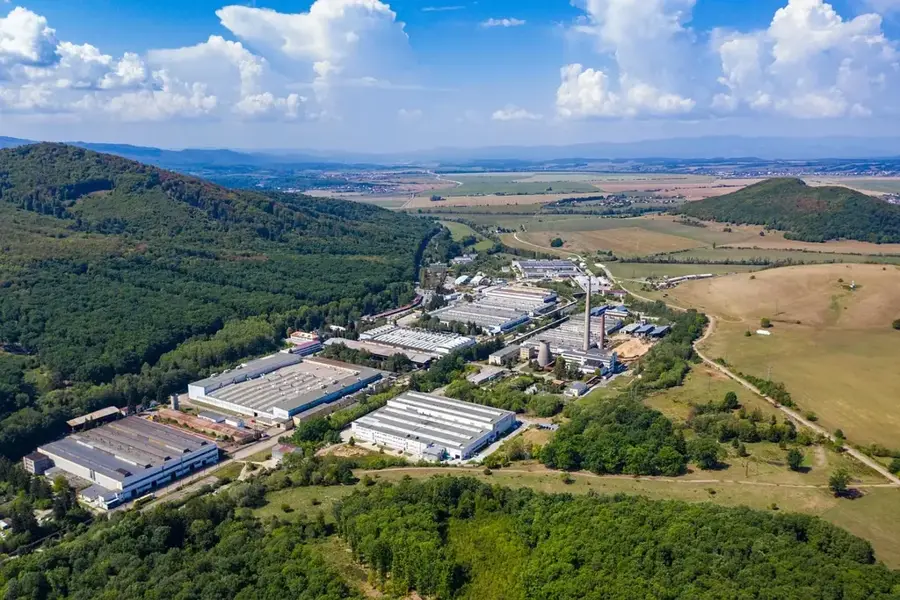
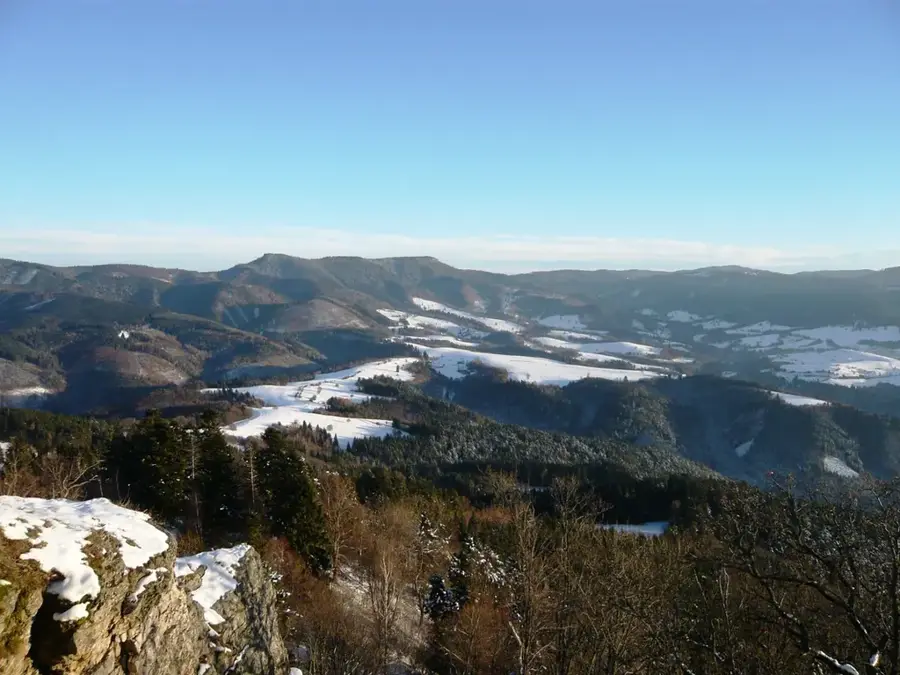
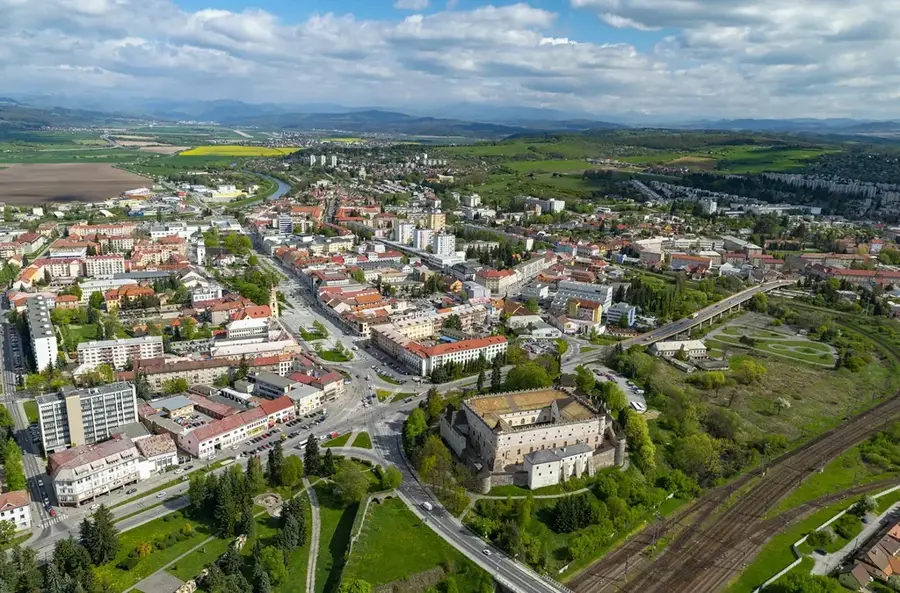
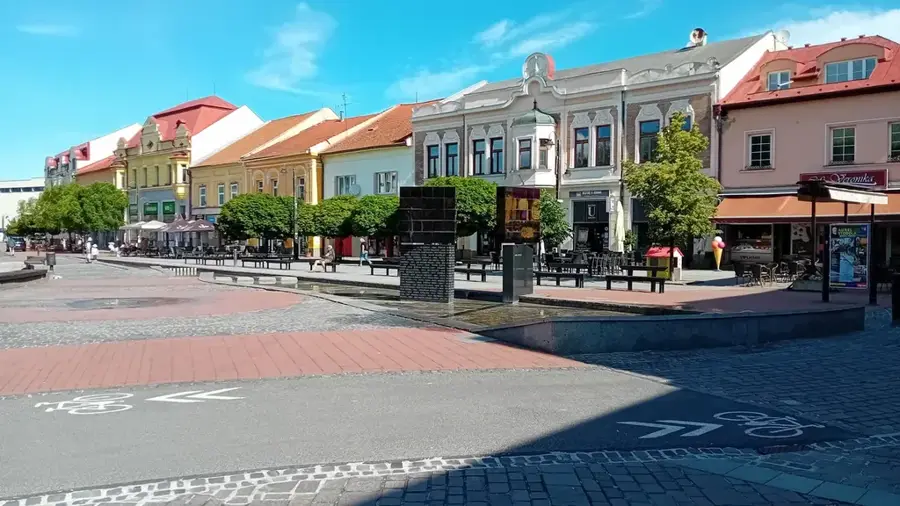
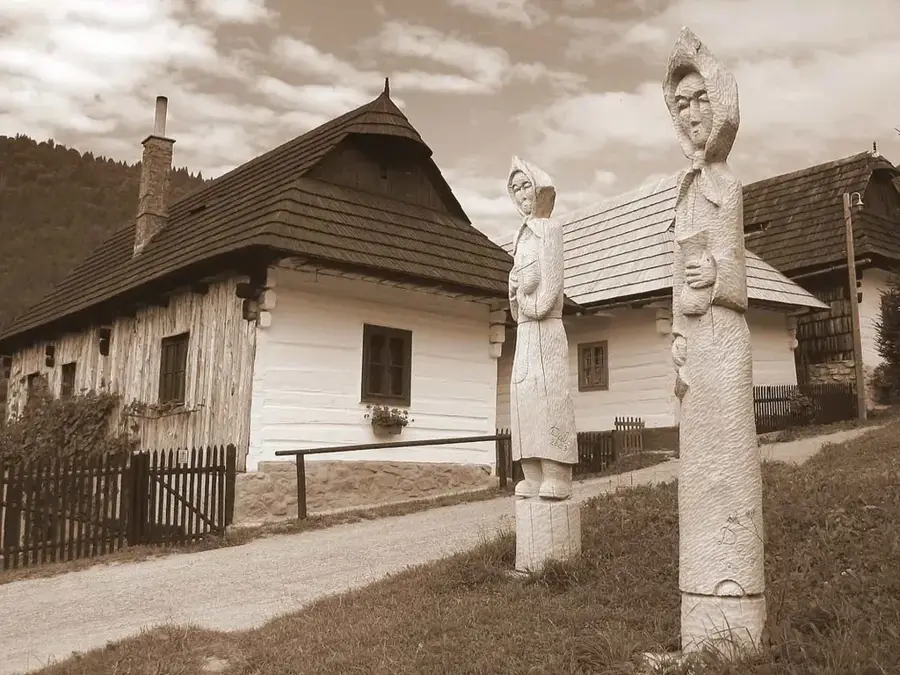
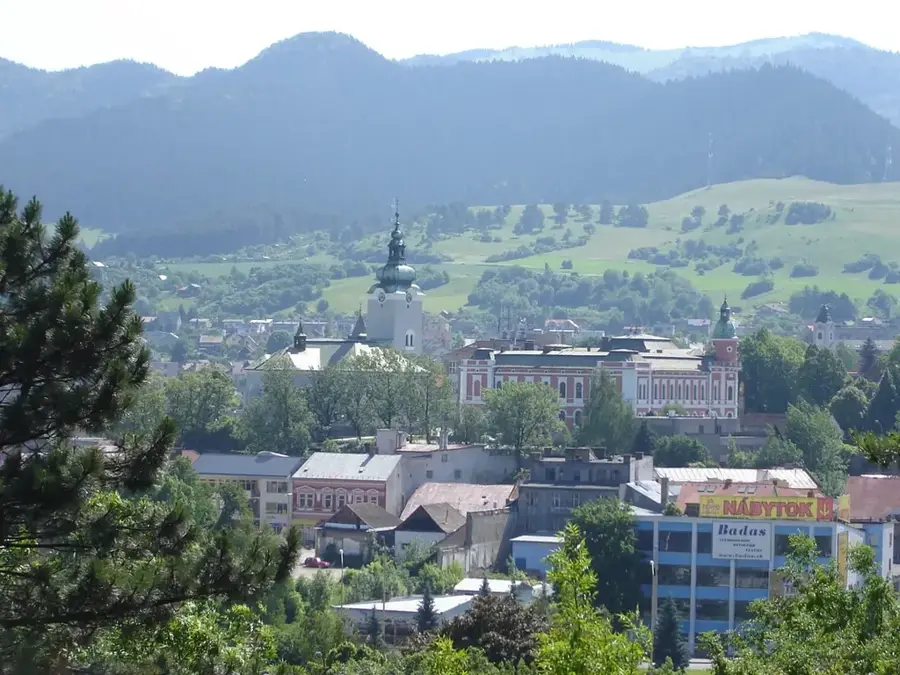
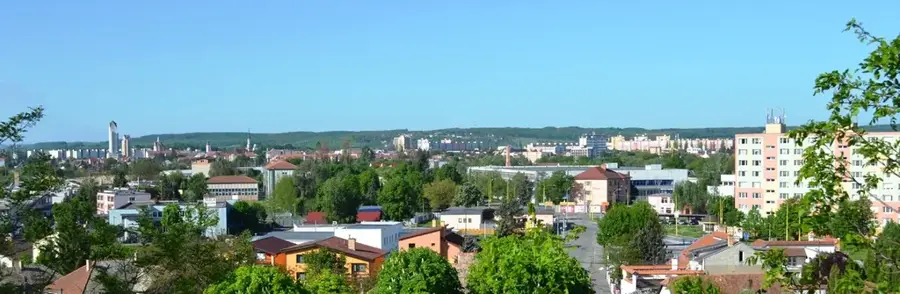
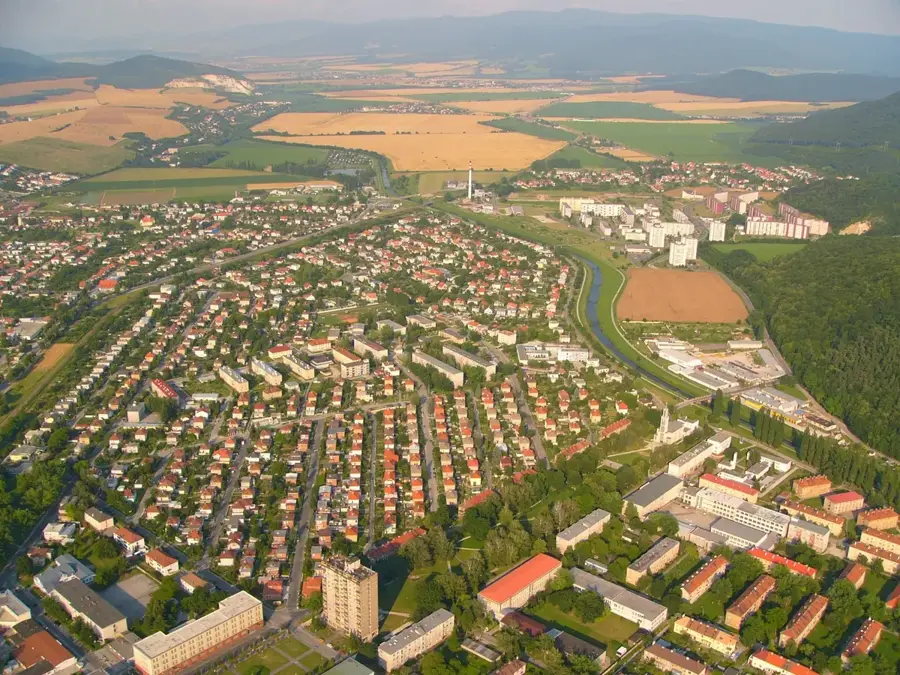
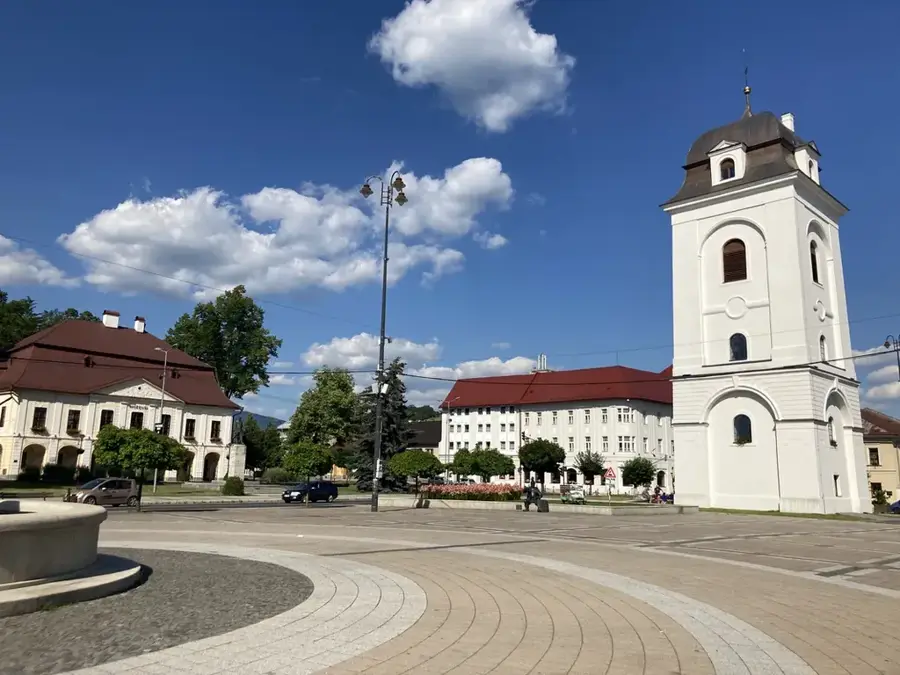
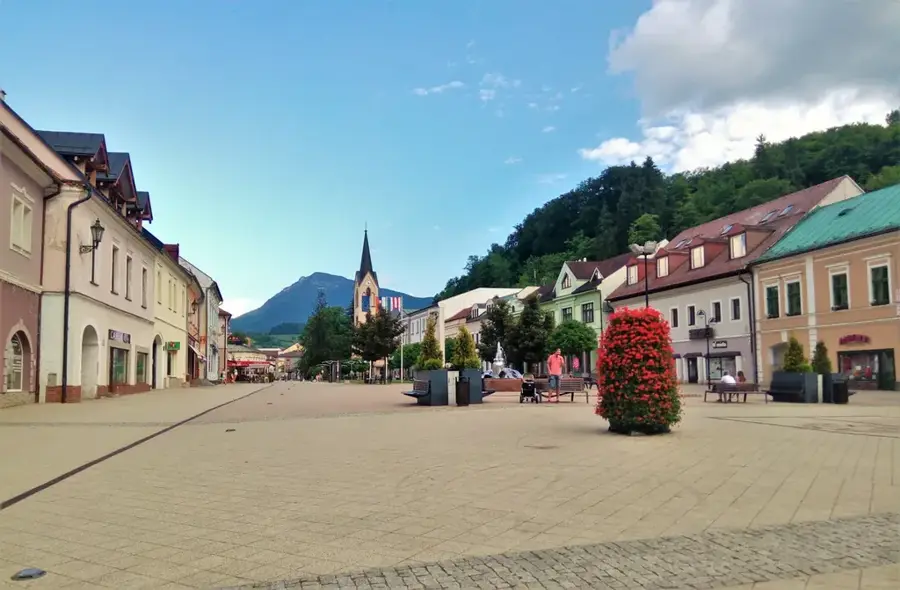
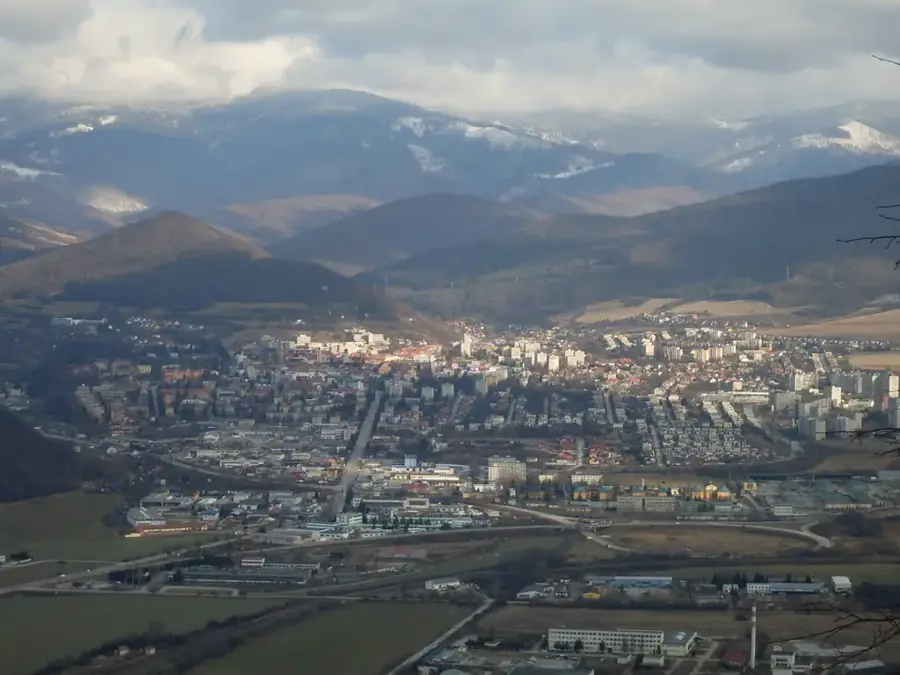
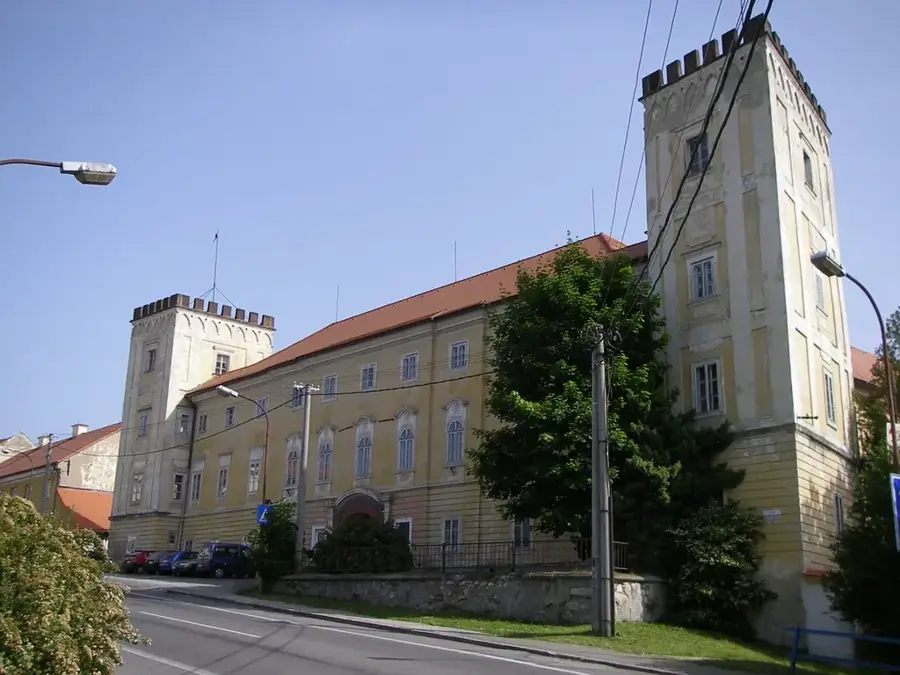
Detva, picturesquely situated on the slopes of the Poľana Mountains in the heart of Slovakia, is the unowned capital of traditional Slovak folklore and folk culture. The city is deeply rooted in the heritage of hardworking and proud mountain farmers and loggers. Symbolic of this are the elaborately carved, brightly painted wooden grave crosses that adorn the local cemetery, considered masterpieces of folk art. Every year in July, Detva becomes the center of the country when the Folklore Festival "Under the Poľana" takes place, attracting thousands of dancers, singers, and visitors to its spectacular wooden amphitheater. Musically, Detva is inseparable from the instrument "Fujara," an overly long shepherd's flute (a UNESCO Intangible Cultural Heritage), and the distinctive, short-waisted Detva folk costume. In the second half of the 20th century, the Podpolianske strojárne heavy machinery plant was founded in Detva, giving the region a strong industrial boost.
- Location: Slovakia
- Top sights: Podpolianske múzeum · Prírodný amfiteáter · Ježová
- Nearby: Zvolen (22 km)
- Population: ~13.666
Best time to visit & climate
The most pleasant time to visit is Jun–Aug.
| Jan | Feb | Mar | Apr | May | Jun | Jul | Aug | Sep | Oct | Nov | Dec | |
|---|---|---|---|---|---|---|---|---|---|---|---|---|
| Avg °C | -4 | -3 | 2 | 8 | 13 | 17 | 19 | 19 | 14 | 8 | 3 | -3 |
| Rain mm | 54 | 51 | 52 | 48 | 83 | 87 | 91 | 75 | 64 | 62 | 59 | 55 |
Geography
Explore nearby
Notable places around
Route planner — Car & Motorhome
Where do you start? We build the route here, with stops and country notes along the way.
© OpenStreetMap contributors · OpenRouteService
Sights in the town Detva (9)
Frequently asked questions
What is Detva best known for?
What are the hand-carved crosses in Detva?
Which extinct volcano is located near the city?
Are there any museums in Detva?
Can one go hiking in the area?
Detva: where is it located?
Detva: what is there to see?
Detva: when is the best time to visit?
Detva: why is it worth visiting?

Nearby cities
History & landmarks