Plizio Visual Lab

Turgai Plateau
Plizio editorial teamData Sources
Mountain
—°
Turgai Plateau (Russia)

Weather…

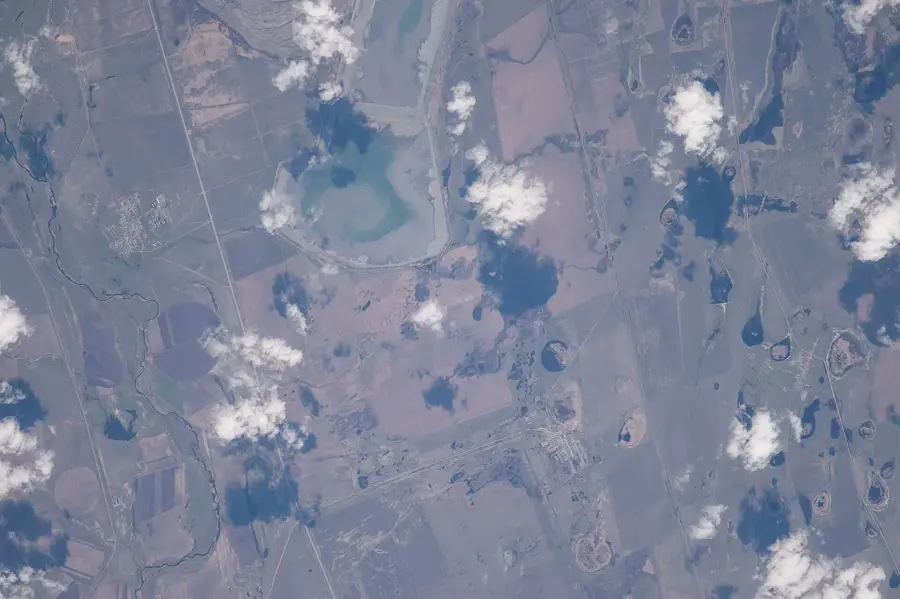
The Turgai Plateau is an extensive upland region located in Northwestern Kazakhstan and the adjacent Russian borderlands, situated between the Ural Mountains and the Kazakh Uplands. It serves as a vital geographic bridge connecting the West Siberian Plain to the north with the Turan Basin to the south. The plateau's structure is composed of flat-lying sedimentary layers from the Mesozoic and Cenozoic eras, bisected by the Turgai Depression, a broad erosional trough. Average elevations range between 200 and 300 meters, featuring a landscape of vast steppes and semi-deserts. The climate is semi-arid and continental, with hot summers and cold winters. Economically, the plateau is of immense significance due to its massive deposits of magnetite iron ore, bauxite, and coal. Historically, the Turgai Strait (a prehistoric seaway) once occupied this area, and the depression remains a critical migration corridor for birds and animals between Siberia and Central Asia.

Best time to visit & climate

The most pleasant time to visit is Jun–Aug.

JanFebMarAprMayJunJulAugSepOctNovDec
Avg °C-16-14-5615202221144-4-13
Rain mm182129323932352523332624

📋 Practical info

🧭
Getting there
Approaching this gently elevated upland generally requires dependable all-terrain vehicles to successfully navigate the prolonged networks of rough, sparsely utilized dirt roads that eventually branch off from the region's isolated arterial highways.
📅
Best season
The highly recommended travel window centers on late spring when the grassy steppe briefly bursts into animated color, effectively circumventing the aggressively baking heat of summer and the fiercely bitter, snow-blown winds characteristic of deep winter.
⛰️
Terrain & paths
The environment presents a vast, subtly rolling topography composed primarily of resilient steppe grasslands and severely eroded gullies, offering extremely wide-open panoramas but almost entirely lacking natural features to provide protective shade or shelter.
🎒
What to bring
Visitors absolutely must pack extensive surplus water rations, durable wind-resistant outer clothing to counter the constant plains breezes, robust wide-brimmed hats for unyielding sun protection, and exceptionally reliable standalone satellite navigation tools.
🅿️
Parking
Due to the remote, undeveloped nature of the plateau, designated parking zones do not exist; travelers simply pull their rugged vehicles safely off the deeply rutted tracks onto the sturdy grass to establish temporary wilderness camps.
⚠️
Safety
Primary hazards stem from the immense isolation and severe exposure to sudden extreme weather fluctuations, demanding meticulous logistical planning to avoid potentially catastrophic stranding far beyond the reliable reach of emergency or breakdown services.
⏱️
Time needed
While a cursory survey of the plateau's edge might occupy a long, arduous day trip, a proper exploration of this expansive, serene geological formation generally commands a commitment of several days as part of a grander steppe crossing.

Geography

Coordinates
51.50000, 62.00000

Facts

  • The plateau maintains an average elevation between 200 and 300 meters.
  • The Turgai Depression is a key migratory path for the Siberian Crane.
  • It hosts one of the largest iron ore basins in the world.
  • A prehistoric seaway known as the Turgai Sea existed here 35 million years ago.
  • Bauxite deposits in this area provide the raw material for aluminum production.
  • The terrain is dominated by feather grass and wormwood steppes.

Explore nearby

Notable places around

Route planner — Car & Motorhome

Where do you start? We build the route here, with stops and country notes along the way.

Vehicle
Only stops with (optional):

© OpenStreetMap contributors · OpenRouteService

Sights nearby

Frequently asked questions

What is the Turgai Plateau?
A semi-desert plateau with interesting steppe flora.
Best season?
May to June, before it gets scorching hot.
What kind of activities?
Off-road expeditions and natural science exploration.
Getting there?
Very remote, you need an off-road vehicle.
Water supply?
Very critical, always carry enough reserves.
Turgai Plateau: where is it located?
Turgai Plateau is located in Russia.
Turgai Plateau: when is the best time to visit?
The most pleasant time to visit is Jun, Aug.
Turgai Plateau: why is it worth visiting?

The Turgai Plateau is an extensive upland region located in Northwestern Kazakhstan and the adjacent Russian borderlands, situated between the Ural Mountains and the Kazakh Uplands.
View on map → The Top 50 Attractions → OpenStreetMap →
Europe
Explore with Plizio Discover more places in Europe
More places in Russia →

Nearby cities

History & landmarks