Plizio Visual Lab

Mount Dykh-Tau
Plizio editorial teamData Sources
peak
—°2
Mount Dykh-Tau (Russia)

Weather…

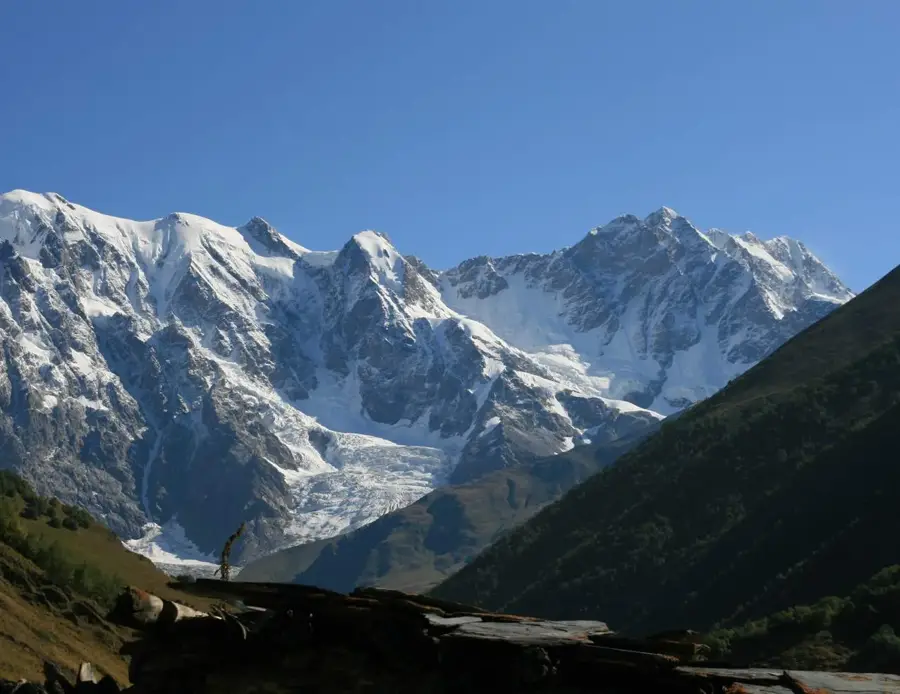
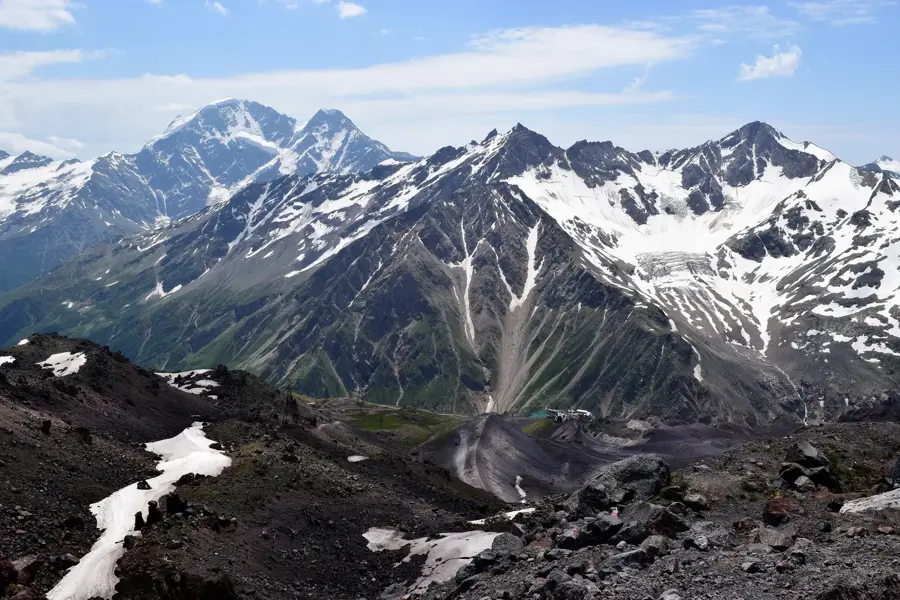
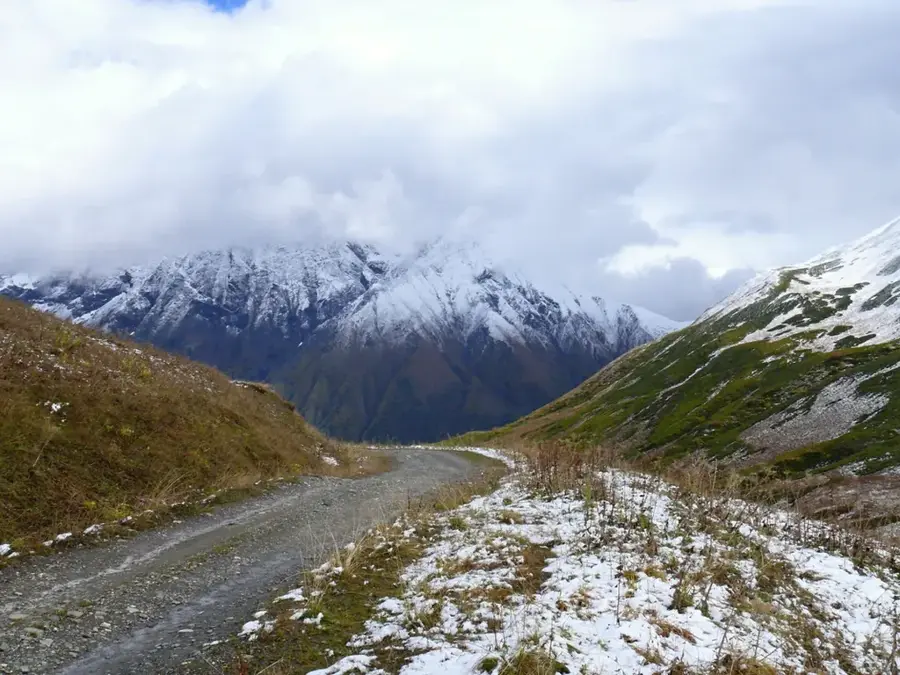
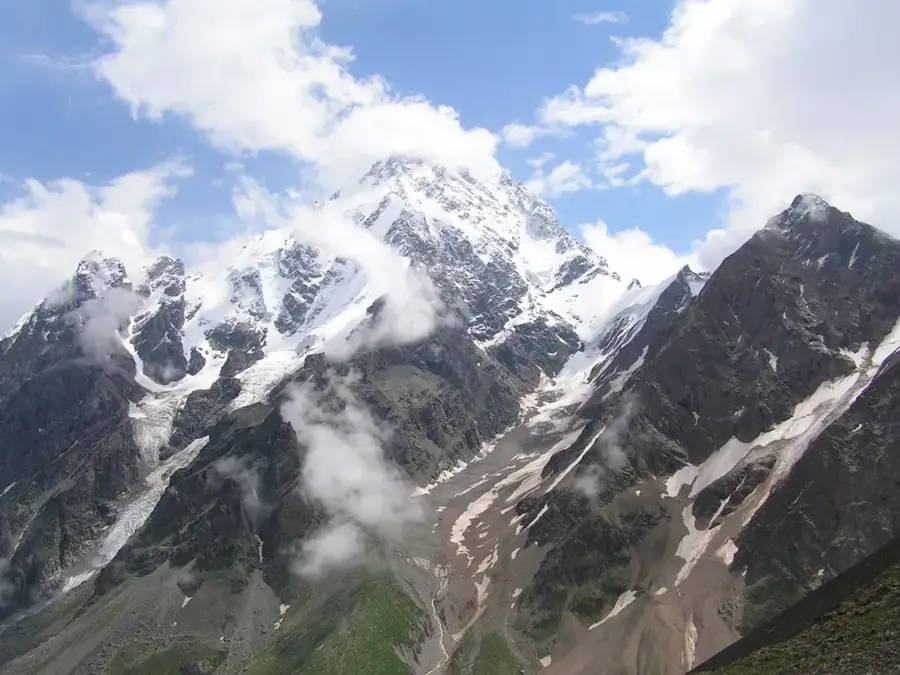
Mount Dykh-Tau, standing as the second-highest peak in Russia and the entire Caucasus, rises as a formidable, pyramidal bastion of razor-sharp granite. It serves as a cornerstone of the infamous Bezengi Wall, a heavily glaciated, staggeringly steep massif that commands profound respect from even the most seasoned alpinists. Unlike the gentler, volcanic slopes of nearby Mount Elbrus, Dykh-Tau is notorious for its technically extreme, near-vertical rock faces and the constant, severe threat of massive avalanches and unpredictable rockfalls. Access to its upper reaches is heavily guarded by intensely crevassed glaciers and treacherous icefalls. Only a select few elite mountaineers attempt the ascent of this majestic, untamed summit each year, where the weather can violently shift from clear skies to lethal blizzards in a matter of minutes.

Best time to visit & climate

The most pleasant time to visit is Jun–Aug.

JanFebMarAprMayJunJulAugSepOctNovDec
Avg °C-13-12-8-348111172-6-11
Rain mm644980688888726176817661

📋 Practical info

🧭
Getting there
Approaching this formidable peak starts in the Kabardino-Balkaria region, typically embarking from the Bezingi alpine camp, which acts as the central hub for serious mountaineering.
📅
Best season
The extremely brief window for high-altitude climbing falls strictly in July and August, when the deepest snowpacks recede slightly and the fierce alpine weather is marginally more stable.
⛰️
Terrain & paths
This is not a trekking mountain; the route involves sheer, mixed rock and ice faces, avalanche-prone couloirs, and razor-sharp ridges demanding world-class technical alpinism skills.
🎒
What to bring
Complete, heavy-duty technical climbing gear is mandatory, including ice axes, crampons, ropes, belay devices, robust helmets, and expedition-grade sleeping bags for freezing bivouacs.
🅿️
Parking
Vehicles are typically left at the secured parking areas of the Bezingi camp, which is reached by driving rugged dirt tracks that are often impassable for standard passenger cars.
⚠️
Safety
The peak is notoriously dangerous with extreme objective hazards like spontaneous avalanches, massive rockfalls, and ferocious summit storms; only highly expert teams should attempt it.
⏱️
Time needed
A successful expedition typically demands two to three full weeks, allowing necessary time for approach trekking, high-altitude acclimatization, establishing camps, and waiting out bad weather.

Geography

Coordinates
43.05000, 43.13000

Explore nearby

Notable places around
Route planner — Car & Motorhome

Where do you start? We build the route here, with stops and country notes along the way.

Vehicle
Only stops with (optional):

© OpenStreetMap contributors · OpenRouteService

Sights in the town Mount Dykh-Tau (2)

Dykhtau📍 landmark

Dykhtau is the second highest peak in the Caucasus and Europe, standing at 5,205 meters.

Pushkin📍 landmark

This peak in the Caucasus is named after the famous Russian poet Alexander Pushkin.

Sights nearby

Frequently asked questions

How high is Dykh-Tau?
It is 5,205 meters high and is one of the highest peaks in the Caucasus.
Is the mountain developed for tourism?
No, it is only accessible to experienced mountaineers with professional gear.
What is the difficulty of the ascent?
The ascent is extremely difficult and technically demanding.
When is the best time for climbing?
July and August are the months with the lowest avalanche risk.
Is a permit needed?
Yes, a border zone permit and registration with the rescue service are mandatory.
Mount Dykh-Tau: where is it located?
Mount Dykh-Tau is located in Russia.
Mount Dykh-Tau: what is there to see?
Highlights include Dykhtau, Pushkin.
Mount Dykh-Tau: when is the best time to visit?
The most pleasant time to visit is Jun, Aug.
Mount Dykh-Tau: why is it worth visiting?

Mount Dykh-Tau, standing as the second-highest peak in Russia and the entire Caucasus, rises as a formidable, pyramidal bastion of razor-sharp granite.
View on map → The Top 50 Attractions → OpenStreetMap →
Europe
Explore with Plizio Discover more places in Europe
More places in Russia →

Nearby cities

History & landmarks