Plizio Visual Lab
Caazapá
ℹ️Practical info — Caazapá
▾
🌤 Weather — 5 days
📍 Nearby
Sights nearby
💡 Tips
- Visit the center early in the morning to view the architecture in peace.
- Look out for local festivals, which often feature traditional customs and music.
- Make sure to try Tereré, the national drink, on hot afternoons.
- The Ykuá Bolaños is a historic well to which many legends are attached.
🍽 Food
Cheese bread often offered fresh by street vendors in the main square.
Traditional corn cake, best tried in the family-run restaurants in the center.
A typical meat dish with egg and onion that you will find in traditional eateries.
🛍 Shopping · 🧘 Quiet spots
Buy fresh fruit and handmade products at the municipal market.
Look out for local crafts, especially belts and bags, in small shops.
A green and quiet square in the center, great for a break in the shade.
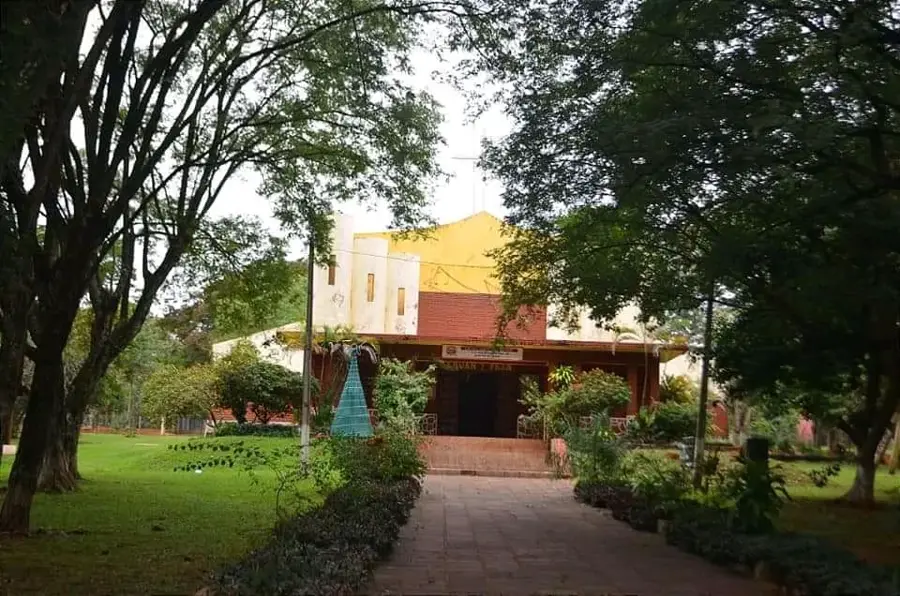
Walk around the old church, where it is often quieter than on the main streets.
Water temperature…
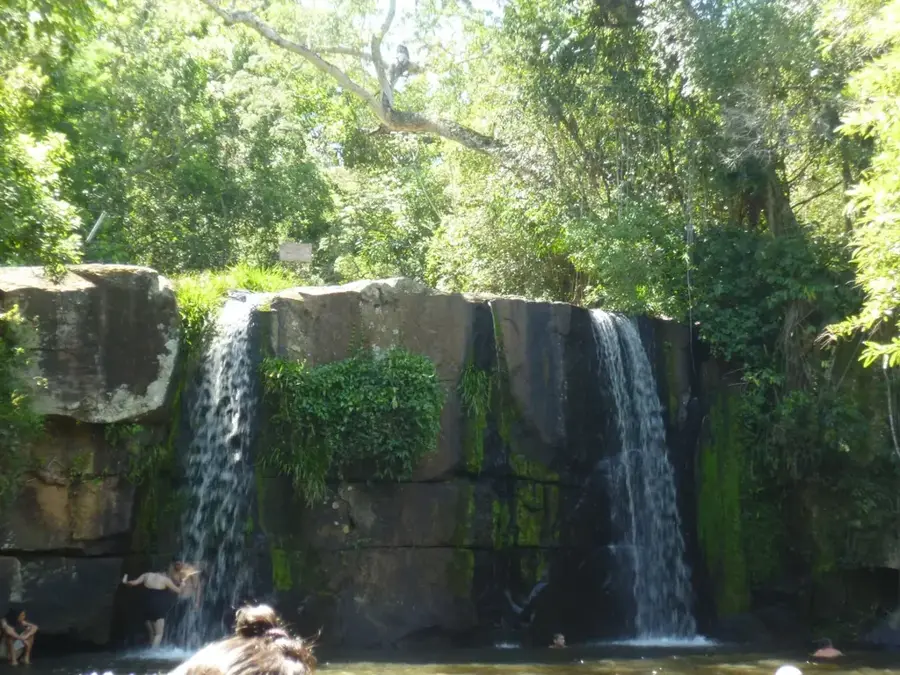
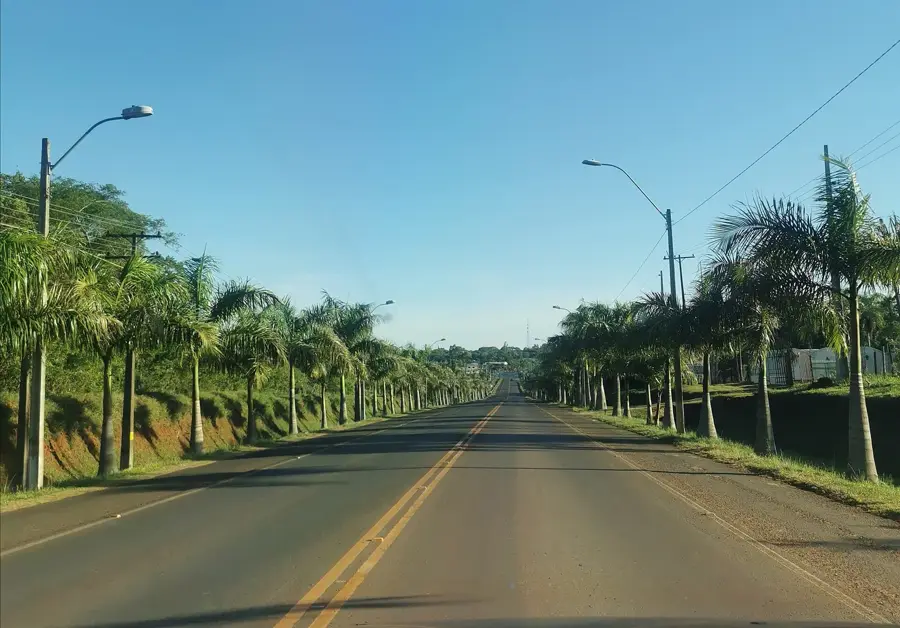
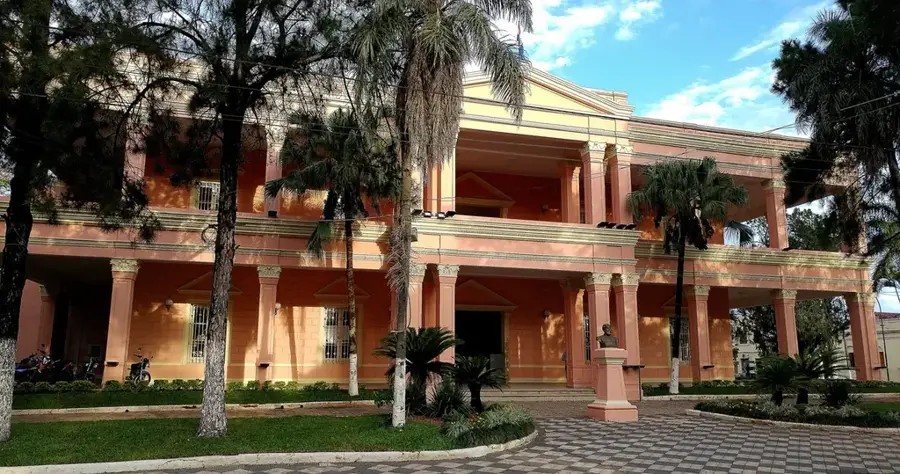
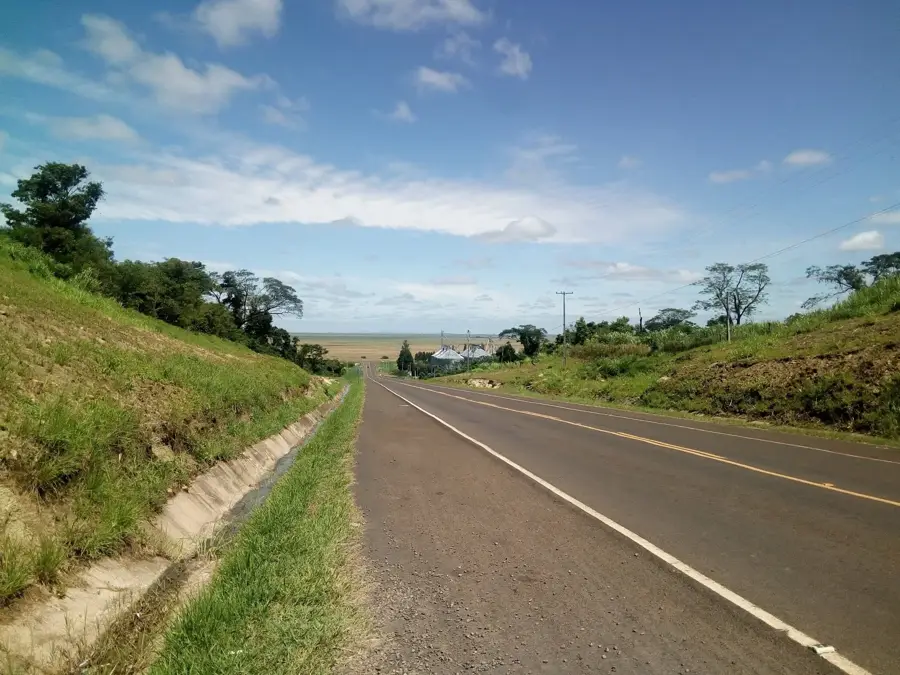
Caazapá, the historic capital of the Caazapá Department in Paraguay, is a city of profound religious and cultural significance, originating as one of the most prominent Franciscan reductions in the region. It was formally established on January 25, 1607, by Friar Luis de Bolaños, a visionary missionary who played a pivotal role in the early colonial history of Paraguay. Located in the southeastern part of the country, the city is situated in a fertile plain that serves as a cornerstone for national agriculture. The most iconic landmark in Caazapá is 'Ykua Bolaños,' a legendary spring that, according to tradition, was miraculously brought forth by Friar Bolaños during a devastating drought. Today, the site is a beautiful park and a place of pilgrimage, symbolizing the city's spiritual heritage. The urban landscape of Caazapá retains a colonial atmosphere, with quiet plazas and traditional architecture centered around the Church of San Pablo. Economically, the area is driven by agricultural production, including sugarcane, grains, and extensive cattle ranching, which fuels the local economy and provides raw materials for national industries. Each January, the city hosts the 'Festival de la Paz' (Festival of Peace), one of the nation's premier folk music events, drawing crowds from across Paraguay to celebrate its rich musical traditions. The people of Caazapá are known for their strong adherence to Franciscan values and their preservation of the Guaraní language and folklore. Recent infrastructure improvements, particularly the paving of major highways, have ended the city's relative isolation, integrating it more effectively into the national market. Caazapá remains a bastion of tradition and a living testament to the missionary history of South America, offering a serene and historically rich experience for visitors and residents alike.
- Location: Paraguay
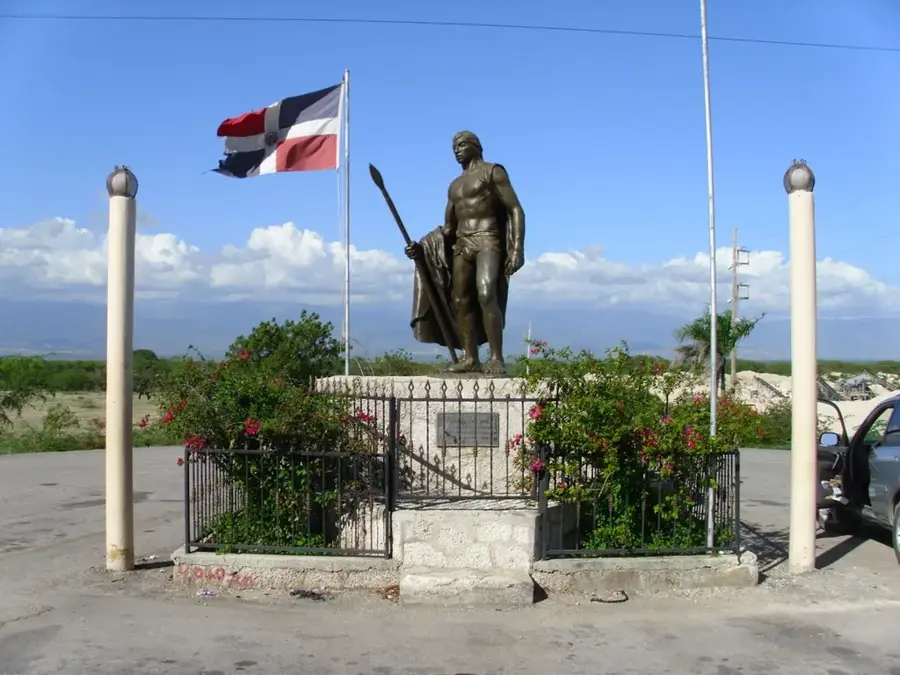
- Top sights: Obelisco a los Héroes · Estatua Plaza de las Madres · Cementerio San Roque
- Nearby: Independencia (32 km)
- Population: ~23.996 (2026)
Best time to visit & climate
The most pleasant time to visit is Jul–Sep.
| Jan | Feb | Mar | Apr | May | Jun | Jul | Aug | Sep | Oct | Nov | Dec | |
|---|---|---|---|---|---|---|---|---|---|---|---|---|
| Avg °C | 27 | 27 | 26 | 23 | 18 | 17 | 16 | 18 | 20 | 23 | 24 | 26 |
| Rain mm | 135 | 129 | 133 | 159 | 166 | 94 | 78 | 61 | 93 | 189 | 188 | 164 |
Geography
Facts
- Caazapá was founded on January 25, 1607, by the Franciscan friar Luis de Bolaños.
- The city's name is derived from the Guaraní words meaning 'where the forest ends.'
- The Ykua Bolaños spring is the centerpiece of a 5-hectare urban park.
- Caazapá is the administrative and judicial capital of the 6th Department of Paraguay.
- The region is a major hub for cattle ranching and sugarcane cultivation.
- The city is located approximately 230 kilometers from the capital city of Asunción.
- The annual Festival of Peace is held every January in honor of the city's anniversary.
- The Caazapá National Park, located nearby, protects a significant portion of the Atlantic Forest.
Explore nearby
Notable places around
Route planner — Car & Motorhome
Where do you start? We build the route here, with stops and country notes along the way.
© OpenStreetMap contributors · OpenRouteService
Sights in the town Caazapá (3)
Frequently asked questions
What is special about Caazapá?
Are there historical buildings?
How is the city pace?
When is the best time to visit?
Are there good hiking trails?
Caazapá: where is it located?
Caazapá: what is there to see?
Caazapá: when is the best time to visit?
Caazapá: why is it worth visiting?
Nearby cities
History & landmarks
More places