Plizio Visual Lab
Wadi Al Fara
Weather…
Water temperature…
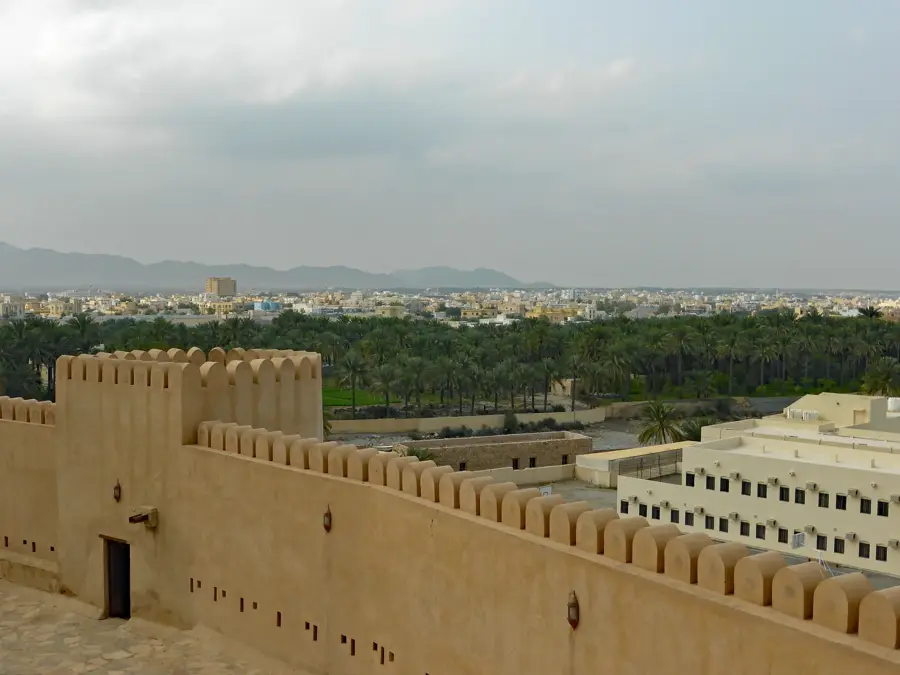
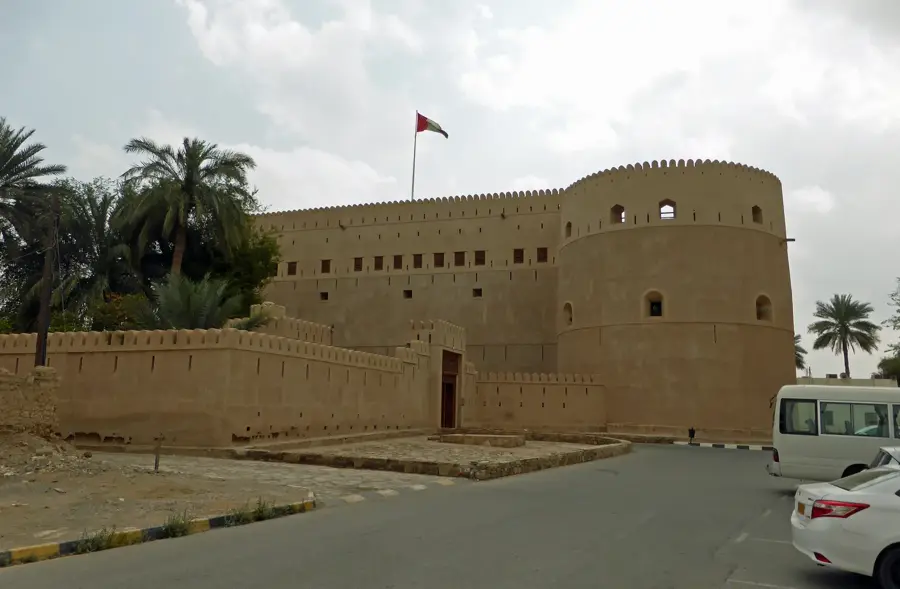
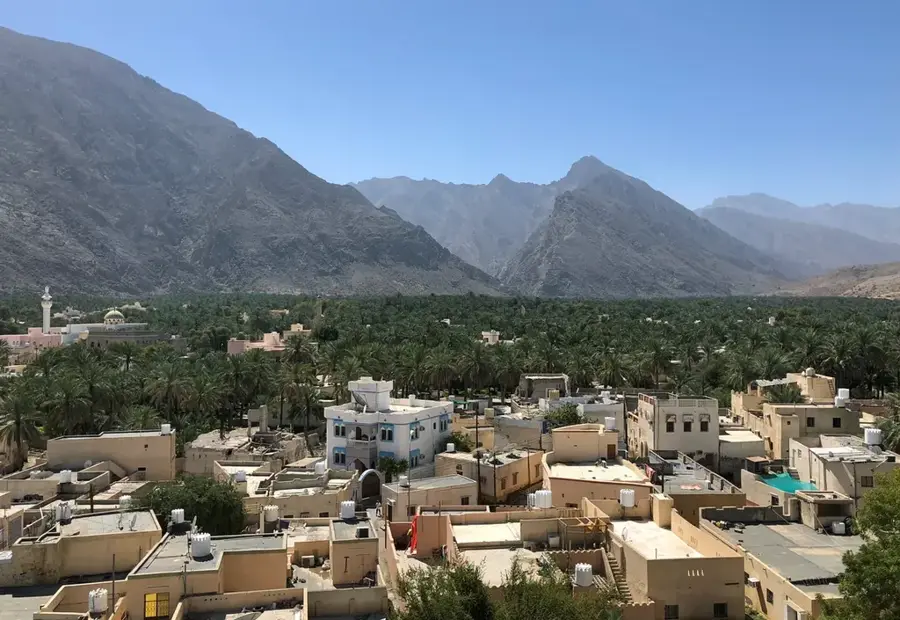
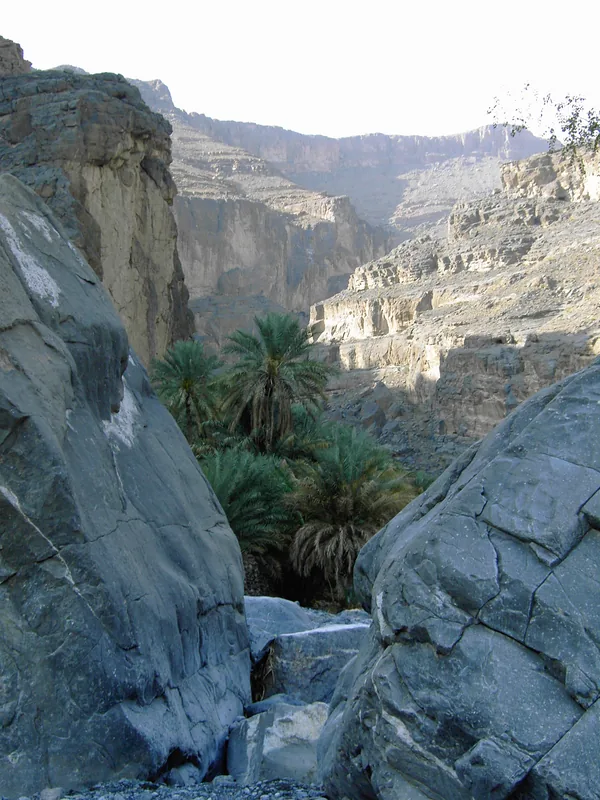
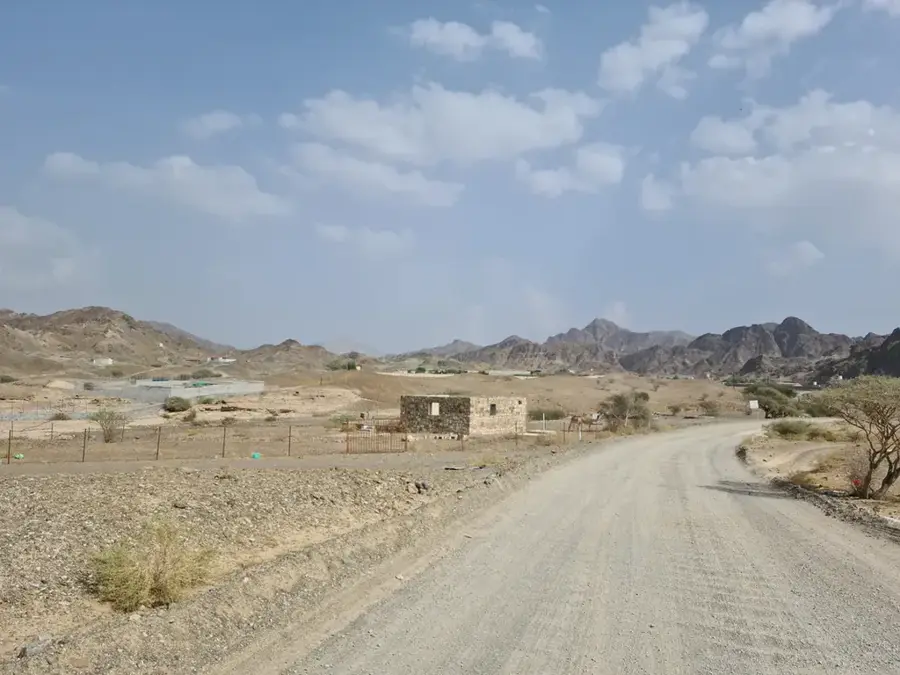
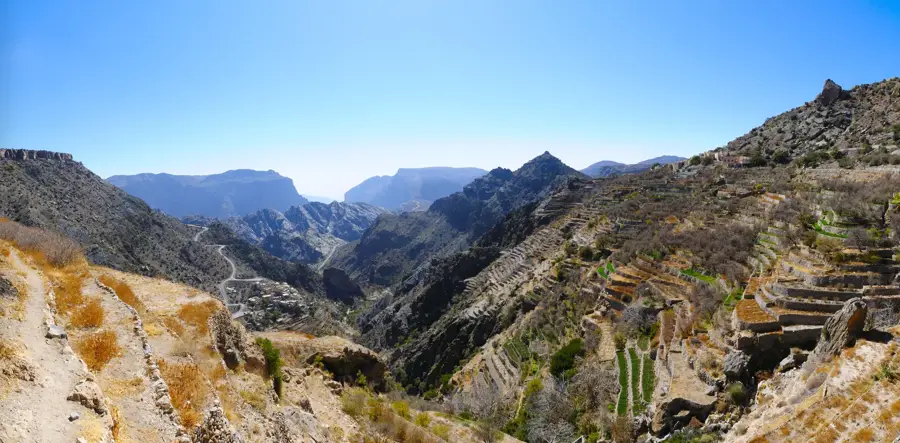
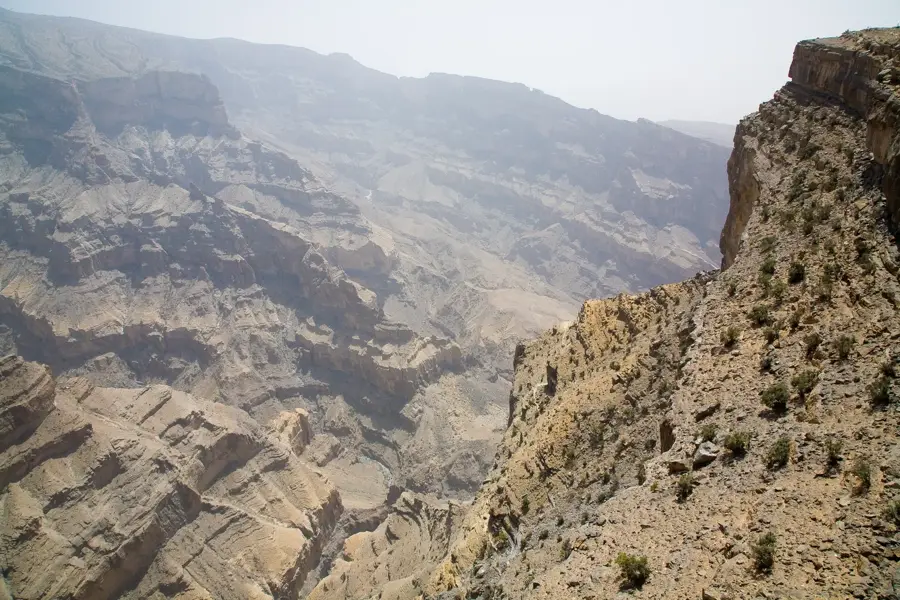
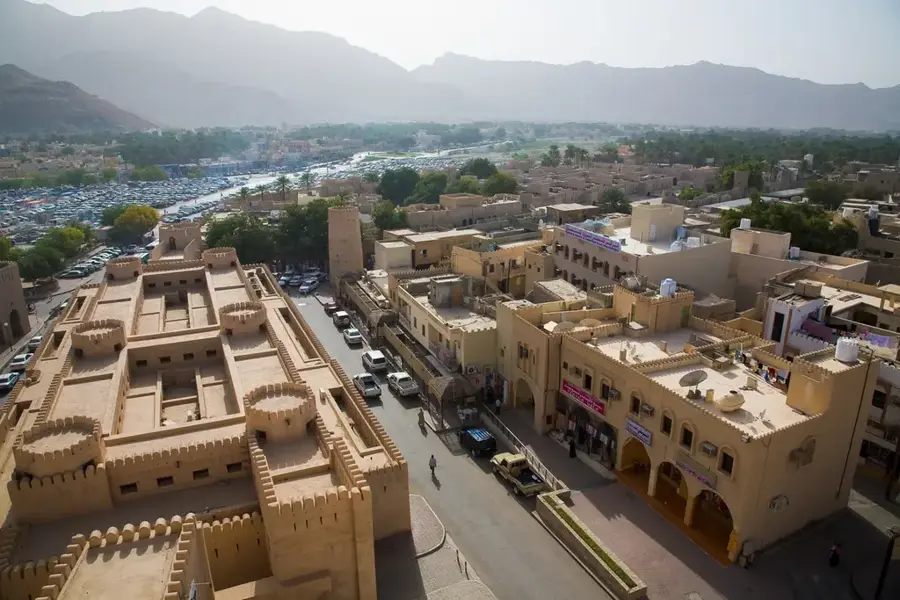
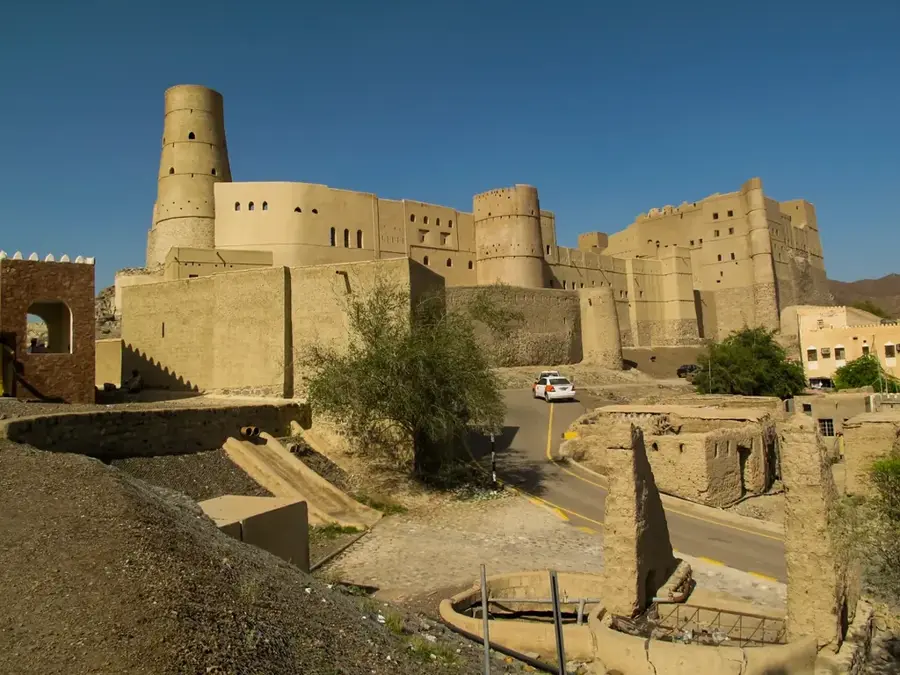
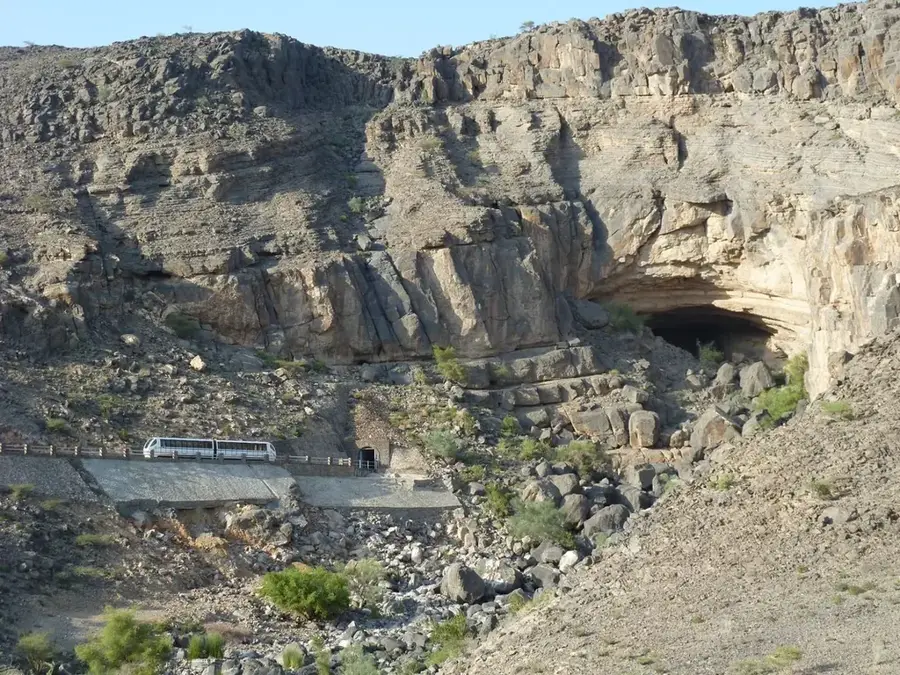
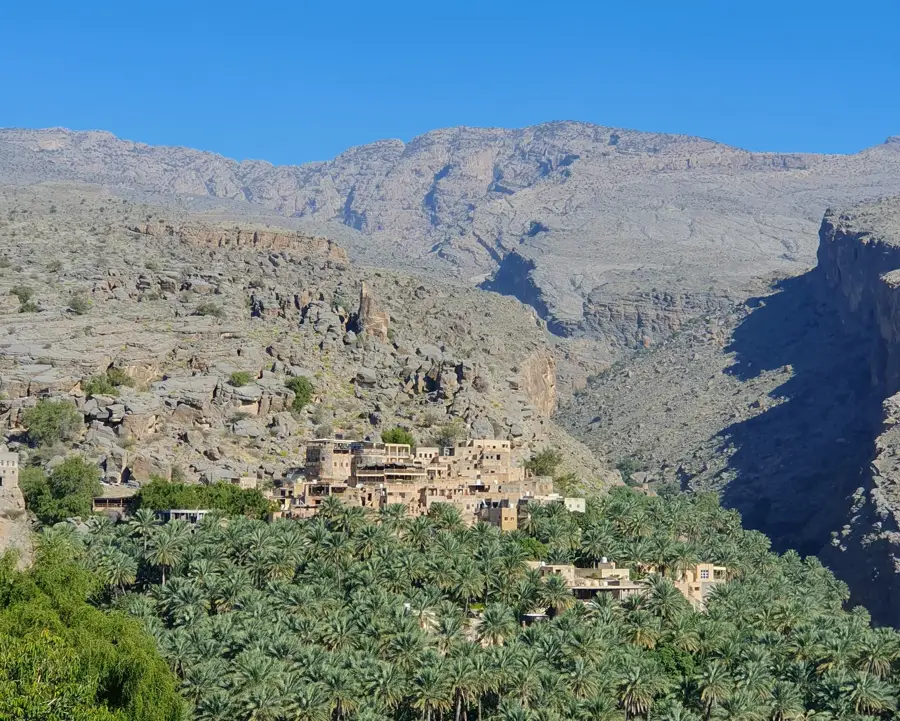
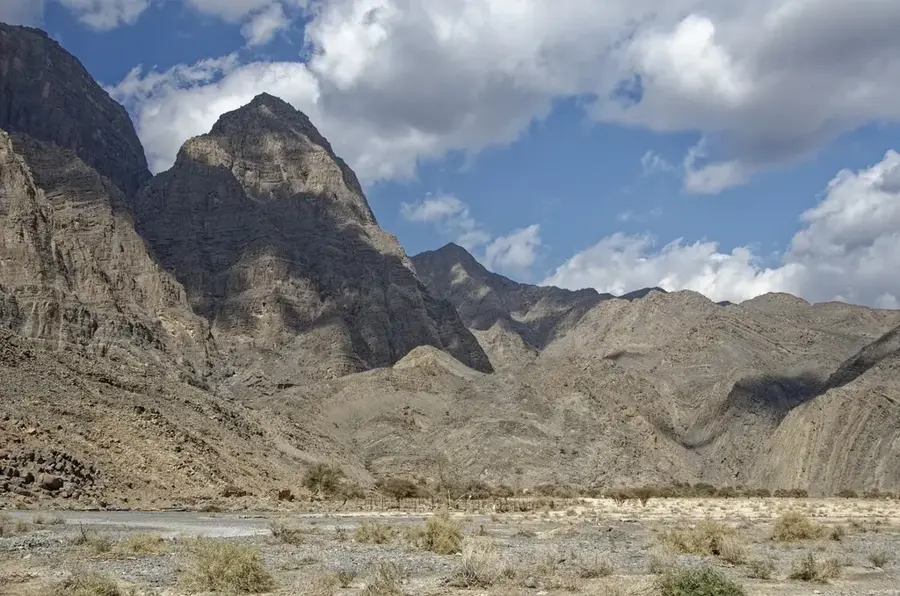
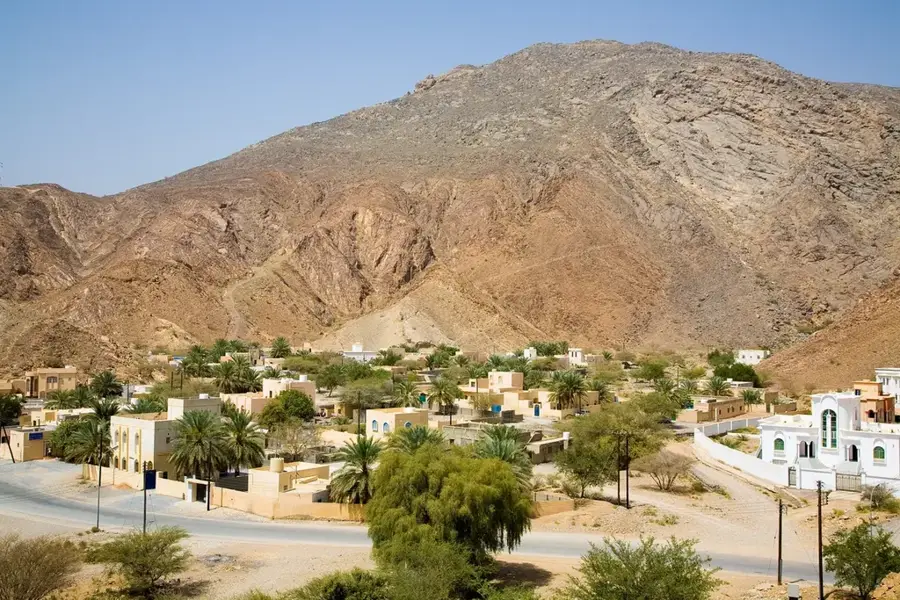
Wadi Al Fara is situated in the Al Batinah South Governorate, positioned within the northern foothills of the Al Hajar Mountains near the historic city of Rustaq. This valley is celebrated for its perennial water sources, which sustain intensive agriculture in an otherwise barren landscape. The traditional Aflaj irrigation system is employed here to channel water to terraced gardens where date palms, bananas, and citrus fruits thrive. Geologically, the wadi is characterized by dark ophiolite rocks, providing evidence of the seafloor's uplift millions of years ago during the formation of the mountains. Several ancient fortifications and watchtowers line the wadi, highlighting its strategic importance as a trade route between the coast and the interior. The settlement of Al Fara itself exemplifies traditional Omani architecture, harmoniously blended into the rugged mountain terrain.
- Location: Oman
- Top sights: Al Alayiah Fort · Al Rustaq Wildlife Reserve
- Nearby: Jebel Akhdar (9 km)
Best time to visit & climate
The most pleasant time to visit is Jan, Feb, Dec.
| Jan | Feb | Mar | Apr | May | Jun | Jul | Aug | Sep | Oct | Nov | Dec | |
|---|---|---|---|---|---|---|---|---|---|---|---|---|
| Avg °C | 19 | 21 | 24 | 29 | 33 | 35 | 35 | 34 | 32 | 29 | 24 | 20 |
| Rain mm | 13 | 12 | 23 | 14 | 7 | 11 | 14 | 11 | 6 | 6 | 9 | 9 |
📋 Practical info
Geography
Facts
- The wadi is located near Rustaq, a former capital of Oman.
- Water supply is maintained via the centuries-old Aflaj system.
- Ophiolite rocks dominate the geological structure of the valley.
- Terraced farming is the primary livelihood for the local population.
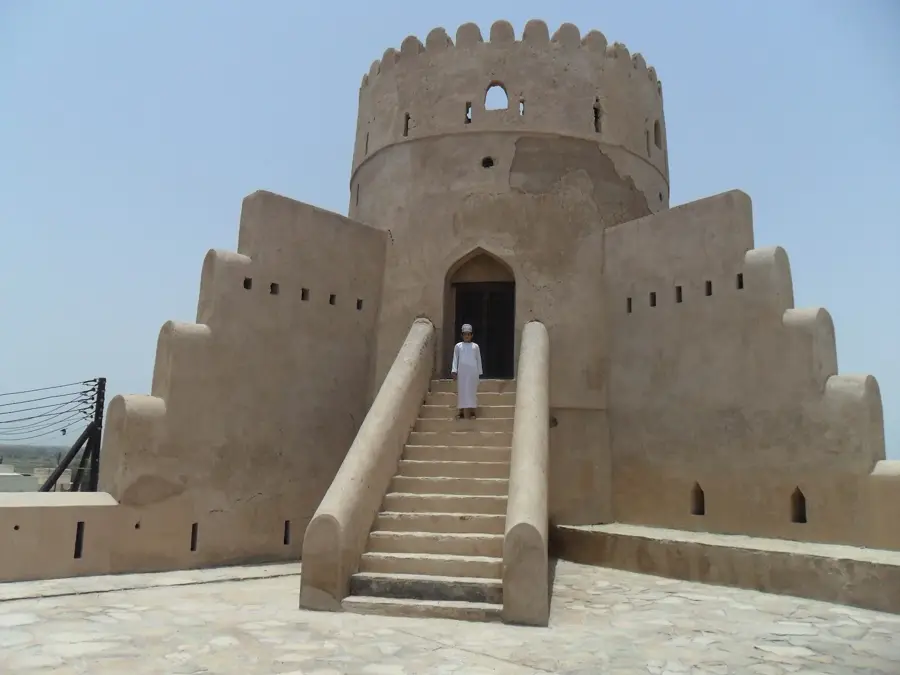
- Multiple fortification towers once protected the trade routes.
- The valley is renowned for thermal springs located in the vicinity.
Explore nearby
Notable places around
Route planner — Car & Motorhome
Where do you start? We build the route here, with stops and country notes along the way.
© OpenStreetMap contributors · OpenRouteService
Sights in the town Wadi Al Fara (2)
Sights nearby
Frequently asked questions
What is Wadi Al Fara?
Can you swim there?
Is the trail marked?
What do I need to bring?
When is the best time to visit?
Wadi Al Fara: where is it located?
Wadi Al Fara: what is there to see?
Wadi Al Fara: when is the best time to visit?
Wadi Al Fara: why is it worth visiting?

Nearby cities



History & landmarks

Nature
More places