Plizio Visual Lab
Abandoned City of Djado
Weather…
Water temperature…
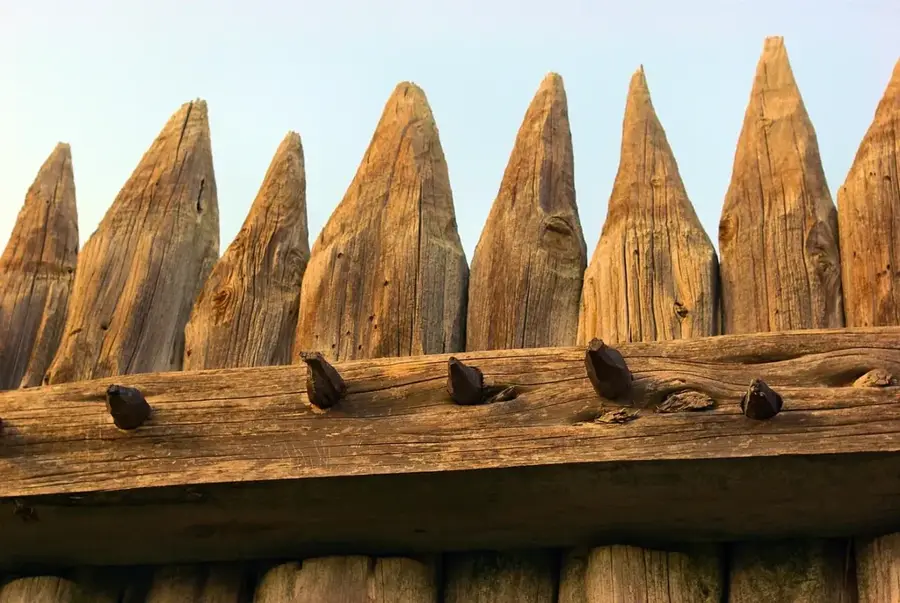
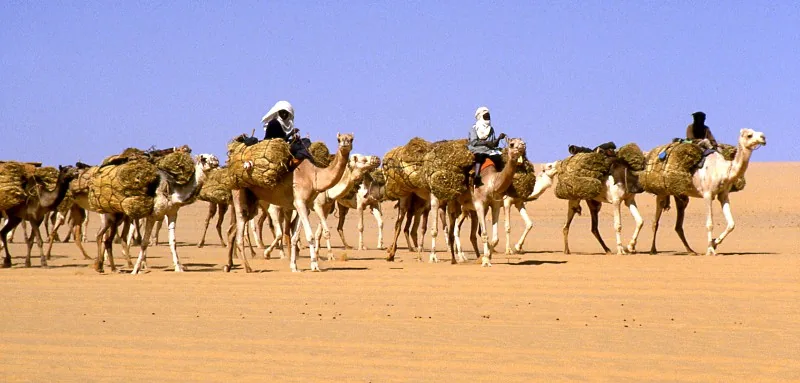
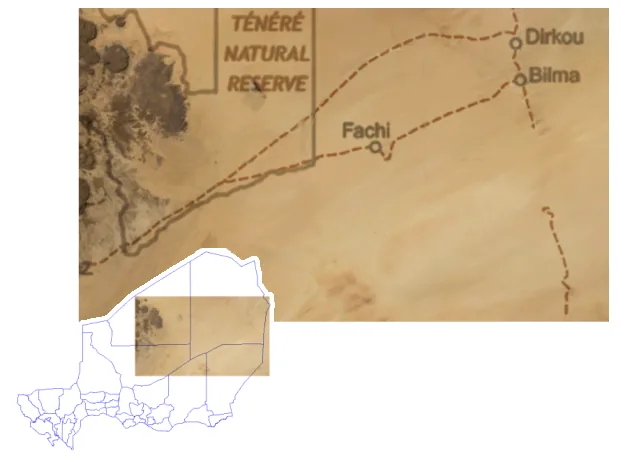
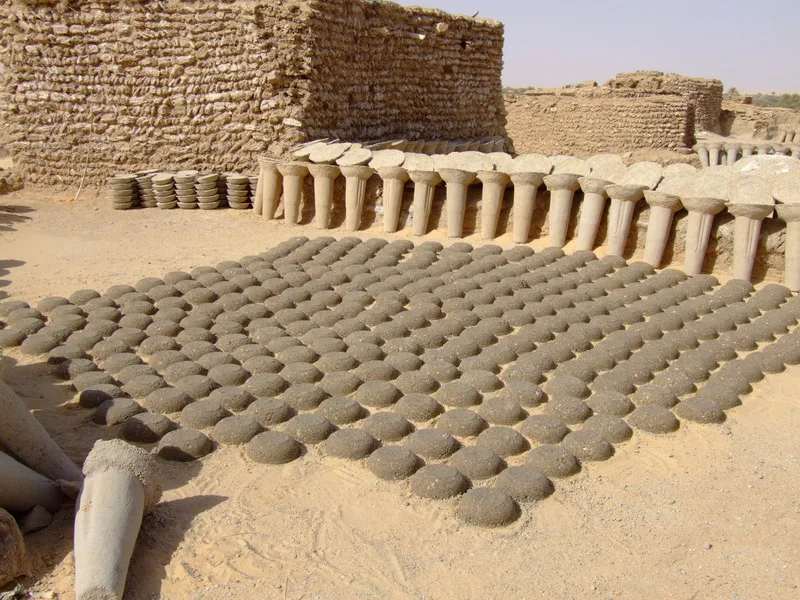
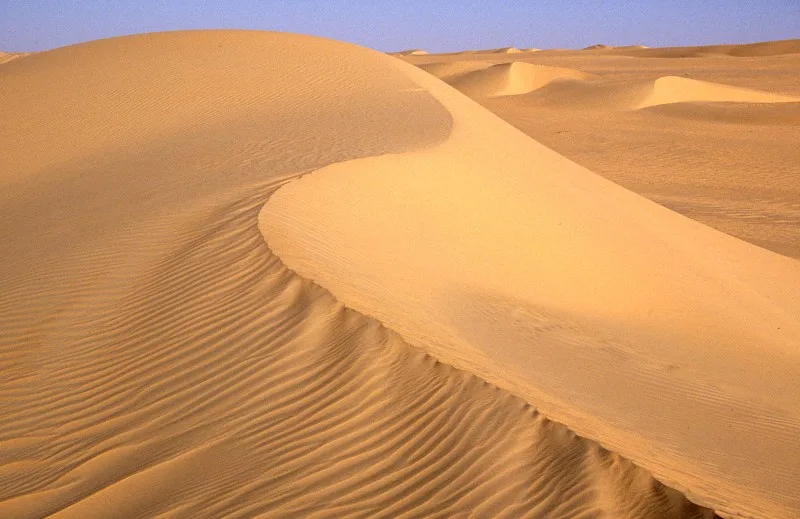
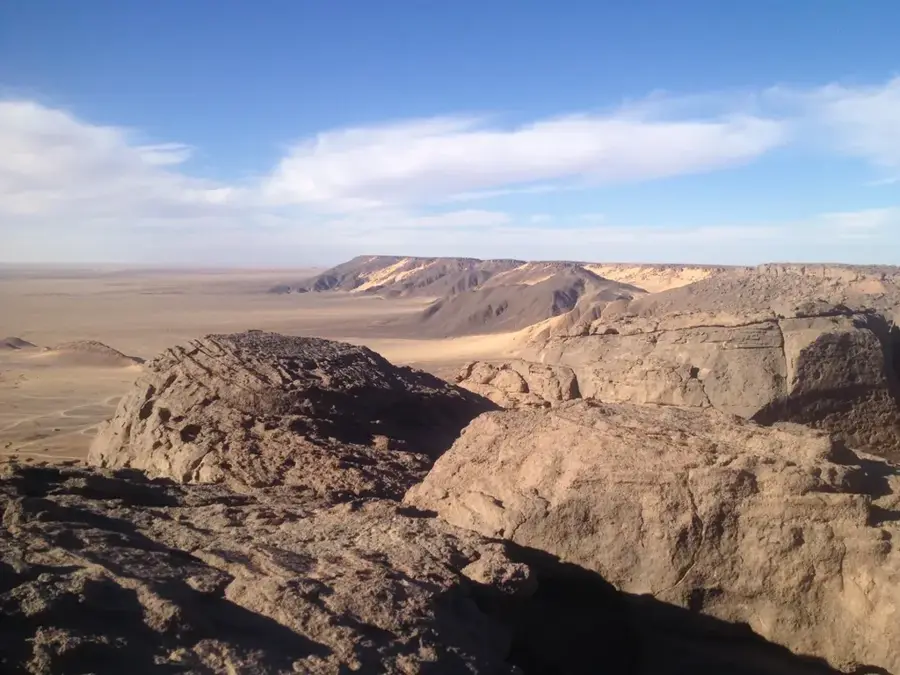
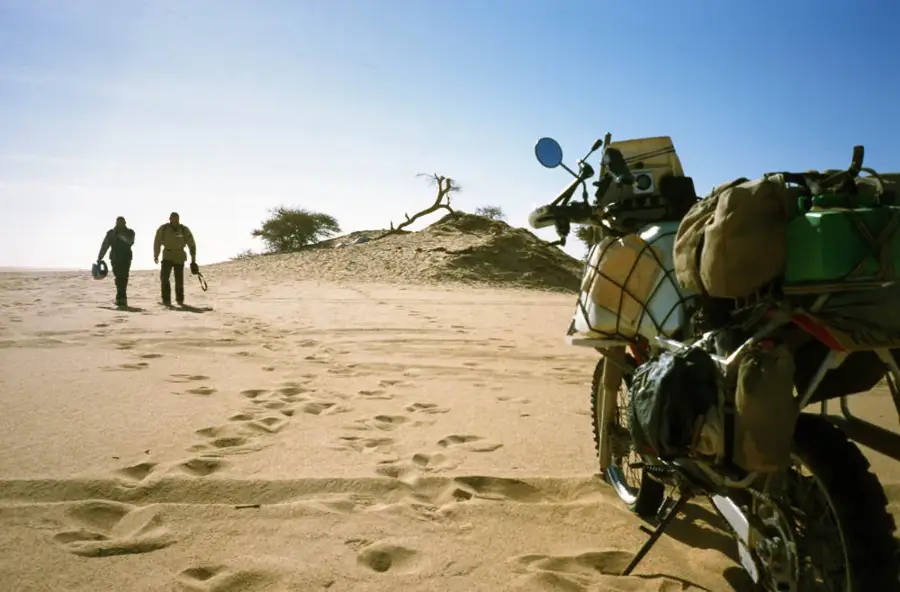
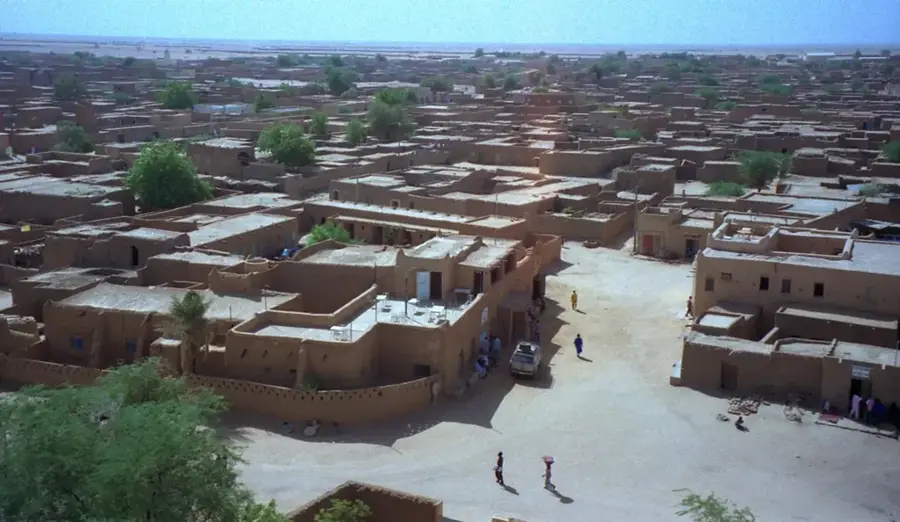
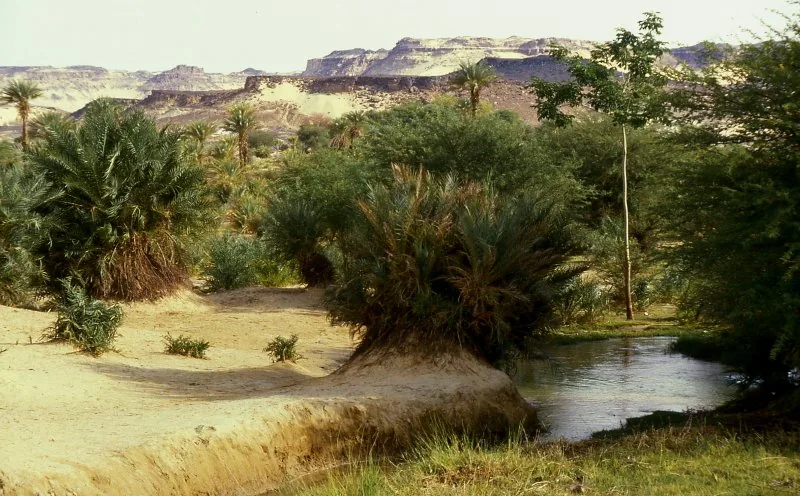
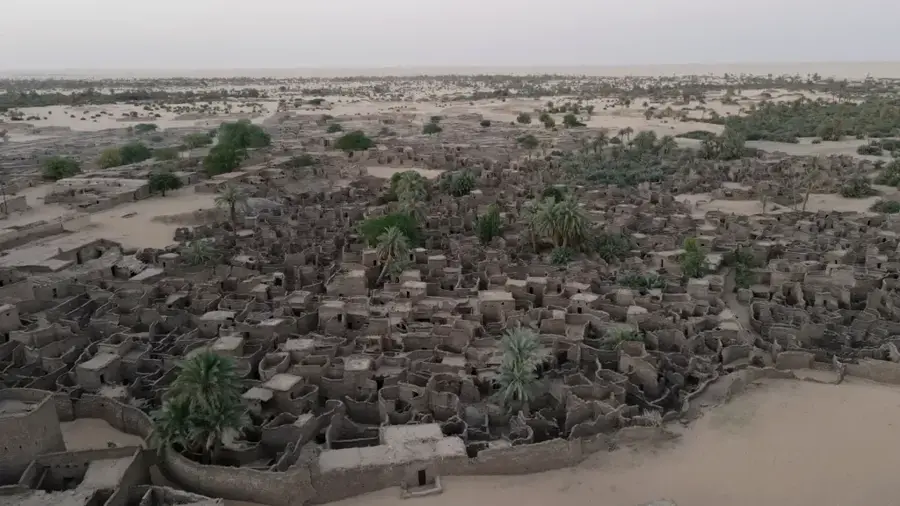
The abandoned city of Djado sits on a remote rocky plateau in northeastern Niger, representing one of the Sahara's most enigmatic archaeological sites. This fortified settlement, or ksar, was constructed from mud and salt-stone, serving for centuries as a vital oasis on the trans-Saharan trade route between Lake Chad and Libya. The city was primarily inhabited by the Kanuri people, who utilized the fortification to defend against harsh desert conditions and hostile raids. In the mid-19th century, around 1860, Djado was permanently abandoned due to a combination of increasing Tuareg raids and a devastating malaria outbreak linked to stagnant water in the nearby oasis. Today, the crumbling ramparts, multi-story dwellings, and an ancient mosque remain as silent witnesses to the city's former prominence. The ruins are remarkably well-preserved, as the hyper-arid climate of the Ténéré desert has protected the earthen structures from rapid erosion. Despite its historical significance, the site remains largely unexcavated and rarely visited due to its extreme geographical isolation.
- Location: Niger
- Top sights: Djaba · Djado
Best time to visit & climate
The most pleasant time to visit is Feb, Mar, Nov.
| Jan | Feb | Mar | Apr | May | Jun | Jul | Aug | Sep | Oct | Nov | Dec | |
|---|---|---|---|---|---|---|---|---|---|---|---|---|
| Avg °C | 15 | 19 | 23 | 29 | 32 | 34 | 34 | 34 | 32 | 28 | 22 | 17 |
| Rain mm | 0 | 0 | 0 | 0 | 4 | 2 | 2 | 5 | 1 | 1 | 0 | 0 |
📋 Practical info
Geography
Facts
- Djado served as a critical stopover on the Bornu-Fezzan trans-Saharan trade route.
- The settlement was abandoned around 1860 following malaria outbreaks and raids.
- Building materials included a unique combination of clay and local salt-rich earth.
- The Kanuri people were the primary inhabitants and architects of the ksar.
- The site features extensive fortifications, multi-room houses, and a central mosque.
- The ruins are located at the base of the Kaouar escarpment within the Ténéré desert.
Explore nearby
Notable places around


Route planner — Car & Motorhome
Where do you start? We build the route here, with stops and country notes along the way.
© OpenStreetMap contributors · OpenRouteService
Sights in the town Abandoned City of Djado (2)
Sights nearby
Frequently asked questions
What is special about Djado?
Do I need an off-road vehicle?
Are there sanitary facilities on site?
When is the weather best?
How dangerous is the region?
Abandoned City of Djado: where is it located?
Abandoned City of Djado: what is there to see?
Abandoned City of Djado: when is the best time to visit?
Abandoned City of Djado: why is it worth visiting?

Nearby cities
History & landmarks
More places