Plizio Visual Lab
Bilma
ℹ️Practical info — Bilma
▾
🌤 Weather — 5 days
📍 Nearby
Sights nearby
💡 Tips
- Travel here requires serious logistical planning and a military escort; do not attempt independently.
- The salt evaporation pans are best visited in the early morning or late afternoon to avoid the extreme heat.
- Carry abundant water at all times, as dehydration is a real risk in this desert environment.
- Temperatures drop significantly at night, so bring warm layers.
🍽 Food
Sometimes prepared for special occasions or by nomadic groups passing through.
Bilma is famous for its sweet oasis dates, great for a high-energy desert snack.
Strong, sweet green tea poured from a height to create foam, a symbol of hospitality.
🛍 Shopping · 🧘 Quiet spots
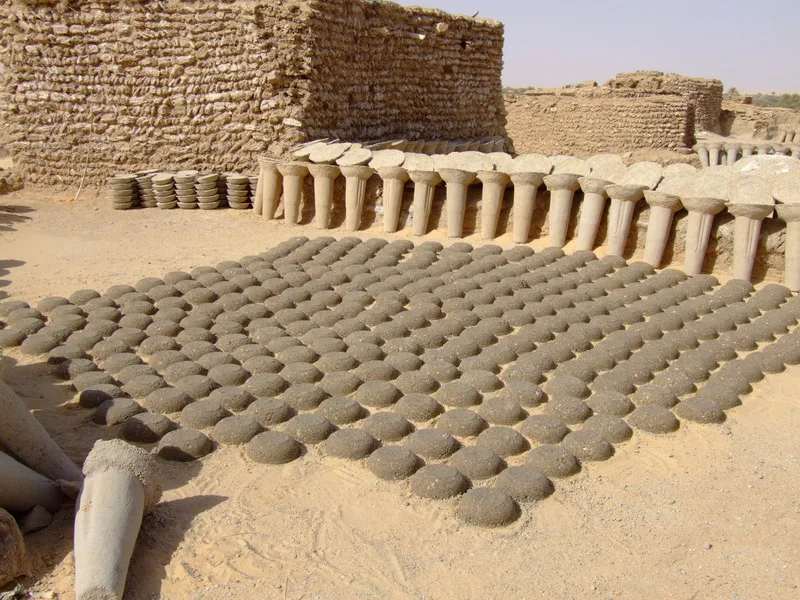
Purchase the traditional molded salt blocks, historically traded by the Azalai caravans.
Buy fresh dates directly from local growers in the oasis.
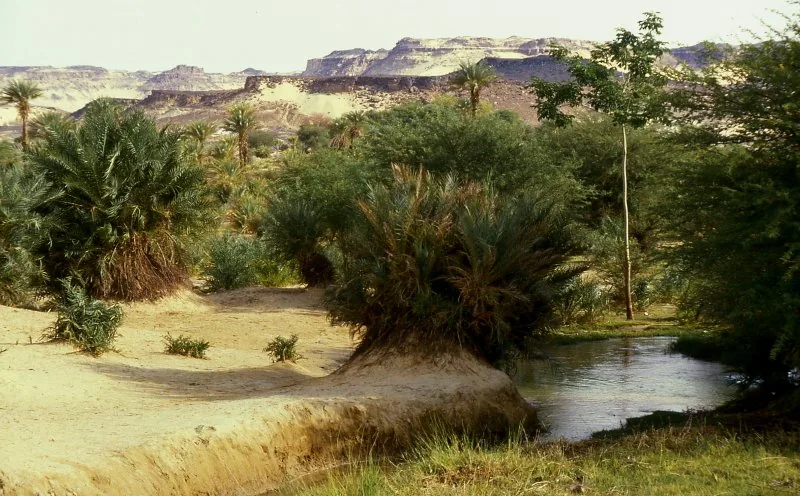
Find shade and a moment of peace under the date palms in the center of the settlement.
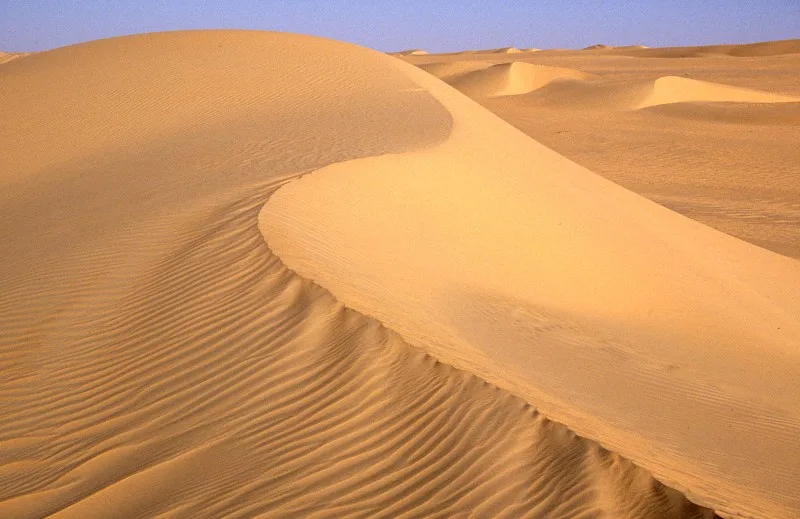
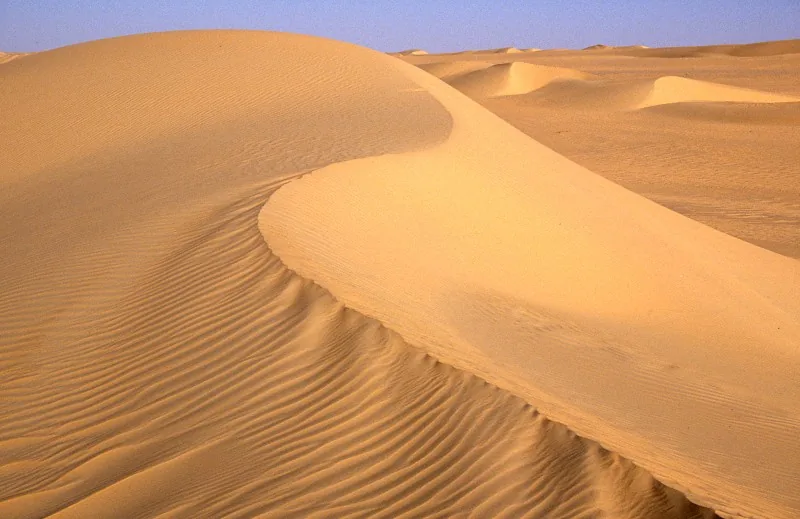
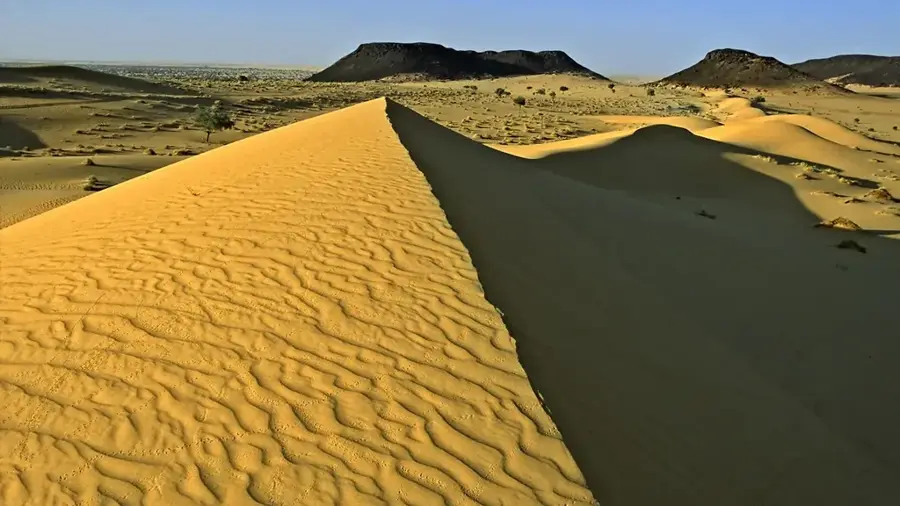
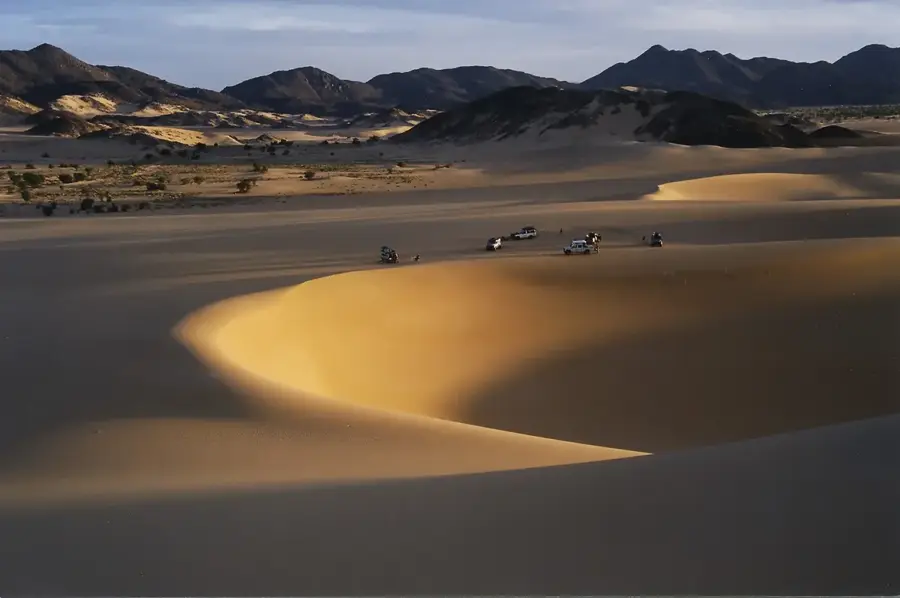
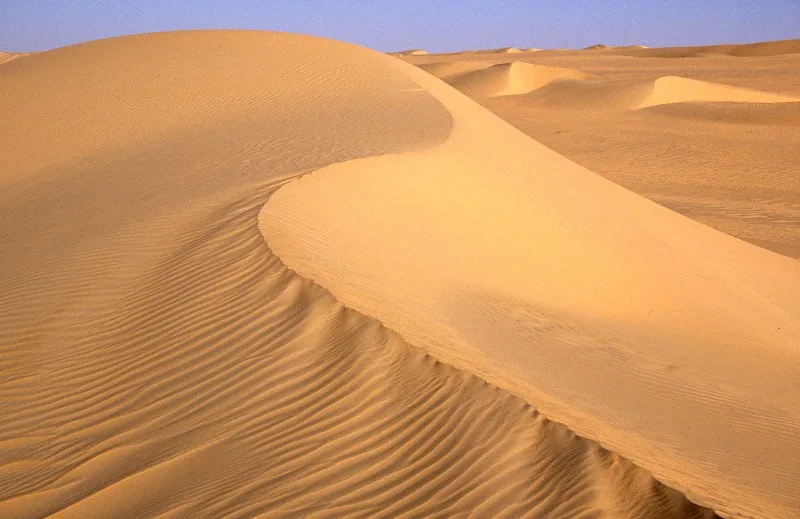
Walk slightly out of town to watch the dunes change colors as the sun goes down.
Water temperature…
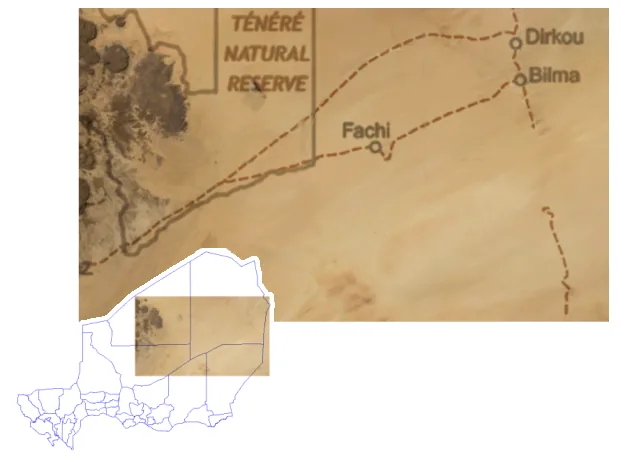
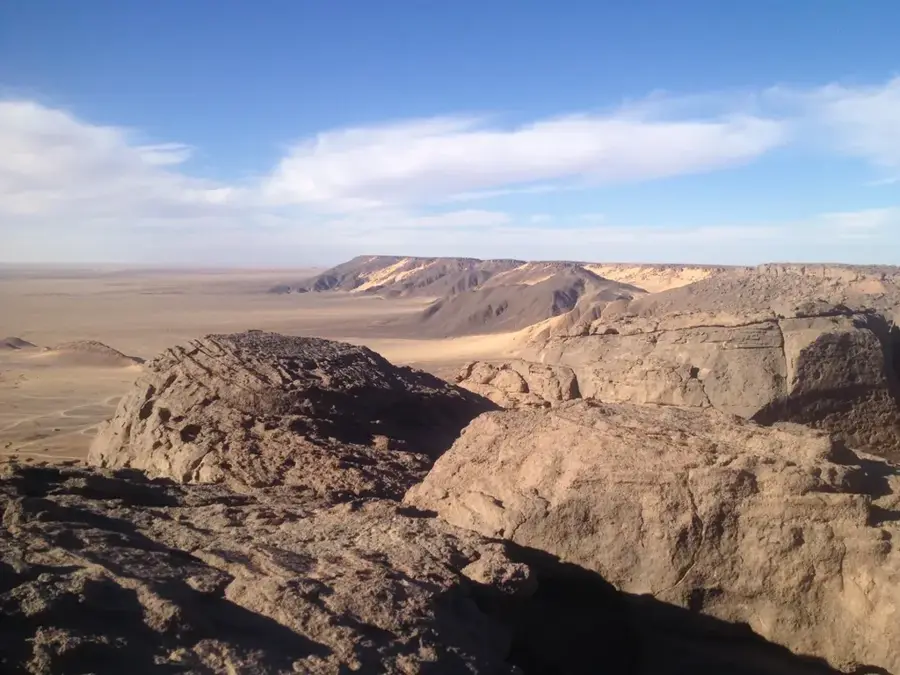
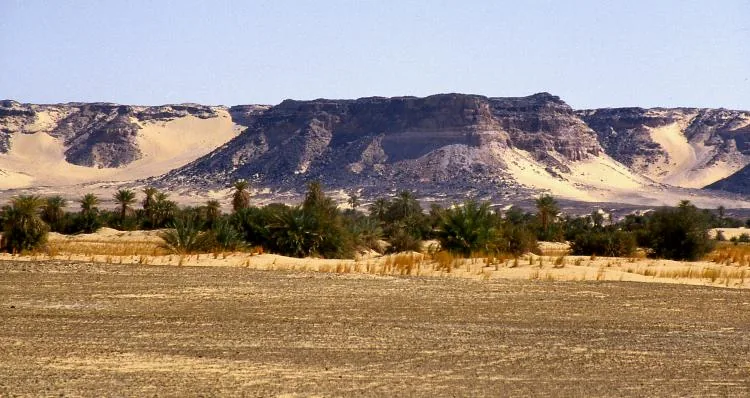
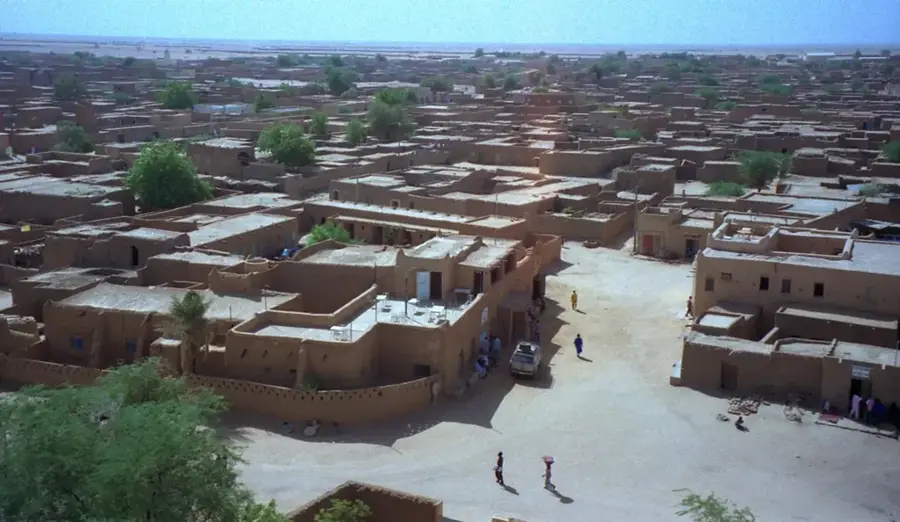
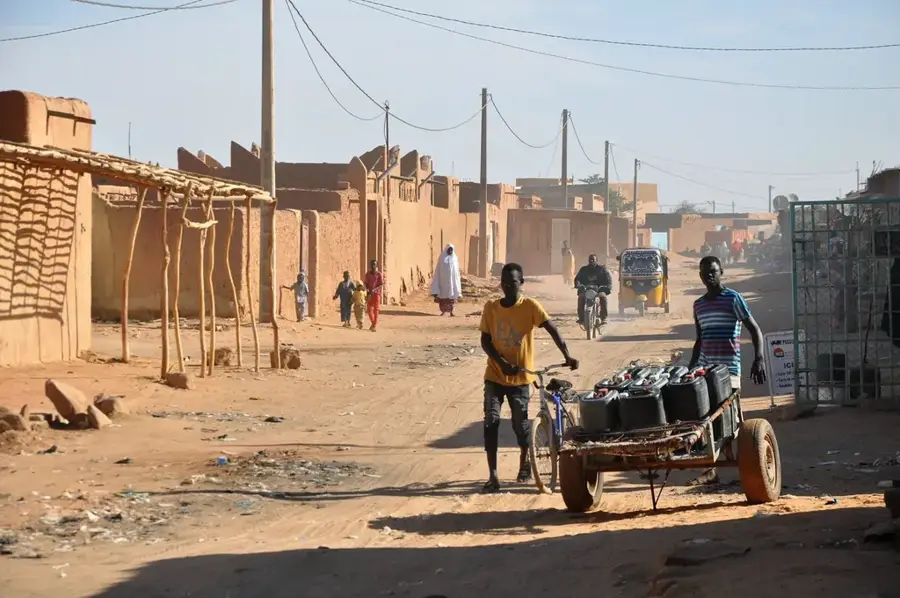
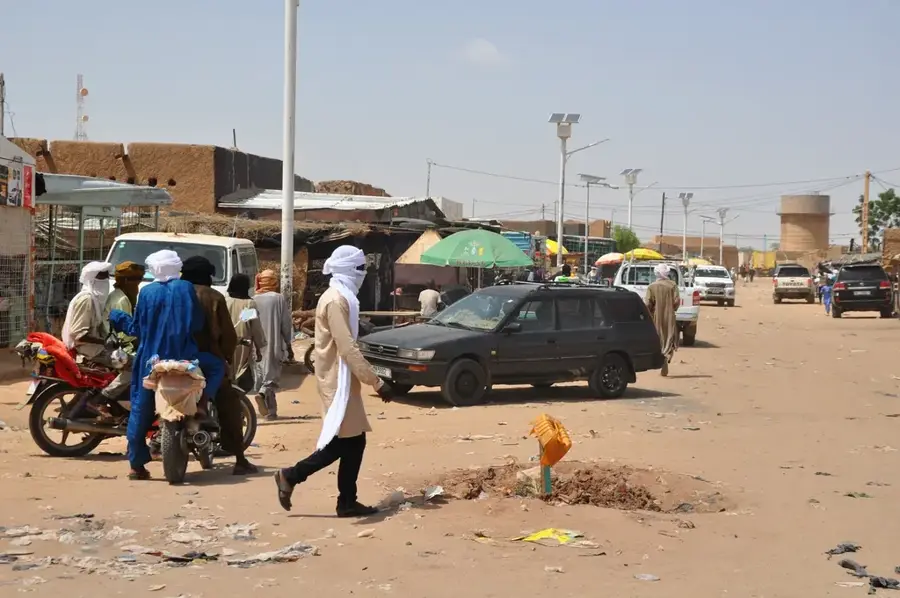
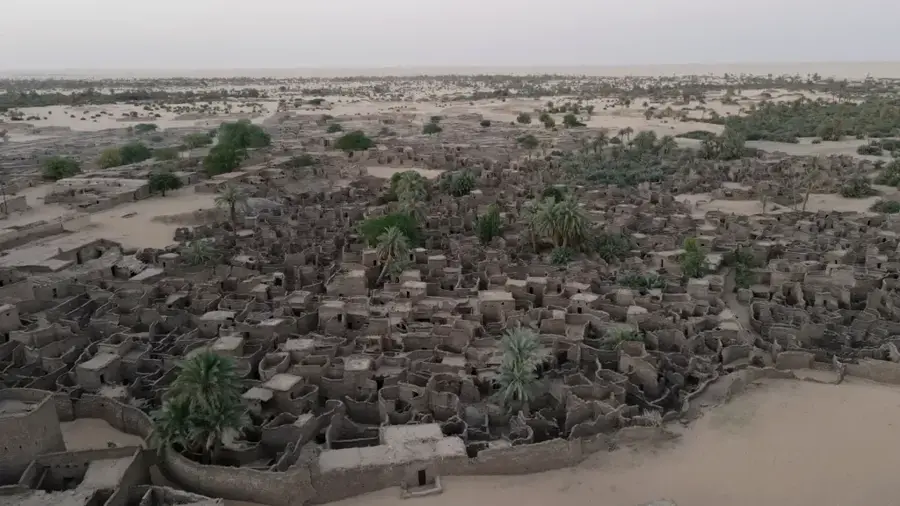
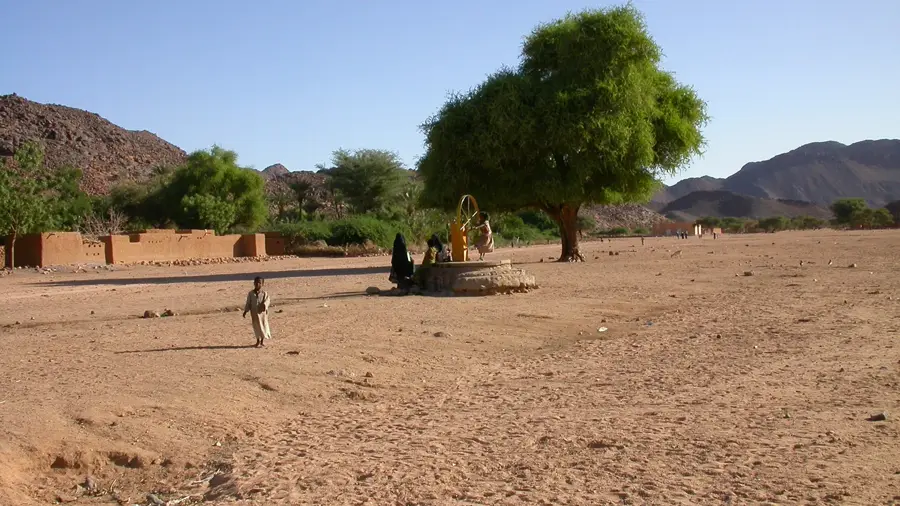
Bilma is a historic oasis town in northeastern Niger, located within the Agadez Region at the foot of the Kaouar Escarpment. The town is globally renowned for its centuries-old salt production, which remains a cornerstone of the local economy. Geographically, Bilma serves as one of the most vital stopping points on the trans-Saharan caravan routes connecting Niger with Libya and Chad. Historically, it was a significant territory within the Kanem-Bornu Empire, playing a crucial role in the trade of gold and salt. The salt evaporation pits of Bilma are still worked using traditional methods, producing salt pressed into distinctive conical molds. Beyond salt, the oasis is famous for its extensive date palm groves, providing a primary food source for the inhabitants. Bilma stands as a symbol of endurance and prosperity amidst the extreme isolation of the Ténéré Desert.
- Location: Niger
- Nearby: Dirkou (33 km)
- Population: ~5.435 (2024)
Best time to visit & climate
The most pleasant time to visit is Feb, Mar, Nov.
| Jan | Feb | Mar | Apr | May | Jun | Jul | Aug | Sep | Oct | Nov | Dec | |
|---|---|---|---|---|---|---|---|---|---|---|---|---|
| Avg °C | 16 | 19 | 24 | 29 | 33 | 34 | 34 | 33 | 32 | 28 | 22 | 17 |
| Rain mm | 0 | 0 | 0 | 0 | 12 | 0 | 2 | 7 | 1 | 0 | 0 | 0 |
Geography
Facts
- Bilma is the capital of the Bilma Department, the largest administrative district in Niger.
- The town is located approximately 560 kilometers northeast of Agadez.
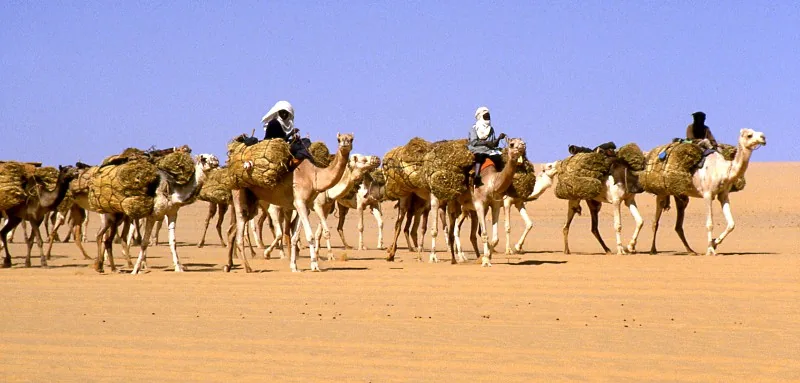
- The salt produced here is transported south by the legendary Azalaï camel caravans.
- Annual salt production in Bilma reaches thousands of tons, destined for regional markets.
- Artesian springs in the oasis provide the necessary water for the massive palm groves.
- The majority of the local inhabitants are of Kanuri (Béri-Béri) ethnicity.
Explore nearby
Notable places around



Route planner — Car & Motorhome
Where do you start? We build the route here, with stops and country notes along the way.
© OpenStreetMap contributors · OpenRouteService
Sights in the town Bilma (1)
Frequently asked questions
What is special about Bilma?
Is Bilma easily accessible?
What is the best time to visit Bilma?
Do I need a lot of water?
Is there a museum there?
Bilma: where is it located?
Bilma: when is the best time to visit?
Bilma: why is it worth visiting?

Nearby cities
History & landmarks
More places