Plizio Visual Lab
Ingall
ℹ️Practical info — Ingall
▾
🌤 Weather — 5 days
📍 Nearby
Sights nearby
💡 Tips
- Visit during the Cure Salée festival in September to witness the gathering of Tuareg and Wodaabe nomads.
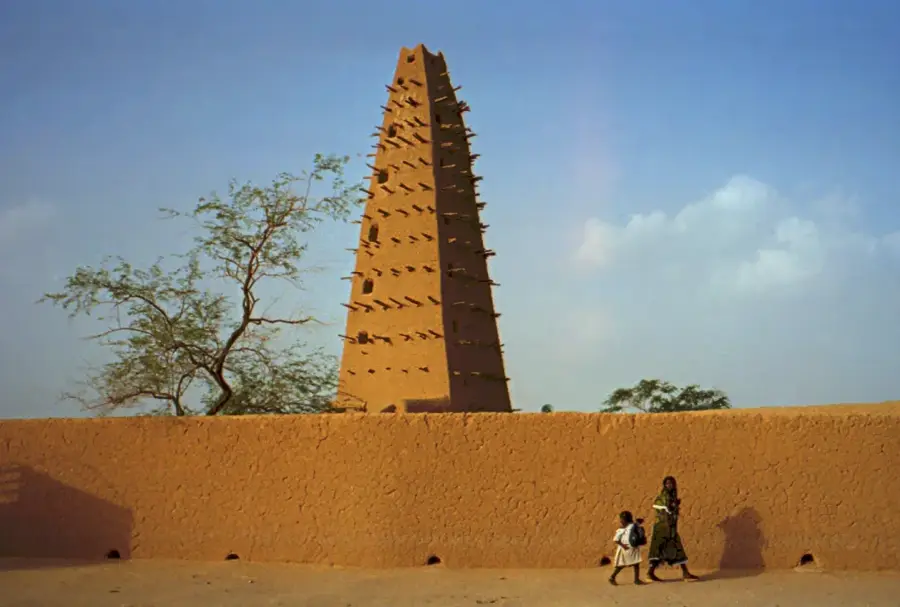
- The minaret of the main mosque features a striking example of local mud-brick architecture.
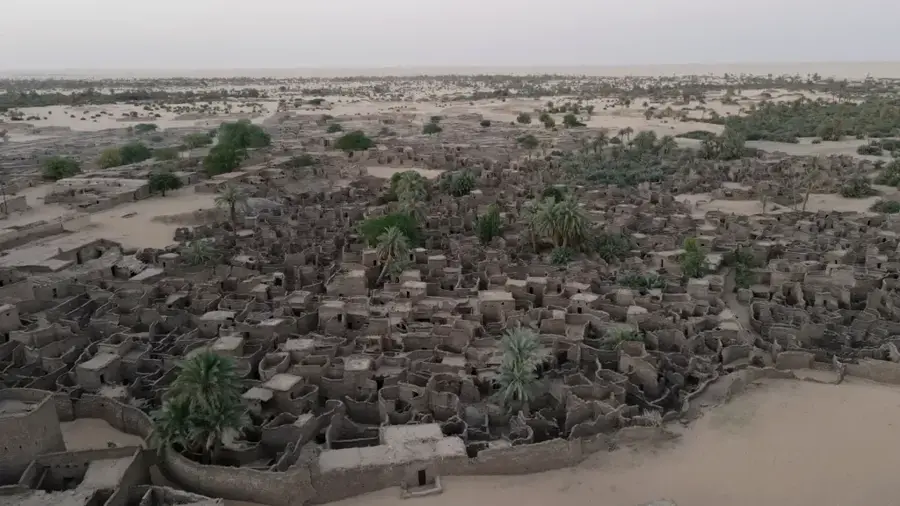
- Be prepared for extreme heat; early morning is the best time to explore the ruins.
- Bring sufficient cash, as ATMs are practically non-existent.
🍽 Food
Experience the traditional three-round tea ceremony offered by locals.
Buy fresh dates from the market, as the region is famous for its palm groves.
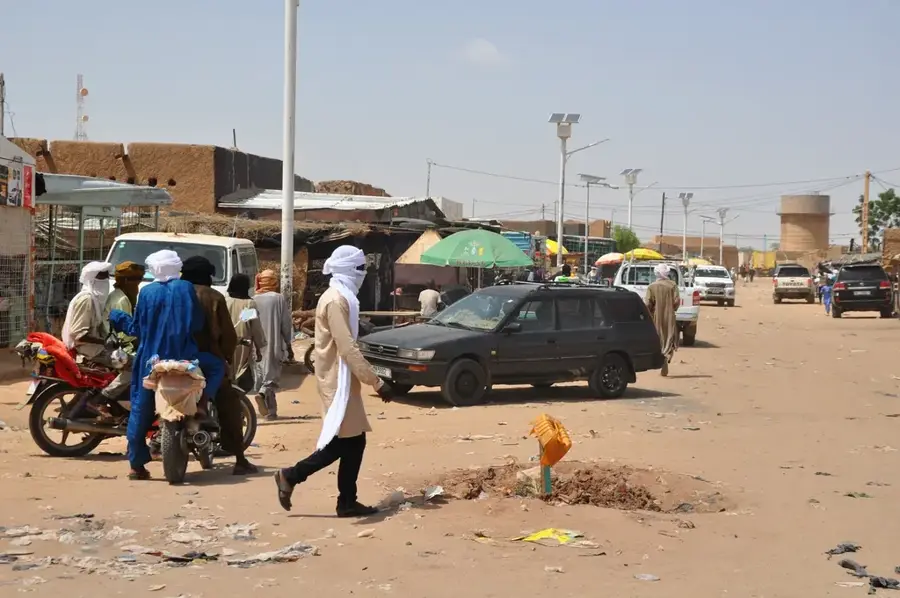
Look for street vendors near the market area serving freshly roasted mutton.
🛍 Shopping · 🧘 Quiet spots
Best place to find traditional Tuareg jewelry and leather goods.
Look out for the famous Agadez cross and other silver ornaments.
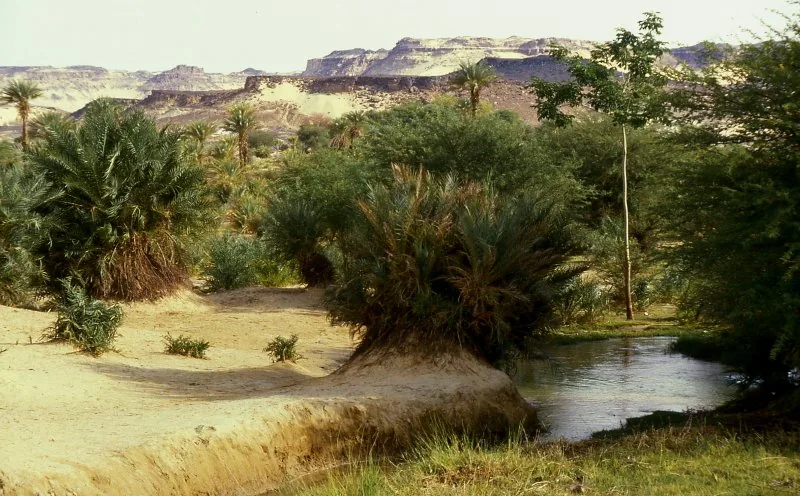
Take a walk in the shade of the extensive date palm groves on the edge of town.
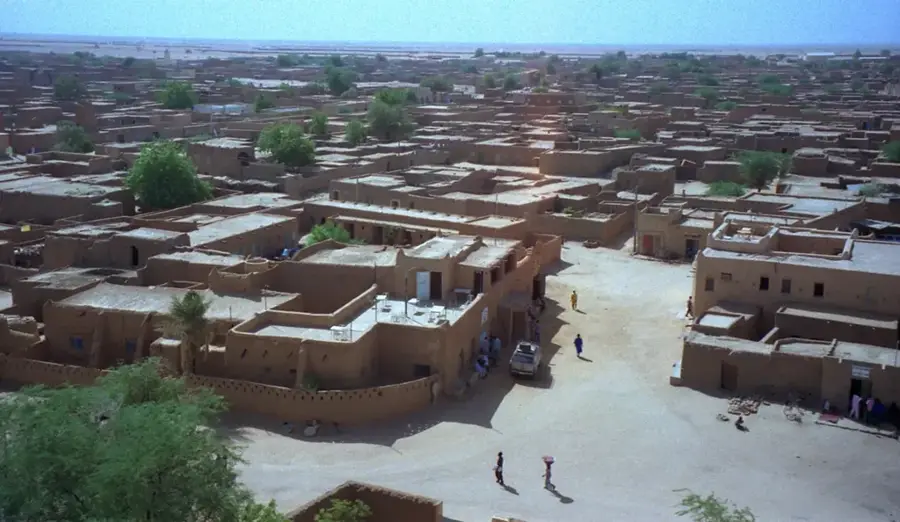
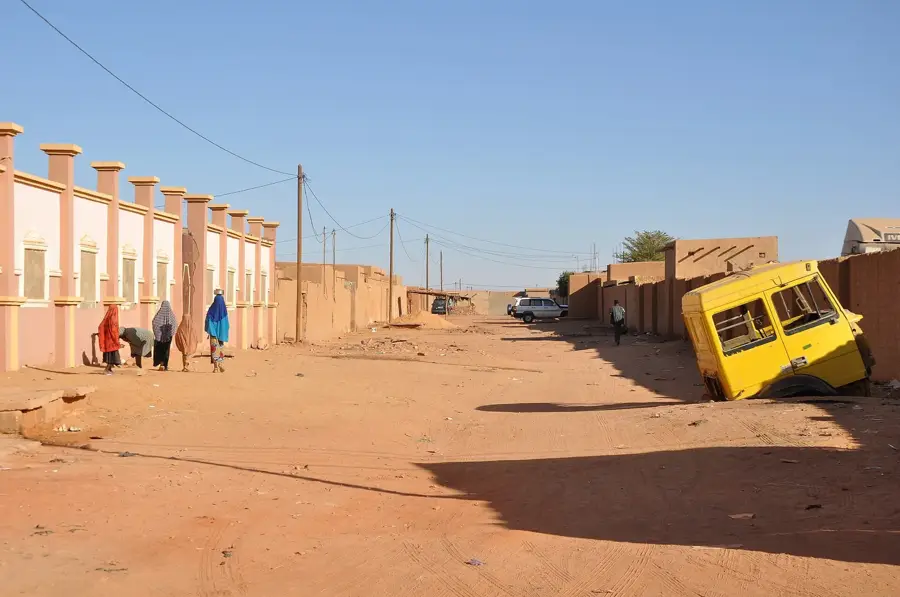
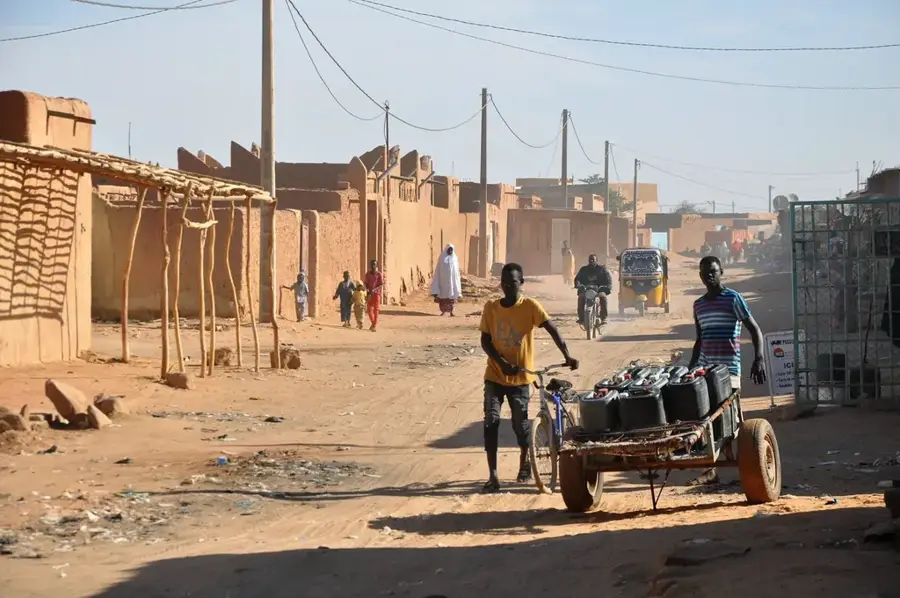
Wander through the quiet, dusty streets among the historic mud-brick houses.
Water temperature…
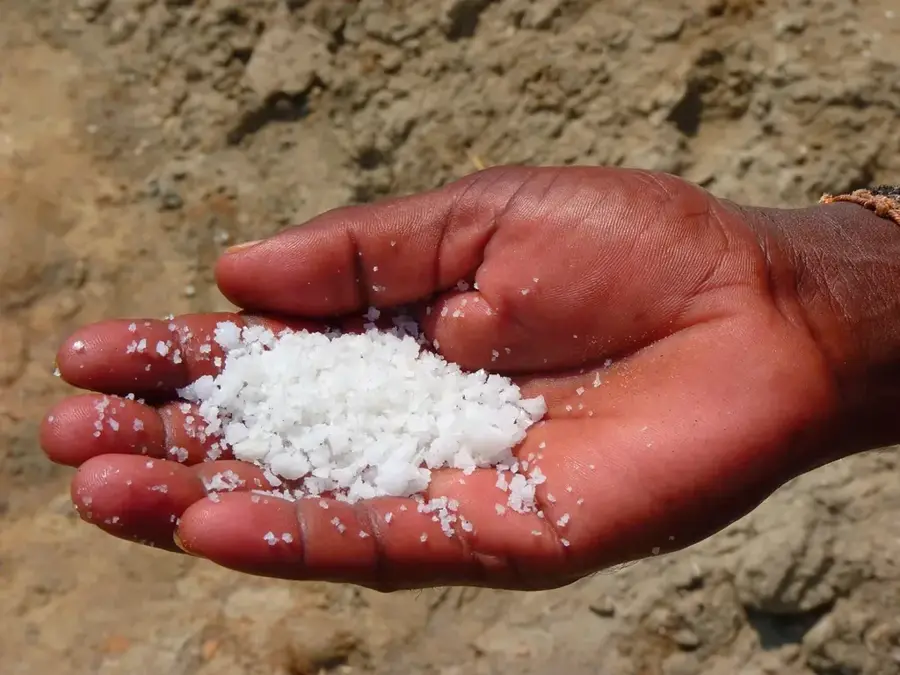
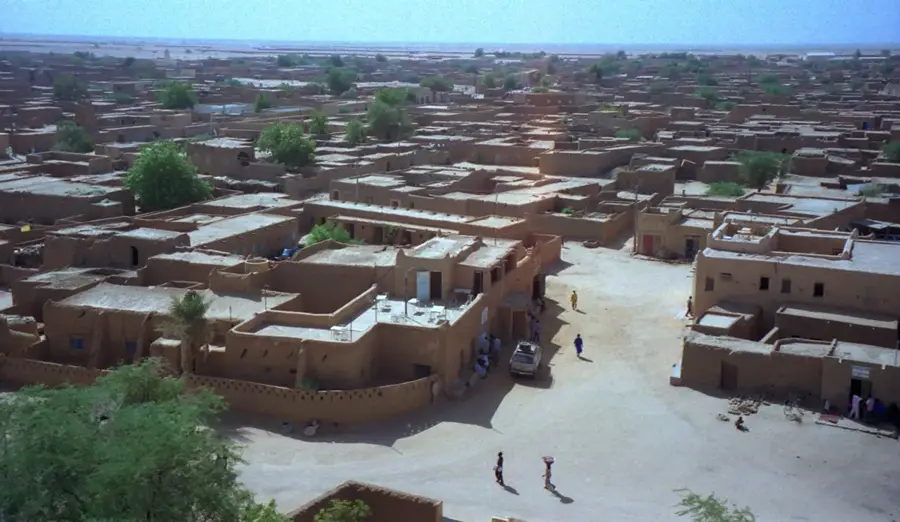
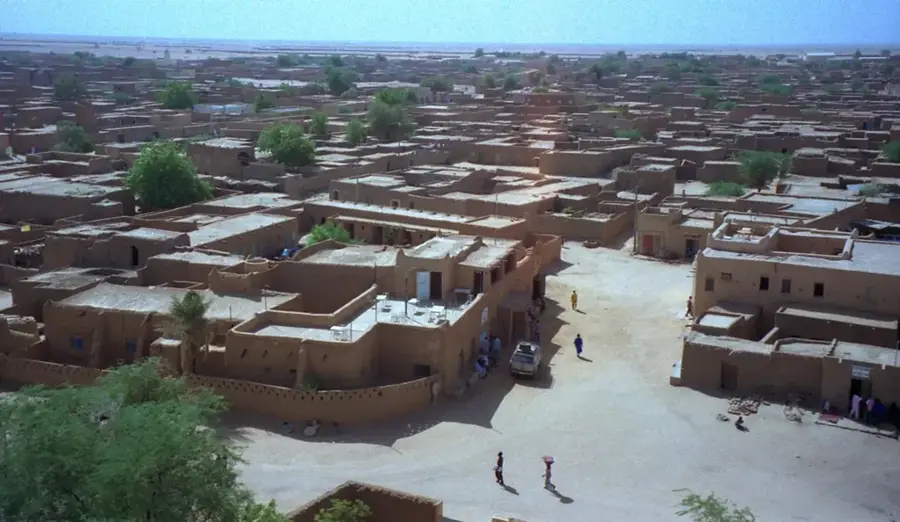
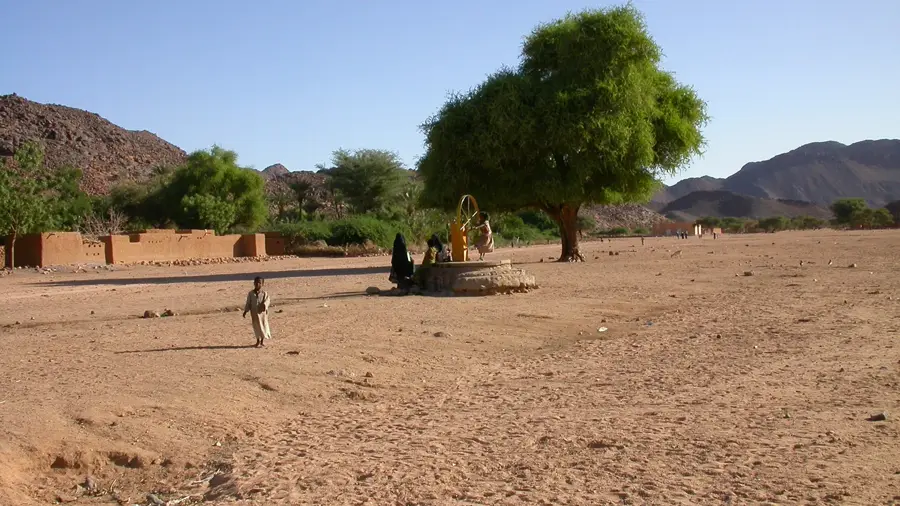
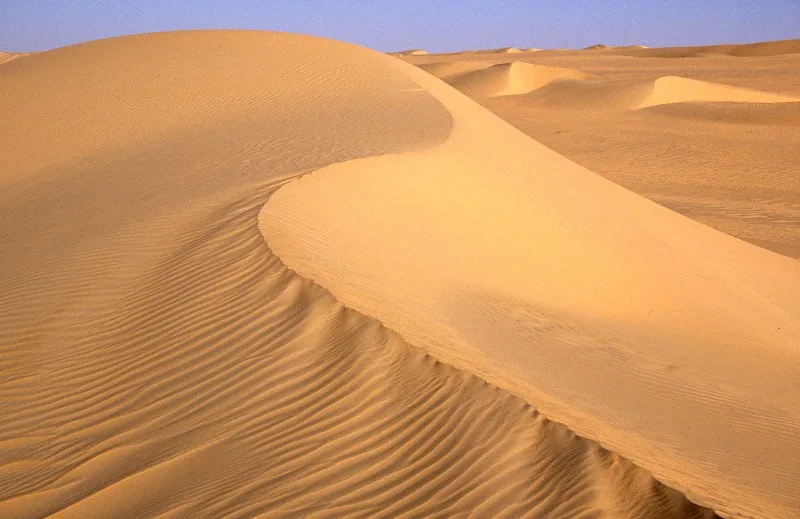
Ingall is a historic town in the Agadez Region of Niger, famously known as the gateway to the Sahara and a cultural hub for the Tuareg and Wodaabe peoples. The town is most renowned for hosting the Cure Salée, an annual festival of nomadic pastoralists held at the end of the rainy season, where herds are brought to the region's salt flats. Situated on the edge of the Azawagh basin, Ingall is distinguished by its unique red clay architecture. Beyond its cultural significance, the area surrounding Ingall is a world-class paleontological site, containing numerous dinosaur fossils dating back to the Jurassic period. The local economy revolves around livestock rearing, salt production, and irrigated gardening in oasis plots. Ingall remains a vital symbol of nomadic heritage and traditional land management within the Saharan-Sahelian transition zone.
- Location: Niger
- Population: ~10.609 (2024)
Best time to visit & climate
The most pleasant time to visit is Jan, Feb, Dec.
| Jan | Feb | Mar | Apr | May | Jun | Jul | Aug | Sep | Oct | Nov | Dec | |
|---|---|---|---|---|---|---|---|---|---|---|---|---|
| Avg °C | 20 | 24 | 28 | 32 | 35 | 36 | 34 | 32 | 32 | 30 | 25 | 21 |
| Rain mm | 0 | 0 | 0 | 1 | 3 | 23 | 54 | 101 | 21 | 6 | 0 | 0 |
Geography
Facts
- Host of the annual Cure Salée festival for nomadic herders.
- Located on the edge of the mineral-rich Azawagh basin.
- Renowned for paleontological finds, including dinosaur fossils.
- Situated approximately 130 kilometers west of Agadez city.
- Features unique traditional architecture made of red clay.
- Center for salt production and livestock trade in the region.
Explore nearby
Notable places around

Route planner — Car & Motorhome
Where do you start? We build the route here, with stops and country notes along the way.
© OpenStreetMap contributors · OpenRouteService
Frequently asked questions
What is Ingall known for?
When is the Cure Salée festival?
Is Ingall easily accessible for tourists?
Is there fixed accommodation in Ingall?
Do I need a local guide?
Ingall: where is it located?
Ingall: when is the best time to visit?
Ingall: why is it worth visiting?

Nearby cities
History & landmarks
More places