Attractions in Niger
The finest attractions in Niger at a glance: castles, natural wonders, historic old towns and more. Each place links to a detailed page with map, tips and photos.
Culture & History
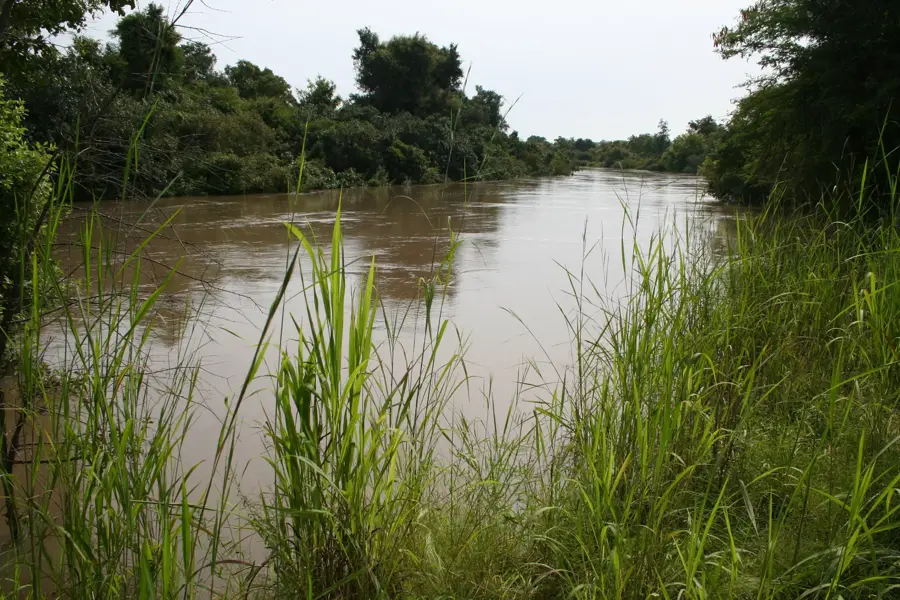
W National Park
A transboundary UNESCO World Heritage site, known for its diverse wildlife and the characteristic W-shape of the Niger River.
Learn more →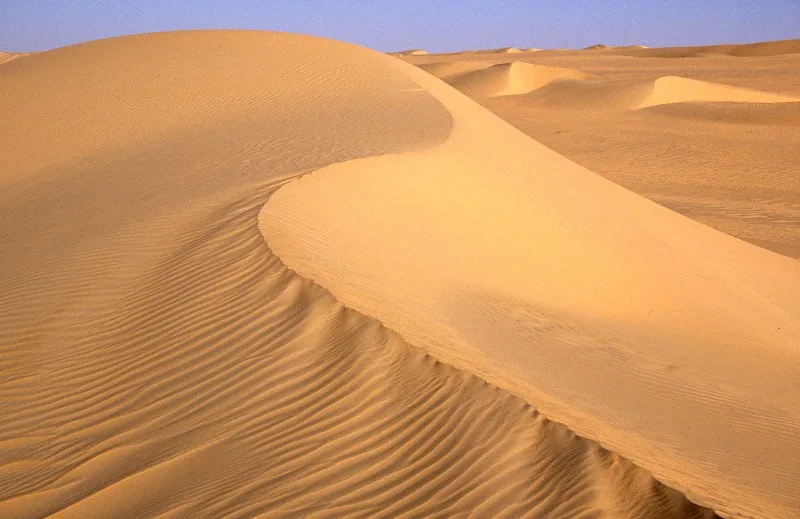
Tree of Ténéré site
The former site of the most isolated tree in the world, now a symbolic location marked by a metal sculpture monument.
Learn more →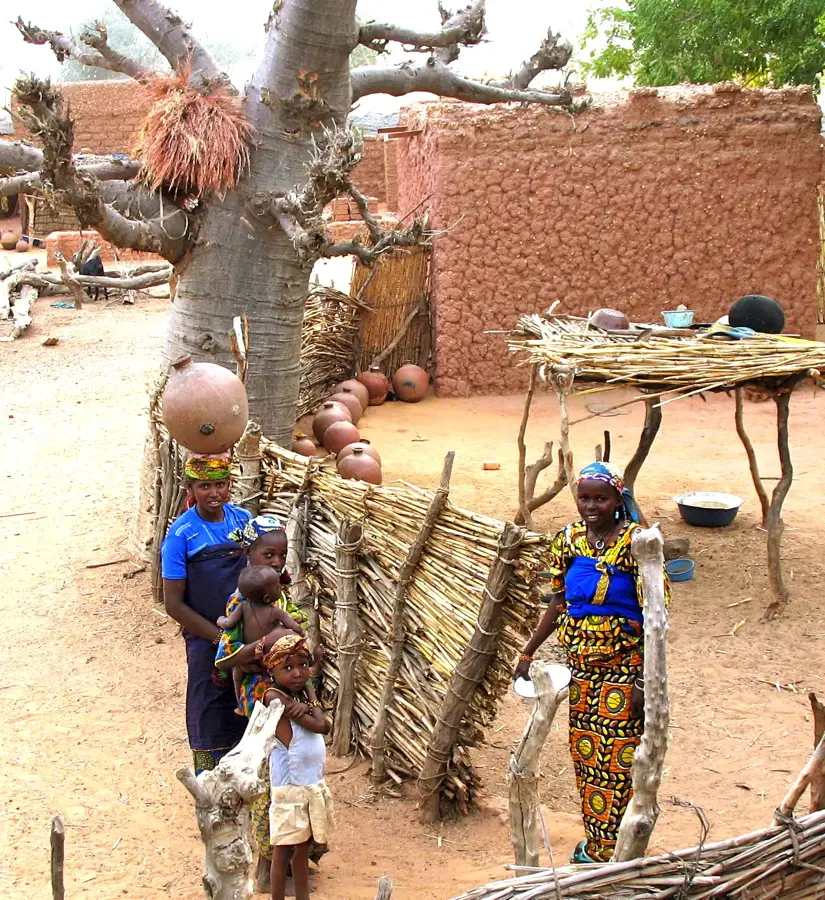
Maradi Craft Center
An important center for Hausa crafts in Maradi, especially known for textiles and red goat leather.
Learn more →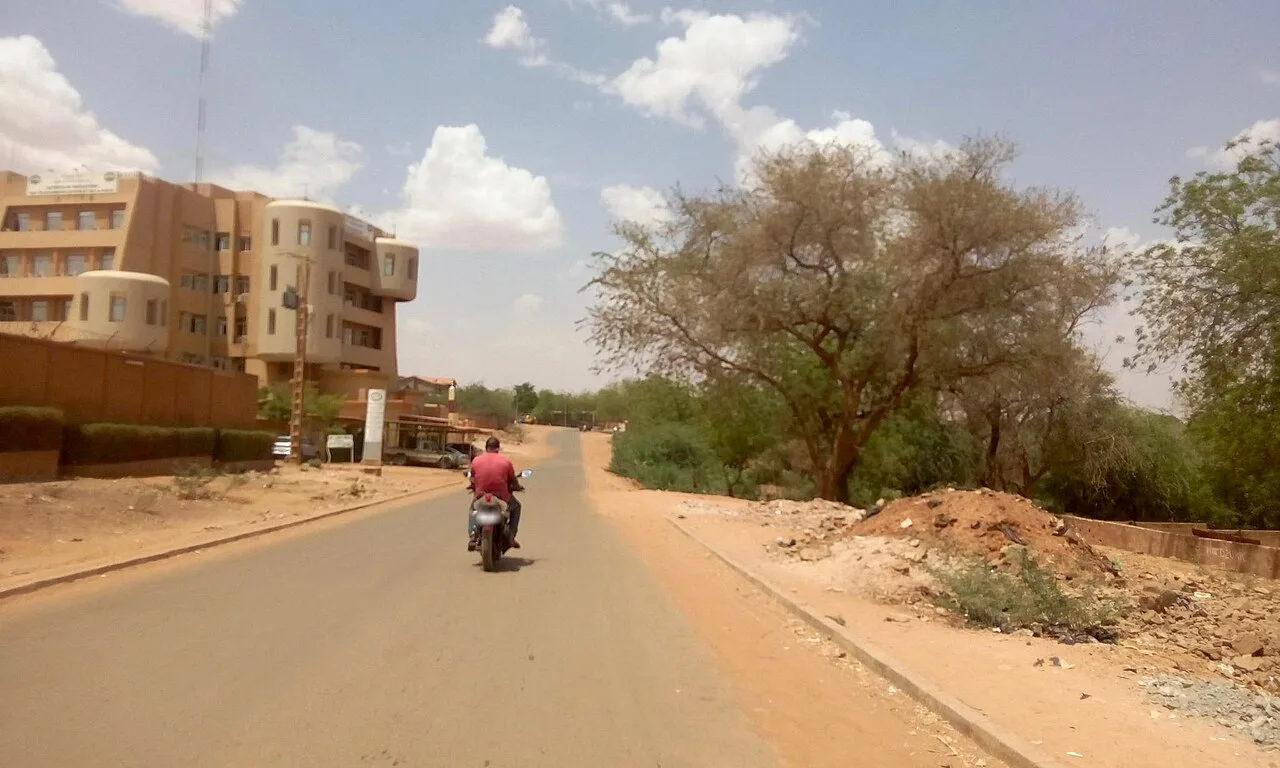
Niamey Railway Station
The main railway station of the capital, officially inaugurated in 2014, whose rail network remained incomplete.
Learn more →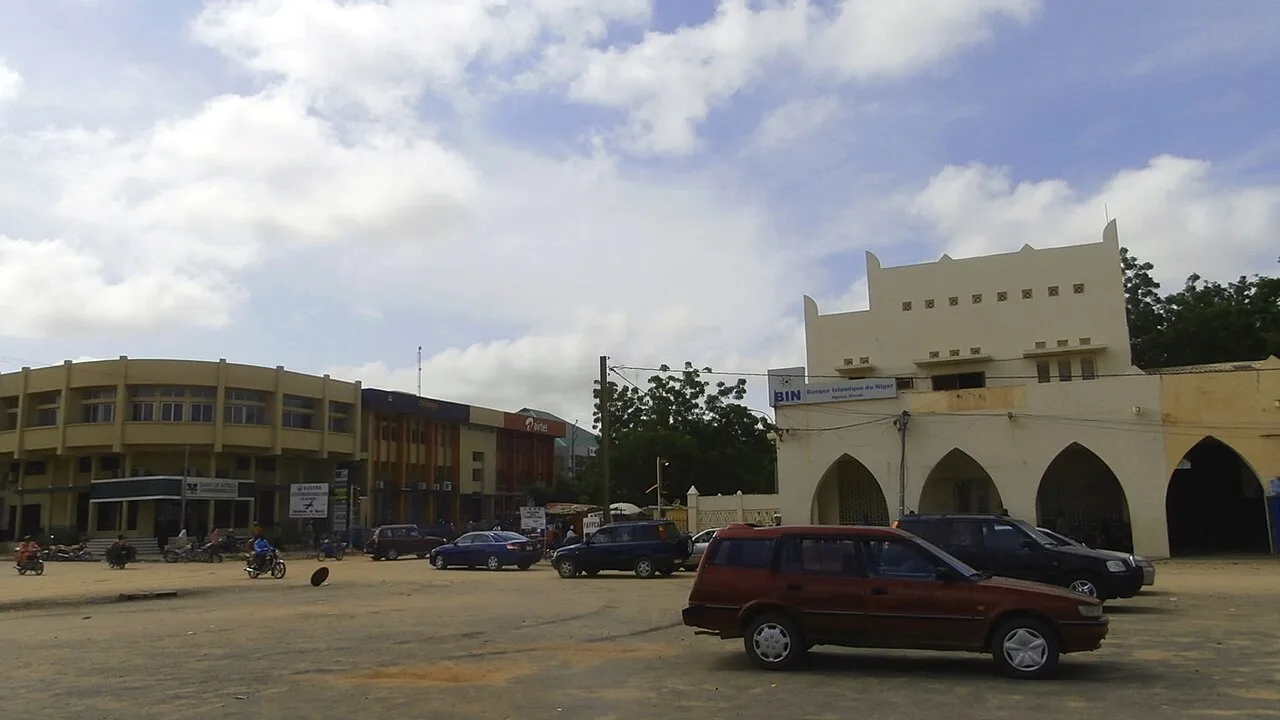
Grand Mosque of Maradi
An architectural highlight in the commercial city of Maradi, showing the region's strong Islamic influence.
Learn more →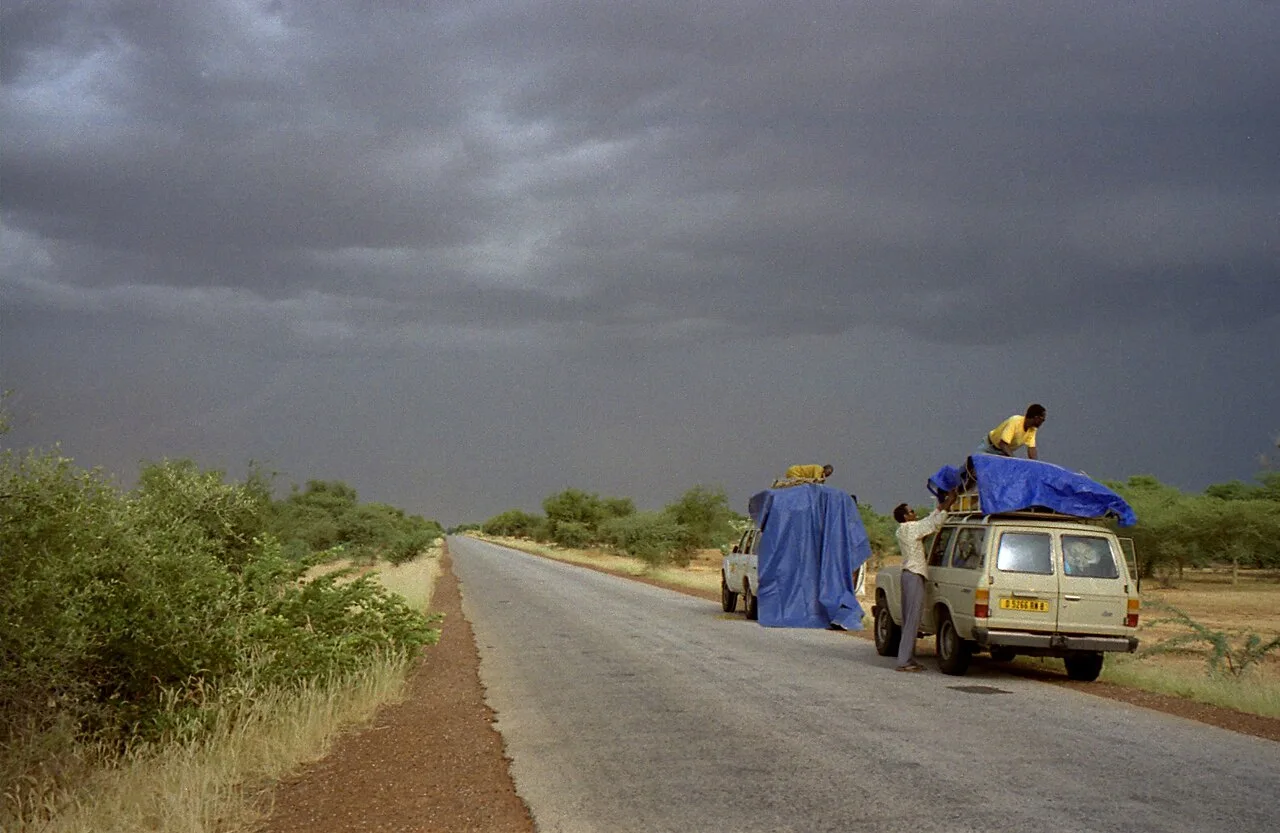
Grand Mosque of Tahoua
A significant religious center in Tahoua, serving as a meeting point for Tuareg and Hausa communities.
Learn more →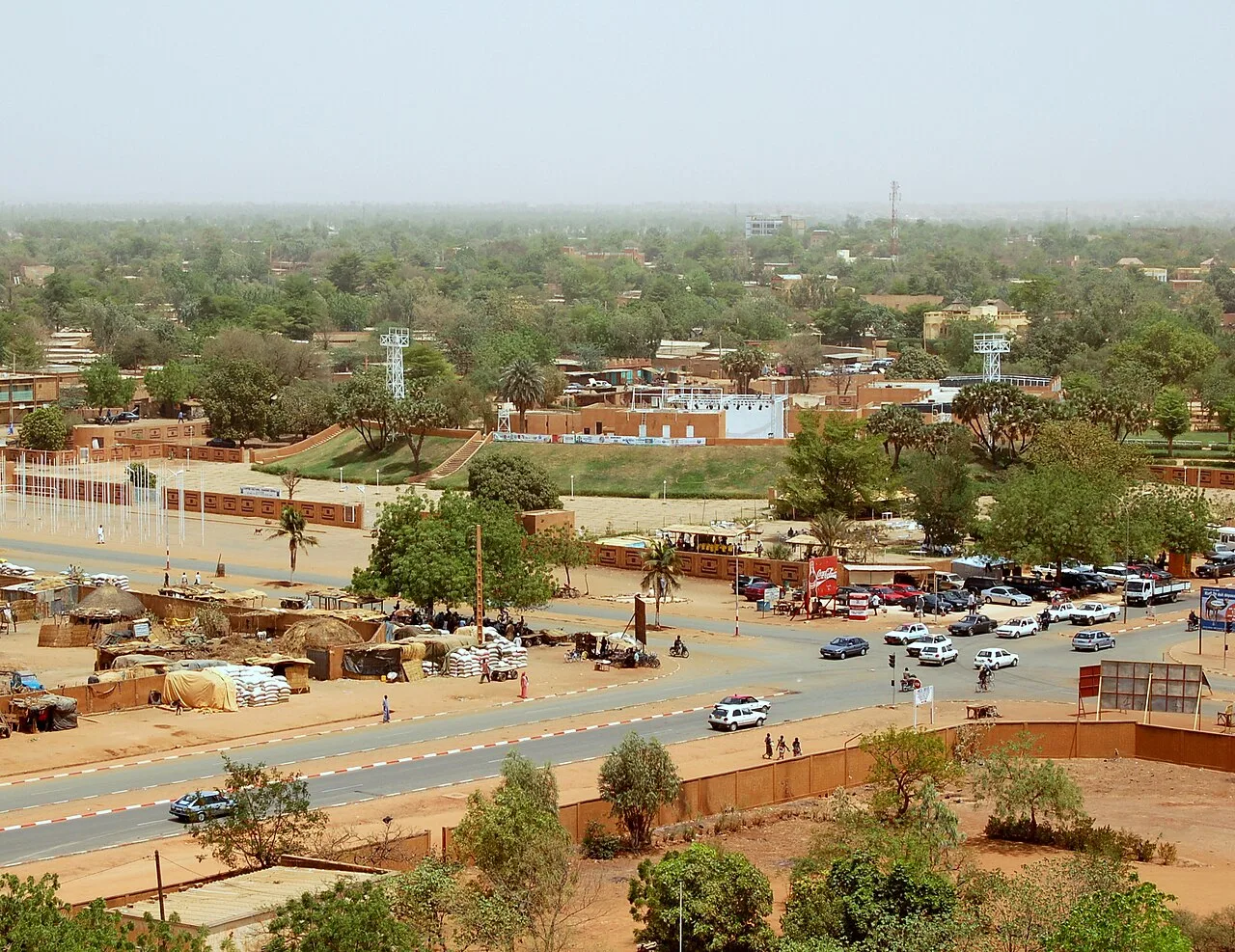
Boubou Hama National Museum
The most important museum in Niger, located in Niamey, exhibiting culture, art, and paleontological finds.
Learn more →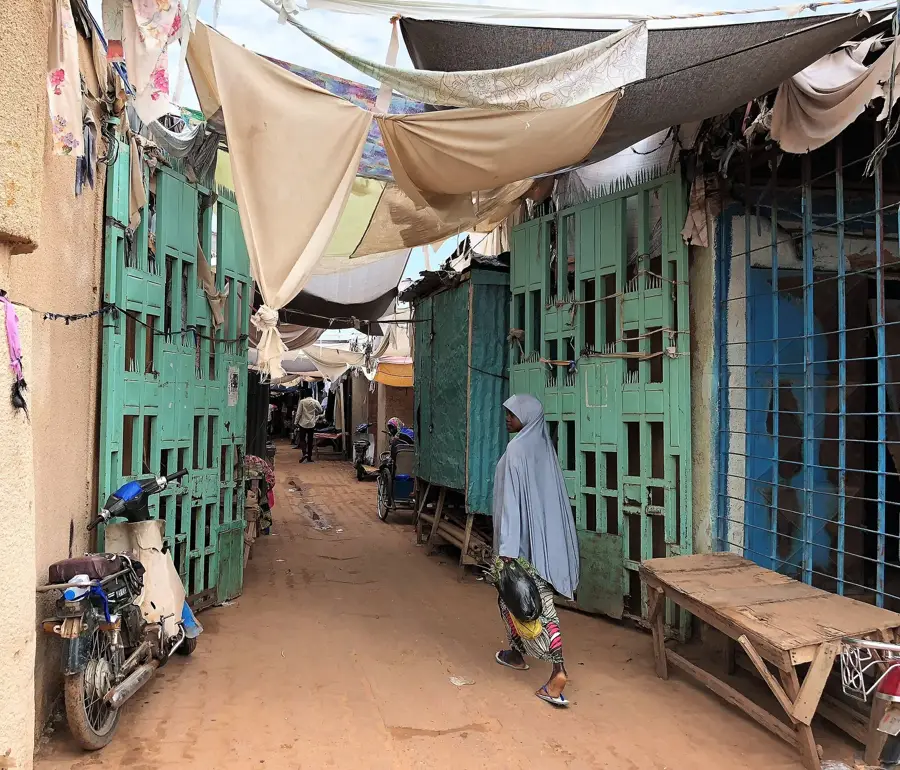
Grand Market of Dosso
A central marketplace in Dosso that brings together agricultural products and crafts from across the south.
Learn more →
Abdou Moumouni University
The only and largest public university in Niamey, named after a famous Nigerien physicist.
Learn more →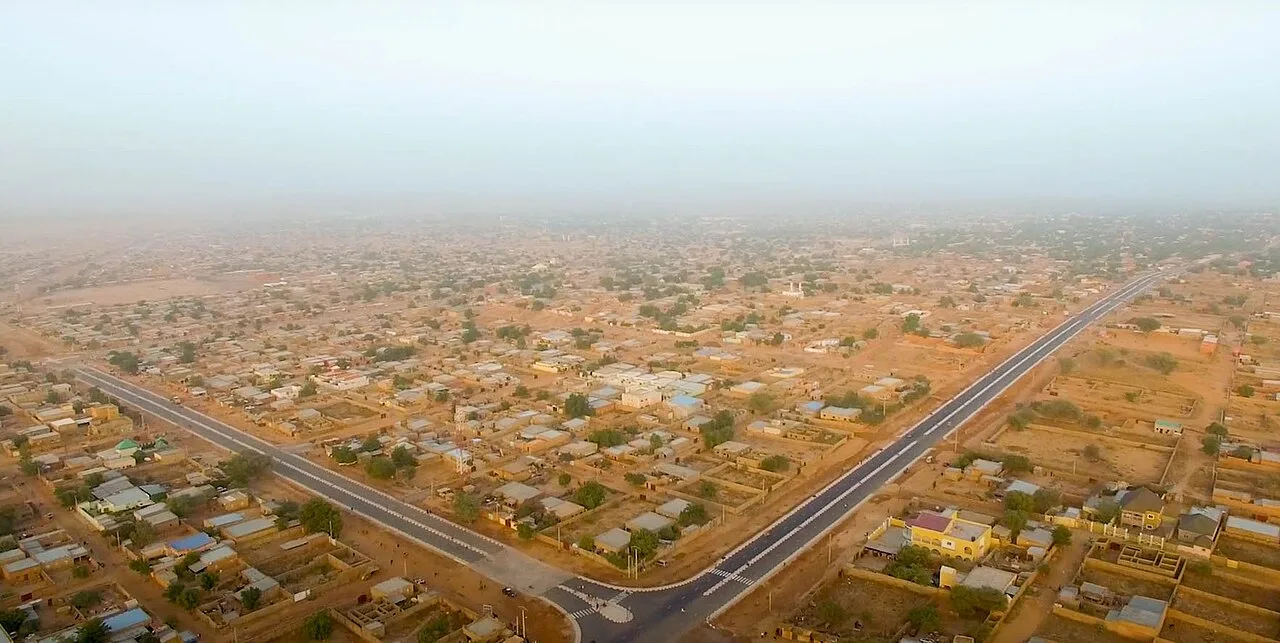
Grand Mosque of Zinder
The central spiritual building in Zinder, featuring architectural elements of the Damagaram region.
Learn more →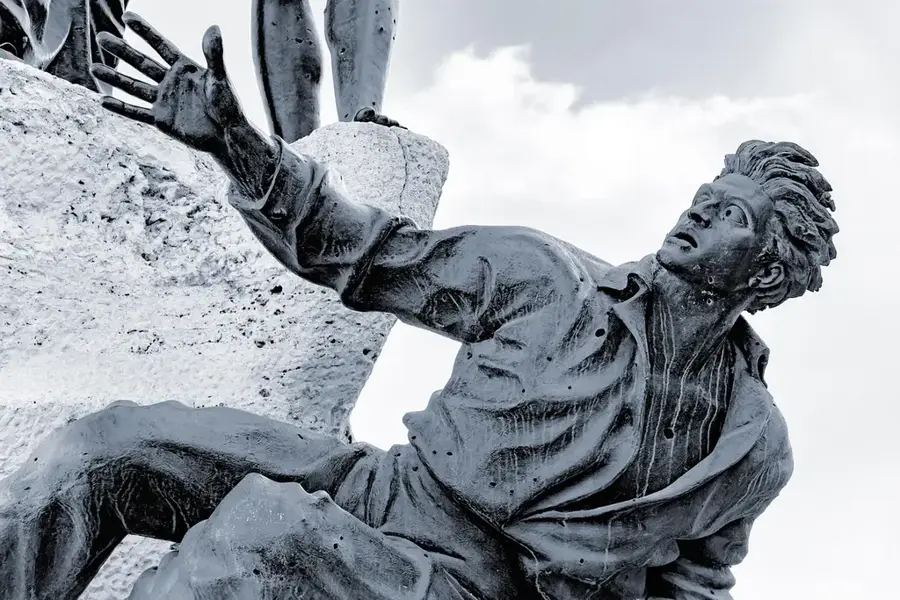
Martyrs' Monument Niamey
An important monument in the center of Niamey dedicated to the victims of national conflicts.
Learn more →
Presidential Palace of Niamey
The official seat of the head of state of Niger, a highly secured and representative building.
Learn more →
Tahoua Artisan Market
A bustling market famous for its Tuareg leatherwork and traditional Tuareg jewelry.
Learn more →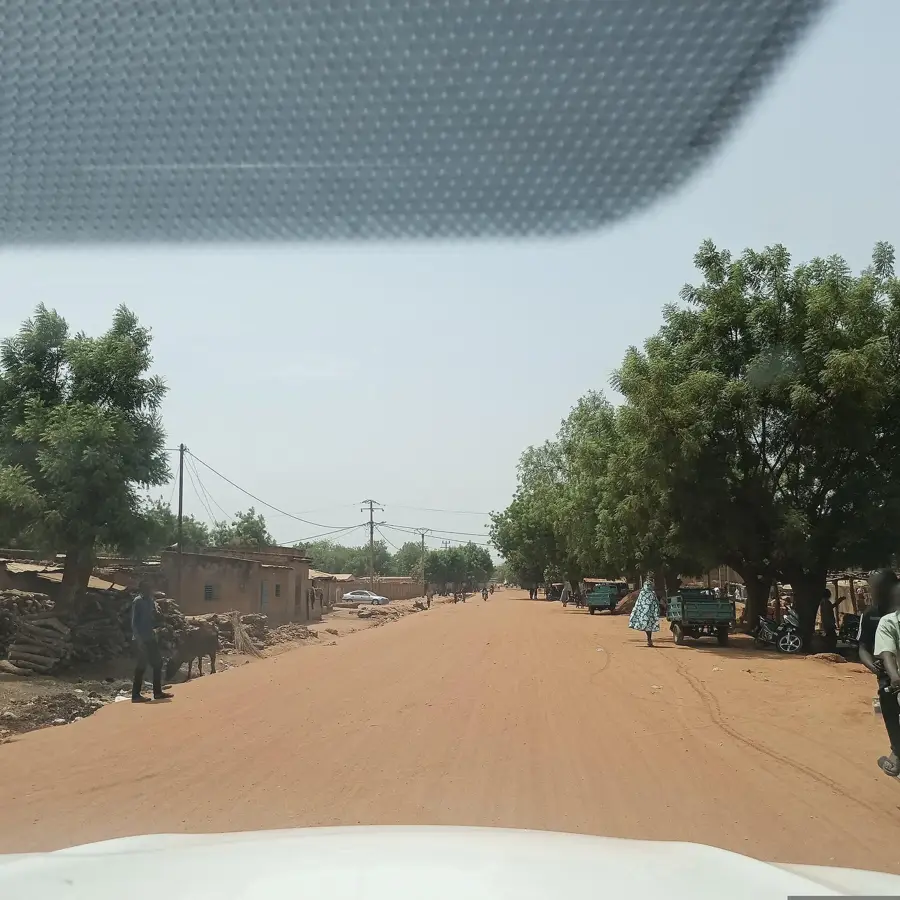
Gaya-Malanville Border Bridge
The most strategically important bridge connecting Niger with Benin across the Niger River.
Learn more →
Diori Hamani Airport
The most important international airport of the country, named after the first president.
Learn more →
General Seyni Kountché Stadium
The national multi-purpose stadium of Niger, used primarily for football matches.
Learn more →
China-Niger Friendship Bridge
The second major bridge across the Niger River in Niamey, which massively relieves traffic.
Learn more →
Zinder Craft Center
A center for promoting local crafts, especially leatherwork and jewelry.
Learn more →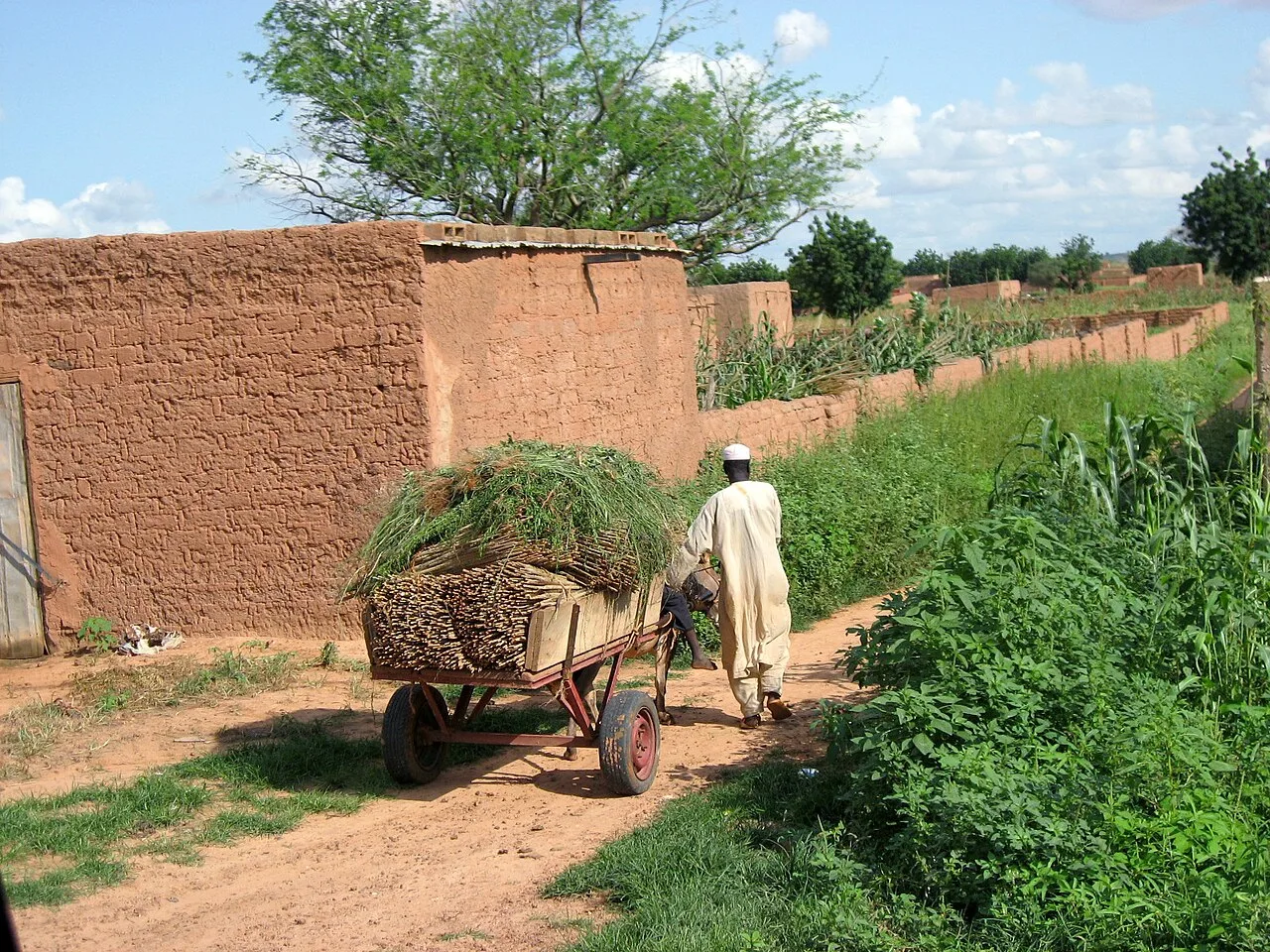
Palace of the Djermakoye
The historical and ceremonial palace of the traditional leader of the Zarma in Dosso.
Learn more →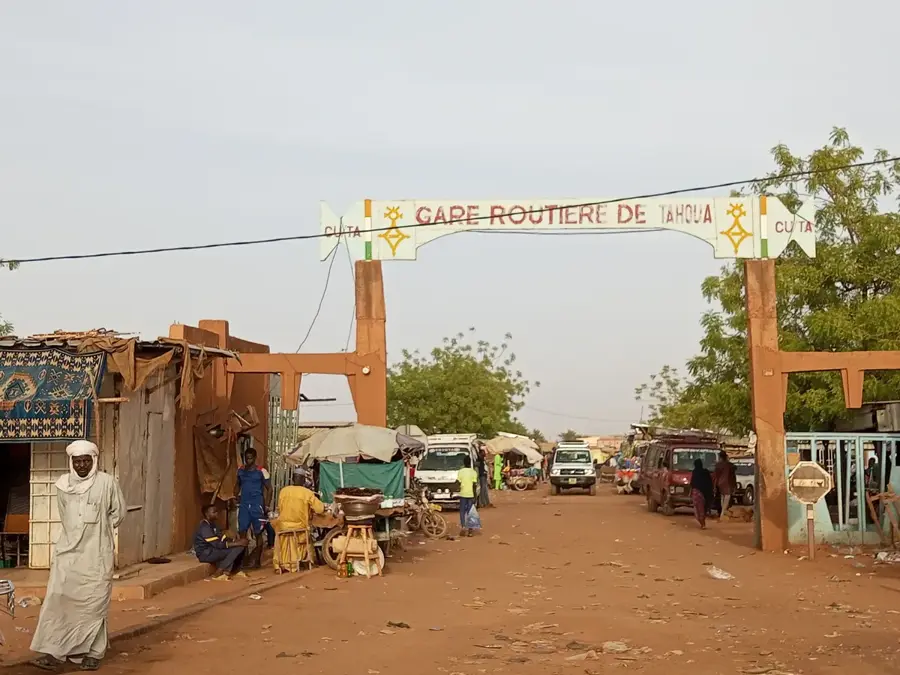
Palace of the Canton Chief of Tahoua
The residence of the traditional leadership in Tahoua, a place of cultural significance.
Learn more →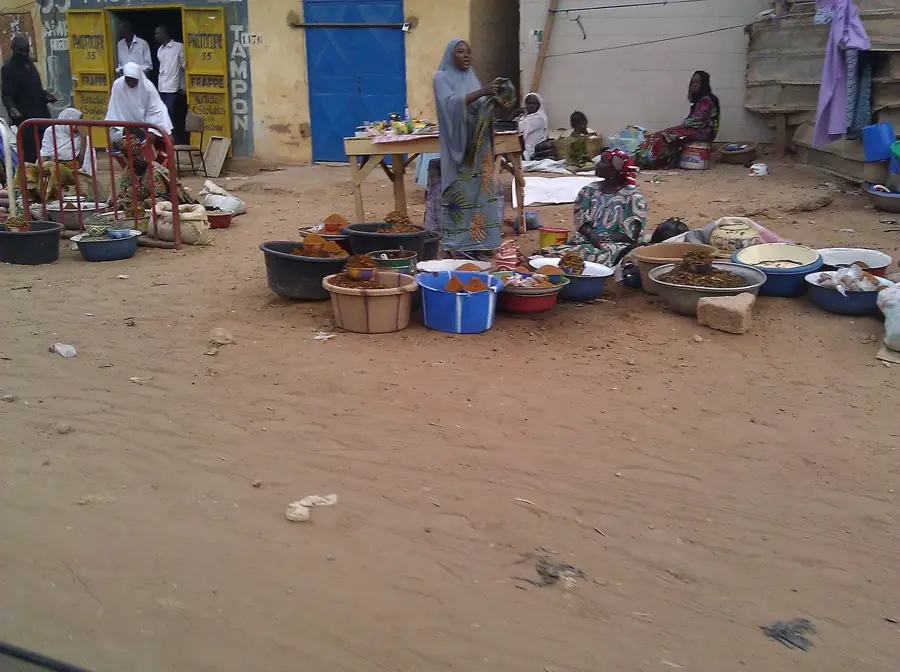
ORTN Broadcasting Tower
The characteristic broadcasting tower of the state radio and television of Niger.
Learn more →Nature
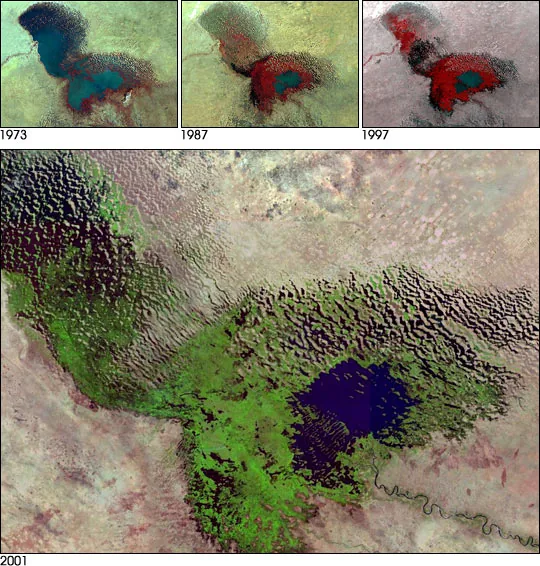
Lake Chad
A significant endorheic lake located at the border between Niger, Chad, Cameroon, and Nigeria.
Learn more →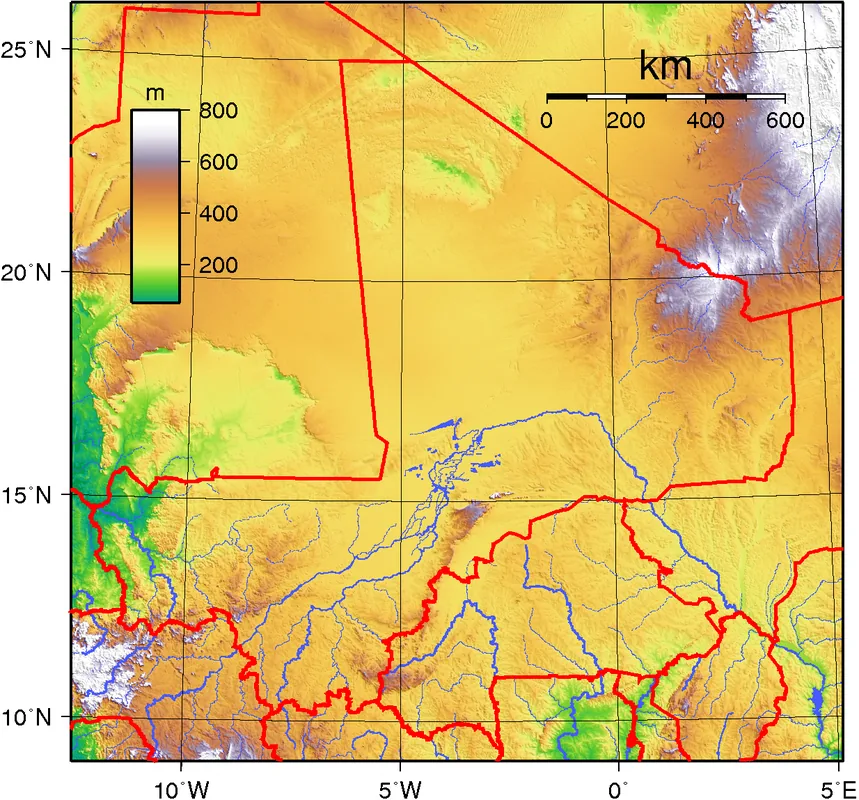
Gueltas in the Aïr Mountains
Natural water basins in rock crevices that persist in the dry desert landscape.
Learn more →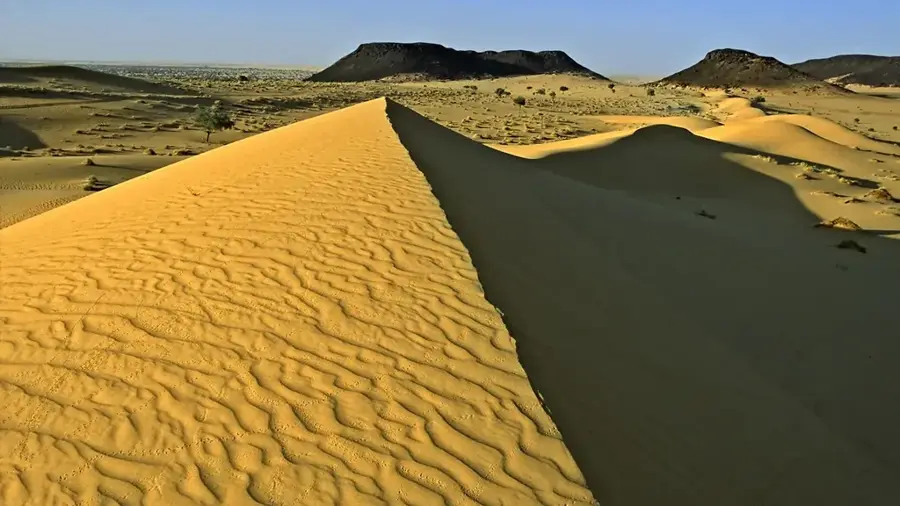
Termit Massif
A mountain range in eastern Niger, striking for its spectacular rock formations.
Learn more →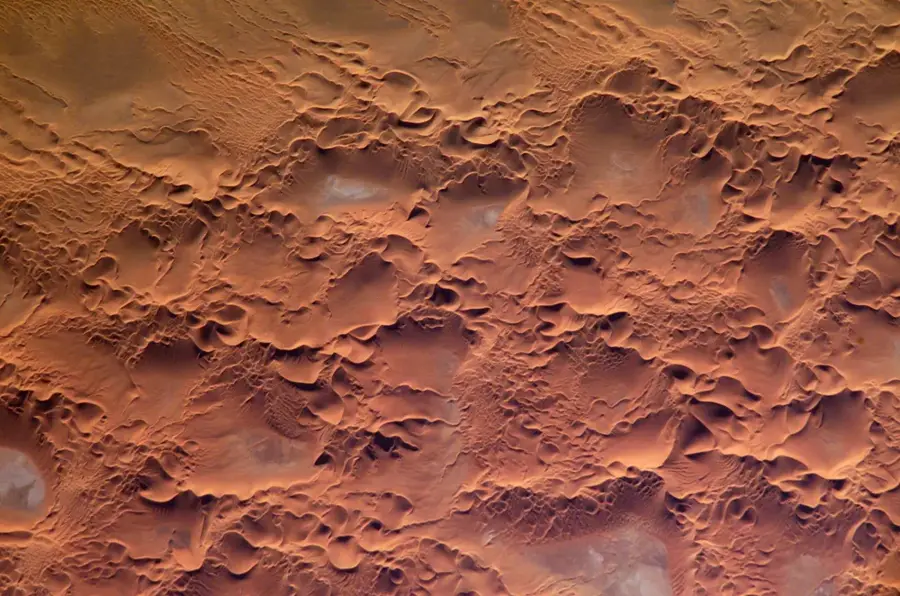
Erg Ténéré
A sub-region of the Ténéré desert, characterized by huge, shifting sand dunes.
Learn more →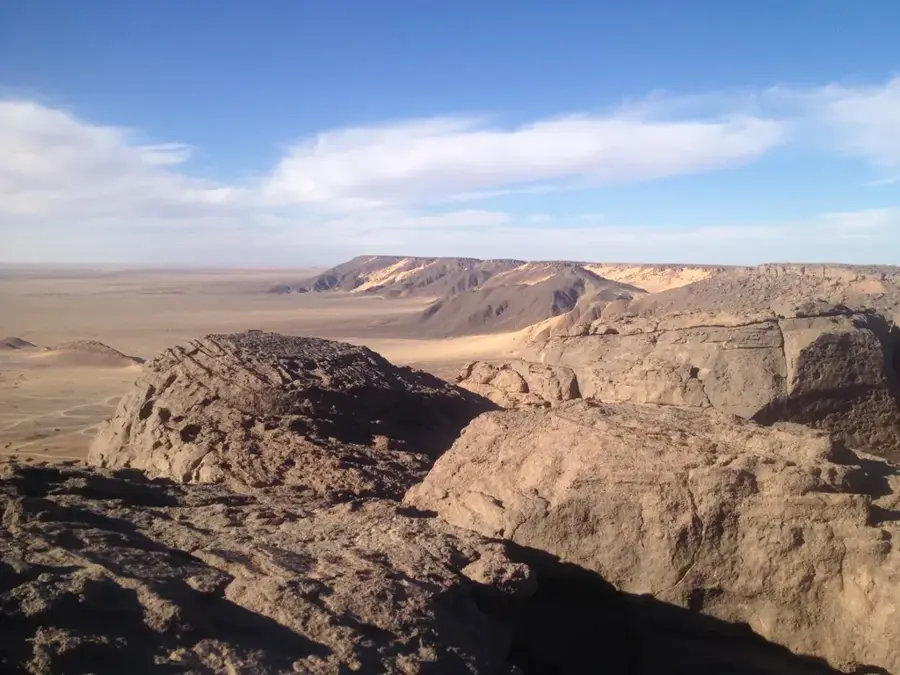
Djado Plateau
A high plateau in northeastern Niger, famous for its ancient rock carvings.
Learn more →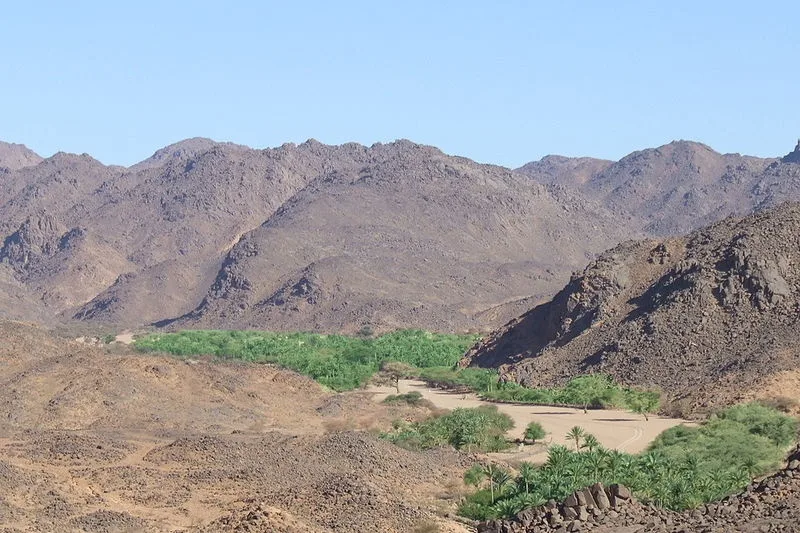
Aïr Mountains
An isolated mountain range in northern Niger, consisting of volcanic rocks.
Learn more →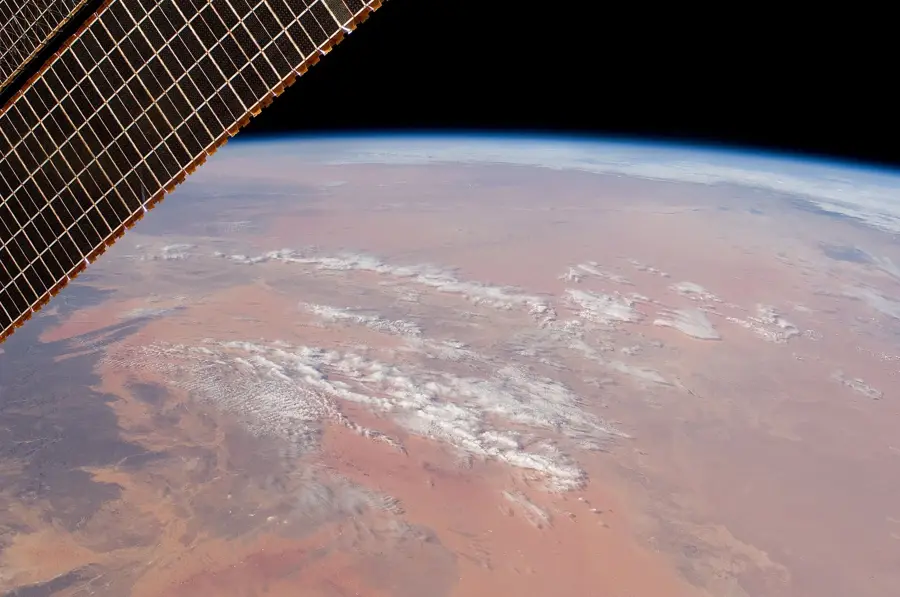
Edge of Erg Mourzouk
The marginal areas of the great Mourzouk sand sea, reaching into Niger.
Learn more →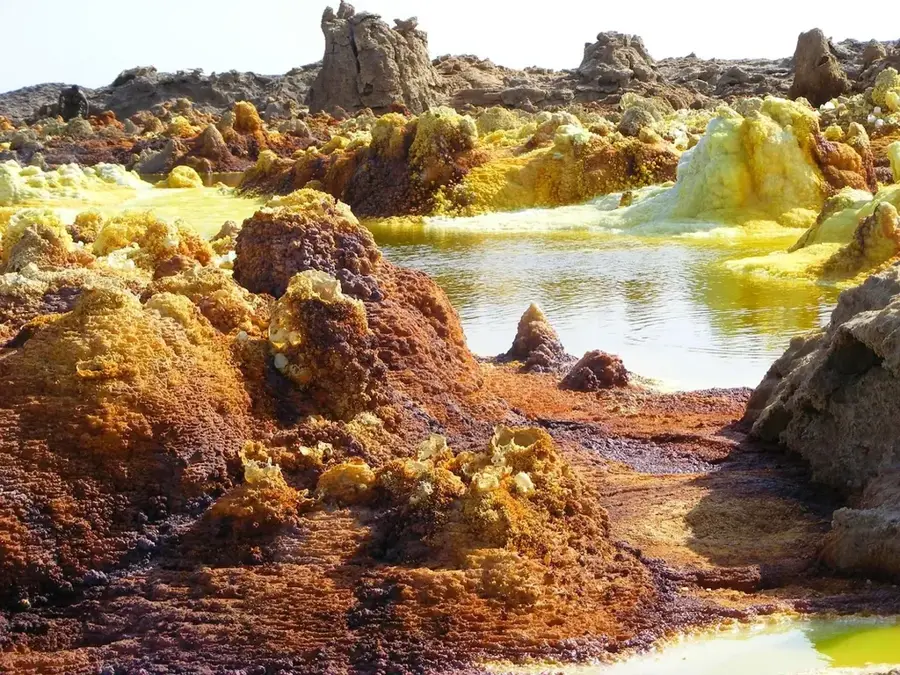
Dallol Fogha
Another important fossil river valley in the southwest, which is hydrologically relevant.
Learn more →More highlights
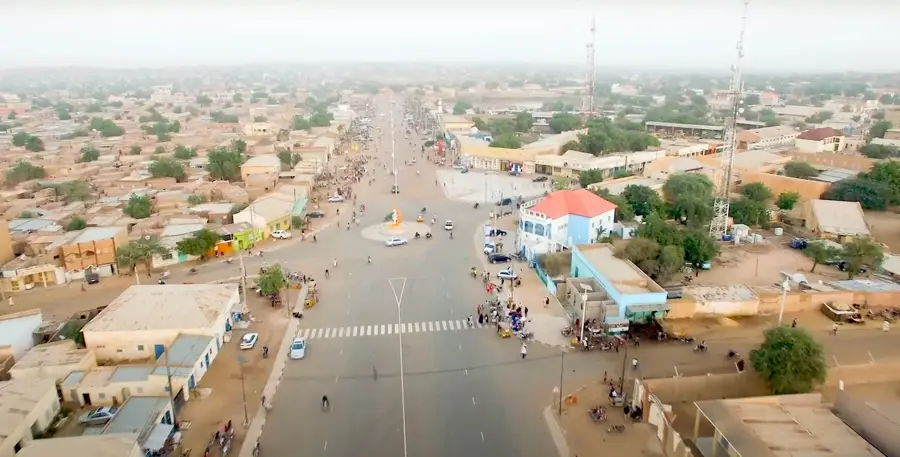
Sultan's Palace of Zinder
The historical residence of the Sultan of Damagaram, a symbol of regional power and tradition in the 19th century.
Learn more →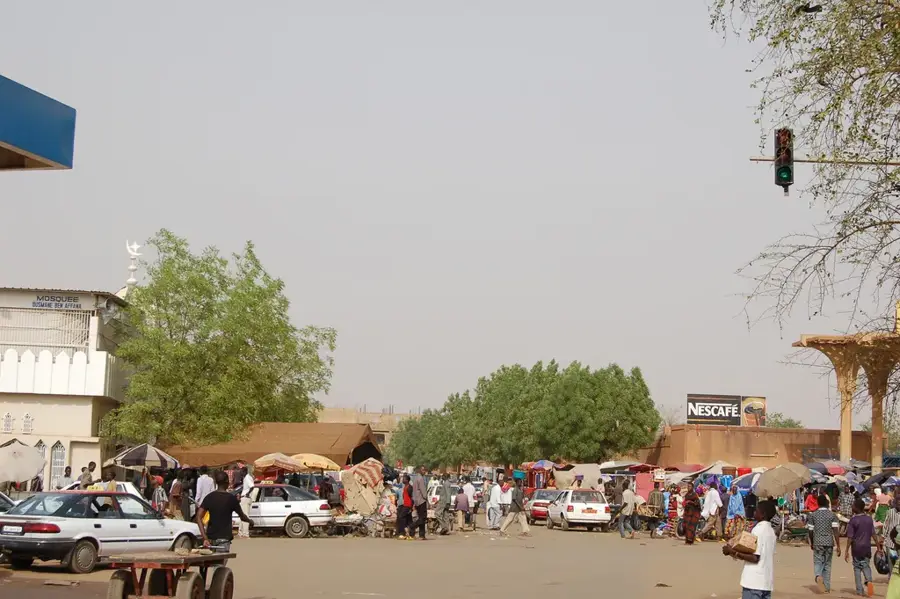
Historical Grand Market of Niamey
A traditional trading hub that grew in the heart of the capital, connecting colonial and modern times.
Learn more →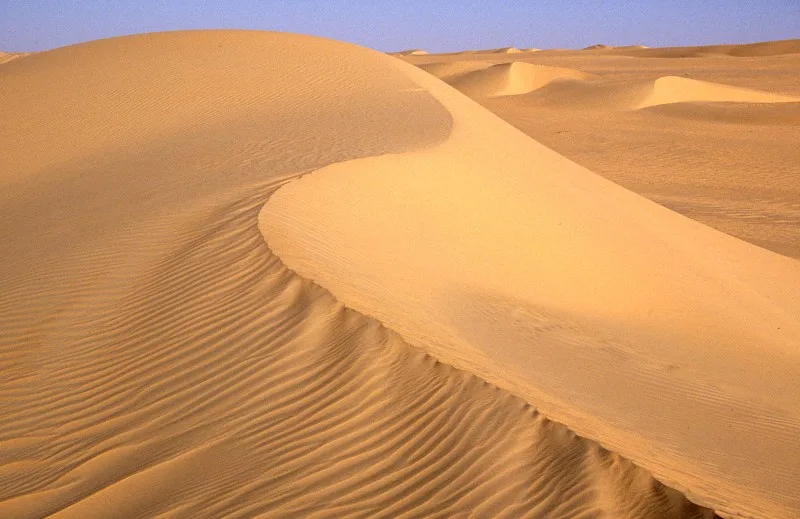
Arbre du Ténéré Memorial
A metal tree commemorates what was once the most isolated tree in the world, serving as a vital landmark.
Learn more →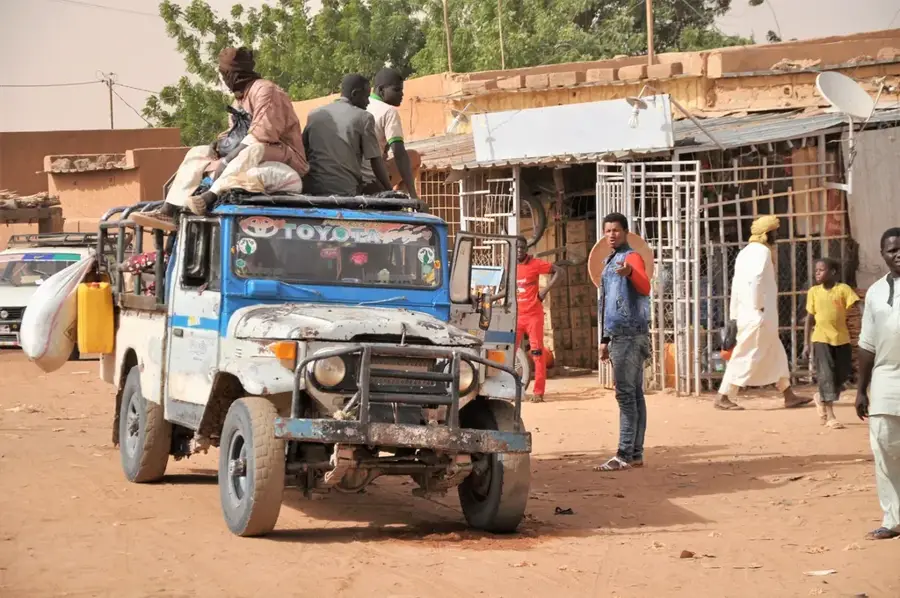
Old Zarma Capital Ouallam
A significant historical Zarma settlement that played a major role in repelling regional invasions.
Learn more →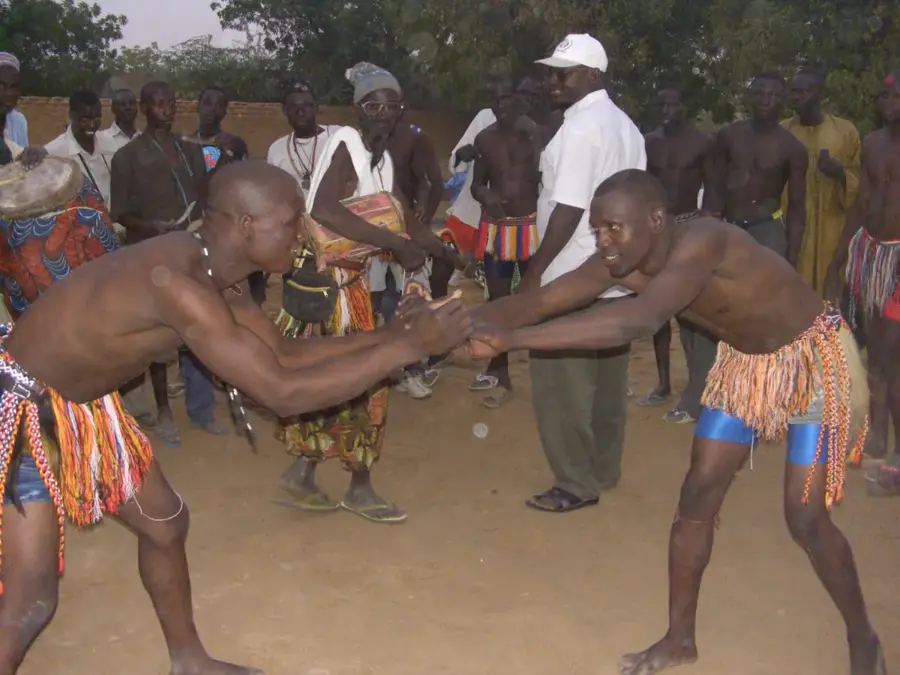
Tessaoua Trading Center
A historically important center for trade in the Sahel, known for its independence in the 19th century.
Learn more →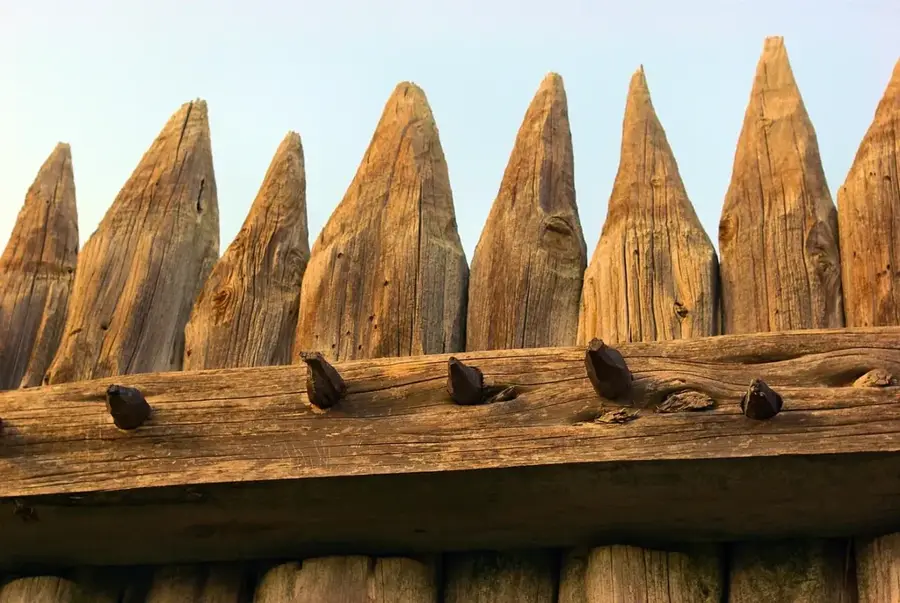
Historical Outpost of Dirkou
A traditional resting station in the Sahara that has offered refuge to travelers and traders since antiquity.
Learn more →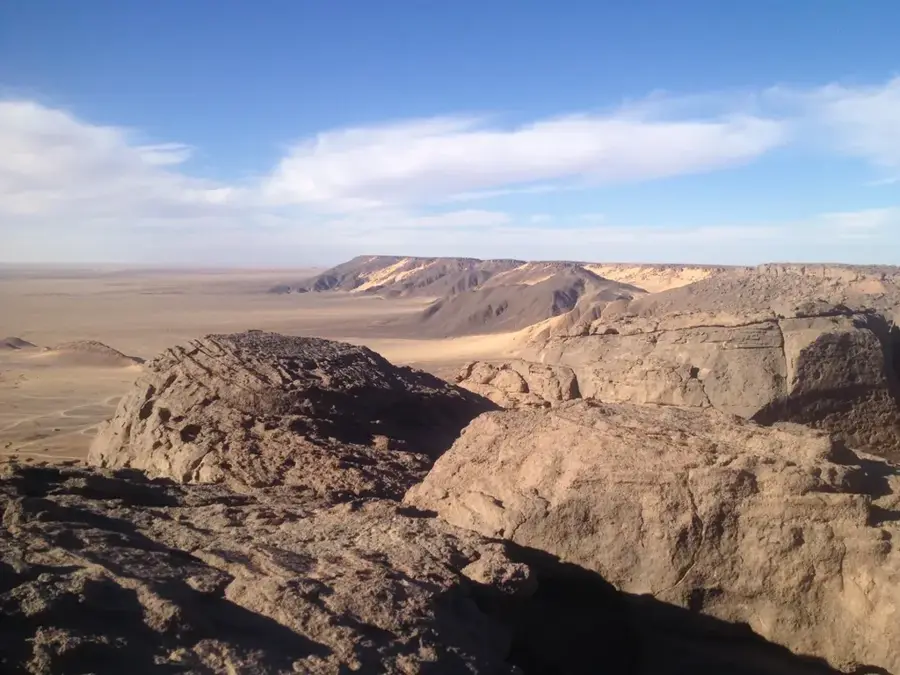
Abandoned City of Djado
The ruins of an ancient fortified city in the Sahara that was once an important resting place for caravans.
Learn more →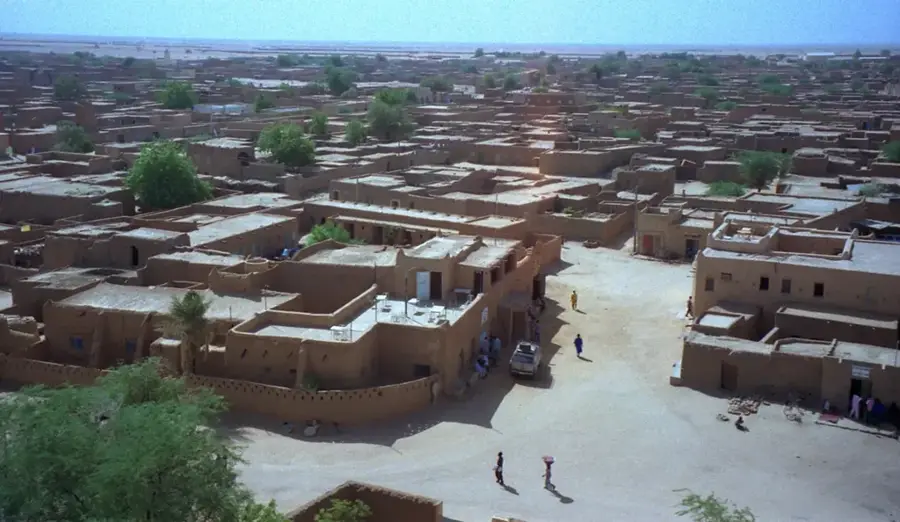
Historic Centre of Agadez
An ancient Tuareg caravan center and UNESCO World Heritage site known for its mud-brick architecture.
Learn more →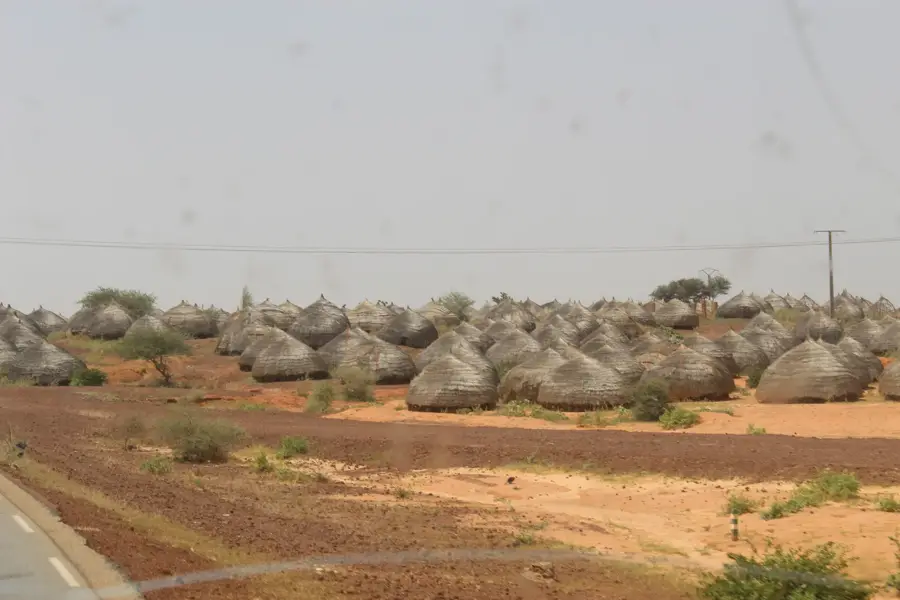
Historical Madaoua
A formerly heavily fortified settlement in the Tahoua region that played a role in local conflicts.
Learn more →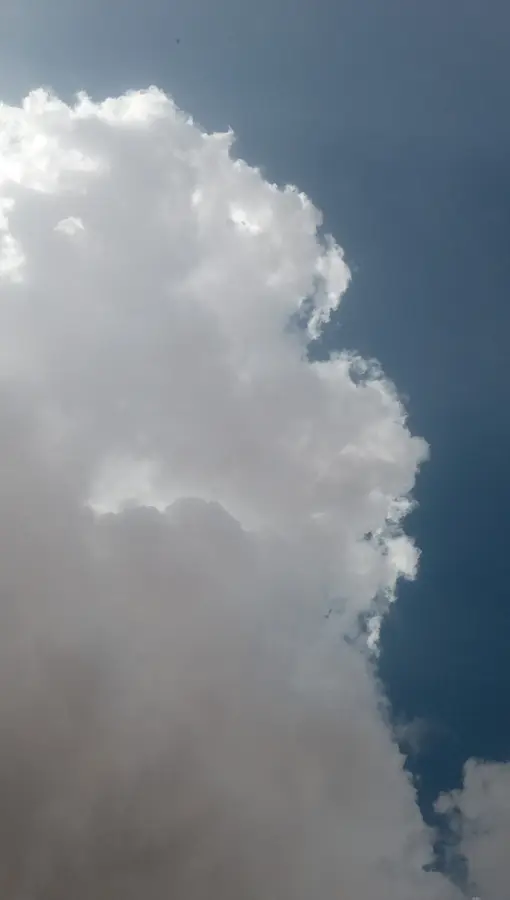
Historical Birni Quarter
The old city center of Zinder, known for its winding alleys and traditional Hausa architecture.
Learn more →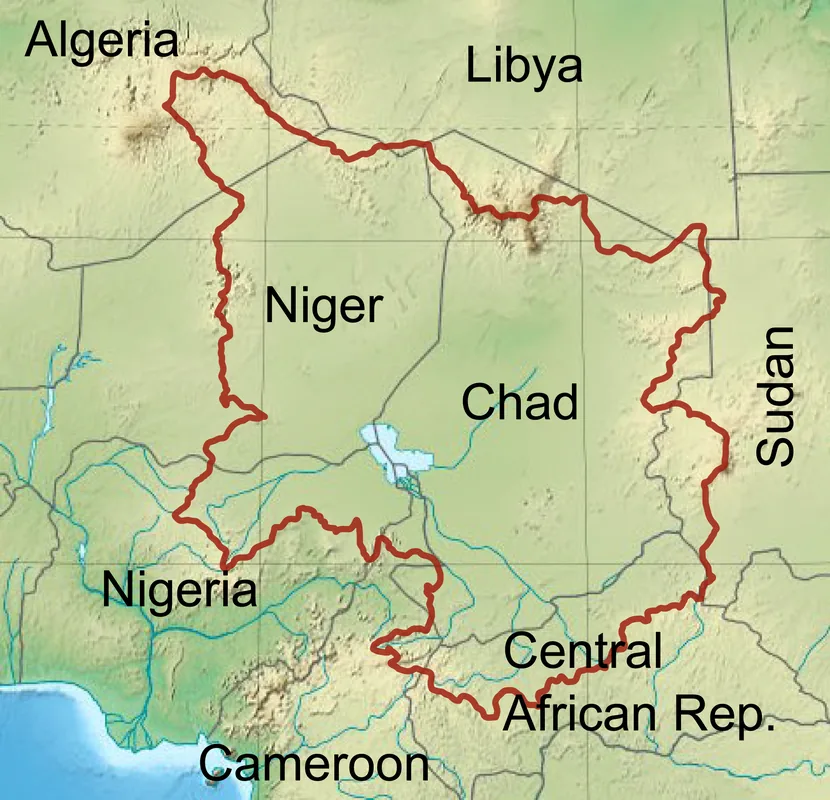
Historical Kanem Outpost Diffa
A historical border region that was long under the strong cultural influence of the Bornu Empire.
Learn more →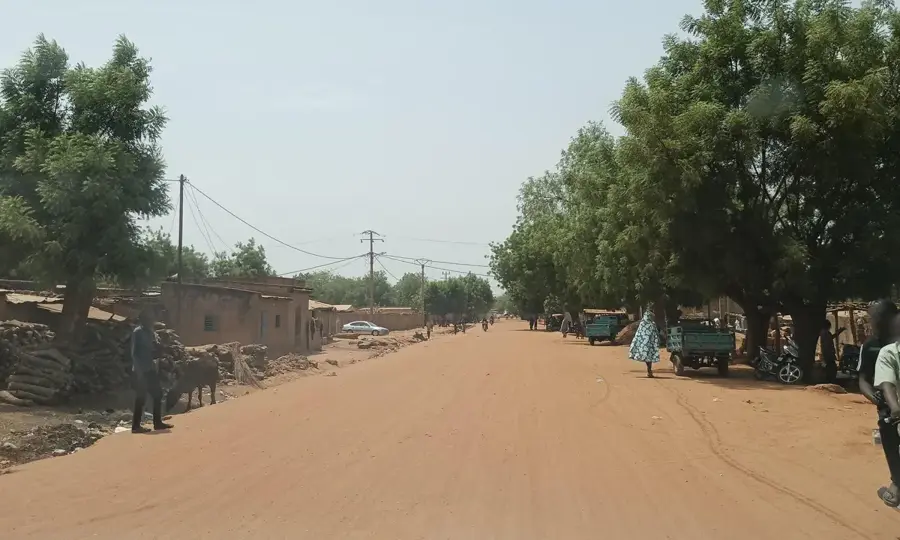
Gaya Historical Gateway
Niger's southernmost city has a long history as a major trading portal to Benin and Nigeria.
Learn more →
Historical Port of N'Guigmi
Once a thriving settlement directly on the water, witnessing the history of the shrinking Lake Chad.
Learn more →
Tahoua Caravan Crossroads
A historical meeting point for Tuareg nomads and sedentary Hausa farmers, known for trade.
Learn more →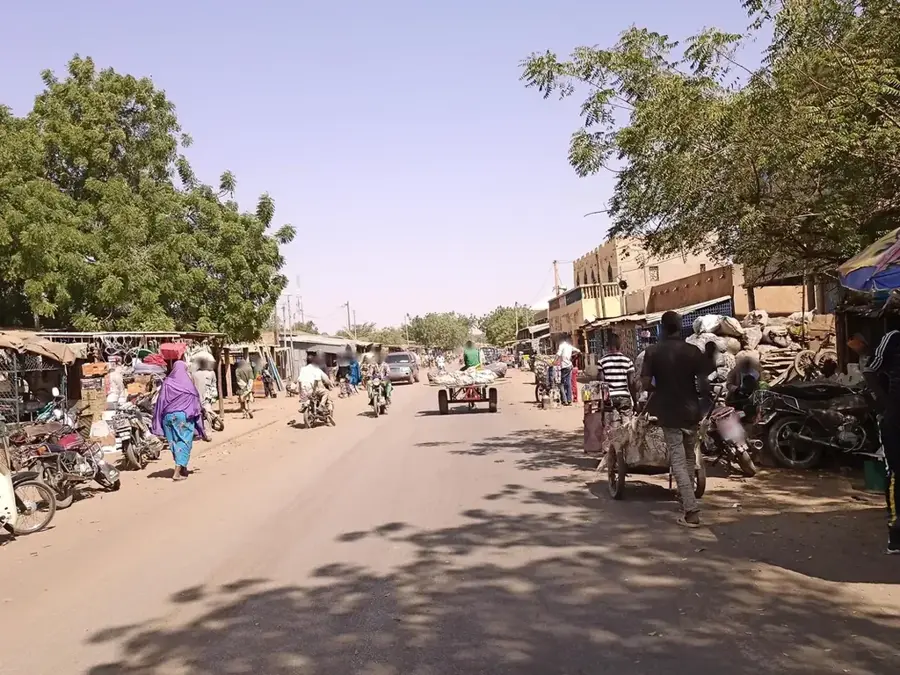
Historical Birni-N'Konni
A historic border town known for its fierce resistance against French colonial rule.
Learn more →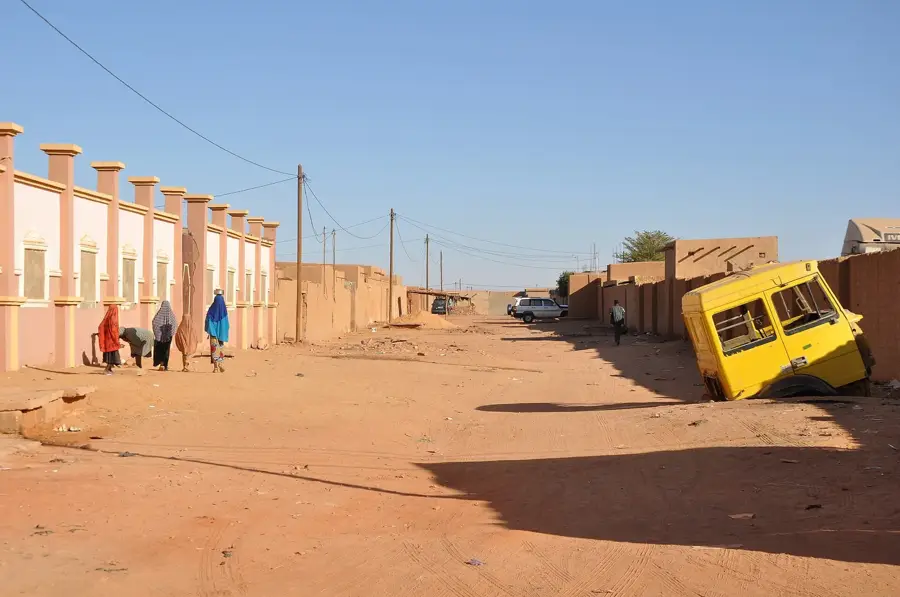
Arlit Mining Origin
The historical site of the uranium discovery in 1969, which fundamentally changed Niger's economy.
Learn more →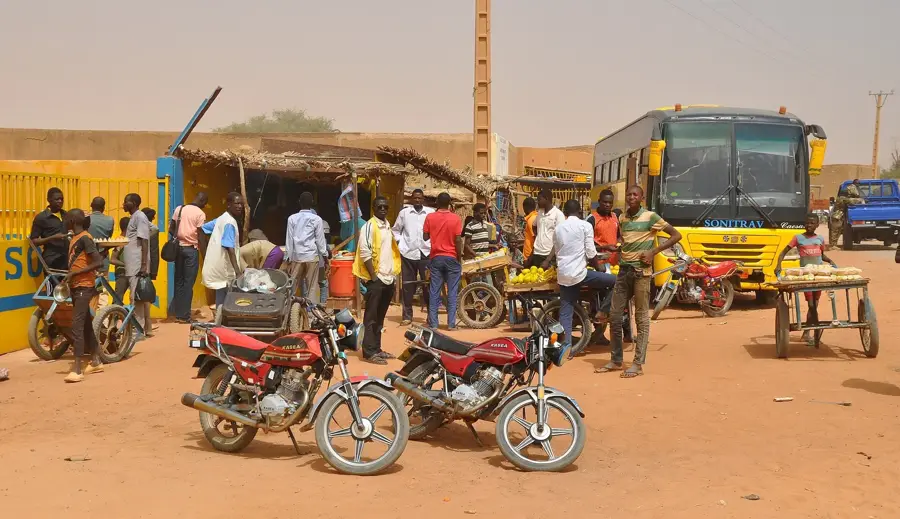
Historical Filingué
An old settlement in the Dallol Bosso that has served as an agricultural and trade center for centuries.
Learn more →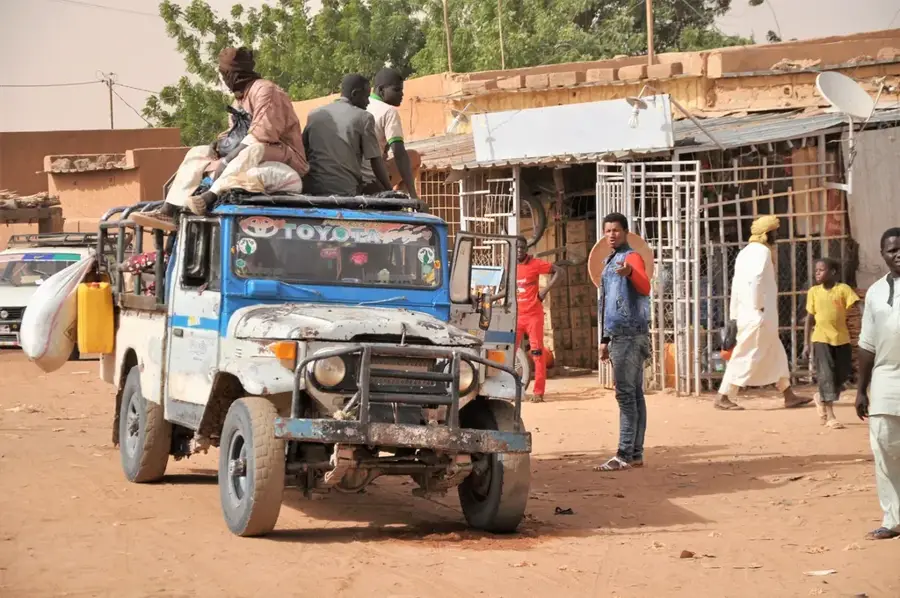
Tillabéri River Crossing
An ancient, strategically important point for crossing the Niger River for trade caravans.
Learn more →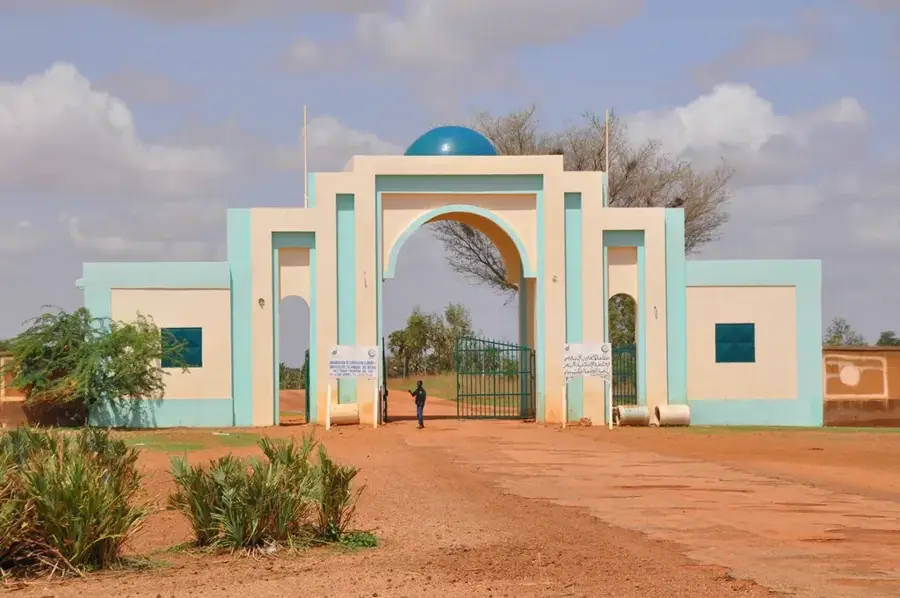
Say Islamic Center
Say was influential in the 19th century as an intellectual and religious center of West Africa.
Learn more →
Historical Lake Madarounfa
A historical water source surrounded by legends, hosting sacred tombs on its shores.
Learn more →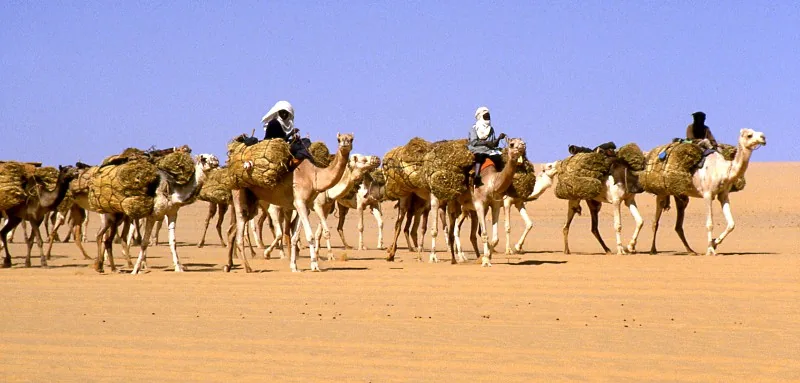
Historical Salt Mines of Bilma
The ancient salt pans of Bilma were the backbone of the trans-Saharan trade for centuries.
Learn more →Frequently asked questions
What are the top attractions in Niger?
Among the most popular are W National Park, Tree of Ténéré site, Maradi Craft Center, Niamey Railway Station, Grand Mosque of Maradi and many more – the full top 50 list is on this page.
When is the best time to visit Niger?
May to October offers the most pleasant weather; July and August are warmest and busiest.