Plizio Visual Lab
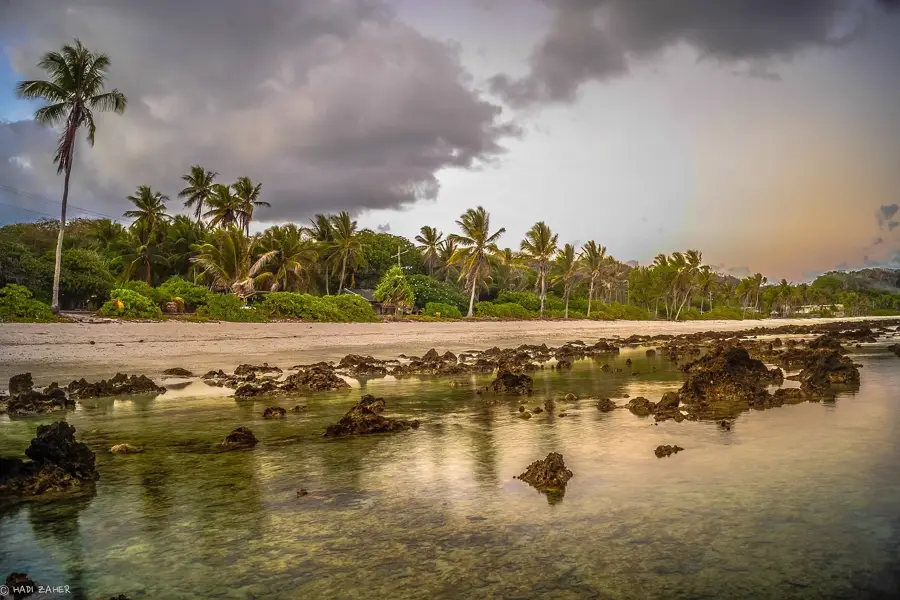
Anibare Bay Reef
Weather…
Water temperature…
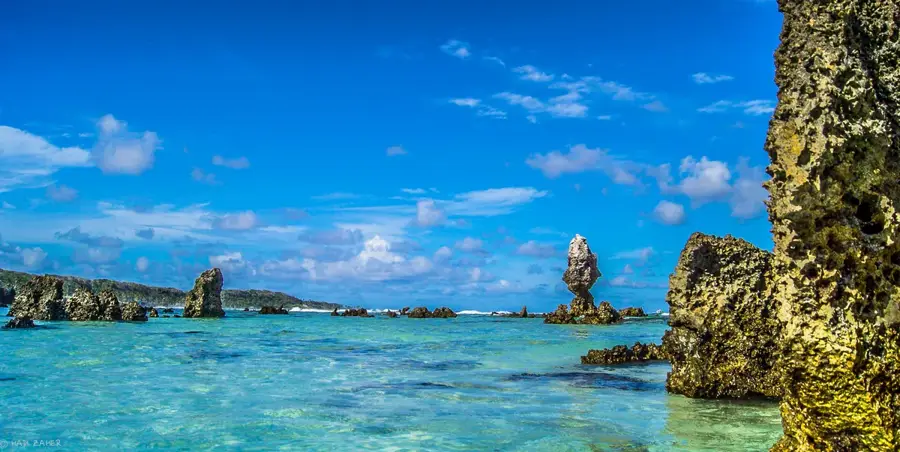
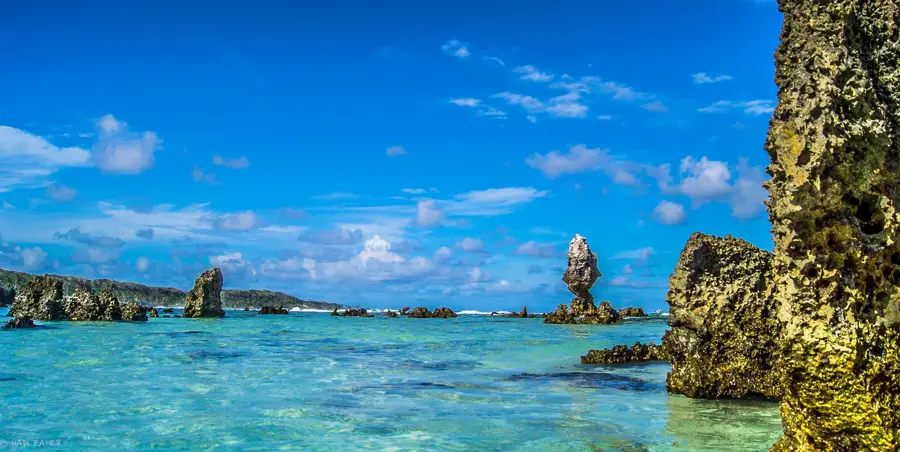
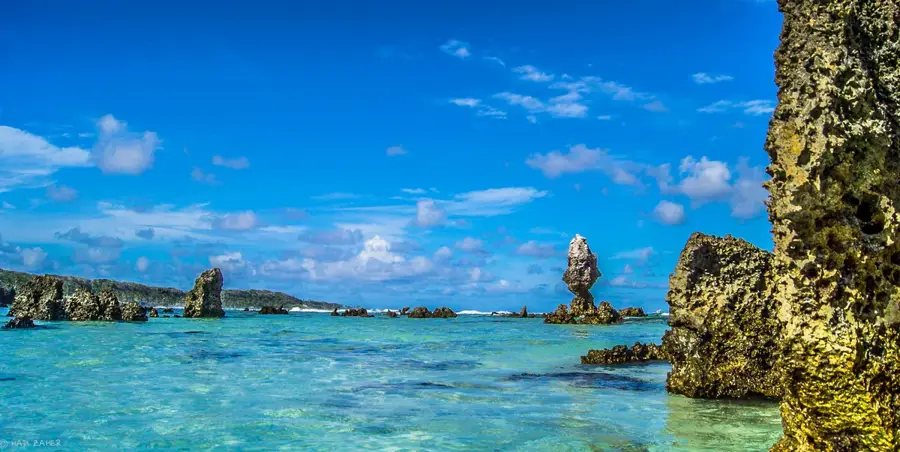
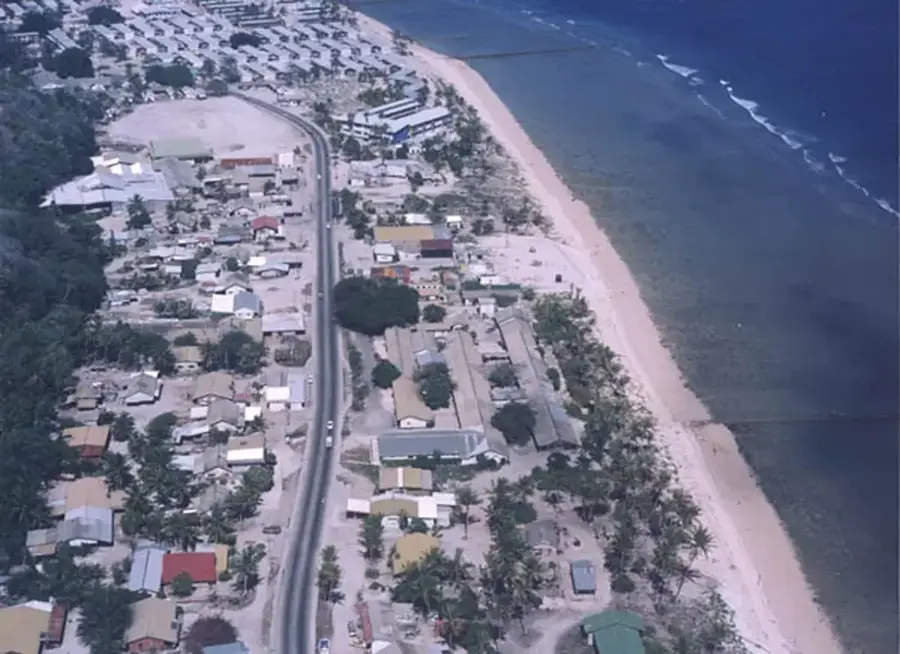
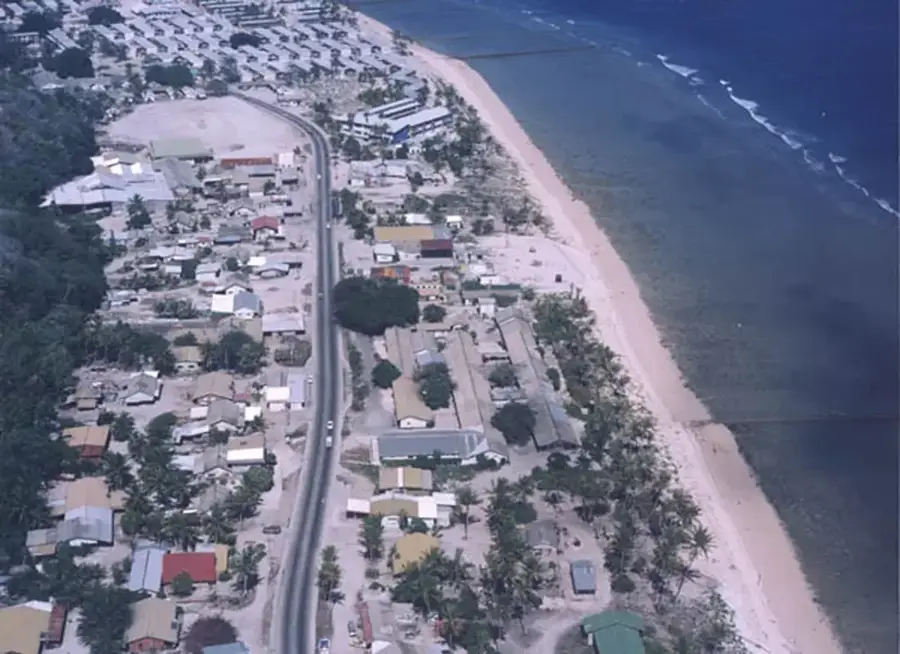
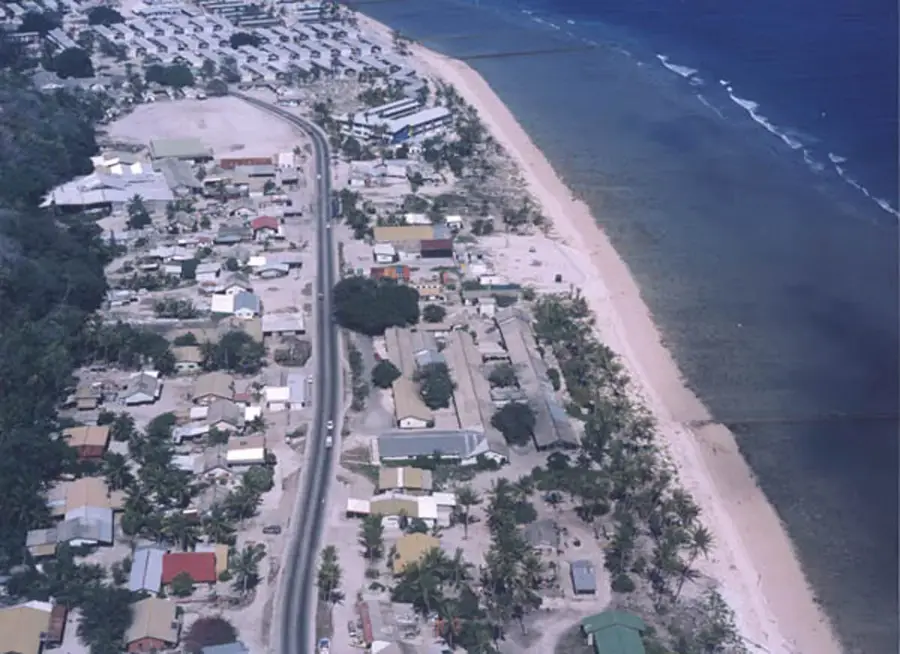
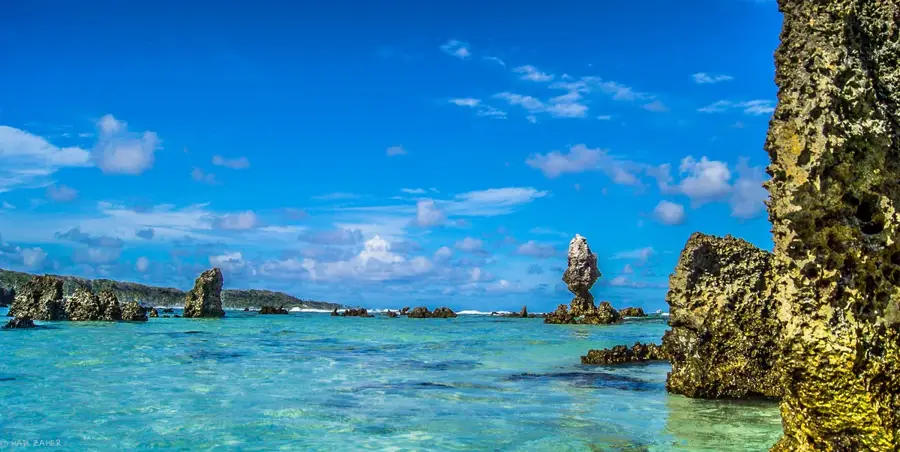
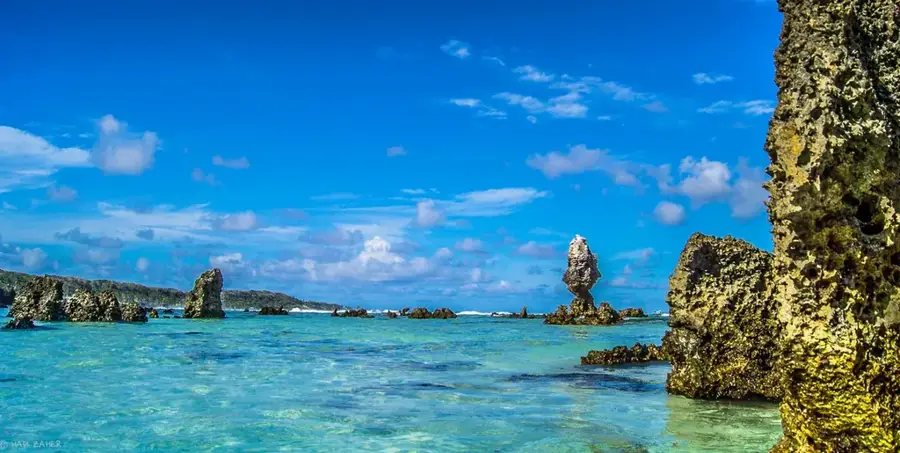
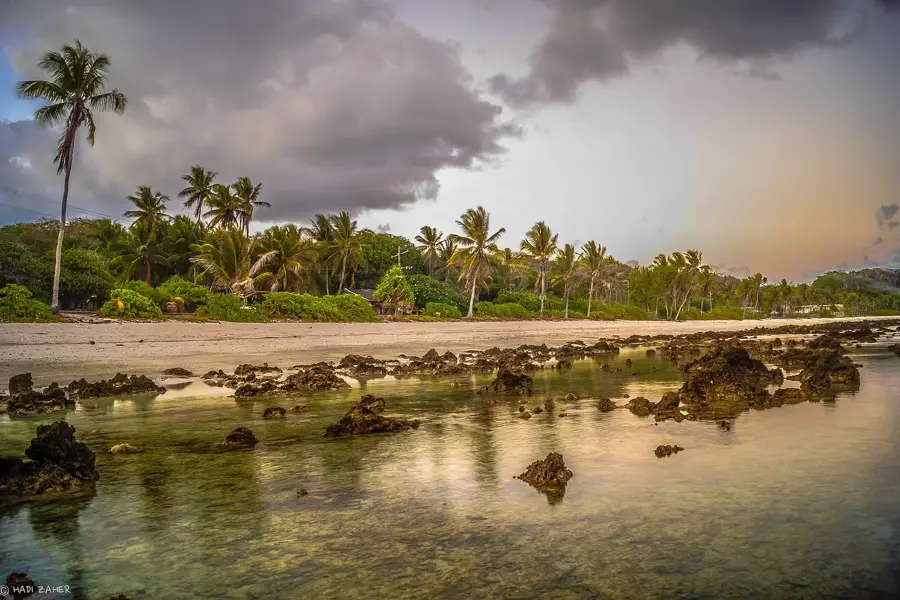
The Anibare Bay Reef is Nauru's most vital marine ecosystem, serving as a critical refuge for biodiversity in the central Pacific. Unlike many other coral islands, Nauru lacks a wide lagoon, making the fringing reef at Anibare Bay the primary habitat for its maritime life. The reef is characterized by a high diversity of hard corals that form intricate underwater structures, providing essential shelter and breeding grounds for numerous fish species and endangered sea turtles. In addition to its ecological richness, the reef performs a key environmental service as a natural breakwater, shielding the bay's shoreline from the powerful Pacific swells and mitigating coastal erosion. For diving enthusiasts and snorkelers, the reef gives crystal-clear waters and a chance to witness a bustling underwater world that remains largely pristine. As a cornerstone of the island's natural heritage, the Anibare Bay Reef is not only a source of local food through artisanal fishing but also a symbol of Nauru's ongoing efforts to protect its fragile marine environment from global threats.
- Location: Nauru
- Top sights: Anibare Bay · Rock Pinnacles · Anabar Beach
- Nearby: Ewa (4 km)
Best time to visit & climate
The most pleasant time to visit is May, Jun, Sep.
| Jan | Feb | Mar | Apr | May | Jun | Jul | Aug | Sep | Oct | Nov | Dec | |
|---|---|---|---|---|---|---|---|---|---|---|---|---|
| Avg °C | 28 | 28 | 28 | 28 | 28 | 28 | 28 | 28 | 28 | 28 | 28 | 28 |
| Rain mm | 194 | 192 | 193 | 161 | 116 | 107 | 123 | 118 | 108 | 118 | 133 | 202 |
📋 Practical info
Geography
Facts
- Largest bay on the eastern coast
- Rich in coral and fish species
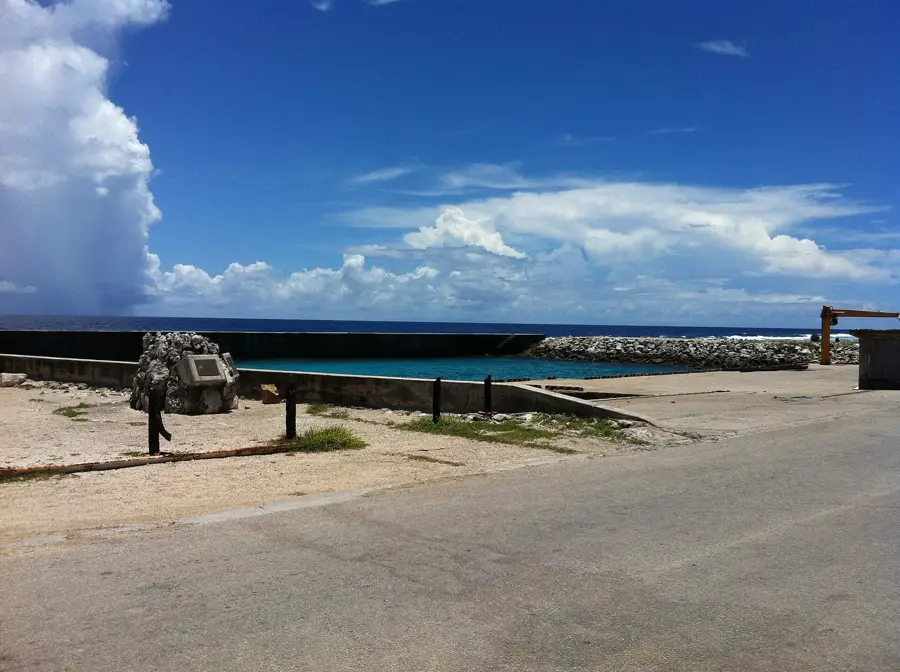
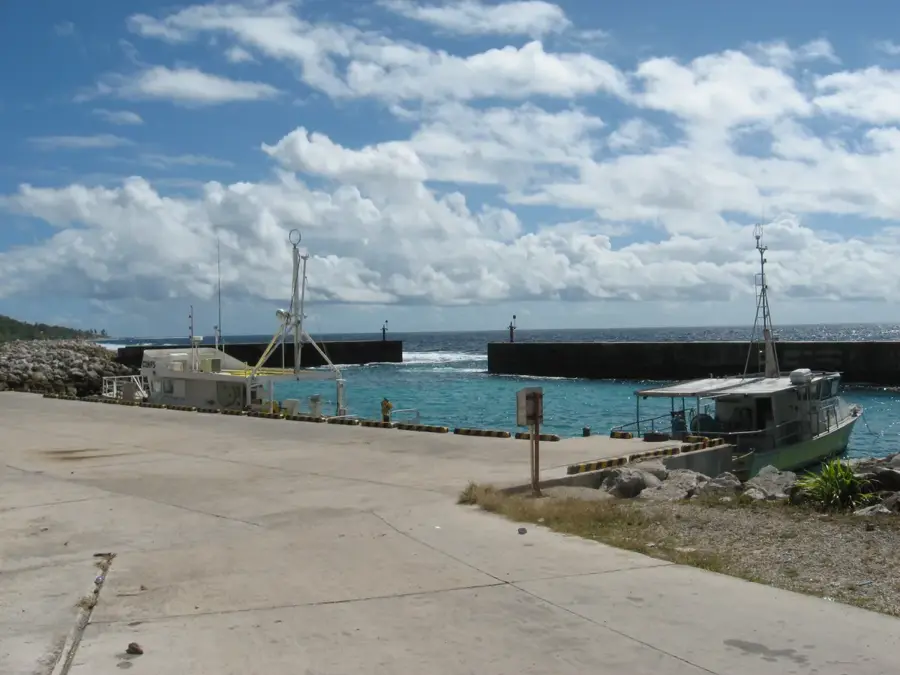
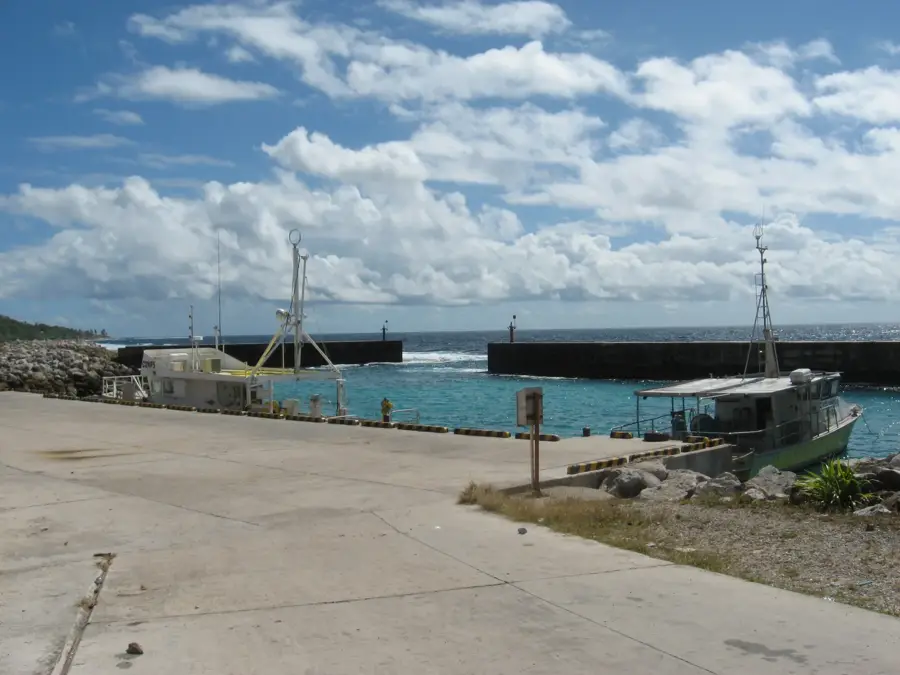
- Site of the Anibare Harbor
- Natural barrier against ocean swells
- Popular location for diving
- Crucial marine ecological zone
Explore nearby
Notable places around




Route planner — Car & Motorhome
Where do you start? We build the route here, with stops and country notes along the way.
© OpenStreetMap contributors · OpenRouteService
Sights in the town Anibare Bay Reef (3)
Sights nearby
Frequently asked questions
Can you snorkel at Anibare Reef?
Is the water safe?
What can be seen there?
Is there beach access?
When is low tide?
Anibare Bay Reef: where is it located?
Anibare Bay Reef: what is there to see?
Anibare Bay Reef: when is the best time to visit?
Anibare Bay Reef: why is it worth visiting?
Nearby cities




History & landmarks




Nature
More places