Plizio Visual Lab
Nfiss
Weather…
Water temperature…
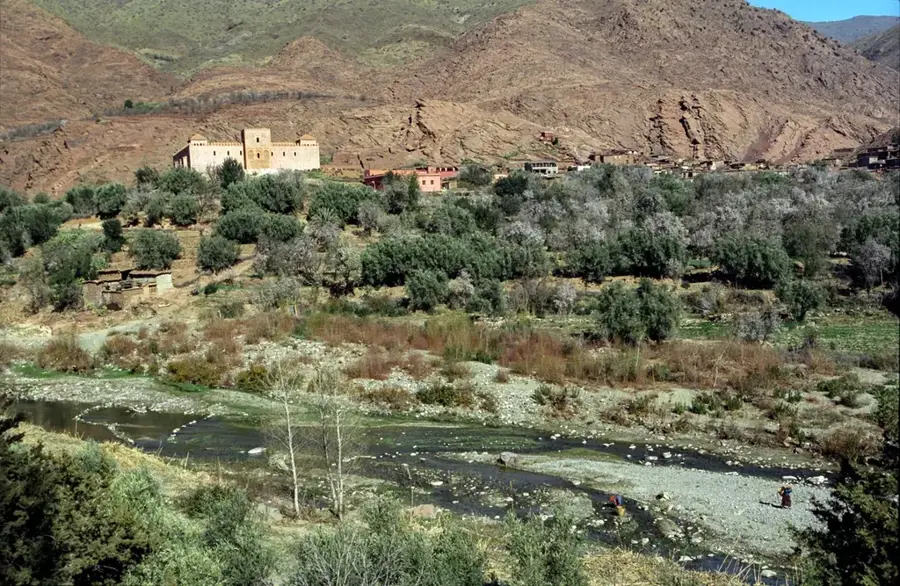
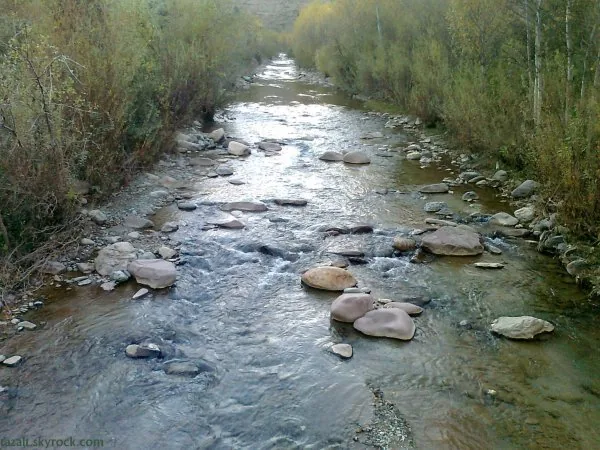
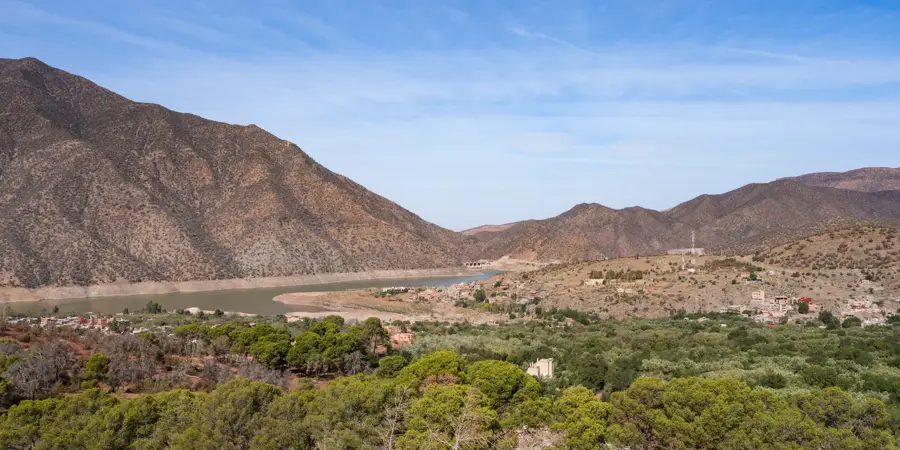
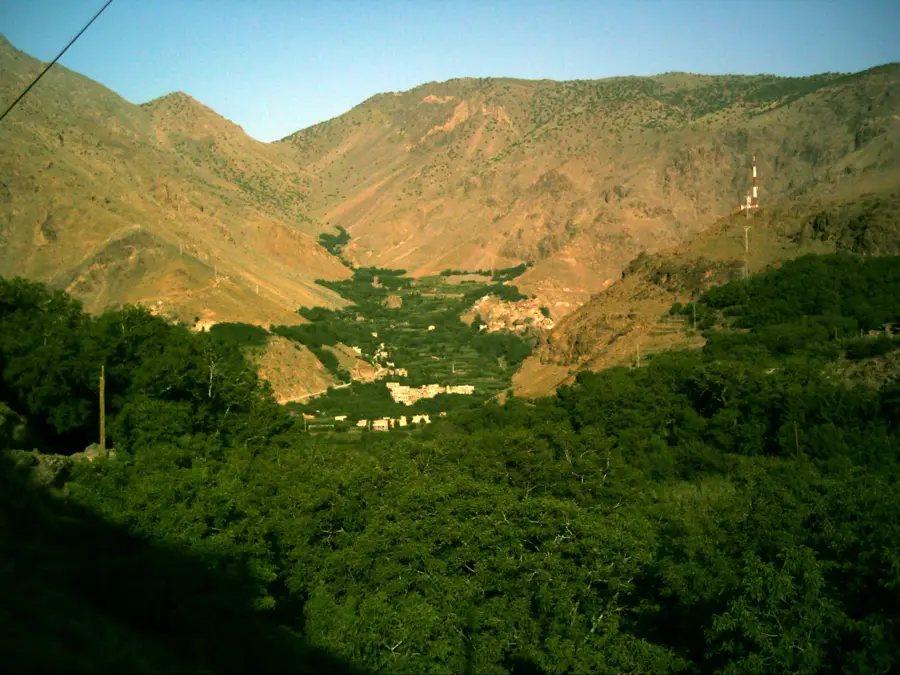
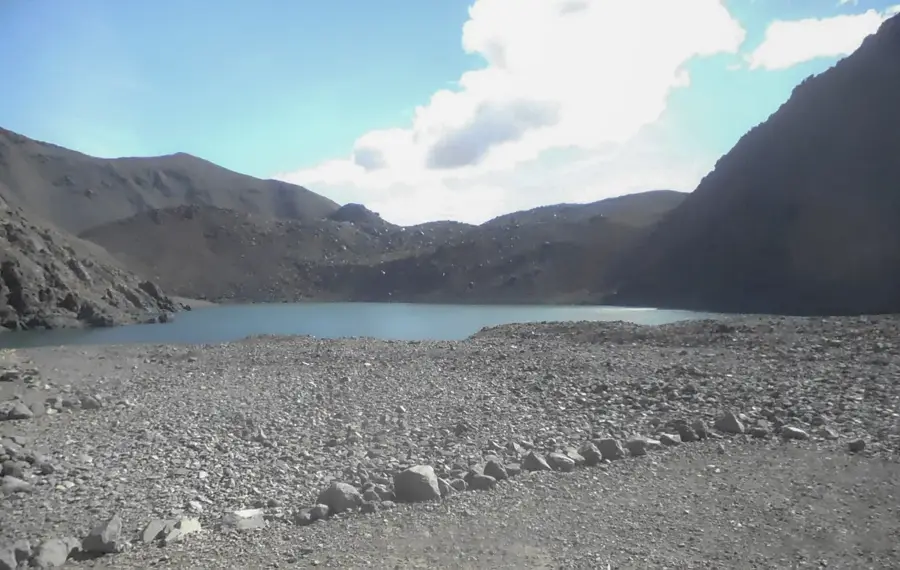
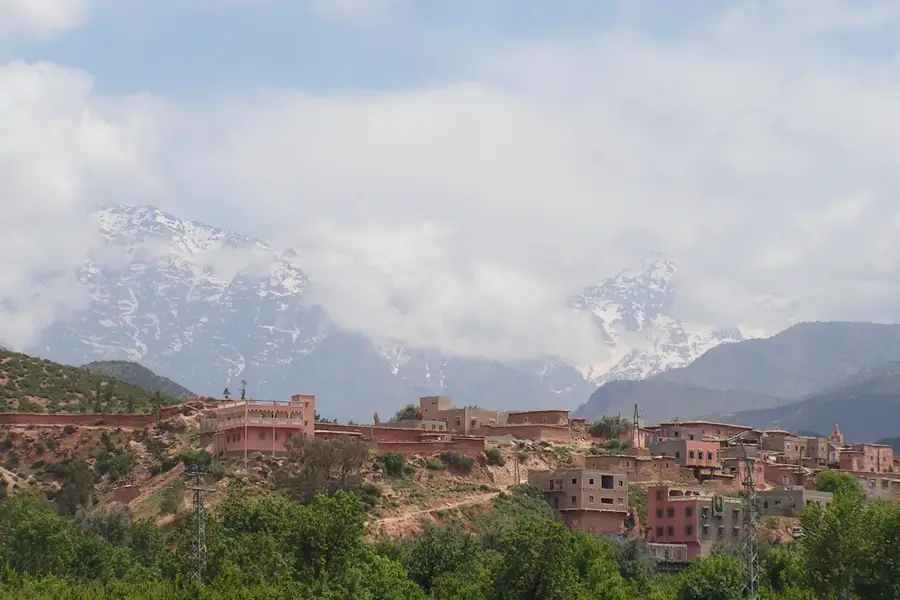
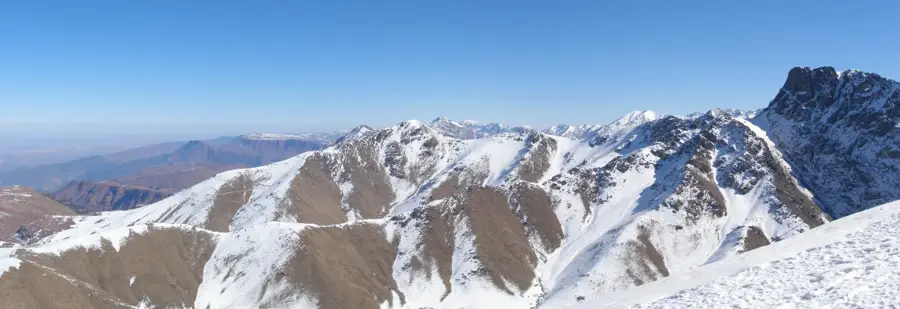
Oued Nfiss is a major tributary of the Tensift River, originating in the high reaches of the Atlas Mountains. It flows through the heart of the Al Haouz plain and holds significant historical and ecological importance for Marrakesh and its surroundings. Along its course lies the Lalla Takerkoust dam, constructed between 1929 and 1935 to provide water and hydroelectric power to the region. The river passes through sites rich in history, such as the Tinmel Mosque, the cradle of the Almohad dynasty, underscoring its cultural significance. The landscape of the Nfiss valley is defined by terraced fields, olive groves, and spectacular gorges that offer deep insights into the geology of the High Atlas. Despite seasonal fluctuations in water levels, Oued Nfiss remains an indispensable resource for local agriculture and a popular destination for hikers seeking the untouched nature of the mountain world.
- Location: Morocco
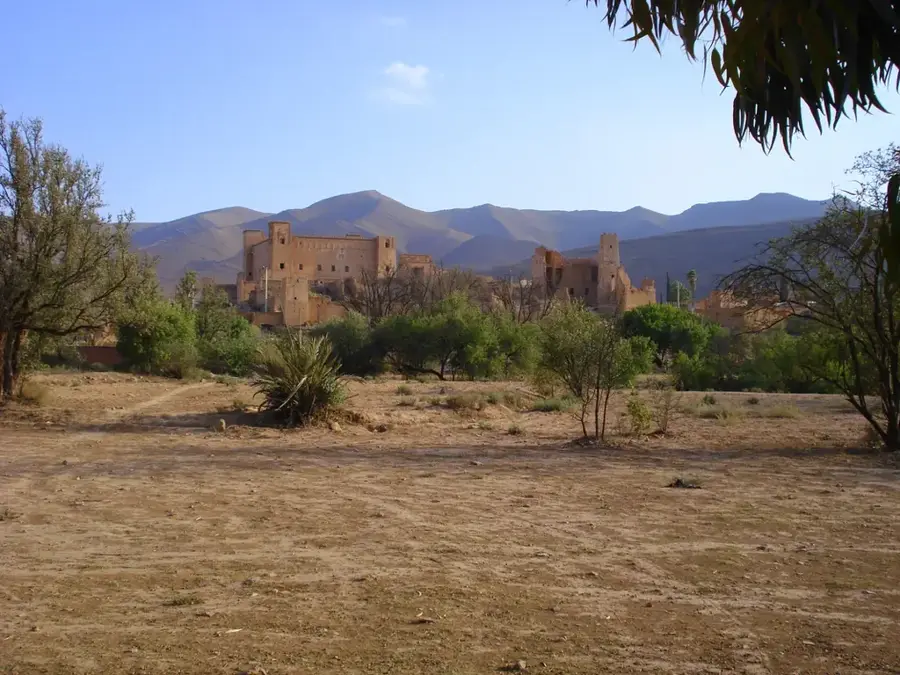
- Top sights: Kasbah Talat n'Yacoub · e Tinmel · Agadir n’Gouf
- Nearby: Ouirgane (23 km)
Best time to visit & climate
The most pleasant time to visit is May, Jun, Sep.
| Jan | Feb | Mar | Apr | May | Jun | Jul | Aug | Sep | Oct | Nov | Dec | |
|---|---|---|---|---|---|---|---|---|---|---|---|---|
| Avg °C | 7 | 8 | 11 | 13 | 17 | 22 | 27 | 26 | 21 | 17 | 11 | 8 |
| Rain mm | 36 | 39 | 47 | 26 | 16 | 6 | 6 | 10 | 18 | 26 | 63 | 45 |
📋 Practical info
Geography
Facts
- Primary tributary of the Tensift River in the Marrakesh region.
- Site of the Lalla Takerkoust dam, built between 1929 and 1935.
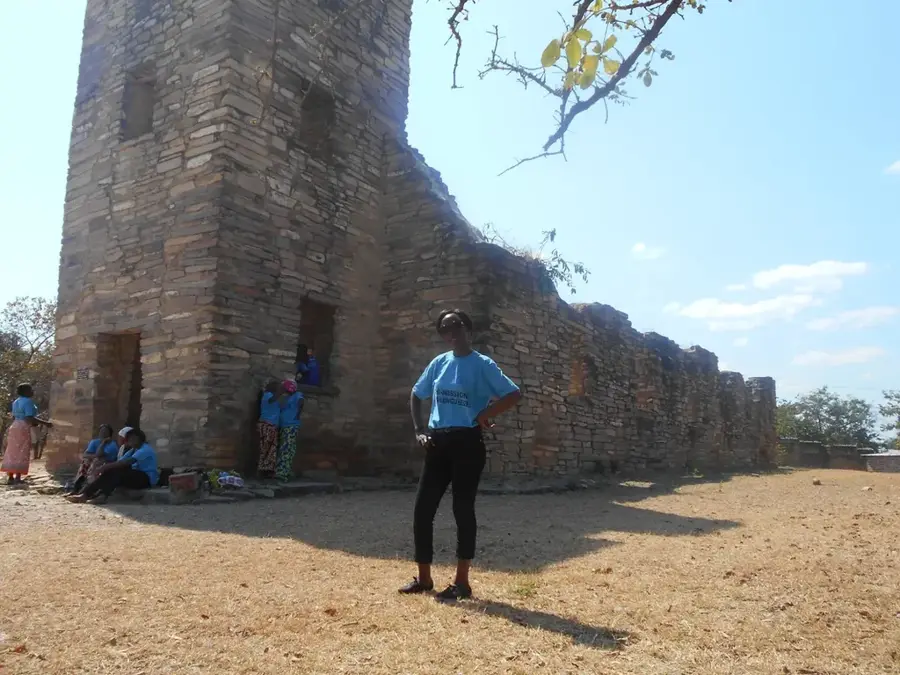
- Passes the 12th-century Tinmel Mosque, a UNESCO-listed site.
- The valley is the ancestral homeland of the Almohad dynasty.
- Crucial provider of irrigation water for the Al Haouz plain.
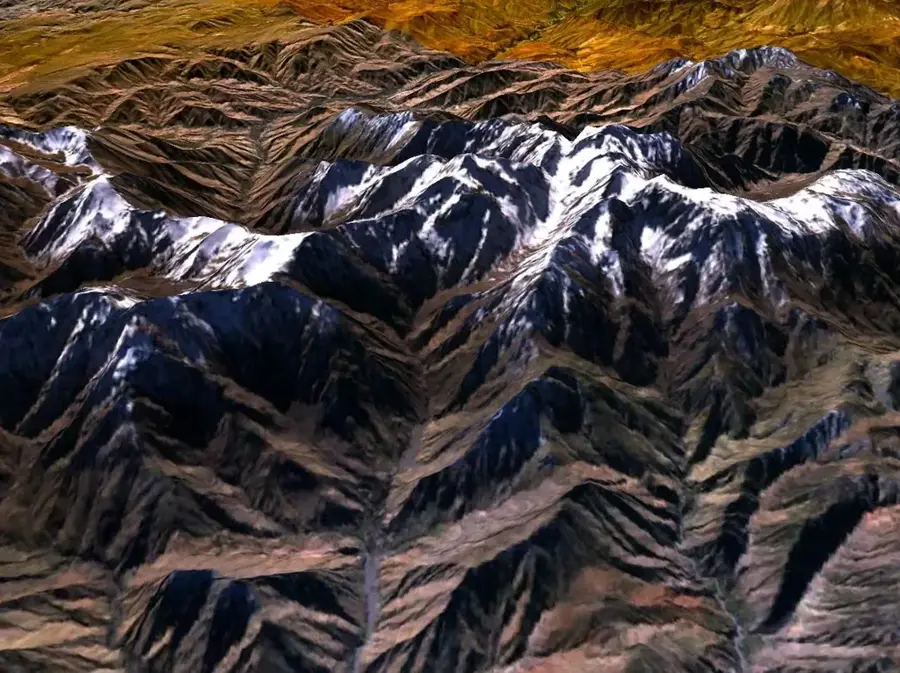
- Carves dramatic geological gorges through the High Atlas massif.
Explore nearby
Notable places around
Route planner — Car & Motorhome
Where do you start? We build the route here, with stops and country notes along the way.
© OpenStreetMap contributors · OpenRouteService
Sights in the town Nfiss (3)
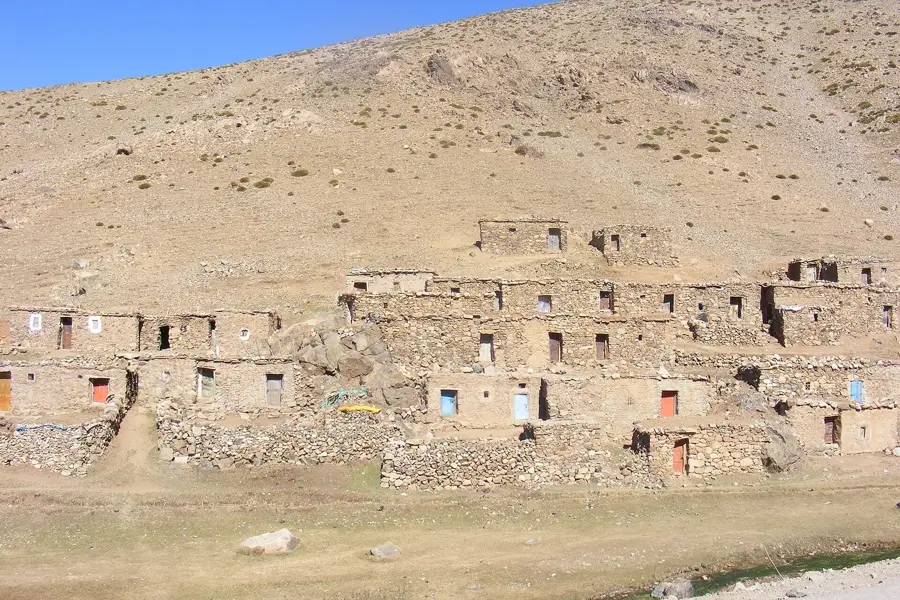
Agadir n’Gouf🏰 castle
This historical castle was constructed in 1905 as a fortified granary and defensive structure.
Sights nearby
Frequently asked questions
What role does Oued Nfiss play for Marrakech?
Can you hike along the river?
Are there historical sights in the valley?
What is the water flow like in summer?
Is the road through the Nfiss Valley paved?
Nfiss: where is it located?
Nfiss: what is there to see?
Nfiss: when is the best time to visit?
Nfiss: why is it worth visiting?

Nearby cities
History & landmarks
Nature
More places