Plizio Visual Lab
Lake Tanganyika
Weather…
Water temperature…
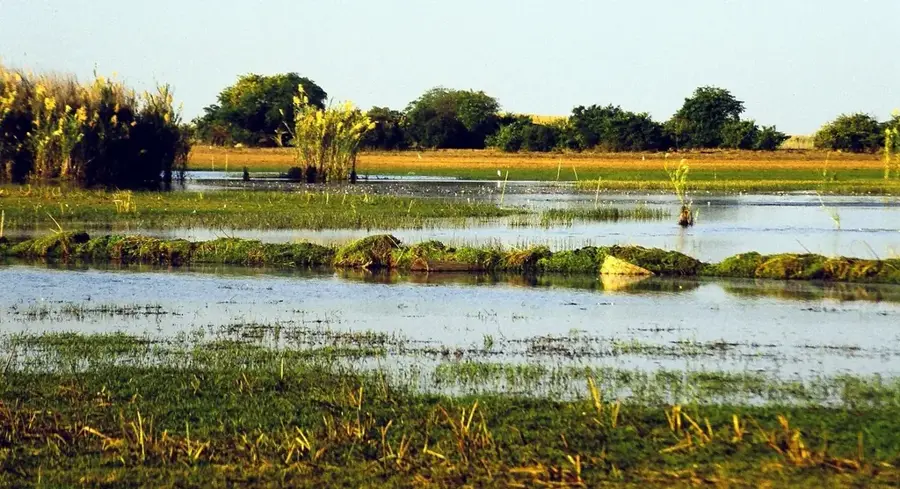
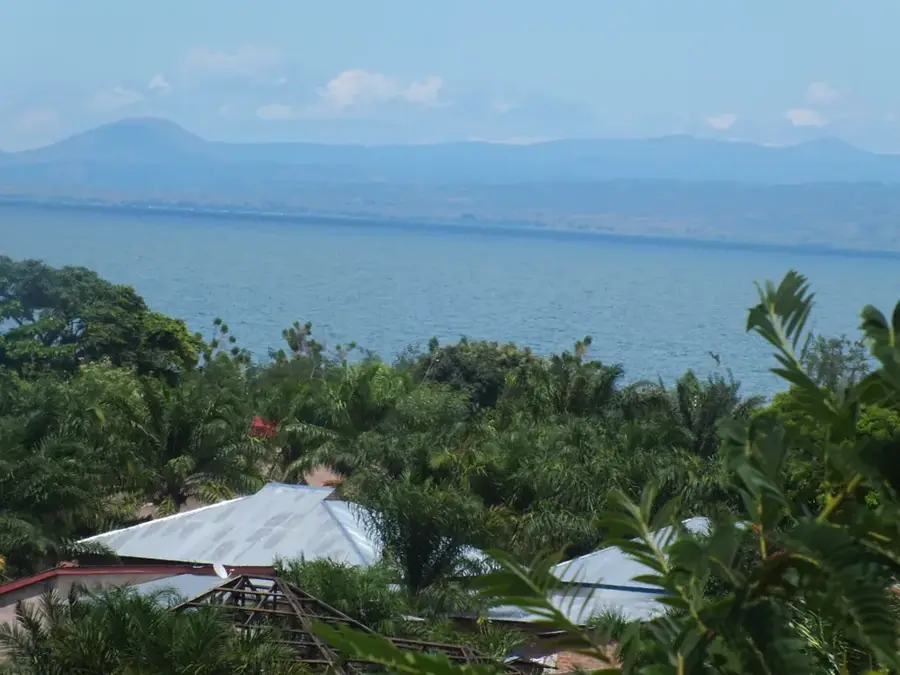
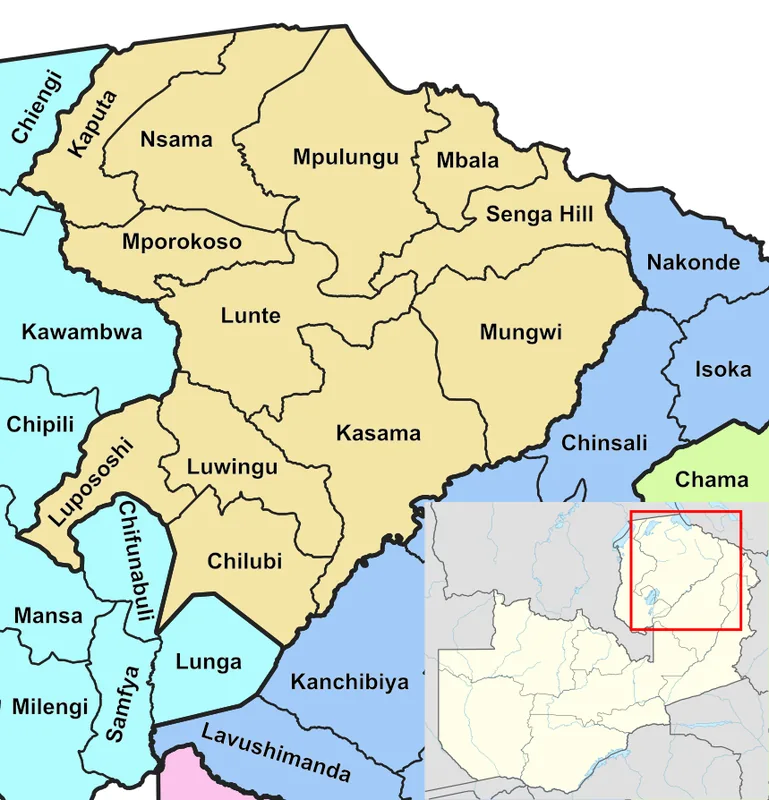
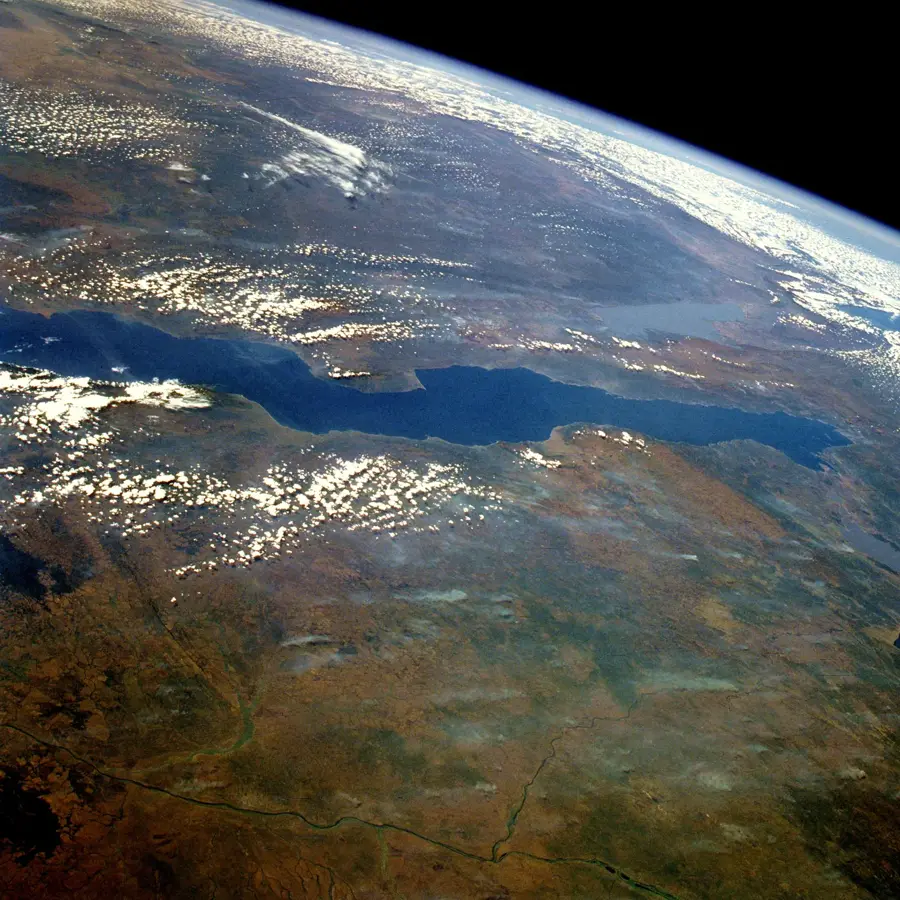
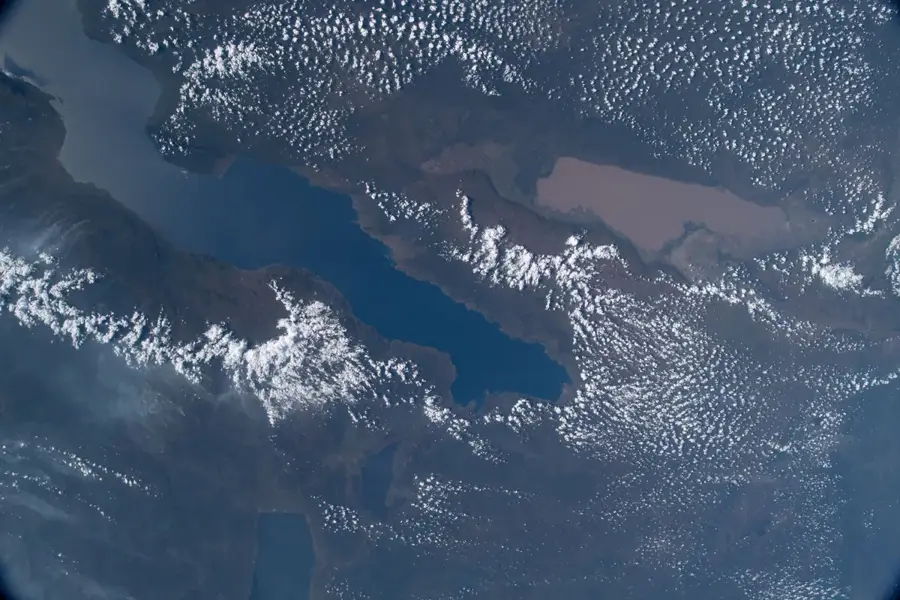
Lake Tanganyika is a globally significant freshwater body, and Zambia possesses the southernmost tip of this vast ancient lake. It holds the distinction of being the world's second deepest and second oldest freshwater lake, with a geological history spanning 9 to 12 million years. The Zambian waters are centered around the town of Mpulungu, the nation's only international port, facilitating vital trade routes to Tanzania, Burundi, and the DR Congo. Formed within the Great Rift Valley, the lake reaches a maximum depth of 1,470 meters and contains nearly 18% of the world's surface freshwater. Its biodiversity is extraordinary, hosting over 250 species of cichlid fish, most of which are endemic and provide crucial insights into evolutionary biology. The rugged Zambian shoreline is marked by clear turquoise waters and rocky cliffs, bordering the Sumbu National Park where wildlife often frequents the beaches. Economically, the lake is indispensable for the commercial fishing industry and is an emerging hub for specialized tourism and research. Managing this shared resource requires international cooperation among the four bordering nations to address environmental threats like sedimentation and overfishing.
- Location: Zambia
- Nearby: Mpulungu (28 km)
Best time to visit & climate
The most pleasant time to visit is May, Aug, Sep.
| Jan | Feb | Mar | Apr | May | Jun | Jul | Aug | Sep | Oct | Nov | Dec | |
|---|---|---|---|---|---|---|---|---|---|---|---|---|
| Avg °C | 21 | 22 | 22 | 21 | 20 | 18 | 18 | 21 | 23 | 25 | 24 | 22 |
| Rain mm | 236 | 181 | 197 | 93 | 13 | 2 | 2 | 6 | 4 | 30 | 141 | 262 |
📋 Practical info
Geography
Facts
- The lake reaches a maximum depth of 1,470 meters in its northern basin.
- It is the world's longest freshwater lake, stretching over 673 km.
- Zambia holds approximately 2,000 square kilometers of the lake's area.
- The lake is estimated to be between 9 and 12 million years old.
- It contains nearly 18% of the world's available liquid freshwater.
- Mpulungu port handles over 200,000 tons of cargo annually for Zambia.
Explore nearby
Notable places around
Route planner — Car & Motorhome
Where do you start? We build the route here, with stops and country notes along the way.
© OpenStreetMap contributors · OpenRouteService
Sights nearby
Frequently asked questions
How deep is Lake Tanganyika?
Is the water suitable for swimming?
Can you go diving there?
Are there ferry connections on the lake?
Which season is best for travelers?
Lake Tanganyika: where is it located?
Lake Tanganyika: when is the best time to visit?
Lake Tanganyika: why is it worth visiting?
Nearby cities
History & landmarks
Nature
More places