Plizio Visual Lab

Savardak Pass

Plizio editorial teamData Sources
valley
—°6
Savardak Pass (Montenegro)

Weather…

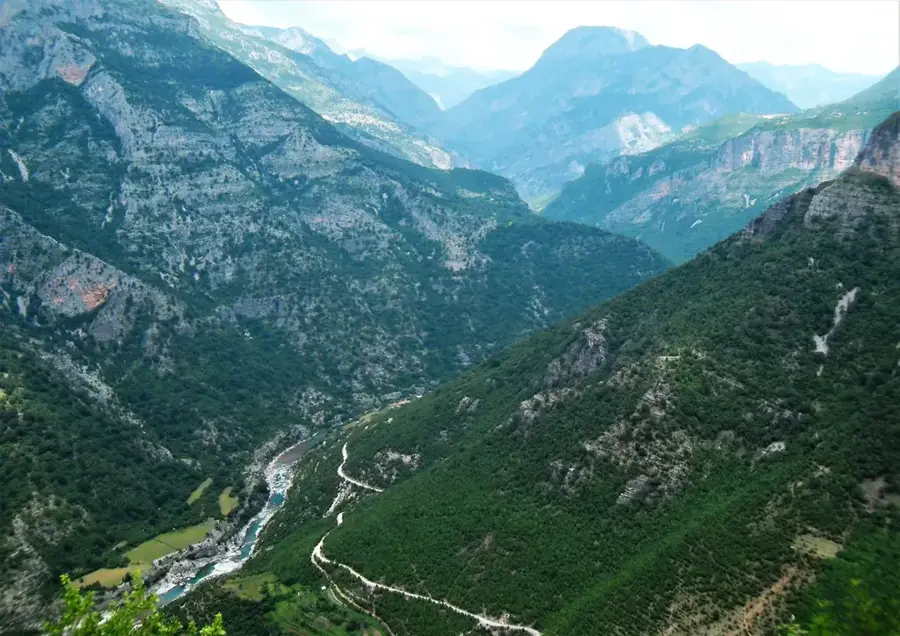
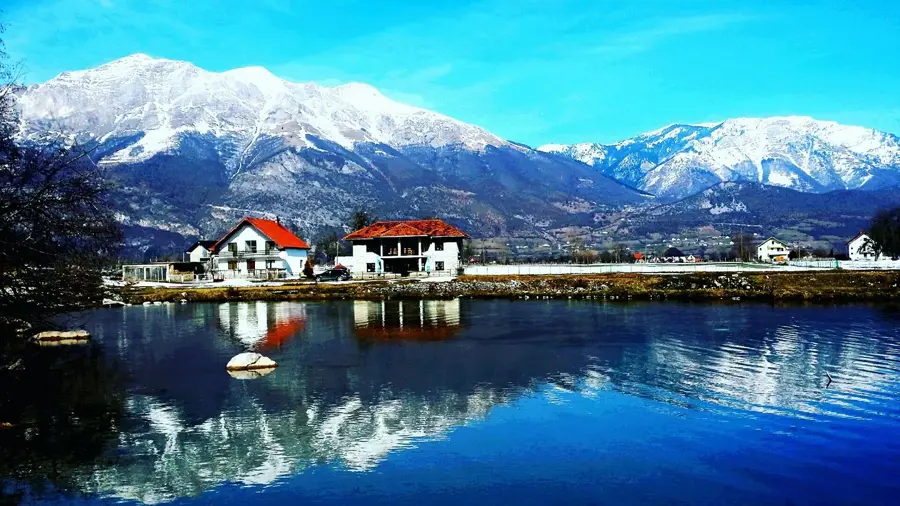
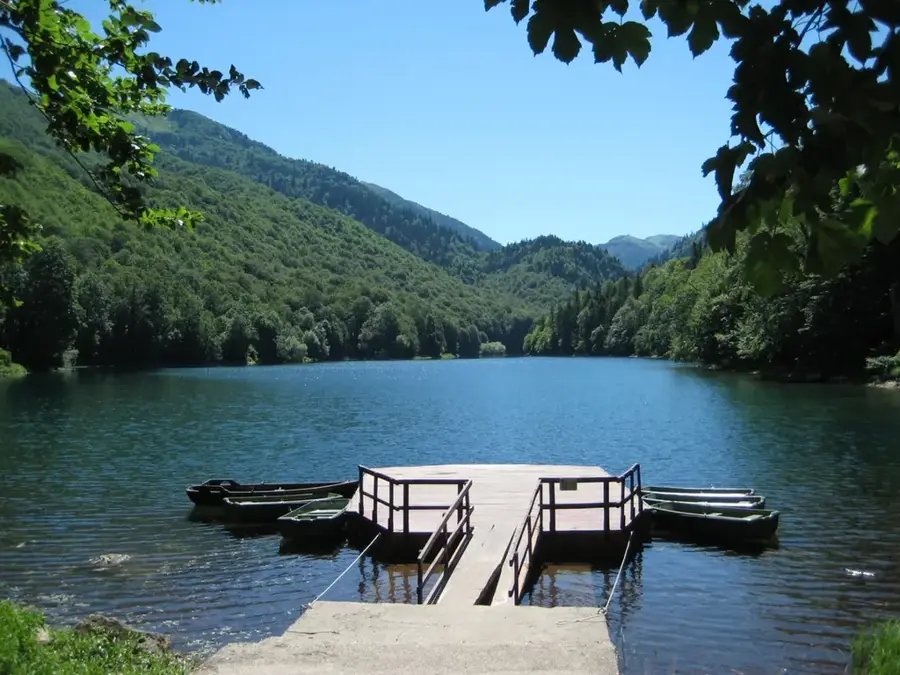
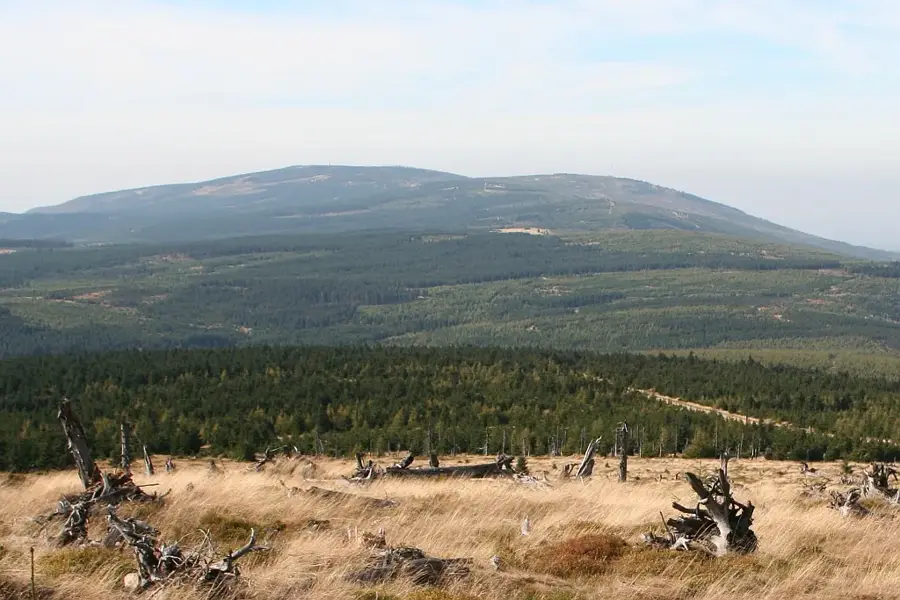
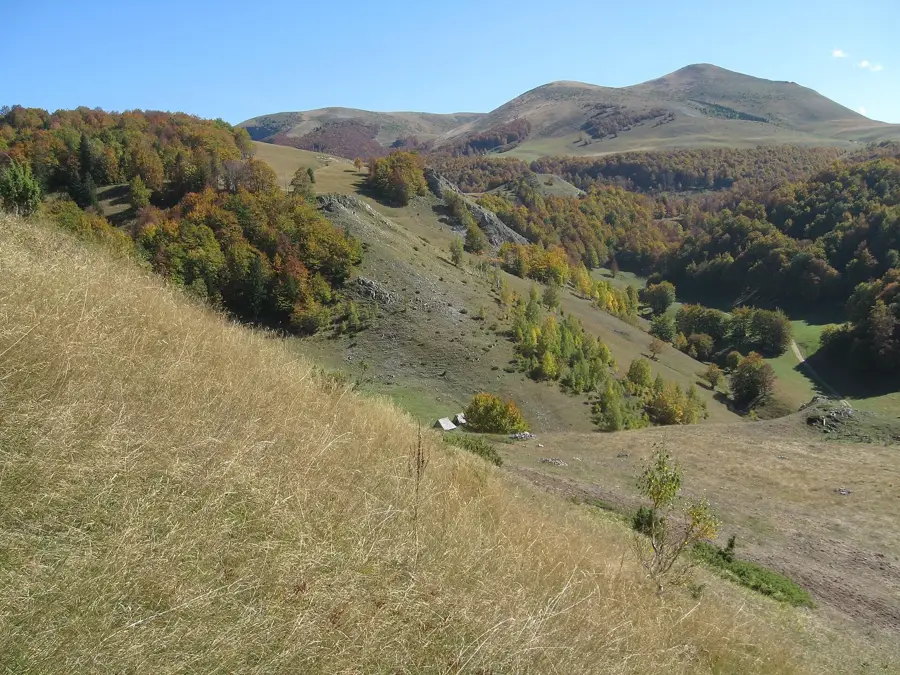
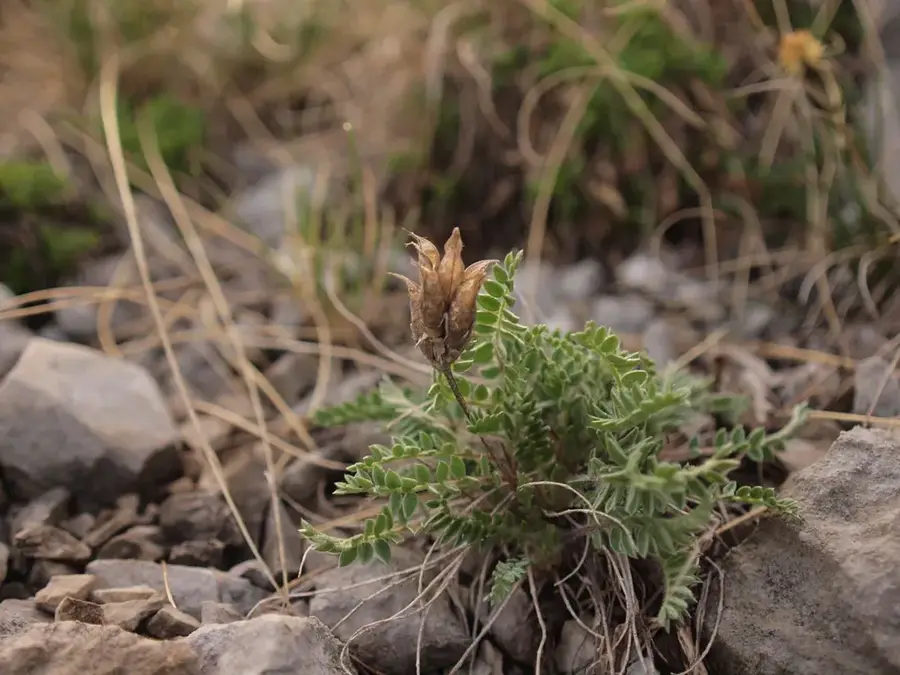
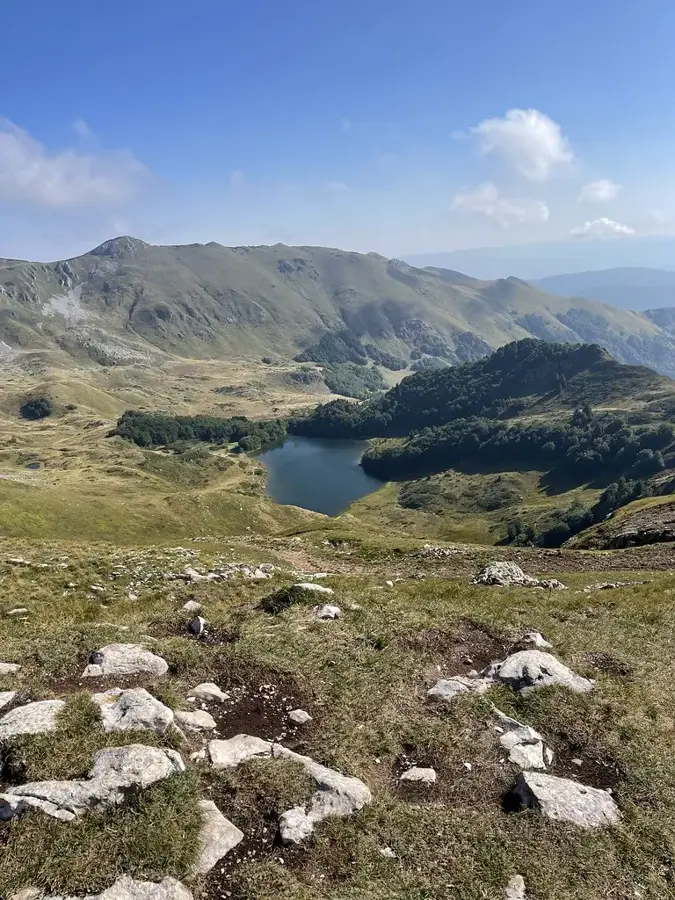
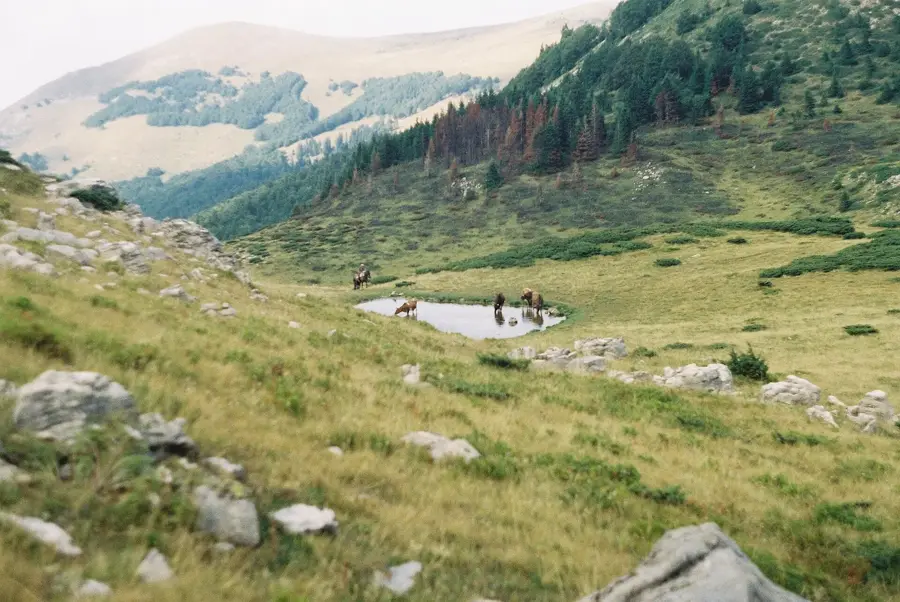
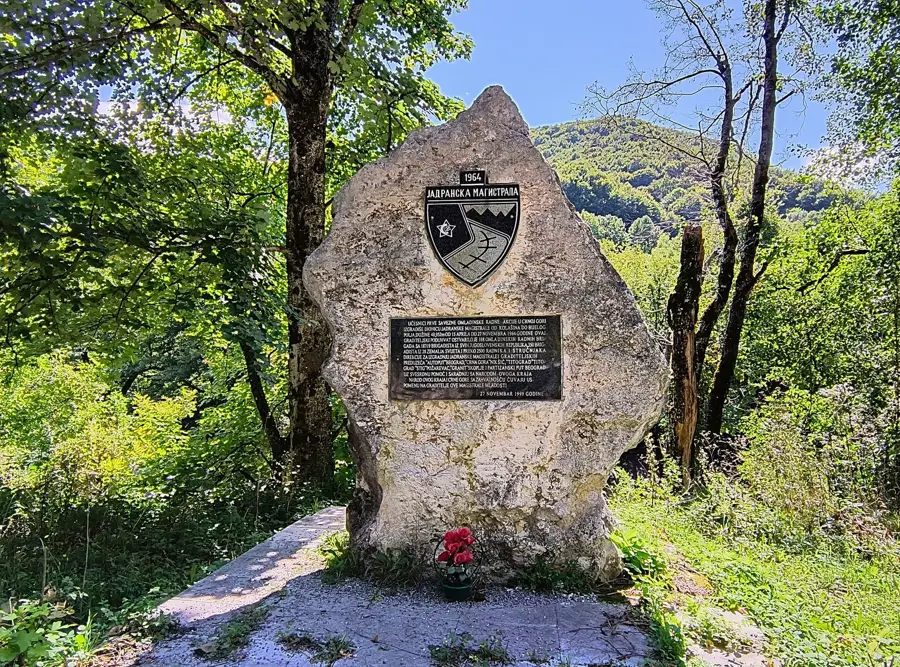
Savardak Pass is a strategically important mountain passage located in the Sinjajevina Mountains of northern Montenegro. Situated at a high elevation, the pass connects the highland plateaus of the Kolašin region with the deeper valleys of the country's interior. Its name is derived from the 'savardak,' a traditional circular Montenegrin dwelling historically used by shepherds as summer residences on the mountain pastures. Geologically, the region is part of Montenegro's largest karst plateau, characterized by vast, treeless grassy expanses and deep sinkholes. Historically, the pass was a crucial route for transhumance and local trade, linking isolated mountain villages with markets in the south. Extreme winter weather conditions often render the pass impassable for several months, highlighting the isolation of the surrounding high pastures. In summer, Savardak Pass is a paradise for hikers and mountain bikers seeking untouched nature and the silence of the barren mountain landscape. The local flora is specialized, consisting of alpine herbs and grasses capable of withstanding the harsh climatic conditions.

Best time to visit & climate

The most pleasant time to visit is Jun–Aug.

JanFebMarAprMayJunJulAugSepOctNovDec
Avg °C-4-316101417171283-2
Rain mm114109110879592645697114146129

📋 Practical info

🧭
Getting there
Reaching this high mountain saddle typically involves driving or hiking along old regional routes that connect isolated northeastern valleys. The approach roads are often completely remote, featuring steep gradients and rough gravel surfaces that demand careful navigation.
📅
Best season
The convenient time to traverse the pass is between late spring and early autumn, when the high-altitude dirt roads are reliably clear of snow. Deep winter snows usually render the saddle completely impassable for both vehicles and casual hikers for several months.
⛰️
Terrain & paths
The terrain around the saddle is heavily characterized by sweeping, windswept highlands, rocky outcrops, and undulating pasture land. Hiking trails directly across the pass are generally rough and unmarked, requiring a very good sense of direction and surefootedness.
🎒
What to bring
Proper trekking shoes and multiple functional layers of weather-resistant clothing are strictly necessary in these exposed highland areas. Hikers must carry comprehensive navigation tools, safety gear, and all personal food and water, as there are absolutely no facilities.
🅿️
Parking
There are typically no formal parking facilities positioned near the top of the pass, only natural clearings or wide spots on the gravel roads. Most visitors park their cars safely in the villages situated in adjacent valleys before beginning their ascent on foot.
⚠️
Safety
The totally exposed nature of the mountain saddle makes it highly susceptible to sudden, fierce winds and rapidly dropping daytime temperatures. Always verify the local highland weather forecast before attempting the crossing, and actively avoid the area during thunderstorms.
⏱️
Time needed
Driving over the pass and making brief scenic stops for photographs generally takes around one to two hours, directly depending on road conditions. Undertaking a full hiking traverse between the neighboring valleys via the saddle is a challenging, full-day expedition.

Geography

Coordinates
42.81230, 19.51320

Facts

  • Part of the Sinjajevina range, Europe's second-largest mountain pasture.
  • Elevation is typically above 1600 meters above sea level.
  • Named after the 'savardak', a traditional circular shepherd's hut.
  • The region is characterized by extensive karst erosion features.
  • Winter snow depths frequently exceed 2 meters in this pass.
  • A significant waypoint on the Montenegrin Mountain Transversal trail.

Explore nearby

Notable places around
Route planner — Car & Motorhome

Where do you start? We build the route here, with stops and country notes along the way.

Vehicle
Only stops with (optional):

© OpenStreetMap contributors · OpenRouteService

Sights in the town Savardak Pass (6)

Tvrđava Barutana

Tvrđava Barutana, an archaeological site at Savardak Pass.

Otašev lom

Otašev lom, a mountain in Montenegro.

Muzej🏛 museum

Museum at Savardak Pass.

Kolašin

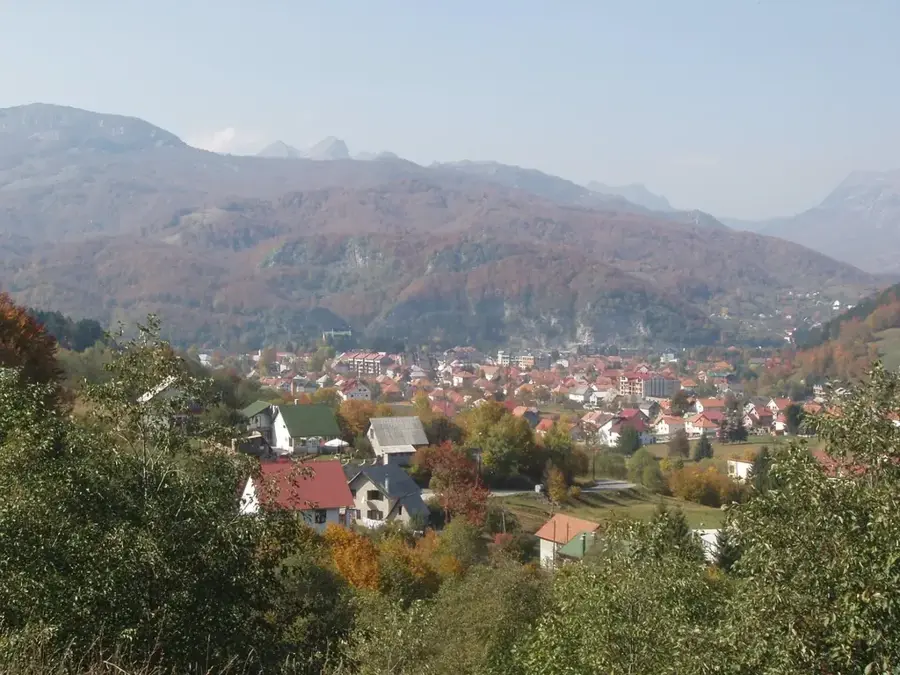
Kolašin viewpoint at Savardak Pass, overlooking the surroundings.

Bablja greda

Bablja greda, a mountain in Montenegro.

Durutovac

Durutovac, a mountain in Montenegro.

Sights nearby

Frequently asked questions

Where is the Savardak Pass located?
A mountain pass in the Bjelasica mountains of Montenegro, popular with hikers.
How difficult is the hike?
Moderate difficulty; good fitness and hiking boots are required for the terrain.
Are there places to eat there?
Nearby there are traditional 'katuns' (shepherd huts) that often offer local food.
When is the best time to visit?
From June to September, when the snow has melted and the trails are safe.
Are there parking spaces nearby?
Limited parking at trailheads, mostly at lower elevations.
Savardak Pass: where is it located?
Savardak Pass is located in Montenegro.
Savardak Pass: what is there to see?
Highlights include Tvrđava Barutana, Otašev lom, Muzej.
Savardak Pass: when is the best time to visit?
The most pleasant time to visit is Jun, Aug.
Savardak Pass: why is it worth visiting?

Savardak Pass is a strategically important mountain passage located in the Sinjajevina Mountains of northern Montenegro.
View on map → The Top 50 Attractions → OpenStreetMap →
Europe
Explore with Plizio Discover more places in Europe
More places in Montenegro →

Nearby cities

History & landmarks
Nature
More places