Plizio Visual Lab

Stog Peak
Plizio editorial teamData Sources
peak
—°4
Stog Peak (Montenegro)

Weather…

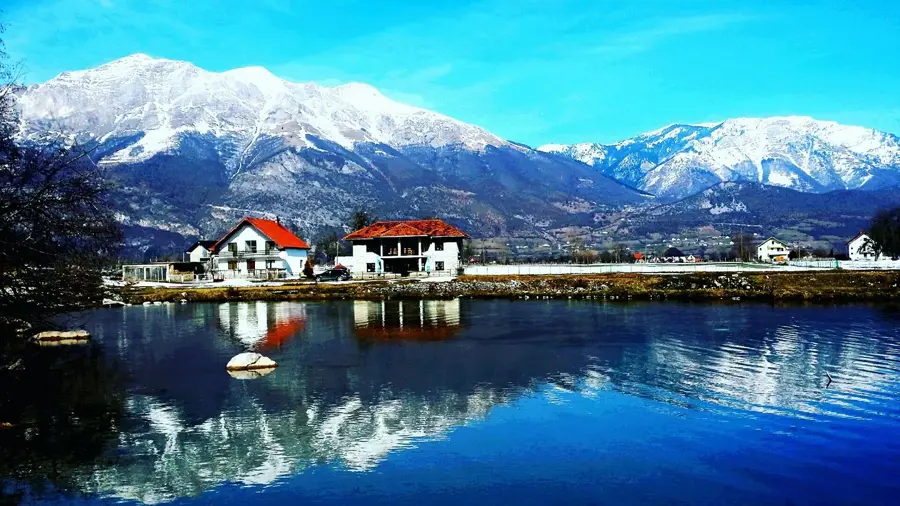
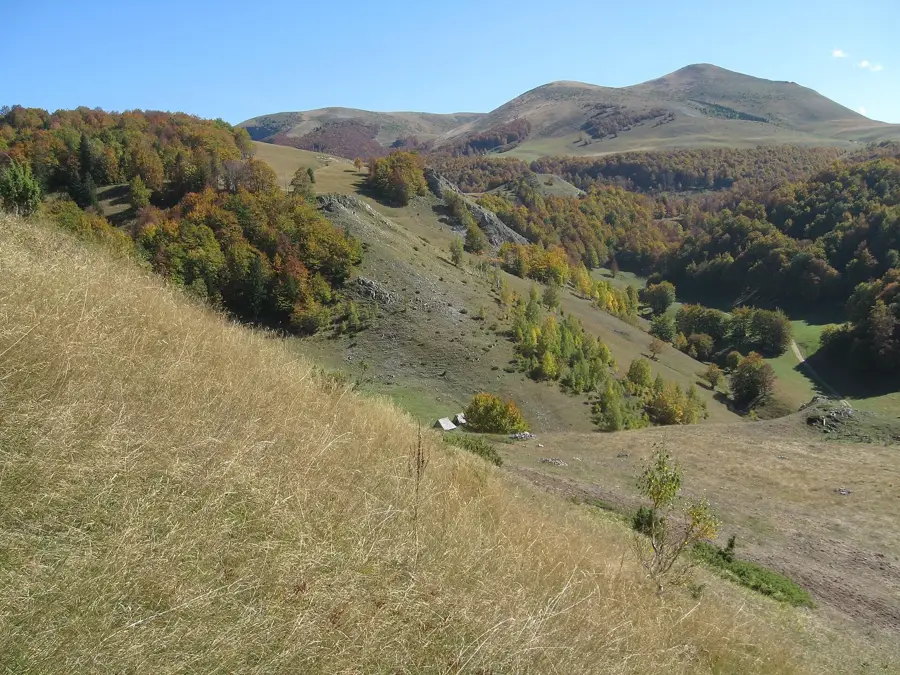
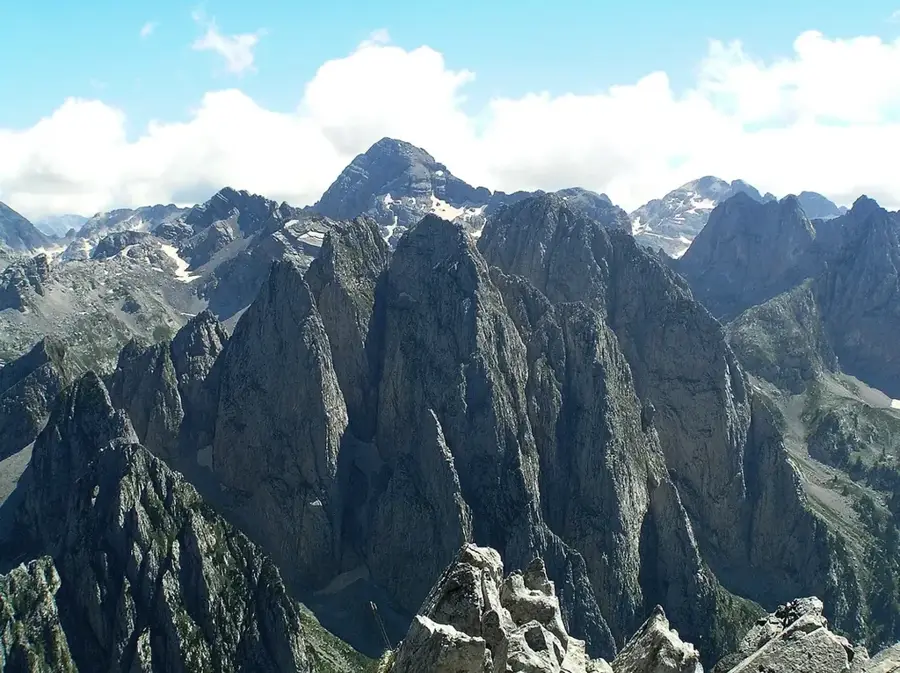
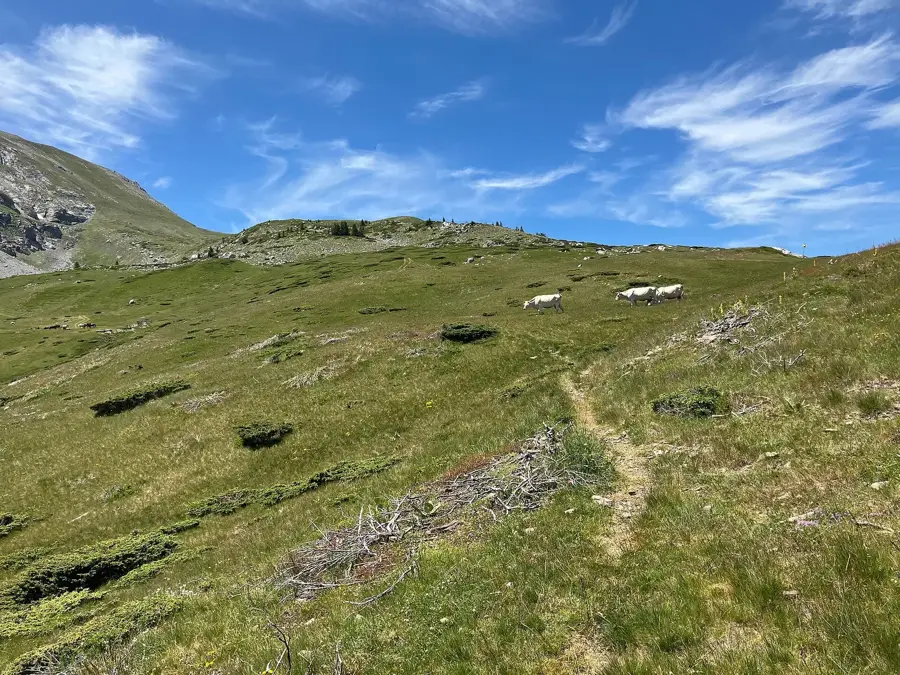
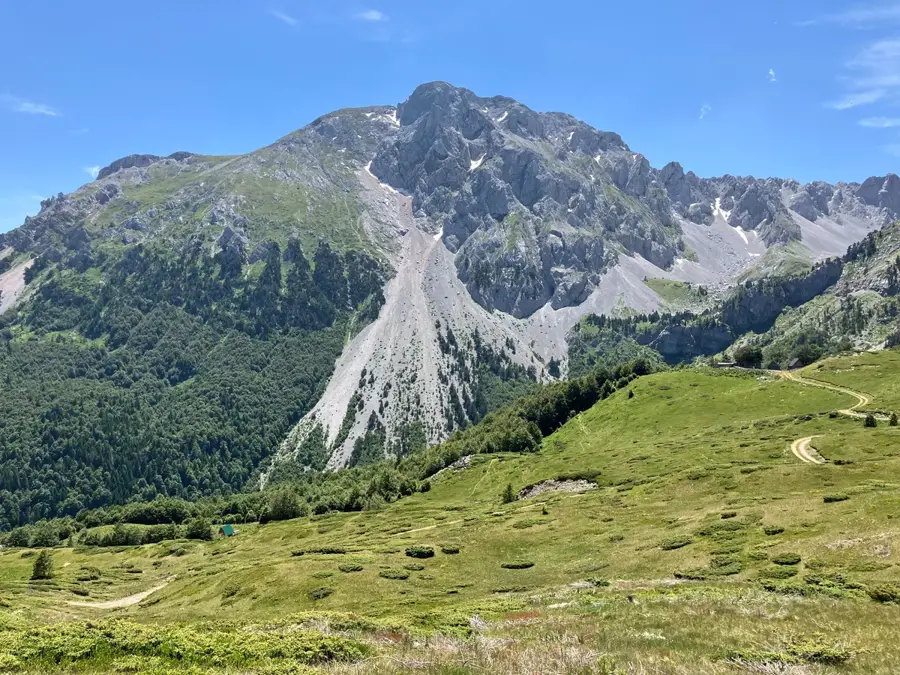
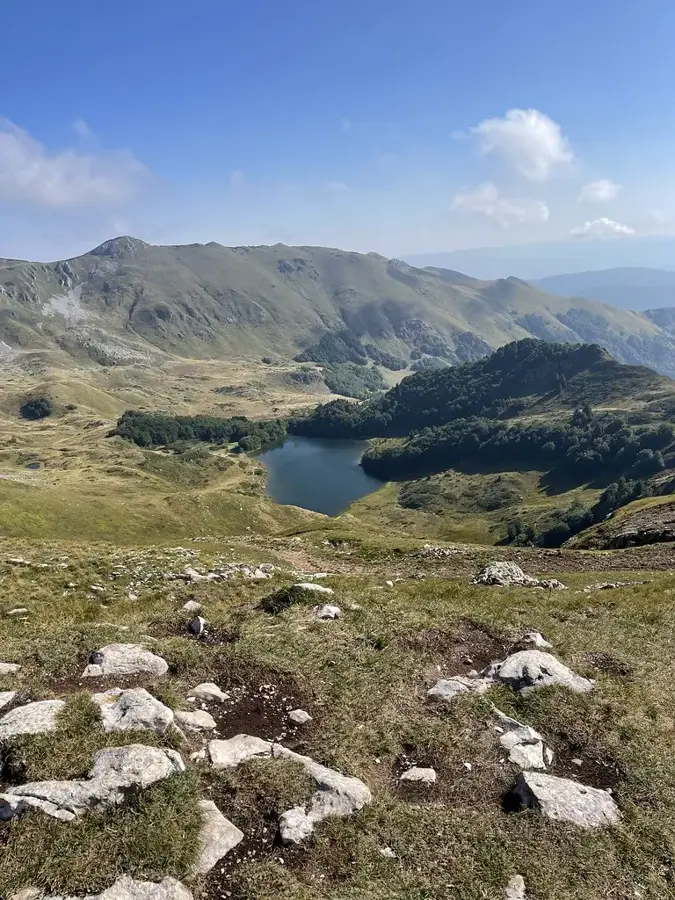
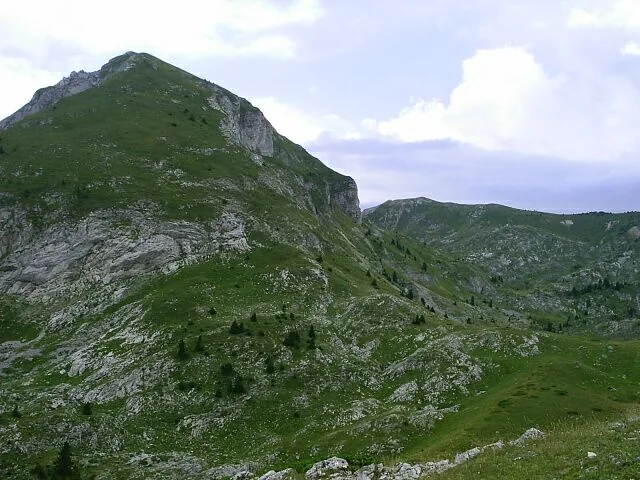
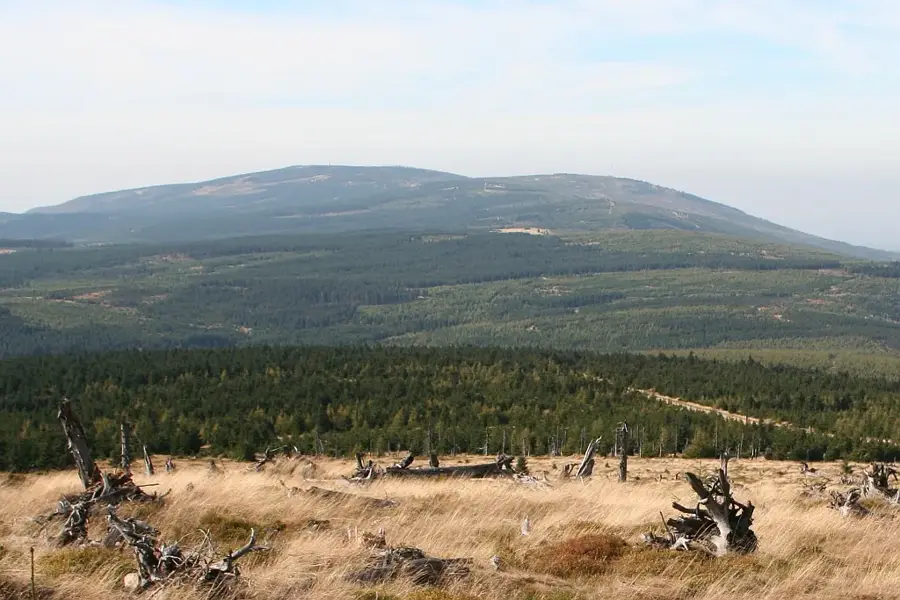
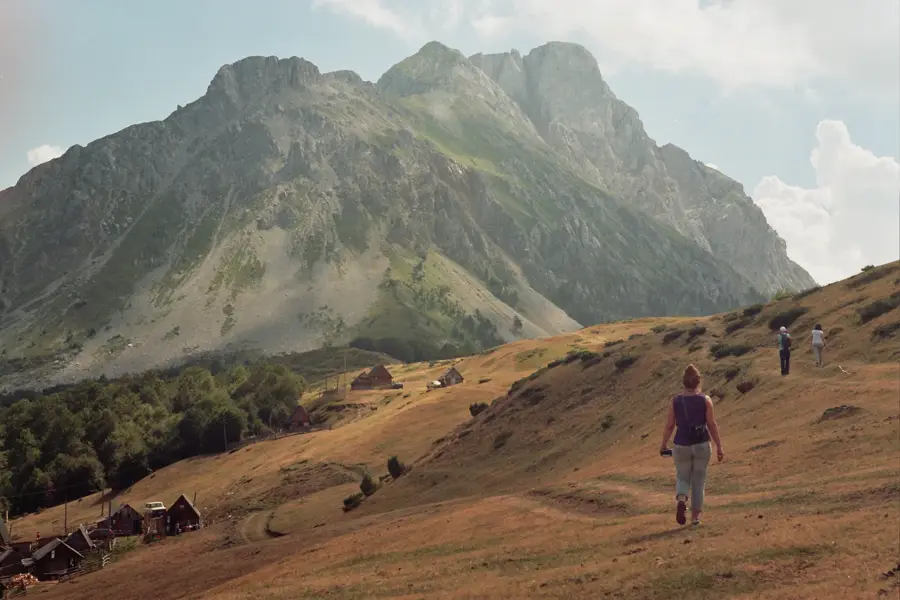
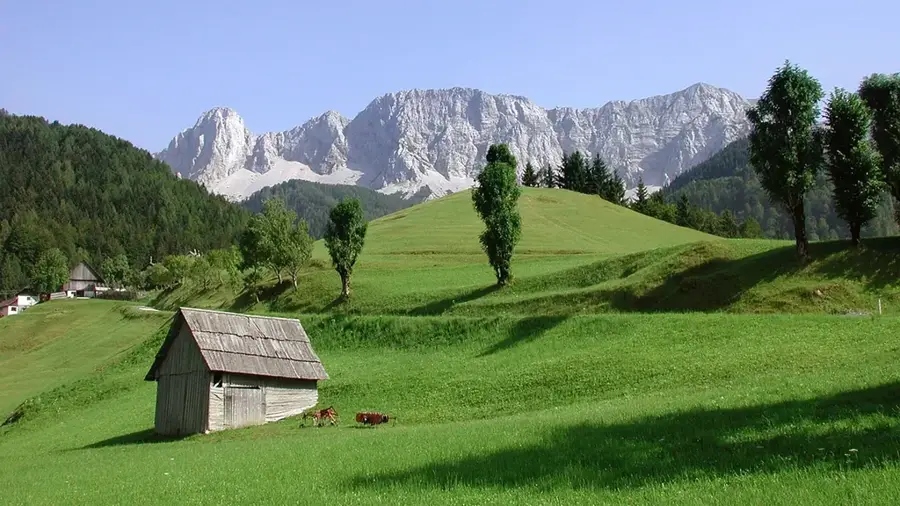
Stog Peak is a significant summit in the Bjelasica mountains of northeastern Montenegro, reaching an elevation of 1,908 meters. Its shape resembles a haystack, which earned it the name "Stog" in the local dialect. The peak is part of the volcanic massif of Bjelasica, distinguished by its soft curves and lack of the sharp edges typical of karst regions. Geologically, the area is rich in springs and has fertile soil that supports a dense grass cover even at high altitudes. Historically, Stog served as an important landmark for shepherds driving their flocks to the high-altitude pastures. From the summit, one can enjoy splendid views of the Prokletije and Komovi peaks, as well as Biogradska Gora National Park. In winter months, the mountain is often covered in deep snow, making it a destination for ski tourers, while in summer it is visited by hikers utilizing well-marked trails. The area's ecological importance lies in its variety of endemic plant species that thrive on the nutrient-rich volcanic substrate.

Best time to visit & climate

The most pleasant time to visit is Jun–Aug.

JanFebMarAprMayJunJulAugSepOctNovDec
Avg °C-114813172121161161
Rain mm15414814110392704444113140194177

📋 Practical info

🧭
Getting there
Reaching this profoundly remote peak heavily requires navigating deep into the Bjelasica massif, usually starting from distant trailheads at the edges. The rugged approaches involve exceedingly lengthy hikes along rough mountain paths that start incredibly far from paved roads.
📅
Best season
The peak is generally only accessible to hikers safely during the warm summer months, strictly from late June through September, when trails are totally clear. For the entire rest of the year, the highly remote region is blanketed in deep snow, making it dangerous for casuals.
⛰️
Terrain & paths
The approach deeply involves aggressively traversing dense primeval forests, rolling alpine pastures, and ultimately incredibly steep, rocky ridges to safely reach the summit. The faint paths leading to this specific peak are rugged and strongly require sustained physical exertion.
🎒
What to bring
Professional-grade hiking boots, highly layered technical clothing, and specialized robust trekking poles are fundamentally vital for this demanding wilderness environment. Hikers must rigorously carry a dedicated GPS, detailed topographical maps, safety kits, and heavy provisions.
🅿️
Parking
Vehicles must firmly be left directly at designated trailheads or safely near established lower mountain huts situated at the very edges of the Bjelasica range. From there, visitors must totally commit to the incredibly long approach on foot into the deeply restricted massive.
⚠️
Safety
This is a highly remote, challenging area where cellular reception is entirely nonexistent, explicitly meaning complete self-reliance and careful trip planning are critical. Rapid weather changes are dangerously common, and the deeply isolating distance adds major survival risks.
⏱️
Time needed
Due to its heavily isolated geographical location, confidently reaching the rocky summit and returning to the nearest active trailhead is a massive undertaking taking an entire day. Many smart hikers purposefully opt to intelligently split the demanding journey by camping safely midway.

Geography

Coordinates
42.74310, 19.68320

Facts

  • Stog Peak reaches an elevation of 1,908 meters above sea level.
  • The name 'Stog' translates to 'haystack' in the local dialect.
  • It belongs to the Bjelasica massif, known for its volcanic geology.
  • The Komovi and Prokletije mountain ranges are visible from the summit.
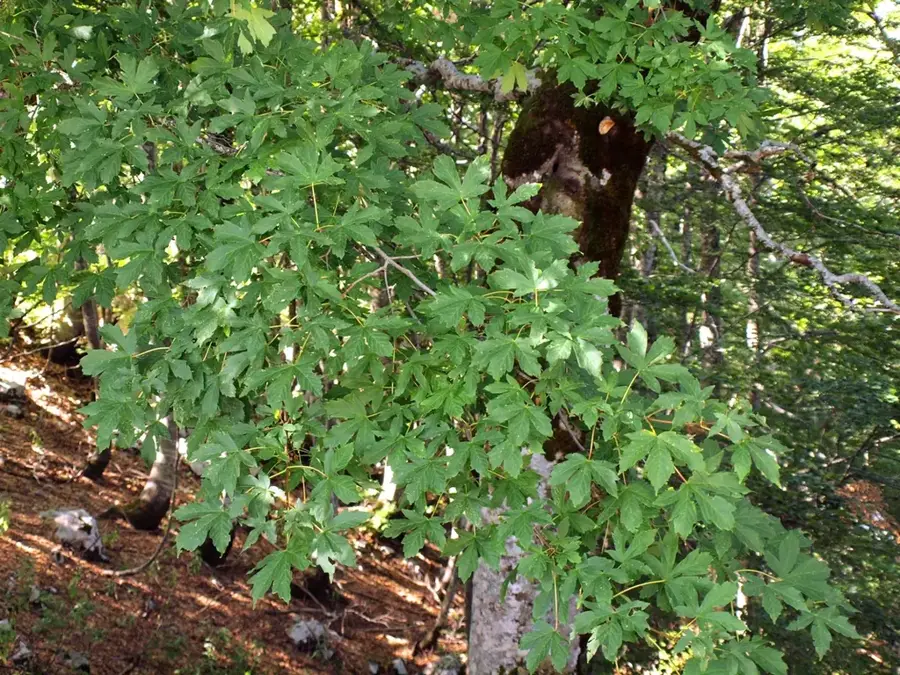
  • The flora includes rare alpine species thriving on volcanic soil.
  • Several traditional shepherd huts (katuni) are located in the vicinity.

Explore nearby

Notable places around
Route planner — Car & Motorhome

Where do you start? We build the route here, with stops and country notes along the way.

Vehicle
Only stops with (optional):

© OpenStreetMap contributors · OpenRouteService

Sights in the town Stog Peak (4)

Trešnjevik

Trešnjevik is a mountain in the Bjelasica range, Dinaric Alps, Montenegro.

Prevoj Trešnjevik

Prevoj Trešnjevik is a viewpoint on Mount Trešnjevik, offering views of the surrounding peaks.

Stražarica

Stražarica is a mountain in the Bjelasica range, Dinaric Alps, Montenegro.

Umsko brdo

Umsko brdo is a mountain in Montenegro.

Sights nearby

Frequently asked questions

How do you reach Stog Peak?
Via hiking trails from surrounding plateaus, often without fixed markings.
Is Stog Peak suitable for children?
Only for older children with hiking experience, as the paths can be demanding.
Is there shade up there?
Hardly any, the summit is exposed and barren; sun protection is important.
What is special about Stog Peak?
Its shape resembles a haystack (Stog), which gave it its name.
What is the weather risk?
Sudden thunderstorms in summer are frequent; check the weather report.
Stog Peak: where is it located?
Stog Peak is located in Montenegro.
Stog Peak: what is there to see?
Highlights include Trešnjevik, Prevoj Trešnjevik, Stražarica.
Stog Peak: when is the best time to visit?
The most pleasant time to visit is Jun, Aug.
Stog Peak: why is it worth visiting?
Stog Peak is a significant summit in the Bjelasica mountains of northeastern Montenegro, reaching an elevation of 1,908 meters.
View on map → The Top 50 Attractions → OpenStreetMap →
Europe
Explore with Plizio Discover more places in Europe
More places in Montenegro →

Nearby cities

History & landmarks
Nature
More places