Plizio Visual Lab

Durmitor Alpine Flora
Plizio editorial teamData Sources
park
—°3
Durmitor Alpine Flora (Montenegro)

Weather…

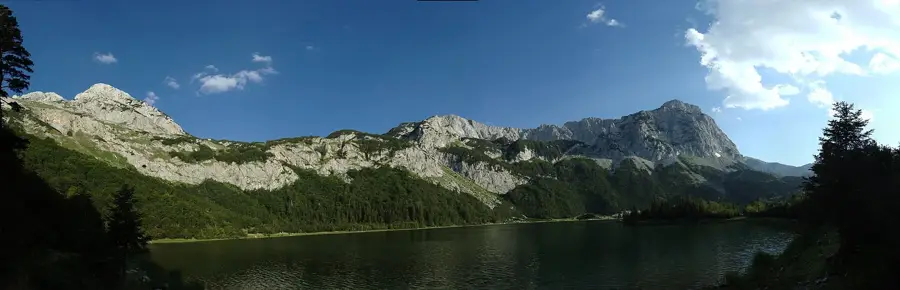
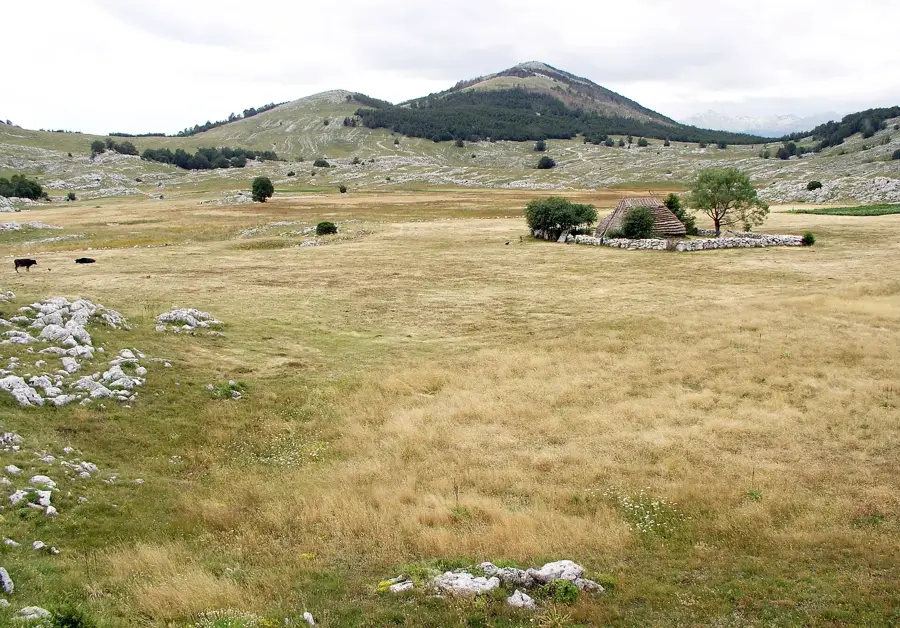
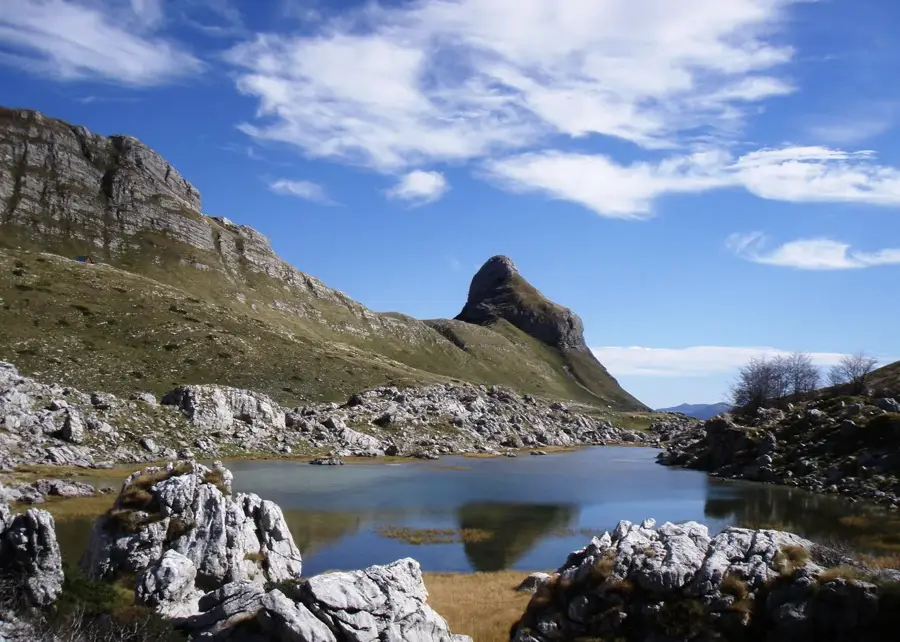
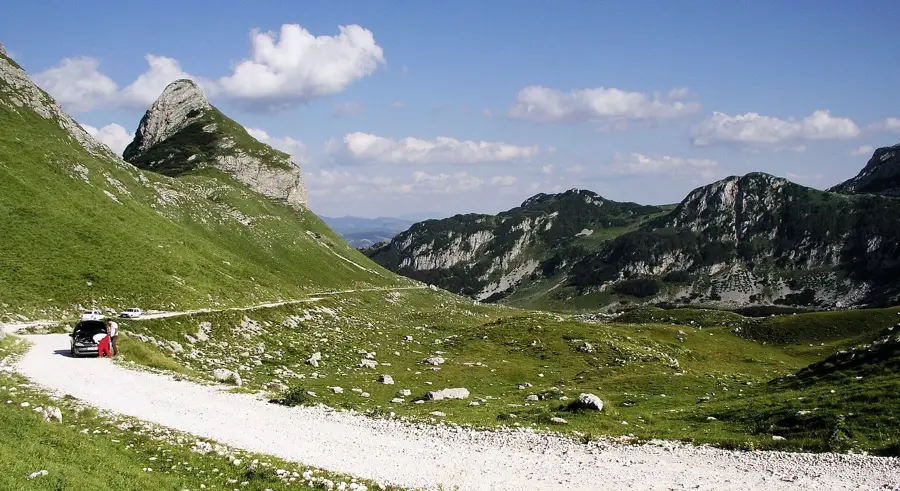
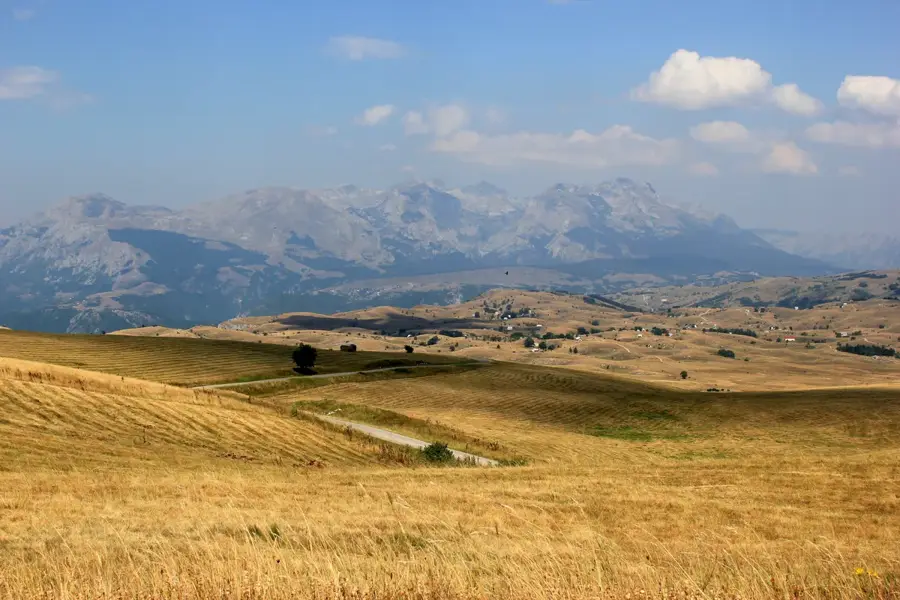
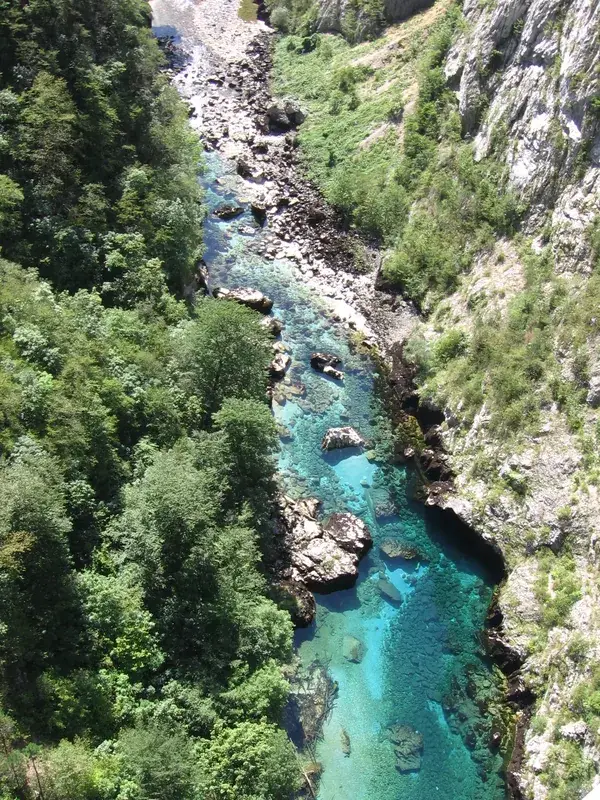
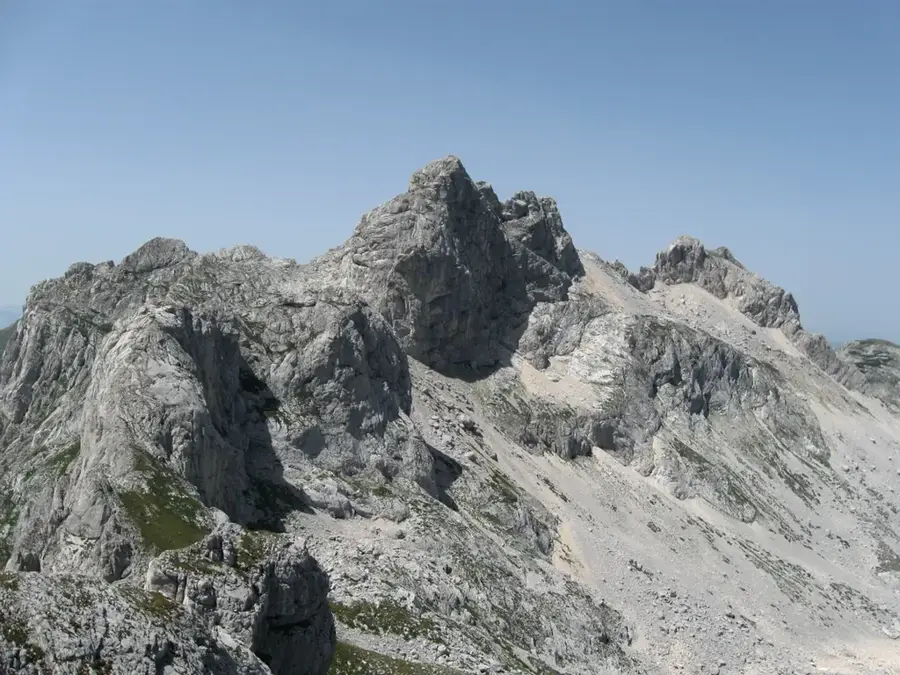
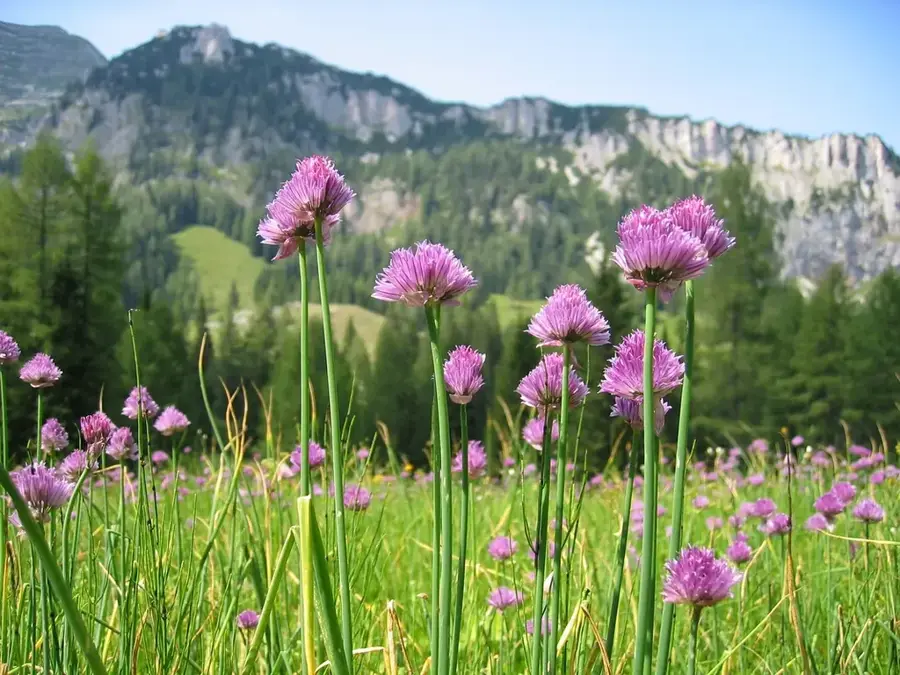
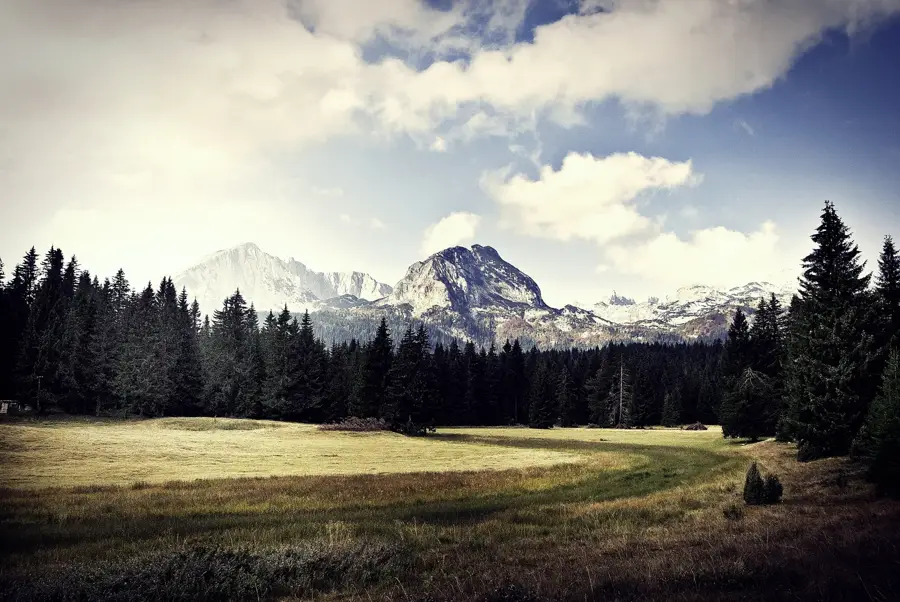
The alpine flora of Durmitor National Park is one of Europe's richest botanical regions, featuring over 1,600 recorded plant species. At altitudes exceeding 2,000 meters, specialized communities thrive, including glacial relicts and rare local endemics such as the mezereon Daphne malyana. The area is characterized by extreme karst features where plants survive in rock crevices and on scree slopes, adapted to intense UV radiation and short growing seasons. Historically, Durmitor was inscribed as a UNESCO World Heritage site in 1980, partly due to its outstanding biodiversity. In early summer, the high plateaus are covered in spirited carpets of gentians, primroses, and endemic bellflowers. This vegetation plays a vital role in the ecosystem by stabilizing the fragile topsoil and providing habitats for endangered insect species. The floral diversity incorporates both Mediterranean and Euro-Siberian elements, reflecting the massif's unique geographical location.

Best time to visit & climate

The most pleasant time to visit is Jun–Aug.

JanFebMarAprMayJunJulAugSepOctNovDec
Avg °C-2-127111518181394-1
Rain mm1341311219389835249104124162152

📋 Practical info

🧭
Getting there
The prominent alpine flora zones are reached by driving up the high-altitude routes of Durmitor National Park. Hikers usually embark from the established trailheads near Žabljak or from high mountain passes to seek out the most spectacular blooms.
📅
Best season
To witness the unique high-altitude flowers in full bloom, late June to early August represents the absolute optimal window. During the long winter and much of spring, these delicate plants remain buried deep beneath massive layers of mountain snow.
⛰️
Terrain & paths
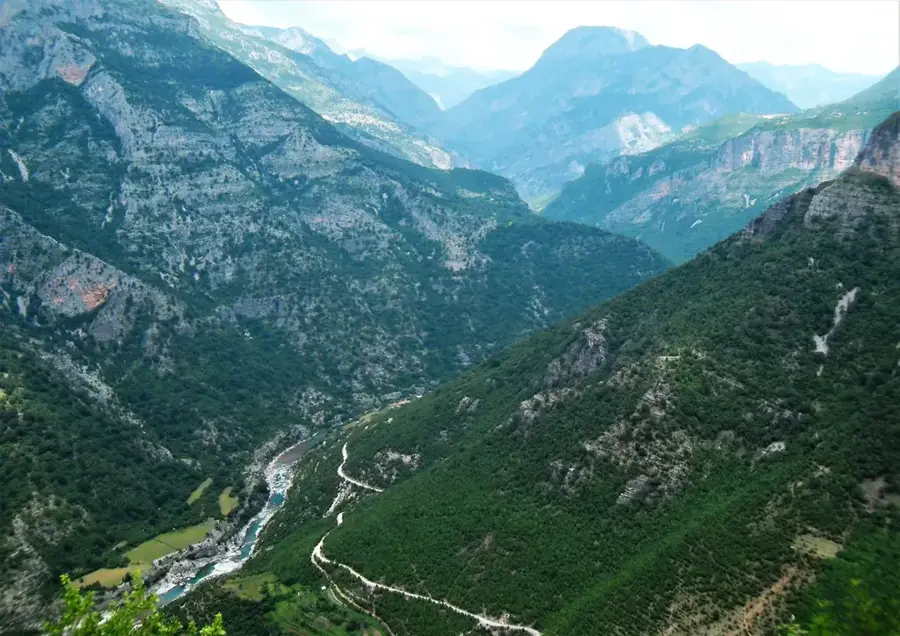
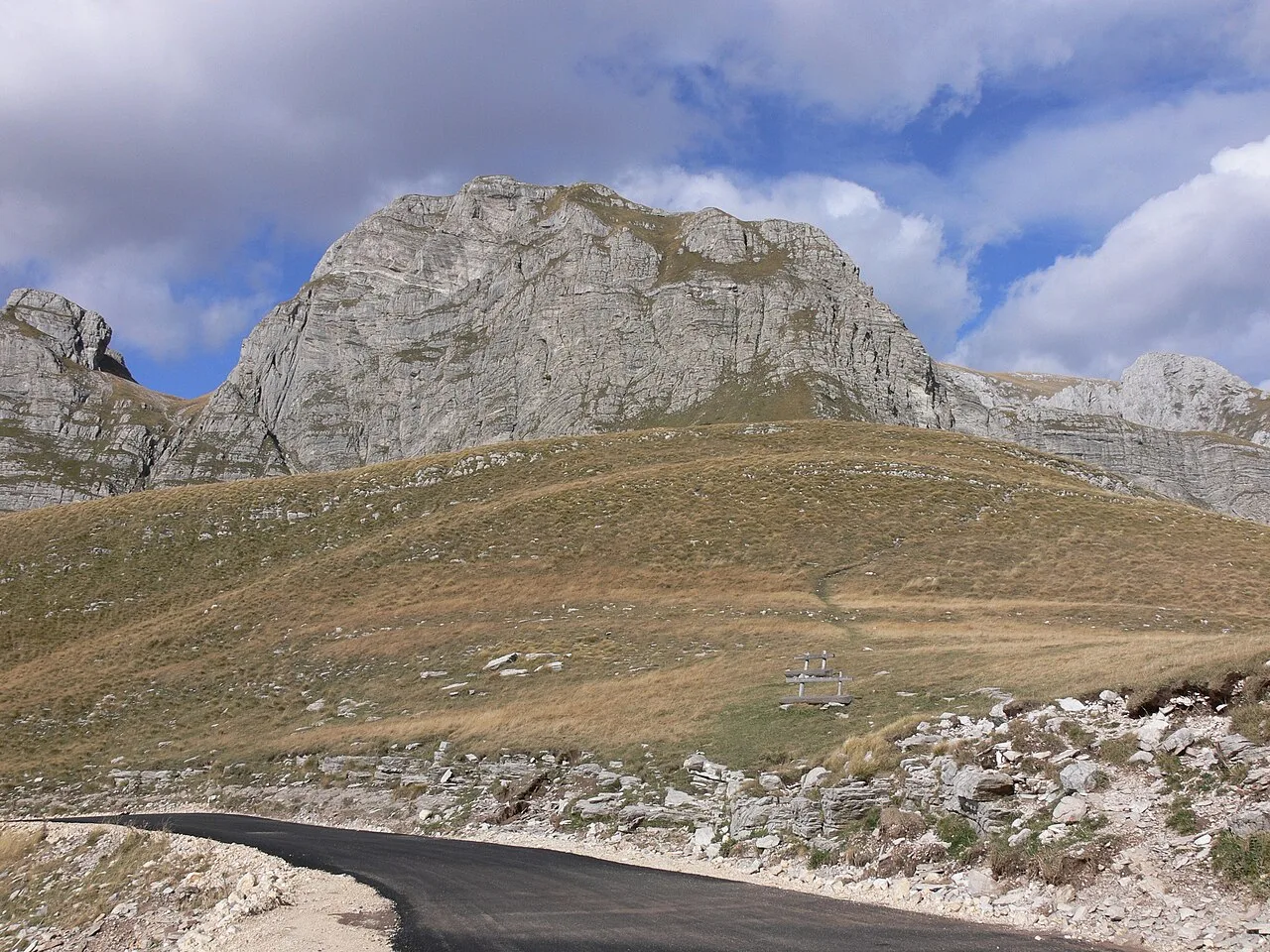
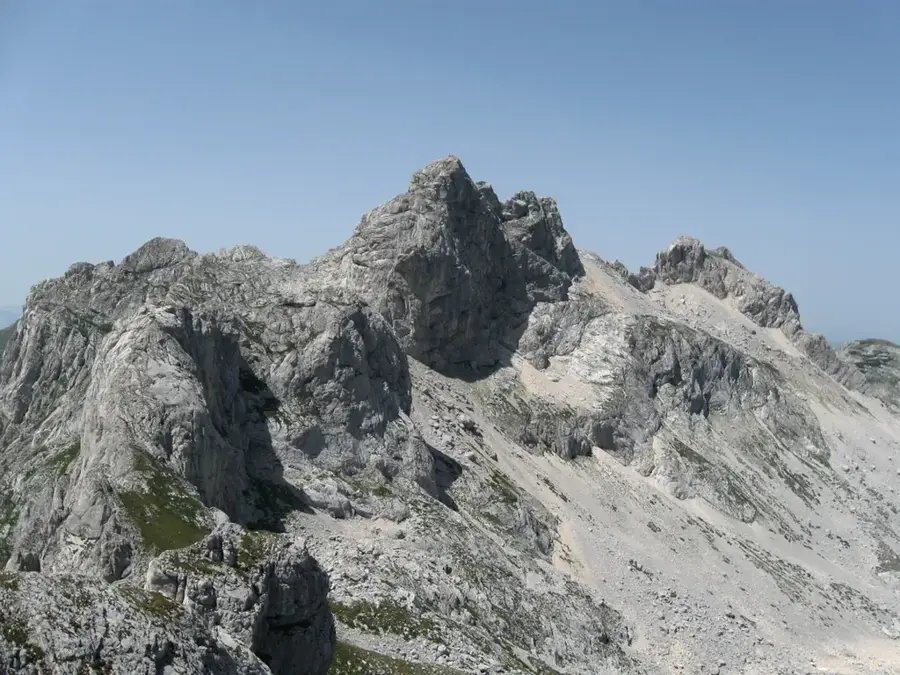
The terrain is fundamentally mountainous, rocky, and often remarkably steep as it stretches across the rugged high altitudes. Paths can be very narrow, demanding careful footing over loose stones, exposed ridges, and ancient limestone karst formations.
🎒
What to bring
Proper mountaineering or sturdy trekking boots with excellent grip are absolutely mandatory for these rugged trails. Because the high alpine weather is notoriously unpredictable, carrying windproof jackets, warm layers, and plentiful water is vital.
🅿️
Parking
Hikers typically leave their vehicles at designated entry point parking areas within the national park or at major mountain passes like Sedlo. Arriving as early as possible is recommended before the small mountain lots fill up with daily adventurers.
⚠️
Safety
Remaining firmly on marked trails is critical to protect the extremely fragile alpine ecosystems from permanent trampling damage. Visitors must be constantly vigilant regarding sudden thunderstorms and lightning risks in these highly exposed rocky areas.
⏱️
Time needed
A thorough excursion to spot and photograph the blooming alpine flora easily consumes at least three to five hours. Serious botanical enthusiasts will often dedicate an entire demanding day to meticulously explore the upper reaches of the massive park.

Geography

Coordinates
43.13330, 19.03330

Facts

  • Hosts over 1,600 different species of plants.
  • Official UNESCO World Heritage site since 1980.
  • Presence of Daphne malyana, an extremely rare local endemic.
  • Numerous plants are relicts from the last Ice Age.
  • Flora shows strong adaptations to high UV radiation.
  • There are 18 glacial lakes located in the vicinity.

Explore nearby

Notable places around
Route planner — Car & Motorhome

Where do you start? We build the route here, with stops and country notes along the way.

Vehicle
Only stops with (optional):

© OpenStreetMap contributors · OpenRouteService

Sights in the town Durmitor Alpine Flora (3)

Prutaš📍 landmark

A distinctive peak in the Durmitor massif, known for its unique horizontal rock layers.

Planinica📍 landmark

A peak in the Durmitor National Park, valued for its alpine flora and wide panoramic views.

Ice cave📍 landmark

A famous ice cave in the Durmitor mountains, where ice stalagmites can be found year-round.

🕒 24/7🆓

Sights nearby

Frequently asked questions

What are typical alpine flowers in Durmitor?
You can find gentian, edelweiss, and various saxifrage species in the high altitudes above 2,000 meters.
Are there endemic plants in the park?
Yes, the Durmitor king clover and the Durmitor bellflower are botanical highlights of the region.
Is it allowed to collect mountain herbs?
Picking protected plants is strictly forbidden in the national park to preserve biodiversity.
When is the best time for botanists?
June and July are good, once the snow has melted and the alpine meadows are in full bloom.
Are there guided botanical hikes?
Local guides in Žabljak offer tours specialized in the flora and geology of Durmitor.
Durmitor Alpine Flora: where is it located?
Durmitor Alpine Flora is located in Montenegro.
Durmitor Alpine Flora: what is there to see?
Highlights include Prutaš, Planinica, Ice cave.
Durmitor Alpine Flora: when is the best time to visit?
The most pleasant time to visit is Jun, Aug.
Durmitor Alpine Flora: why is it worth visiting?

The alpine flora of Durmitor National Park is one of Europe's richest botanical regions, featuring over 1,600 recorded plant species.
View on map → The Top 50 Attractions → OpenStreetMap →
Europe
Explore with Plizio Discover more places in Europe
More places in Montenegro →

Nearby cities

History & landmarks
Nature
More places