Plizio Visual Lab

Pusto Polje Plateau
Plizio editorial teamData Sources
Mountain
—°3
Pusto Polje Plateau (Montenegro)

Weather…

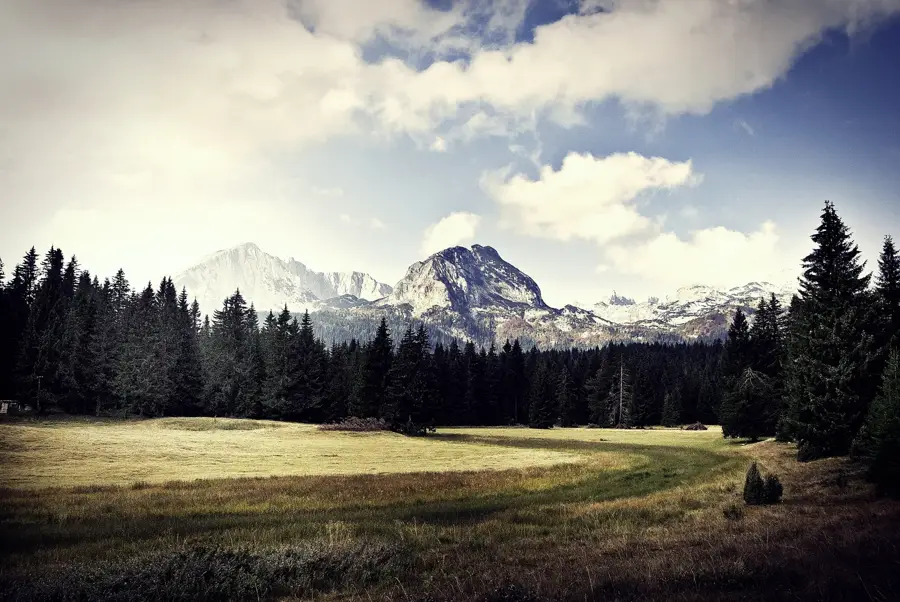
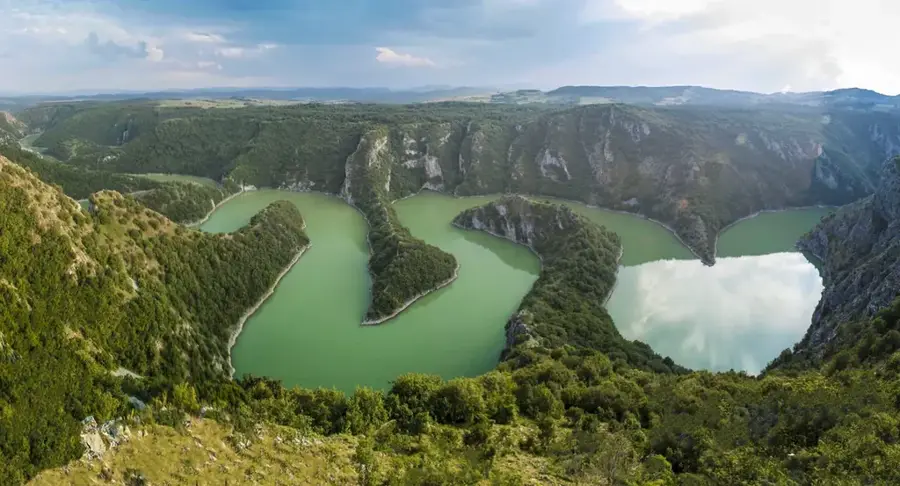
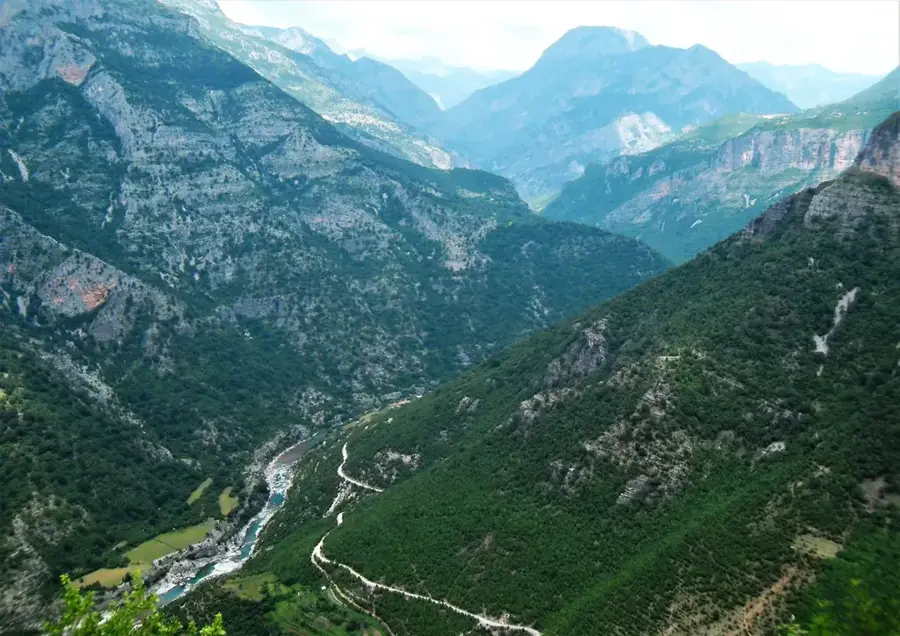
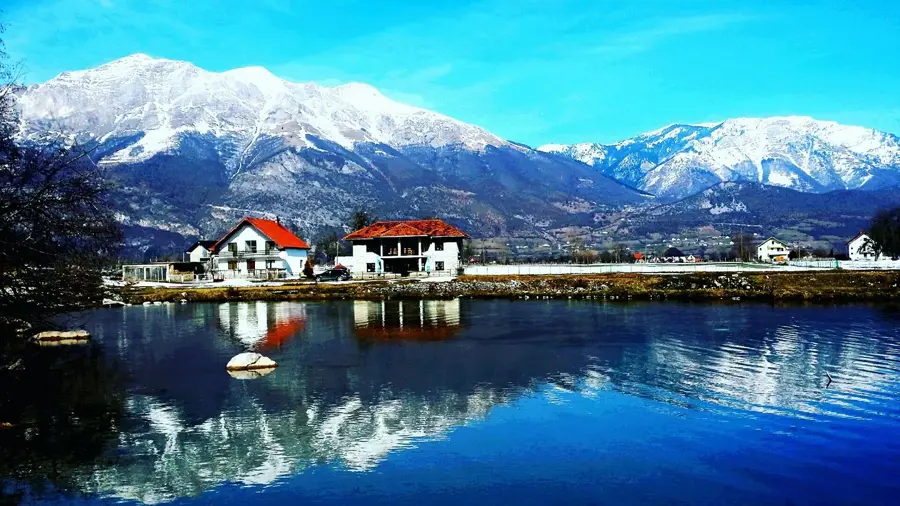
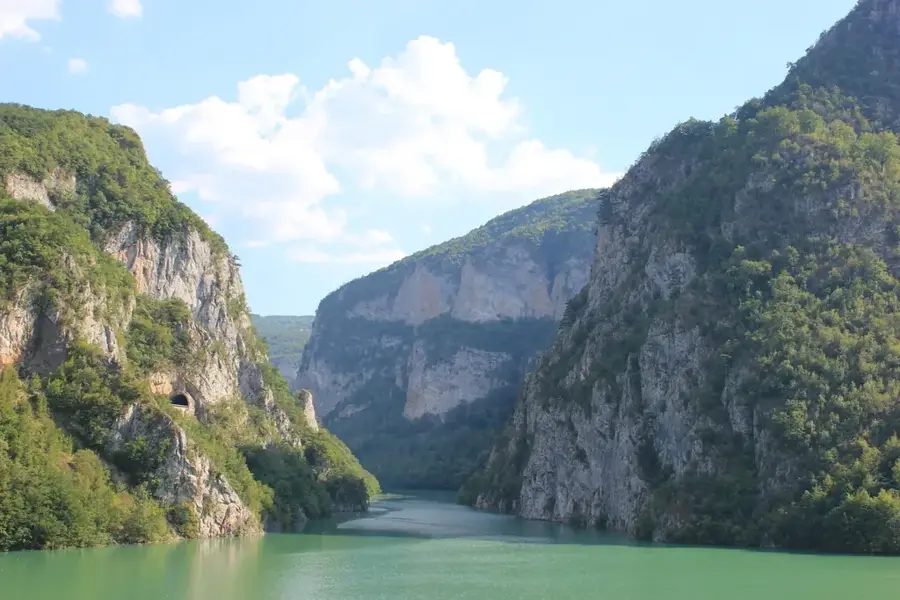
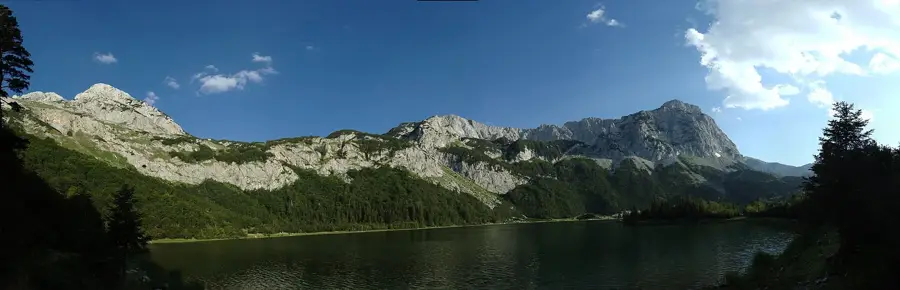
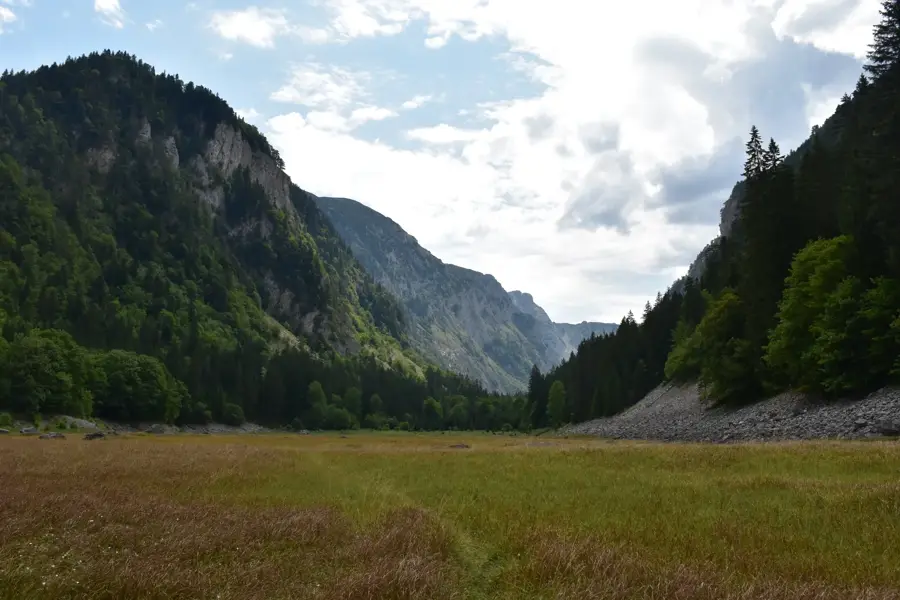
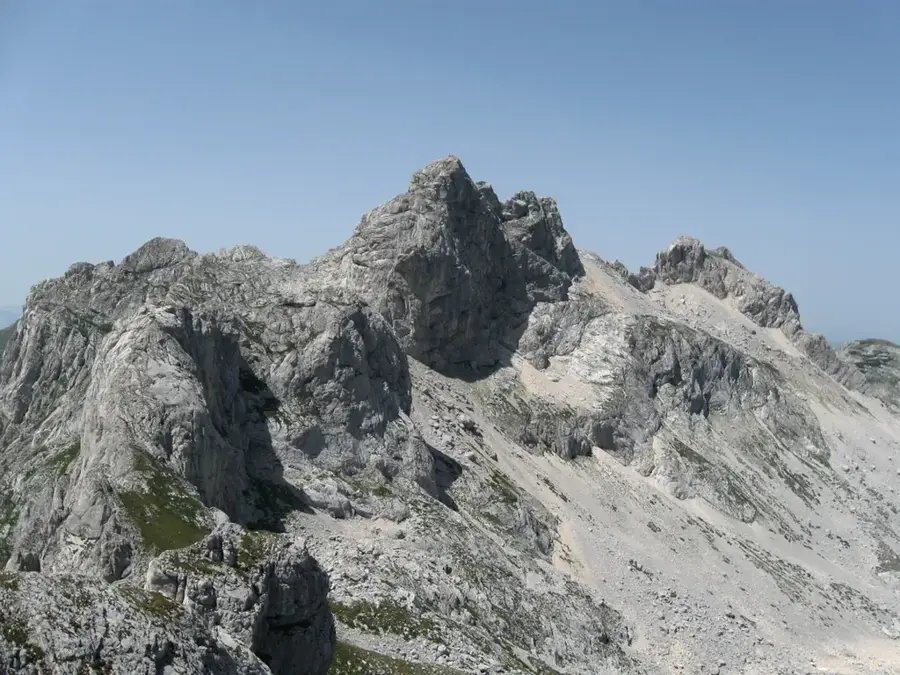
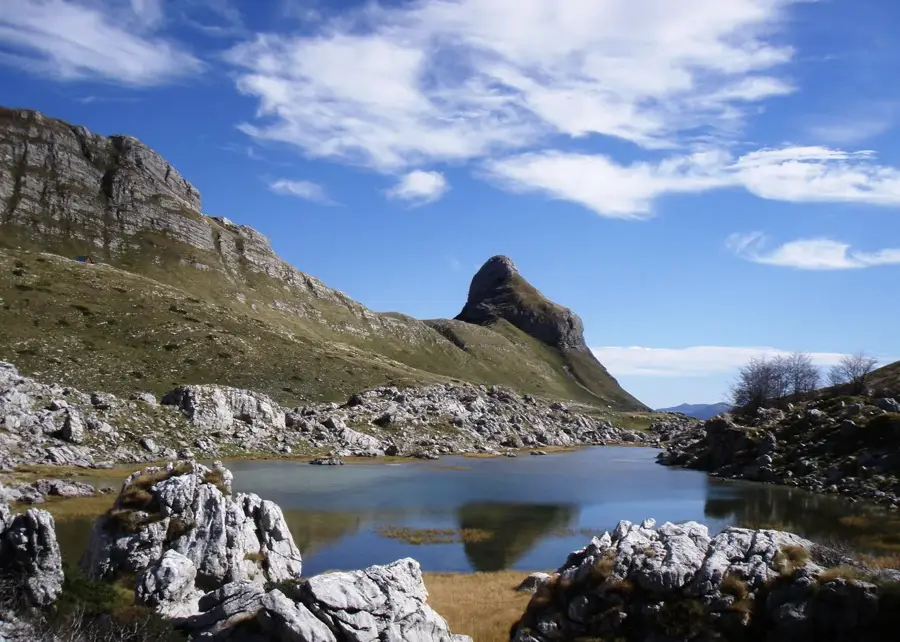
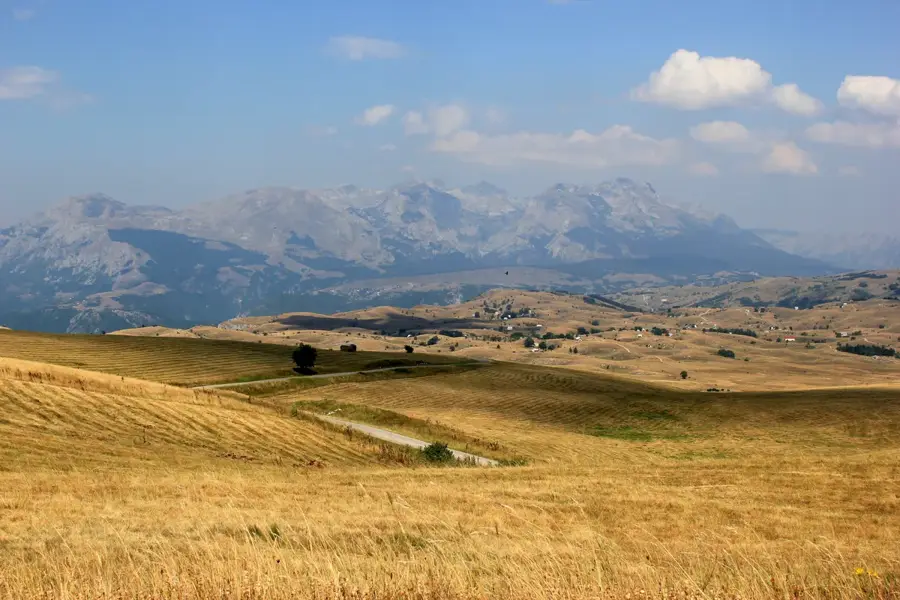
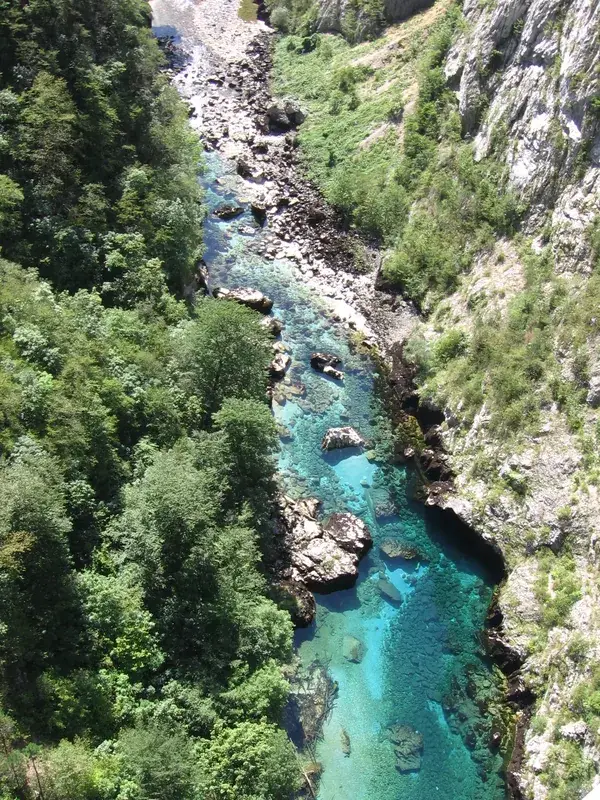
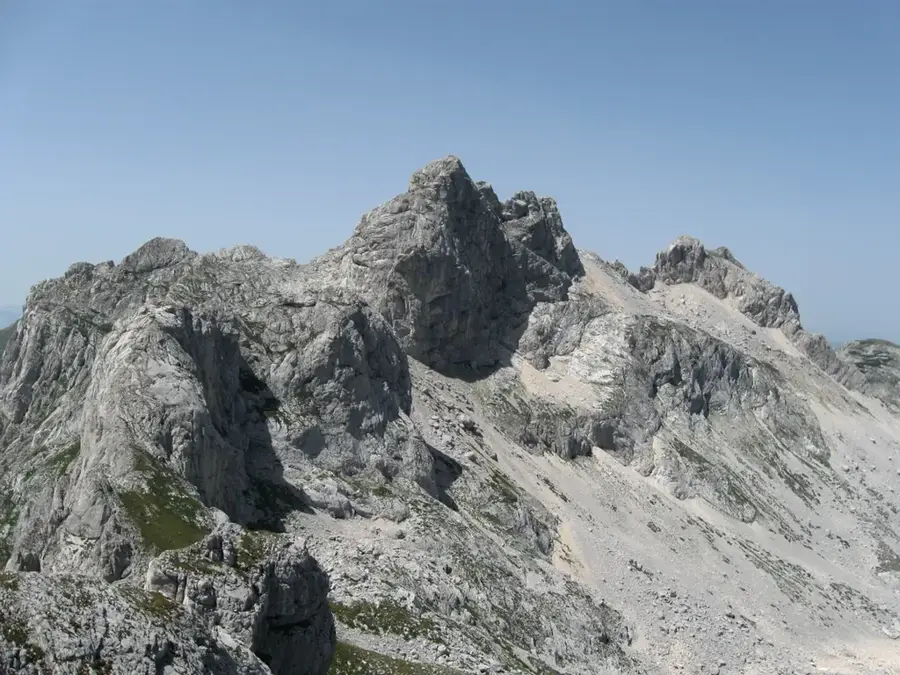
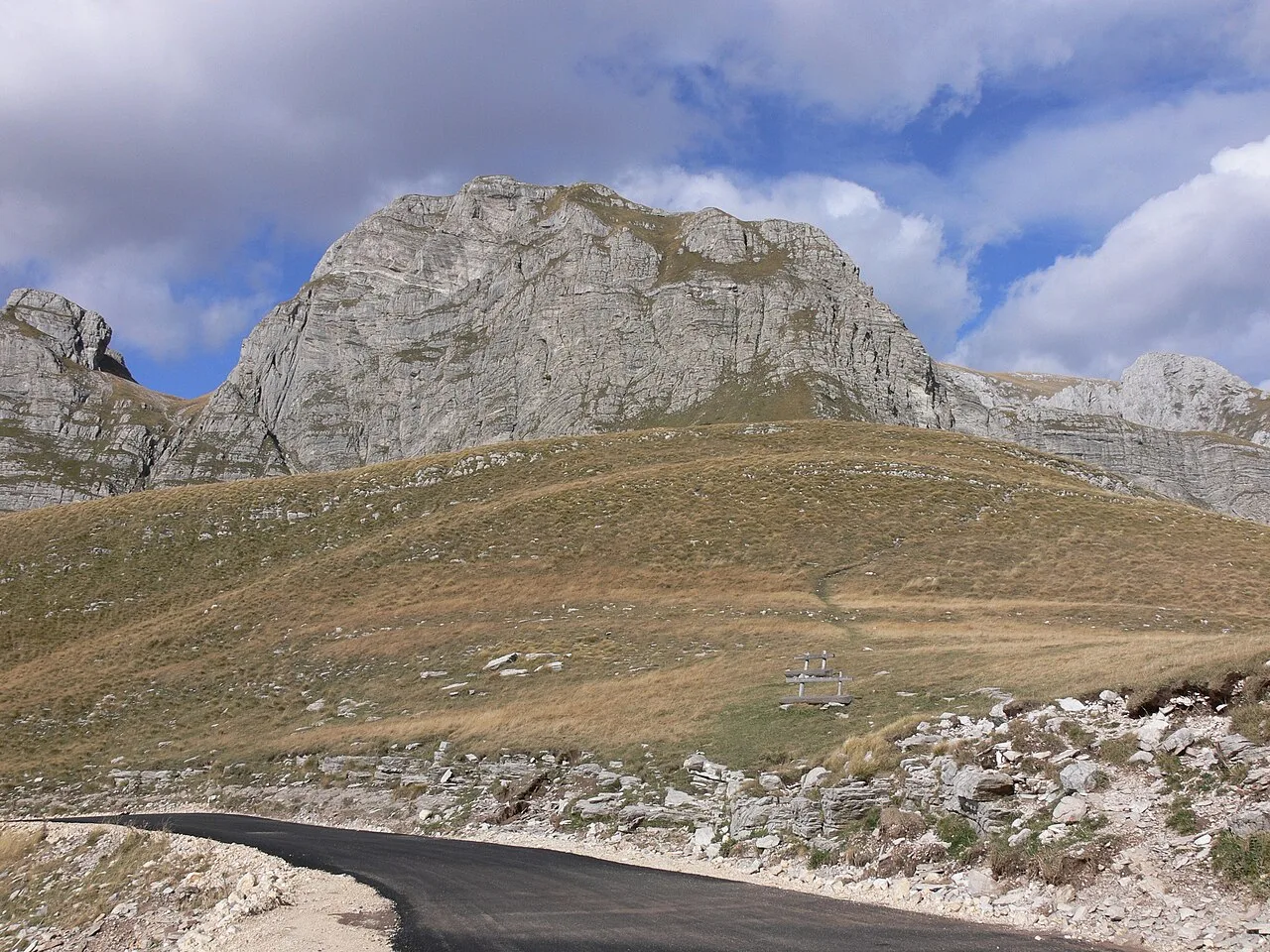
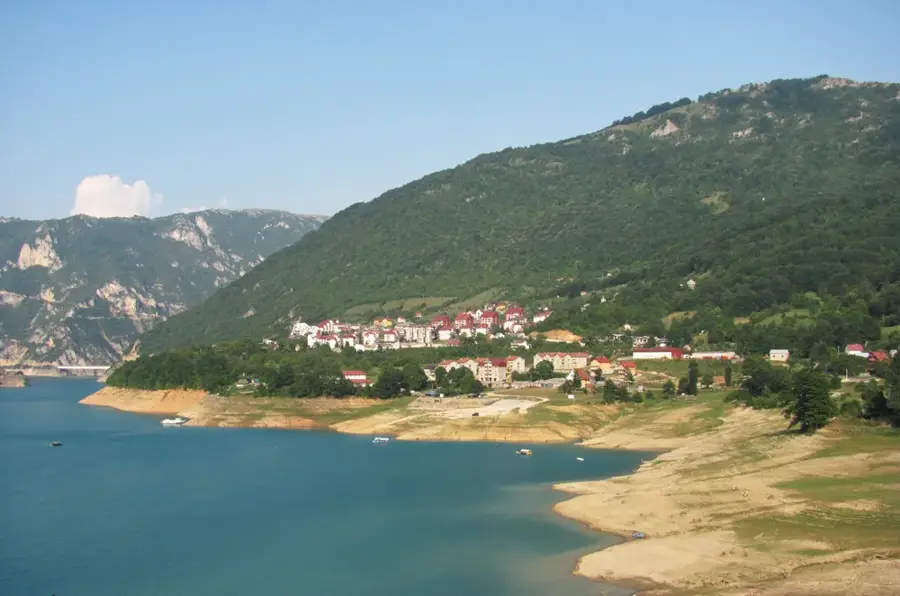
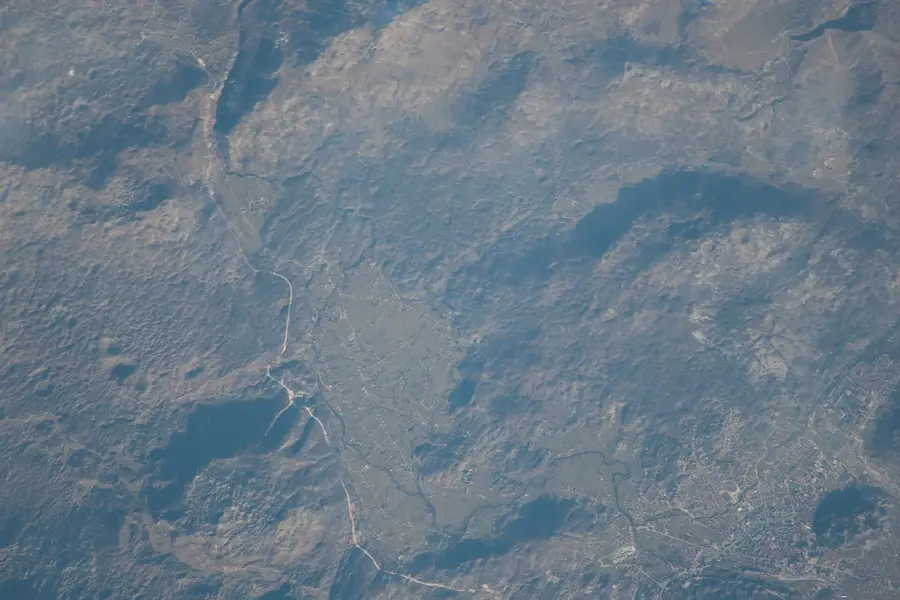
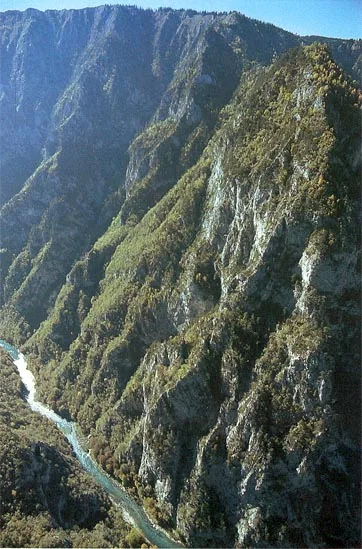
Pusto Polje is an extensive karst plateau in central Montenegro, located northwest of the city of Nikšić. The name translates to 'Desolate Field', reflecting the barren, rocky landscape and the scarcity of surface water typical of karst regions. The plateau extends at an average elevation of about 1,000 meters and is surrounded by the massive mountain ranges of Vojnik and Maglić. Geomorphologically, Pusto Polje is characterized by numerous sinkholes (dolines), cave systems, and underground watercourses that create complex hydrological phenomena during the rainy season. Despite its apparent inhospitability, the plain is used seasonally for livestock grazing, with traditional stone huts dotting the landscape. The region is of great significance for understanding the hydrological cycles within the Montenegrin karst system, as water drains from here into lower-lying poljes.

Best time to visit & climate

The most pleasant time to visit is Jun–Aug.

JanFebMarAprMayJunJulAugSepOctNovDec
Avg °C-2-137121618181394-1
Rain mm898786748610165558492108100

📋 Practical info

🧭
Getting there
Accessing this extremely remote karst plateau almost strictly involves driving on minor regional roads followed by rough unpaved tracks. A robust and reliable four-wheel-drive vehicle is practically completely necessary.
📅
Best season
Late spring and early autumn represent the most favorable seasons, avoiding the intense heat of summer. Winter invariably brings extremely harsh, desolate conditions and deep, dangerous snow to the remote and barren region.
⛰️
Terrain & paths
The environment is exceptionally barren, rocky, and highly uneven, featuring typical deep karst sinkholes and sharp ridges. Navigating this desolate landscape requires careful route-finding and robust physical stamina.
🎒
What to bring
Exceptionally durable hiking boots are required to withstand the sharp limestone rocks. Bring all the water you need for the day, as there are virtually no natural water sources anywhere in this vast and desolate region.
🅿️
Parking
Vehiculele sunt lăsate at the end of passable tracks or near small, isolated settlements bordering the plateau. Ensure your vehicle is parked safely and does not block critical local access points for the few residents.
⚠️
Safety
The primary risks are the harsh, unforgiving terrain and sheer isolation. Ankle sprains are common on the loose rocks, and mobile phone coverage is extremely likely to be entirely non-existent in this desolate area.
⏱️
Time needed
Exploring the remote plateau is a demanding full-day endeavor, requiring at least five to eight hours. The challenging terrain significantly slows down the average walking speed for everyone exploring the region.

Geography

Coordinates
43.28410, 19.08330

Facts

  • The plateau is one of the driest areas in central Montenegro during summer.
  • The limestone layers here reach a thickness of several hundred meters.
  • Archaeological finds confirm human habitation since the Iron Age.
  • In winter, temperatures on the plateau can drop below -20 degrees Celsius.
  • Pusto Polje serves as a catchment area for the Zeta river system.
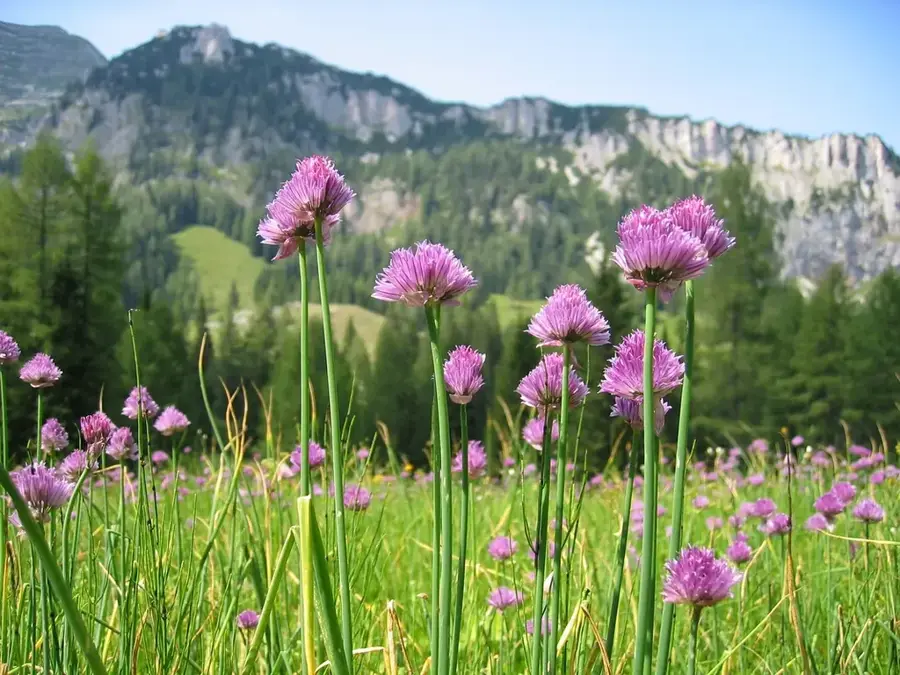
  • Vegetation consists mainly of drought-resistant grasses and shrubs.

Explore nearby

Notable places around
Route planner — Car & Motorhome

Where do you start? We build the route here, with stops and country notes along the way.

Vehicle
Only stops with (optional):

© OpenStreetMap contributors · OpenRouteService

Sights in the town Pusto Polje Plateau (3)

Kokot📍 landmark

A mountain peak on the Pusto Polje Plateau, characteristic of the region's karst landscape.

Kokošari📍 landmark

One of the peaks in the Pusto Polje Plateau area, surrounded by untouched nature.

Bjelobor📍 landmark

A peak on the plateau known for its views of the surrounding mountain landscape.

Sights nearby

Frequently asked questions

What does the name Pusto Polje mean?
The name translates to 'empty field' or 'deserted field', indicating the solitude of the high plateau.
Where is Pusto Polje located?
It is located in the Nikšić region, tucked away within the rugged limestone landscapes of central Montenegro.
Is the area suitable for hiking?
Yes, for hikers seeking wild, untouched landscapes without marked trails and tourist crowds.
Is there water on the plateau?
No, as is typical in karst areas, water drains away immediately. You must bring your own drinking water.
When should you visit Pusto Polje?
Late spring or early autumn are handy to avoid the extreme summer heat in the stone landscape.
Pusto Polje Plateau: where is it located?
Pusto Polje Plateau is located in Montenegro.
Pusto Polje Plateau: what is there to see?
Highlights include Kokot, Kokošari, Bjelobor.
Pusto Polje Plateau: when is the best time to visit?
The most pleasant time to visit is Jun, Aug.
Pusto Polje Plateau: why is it worth visiting?

Pusto Polje is an extensive karst plateau in central Montenegro, located northwest of the city of Nikšić.
View on map → The Top 50 Attractions → OpenStreetMap →
Europe
Explore with Plizio Discover more places in Europe
More places in Montenegro →

Nearby cities

History & landmarks
Nature

More places