Plizio Visual Lab
Grigoriopol
ℹ️Practical info — Grigoriopol
▾
🌤 Weather — 5 days
📍 Nearby
Sights nearby
💡 Tips
- You will need Transnistrian rubles for purchases; foreign credit cards are not accepted, so bring cash to exchange.
- The city was historically founded by Armenians; look out for the subtle architectural influences in the older parts of town.
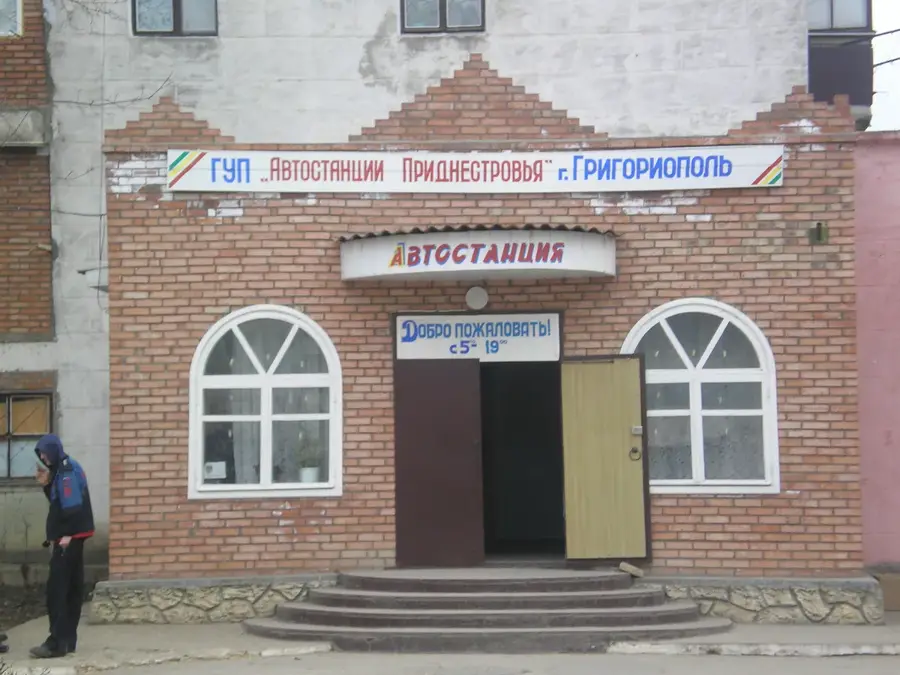
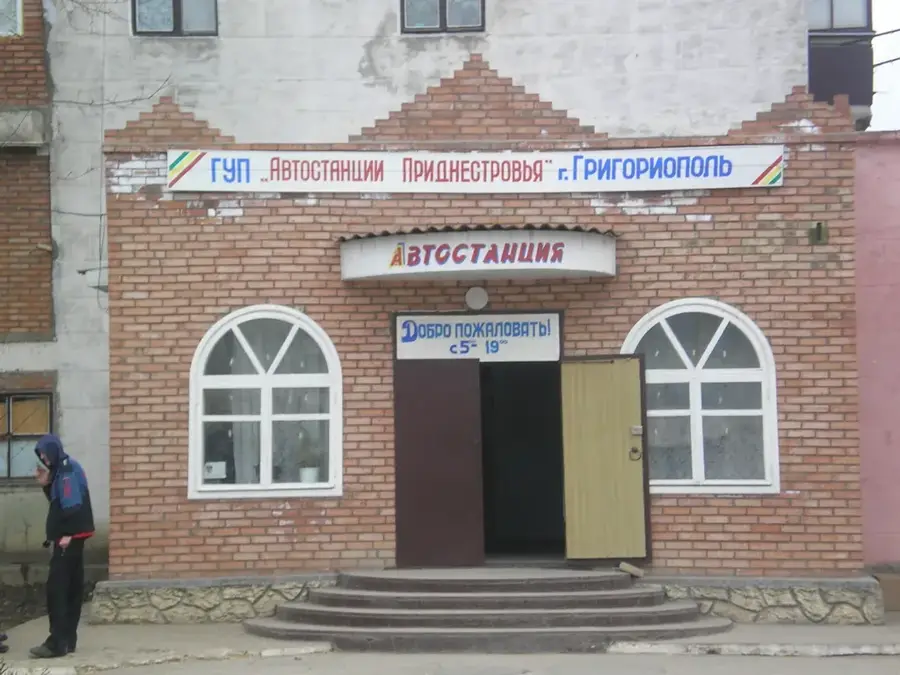
- Minibuses (marshrutkas) are the best way to travel to Tiraspol or Dubasari, usually departing from the central bus stop.
- Be prepared to communicate mainly in Russian, as it is the primary language used in daily life here.
🍽 Food
Enjoy traditional grilled meat at a local café near the town center, reflecting the town's heritage.
Try this local savory pastry filled with cheese or potatoes, commonly found in bakeries around the central market.
Sample this famous local brandy at dining spots in town, usually served as an after-dinner drink.
🛍 Shopping · 🧘 Quiet spots
Buy fresh local produce, honey, and homemade dairy products from nearby villages.
Look for local sweets and Kvint brandy in the main grocery stores along the central street.
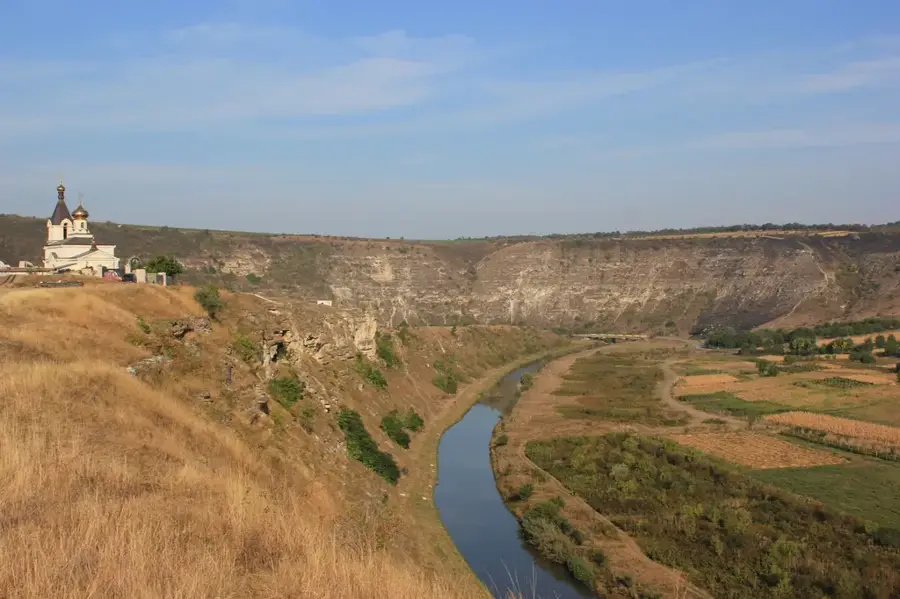
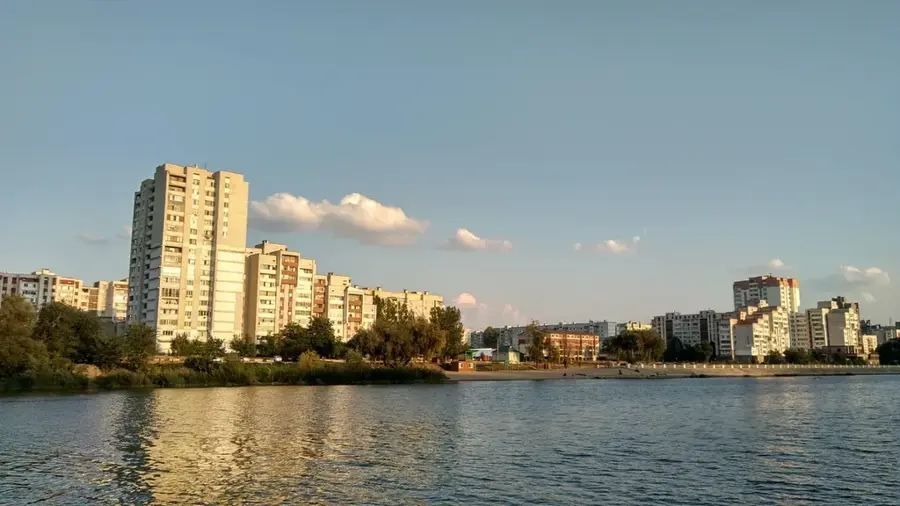
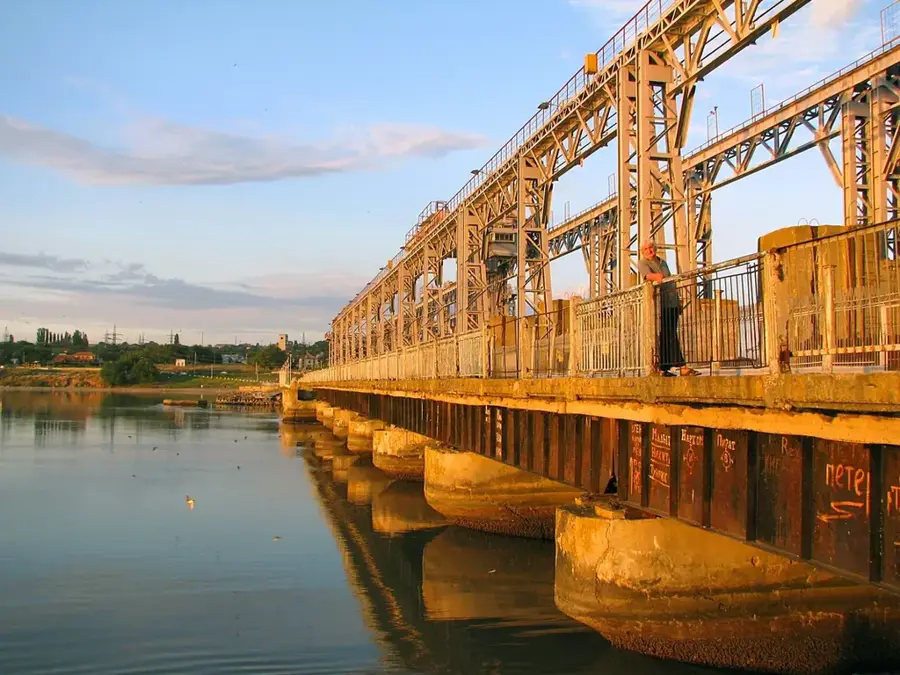
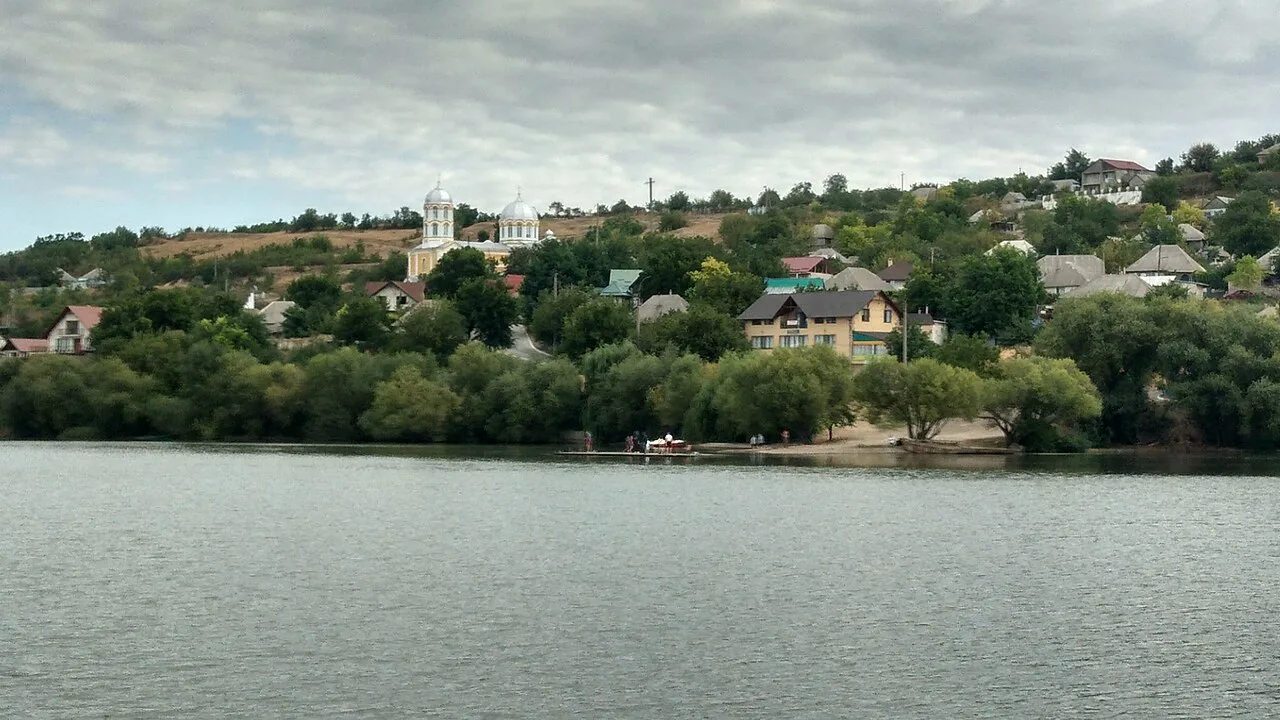
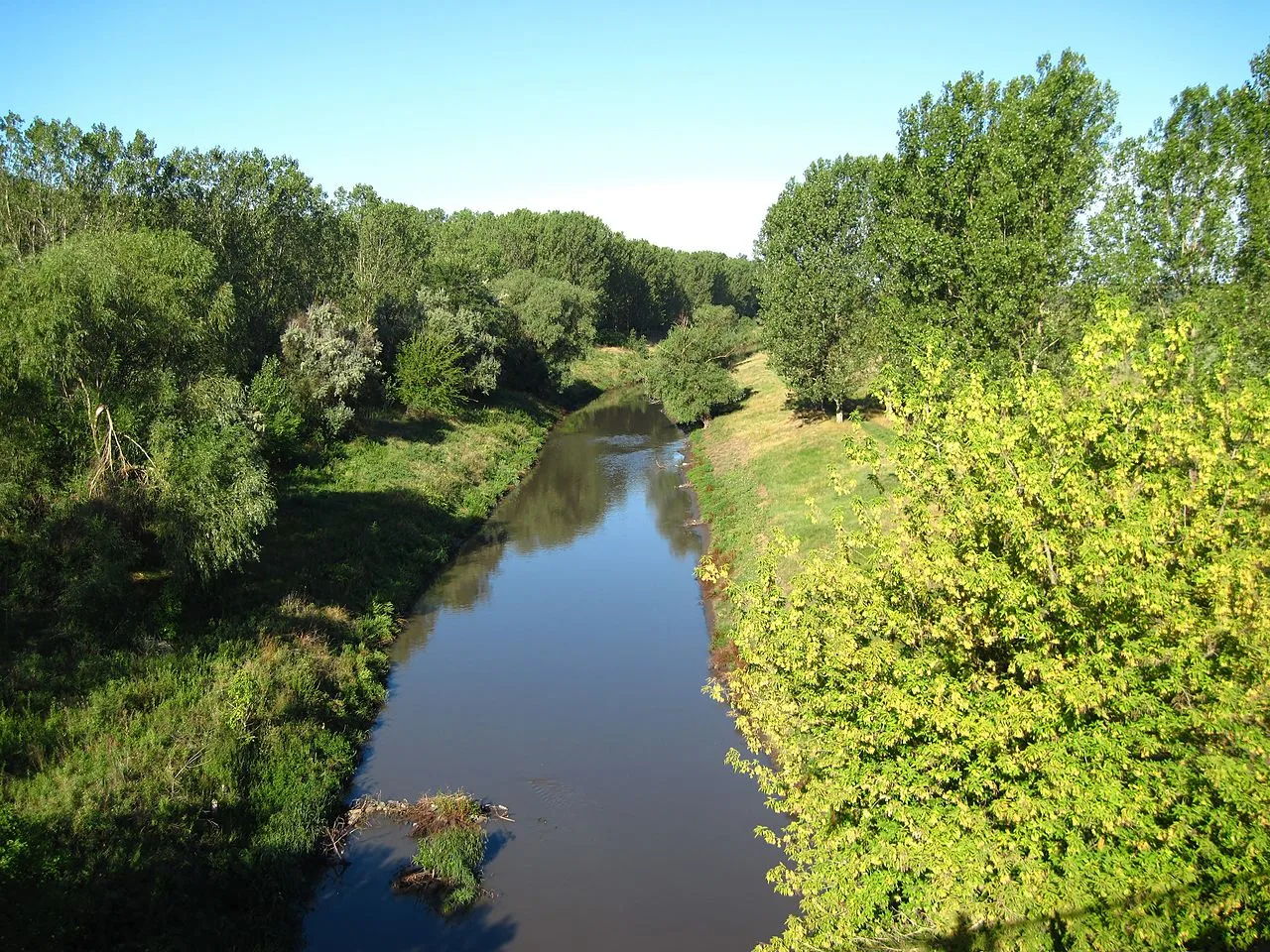
A peaceful spot for a leisurely walk along the water with views of the opposite shore.
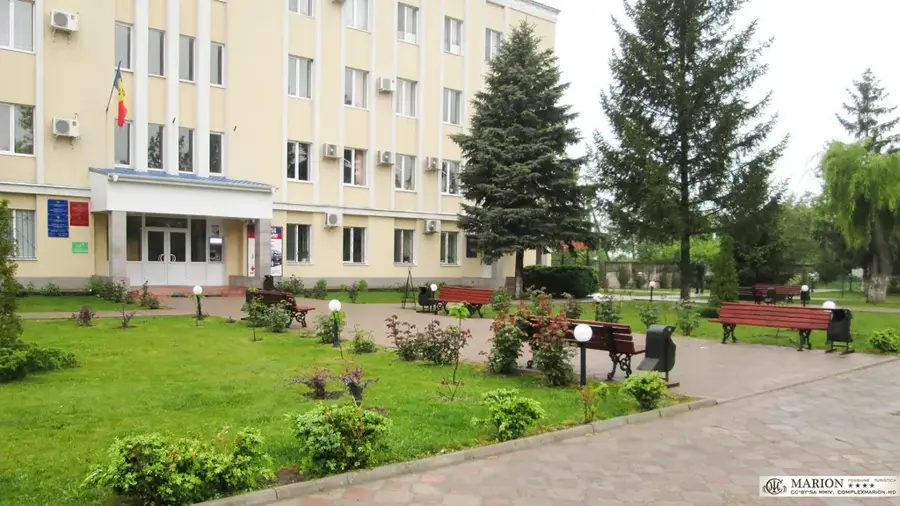
A quiet green space in the middle of town, well-suited for resting on a bench under the shade of mature trees.
Water temperature…
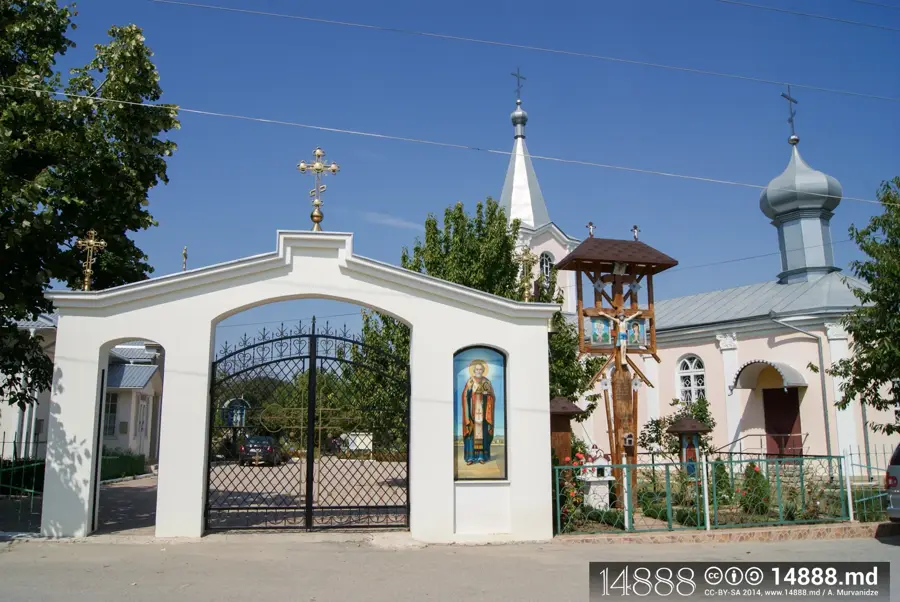
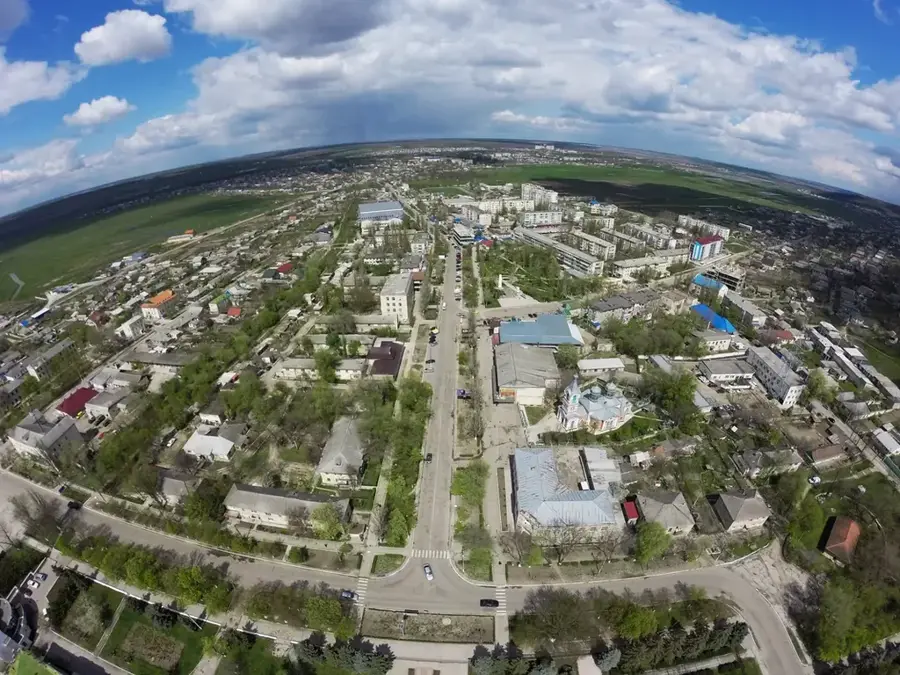
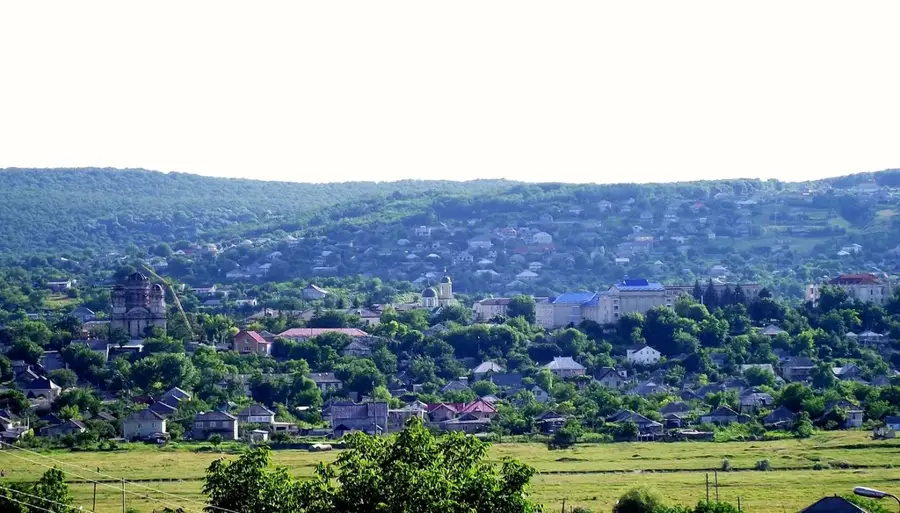
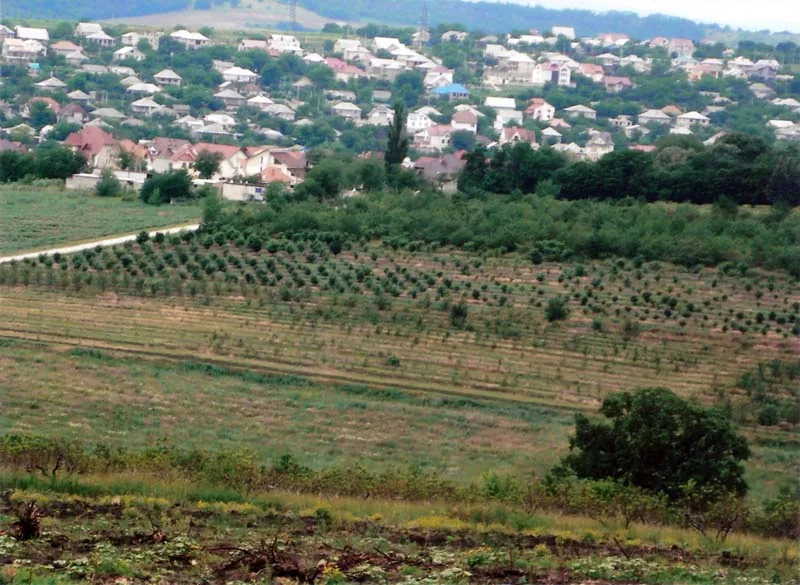
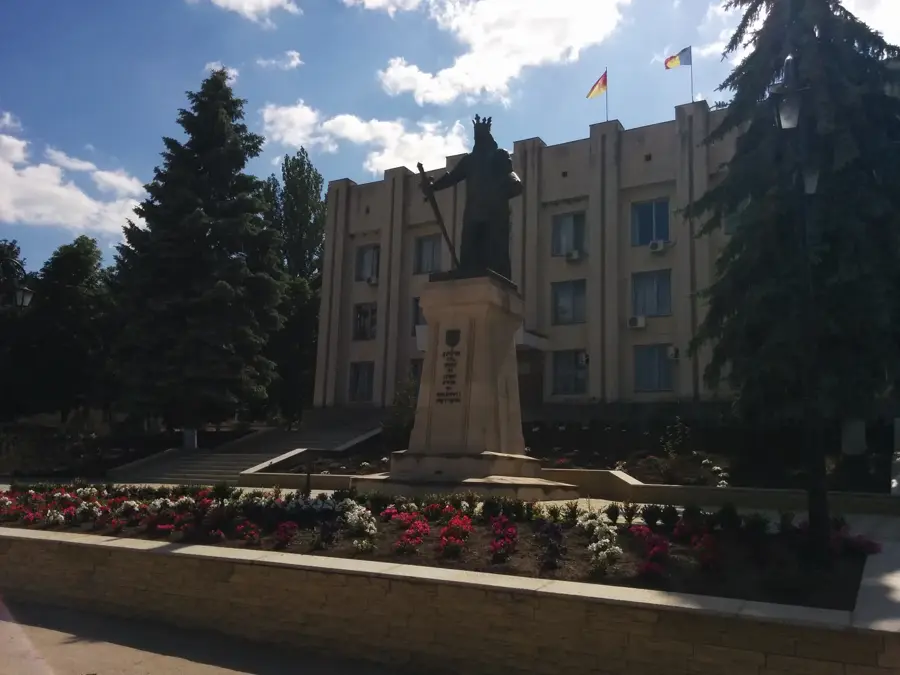
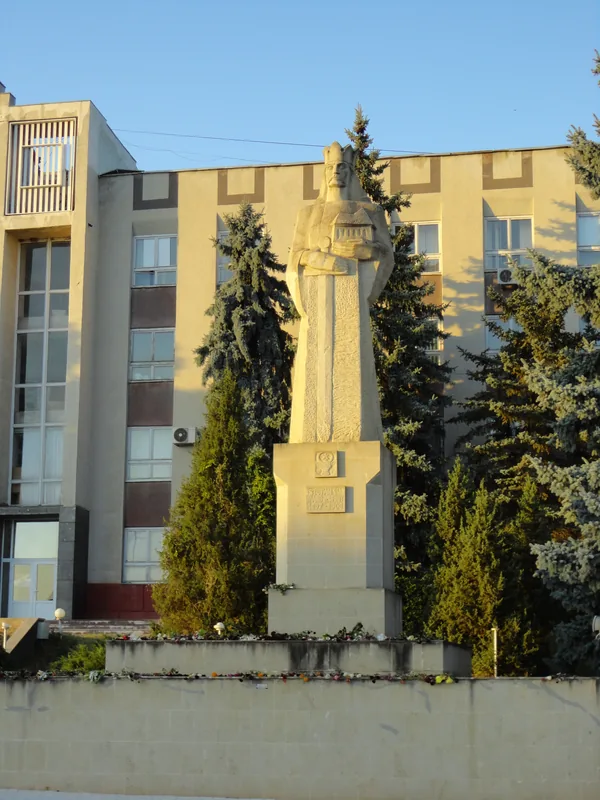
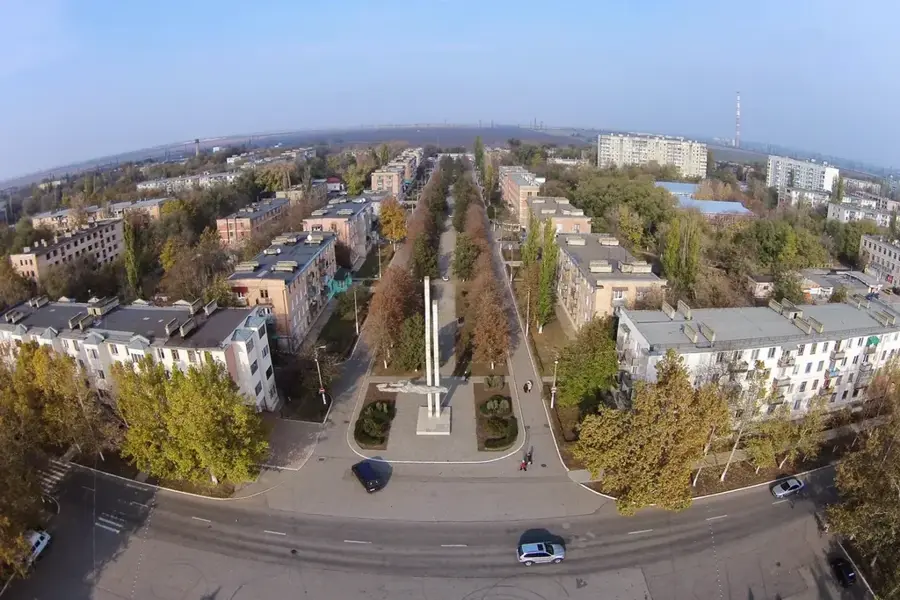
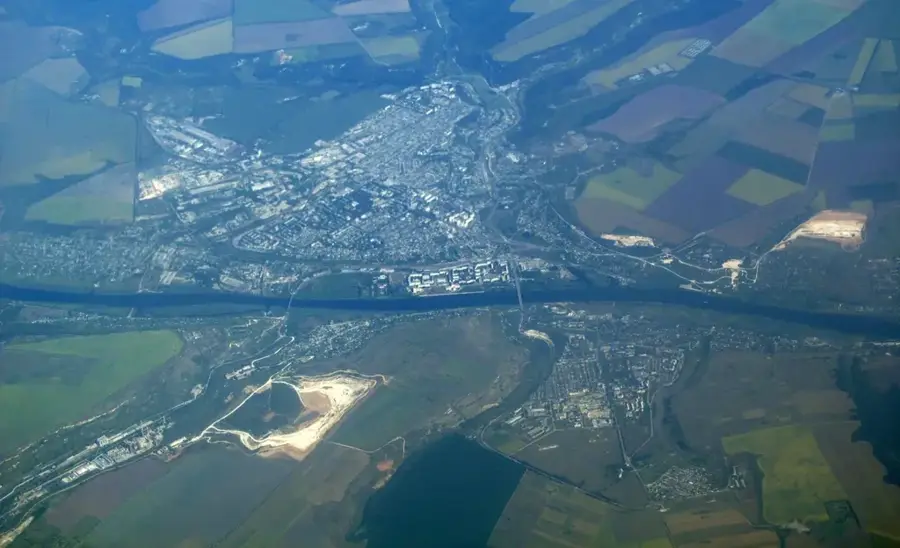
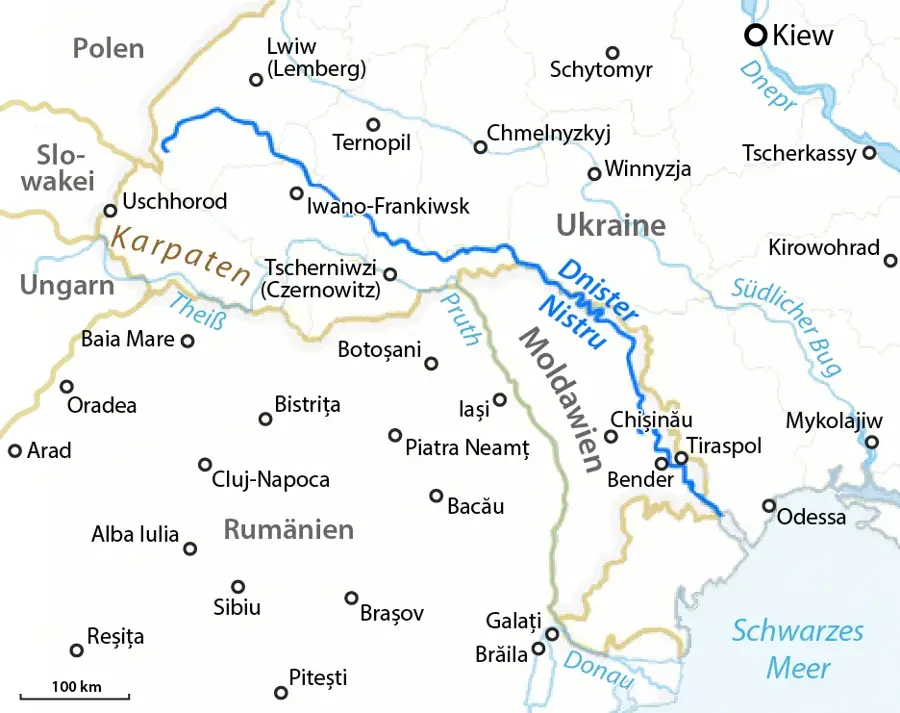
Grigoriopol is an administrative center located on the left bank of the Dniester River in Moldova, currently under the jurisdiction of the Transnistrian authorities. The town was officially established in 1792 following an order by Grigory Potemkin to provide a settlement for Armenian refugees arriving from Izmail and Crimea. The name of the city is believed to honor either Potemkin himself or Saint Gregory the Illuminator, the patron saint of the Armenian people. Historically, the town served as a significant trading post and craft center within the Novorossiya region during the 19th century. Today, Grigoriopol is characterized by its multi-ethnic population, consisting mainly of Moldovans, Russians, and Ukrainians. The local economy is primarily driven by agriculture, canning industries, and viticulture, utilizing the fertile lands along the riverbanks. Despite the complex political status of the region, the town remains a vital transport link between Tiraspol and the northern districts, maintaining its role as a regional hub.
- Location: Moldova
- Top sights: Bunker No 506 TiFR · Bunker No 503 TiFR · Bunker No 518 TiFR
- Nearby: Maiac (11 km)
- Population: ~9.456
Best time to visit & climate
The most pleasant time to visit is Jun, Aug, Sep.
| Jan | Feb | Mar | Apr | May | Jun | Jul | Aug | Sep | Oct | Nov | Dec | |
|---|---|---|---|---|---|---|---|---|---|---|---|---|
| Avg °C | -4 | -1 | 4 | 10 | 17 | 22 | 24 | 24 | 18 | 11 | 4 | -1 |
| Rain mm | 43 | 33 | 37 | 35 | 50 | 66 | 56 | 34 | 39 | 43 | 42 | 39 |
Geography
Facts
- Grigoriopol was founded in 1792 specifically for Armenian colonists.
- The town is located approximately 45 kilometers north of Tiraspol.
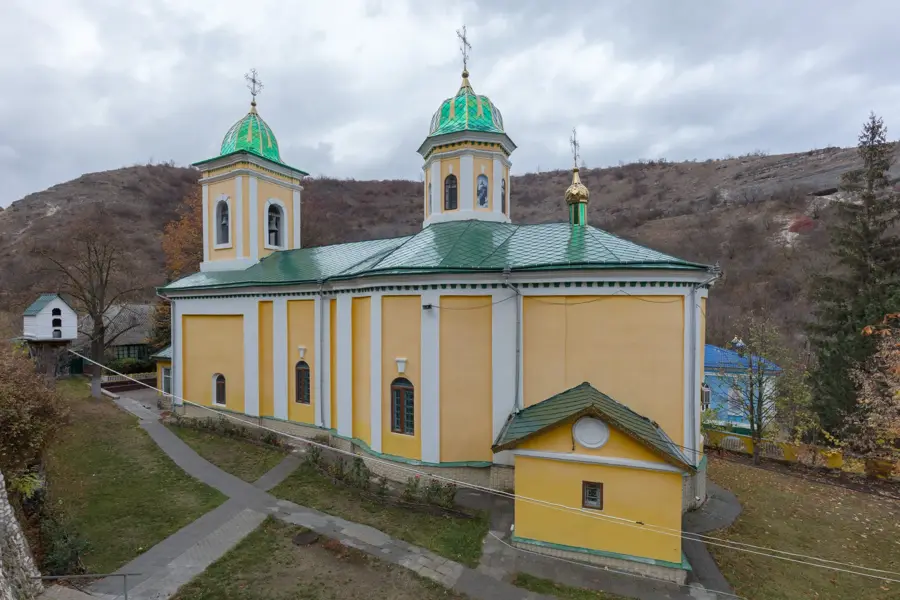
- In 1844, a prominent Armenian cathedral was consecrated in the city.
- Grigoriopol serves as the administrative center for its namesake district.
- The current population of the town is estimated to be around 9,000.
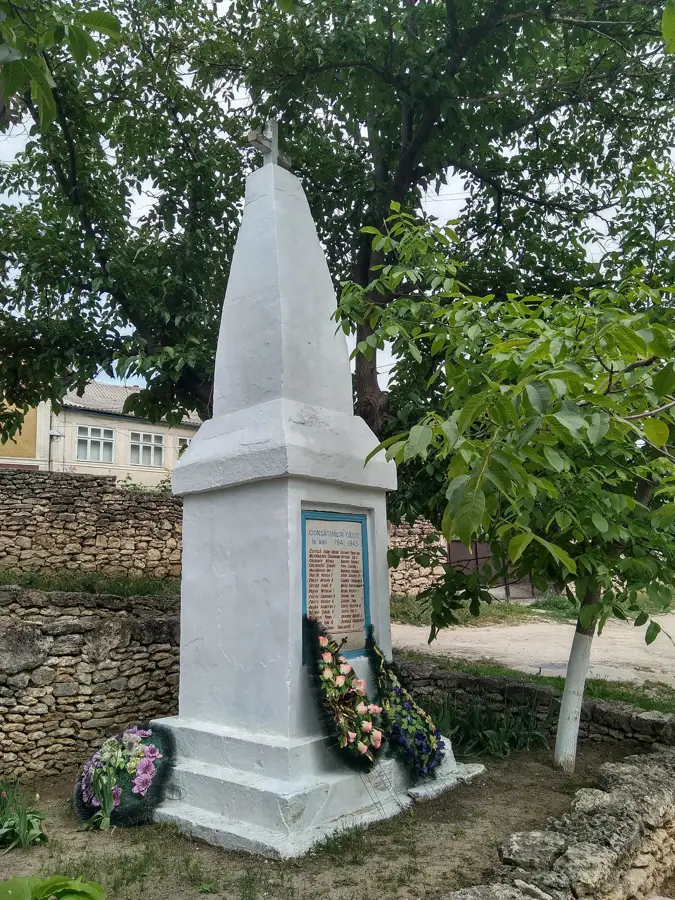
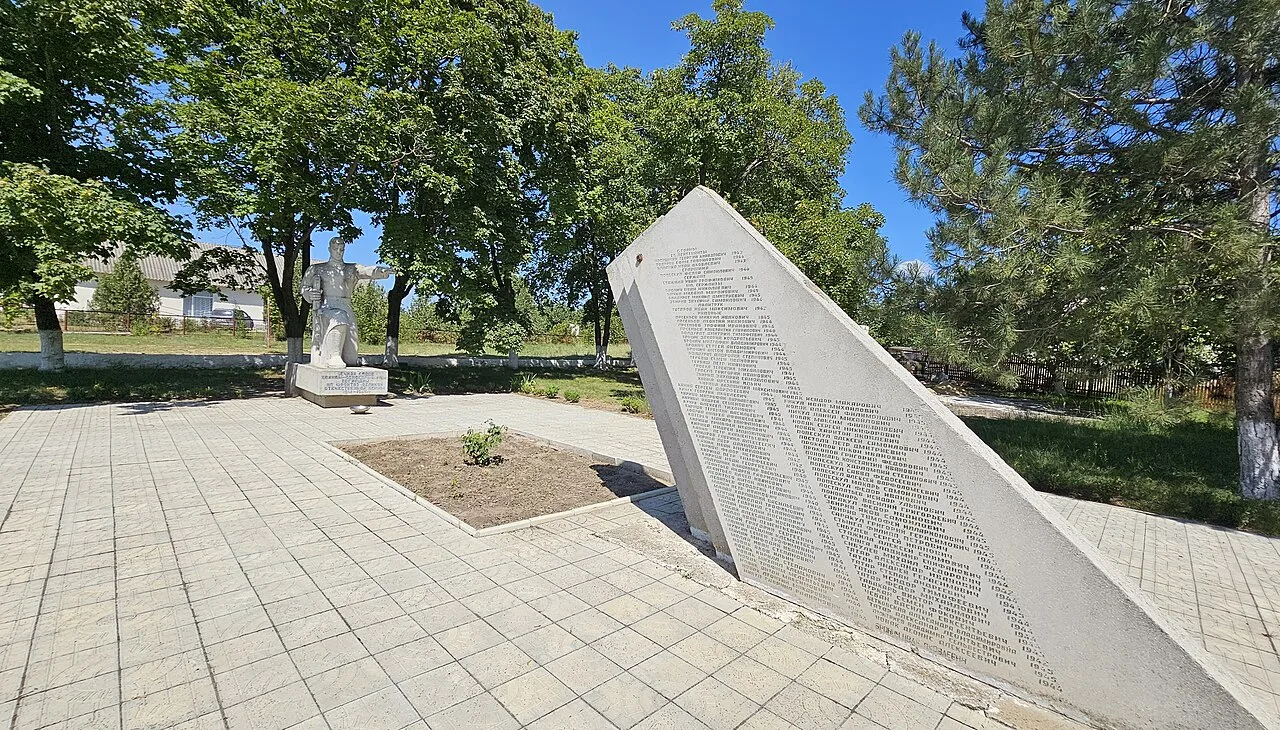
- During the 1992 Transnistria War, the town was a site of significant conflict.
Explore nearby
Notable places around


Route planner — Car & Motorhome
Where do you start? We build the route here, with stops and country notes along the way.
© OpenStreetMap contributors · OpenRouteService
Sights in the town Grigoriopol (4)
Frequently asked questions
Who founded Grigoriopol?
Where is Grigoriopol located?
What is an architectural peculiarity?
Is Romanian spoken there?
What can you do at the river?
Grigoriopol: where is it located?
Grigoriopol: what is there to see?
Grigoriopol: when is the best time to visit?
Grigoriopol: why is it worth visiting?

Nearby cities
History & landmarks
Nature
More places